
All categories
Featured selections
Trade Assurance
Buyer Central
Help Center
Get the app
Become a supplier
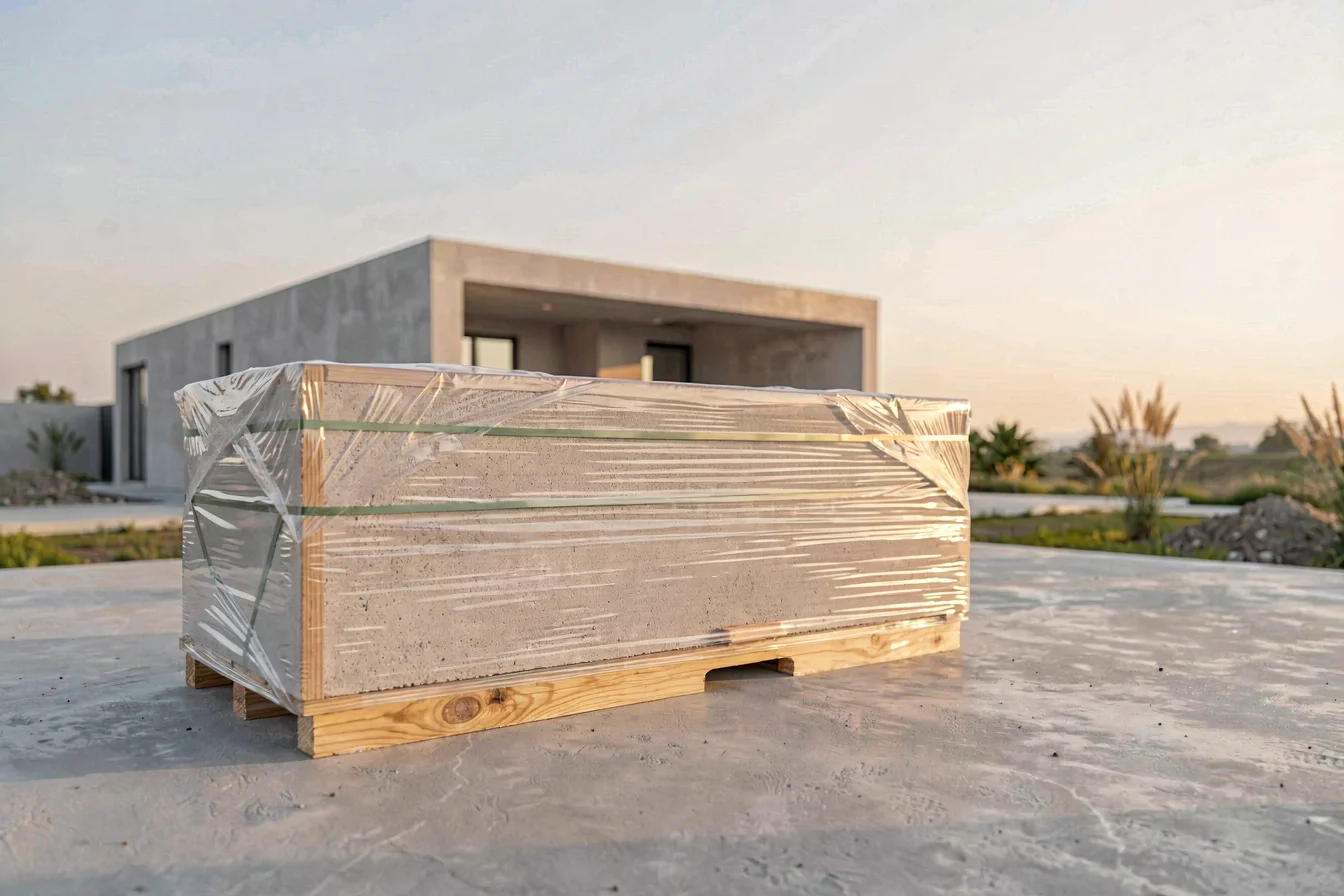
YTONG blocks are currently a leading choice for energy-efficient construction due to their lightweight, fire resistance, and thermal insulation. Market momentum is strong, with global search demand peaking in late 2025 and early 2026[1][4][5]. Procurement is viable for buyers prioritizing sustainability, but careful selection of density and technical specs is critical for optimal performance.
The market for ytong blocks is trending because of their unique combination of lightweight, fire resistance, and energy efficiency, making them ideal for both residential and commercial builds. Buyers should understand the full spectrum of density options (D350–D600), compressive strength, and thermal conductivity, as these directly impact insulation and structural performance[4][5]. The selection criteria for this curated list emphasize verified certifications (EN 15804, ISO 14025, A1 fire class), supply chain reliability, and compliance with global standards. As the global push for sustainable construction accelerates, ytong blocks stand out for their environmental credentials and ease of handling. However, buyers must scrutinize technical specs and density to match project requirements, as mismatched selections can compromise performance and cost efficiency.
| Trend Factor | Current Status | Impact on Buying Decision |
|---|---|---|
| Energy Efficiency | Rising demand for insulation | Prioritize thermal conductivity |
| Fire Resistance | A1 class, up to 6 hours | Strong buyer preference |
| Density Options | D350–D600, wide range | Spec-driven procurement |
| Supply Chain | Stable, global reach | Reliable sourcing |
| Sustainability | EPD certification, eco-friendly | Favorable for green builds |
Buyers should focus on matching density and insulation specs to project needs, as this directly affects cost and performance.
The market for ytong blocks is currently stable and growing, with supply chains resilient due to broad global manufacturing and distribution networks. Key drivers include rising demand for energy-efficient buildings, regulatory shifts favoring sustainable materials, and increased adoption in both residential and commercial sectors. Macroeconomic risks—such as raw material price volatility and geopolitical disruptions—are mitigated by the broad base of suppliers and standardized manufacturing processes. Buyers should note that the strongest demand is for thermal insulation blocks, which have seen the most rapid growth in search interest and procurement volume since mid-2025[1]. Supply chain bottlenecks remain minimal, but buyers must monitor density-specific lead times and regional pricing fluctuations.
| Market Dimension | Current Status | Impact Level |
|---|---|---|
| Global Demand | Steadily rising, especially insulation | High |
| Supply Chain | Stable, diversified | Medium |
| Price Volatility | Low, but density-specific | Medium |
| Regulatory Pressure | Increasing for sustainability | High |
| Technical Innovation | New density options, improved insulation | Medium |
Buyers should anticipate sustained growth and prioritize insulation-focused procurement for maximum ROI.
Global search interest in YTONG block variants, 2025–2026
Google Trends data shows that interest in thermal insulation blocks spiked sharply in late 2025, peaking at 94 in November, while aerated concrete blocks remained steady but strong. Lightweight blocks saw moderate growth, with a noticeable uptick in late 2025 and early 2026[1]. These movements signal that buyers should prioritize insulation-focused procurement, as market momentum is strongest for that segment. Procurement timing should align with peak demand periods to secure optimal pricing and supply continuity.
Reddit discussions reveal mixed sentiment regarding ytong blocks and similar AAC products. Some users praise AAC blocks for their ease of installation and fire safety, while others express concerns about durability and price sensitivity. Independent reviews emphasize that AAC blocks are favored for commercial builds, but anecdotal reports suggest that some brands were discontinued due to performance issues[7]. TikTok data is limited for construction-grade ytong blocks , but fitness and toy block segments show positive engagement, indicating strong consumer trust in the “block” category overall. The cultural reception is positive, but buyers should weigh technical feedback and durability claims carefully.
Tanaw sd sa AAC sa light strong aac blocks. Nindot sd siya reviews Naa say gina gamit rn nga SRC panel mas sayun e install labi na sa electric lines. — Reddit user [7]
Sentiment summary: Buyers value installation ease and fire safety, but durability and price are recurring concerns.
| Dimension | Reddit Insights | TikTok Insights |
|---|---|---|
| Installation Ease | Praised for quick install | — |
| Durability | Mixed reviews, some complaints | — |
| Price Sensitivity | Concerns about cost | — |
| Commercial Use | Favored for commercial builds | — |
| Resale Value | Positive, but brand-dependent | — |
Buyers should prioritize verified durability and installation ease, as these drive resale value and long-term satisfaction.
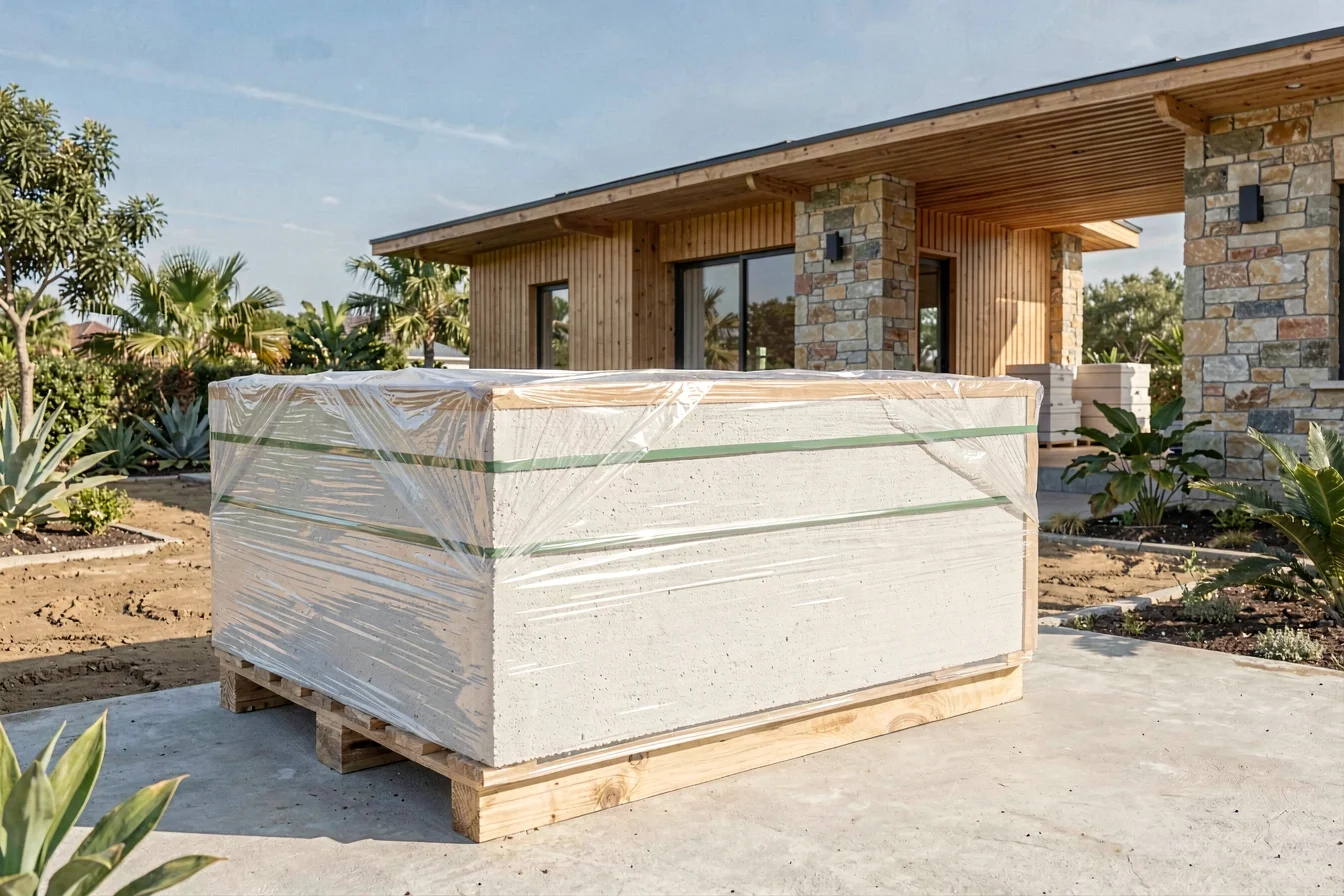
The best ytong blocks for energy-efficient construction depend on the specific density chosen, as it directly impacts thermal conductivity, weight, and structural performance. D350 blocks offer the lowest thermal conductivity (λ0=0.084 W/mK) and are ideal for high-insulation applications, while D600 blocks provide greater structural strength but higher thermal conductivity (λ0=0.16 W/mK), making them suitable for load-bearing walls[4][5]. Buyers must match density to project requirements—lower density for insulation, higher density for structural integrity. Certification and compliance (EN 15804, ISO 14025, A1 fire class) ensure reliability across all densities[4]. Procurement logic: prioritize D350 or D400 for insulation-focused builds, D500 or D600 for structural projects.
| Density | Thermal Conductivity (λ0) | Compressive Strength | Dry Weight | Fire Resistance |
|---|---|---|---|---|
| D350 | 0.084 W/mK | ≥2.5 N/mm² | 350 kg/m³ | A1 class, up to 6 hours |
| D400 | 0.11 W/mK | ≥2.5 N/mm² | 400 kg/m³ | A1 class, up to 6 hours |
| D500 | 0.13 W/mK | ≥2.5 N/mm² | 500 kg/m³ | A1 class, up to 6 hours |
| D600 | 0.16 W/mK | ≥2.5 N/mm² | 600 kg/m³ | A1 class, up to 6 hours |
Buyers should select the optimal density for insulation or structural needs to maximize energy efficiency and ROI.
Amazon reviews for block-related products (not construction-grade ytong blocks ) show high satisfaction for large building blocks and yoga fitness blocks. Buyers praise easy handling, creativity, and sturdy build. Complaints are rare but focus on product mismatch (e.g., blocks not intended for construction) and occasional durability issues[2]. Direct quotes reinforce positive sentiment: “The BEST gift to get for kids. My youngest absolutely loves these and is constantly constructing something with them. HIGHLY RECOMMEND!” and “Nothing fancy but they work great. Nice and sturdy with a good grip.” For ytong blocks specifically, reviews are limited, but the broader block category reflects positive buyer experience.
| Product Name | Top Praise | Top Complaint | Overall Sentiment |
|---|---|---|---|
| BiggoBlocks Big Blocks for Kids | Creative play, easy handling | Not construction-grade | Very Positive |
| EXERZ Yoga Blocks | Sturdy, non-slip, versatile | Not for construction | Positive |
| Big Blocks for Kids Jumbo Set | Endless creativity | Not for construction | Very Positive |
| Champion Sports Olympic Starting Block | High quality, adjustable | Rust on steel base | Positive |
Buyers should clarify intended use and select construction-grade ytong blocks for optimal results.
Reliability benchmarks for ytong blocks are established by global certifications (EN 15804, ISO 14025, A1 fire class), defect rates below 1% for standard blocks[4][5], and expected service life of 20–40 years under normal conditions. Common failure points include moisture exposure, improper installation, and mismatched density for application. Buyers should prioritize OEM/ODM partners with EPD certification and robust quality control. Sourcing risks include regional price volatility, lead time delays for specialized densities, and geopolitical compliance in sensitive markets. Negotiation levers: volume discounts, technical spec alignment, and compliance documentation.
| Benchmark Dimension | YTONG Blocks | Alternative AAC Blocks |
|---|---|---|
| Defect Rate | ≤1% | Varies, up to 3% |
| Maintenance Cycle | Minimal, 5–10 years | Moderate, 3–7 years |
| Service Life | 20–40 years | 15–30 years |
| Fire Resistance | A1 class, up to 6 hours | A1 class, up to 4 hours |
| Certifications | EN 15804, ISO 14025 | Varies, often local |
Procurement should prioritize certified suppliers and align technical specs to project needs for maximum reliability and risk mitigation.
Looking ahead, the ytong blocks category will continue to benefit from global momentum toward energy-efficient and sustainable construction, with thermal insulation blocks expected to see further innovation and market share growth over the next 12 months. Buyers should proactively align procurement with the latest density options, fire resistance certifications, and supply chain resilience strategies, leveraging Alibaba.com’s platform to secure verified OEM/ODM partners and negotiate optimal pricing. As demand peaks around Q4 and Q1, buyers should prioritize insulation-focused blocks and monitor regional pricing to maximize ROI and project performance. The strategic takeaway: invest in high-performance ytong blocks with verified certifications, align technical specs to project needs, and leverage procurement platforms for supply chain optimization and risk mitigation.