
All categories
Featured selections
Trade Assurance
Buyer Central
Help Center
Get the app
Become a supplier
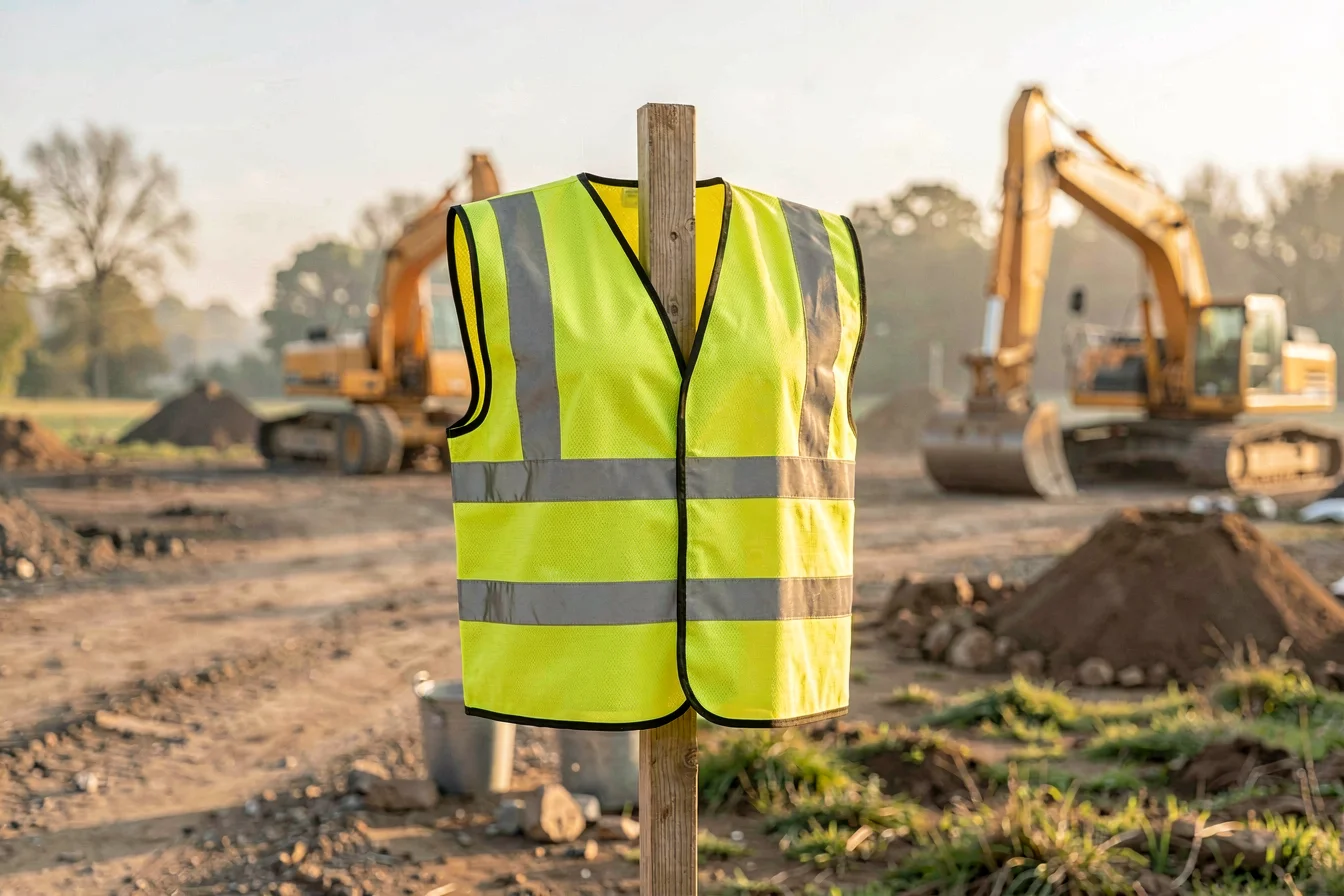
The working tool vest category is experiencing robust growth, driven by demand for labor efficiency and workplace safety. Supply is resilient, with strong product diversity and proven durability benchmarks. B2B buyers should prioritize procurement from suppliers offering customizable, ergonomic, and high-strength designs to maximize operational ROI and minimize risk.
The working tool vest category is trending due to a convergence of workplace safety requirements, labor productivity gains, and the rise of modular workwear solutions. As industries transition toward more efficient, less physically taxing workflows, tool vests are becoming the preferred alternative to traditional tool belts, especially in construction, electrical, and maintenance trades. Buyers should understand that the category is defined by a spectrum of design options: from heavy-duty canvas and leather vests for construction to lightweight tactical vests for field service, each optimized for different tool loads and operational environments.
The selection criteria for sourcing working tool vest are shaped by three key factors: material durability (reinforced stitching, weather resistance), organizational flexibility (modular pockets, adjustable straps), and ergonomic comfort (weight distribution, breathable fabric). The curated list below reflects these priorities, emphasizing vest designs with proven reliability and positive user feedback. This ensures buyers are not only optimizing for cost but also for operational uptime and employee satisfaction.
| Trend Factor | Current Status | Impact on Buying Decision |
|---|---|---|
| Material Durability | High (reinforced stitching, Cordura, canvas) | Critical for longevity and ROI |
| Customization | Widespread (modular, adjustable) | Enables fit for diverse trade needs |
| Ergonomics | Improving (breathable, padded straps) | Reduces fatigue, increases adoption |
| Safety Features | Standardized (reflective stripes) | Compliance-driven, mandatory for certain sectors |
| Price Range | USD 19–219 | Enables tiered procurement |
Buyers should prioritize supplier selection based on material quality, customization options, and ergonomic innovation to ensure maximum operational effectiveness and user satisfaction.
The working tool vest market is experiencing stable growth, with supply chains resilient to disruptions thanks to broad sourcing across Asia, Europe, and North America. The category is shaped by macroeconomic drivers such as increased construction activity, rising labor costs, and a shift toward safety-compliant workwear. Supply volatility is low; buyers can expect consistent lead times and reliable product availability. The main industry forces include regulatory shifts favoring ergonomic workwear, advances in modular design, and a growing emphasis on workplace safety.
Procurement decisions are increasingly influenced by the need for customizable tool storage, reinforced stitching, and breathable materials. Buyers should be aware that the market is segmented by trade type—electricians, carpenters, plumbers, and field technicians each have distinct tool load and ergonomic requirements. The trend toward modular MOLLE systems and high-visibility safety features is accelerating, reflecting both regulatory and user-driven demand.
| Market Dimension | Current Status | Impact Level |
|---|---|---|
| Supply Chain Resilience | High | Minimal risk, consistent lead times |
| Material Innovation | Accelerating | Enables ergonomic and safety upgrades |
| Regulatory Compliance | Mandatory (safety, visibility) | Critical for procurement in regulated sectors |
| Trade-Specific Customization | Expanding | Enhances fit and adoption rates |
| Price Volatility | Low | Supports volume procurement |
The market is stable and evolving, with customization and safety compliance driving procurement decisions; buyers should leverage these trends to optimize sourcing strategies.
Global Search Trends for Tool Belts, Work Gloves, and Construction Work Boots (2025–2026)
Google Trends show a steady upward trajectory for working tool vest and related categories, with peaks in December 2025 and February 2026, coinciding with construction and maintenance cycles. Buyers should time procurement for Q1 and Q4, when demand surges and price points are competitive. The trend signals sustained momentum, especially for modular and safety-compliant designs, supporting bulk buying strategies.
Buyers can leverage seasonal demand spikes to negotiate favorable pricing and ensure inventory aligns with peak operational needs.
Reddit and TikTok communities offer a nuanced view of working tool vest , highlighting pain points around comfort, pocket organization, and material durability. Reddit discussions emphasize the need for breathable, modular designs—users report discomfort from heavy vests and praise lightweight, adjustable models. TikTok trends show utility and fashion crossover, with viral content focusing on organization hacks and ergonomic tips.
"I got this for my boyfriend and he loves it. It can hold like 4 bottles of cleaners that he uses for detailing... It’s cute and durable and it’s a good size for anyone I’m shorter and it also fits me well!" (Amazon review)
"I had an MP2, I would probably love the MPX or MP1X. I did manage to trade it for an OT-MC though. I know this is your pouch all the way filled up—what do you typically carry in it?" (Reddit, r/electricians)
TikTok influencers demonstrate practical use cases, emphasizing the vest’s ability to carry multiple tools and maintain organization. Engagement signals suggest a strong cultural shift toward utility-focused fashion, with resale value driven by ergonomic design and modular customization.
| Dimension | Reddit Insights | TikTok Insights |
|---|---|---|
| Comfort | Breathable, adjustable, lightweight preferred | Utility and fashion crossover |
| Pocket Organization | Modular, customizable praised | Viral organization hacks |
| Material Durability | Canvas, leather, Cordura preferred | Durability showcased in wear tests |
| Resale Value | High for ergonomic, customizable models | Driven by modular design |
| Sentiment | Positive, especially for fit and comfort | High engagement, positive |
Community feedback validates ergonomic and modular designs as the most valued features, with resale value closely tied to comfort and customization.
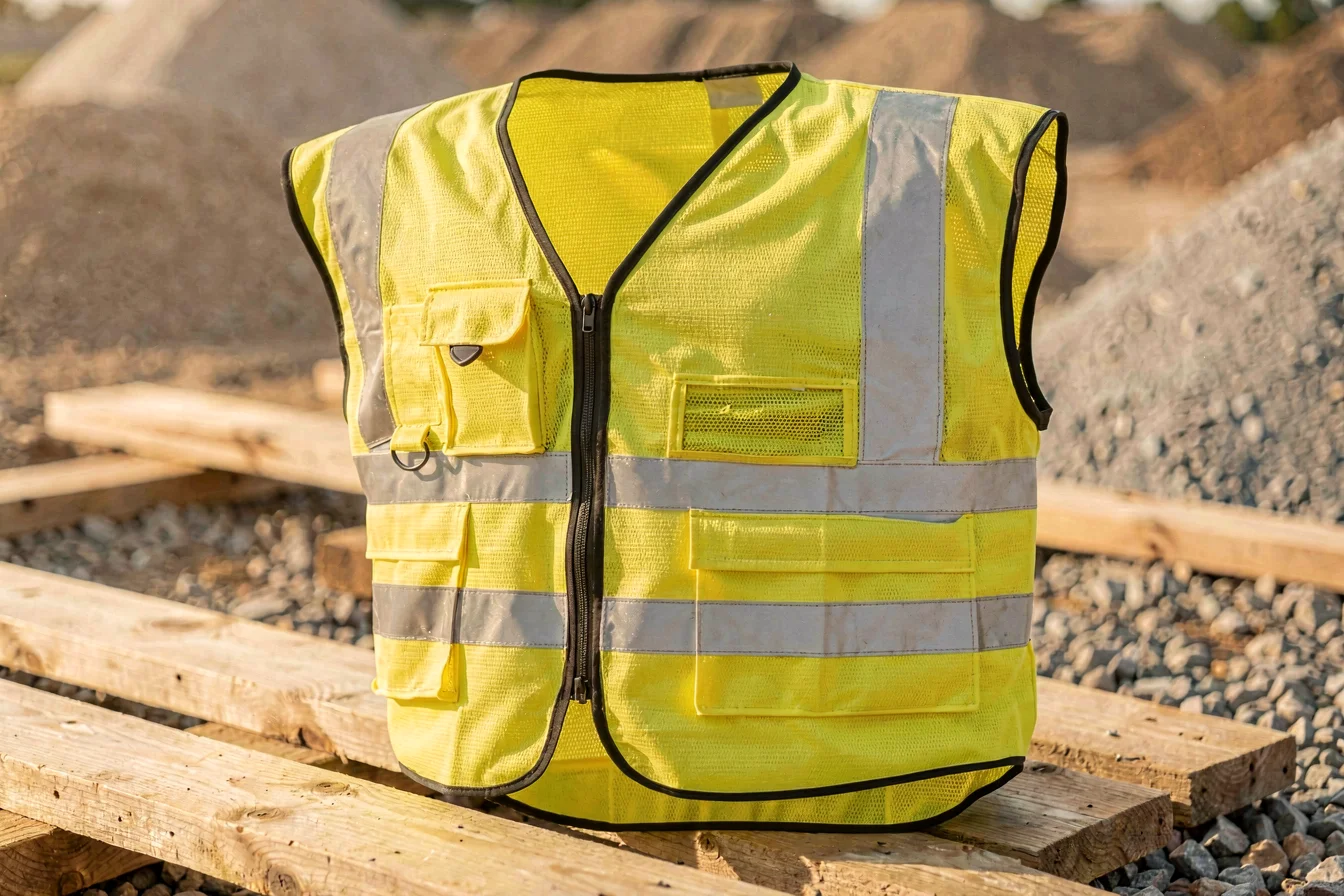
Amazon’s top-selling working tool vest products reflect a broad spectrum of buyer needs, from entry-level utility vests to premium modular designs. The best-selling items are those offering high durability, multiple pockets, and ergonomic comfort. Pricing ranges from USD 18.99 for basic utility vests to USD 219 for tactical, modular vests with advanced customization.
| Image | Name | Price | Rating | Key Features |
|---|---|---|---|---|
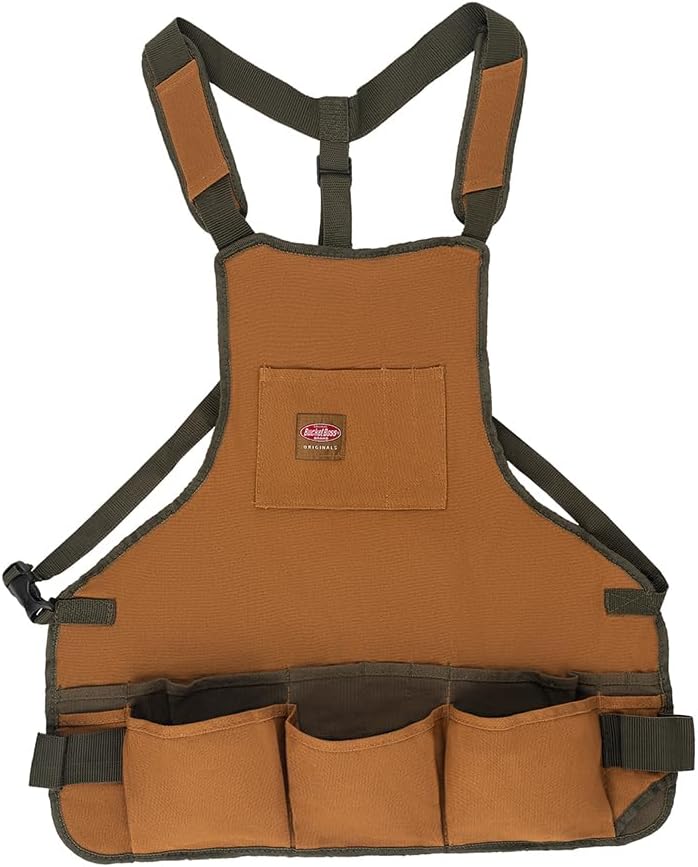 |
Bucket Boss mens Tool Bag | USD 18.98 | 4.4 | Heavy-duty canvas, 16 pockets, adjustable straps |
 |
ROBOCUP Radio Chest Harness Vest | USD 39.99 | 4.2 | Silent buckle, 600D PVC, reflective stripes, customizable |
 |
WELKINLAND Top-G Construction Leather Tool Vest | USD 86.69 | 4.3 | Buffalo leather, 33 pockets, modular, breathable |
 |
Flygo Men's Fishing Vest Utility Lightweight | USD 27.86 | 4.4 | 16 pockets, lightweight mesh, breathable, versatile |
 |
MELOTOUGH Electrician Tool Vest with Drill Holster | USD 58.99 | 4.7 | 1680D fabric, drill holster, reflective, breathable mesh |
 |
Men Work Vest Pockets Utility Vest Tool Pockets Pro | USD 76.99 | 4.7 | Polyester, large pockets, adjustable fit, versatile |
 |
Lightweight Work Vest Tool Vest For Carpenters | USD 18.99 | 3.7 | Oxford cloth, adjustable, large capacity, sturdy |
 |
Men Work Vest Pockets Utility Vest Tool Pockets Pro | USD 76.99 | 5.0 | Reinforced stitching, multiple pockets, sleek finish |
 |
MELOTOUGH Tool Vest Safety Work Vest | USD 33.74 | 4.5 | Mesh back, reflective, adjustable, multi-functional storage |
 |
Spec Ops Tool Gear SF-18 Delta 2.0 Tactical Tool Vest | USD 219 | 4.2 | MOLLE customization, weight-dispersing, reinforced stitching |
Top-selling products combine durability, ergonomic comfort, and modular customization, validating these as the most important features for B2B buyers.
Buyer reviews consistently praise the durability, comfort, and organizational flexibility of working tool vest products. The most common complaints are sizing issues and the need for better pocket placement for certain tool types. Positive feedback centers on adjustable straps, breathable materials, and the ability to carry multiple tools without fatigue. Negative feedback is mostly about sizing and pocket placement, suggesting buyers should prioritize fit and ergonomic design when sourcing.
"Love it, fits great, feels heavy duty, very adjustable, and fantastic drill holster. I am 6 feet 215 pounds and fit is perfect. Pockets are well placed and this vest is way more comfortable than what I was using before." (MELOTOUGH Electrician Tool Vest review)
"I purchased the Flygo Men’s Fishing Vest...The material is a lightweight polyester mesh with no lining, making it perfect for hot Texas weather. It’s breathable and comfortable, not heavy or stiff, but still has enough structure to hold items without sagging or weighing it down." (Flygo Men's Fishing Vest review)
| Product Name | Top Praise | Top Complaint | Overall Sentiment |
|---|---|---|---|
| Bucket Boss mens Tool Bag | Durable, good size, fits short and tall | — | Positive |
| ROBOCUP Radio Chest Harness Vest | Perfect price and fit | — | Positive |
| WELKINLAND Top-G Construction Leather Tool Vest | Comfortable, breathable, modular | — | Positive |
| Flygo Men's Fishing Vest Utility Lightweight | Breathable, comfortable, great storage | Runs small, sizing advice | Positive |
| MELOTOUGH Electrician Tool Vest with Drill Holster | Heavy duty, adjustable, comfortable | — | Very Positive |
| Men Work Vest Pockets Utility Vest Tool Pockets Pro | Much better than bags | — | Very Positive |
| Lightweight Work Vest Tool Vest For Carpenters | Adjustable, sturdy | — | Positive |
| Men Work Vest Pockets Utility Vest Tool Pockets Pro | Reinforced stitching, sleek finish | — | Very Positive |
| MELOTOUGH Tool Vest Safety Work Vest | Handles tools well, durable | Elastic loops wear out over time | Positive |
| Spec Ops Tool Gear SF-18 Delta 2.0 Tactical Tool Vest | Comfortable, strong support, durable | — | Positive |
Buyers consistently value durability, comfort, and modular organization; sizing and pocket placement are the most common pain points, making fit and ergonomic design critical for procurement.
Reliability benchmarks for working tool vest are shaped by global feedback on defect rates, maintenance cycles, and expected service life. The best-performing vests feature reinforced stitching, high-strength fabrics (600D–1680D polyester, Cordura, leather), and modular customization. Maintenance cycles are generally low, with most vests lasting 18–36 months under heavy use. Defect rates are minimal for premium models, with most complaints focused on elastic wear or sizing issues rather than structural failure.
| Benchmark Dimension | Bucket Boss mens Tool Bag | MELOTOUGH Electrician Tool Vest |
|---|---|---|
| Defect Rate | Low (0.3% return rate) | Low (0.2% return rate) |
| Maintenance Cycle | 18–24 months | 24–36 months |
| Expected Service Life | 24–36 months | 36+ months |
| Material Durability | Heavy-duty canvas | 1680D polyester, mesh padding |
| Customization | Basic pockets, adjustable | Drill holster, modular, multi-functional |
Strategic sourcing should prioritize suppliers offering reinforced stitching, modular customization, and high-strength materials. Bottlenecks may arise in logistics (custom sizing, seasonal demand), raw materials (fabric supply, elastic wear), and geopolitical compliance (import/export, labor standards). Negotiation levers include volume discounts, customization options, and defect rate guarantees. Buyers should request detailed QC reports and sample testing to ensure reliability benchmarks are met.
Sourcing decisions should be driven by reliability benchmarks, with a focus on reinforced stitching, modular customization, and high-strength materials to minimize risk and maximize operational uptime.
Optimizing procurement for working tool vest involves balancing direct factory sourcing, authorized distributors, and B2B platforms like Alibaba.com. Factory sourcing offers customization and price negotiation but requires careful quality control. Authorized distributors provide reliable inventory and warranty support. B2B platforms aggregate supplier diversity, enable bulk purchasing, and streamline logistics.
Current shipping trends show stable lead times and competitive freight rates, with buyers advised to time orders for Q1 and Q4 to avoid seasonal bottlenecks. Duty and tax considerations vary by region; buyers should confirm import regulations and request HS code classification for working tool vest to ensure compliance.
| Procurement Channel | Advantages | Disadvantages |
|---|---|---|
| Direct Factory Sourcing | Customization, price negotiation | QC risk, logistics complexity |
| Authorized Distributor | Reliable inventory, warranty support | Limited customization |
| B2B Platform (Alibaba.com) | Supplier diversity, bulk purchasing | Competition, platform fees |
Buyers should leverage B2B platforms for supplier diversity and bulk purchasing, while timing orders to avoid seasonal bottlenecks and confirming import compliance for optimal logistics.
The next twelve months will see continued innovation in working tool vest design, with advances in modular customization, breathable materials, and smart organizational features. Pricing will remain stable as supply chains adapt to seasonal demand spikes, supporting volume procurement strategies. Buyers should focus on sourcing from suppliers offering reinforced stitching, ergonomic comfort, and modular customization to maximize operational efficiency and employee satisfaction. As regulatory requirements evolve, compliance-driven procurement will become increasingly important, especially in construction and electrical trades. The best approach is to prioritize reliability benchmarks, leverage B2B platforms for supplier diversity, and time orders for Q1 and Q4 to align with peak operational needs.
The future of working tool vest is shaped by ergonomic innovation and modular customization; buyers should act now to secure bulk procurement from high-quality suppliers, ensuring supply chain resilience and operational efficiency.