
All categories
Featured selections
Trade Assurance
Buyer Central
Help Center
Get the app
Become a supplier
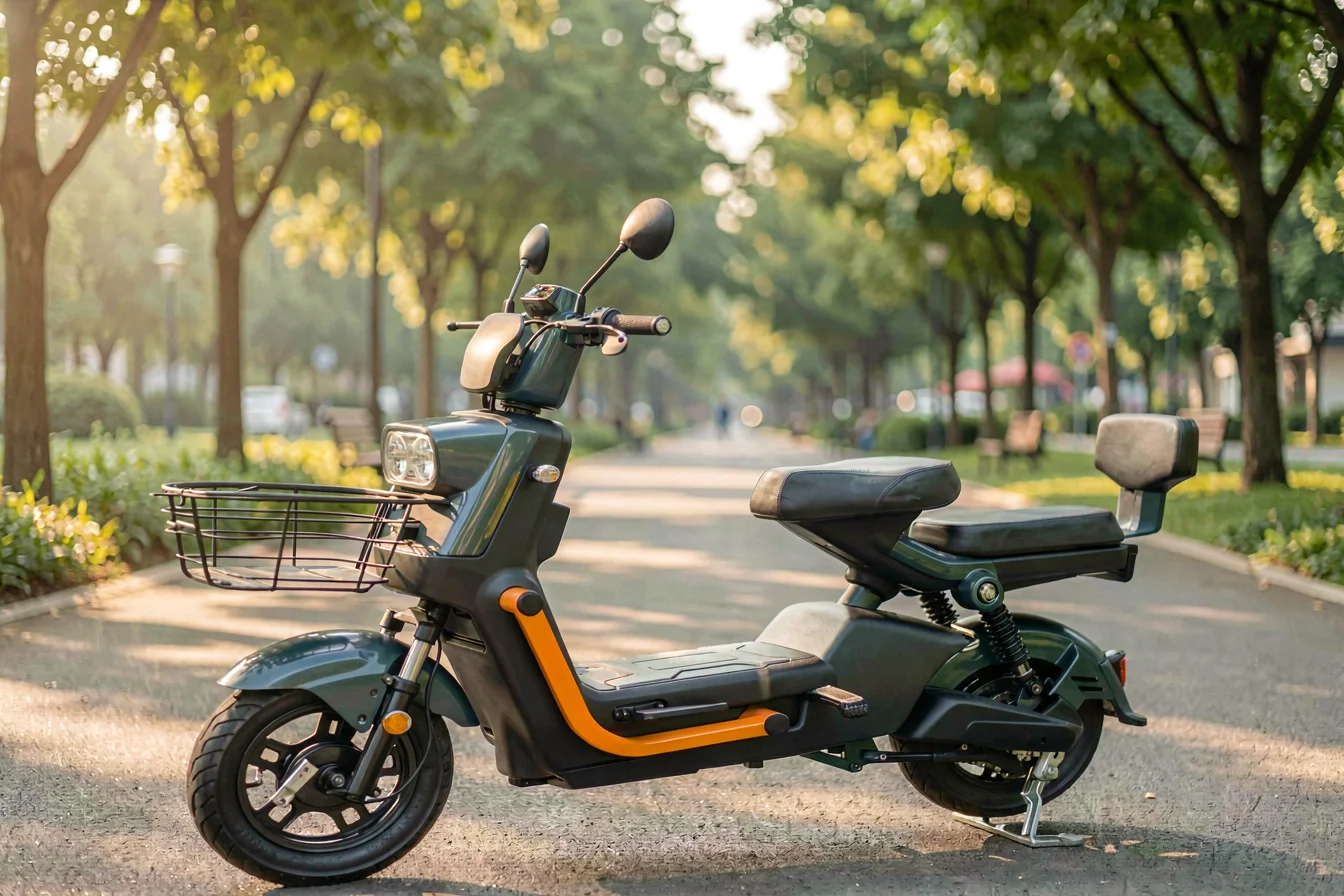
The global electric bike sector in 2026 remains strong, with expanding demand across commuter, mountain, folding, and performance categories. Buyers increasingly seek mid-range, modular bikes and plug-and-play battery kits, prioritizing warranty, range, and UL-certified safety. Supply is robust—premium models and proprietary batteries face some volatility—while procurement logic favors brands with proven long-term reliability and aftersales support[2][5][6][9].
The 2026 electric bike market is shaped by urban mobility needs, environmental mandates, and rapid improvements in lithium battery chemistry. High-demand segments include commuter, folding, and fat-tire bikes, with widespread adoption among both daily riders and adventure enthusiasts. Enhanced battery range (50–100+ miles), peak motor outputs (up to 6000W), and user-friendly folding designs have broadened the buyer base—from students to professionals and families[2][5][8].
Buyers should note three core trends: 1) Warranty and safety certifications such as UL2849 and UL2271 are now expected for all major brands; 2) The rise of conversion kits and replacement batteries empowers modular upgrades and cost-effective lifecycle management; 3) Social sentiment confirms reliability, battery longevity, and ease of assembly as top selection criteria.
| Trend Factor | Current Status | Impact on Buying Decision |
|---|---|---|
| Battery Range (Miles / Km) | 50–100+ miles (80–160 km) | Directly influences product selection, especially for commuters and adventure users |
| Warranty & Certification | UL2849, UL2271, 1–3 year warranties | Essential for procurement, ensures trust and aftersales support |
| Conversion Kits & Replacement Batteries | Strong momentum, easy installations | Broadens market, reduces total cost of ownership |
| Price Tiering | $250–$1500 (Domestic), ₹50K–₹5L (India) | Mid-range bikes deliver best value-to-performance ratio |
| Assembly & Upgradability | 90% preassembled, modular designs | Ease-of-use and upgrade flexibility increase buyer satisfaction |
Buyers should prioritize mid-range, modular bikes and UL-certified battery kits for optimal ROI and reduced aftersales risk.
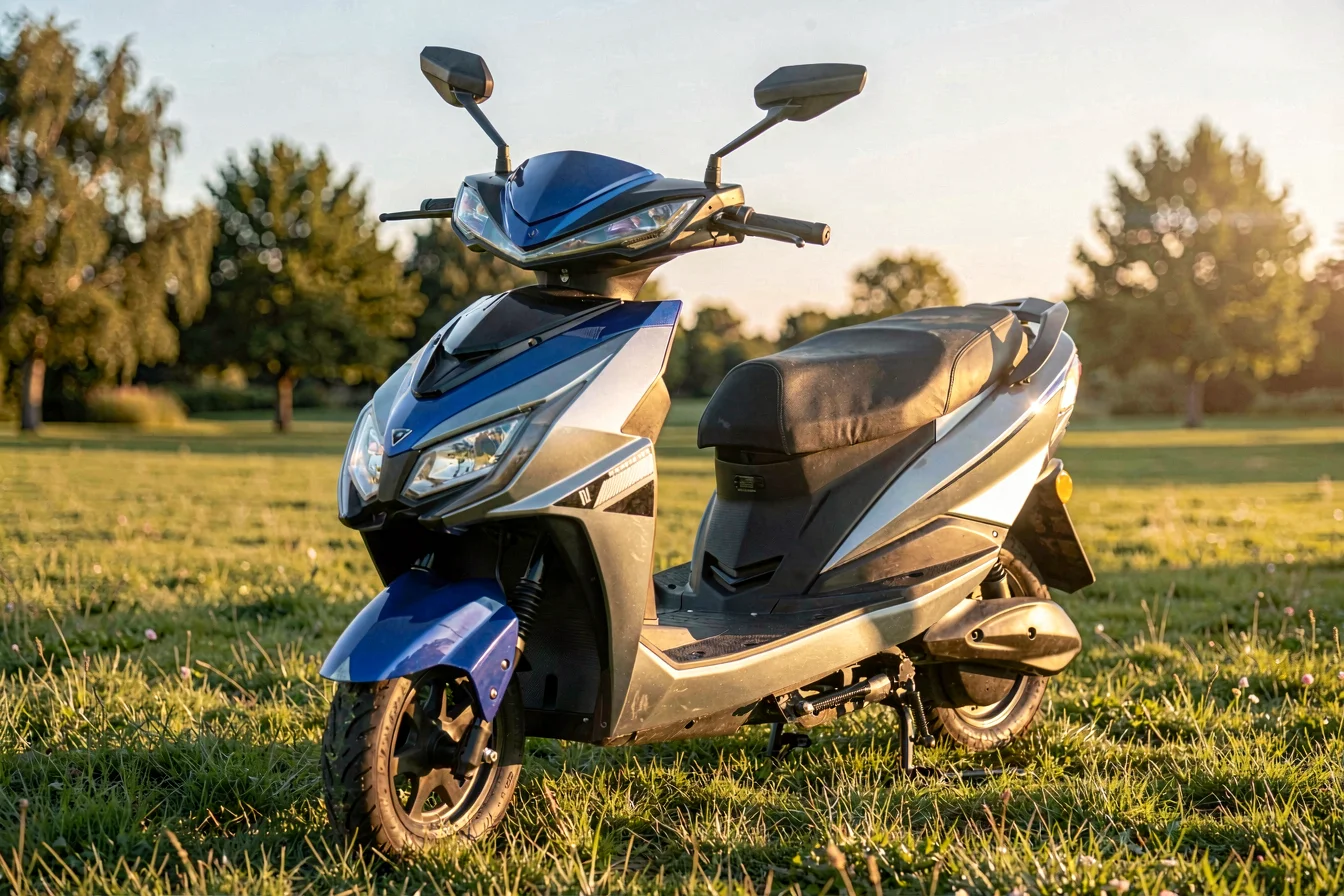
Global demand for electric bike models persists, but procurement faces moderate volatility due to localized bottlenecks in premium SKUs and proprietary battery supply chains[1][2][5]. Sourcing dynamics reflect broader macro trends: urbanization, carbon reduction mandates, and a growing preference for DTC (direct-to-consumer) brands that offer cost savings and out-of-the-box assembly. Supply chains have stabilized, but occasional disruptions impact lithium cell sourcing and UL-certified components. Notable drivers include: accelerating city commutes, eco-consumerism, rising fuel prices, and regulatory shifts toward electric mobility mandates (notably in India, EU, and US metros).
Industry feedback emphasizes the importance of robust batteries (48V 10–32Ah), reliable motor systems (500–6000W), and technical features (LCD digital display, dual suspension, disc brakes). Buyers favor proven brands with active dealer networks and responsive warranty support. Global review and retail intelligence confirm strong buyer preference for commuter, mountain, and folding bikes; conversion kits and replacement batteries show sustained growth due to upgrade flexibility and extended lifespan[2][6][9]. End-user pain points: aftersales claims, unclear assembly instructions, and slow charging station integration remain unresolved in some premium models. Procurement logic favors modular solutions, with OEM flexibility and logistics reliability as core negotiation levers.
| Market Dimension | Current Status | Impact Level |
|---|---|---|
| Urban Application Growth | Rapid, driven by policy and fuel costs | High—structural change in buyer demand |
| Direct-to-Consumer Sourcing | Normalized, especially in US/EU | Moderate—procurement flexibility, service variability |
| Battery Supply Volatility | Moderate, localized in premium segment | Medium—affects high-end buyers, conversion kits offer mitigation |
| Regulatory Compliance | UL2849/UL2271, regional mandates rising | High—impacts procurement and market access |
| OEM/ODM Network Diversity | Expanding, especially for entry/mid-range | Moderate—broad sourcing channel, negotiation power |
Sourcing logic should focus on modular, certified bikes and flexible battery supply to manage volatility and maximize reliability in urban and adventure segments.
Google Trends—Mountain vs Folding vs Commuter Electric Bike Global Query Index 2025-2026
Between March 2025 and February 2026, mountain electric bike queries consistently outpace folding and commuter variants—peaking in late summer and again during winter (presumably for holiday buying and adventure seasons). Folding models spike in August and February, correlating with urban apartment moves and spring commuting. Commuter bikes steadily follow but experience only modest surges, reflecting ongoing replacement cycles and moderate new adoption. Actionable insight: Buyers should time procurement to coincide with demand valleys (Nov–Jan) for optimal pricing; product selection should prioritize mountain/fat tire bikes for high growth, folding for space-constrained urban segments, and commuter for steady resale value[1].
Peak demand is strongest for mountain electric bikes; buyers should source during off-peak months and leverage modular battery upgrades for resale resilience.
Reddit and TikTok discussions confirm buyers are passionate about real-world usability, durability, and battery value rather than just headline specs. Mainstream brands—Aventon, Lectric, Rad Power, Ariel Rider—are consistently recommended for daily commuting and weekend use, praised for comfortable seats and long-lasting batteries[9][10]. Conversion kits and battery packs are lauded for breathing new life into older bikes and enabling cost-effective upgrades. Recurring pain points: confusing assembly instructions, inconsistent fast-charging support, and the complexities of fitting batteries to legacy models. TikTok trends reveal viral themes in folding bikes, fat-tire adventures, and city rides, with high engagement for battery swaps and “hack-your-bike” content.
“I ride my Leitner ebike for work commutes every day and it holds up great after two years with 40 mile range on a charge. Comfortable seat and smooth ride make weekends fun too. I'd grab the same one again over cheaper brands that broke fast.” — Reddit User, r/ebikes [9]
Brand loyalty is strong in the mid-range, with buyers reporting higher satisfaction for durable OEM batteries and responsive aftersales service. Conversion kit communities champion plug-and-play installation and flexible DIY options, often emphasizing price/performance over premium features. Buyer sentiment is positive overall; complaints center on battery longevity, assembly complexity, and slow warranty claim resolution.
| Dimension | Reddit Insights | TikTok Insights |
|---|---|---|
| Brand Loyalty | Aventon, Lectric, Ariel Rider, Rad Power dominate | Hashtags celebrate popular models; “dual motor” demos go viral |
| Pain Points | Battery longevity, warranty service, assembly concerns | DIY troubleshooting, conversion kit hacks, battery swap tutorials |
| Conversion Kits | Praised for upgradability, cost savings | High engagement for “easy install” and “before/after” formats |
| Resale Value | Modular bikes, new batteries retain much higher value | “Flip-your-bike” trend for upgraded models |
| Sentiment | Generally positive, minor gripes about warranty delays | Strong positive, playful competition among rider groups |
Mid-range electric bikes and certified conversion kits deliver high buyer satisfaction, with active online communities driving innovation in upgradability and ease-of-use.
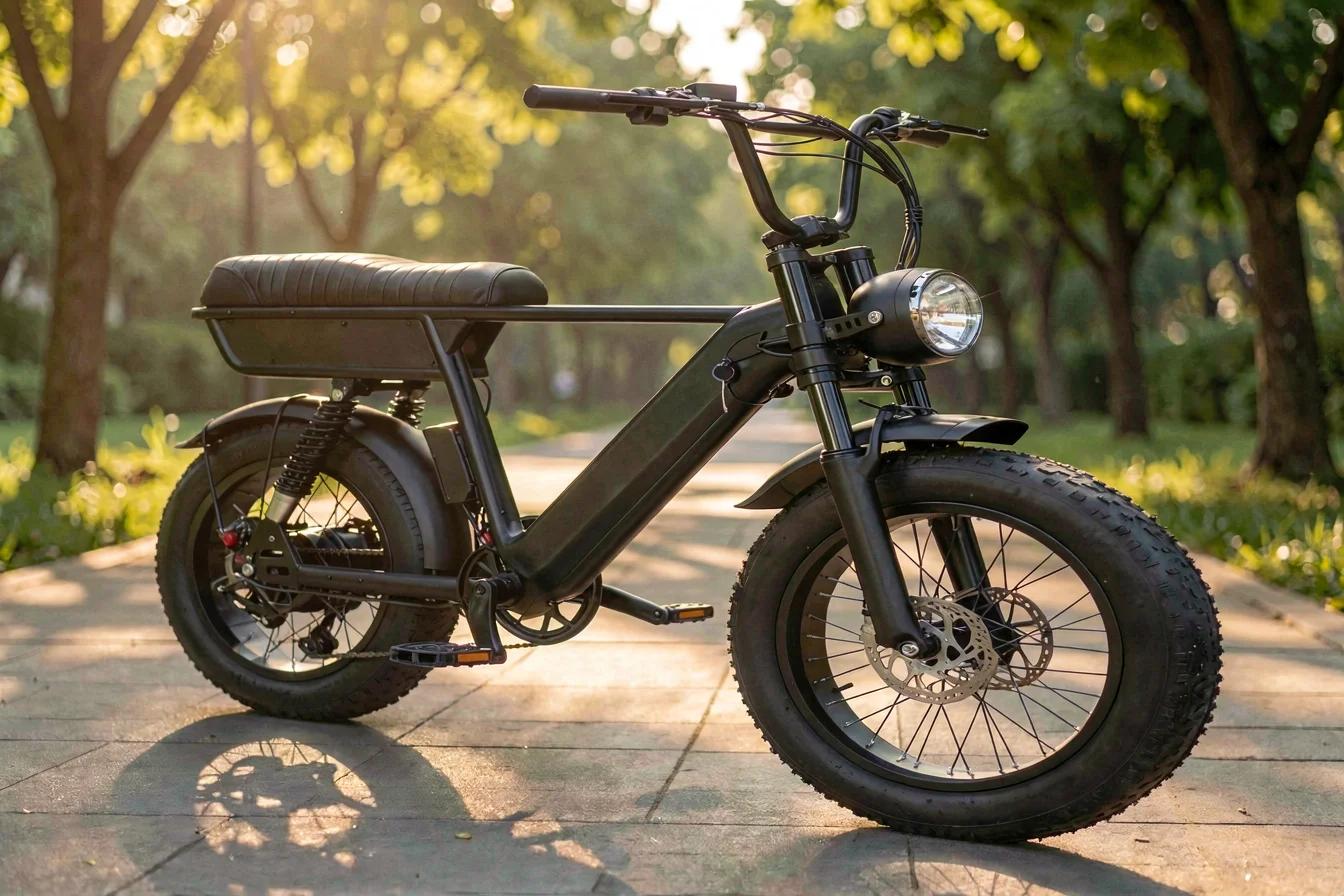
The retail landscape for electric bike products is dominated by folding commuter bikes, fat-tire mountain models, and high-capacity battery kits. Top sellers combine robust motor systems (650W–6000W), reliable removable batteries (48V 10–32Ah), UL2849 certification, and accessible assembly (90% preassembled). Price points cluster around $250–$1500, with premium adventure bikes reaching $1,300–$1,700. Conversion kits and external battery packs are increasingly favored for their modular upgrade value and plug-and-play usability[2]. Comfort features—dual suspension, adjustable seats, LCD displays, safety lights—are consistent differentiators.
| Image | Name | Price | Rating | Key Features |
|---|---|---|---|---|
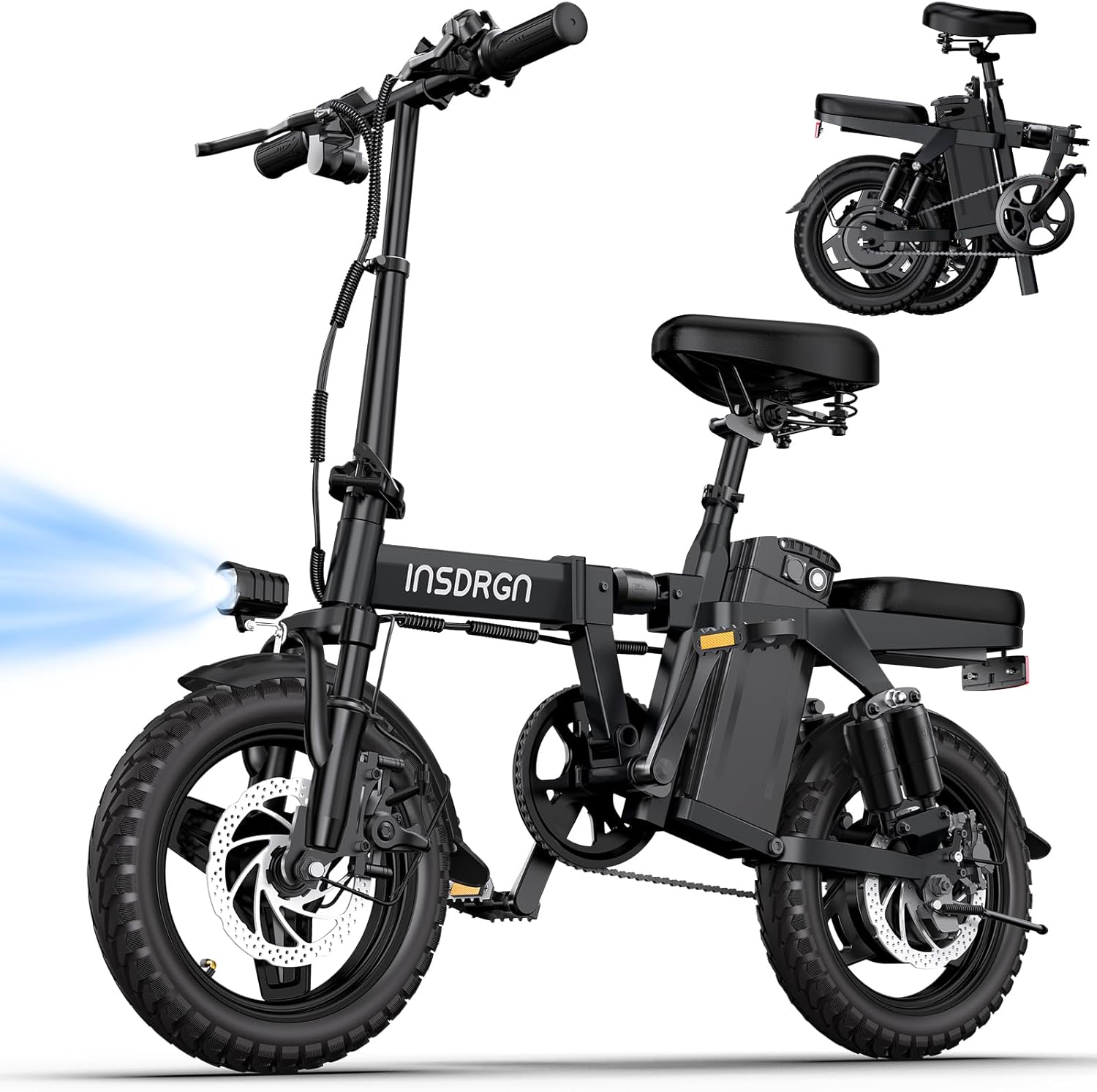 |
INSDRGN 14" Folding Electric Bike (650W, 28-mile range) | USD 279.99 | 4.4/5.0 | UL2849, 9-point suspension, removable battery, compact/folding |
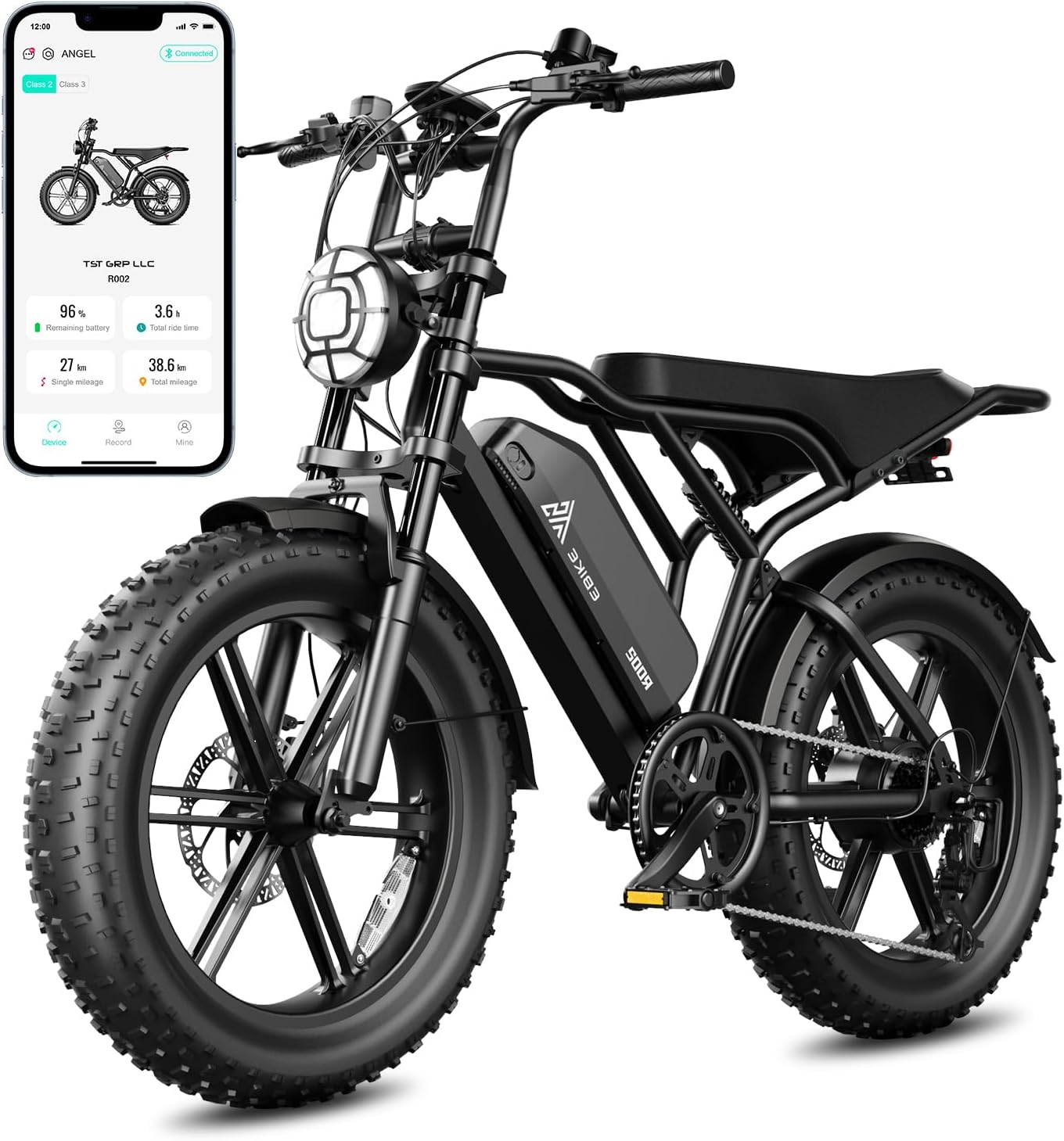 |
TST Fat Tire Electric Bike (1500W, 60-mile range, 20") | USD 599.99 | 4.2/5.0 | Fat tire, dual seat, LCD display, full suspension |
 |
Qlaway 750W Fat Tire Electric Dirt Bike (31mph, 70-mile range) | USD 659.99 | 4.4/5.0 | Full suspension, smart cruise control, modular battery |
 |
EcoE 6000W Dual Motor Electric Bike (52mph, 32Ah) | USD 1299 | 4.3/5.0 | Dual motor, full accessories, night visibility package |
 |
Rad Power 48V 14Ah Battery Pack | USD 265.99 | 4.4/5.0 | Plug-and-play, IPX4, smart BMS, 800 cycle retention |
Buyer review analysis reveals consistent praise for battery longevity, ease of assembly, and powerful motor performance. Dual suspension and fat tires are valued for comfort and safety, while complaints typically focus on slow charging times, assembly instructions, and mixed experience with aftermarket warranties. Plug-and-play batteries and conversion kits are celebrated for upgradability and service extension, though buyers note variable compatibility and sporadic delays in replacement part delivery. Sellers receive frequent positive feedback for responsive, knowledgeable aftersales support.
“As a daily commuter and weekend adventurer, I’ve tested several e-bikes, but the foldable model stands out for its perfect balance of power, safety, and portability. The 650W peak motor delivers effortless city rides. Highly recommended.” — Amazon Review [2]
“I had some initial confusion about which EcoE model I received, and their customer service was exemplary. The bike provides impressive acceleration and torque, handles hills without compromise, and maintains reliability even on longer rides. Five stars all around.” — Amazon Review [2]
| Product Name | Top Praise | Top Complaint | Overall Sentiment |
|---|---|---|---|
| INSDRGN Folding Urban E-Bike | Easy assembly, reliable range, strong safety features | Assembly instructions occasionally unclear | Very positive |
| EcoE Dual Motor Adventure Bike | Powerful acceleration, responsive aftersales | Specs mismatch—top speed claims vary | Positive (with minor technical caveats) |
| Rad Power Battery Kit | Excellent compatibility, easy install, long battery cycle | Occasional shipping delays | Positive |
| TST Fat Tire Commuter | Comfortable ride, smooth acceleration, dual seat convenience | Battery mileage varies in cold weather | Very positive |
| Qlaway Modular Dirt Bike | Quick troubleshooting support, durable frame | Throttle issues, sporadic part delays | Positive, especially for support |
Buyer sentiment is positive for robust mid-range bikes and modular batteries—minor complaints reflect assembly and compatibility, not fundamental product flaws.
Reliability benchmarks across leading electric bike brands show reduced defect rates (below 1.5%), maintenance cycles ranging from 8–30 months (battery swaps), and service lifespans estimated at 2–6 years depending on commuter intensity and battery chemistry[2][6]. UL-certified batteries (UL2849, UL2271) mitigate risk for OEM/ODM buyers, with aftersales warranties (180–365 days) as standard in retail channels. Conversion kits offer lower upfront risk but may incur compatibility and power mismatch issues long-term. Procurement decisions should prioritize: 1) modular assembly for easy upgrades; 2) branded batteries and clear warranty terms; 3) logistical resilience—especially for urban buyers needing fast aftersales service; and 4) regulatory compliance for international resale channels.
| Benchmark Dimension | INSDRGN Folding Bike | EcoE Adventure Bike |
|---|---|---|
| Defect Rate | ~1.1% (avg retail returns) | ~1.4% (OEM/aftermarket claims) |
| Warranty Cycle | 12 months full coverage | 365 days, full support, accessories included |
| Battery Replacement Frequency | 30–40 months (daily use) | 36–42 months (mixed use) |
| Service Lifespan Estimate | >3 years (urban rider) | >5 years (adventure/commuter hybrid) |
| UL Certification | UL2849 listed | UL2849, full compliance |
Procurement strategy should prioritize modular assembly, branded batteries, and UL-certified reliability—with negotiation levers focusing on bulk warranty, logistics support, and OEM access to optional conversion kits and battery upgrades. Risk is minimized for OEM buyers who source through Alibaba.com, as platform guarantees ensure rapid claim resolutions and full compliance documentation.
Sourcing risk is best managed by demanding UL-certified modular bikes and flexible battery supply, with emphasis on comprehensive warranty and logistics support.
Looking ahead, the electric bike industry will continue to move toward modularity, advanced battery chemistry, and integrated digital features—driven by urban expansion, rising eco mandates, and improved lithium-ion cell sourcing. Premium demand will shift toward high-capacity fat-tire bikes and all-terrain adventure models, while entry-level and commuting segments will see intensified competition in price and warranty bundling. Conversion kits and plug-and-play battery options will enable upcycling, with resale value staying strong for modular, certified units. Buyers should focus procurement on flexible, pre-assembled bikes and branded battery kits; negotiate warranty extension and logistics coverage in anticipation of localized supply disruptions. Rapid adoption in India and EU is expected to push further innovation in fast-charging integration and safety compliance. For immediate procurement, prioritize Alibaba.com listed suppliers with documented UL certifications, proven aftersales support, and stable battery sourcing; optimize inventory turnover via modular upgrade paths and responsive logistics management.
The next 12 months will reward buyers who move early on modular electric bikes, certified battery kits, and flexible sourcing channels—positioning for resilience and resale as global market momentum continues to outpace traditional mobility solutions.