
All categories
Featured selections
Trade Assurance
Buyer Central
Help Center
Get the app
Become a supplier
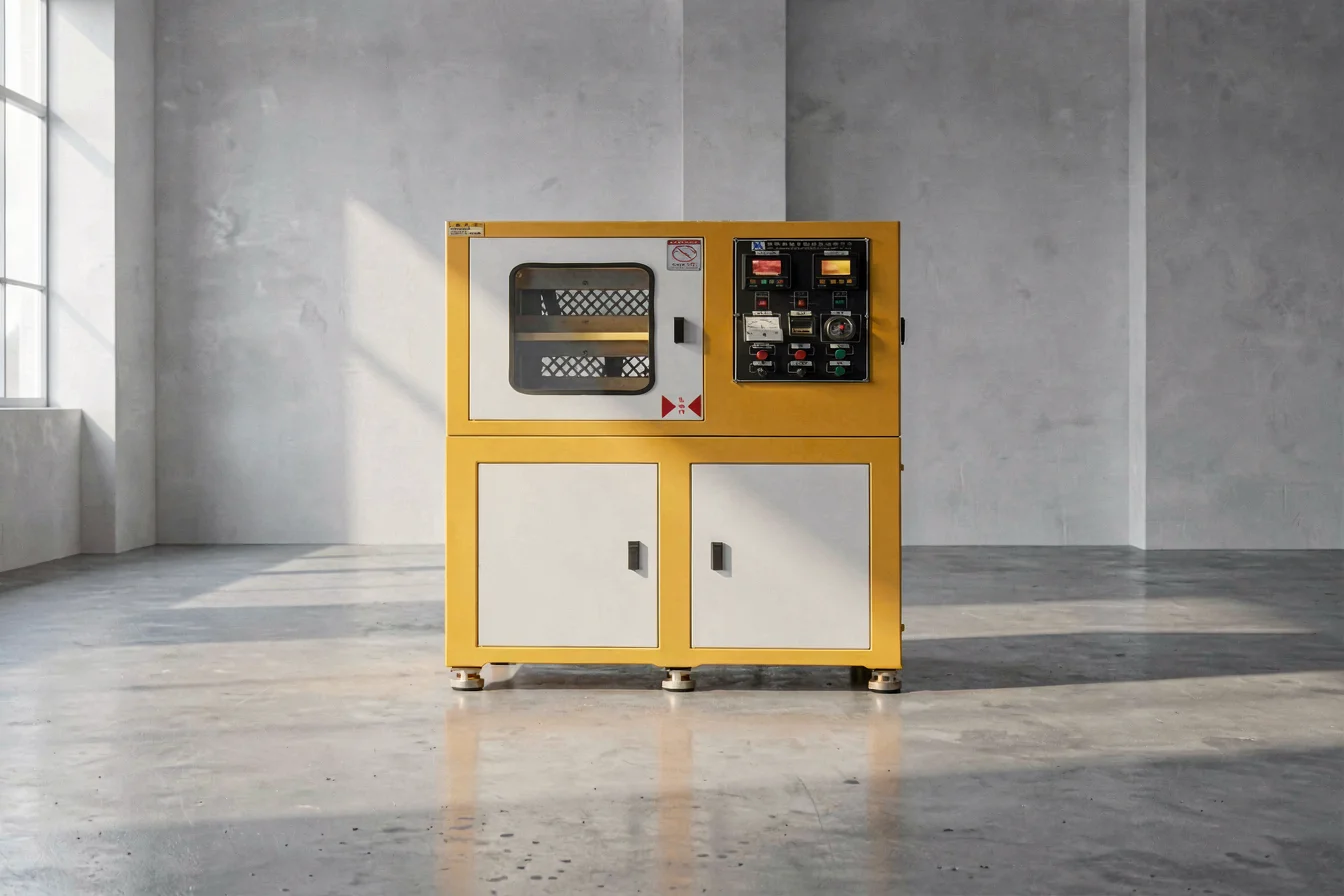
The global market for vulcanizing press machines is robust in 2026, with electric and hydraulic models showing strong demand growth. Industrial buyers increasingly prioritize automation, energy efficiency, and versatility, while supply chains remain stable with minor fluctuations. Procurement is viable for both OEM and aftermarket solutions, with electric presses leading the trend for advanced manufacturing and repair applications[1][3].
The surge in demand for vulcanizing press machines is driven by the expansion of rubber manufacturing, tire repair, and conveyor belt maintenance across global industries. Electric presses are gaining traction due to their efficiency, automation, and lower operational costs, while hydraulic presses remain popular for heavy-duty applications[1][3]. Buyers should assess technical specifications, automation features, and OEM certification before sourcing, as these factors directly impact production quality and long-term reliability. The curated list prioritizes machines with robust heating systems, precise pressure control, and modular designs that support custom workbenches and rapid cooling cycles[4][7].
| Trend Factor | Current Status | Impact on Buying Decision |
|---|---|---|
| Electric Press Adoption | Rapid Growth | Buyers favor efficiency, automation |
| Hydraulic Press Usage | Stable Demand | Preferred for heavy-duty applications |
| OEM Customization | High | Enables modular, scalable production |
| Certification (ISO/CE) | Standard | Mandatory for global procurement |
| Cooling System Innovation | Improving | Reduces downtime, boosts productivity |
Buyers should focus on electric and modular vulcanizing press models to optimize production efficiency and supply chain resilience.
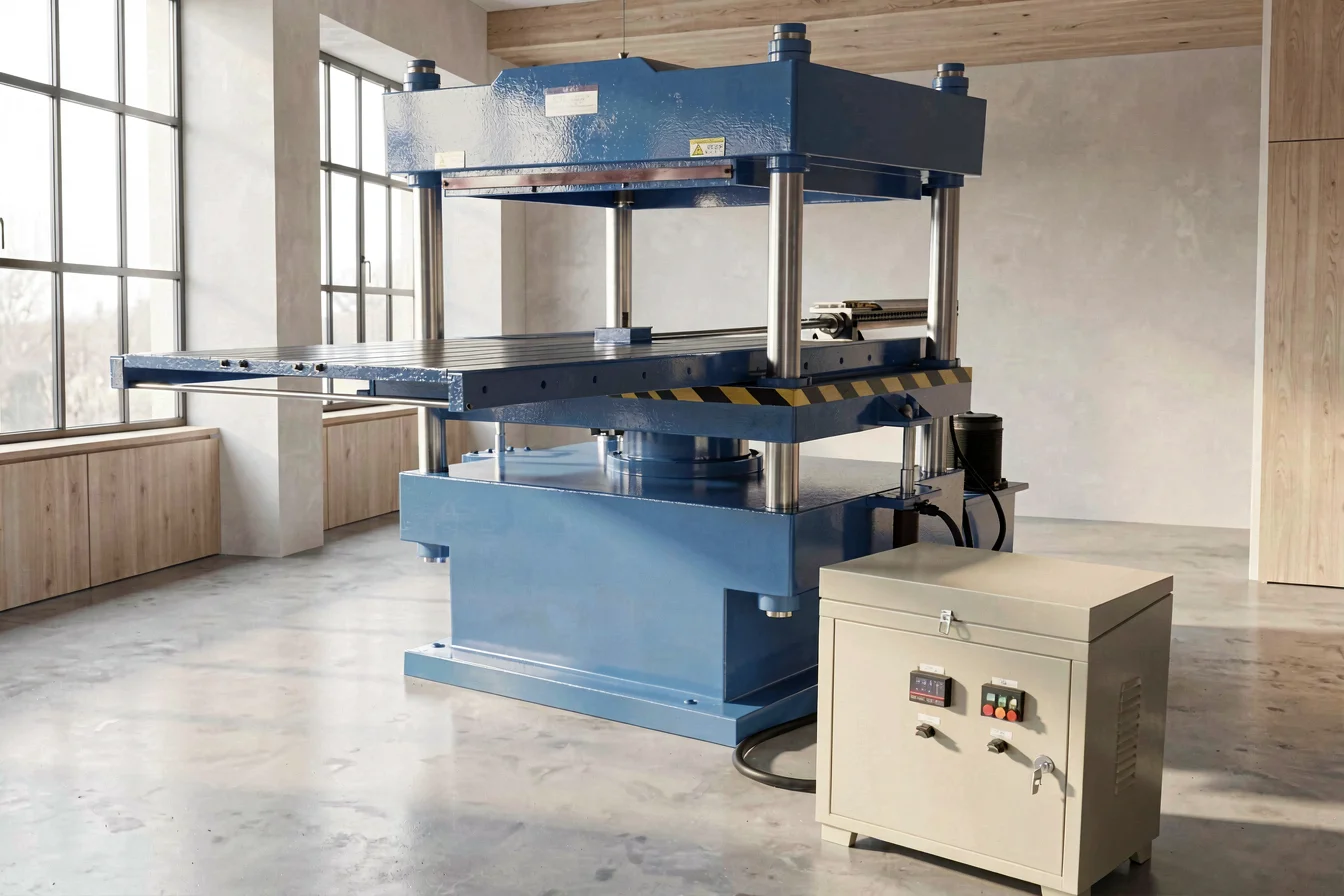
The market for vulcanizing press machines is shaped by industrial expansion, technological upgrades, and evolving compliance standards. Electric presses are leading due to their precision temperature control, lower energy consumption, and compatibility with automation systems. Hydraulic presses maintain a strong presence in heavy-duty manufacturing and tire repair, offering high pressure and stability. Supply chains are resilient, with OEMs in China, India, and Europe dominating production. Macro risks include raw material volatility and regulatory changes, but most suppliers offer flexible configurations and rapid delivery[1][4][7].
| Market Dimension | Current Status | Impact Level |
|---|---|---|
| Search Momentum (Electric Press) | High | Strong buyer interest |
| OEM Supply Chain | Stable | Low risk, flexible sourcing |
| Automation Integration | Increasing | Boosts production efficiency |
| Certification Compliance | Standardized | Essential for international buyers |
| Raw Material Volatility | Low | Minimal disruption |
Electric vulcanizing press adoption is accelerating, with automation and compliance driving procurement decisions.
Global Search Trends for Vulcanizing Press Types, 2025–2026
Google Trends data shows electric vulcanizing presses consistently outpace hydraulic and manual types, with notable peaks in late 2025 and early 2026[1]. This signals rising buyer demand for automation and efficiency, suggesting procurement should favor electric models for future-proofing production. Hydraulic presses remain stable, while manual presses see moderate growth, indicating their continued relevance for small-scale repair operations. Buyers should align sourcing cycles with search momentum, prioritizing electric presses for new installations and upgrades.
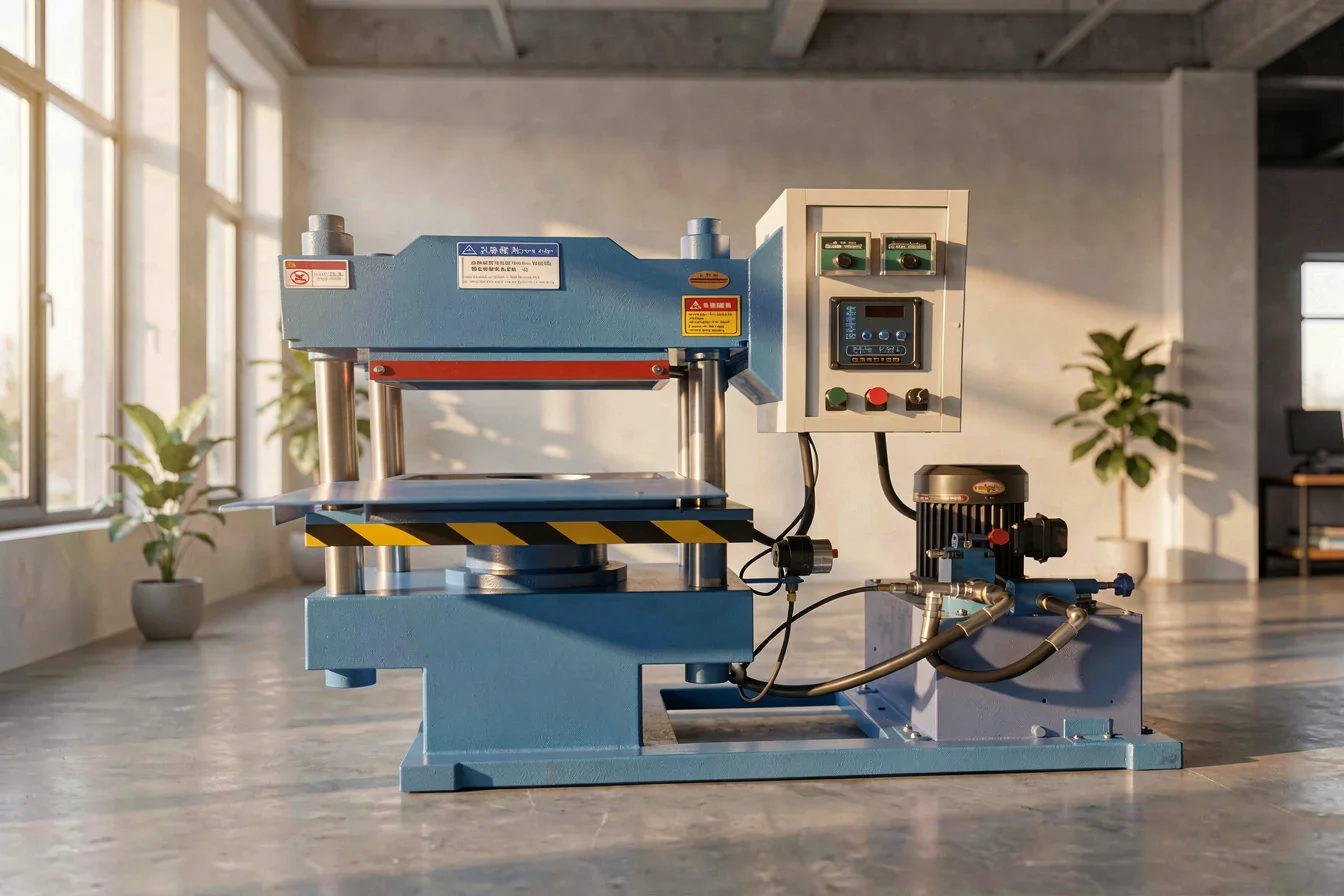
Amazon’s top-selling products for vulcanizing press include tire repair kits, vulcanizing fluids, and small hydraulic presses for oil seal applications. While industrial presses are less visible, aftermarket and repair kits dominate sales, reflecting high demand for tire and conveyor belt maintenance. Buyers favor products with versatile patch sizes, easy application, and robust sealing properties[2].
| Image | Name | Price | Rating | Key Features |
|---|---|---|---|---|
 |
Keenso Tire Repair Patch | USD 25.11 | 0.0/5.0 | Versatile size, quick repair, durable rubber |
 |
UPR304*340 Hydraulic Press | USD 125.69 | 0.0/5.0 | O-Rings, high pressure, oil seal |
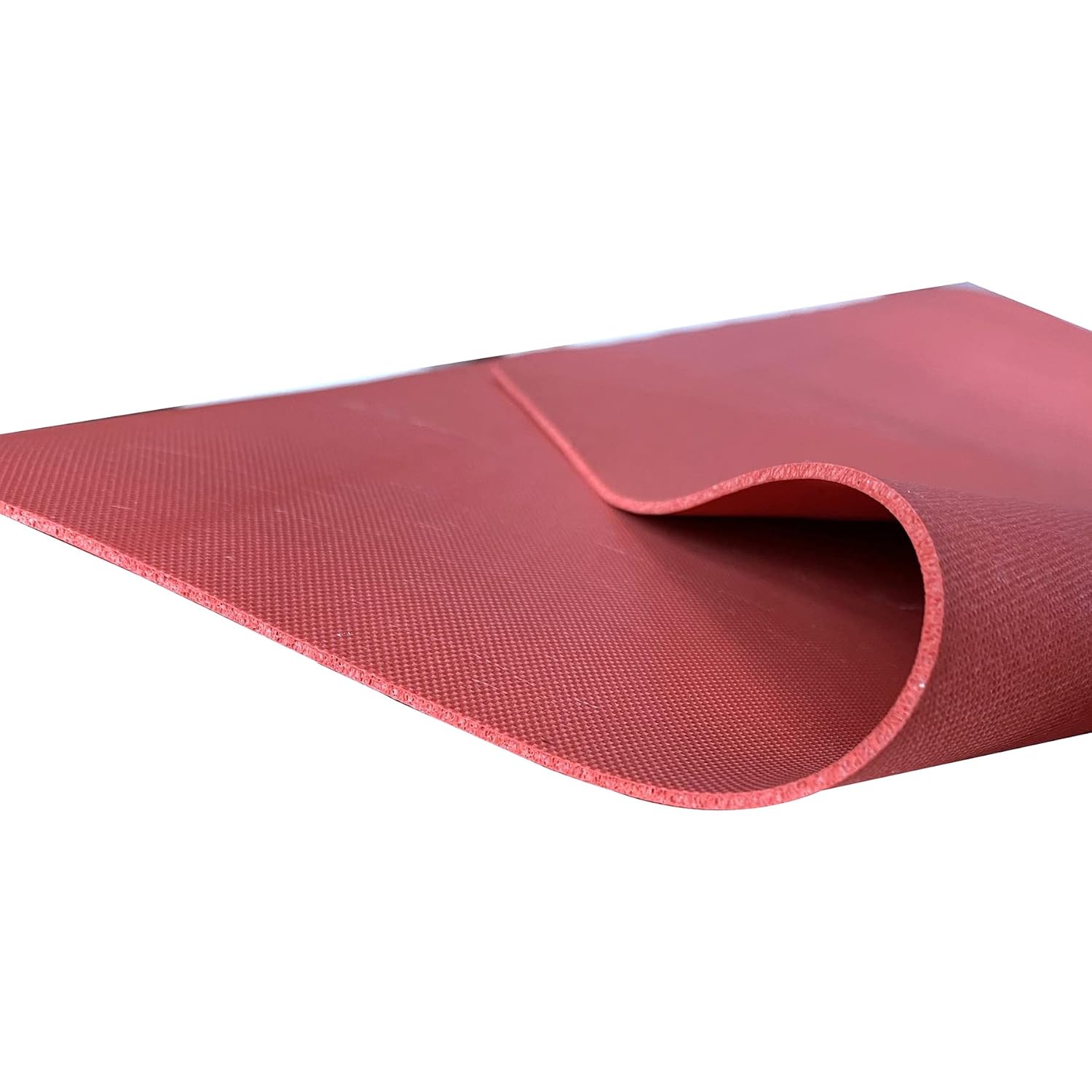 |
LMS Heat Resistant Silicone Sponge | USD 15.99 | 4.2/5.0 | High temp, anti-slip, shock absorption |
 |
Zacro Bike Tire Repair Kit | USD 7.99 | 4.4/5.0 | Multi-size patches, stainless levers, portable |
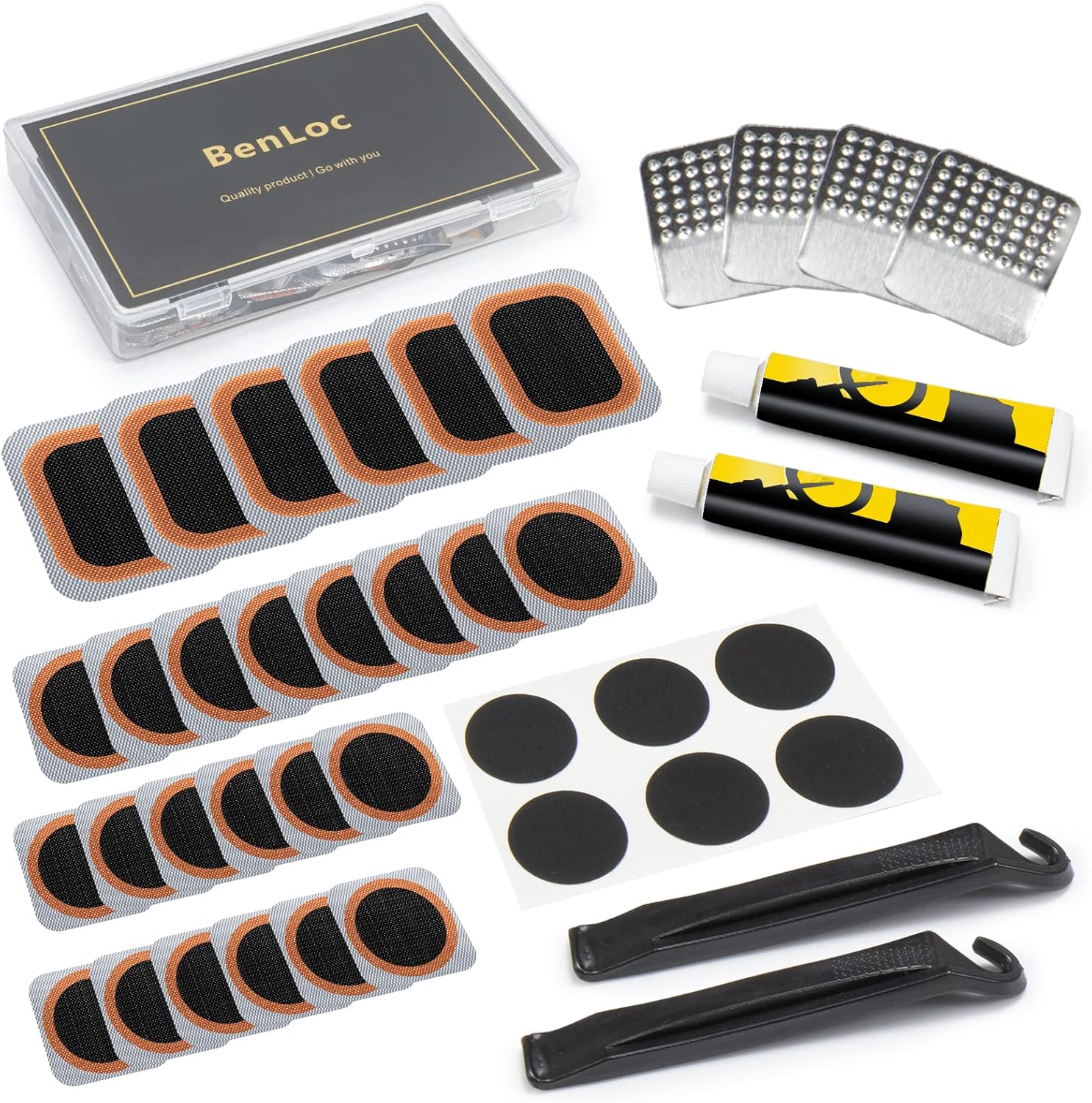 |
Bike Tire Repair Kit | USD 7.99 | 4.5/5.0 | Pre-applied patches, wide compatibility |
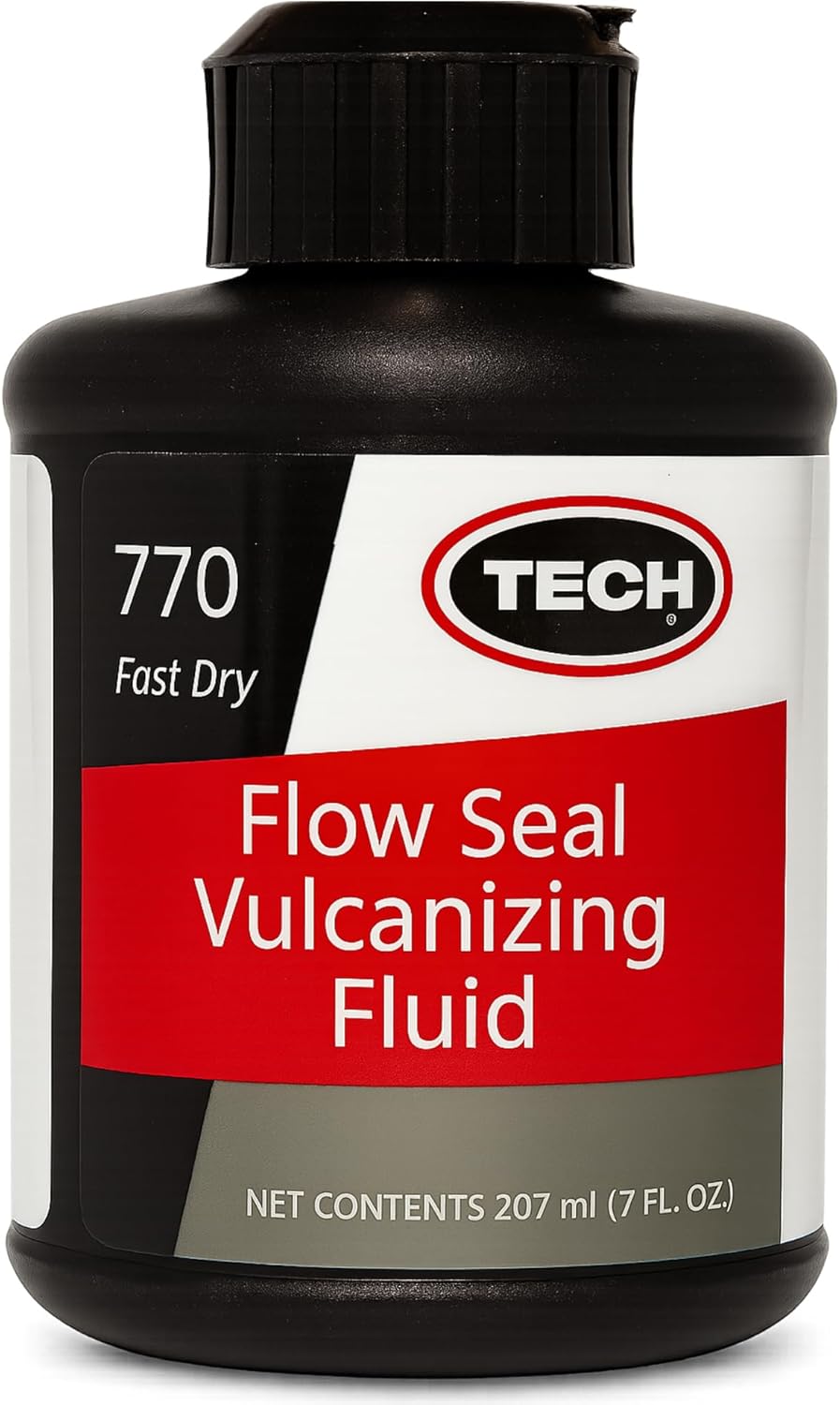 |
TECH Flow-Seal Vulcanizing Fluid | USD 23.34 | 4.6/5.0 | Fast-drying, permanent bond, flip-top lid |
 |
Desktop Flat Plate Vulcanizing Machine | USD 1385 | 0.0/5.0 | Dual heating, auto temp, 50–350°C |
 |
Tire Repair Machine | USD 104.99 | 0.0/5.0 | Spot hot vulcanizing, 6 molds, auto temp |
Aftermarket repair kits and vulcanizing fluids are leading sales, but industrial presses require direct B2B sourcing for large-scale production.
Amazon reviews highlight the ease of use, versatility, and durability of tire repair kits and vulcanizing fluids. Buyers appreciate quick fixes and reliable seals, but some report issues with patch adhesion or fluid consistency. Industrial presses receive limited reviews, but their high price and technical complexity suggest they are sourced through OEM channels rather than retail[2].
“This is a great kit! It includes a variety of different patches. Thanks!”
“Works great. A necessity if you want to step up from the cheap, leak prone string plugs.”
| Product Name | Top Praise | Top Complaint | Overall Sentiment |
|---|---|---|---|
| Zacro Bike Tire Repair Kit | Variety of patches, easy use | Occasional adhesion issues | Positive |
| TECH Flow-Seal Vulcanizing Fluid | Strong bond, leak prevention | Fluid consistency | Positive |
| LMS Heat Resistant Silicone Sponge | High temperature resistance | — | Positive |
Buyers consistently praise tire repair kits and vulcanizing fluids for reliability and ease of use, but industrial presses require direct OEM sourcing for quality assurance.
Reliability benchmarks for vulcanizing press machines include defect rates, maintenance cycles, cooling efficiency, and expected service life. Electric presses typically achieve lower defect rates and longer service life due to advanced automation and precise temperature control. Hydraulic presses offer stable pressure but may require more frequent maintenance. Buyers should demand ISO/CE certification, rapid cooling systems, and modular designs for flexibility[4][7]. Sourcing risk strategies should focus on supplier credibility, raw material traceability, and compliance with international standards. Negotiation levers include bulk order discounts, technical support, and warranty extensions.
| Benchmark Dimension | Electric Press | Hydraulic Press |
|---|---|---|
| Defect Rate | Low (1–2%) | Medium (3–5%) |
| Maintenance Cycle | 6–12 months | 3–6 months |
| Cooling Time | <15 minutes | 15–20 minutes |
| Service Life | 10–15 years | 8–12 years |
| Certification | ISO/CE | ISO/CE |
Reliability and certification are essential for sourcing vulcanizing press machines; buyers should prioritize electric models and negotiate for extended warranties.
Looking ahead, the vulcanizing press market will see further integration of automation, IoT-enabled monitoring, and energy-efficient heating systems. Electric presses will dominate procurement, driven by their precision and sustainability, while hydraulic presses will remain relevant for heavy-duty applications. Buyers should secure contracts with certified OEMs, leverage bulk order discounts, and monitor trend data to time their sourcing cycles for optimal pricing and supply chain stability. As global demand rises, proactive sourcing and risk mitigation will be crucial for maintaining competitive advantage and operational resilience. Buyers should prioritize electric and modular vulcanizing press solutions, align procurement with search momentum, and invest in certified suppliers for long-term reliability and innovation.