
All categories
Featured selections
Trade Assurance
Buyer Central
Help Center
Get the app
Become a supplier
As the world shifts deeper into the digital era, television has undergone dramatic transformation—stepping far beyond mere entertainment, now serving as a central hub for streaming, gaming, internet browsing, and smart home integration. In 2026, television sales are surging across emerging markets, led by a wave of accessible smart TVs that aim to democratize digital lifestyles. The African continent, particularly Kenya and neighboring East African countries, is witnessing explosive consumer demand for affordable smart TVs that deliver not only vibrant viewing experiences but also practical connectivity [4]. Strong urbanization, rising middle-class aspirations, and a youth-heavy population—over 65% below age 35—are fueling unprecedented demand for home entertainment and digital inclusion.
Key seasonal trends drive this market, including extended football tournaments, widespread home upgrades, government digital migration incentives, and a boom in local content streaming. The approach to smart TV ownership has changed for buyers in this region: consumers prioritize budget-friendly purchases, the ability to run online apps, and flexible after-sales support over brand prestige alone. Vitron TV, a local powerhouse based in Nairobi since 2005, is at the forefront of this expansion, consistently targeting cost-effective innovation and mass-market coverage [4].
As of January 2026, buyers face a market where regional players like Vitron compete vigorously with global heavyweights—Samsung, TCL, LG, Hisense—and new entrants continue to jostle for mindshare. Value is undeniably king. User-generated content, social conversations, and peer reviews wield outsized influence, as consumers trade tips about product durability, app compatibility, hackable firmware, and “real-life” performance. Brands must balance competitive pricing with advancements in sound, connectivity, and ease of use to thrive in this environment [1][2].
This report delves into the beating heart of East Africa’s smart TV landscape, with a particular focus on Vitron TV—a brand that both embodies the local budget segment and catalyzes sourcing opportunities for global buyers seeking high-volume, solid quality procurement. Through market data, social feedback, and hot selling analysis, we unpack how Vitron stands up to the competition and where sourcing strategies find their best footing in 2026.
Vitron TV represents a quintessential budget smart television brand tailored to Kenya’s price-sensitive and technology-aspiring market. Established in 2005, Vitron leverages local manufacturing in Nairobi, complete with two factory locations and a robust team of engineers to support its in-house quality initiatives [4]. The company extends across not just TVs, but also speakers, antennas, and other consumer electronics—but TVs compose the backbone of its popular product lines.
Vitron’s rise is closely tied to its aggressive distribution model, ensuring presence in both metropolitan centers and rural towns. This decentralized system enables rapid after-sales service and repair, a strategic advantage over overseas suppliers. It also ensures that firmware, warranty support, and upgrades remain accessible to buyers who may be less familiar with digital troubleshooting [4].
The evolution of Vitron TVs tracks Africa’s leap into digital migration: early models were standard-definition CRTs, followed by LED flat screens in the 2010s, culminating in today’s smart Android and UHD 4K models. Classification is straightforward, largely reflecting the global segmentation:
Buyers evaluate Vitron TVs most commonly on criteria such as panel technology (TFT LCD vs IPS), smart OS version (Android vs WebOS), connectivity ports (USB, HDMI, AV), and audio enhancements (AVL, multi-surround). For procurement professionals, the key differentiators are warranty length (typically 1–2 years), production capacity, and supply chain reliability—critical for volume orders. Ultimately, Vitron TVs aim to strike the sweet spot between price and feature set, especially for institutional and utility buyers.
In East Africa—and especially online consumer technology spaces—Vitron TVs have become symbolic not just of affordable digital access, but also of the trade-offs inherent in local manufacturing and budget segment purchases. On social platforms, community members are outspoken and candid, providing granular accounts of product usage, hacks, frustrations, and comparisons with mainstream global brands.
Functional Expectations and Workarounds
Owners of Vitron TVs often share practical solutions for dealing with software or app limitations. For example, users bought entry-level models for basic streaming, only to find issues accessing popular apps like YouTube or Netflix due to outdated firmware or OS glitches. Workarounds abound: downloading the latest Google Play Services APK, using a formatted Flash disk for manual installation, and leveraging external devices like Amazon Firestick to bridge compatibility gaps [10]. Such DIY fixes reflect both the knowledge base of local tech enthusiasts and an expectation that budget buyers must “tinker” to optimize functionality.
Notably, these workarounds are viewed with caution: while some users celebrate successful hacks as “Boxing Day gifts,” others warn of the risks—potential OS damage, lost warranty support, or even bricked TVs. Community wisdom thus guides prospective buyers to be prepared for a hands-on approach if purchasing Vitron at the entry or mid-tier.
Durability and Reliability—Myth versus RealityThe durability debate is a central theme in user sentiment. On one hand, several contributors acknowledge that Vitron TVs can last for 4+ years if handled properly—especially in pub, CCTV, or secondary viewing environments. These accounts counter the frequent online complaints about screens showing blue or flickering within months, or audio failing prematurely [11]. This reveals sharp variations in user experience, likely tied to batch quality, installation environment, and model selection.
A common refrain is that “Vitron is for comrades” or those seeking very basic utility—appropriate for institutions, public venues, or secondary home screens, but perceived as a compromise for primary entertainment [11]. Nairobi’s urban tech crowd is especially dismissive, asserting that savvy buyers “moved on long ago” and now prefer Samsung, LG, TCL, or Hisense, with Syinix emerging as an alternative budget upgrade.
Brand Comparison and Influencer GuidanceWhen it comes to outright recommendations, influential commenters consistently steer buyers towards Hisense, Samsung, LG, or TCL, with arguments rooted in operating system transparency (Vidaa OS, Google TV vs Android TV), premium features, and longevity. The guidance is crystal clear:
Budget is a recurring concern—most community buyers operate between 15,000 and 25,000 KES ($110–$180), aspiring to 40-inch screens with smart features. Within this band, a strong case is made for Vitron and Von as utility-first options but not as flagship entertainment hubs [10].
User-generated content further highlights peculiar quirks: some models reset language randomly, suffer screen or speaker failures, or arrive with inconsistent firmware. However, a subset of buyers, particularly in institutional or “local pub” settings, chooses Vitron explicitly for its affordability and basic connectivity, embracing its limitations as part of the overall cost savings.
Cultural Integration and Usage PatternsVitron TVs are ingrained in everyday Kenyan life, frequently appearing in pubs, public spaces, and as secondary school or office screens. The “comrade TV” reputation means ownership signifies both pragmatic budgeting and a willingness to accept trade-offs. This cultural reception is ultimately pragmatic—Vitron is “good enough” for its intended role but unlikely to replace top-tier brands in primary living room settings.
In sum, social sentiment positions Vitron as the accessible workhorse of digital migration, ideal for buyers who prioritize up-front cost and flexibility to tinker over seamless premium experiences. For bulk buyers and institutional procurement, these narratives validate Vitron as a volume solution, provided warranty and after-sales channels are robust and expectations managed.
The smart TV sector in 2026 remains fiercely competitive, with both global and local brands battling for share in East Africa’s rapidly digitizing households. The numbers tell a story of fluctuating demand, seasonal surges, and persistent feature gaps. Amazon’s trend datasets shed light on the nuanced battle between prestige brands and value alternatives like Vitron, underlining opportunities for procurement professionals to play market timing and feature innovation strategies [1][2][3].
Key Market Performance Data
Market feedback highlights several recurring pain points: setup complexity (15.4% negative tag), poor sound quality (13.5–12.9%), screen damage issues, and inconsistent Wi-Fi connectivity. Buyers are hungry for improved onboarding, better audio, premium panels, and enhanced customer support. Conversely, “good picture quality” remains the strongest positive tag (34.4–30.9%), underscoring panel tech as a non-negotiable feature [1][2].
Before visualizing the data, it’s crucial for businesses to note the cyclical nature of sales, as well as the lingering dissatisfaction with entry-level features that are ripe for improvement—especially for institutional and resale buyers.
Normalized Sales Trends across Key Smart TV Brands (Aug 2025–Jan 2026)
The following chart transforms raw Amazon sales and search volume into a normalized comparative index, capturing the seasonality and volatility for both “Popular” and “Top” Smart TV themes.
Normalized Smart TV Sales Trends (Aug 2025–Jan 2026): Highlights peak sales in November, post-holiday dip in January, and mid-year surges for both popular and top-tier brands.
Actionable Business Recommendations:
Consumer Review Sentiment: What Buyers Praise and Critique in 2026
The aggregated review sentiment delivers pointed conclusions:
Vitron TVs, as well as their global competitors, remain under pressure to deliver improved onboarding and audio quality—a clear prompt for both product developers and procurement teams to demand higher specifications and more robust QA systems.
Hot Selling Analysis: Top 10 Smart TVs Downstream Retail Performance (Amazon)
The best-selling smart televisions for late 2025 and early 2026 demonstrate where retail buyers are voting with their wallets. This analysis is crucial for procurement professionals seeking models that move in volume and offer proven specifications for resale or institutional deployment. The following table highlights each of the top performers—complete with image, specs, price, and volume.
| Image | Model | Screen Size & Resolution | Smart Features | Latest Monthly Sales | Retail Price | Wholesale Price | Avg Star Rating | Key Features |
|---|---|---|---|---|---|---|---|---|
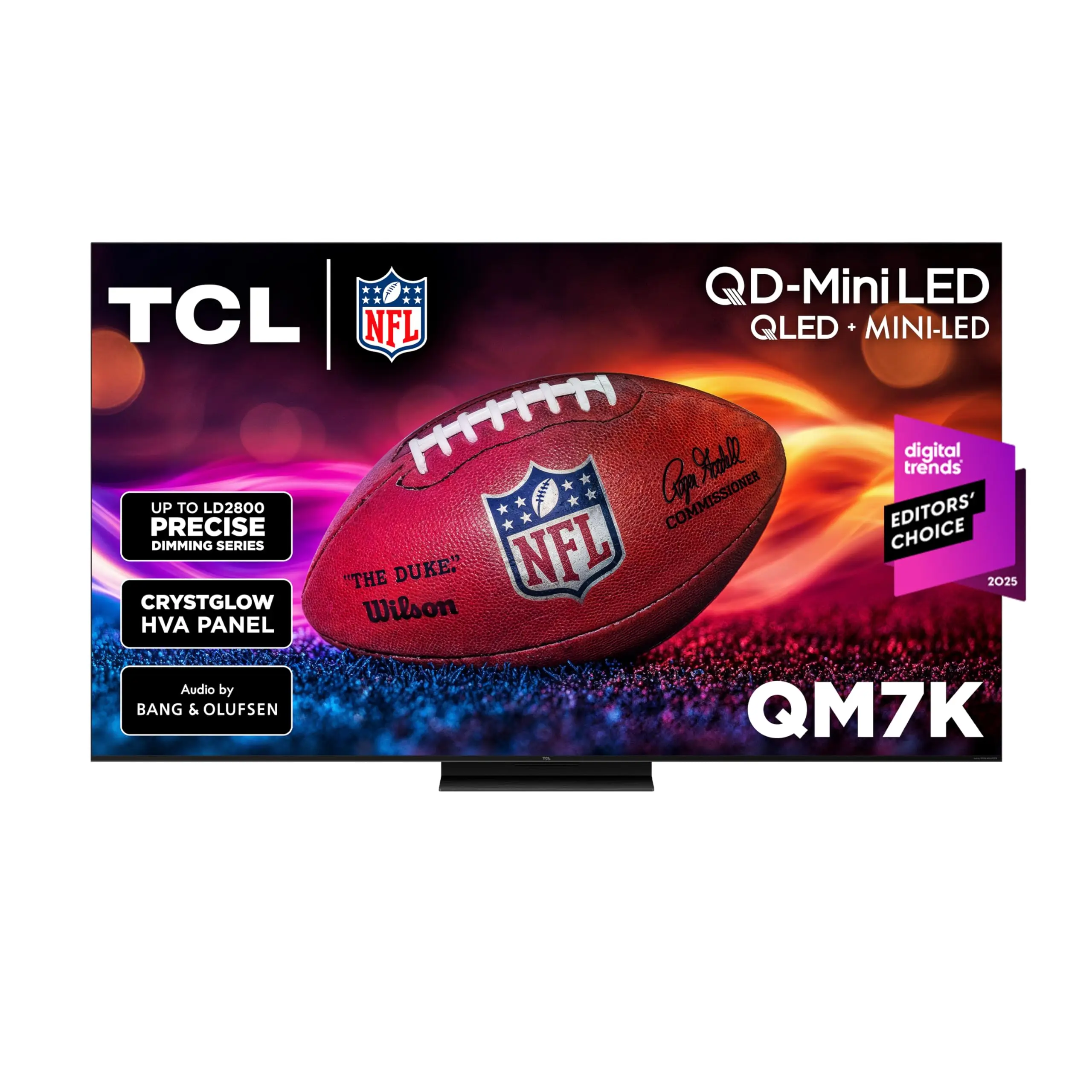 |
TCL 65 Inch QM7K Mini LED QLED 4K | 65" 4K HDR, 120–144Hz | Google TV, Dolby Atmos, Onkyo Audio | 2618 | $1023.91 | $74.5 | 4.3 | Anti-reflective, Alexa remote, Gaming |
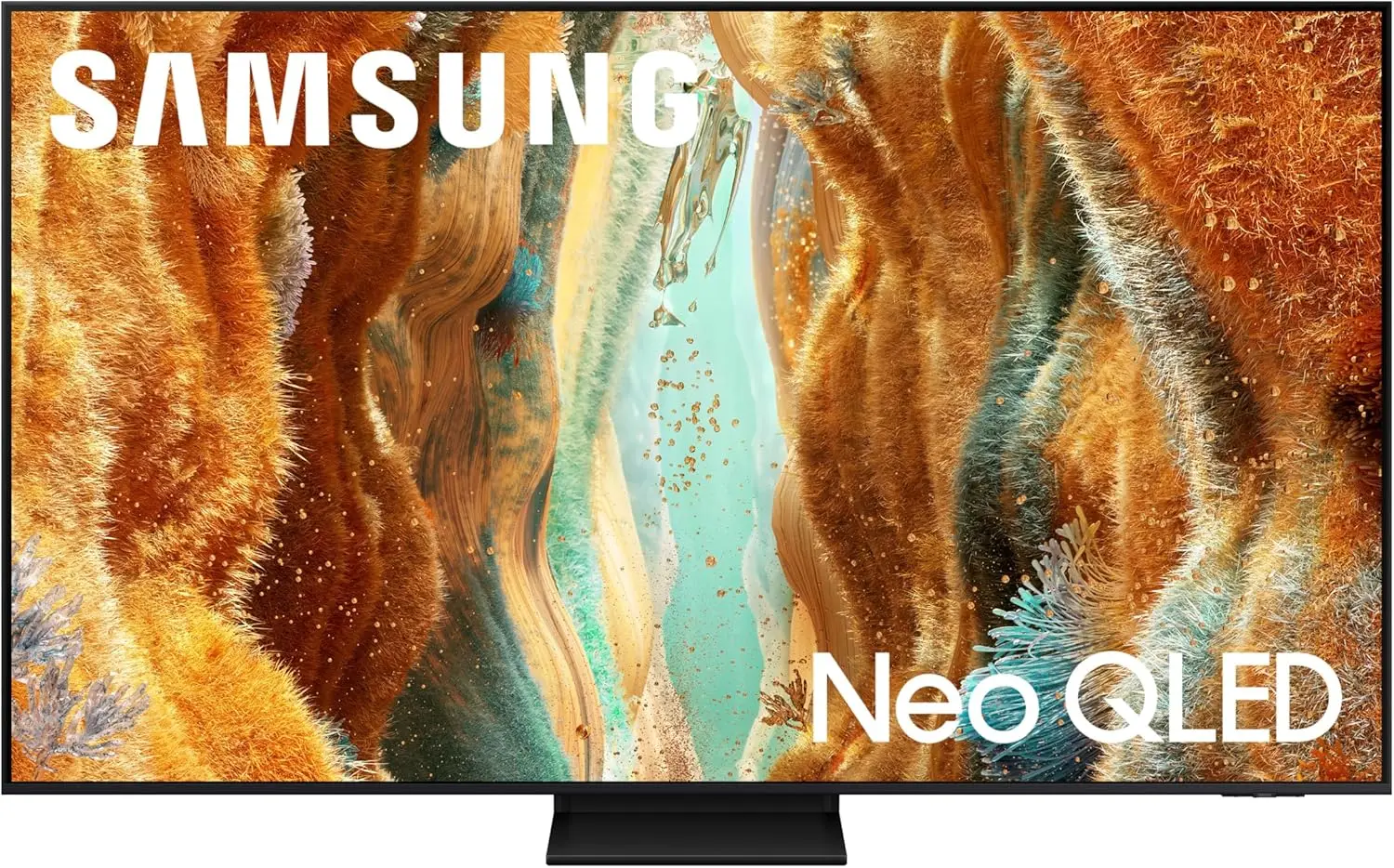 |
Samsung 85" Neo QLED QN70F Mini LED | 85" 4K, 144Hz | Alexa, AI Processor, Quantum Matrix | 1763 | $1912.43 | $325.0 | 4.5 | Motion Xcelerator, Vision AI, Slim design |
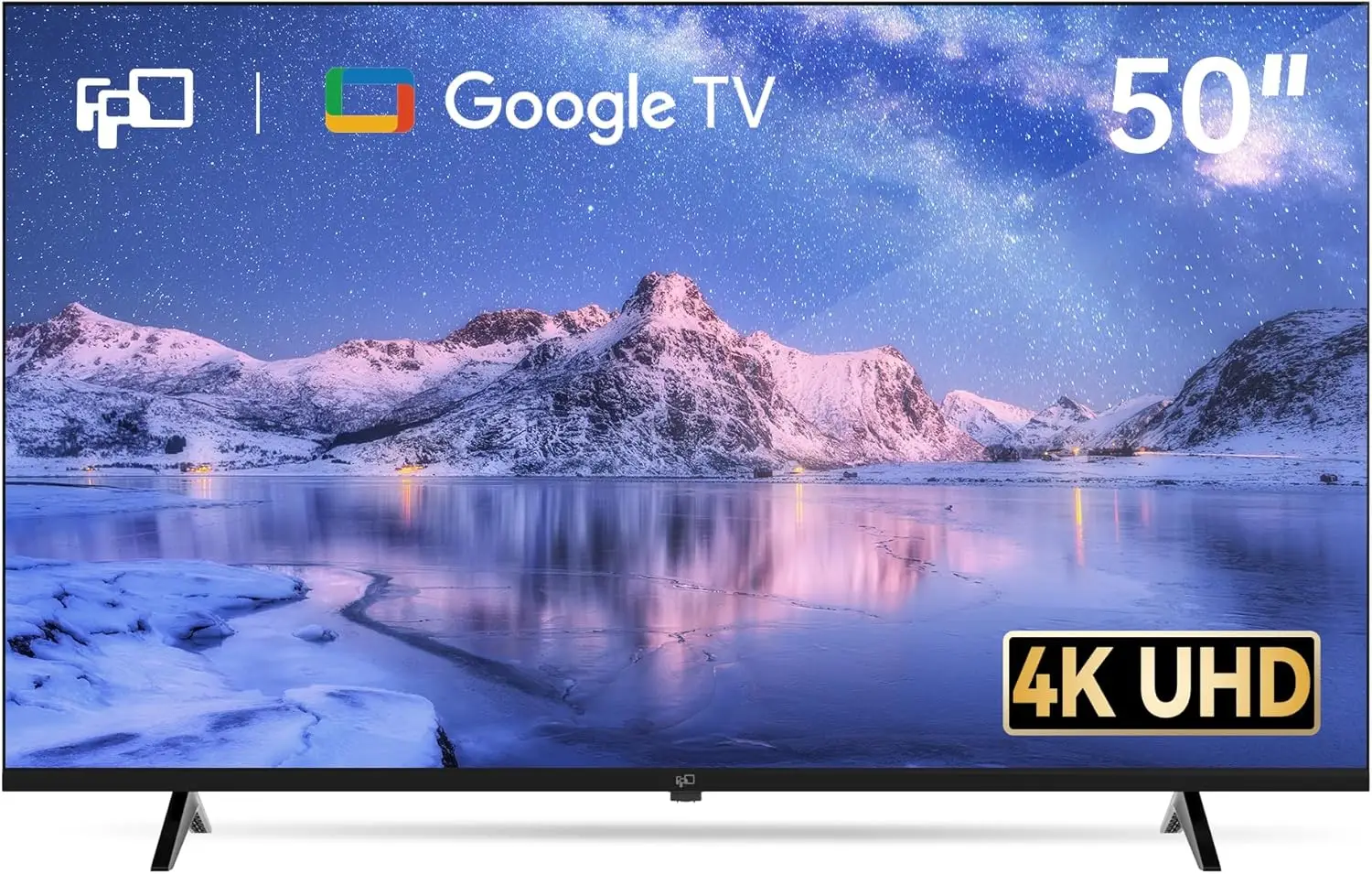 |
FPD 50" 4K LED Google TV | 50" 4K HDR | Google Play, Cast, Dolby Audio | 584 | $295.41 | $188.69 | 4.3 | Voice remote, UHD streaming |
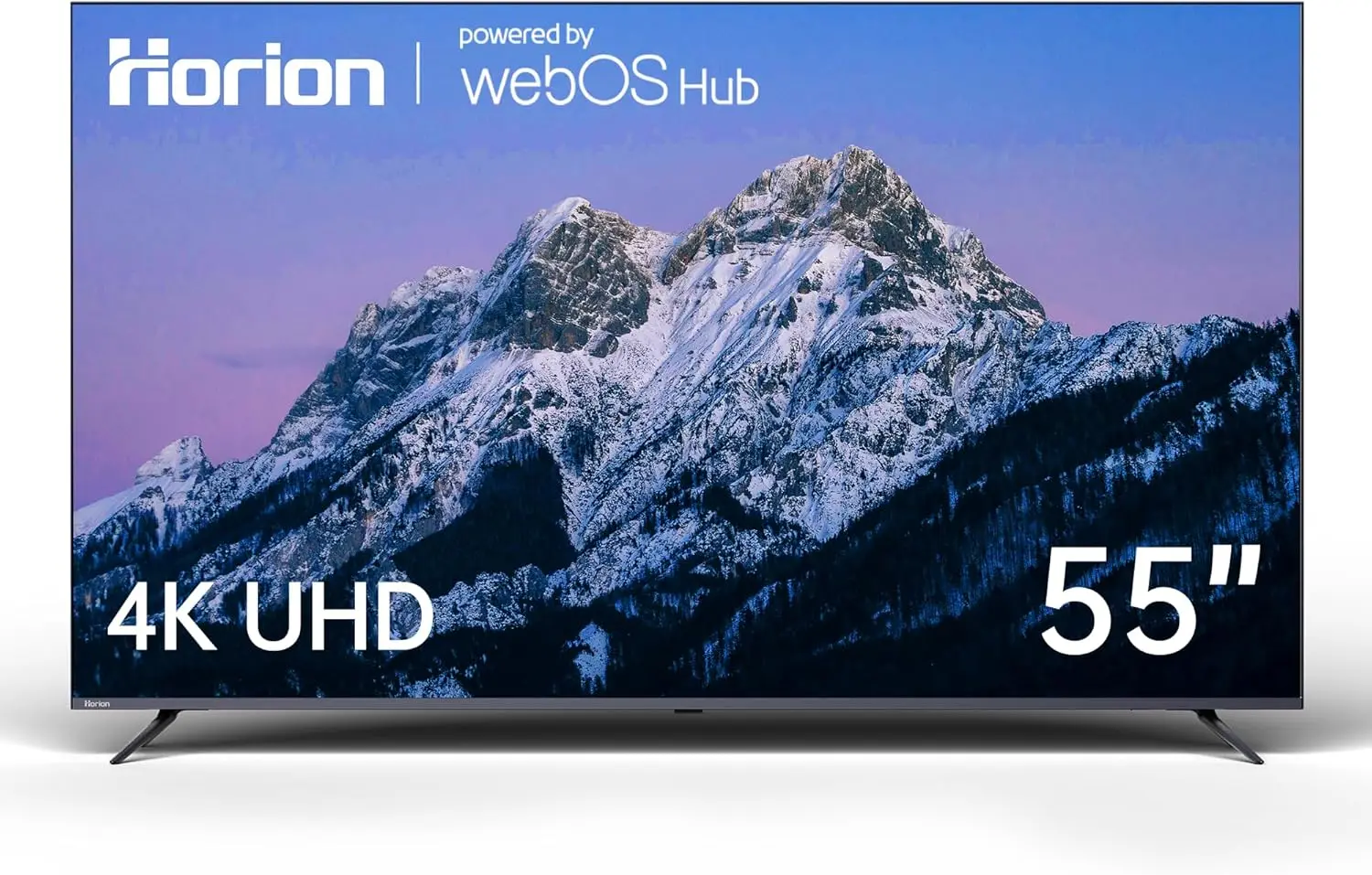 |
HORION 55" P6D Series 4K UHD LED | 55" 4K UHD | WebOS 22, Dolby Audio, Bluetooth | 238 | $353.57 | $202.75 | 4.3 | Mega contrast, Streaming, HDR10 |
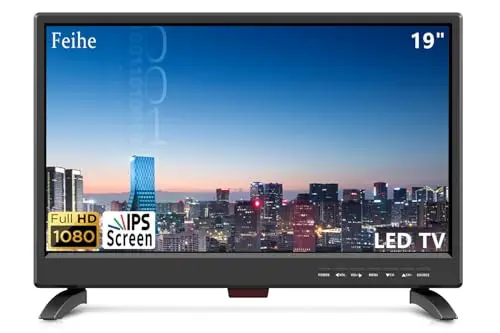 |
19" LED Widescreen (Non-Smart) | 19" HD LED | ATSC Digital Tuner, Dual Speakers | 97 | $150.95 | $38.7 | 4.1 | Portable for kitchen/RV |
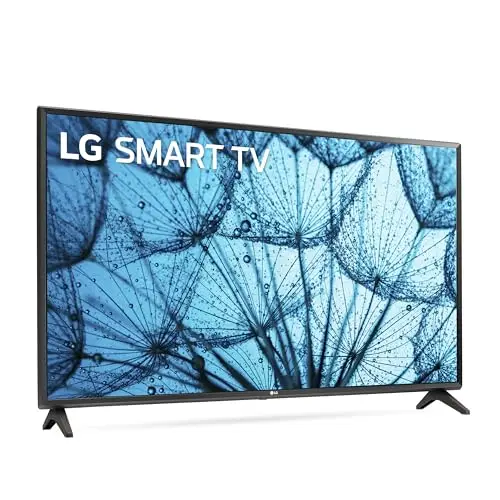 |
LG LM570B 32" HDR HD Smart LED | 32" HD HDR | Smart functionality | 61 | $198.68 | $71.0 | 4.4 | HDR, clear screen |
 |
VIZIO 50" V Series 4K UHD (Renewed) | 50" 4K UHD | HDR10+/HLG, Bluetooth, Chromecast | 60 | $244.91 | $107.33 | 3.5 | Bluetooth, DTS Virtual X |
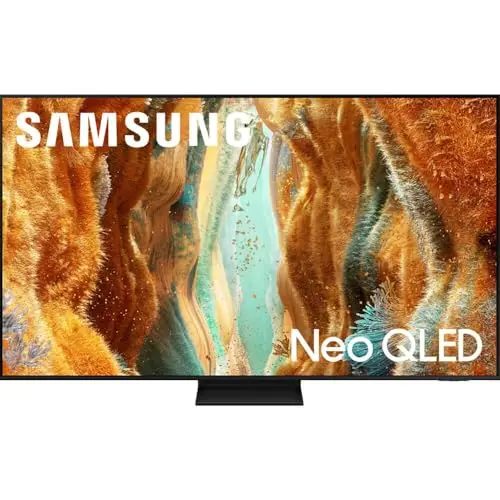 |
Samsung QN55QN70F 55" Neo QLED | 55" 4K QLED | Vision AI, Mini LED | 26 | $686.01 | $411.5 | 0 | AI image, premium features |
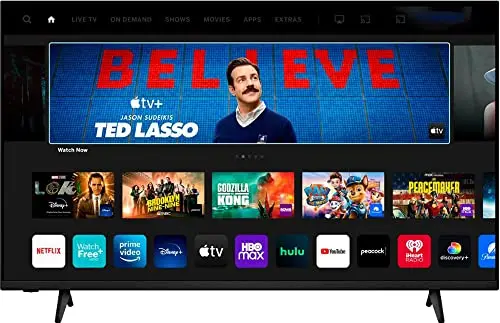 |
VIZIO V505M-K09 50" V Series | 50" 4K LED HDR | Smart functionality | 5 | $305.06 | $216.0 | 4.4 | High contrast, HDR, streaming |
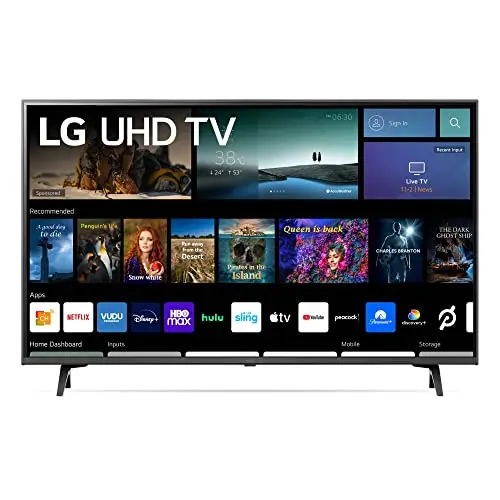 |
LG 43" UQ7070 ZUD Series | 43" 4K UHD | WebOS 22, Smart TV | 5 | $243.22 | $90.0 | 3.7 | High efficiency, HDR, streaming |
Table data sourced from [3].
Analysis of the hot selling product table reveals clear market preferences at play: the top-selling models are typically 50-inch and above, feature UHD/4K resolution, and bundle advanced smart TV functionality with voice remote, HDR, and streaming apps. While Vitron does not appear among Amazon’s top 10 bestsellers, its market share is robust within Kenyan platforms [5][6][7][8], suggesting regional volume strength for buyers prioritizing local distribution and cost-informed procurement.
For those aiming to source inventory in East Africa, these high-volume models represent ideal benchmarks for feature sets, quality standards, and pricing strategy—critical intelligence for negotiating supplier terms or specifying requirements with OEM/ODM partners.
Navigating the sourcing landscape for smart TVs, and Vitron in particular, demands a rigorous, context-specific approach to supplier vetting, quality assurance, and logistics. The following insights provide actionable direction for procurement professionals, wholesalers, and institutional buyers.
Supplier Evaluation CriteriaThe foundation of successful Vitron TV sourcing lies in choosing suppliers with:
East African logistics favor suppliers with in-country warehousing, agile distribution networks, and flexible shipping arrangements. Aim to:
Markets such as Kenya and Tanzania require digital migration conformity—DVB-T2 support, Eco-rating, and electromagnetic compatibility (EMC) certification. Verify supplier documentation, including:
Frequent challenges include:
On the competitive edge, Vitron TVs excel in their local-market assembly agility, ready service reach in all major towns, and responsive warranty/parts management. For buyers focused on bulk distribution, institutional roll-outs, and long-term procurement, these advantages offer a credible path to sustained value, provided the above risks are proactively mitigated.
The 2026 smart TV market in East Africa blends intense value consciousness with digital ambition. While global brands dominate aspirational buying, regional icons like Vitron TV remain essential for buyers who prioritize volume, cost, and local support. Social sentiment emphasizes pragmatic ownership: buyers expect to troubleshoot and modulate expectations, yet appreciate durable performance when achieved.
Procurement professionals should capitalize on seasonal buying peaks, vigilant supplier audits, and robust logistics partnerships to unlock maximum value and mitigate known risks. Recommendations for the next 6–12 months include:
Move forward confidently—armed with the latest market intelligence, community insight, and robust risk navigation! With the right supplier, careful sourcing terms, and expectation management, Vitron TV and its competitors offer a winning route for B2B and institutional buyers entering Africa’s next entertainment boom.