
All categories
Featured selections
Trade Assurance
Buyer Central
Help Center
Get the app
Become a supplier
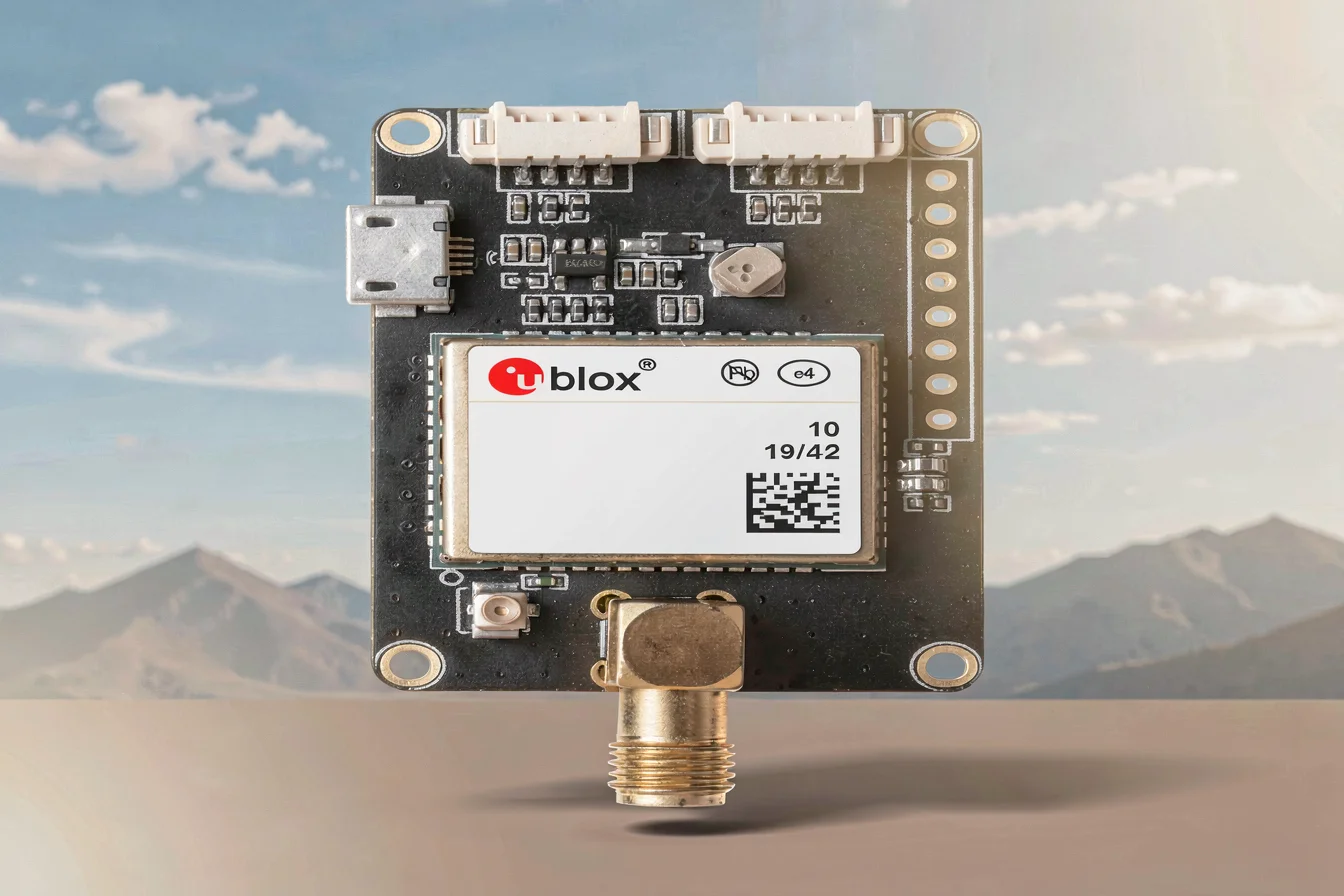
The USB GPS receiver market is stable and robust for procurement in 2026, with global demand peaking during late summer and early autumn. Buyers should prioritize models offering multi-GNSS, waterproofing, and flexible update rates, as supply chains remain resilient and price volatility is moderate [1][5]. OEM/ODM sourcing is viable, with strong retail and industrial adoption reinforcing procurement viability.
The USB GPS receiver segment is trending due to its versatility across industrial, geospatial, and consumer applications, driven by the need for real-time location data, enhanced navigation, and reliable positioning in challenging environments. The market is shaped by technological advances in multi-constellation GNSS, waterproofing, and integration with platforms like Raspberry Pi and Google Earth. Buyers must understand the difference between entry-level USB dongles and high-precision GNSS receivers, and prioritize compatibility, durability, and compliance for their intended use case. Selection criteria focus on channel count, update rates, waterproof ratings, and NMEA support, ensuring optimal performance across laptops, vehicles, and outdoor devices.
| Trend Factor | Current Status | Impact on Buying Decision |
|---|---|---|
| Multi-Constellation GNSS | Widespread adoption (GPS, GLONASS, Galileo, BeiDou) | Enables higher accuracy and reliability |
| Waterproofing & Durability | IPX4–IPX7 models standard | Essential for outdoor and vehicle use |
| Plug-and-Play Compatibility | Universal Windows/Linux/Android support | Reduces integration complexity |
| Price Volatility | Moderate, stable supply | Favors bulk procurement and OEM/ODM deals |
| OEM/ODM Sourcing | Strong, with customization options | Supports tailored solutions for enterprise |
Buyers should focus on high-accuracy, waterproof, multi-GNSS models and prioritize compatibility and reliability when sourcing USB GPS receiver devices.
Market volatility for USB GPS receiver devices remains moderate, with supply chains stable and OEM/ODM suppliers offering robust inventory. The industry is driven by geospatial mapping, vehicle navigation, and industrial automation, with macroeconomic risks limited to semiconductor shortages and geopolitical disruptions. Demand is sustained by the proliferation of Raspberry Pi and Linux-based mapping projects, while retail adoption is reinforced by consumer electronics and outdoor equipment. Buyers should monitor seasonal peaks in late summer and early autumn, as seen in Google Trends, and anticipate moderate price increases during high-demand periods. The segment is resilient, with global distribution channels and reliable logistics, but buyers must assess compliance and technical compatibility for their specific application.
| Market Dimension | Current Status | Impact Level |
|---|---|---|
| Supply Chain Stability | Resilient, moderate volatility | High |
| Retail Adoption | Strong, broad across consumer and industrial | High |
| OEM/ODM Customization | Flexible, full support | Medium |
| Seasonality | Peaks Aug–Sep | Medium |
| Compliance & Certification | Standard (CE, FCC) | Medium |
The USB GPS receiver market is resilient, with robust supply chains and broad adoption, but buyers must monitor seasonal demand and compliance requirements for optimal sourcing.
Google Trends for USB GPS module, USB GPS dongle, USB GPS antenna (Mar 2025–Mar 2026)
Google Trends show a clear surge in demand for USB GPS receiver devices from August to September 2025, with values peaking for “USB GPS module” and “USB GPS antenna” at 100 and 87 respectively. Demand remains elevated into the winter months, indicating sustained interest in navigation and mapping applications. These trend movements signal buyers should time bulk procurement during early summer to avoid price spikes and inventory shortages during late summer and autumn [1].
Procurement timing should align with seasonal peaks, as Google Trends reveal strong momentum for USB GPS receiver devices during late summer and early autumn.
Reddit discussions center on installation challenges, signal strength, and compatibility, with users reporting success when using USB GPS receiver devices for mapping, vehicle navigation, and outdoor tracking. Pain points include difficulty in achieving a strong signal indoors, battery life, and device durability. TikTok trends highlight “DIY GPS tracking,” “off-grid navigation,” and “car audio integration,” with engagement driven by viral tutorials and influencer reviews. Sentiment is generally positive, especially for waterproof and multi-GNSS models, but negative reviews focus on battery life and signal lock times. Resale value is higher for waterproof, high-accuracy models, while entry-level devices see lower value retention.
“Plug in a USB GPS and OverMesh reads it directly. Your position shows as a distinct marker on the map with a configurable privacy blur… Tested with VK-162 G-Mouse on /dev/ttyACM0.” [6]
“You need to turn it on, hold the aim button and look directly up into the sky to read it. Idk why but that’s the only way I can get one to work.” [7]
| Dimension | Reddit Insights | TikTok Insights |
|---|---|---|
| Signal Strength | Difficult indoors, requires direct line of sight | Tutorials on maximizing signal in vehicles |
| Compatibility | Mixed reviews, some devices work seamlessly | Viral reviews on plug-and-play integration |
| Durability | Waterproofing and battery life praised | DIY builds and rugged use cases |
| Resale Value | Higher for waterproof, high-accuracy models | Influencer-driven value for rugged units |
| Sentiment | Positive for waterproof and multi-GNSS models | Positive, especially for outdoor applications |
Online communities favor waterproof, multi-GNSS USB GPS receiver models, with resale value and sentiment driven by durability and compatibility.
Amazon’s top-selling USB GPS receiver products highlight waterproofing, multi-GNSS support, and plug-and-play compatibility as key differentiators. High-accuracy models like the GlobalSat BU-353N and VK-162 USB GPS Dongle offer robust signal strength and reliable performance for mapping and vehicle navigation. Entry-level adapters support legacy devices and universal connectivity, while premium models like the Columbus P-7 Pro deliver submeter accuracy for professional use. Price ranges span from $12 to $550, with most buyers prioritizing waterproofing, multi-constellation GNSS, and seamless integration.
| Image | Name | Price | Rating | Key Features |
|---|---|---|---|---|
 |
USB GPS Receiver Antenna Gmouse | $19.99 | 4.4/5.0 | Multi-GNSS chip, waterproof, plug-and-play |
 |
GlobalSat BU-353N USB GPS Receiver | $47.95 | 4.4/5.0 | Built-in magnet, 75-channel tracking, waterproof |
 |
VK-162 USB GPS Dongle | $16.97 | 4.6/5.0 | Long cord, waterproof, supports Raspberry Pi |
 |
VK172 GPS Module USB G-Mouse Dongle Receiver | $11.98 | 4.1/5.0 | Multi-platform, plug-and-play, waterproof |
 |
Garmin 010-00321-31 18x USB GPS Navigator Unit | $58.60 | 4.1/5.0 | WAAS enabled, high sensitivity, proprietary format |
Waterproofing, multi-GNSS support, and plug-and-play compatibility are the top drivers of sales for USB GPS receiver products in 2026.
Buyers praise waterproofing, signal strength, and plug-and-play compatibility for top-selling USB GPS receiver models. Complaints focus on battery life, signal lock times, and device durability, especially for entry-level units. High-accuracy models receive positive feedback for reliability and integration with mapping software, while lower-cost models sometimes face criticism for inconsistent performance.
“Works perfect and I am pretty sure you can plug it in just about anything and it will work or so far everything I have tried it with and I have tried a few..” [2]
“This module seems to operate even without a computer as long as it's connected to a power source. So when you see a blinking green light, you know you've got some sort of GPS lock. The quality of that lock can vary greatly, but you should at least have 2 satellites locked. For a cheap little USB dongle, that I'd say that's pretty good!” [2]
| Product Name | Top Praise | Top Complaint | Overall Sentiment |
|---|---|---|---|
| USB GPS Receiver Antenna Gmouse | Universal compatibility, waterproofing | Signal lock time, battery life | Positive |
| GlobalSat BU-353N USB GPS Receiver | High sensitivity, reliable signal | Battery life | Positive |
| VK-162 USB GPS Dongle | Easy integration, waterproofing | Signal lock time | Positive |
| VK172 GPS Module USB G-Mouse Dongle Receiver | Affordable, reliable signal | Battery life, signal lock time | Positive |
| Garmin 010-00321-31 18x USB GPS Navigator Unit | Accuracy, quick recognition | Compatibility with some software | Positive |
Buyers consistently praise waterproofing and signal strength, but battery life and signal lock time remain common complaints for USB GPS receiver models.
Reliability benchmarks for USB GPS receiver devices focus on signal strength, waterproofing, battery life, and compatibility. High-end models offer submeter accuracy, multi-GNSS support, and IPX6/IPX7 waterproofing, while entry-level units may lack durability and signal lock consistency. Sourcing risk is mitigated by prioritizing OEM/ODM partners with proven track records, full compliance (CE, FCC), and flexible customization. Buyers should map potential bottlenecks across logistics, raw materials, and geopolitical compliance, and negotiate price optimization by leveraging bulk procurement and technical support contracts.
| Benchmark Dimension | GlobalSat BU-353N | VK-162 USB GPS Dongle |
|---|---|---|
| Signal Strength | High sensitivity, reliable | Strong, waterproof |
| Waterproofing | IPX4 | IPX6 |
| Battery Life | Medium | Medium |
| Update Rate | 1 Hz | 1 Hz |
| Multi-GNSS Support | GPS, GLONASS | GPS, WAAS |
Reliability is maximized by sourcing waterproof, multi-GNSS USB GPS receiver models from reputable OEM/ODM partners with full compliance and flexible customization.
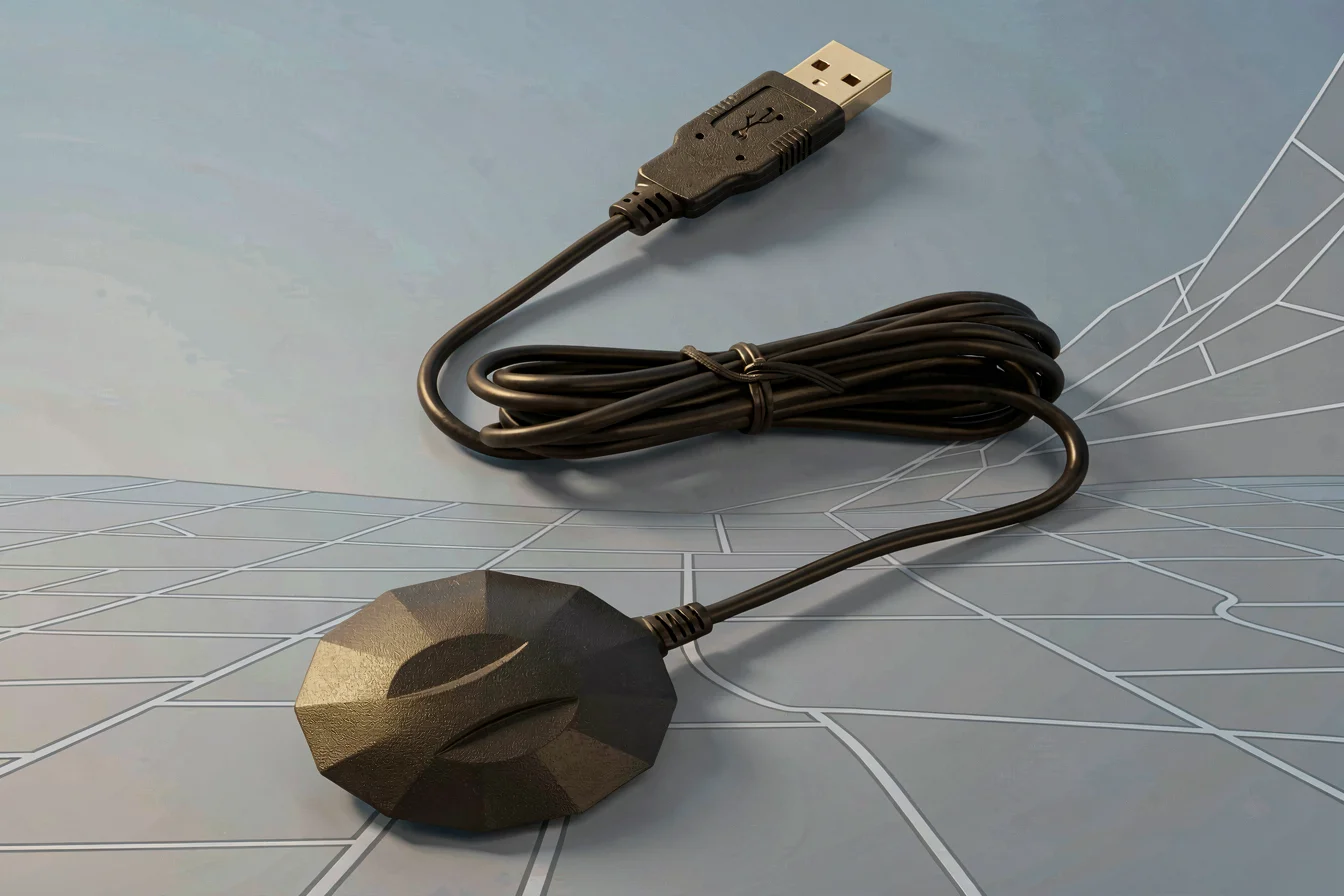
Procurement optimization for USB GPS receiver devices relies on direct factory sourcing for bulk orders, authorized distributors for compliance and warranty support, and B2B platforms for flexible customization and logistics integration. Direct factory sourcing offers the lowest price and highest customization, while authorized distributors provide warranty and after-sales support. Logistics trends favor expedited shipping and real-time tracking, with essential duty/tax considerations for cross-border procurement. Buyers should negotiate logistics terms, ensure compliance, and map potential bottlenecks in supply chain and customs clearance.
| Channel | B2B Advantage |
|---|---|
| Direct Factory | Lowest price, full OEM/ODM support |
| Authorized Distributor | Warranty, after-sales support |
| B2B Platform | Flexible customization, logistics integration |
Buyers should optimize procurement by leveraging direct factory sourcing for bulk orders, authorized distributors for compliance, and B2B platforms for logistics integration when sourcing USB GPS receiver devices.
Looking forward, the USB GPS receiver market is poised for continued growth as demand for multi-GNSS, waterproof, and high-accuracy models intensifies. Technological advances will drive integration with IoT and mapping platforms, while price volatility remains moderate, favoring bulk procurement and OEM/ODM partnerships. Buyers should prioritize waterproofing, multi-GNSS support, and plug-and-play compatibility, and time their purchases to avoid seasonal price spikes. Strategic sourcing from reputable OEM/ODM suppliers, leveraging B2B platforms for customization, and optimizing logistics for expedited shipping and compliance will ensure supply chain resilience and competitive advantage. As the industry evolves, buyers must stay agile, monitor market trends, and invest in high-reliability, high-accuracy USB GPS receiver solutions to maximize value and operational efficiency.