
All categories
Featured selections
Trade Assurance
Buyer Central
Help Center
Get the app
Become a supplier
As construction and renovation activity accelerates into 2026, international buyers and sourcing professionals are seeing a marked shift toward UPVC sheets for applications ranging from roofing to decorative interiors. Driven by both sustainability imperatives and growing climate resilience requirements, UPVC has become a standout material in markets faced with frequent extreme weather, volatile energy prices, and stricter regulatory controls. Developments in composite engineering and innovative sheet designs—now offering soundproofing, thermal insulation, and versatile aesthetics—are directly catering to consumer and commercial needs alike [2][4][5][8].
Seasonal factors are also fueling demand. Across South Asia and Southeast Asia, the arrival of monsoon rains and tropical storms necessitate durable, leak-proof, and corrosion-resistant roofing materials—qualities that UPVC roofing sheets provide better than most traditional alternatives. In Western markets, a renewed emphasis on energy-saving construction after a period of harsh winters and hot summers is pushing property developers to adopt materials with improved insulation values. Meanwhile, cultural shifts toward sustainable building practices—in response to climate policy and consumer eco-consciousness—mean UPVC’s recyclable and low-maintenance features are more desirable than ever [7][9].
Consumer behavior in 2026 exhibits more sophistication: buyers research not only price and longevity but also aesthetics, VOC emission ratings, and compatibility with modular and prefabricated building techniques. Large-scale infrastructure investments in residential, commercial, and industrial segments are further expanding the market for UPVC sheets, particularly in regions such as India, Sri Lanka, and the Middle East—where both installation speed and durability matter for cost control and operational efficiency [3][10]. As a result, sourcing professionals looking for reliable, scalable solutions are paying close attention to UPVC options in their procurement strategies.
UPVC sheets, short for unplasticized polyvinyl chloride sheets, are engineered construction and interior finishing materials renowned for their rigid structure, durability, and versatile applications. Unlike classical PVC, UPVC is manufactured without plasticizers, producing a material that is firmer, less prone to deformation, and highly resistant to environmental stressors [6][8].
The historical evolution of UPVC began in the mid-20th century as the building industry sought corrosion-proof alternatives to metal and wood. Initial products focused on simple cladding and piping, but by the 1990s and 2000s, advances in polymer chemistry led to widespread adoption for roofing, siding, wall panels, windows, and even doors [3][9]. By 2026, the category encompasses a range of high-performance sheets purpose-built for both external and internal use. Modern UPVC sheets often integrate additives (such as UV stabilizers and pigments), and some variants feature fiberglass reinforcement for superior strength and impact resistance [8].
Today’s market offers several major UPVC sheet types:
Key classification criteria for buyers evaluating UPVC sheets include:
Beyond technical specifications and manufacturer claims, real-world user feedback has become a crucial input for buyers assessing UPVC sheets. Social platforms, forums, and DIY communities are rife with rich discussions on sourcing difficulties, installation tips, and maintenance experiences—providing valuable qualitative insights for B2B decision-makers.
In markets like Sri Lanka, the search for reputable suppliers and branded UPVC roofing sheets can be challenging. Community threads routinely discuss the differences between local shops and online marketplaces, with buyers asking for reliable sources around urban centers such as Colombo. Popular responses indicate that while certain local brands and retailers (“Sivilima,” among others) are recommended for sheet and roof installations, direct feedback emphasizes the importance of checking authenticity, warranty, and after-sales support before making bulk purchases [10].
The DIY/home improvement sector also offers practical observations from installers and homeowners. For instance, regular commenters from renovation forums in the UK highlight that upgrading to UPVC window frames or cladding produces minimal dust and disruption when handled by skilled professionals. However, they caution buyers to ensure floor coverings during window or panel removal, noting that debris may accumulate—especially where old fixtures require cutting or additional adjustments. Overall, users rate professional installation as almost mess-free, citing the attention to sealing and trim fitting as contributors to a clean result [12].
From a technical carpentry perspective, discussions around fitting UPVC panels, such as boxing-in returns with soffit and fascia boards, reinforce the material’s suitability for finishing work where aesthetic and mechanical standards are high. Frequent advice centers on joint choices—suggesting butt joints or rounded treatments to enhance appearance—while reiterating UPVC’s practical advantages over MDF in jobs requiring moisture resistance and long-term durability [16].
Notably, some DIY enthusiasts mention issues like loose UPVC plates or hardware, advising buyers to check for correct bolt types (e.g., 8mm M4 countersunk) and to inspect for stripped threads before resorting to replacements. Such discussion demonstrates how buyer sentiment covers not only initial product quality but also lifecycle maintenance and serviceability [18].
A synthesis of these social narratives suggests:
The UPVC sheet market continues its upward trajectory, shaped by sustained growth in construction, industrial modernization, and environmental pressures. As of early 2026, the global value of UPVC sheet production stands at record highs, with year-over-year growth rates estimated at 12-15% in major regions across Asia-Pacific, the Middle East, and Africa [8][5]. Europe and North America report steady expansion as well, reflecting UPVC’s penetration into replacement and retrofit segments as older building stock is upgraded.
Regional buying trends exhibit distinct preferences. In South Asia, heavy rainfall and high humidity drive strong demand for corrugated UPVC roofing sheets, with buyers prioritizing durability and leak resistance. In coastal regions and areas exposed to industrial pollutants, UPVC’s anti-corrosive properties and UV stability protect facilities from rapid degradation—making it a top choice for factories, warehouses, and public infrastructure [3][6]. Urban residential buyers increasingly seek out decorative UPVC panels and soundproofing solutions to combine aesthetic flexibility and thermal comfort, especially as modular construction methods rise in popularity [7][9].
Product innovation is accelerating. Manufacturers now offer sheets with hybrid structures, such as fiberglass-reinforced UPVC panels for enhanced strength, as well as textured finishes and faux wood designs for upscale interiors. Meanwhile, wholesale price tiers range broadly—from under $1.00 for thin panels to over $5.00 for large-format, specialty products—giving buyers ample choice for projects of any size or complexity [1][5].
Key market intelligence for B2B buyers:
UPVC Sheet Market 2026: Regional Demand Features & Strategic Insights
In-depth market reviews show that India, Sri Lanka, Indonesia, and the Gulf States are among the most dynamic markets, with procurement managers leveraging UPVC for both new construction and replacement cycles. As monsoon and climatic volatility increase, adoption of UPVC is projected to reach new highs, with volumetric purchases favoring bulk imports and localized distribution partnerships [10][5]. Moreover, sizeable government investments in climate-resilient infrastructure—public schools, hospitals, transport hubs—reinforce the product’s dominance in these regions.
In developed economies, the emphasis is shifting toward sustainable sourcing, including documentation of recycled content, eco-certification (LEED, BREEAM), and reduced carbon footprint during manufacture. Buyers here are encouraged to prioritize products with transparent supply chains and third-party validation, helping to meet both project requirements and market expectations for ethical sourcing [7][8].
Overall, procurement teams should integrate both quantitative (cost-per-area, longevity ratings) and qualitative (installation ease, after-sales support) metrics into their selection process, positioning themselves to maximize ROI while aligning with market trends.
Hot Selling Analysis: Top 10 Bestselling Amazon UPVC Sheet Products (Retail Trends 2026)
To provide clarity on actual consumer purchasing patterns, the following is an analysis of the top 10 hot selling UPVC sheet products as ranked by Amazon sales volume. Each product is presented with specifications, images, retail/wholesale price points, features, and average ratings—allowing procurement specialists to benchmark demand signals and assess competitive product positioning [1].
| Image | Product Name & Brand | Type | Dimensions | Average Rating | Latest Month's Sale Volume | Retail/Wholesale Price | Key Features |
|---|---|---|---|---|---|---|---|
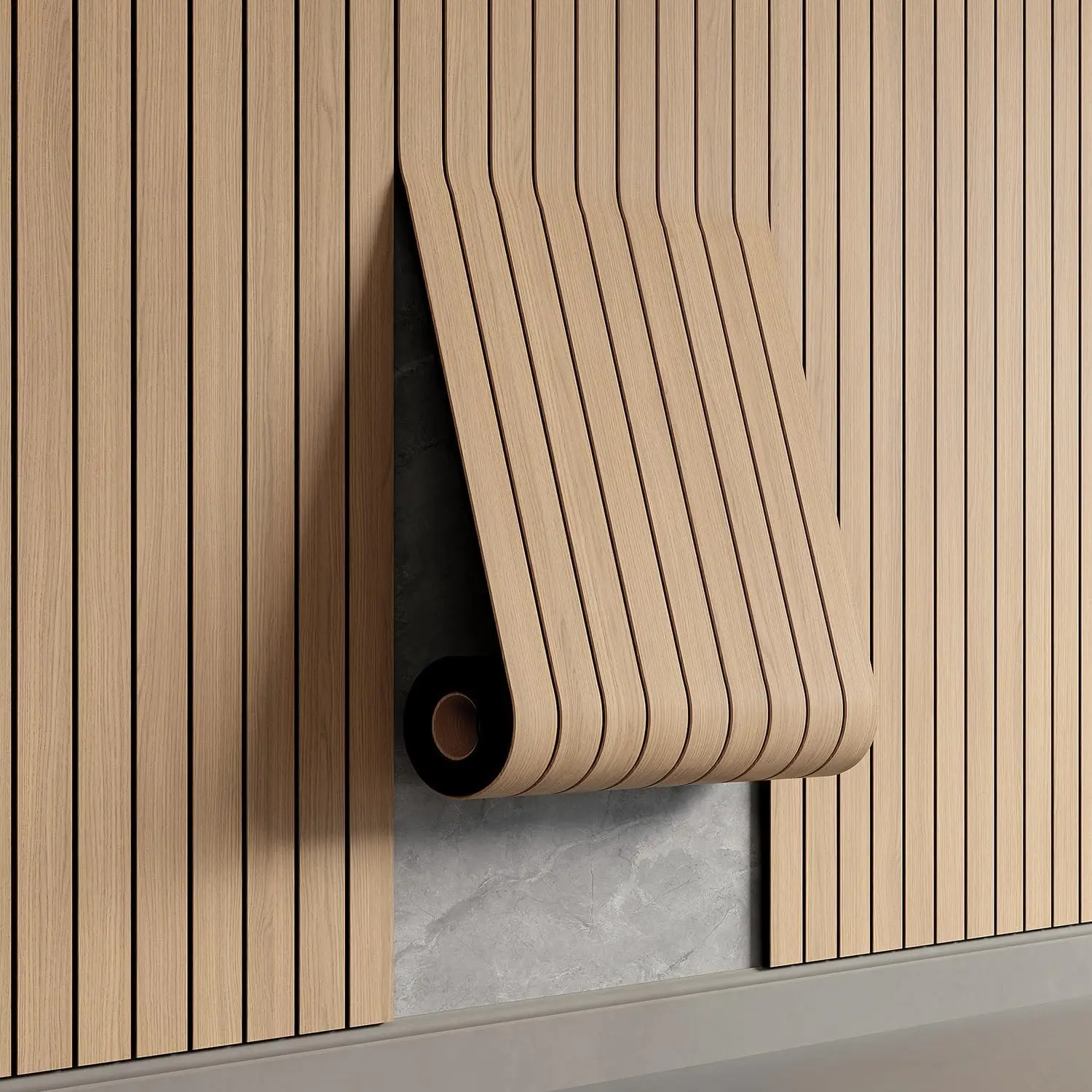 |
YU LI 3DH Peel and Stick PVC Slat Wall Panel | Self-Adhesive Wall Panel | 118"x15.75" | 4.3 | 876 | $33.39 / $3.49 | Thick 3D, soundproof, faux oak wood grain, wall/ceiling use |
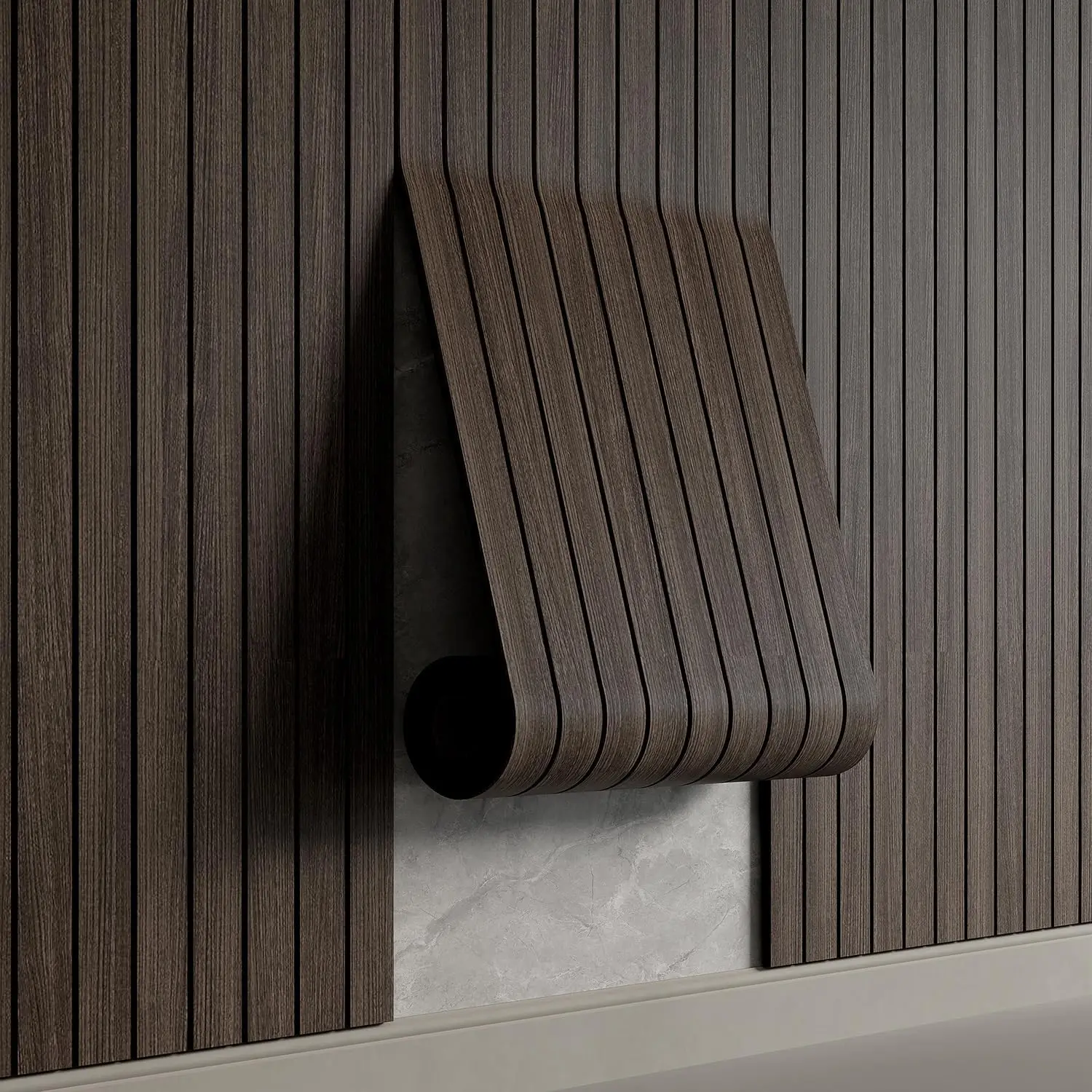 |
YU LI 3DH Peel and Stick PVC Slat Wall Panel | Self-Adhesive Wall Panel | 236"x15.75" | 4.3 | 831 | $62.99 / $5.31 | Thick 3D, soundproof, faux smoked wood grain, wall/ceiling use |
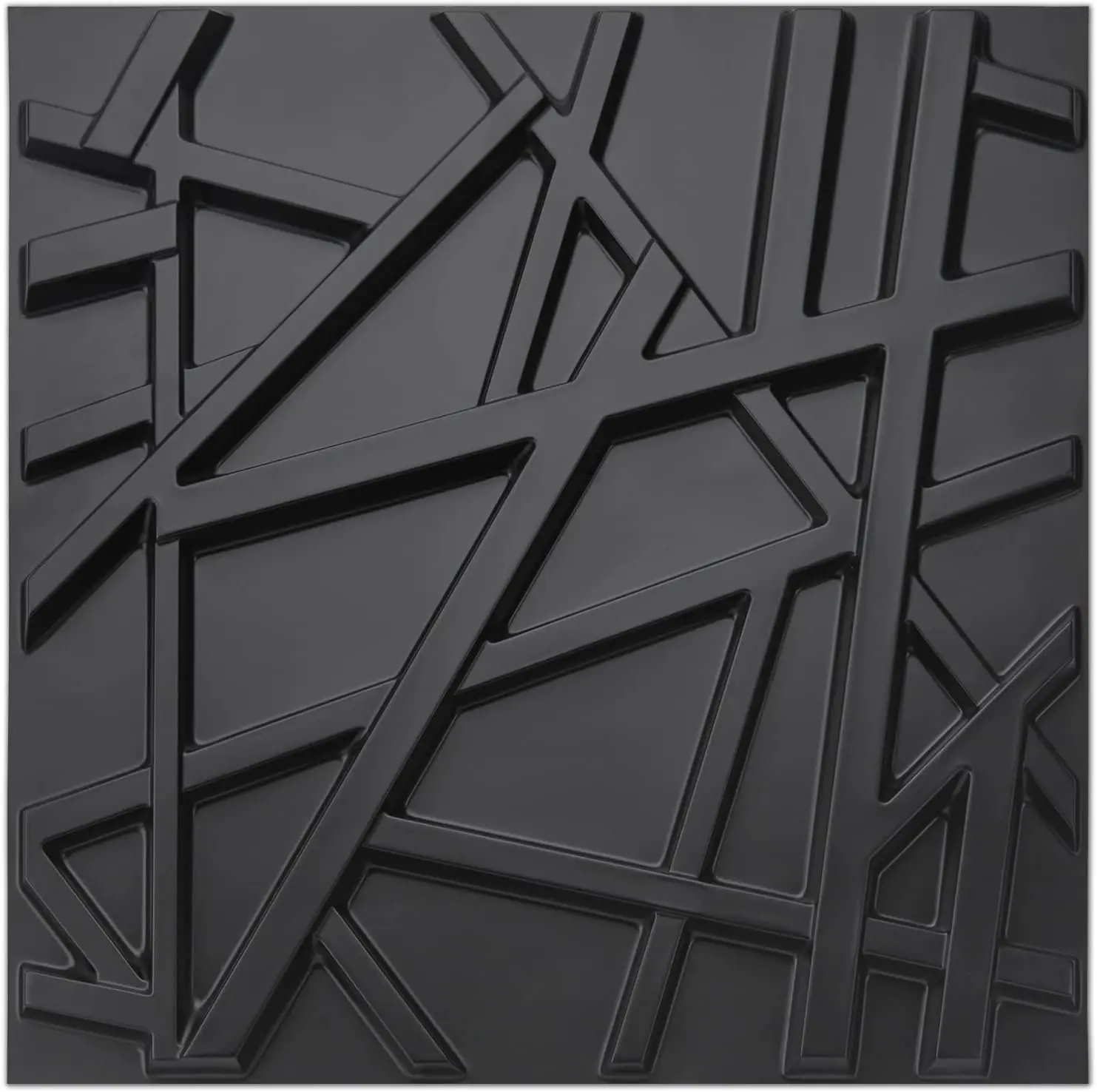 |
Art3d Pack Of 12 Wall Panel Stripes | Wall Panel, Decorative | 19.7"x19.7" | 4.4 | 522 | $48.16 / $1.23 | 12-pack, black stripes, modern accent wall design |
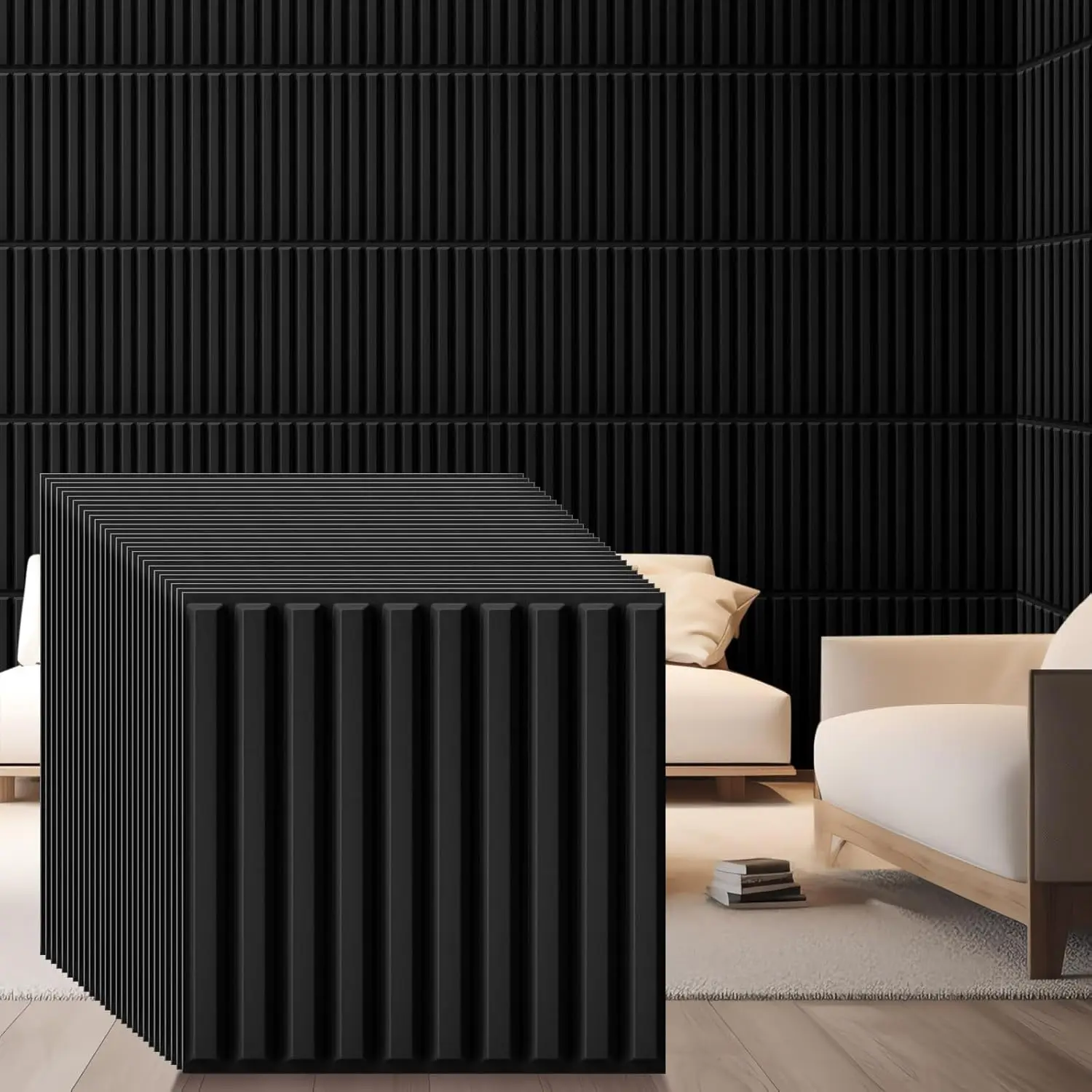 |
Nuanchu 32 Pcs 3D Slat Wall Panels | Textured Panel | 12"x12" | 4.5 | 374 | $44.45 / $0.95 | Cuttable, paintable, DIY wall art for ceilings/studios/TV backgrounds |
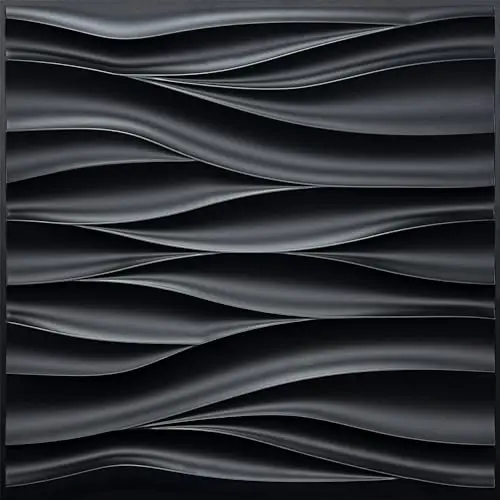 |
STICKGOO Black 3D Wall Panels | Textured Panel | 19.7"x19.7" | 4.3 | 264 | $55.58 / $1.42 | Wave design, modern accent, suitable for bedrooms, offices |
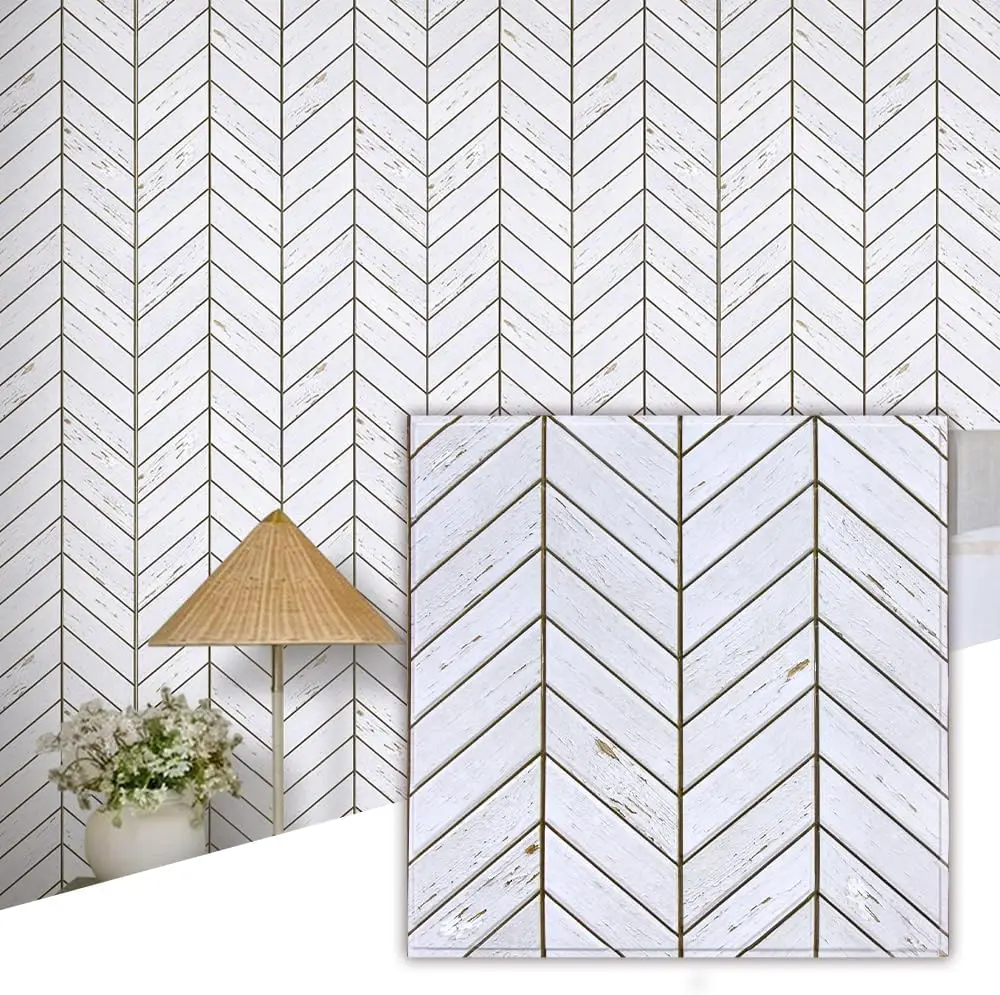 |
Commomy 3D Faux Wood Wall Panels | Peel & Stick Wood Tiles | 11.8"x11.8" (10pcs) | 3.8 | 193 | $31.19 / $5.00 | Ultralight, thin, farmhouse indoor decor, kitchen/bathroom/bedroom |
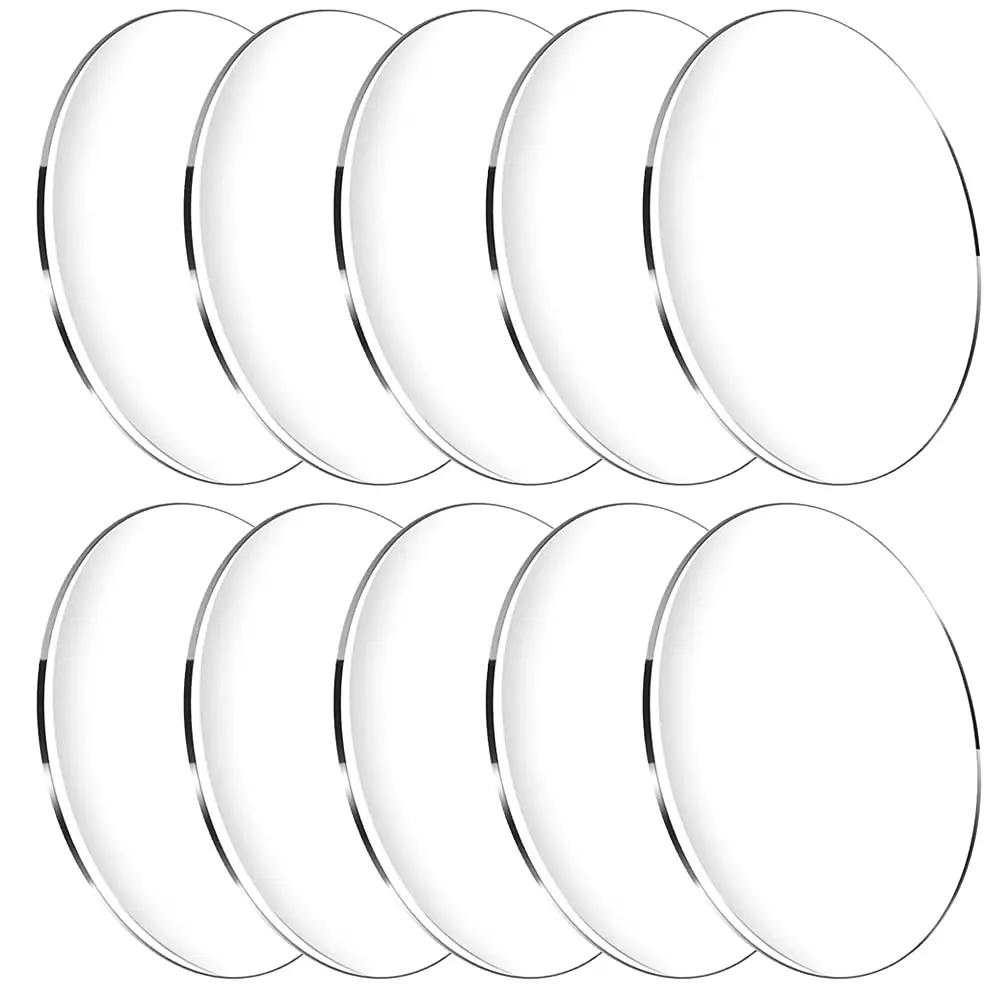 |
10 Pieces Clear Circle Acrylic Sheet | Acrylic Blanks | 1/8" Thickness, 4.5" | 4.7 | 191 | $18.28 / $1.00 | DIY craft use, name cards, Cricut/personal projects |
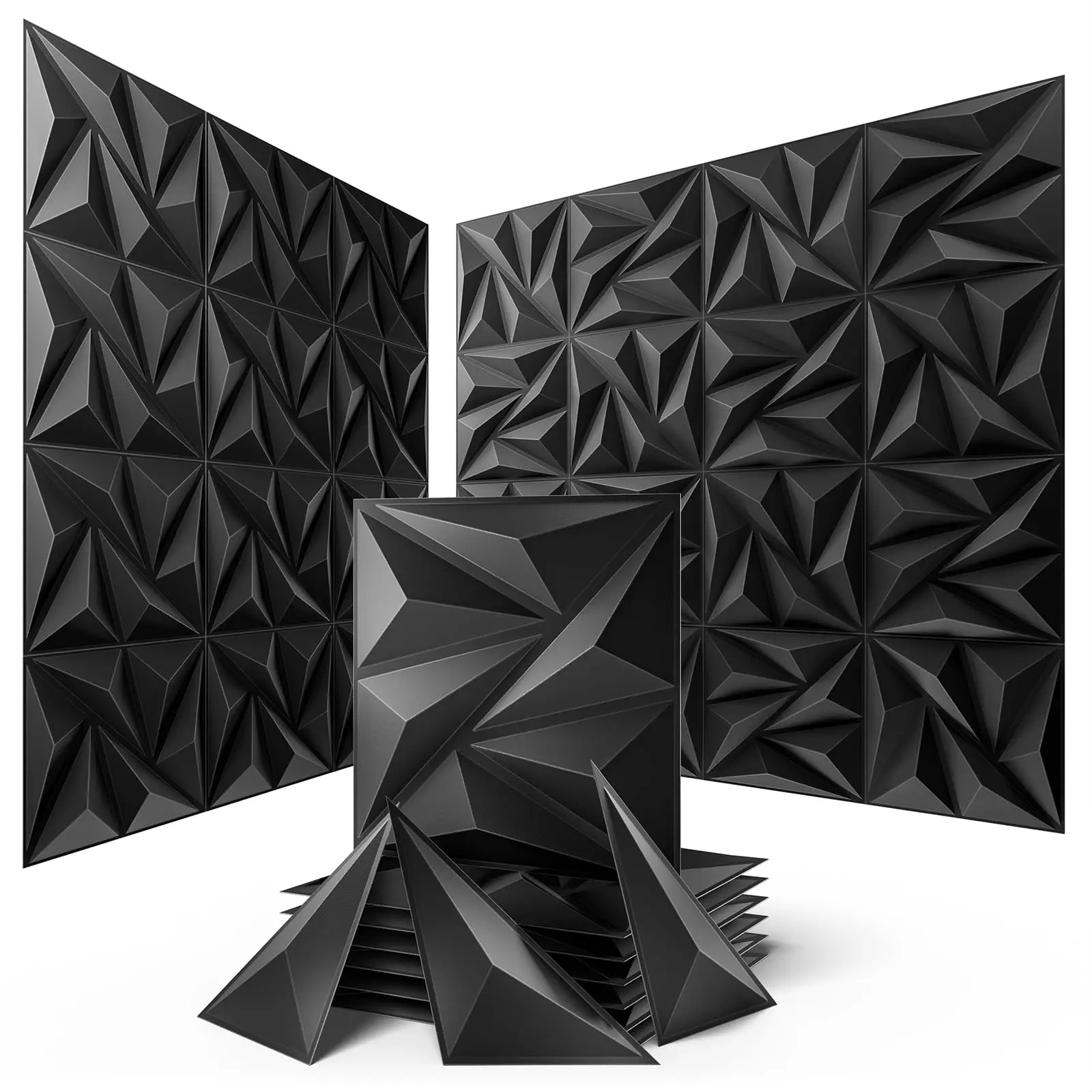 |
Sonicism Wall Panels Upgrade Pyramid 3D | Creative Cutting Wall Panels | 0.7"x11.8"x11.8" (32pcs) | 4.6 | 184 | $46.95 / $1.19 | Fire resistant, soundproof, wall tiles for various scenes |
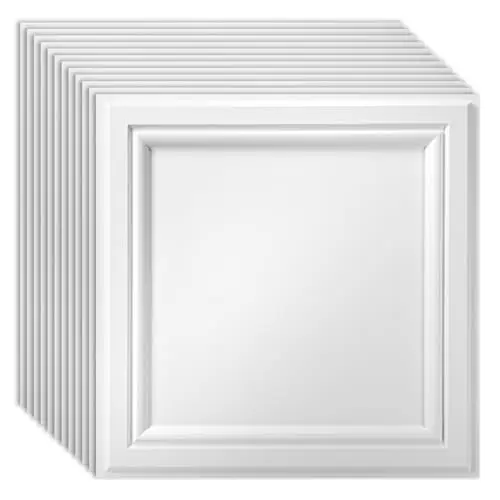 |
Art3d 12 Pack PVC Ceiling Tiles | Drop Ceiling/Wall Panel | 24"x24" | 4.3 | 97 | $48.85 / $2.57 | Snow white finish, covers 48 sq.ft., suitable for modern interiors |
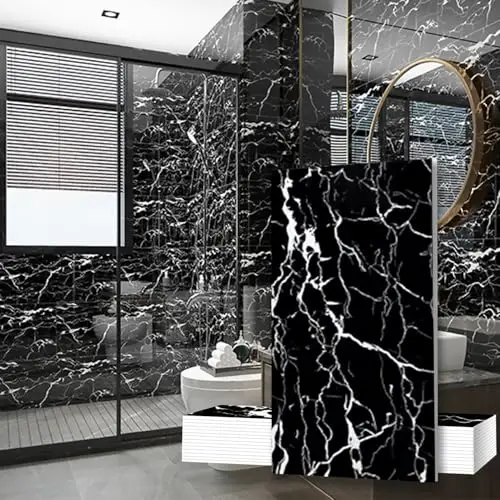 |
Marble Peel and Stick Wall Panels | Wall Panel/Backsplash Tile | 23.6"x11.8" (20 sheets) | 3.2 | 92 | $50.63 / $1.26 | Marble pattern, 38.8 sq.ft. coverage, easy install for rooms/kitchen |
Table data sourced from [1].
Reviewing upstream popularity, several actionable trends emerge for international buyers:
Maximizing value in UPVC sheet sourcing starts with supplier diligence. Priority evaluation criteria should include:
Common pitfalls to avoid:
Competitive sourcing advantages are gained through direct engagement with manufacturers offering flexible MOQ policies, full documentation, and readiness to supply technical samples. Buyers that integrate logistical planning (shipment tracking, customs prep), collaborate for project-specific product design, and negotiate strong warranty terms enjoy best-in-class procurement outcomes and avoid costly project overruns.
As UPVC sheets consolidate their position as a robust, cost-efficient, and eco-friendly building solution in 2026, international sourcing professionals should recognize several perpetual trend drivers:
For the next 6–12 months, international buyers should:
With these actionable insights, procurement specialists and buyers are equipped to confidently seize opportunities in the expanding UPVC sheet market, positioning themselves for excellence in both project delivery and supply chain performance in 2026 and beyond.