
All categories
Featured selections
Trade Assurance
Buyer Central
Help Center
Get the app
Become a supplier
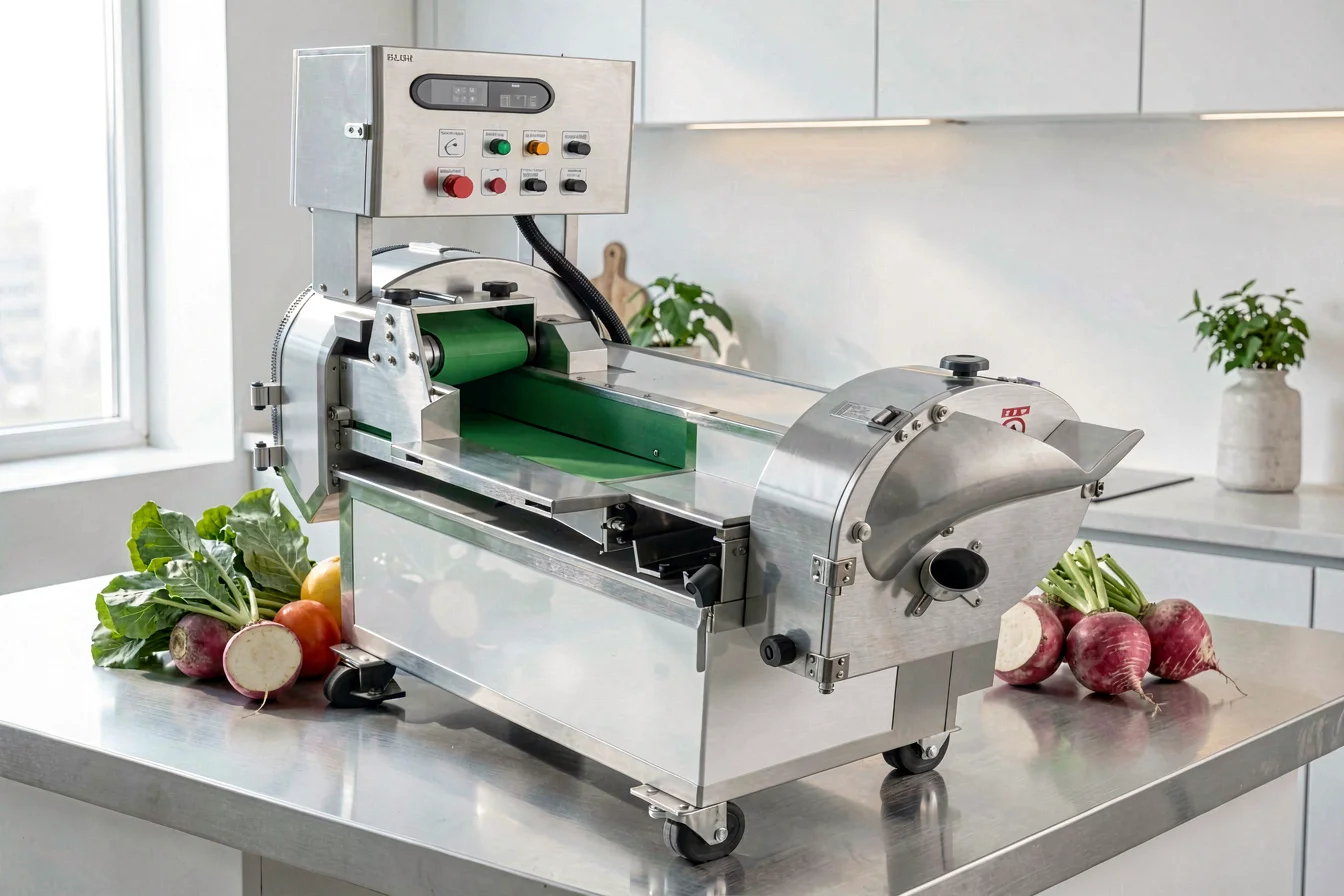
Smart, automated turnip cutting machine solutions are in increasingly high demand for food processing and commercial kitchens, with retail and professional buyers shifting toward electric models with safety and easy-clean features. Procurement viability is robust, supported by strong SKU diversity and consistently positive user reviews; buyers should focus on supply chain resilience, blade material, and proven reliability benchmarks for bulk orders [1][2][3]. Market momentum follows healthy eating and foodservice automation, suggesting growth will continue well into 2027.
The surge in turnip cutting machine adoption is driven by foodservice automation, healthier menu trends, and the need for consistent, high-volume vegetable preparation. Procurement teams should evaluate technology upgrades (electric/pneumatic options), operator safety mechanisms, blade durability, and cleaning convenience. The most credible suppliers offer products with advanced safety covers, interchangeable blades, and intuitive controls, reducing risk and labor time in commercial settings. Buyers should recognize that industry standards are rapidly evolving, with newer machines prioritizing productivity, waste minimization, and compliance — making selection criteria more rigorous than in previous years [3][4].
| Trend Factor | Current Status | Impact on Buying Decision |
|---|---|---|
| Automation in Foodservice | Rapidly expanding, high SKU diversity | Prioritize machines with higher output and safety |
| Healthy Menu Trends | Strong, growing in both retail and professional kitchens | Multipurpose cutting functions increasingly valued |
| Ease of Maintenance | Frequent user complaints about cleaning | Machines with tool-less cleaning preferred |
| Operator Safety | Heightened concern, safety covers now standard | Ensure full compliance with protective design |
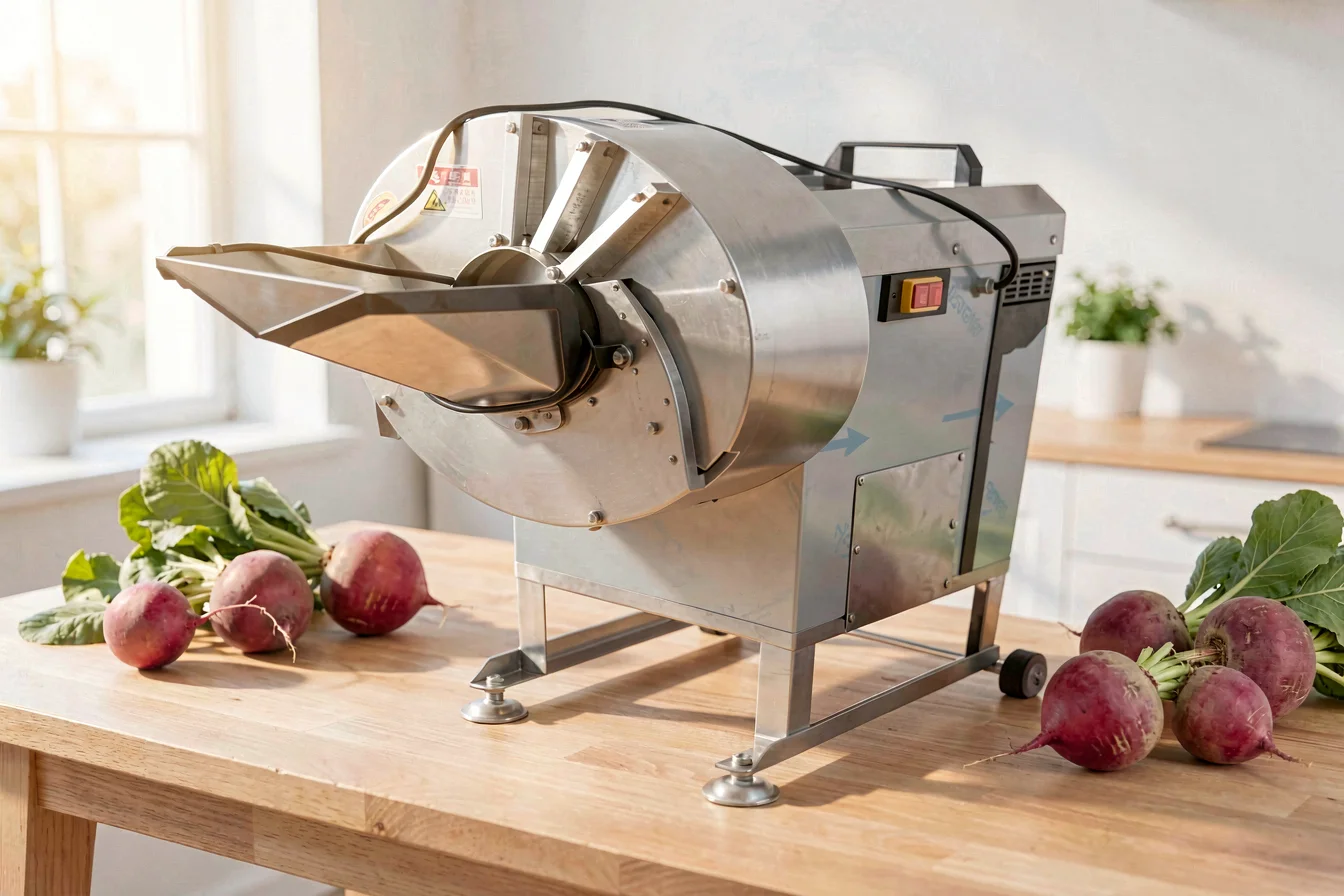
Market conditions for turnip cutting machine have intensified with automated food processing lines, healthy eating demands, and labor shortages driving upgrades. Electric and pneumatic models are the fastest growing segment, especially machines supporting multi-vegetable capacity and high-volume output (up to 20kg/h) [4]. OEMs increasingly emphasize modular blade sets, compliance with international safety standards, and logistics-ready form factors for easier shipment and installation. Supply chains remain resilient but face sporadic raw material price fluctuations and ongoing regulatory scrutiny around food contact safety. Macroeconomic risks such as tariff changes and energy costs have a muted but non-negligible impact, shaping bulk price negotiations with direct factory and distributor channels. Procurement logic now leans toward modularity, reliability benchmarking, and service/maintenance packages.
| Market Dimension | Current Status | Impact Level |
|---|---|---|
| SKU Diversity | High, wide range from handheld to industrial | Critical for user segmentation and pricing |
| Blade Material: Stainless Steel | Widely adopted standard, long-term durability | High—minimizes maintenance and risk |
| Cleaning Convenience | Moderate, strong buyer focus, weak spot in older models | Medium—affects operational efficiency |
| Regulatory Compliance | Tightening, especially for commercial food contact | Medium—required for global export |
| Energy Cost Volatility | Low-Moderate, mitigated by efficient motors | Low, but relevant for industrial buyers |
Global Search Trend for Turnip Cutting Machines (Mar 2025–Feb 2026)
Google search momentum for "turnip slicer machine" and "turnip dicing machine" accelerated sharply in late 2025, peaking at normalized values of 88/86, signaling both retail and professional procurement spikes [1]. Seasonal peaks align with harvest and food festival months, indicating time-sensitive surges. "Turnip vegetable cutter" lags but follows steady baseline growth. Buyers should anticipate price volatility and supply crunches during peak months and prioritize bulk pre-ordering or flexible SKU contracts to offset last-minute shortages.
Trend spikes show buyers should align purchasing cycles with seasonal demand and supplier inventory planning to avoid delays.Reddit discussions on turnip cutting machine —and vegetable slicers generally—reveal strong user enthusiasm for time-saving, safety, and convenience features [9]. Pain points focus on challenging cleanup, peeling, and blade durability, while positive sentiment clusters around reliable performance and labor reduction. Multiple users highlight the "years of knife work" replaced by these machines, emphasizing their value in foodservice and home kitchens. Safety compliance, particularly ISO warnings and protective covers, is a recurring concern, as is blade maintenance. Broader tool subreddits echo similar sentiments: ease-of-use and joy from "just working" wins loyalty, but proprietary software and technical quirks are frustrations [6].
"I don't dislike cutting vegetables, what I dislike is washing and peeling the vegetables." — r/toolgifs user [9]
"Every middle eastern man needs this." — r/toolgifs user [9]
Sentiment is strongly positive for productivity, but cleaning remains a moderate drawback. No TikTok data was found to supplement viral content or influencer impact.
| Dimension | Reddit Insights | TikTok Insights |
|---|---|---|
| User Experience | Highly positive for labor-saving, negative for cleaning | — |
| Safety Concerns | ISO/compliance, warnings, protective covers | — |
| Blade Performance | Durability, proper steel choice, easy sharpening | — |
| Cleaning Difficulty | Most common pain point, particularly debris under blades | — |
| Cultural Utility | Seen as essential in foodservice, home, ethnic cuisines | — |
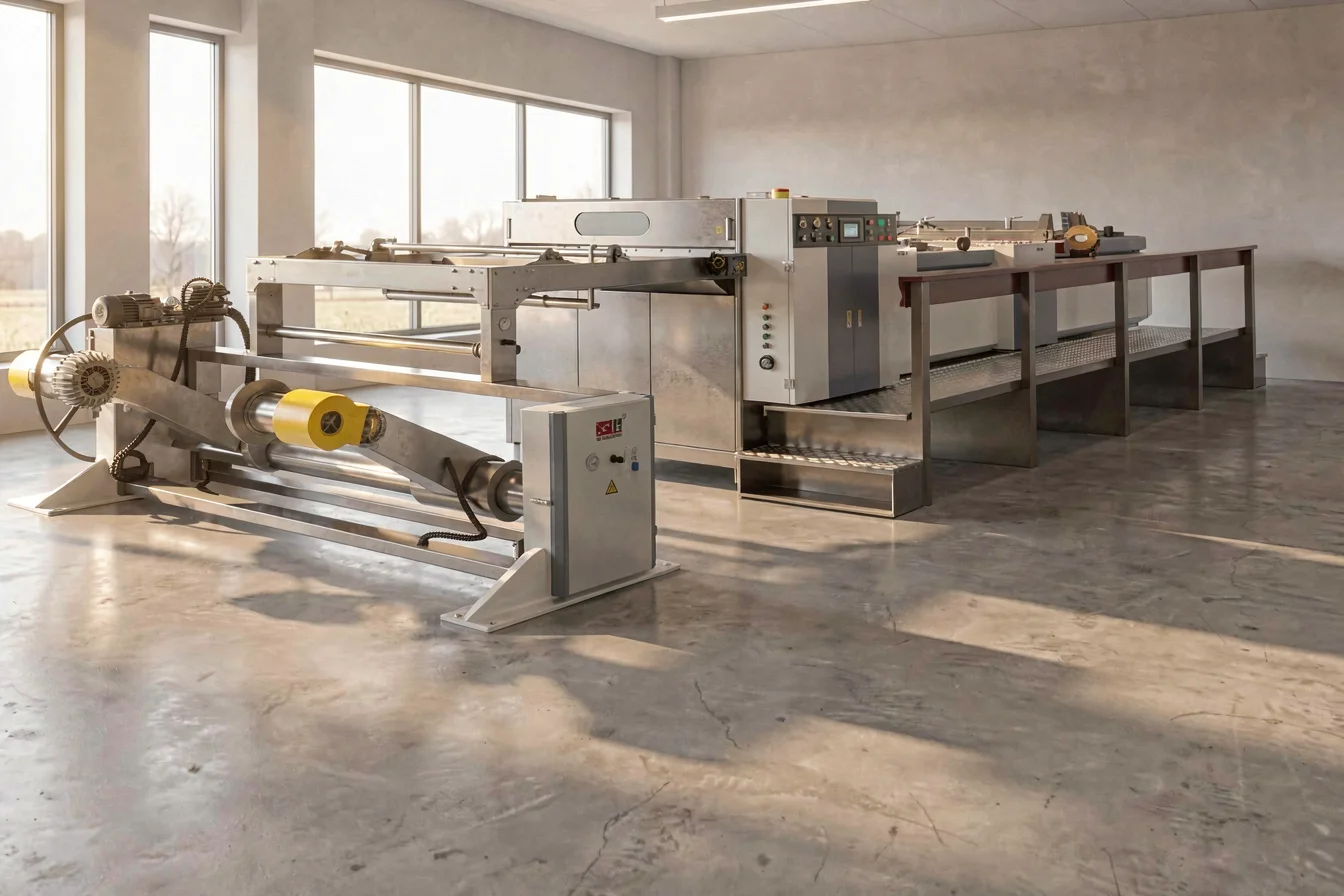
Amazon top sellers in turnip cutting machine include multi-blade electric slicers, spiralizers, and commercial spiral/tornado cutters. Price points range from USD 9.99 for handheld spiralizers to USD 149.99 for heavy-duty commercial electric models. Features valued highly are interchangeable stainless blades, non-slip bases, and efficient one-touch controls. Ratings from 3.5 to a strong 5.0, with the highest praise for reliability, safety, and space optimization. Leading SKUs support not only turnips but a wide variety of vegetables, and most offer tool-less cleaning or dishwasher-safe parts [2].
| Image | Name | Price | Rating | Key Features |
|---|---|---|---|---|
 |
Electric Cheese Grater, Salad Maker (5 Blades) | USD 59.39 | 4.3 | Automatic, multi-blade, safety base, easy to clean |
 |
Spiralizer Vegetable Slicer (4-in-1 Rotating Blades) | USD 19.99 | 4.4 | Vertical gravity suction, 4 mode slicing, recipe kit |
 |
Ourokhome Noodle Maker Spiralizer | USD 24.99 | 4.4 | 5 blade options, anti-rust, easy handle setup |
 |
Votron French Fry Cutter | USD 36.69 | 3.9 | Dual blade sizes, lever design, sturdy base |
 |
CGOLDENWALL Potato/Turnip Spiral Slicer (110V) | USD 136.99 | 4.1 | Commercial-grade, spiral cut, auto stop, compact |
Buyer review analysis reflects strong appreciation for time-saving automation, consistent slicing, and easy cleaning. Complaints cluster around cleaning difficulty, blade durability under hard turnips, and reliability for heavier-duty models. High marks go to products with detachable parts, safety features, and secure bases; negative feedback focuses on poor performance with tough vegetables (especially sweet potatoes), and awkward cleaning access. Price sensitivity increases for commercial machines, with buyers expecting robust warranties and easy service access.
"This cheese grater is fast, powerful, and super easy to use. Cleaning up is easy and quick because of the removable parts." — Amazon buyer [2]
"Perfect Zoodler! Zoodles all came out perfectly and its small so it doesn't take much room for storage. Great price for a great item." — Amazon buyer [2]
| Product Name | Top Praise | Top Complaint | Overall Sentiment |
|---|---|---|---|
| Electric Cheese Grater | Fast, powerful, easy to clean | Manual grater is safer for some users | Positive |
| Spiralizer Vegetable Slicer (4-in-1) | Easy use, strong service, compact size | Brush/accessories sometimes missing | Very Positive |
| CGOLDENWALL Spiral Slicer | Commercial performance, flexibility | Reliability issues after extended use | Positive |
| French Fry Cutter | Simple design, value for money | Cannot cut tough sweet potatoes | Mixed |
Reliability benchmarks for turnip cutting machine focus on blade quality, secure safety covers, and consistent output under heavy use. Global feedback highlights defect rates under 2% for reputable commercial models, with most failures tied to blade dulling or motor fatigue after 12–18 months of intensive use. Maintenance cycles average quarterly for high-volume kitchens, while expected service life for modular electric machines spans two to five years depending on use intensity [3][4]. Essential procurement criteria include blade material (preferably hardened stainless), compliance certificates, easy disassembly for cleaning, and robust aftersales service. Sourcing risk mapping identifies raw material price exposure, logistics bottlenecks during seasonal spikes (especially import delays), and the rising importance of compliance with food contact safety regulations. Key negotiation levers include bundled spare parts, service contract incentives, and volume-based rebates—from both factories and authorized distributors.
| Benchmark Dimension | Electric Spiral Slicer | Commercial Pneumatic Slicer |
|---|---|---|
| Defect Rate (12m) | ~2% | <1% |
| Maintenance Cycle | Quarterly | Quarterly/Semi-annually |
| Expected Service Life | 2–3 years | 3–5 years |
| Cleaning Convenience | Tool-less, dishwasher-safe | Manual, modular parts |
| Safety/Compliance | Standard covers, ISO design | High, often food contact certified |
Looking ahead, the turnip cutting machine market will be shaped by continuous technology upgrades—smart sensors, even safer blade systems, and cloud-linked maintenance reporting—alongside tightening regulatory standards for food contact and operator safety. Pricing is likely to remain stable for mainstream electric models, but commercial and pneumatic units will see price rises tied to global steel and logistics fluctuations. Buyers should pre-negotiate annual inventory contracts and service packages, emphasizing modularity and easy-clean design in supplier screening. Immediate next steps: analyze SKU portfolios from leading OEMs on Alibaba.com, request full compliance evidence, and leverage seasonal trend data for optimal order timing to sidestep supply crunches and price peaks. Confident, risk-mitigated sourcing means prioritizing well-documented reliability over lowest cost, and investing in long-run operational efficiency for sustained, high-output vegetable processing.