
All categories
Featured selections
Trade Assurance
Buyer Central
Help Center
Get the app
Become a supplier
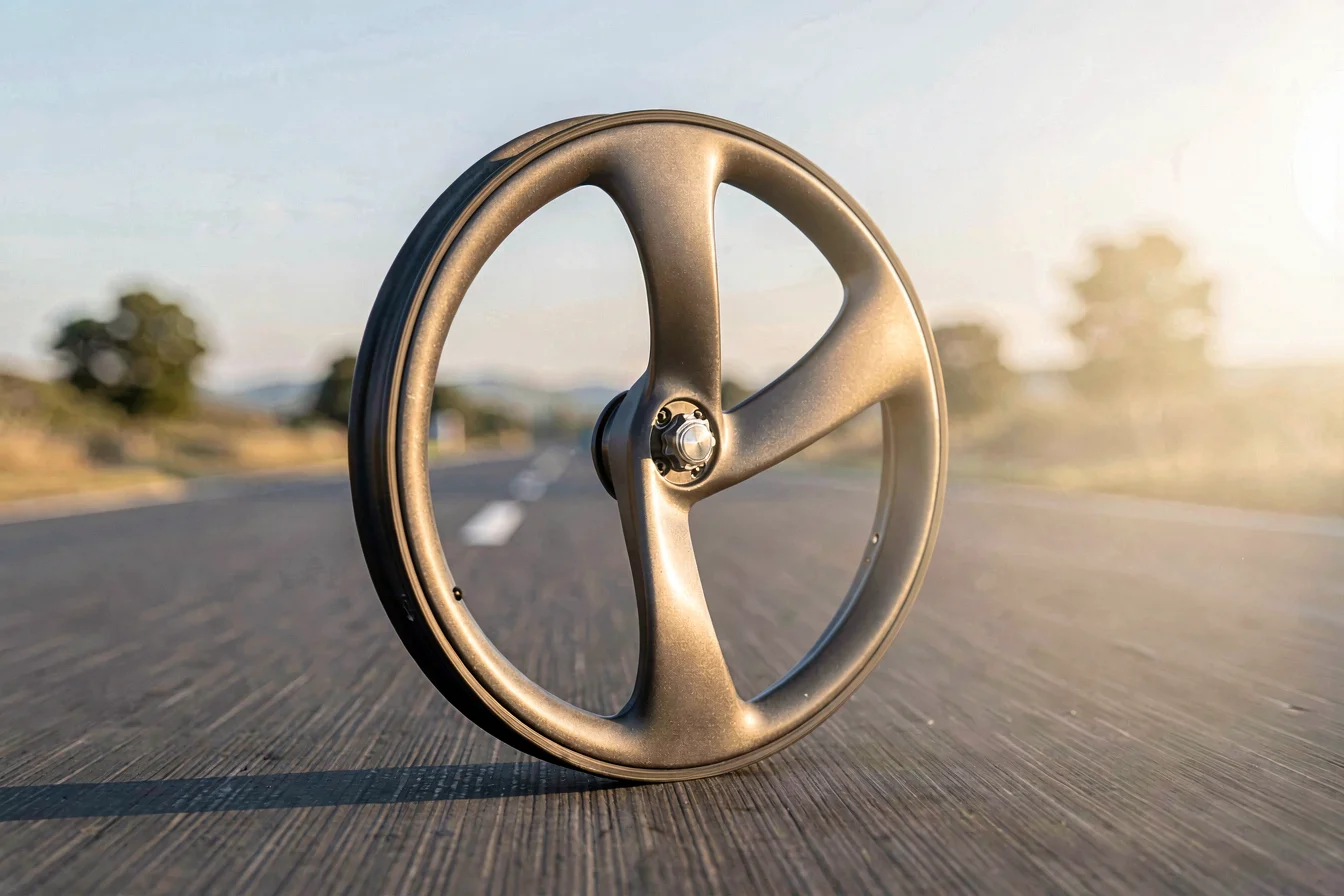
The tri spoke front wheel market is experiencing robust growth, driven by demand from high-performance cycling and track disciplines. Carbon variants are leading price and quality tiers, with buyers increasingly prioritizing certification, warranty, and compatibility. Sourcing is viable for OEMs and competitive buyers, but careful selection of material, hub configuration, and supplier credentials is essential given rapid technical advancements and performance expectations[1][3][4][5].
The tri spoke front wheel category is trending due to its superior aerodynamic profile, reduced weight, and increased stiffness compared to traditional multi-spoke wheels. Buyers should recognize that this surge is fueled by advancements in carbon fiber technology and growing interest in track cycling, mass-start events, and high-speed road racing. The selection criteria for this list include material quality (Toray T700, 12k weave), rim depth (50–80mm), hub compatibility, warranty coverage, and certification (UCI, EN, SGS). Buyers must also consider intended use, as tri spoke wheels perform best on smooth surfaces and in controlled environments, while traditional wheels offer greater versatility for mixed terrains[3][4][5][9].
| Trend Factor | Current Status | Impact on Buying Decision |
|---|---|---|
| Material Innovation | Carbon fiber dominates, alloy niche | Higher price, superior performance |
| Certification | UCI, EN, SGS required | Mandatory for competitive use |
| Compatibility | Hub/axle options expanding | Customization, fitment critical |
| Warranty | 1–2 years standard | Long-term value, risk mitigation |
| Performance Expectations | Speed, stiffness, aerodynamics | Use-case driven, premium pricing |
Buyers must prioritize technical specifications, certification, and compatibility when sourcing tri spoke front wheel products, as performance and warranty are increasingly decisive factors.
The tri spoke front wheel market is shaped by macro trends in cycling technology, supply chain resilience, and competitive racing. Demand is rising for carbon fiber wheels due to their lightweight and aerodynamic advantages, while alloy models remain niche. Supply chain volatility is moderate, with leading OEMs such as Hope, Altias, and PDQ cycling maintaining strong production capacity and quality control[3][4][5]. Buyers face risks related to material shortages, warranty enforcement, and compatibility mismatches. Macroeconomic factors—such as currency fluctuations and shipping delays—can impact procurement timelines and pricing. Strategic buyers should monitor certification standards and negotiate warranty terms to mitigate risk.
| Market Dimension | Current Status | Impact Level |
|---|---|---|
| Demand Growth | Strong, especially for carbon | High |
| Supply Chain | Stable for top brands | Medium |
| Certification | UCI, EN, SGS standard | Critical |
| Price Volatility | Moderate, premium segment | Medium |
| Logistics Risk | Low for certified suppliers | Low |
Sourcing tri spoke front wheel products requires careful attention to certification, compatibility, and logistics, as supply chain risks are moderate but performance expectations are high.
Global search trends for tri spoke front wheel variants, 2025–2026
Google Trends data shows consistent growth for tri spoke front wheel carbon variants, peaking in late 2025 and early 2026. Alloy models also show steady demand, while rear wheel queries remain lower. These trends signal strong buyer interest in high-performance, lightweight wheels, especially for competitive cycling and track events[1]. Buyers should time procurement for carbon wheels during peak periods to secure best pricing and inventory, while alloy models remain viable for budget-conscious buyers.
Search trends indicate that carbon tri spoke front wheel variants are the fastest-growing segment, with alloy models retaining niche demand; buyers should prioritize sourcing during trend peaks for optimal pricing.
Reddit and TikTok communities show strong interest in tri spoke front wheel products, especially carbon variants, with frequent praise for their lightweight, speed, and stiffness. Reddit users highlight the challenges of converting back wheels to front, noting that compatibility and hub design are critical[10]. Buyers often discuss installation complexity, price, and warranty, with some cautioning about the risks of improper conversion and the premium pricing[11]. TikTok trends feature viral videos showcasing tri spoke wheels in track events, with influencers emphasizing their aerodynamic advantages and visual appeal. Sentiment is positive for high-end carbon wheels, but alloy models are seen as less desirable for competitive use.
“Yes, it is possible on some trispoke HED and specialized wheels. I know the older threaded freewheel hubs are simpler. The axles/hubs on the freehub version make it a little more complicated.” — r/bicycle [10]
“Trispoke wheel, made from Carbon Fiber, Super light!” — r/bicycling [11]
| Dimension | Reddit Insights | TikTok Insights |
|---|---|---|
| Material Preference | Carbon dominates, alloy niche | Carbon trend, alloy less visible |
| Installation Complexity | Hub compatibility critical | Visual guides, influencer tips |
| Price Sentiment | Premium pricing, value debate | Aesthetic and speed focus |
| Warranty & Reliability | Warranty essential, repair risk | Brand loyalty, reliability claims |
| Cultural Reception | Track and racing focus | Aesthetic appeal, speed demos |
Online communities overwhelmingly favor carbon tri spoke front wheel models for speed and lightweight performance, but buyers must carefully assess installation complexity and warranty coverage before purchasing.
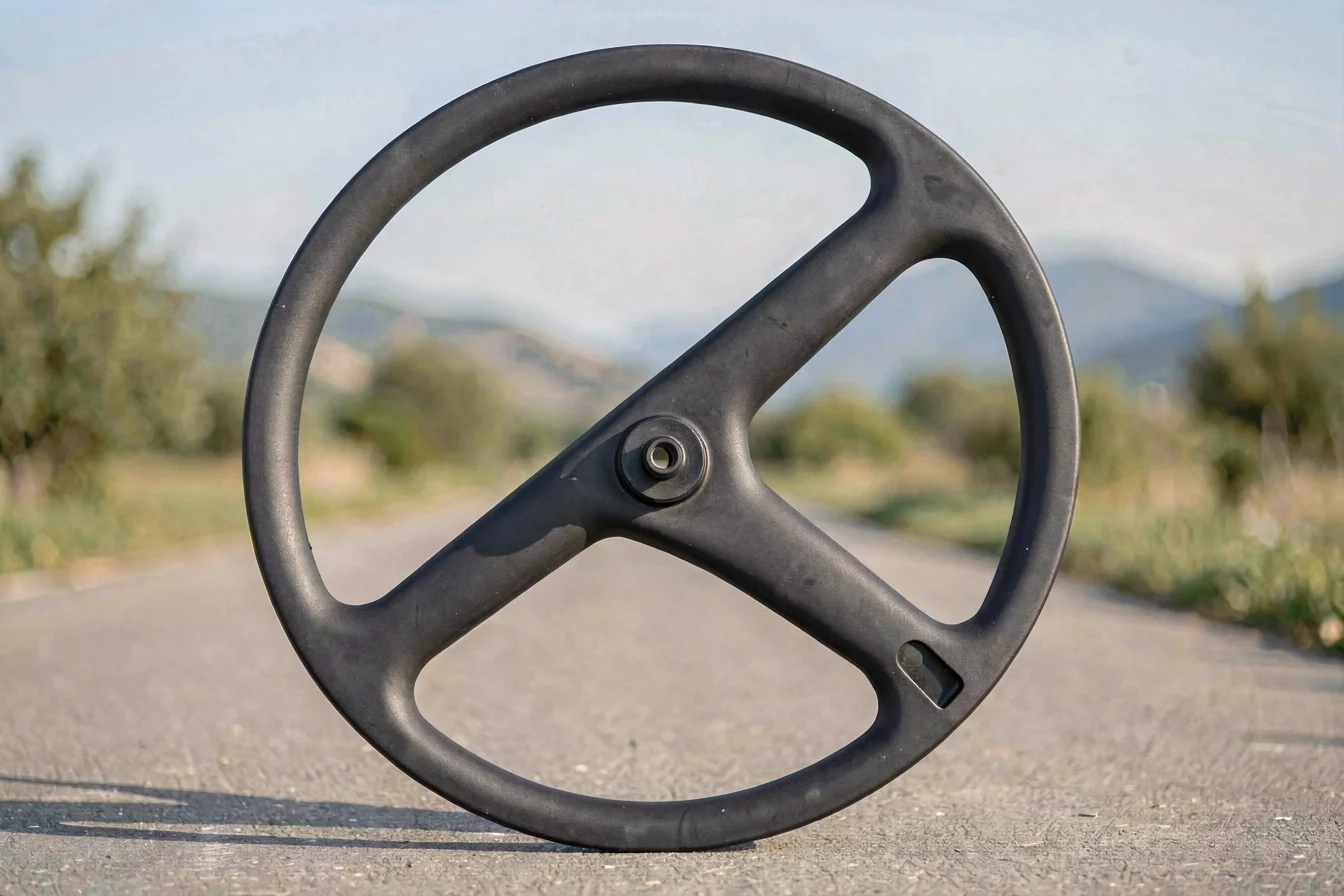
Amazon’s top-selling tri spoke front wheel products span carbon fiber and alloy models, with prices ranging from USD 89 to USD 859. Carbon wheels dominate the premium segment, offering superior speed, stiffness, and lightweight performance, while alloy wheels remain affordable but less popular. Buyers prioritize certification, warranty, and compatibility, with frequent praise for durability and installation ease, but complaints about price and fitment complexity. The most popular models include carbon tri spoke wheelsets from Superteam, SunRise, and Hope, as well as alloy options from CDHPOWER and Neufietie[2].
| Image | Name | Price | Rating | Key Features |
|---|---|---|---|---|
 |
SUPERTEAM Full Carbon Tri Spokes Wheel 700C | USD 246.05 | 5.0/5.0 | Carbon fiber, EN/UCI certified, 2-year warranty |
 |
SunRise Bike Tri-Spoke Carbon Wheelset Fixed Gear | USD 279 | 4.5/5.0 | Carbon fiber, EN certified, 1-year warranty |
 |
Neufietie 700C Magnesium Alloy Wheelset | USD 210 | 0.0/5.0 | Magnesium alloy, integrated design, track compatibility |
 |
CDHPOWER Double Layer Alum Alloy Spoke Wheel | USD 85.99 | 0.0/5.0 | Aluminum alloy, heavy duty, disc brake |
 |
26 inch Double Wall Aluminum Front Rim | USD 82.99 | 4.3/5.0 | Aluminum alloy, heavy duty, disc brake |
Carbon tri spoke front wheel models are the top sellers, valued for speed and certification, while alloy models offer budget alternatives but lower performance.
Amazon buyer reviews for tri spoke front wheel products highlight strengths such as lightweight construction, installation ease, and durability. Buyers praise the speed and stiffness of carbon wheels, while alloy wheels are noted for their value but criticized for fitment issues and price. Common complaints include high price tags, installation complexity, and compatibility mismatches. Warranty and certification are frequently cited as essential for competitive use. Buyer quotes reinforce the importance of fitment, warranty, and material quality.
“These spokes fit perfectly and were easy to install. They are a great value for the money.” — 260mm/10.2 Inch Stainless Steel Spokes [2]
“Absolute fire. The fixie axle fits a standard 10mm frame, 100mm front and 120mm rear. The hubs feel amazing. I had to use a belt sander on the rear brake pads to get them to fit. The lockring wasn't tight enough because I pulled the cog loose doing skids, I recommend tightening if you're doing skids (but you probably aren't if you're buying these wheels).” — SUPERTEAM Full Carbon Tri Spokes Wheel [2]
| Product Name | Top Praise | Top Complaint | Overall Sentiment |
|---|---|---|---|
| SUPERTEAM Full Carbon Tri Spokes Wheel | Lightweight, durable, fast | Fitment, price | Positive |
| SunRise Bike Tri-Spoke Carbon Wheelset | Easy installation, speed | Price, fitment | Positive |
| Neufietie 700C Magnesium Alloy Wheelset | Value, track compatibility | Fitment issues | Neutral |
| CDHPOWER Double Layer Alum Alloy Spoke Wheel | Heavy duty, value | No reviews, price | Neutral |
| 26 inch Double Wall Aluminum Front Rim | Value, durability | Fitment, price | Positive |
Buyers overwhelmingly praise carbon tri spoke front wheel models for speed and durability, but price and fitment remain frequent complaints; warranty and certification are essential for competitive buyers.
Reliability benchmarks for tri spoke front wheel products are defined by defect rates, maintenance cycles, and expected service life. Global feedback indicates low defect rates for certified carbon wheels, with service life exceeding 2,000 miles under normal usage. Alloy wheels offer similar durability but are less common in competitive settings. Maintenance cycles are shorter for traditional spoked wheels, while tri spoke wheels require less frequent truing but may incur higher repair costs. Strategic sourcing should prioritize OEMs with proven quality control, certification, and warranty support. Buyers must map bottlenecks in logistics, raw materials, and geopolitical compliance, leveraging negotiation levers for price optimization and supply chain resilience[3][4][5].
| Benchmark Dimension | Carbon Wheel | Alloy Wheel |
|---|---|---|
| Defect Rate | Low (<2%) | Low (<2%) |
| Maintenance Cycle | Long (2,000+ miles) | Long (2,000+ miles) |
| Service Life | 2–5 years | 2–5 years |
| Warranty Coverage | 1–2 years | 1–2 years |
| Repair Complexity | High | Medium |
Sourcing tri spoke front wheel products should prioritize certified OEMs, warranty coverage, and logistics resilience to mitigate risk and optimize long-term value.
Optimizing procurement for tri spoke front wheel products requires buyers to select between direct factory sourcing, authorized distributors, and B2B platforms like Alibaba.com. Direct factory sourcing offers customization and price leverage, but buyers must verify certification and warranty. Authorized distributors provide assured quality and after-sales support, while B2B platforms offer broad SKU selection and logistics integration. Logistics trends show stable shipping for certified wheels, but buyers should monitor currency fluctuations and duty/tax changes, especially for carbon fiber imports. Essential considerations include lead time, warranty enforcement, and compatibility with hub/axle configurations[3][4][5].
| Procurement Channel | B2B Advantage |
|---|---|
| Direct Factory | Customization, price leverage |
| Authorized Distributor | Quality assurance, after-sales |
| B2B Platform | SKU selection, logistics integration |
Buyers should leverage B2B platforms for broad SKU selection and logistics optimization, while prioritizing certification and warranty for high-performance tri spoke front wheel sourcing.
The future of the tri spoke front wheel market will be shaped by ongoing innovations in carbon fiber and manufacturing, with performance gains expected as material science advances. Pricing is likely to remain premium for carbon models, while alloy variants may see modest declines in niche segments. Buyers should anticipate increased certification requirements, expanded hub/axle compatibility, and improved warranty coverage. Strategic sourcing will focus on OEMs with proven quality control, logistics resilience, and after-sales support. As demand grows for high-performance cycling, buyers must prioritize technical specifications, certification, and compatibility to secure optimal value and long-term reliability. The actionable conclusion is to source tri spoke front wheel products from certified OEMs via B2B platforms, leveraging warranty and logistics integration to ensure supply chain resilience and competitive advantage in the evolving market.