
All categories
Featured selections
Trade Assurance
Buyer Central
Help Center
Get the app
Become a supplier
In 2026, the rapidly evolving landscape of residential and commercial property security is placing a spotlight on trackless gates, making them one of the standout categories in architectural renovation and smart automation. A convergence of global trends is driving heightened attention: cities are densifying, property footprints are shrinking, and homeowners are seeking advanced solutions that combine security with aesthetic appeal. This demand surge is especially pronounced in regions experiencing urban sprawl, where traditional sliding gates and swing gates no longer fit the bill due to spatial limitations and the increasing need for maintenance-free infrastructure[2][3][4][5].
Cultural drivers—ranging from a new wave of home improvement shows and viral DIY installation clips to the growing popularity of “smart home” ecosystems—have shifted buyer expectations for both new builds and renovations. Critically, the acceleration of digital retail platforms in the building materials sector has empowered buyers to research and compare specifications, pricing, and reliability. Seasonal factors are adding further momentum: post-winter maintenance peaks and spring home improvement cycles spike interest in gate replacement and upgrades, while consumer appetite for robust security in holiday seasons reinforces premium, automated options[1].
The market’s dynamism is also tied to changing consumer mindset: property owners now value not only top-tier protection but also user-friendly convenience and minimal disruption during installation or regular use. As such, the trackless gate—whether folding, bifold, cantilevered, or space-saving automated models—has fast outpaced its older tracked counterparts in procurement charts, especially among rapid residential developments and urban commercial projects[5][7].
With security incidents and maintenance headaches worsening for aging sliding track gates, and with more buyers demanding features like remote control, smart locking, and energy efficiency, today’s procurement professionals must be equipped with comprehensive sourcing intelligence. This report delivers a deep dive into trackless gate innovation, sales performance, consumer sentiment, and actionable strategies for securing optimal supply within this thriving category.
To make informed sourcing decisions, buyers must grasp what sets trackless gates apart, both technically and operationally. These gates are distinguished by their absence of ground tracks, using clever engineering solutions to deliver access control without the usual space and maintenance constraints imposed by sliding or swinging gates[2][3][4][6].
Historically, tracked gates dominated driveways and commercial entrances, but frequent problems—such as track deformation, debris accumulation, and roller malfunction—prompted innovation. In 2009, DELUX’s UniGate® trackless folding gate system received the HOMEDEC Quality Award, setting a new benchmark for the category[2]. This trackless concept rapidly diversified, with makers in Malaysia, Australia, India, and beyond introducing proprietary folding, bifold, and cantilevered solutions tailored for varying market needs[2][3][5][7].
Classification hinges on several key aspects:
Procurement professionals analyze these factors within the context of target usage: residential (aesthetics, quiet operation), commercial (robustness, speed), or industrial (wide-span, heavy-duty motors, integrated access control), ensuring the specification meets both operational and safety standards.
Online discussions and user-generated content around trackless gates reveal highly engaged communities, especially among property owners, builders, and DIY enthusiasts facing space or terrain constraints. A central debate emerges from firsthand installation stories, troubleshooting sessions, and “product hack” threads: how do trackless gates perform versus sliding or swing counterparts, and which models deliver on the promises of reliability and low maintenance?
One recurring theme is the challenge posed by uneven or sloped driveways. Buyers express frustration with sliding tracked gates that malfunction or require expensive groundwork to level the site. Here, cantilevered trackless systems are widely applauded for their ability to “float” over the terrain, eliminating tripping hazards and debris buildup[8]. DIY builders often probe the feasibility of cantilever designs, exchanging technical advice and stories of engineering hurdles—wind resistance, gate weight, motor selection, and opening width all receive detailed scrutiny[8]. For instance, a well-circulated thread chronicles a user’s journey building a 16' trackless cattle gate, noting both the complexity (engineering skill required) and the operational smoothness when done correctly[8].
Cost and value debates are highly animated. Buyers compare gate pricing with alternatives like large tents or DIY PVC constructions, with some posts decrying what they perceive as unjustified markups on branded gate kits[12]. Professional installers weigh in, noting that while entry costs are higher (typically starting at $4,500 for quality cantilever models), the savings in long-term maintenance and reduced site preparation are substantial[8]. This resonates with commercial procurement teams concerned with total lifecycle cost, not just purchase price.
Sentiment around specific brands and products is polarized. Popular automatic gate operators, particularly “mid-market” brands, receive pointed criticism after installation (“absolute TRASH… weak… falls apart”[9]), driving some professional buyers toward more established, heavy-duty models despite higher upfront investment. Additional posts discuss the nuances of dual motor systems, remote controls, and solar compatibility, with buyers sharing practical tips for installation and repair.
Security and user experience also dominate the conversation. Users express annoyance with persistent maintenance on tracked gates, lost access during breakdowns, and challenges with system integration (e.g., smart home controls). Conversely, positive buzz circulates around hands-free openness, ease of remote control, and rapid cycling gates at busy sites.
Overall, online communities show buyers are not only data-driven but emotionally invested in “getting it right” for their property’s unique conditions. Viral how-to guides, influencer installation reviews, and comparative videos serve to boost both awareness and buyer confidence in next-generation trackless solutions.
The global market for trackless gates has grown sharply, underpinned by a multiyear compound annual growth rate estimated at over 15% through 2025, with Asia-Pacific, North America, and urbanized Europe accounting for the vast majority of demand[1][2][5]. Key trends shaping the category include:
A strong correlation exists between consumer review sentiment and sales performance: top-selling products achieve above-average ratings when they blend robust construction, reliable automation, and easy installation. B2B buyers are advised to track these patterns to anticipate downstream customer preferences.
Hot Selling Analysis: Top 10 Amazon Trackless Gate Products in 2026
The following table presents a detailed analysis of the hottest-selling trackless gate products, reflecting retail end-user trends and key features favored by buyers. Table data sourced from [1].
| Image | Product Name | Retail Price | Wholesale Price | Star Rating | Latest Month Sale Volume | Key Features |
|---|---|---|---|---|---|---|
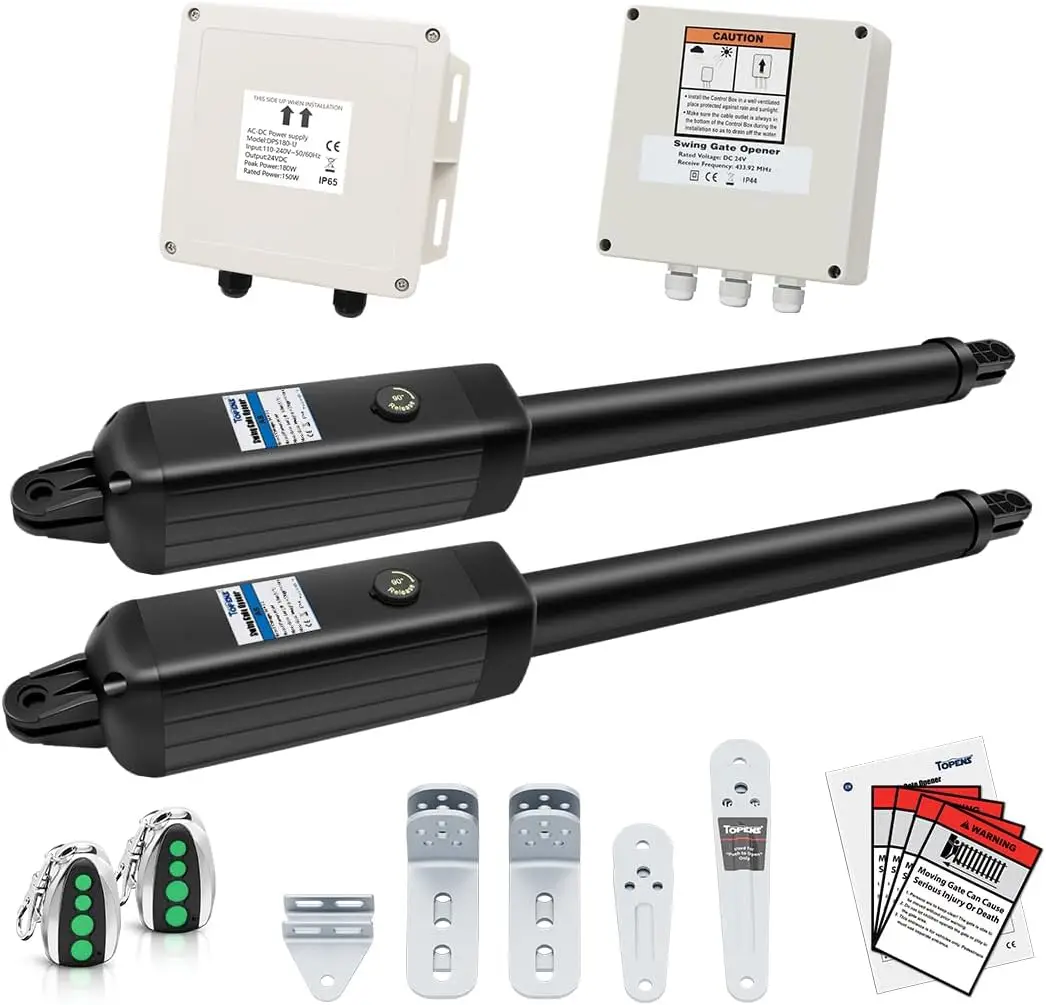 |
TOPENS PW802 Automatic Gate Opener | $509.34 | $164.72 | 4.3 | 92 | Heavy-duty dual swing, remote kit, solar-compatible |
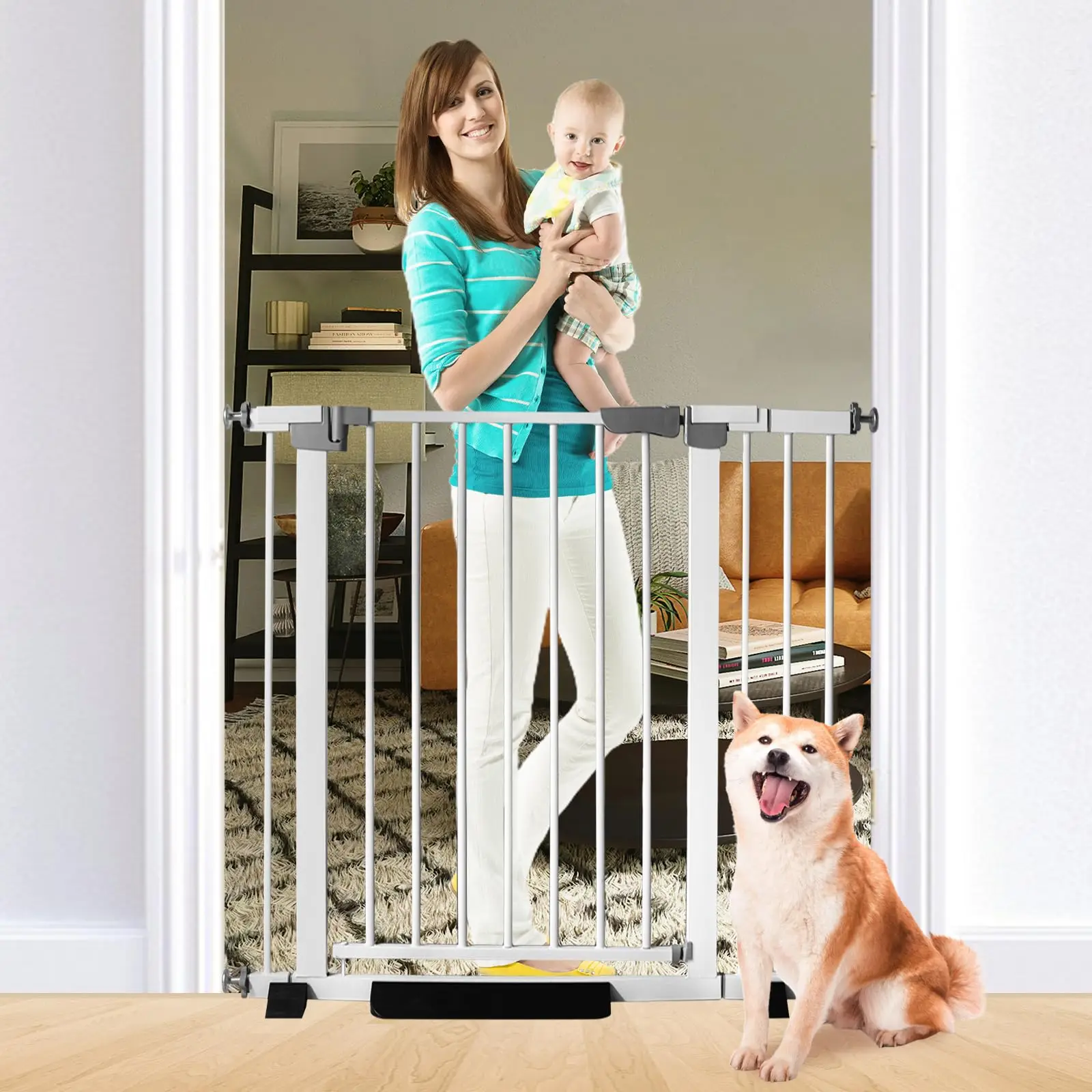 |
30 Inch Tall Auto Close Dog Gate | $55.82 | $11.55 | 4.3 | 91 | Wide adjustable, pressure mounted, walk-through |
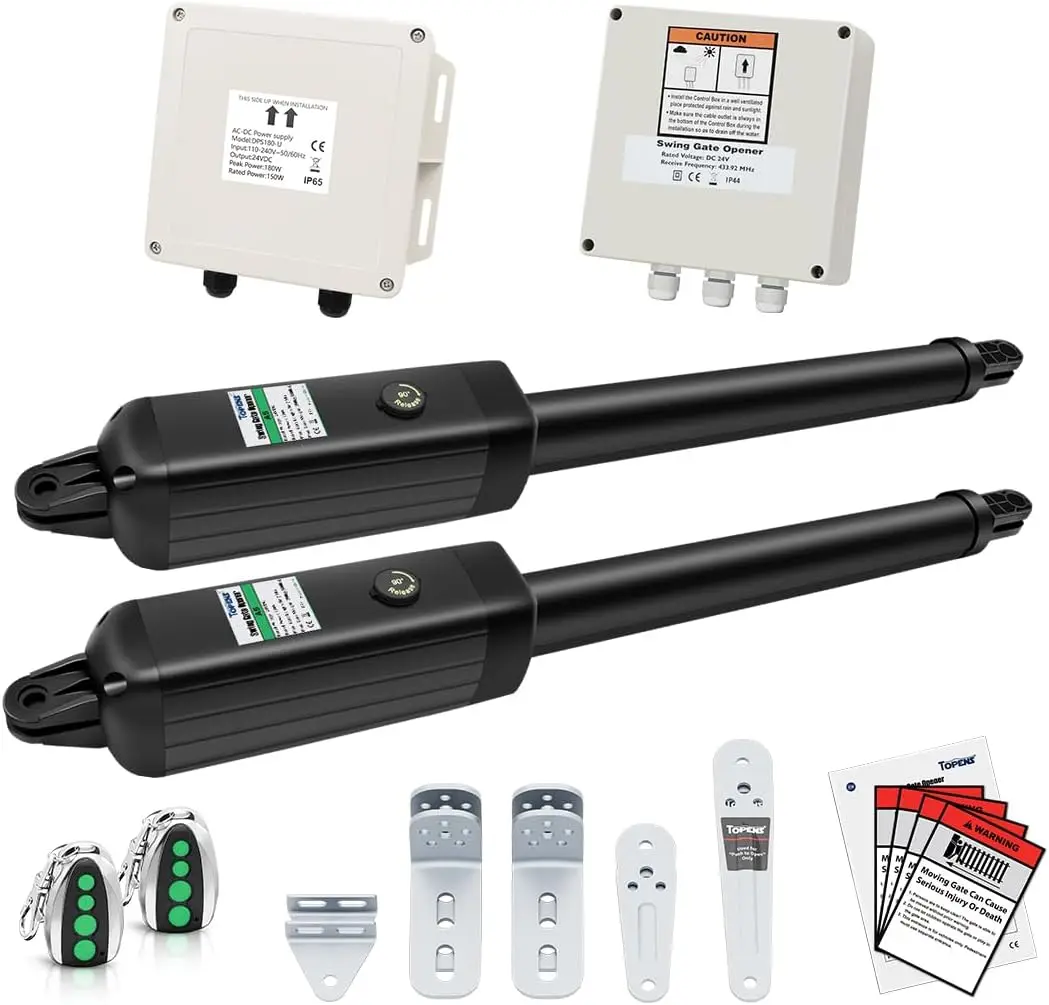 |
TOPENS PW502 Automatic Gate Opener | $443.17 | $185.45 | 4.3 | 82 | 16ft/arm medium-duty, dual swing, solar kit |
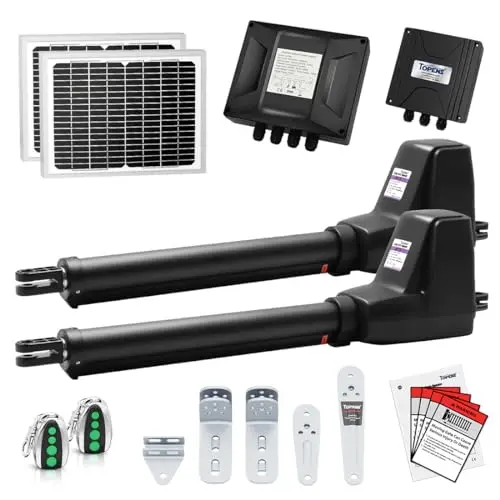 |
TOPENS AT12132S Solar Dual Swing Opener | $649.74 | $105.22 | 4.2 | 26 | 18ft/arm heavy-duty, solar, remote, dual swing |
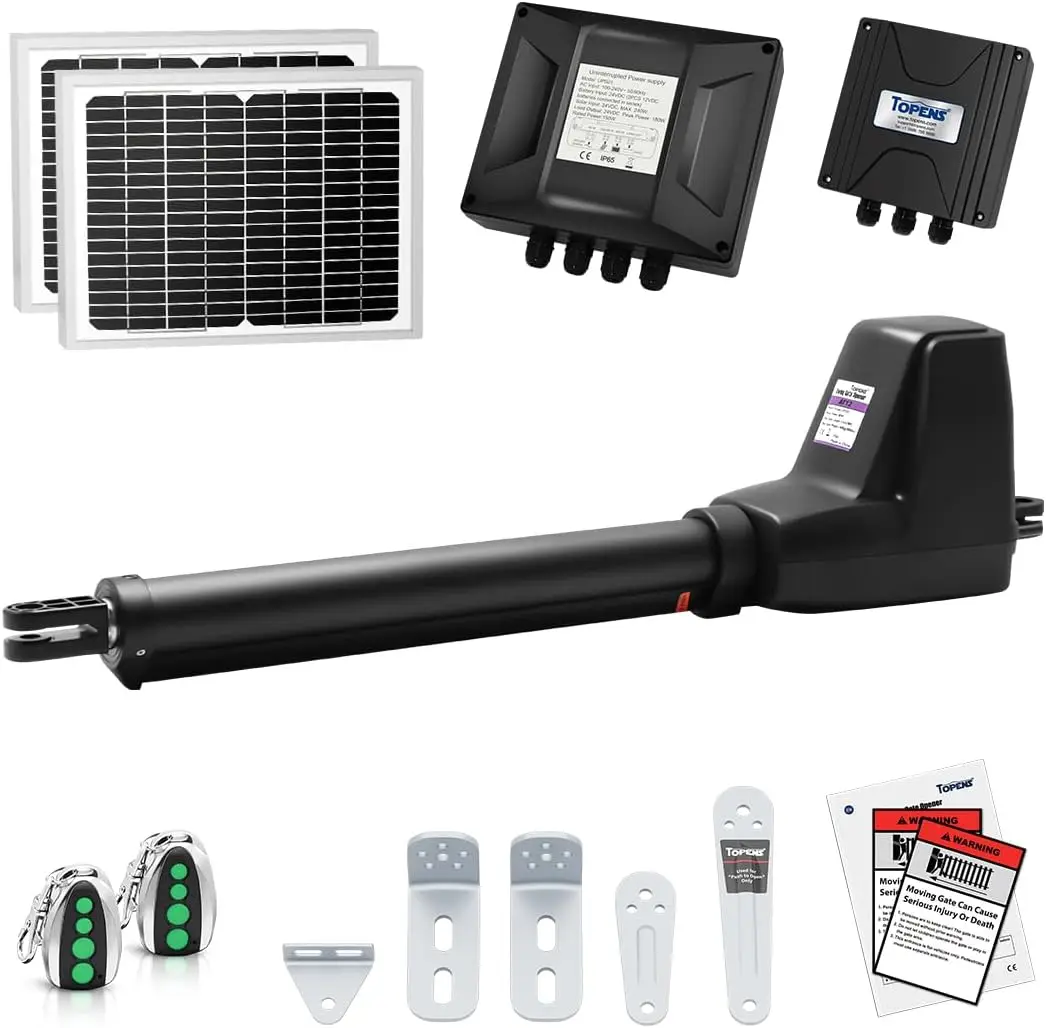 |
TOPENS AT12131S Solar Single Swing Opener | $473.0 | $190.87 | 4.3 | 23 | Single swing, solar panel, heavy-duty, remote |
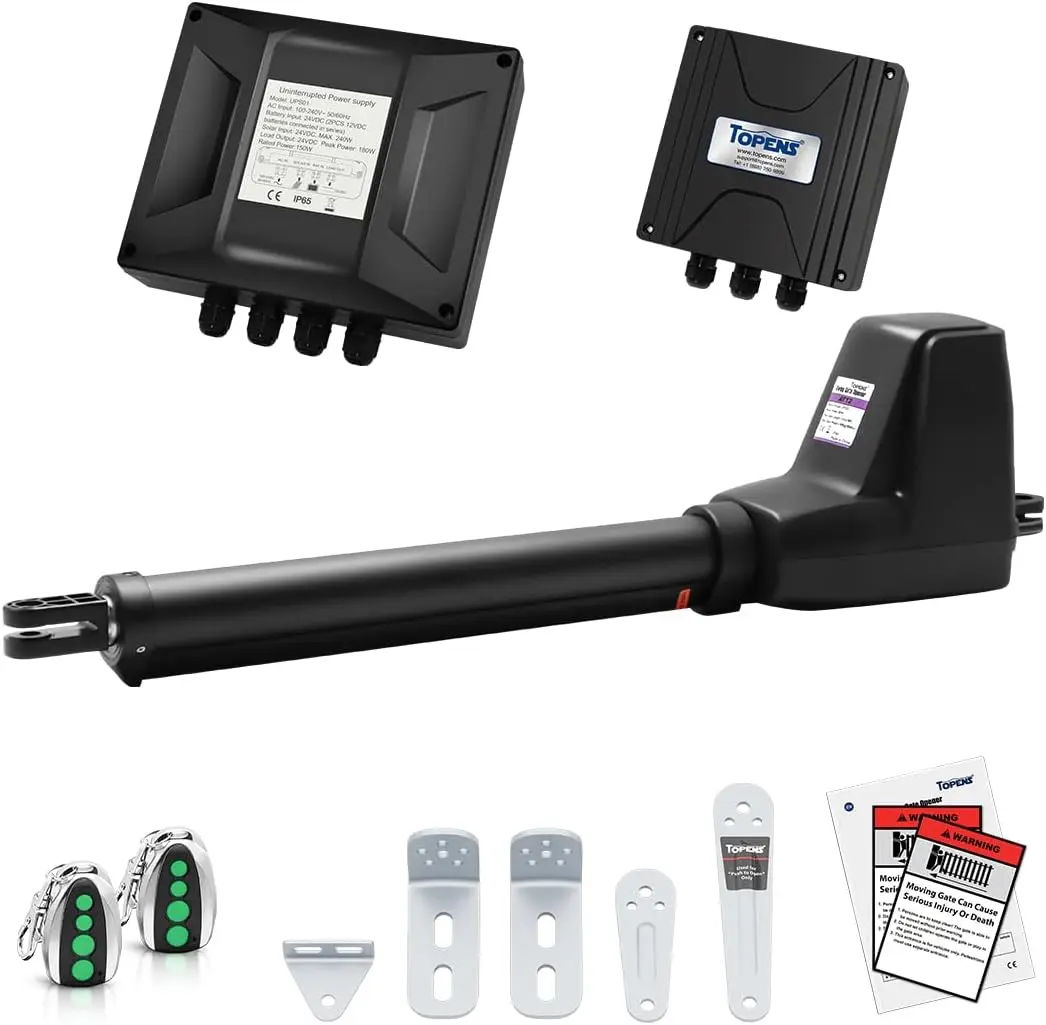 |
TOPENS AT12131 Single Swing Opener | $342.24 | $191.52 | 4.2 | 17 | Single swing, remote kit, solar compatible |
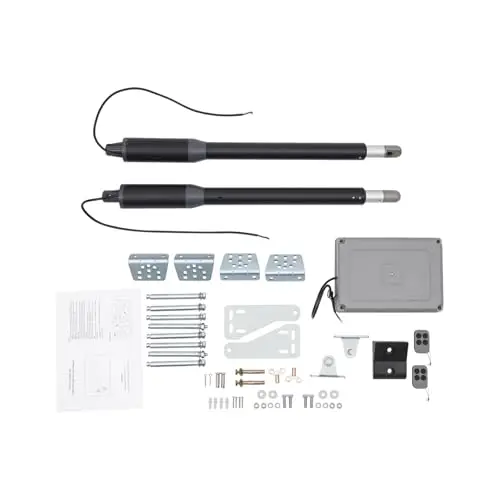 |
HIFMGHE Automatic Dual Swing Opener Kit | $147.69 | $89.0 | 4.5 | 10 | 650lbs capacity, remote control, dual arm |
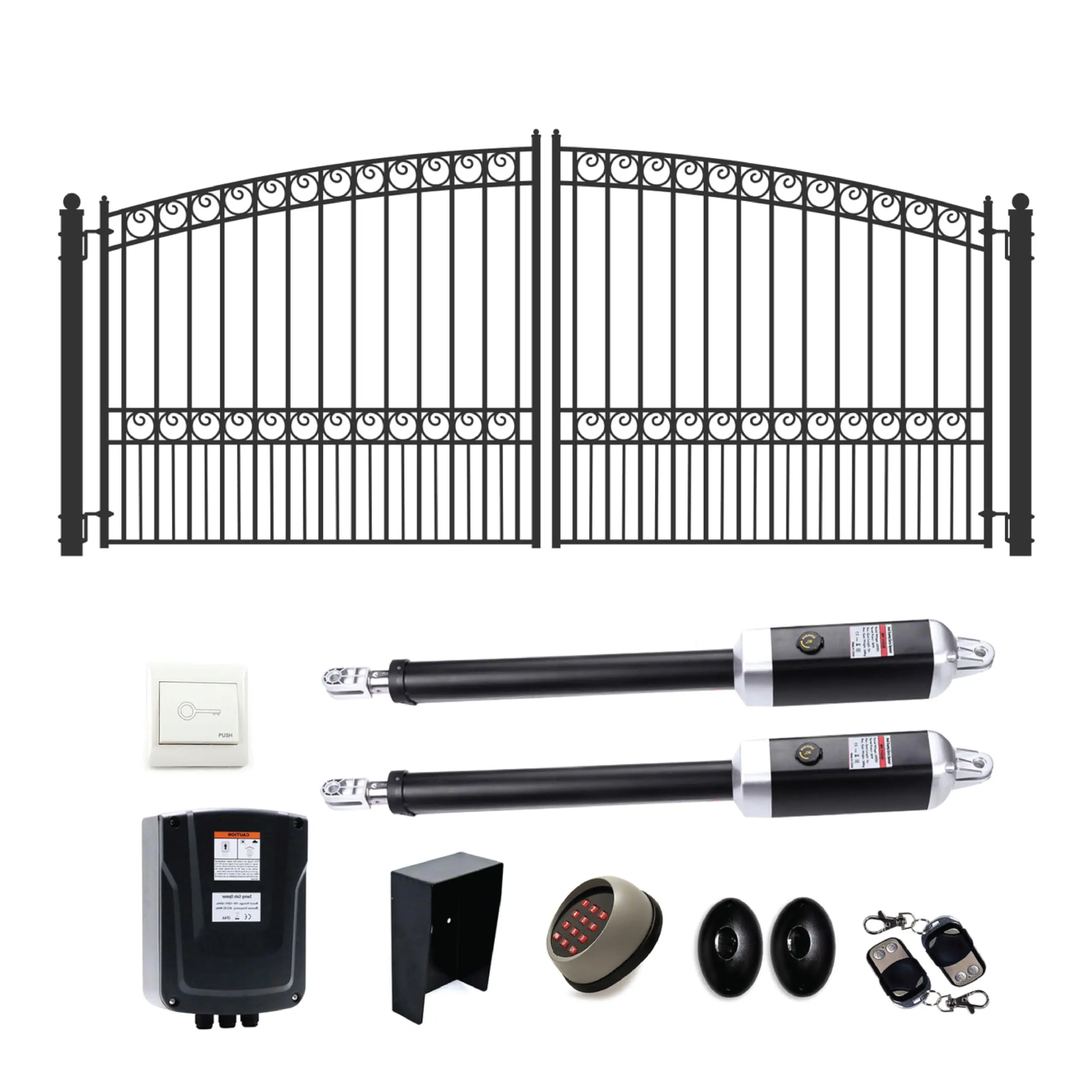 |
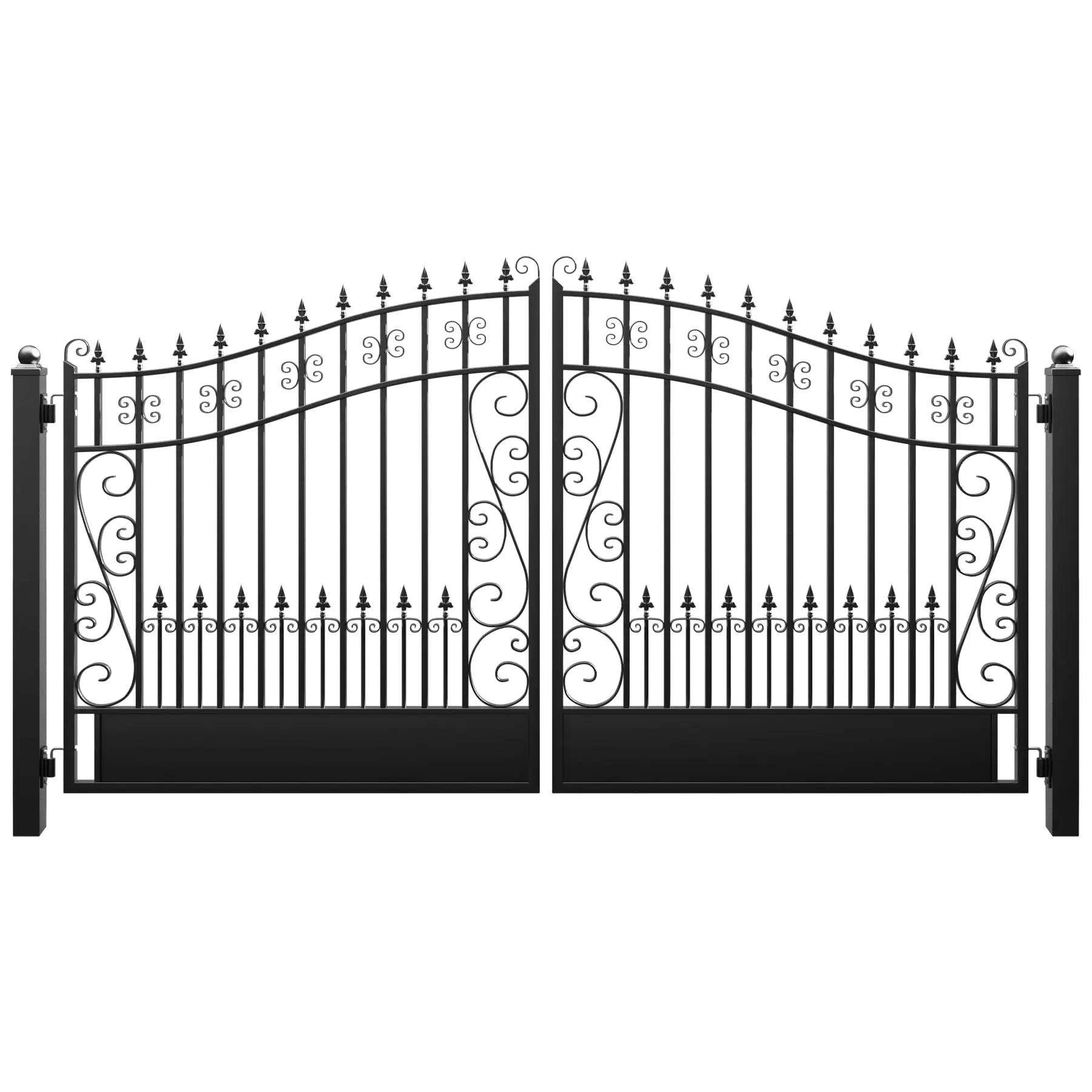
ALEKO 16x6 Paris Dual Swing Driveway Gate | $2960.73 | $158.1 | 0 | 9 | Galvanized steel, automatic opener, dual swing |
 |
ZUMI Dual Swing Driveway Gates | $1235.67 | $166.62 | 3.6 | 7 | Outdoor steel, heavy-duty, weatherproof, dual swing |
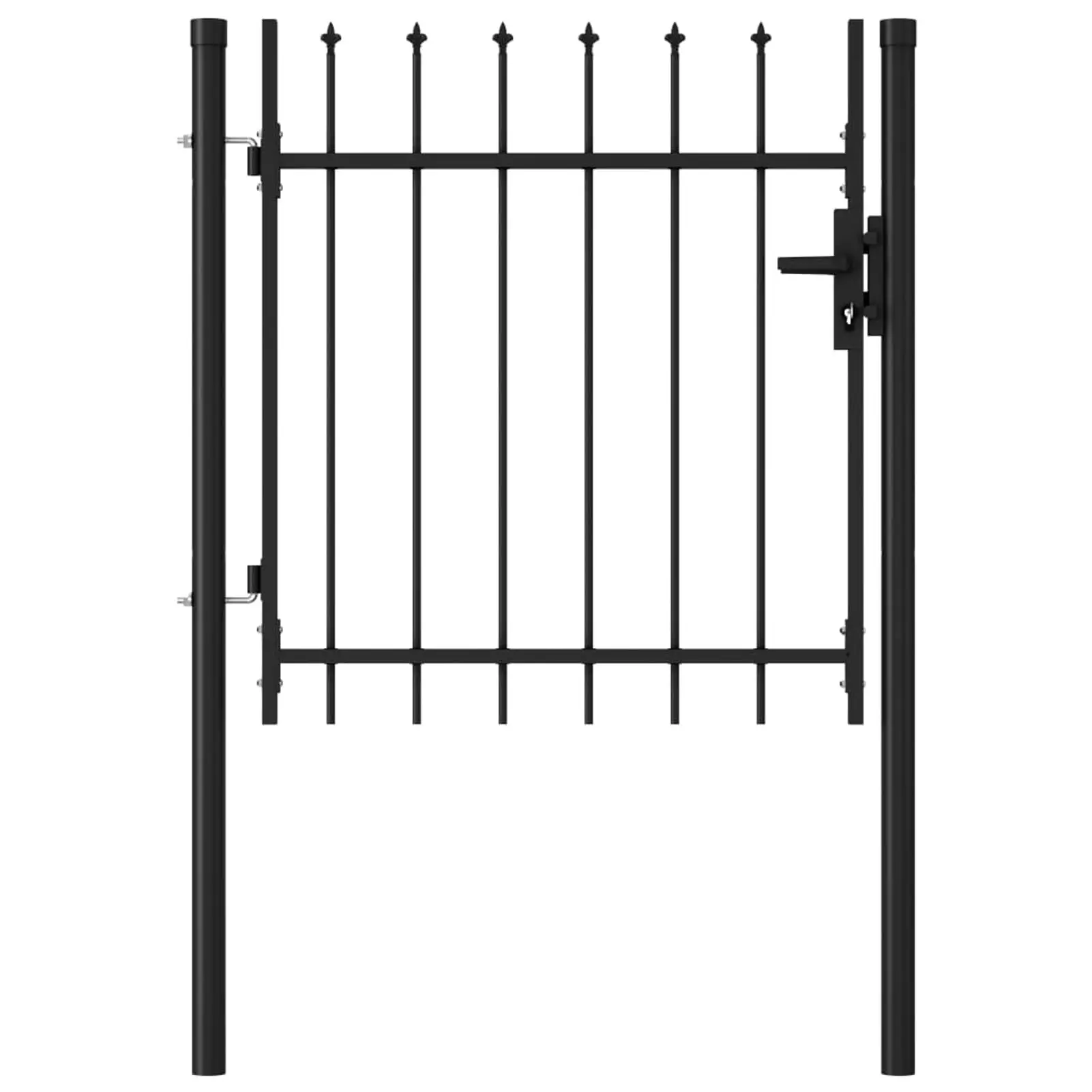 |
Sufrk Fence Gate Single Door | $156.97 | $58.04 | 0 | 5 | Wrought iron, spike top, single door swing gate |
Analyzing these real-time sales data, it is evident that buyers favor gate solutions blending high durability, substantial swing length, and advanced motor compatibility. Models with solar panels and remote controls attract higher ratings and sales volumes. It’s notable that ultra-premium steel gates (ALEKO, ZUMI) despite higher pricing, occupy lower volume segments, possibly reflecting niche commercial/industrial demand or regional procurement cycles.
Sentiment from reviews and buyer comments aligns with the value placed on user-friendly features, ease of installation, and after-sales reliability. A minority of entries indicate low ratings—often linked to perceived complexity, lack of instructions, or product durability, echoing the polarized feedback seen in online forums[9]. For procurement teams, it is crucial to navigate these trade-offs when selecting hot-sellers for downstream markets.
Monthly sales volumes of top 10 trackless gates (normalized) highlighting consumer preference for automation, durability, and solar compatibility
This bar chart clearly shows that mid-priced, automation-focused solutions take the lion’s share of monthly sales, while feature-rich gates with advanced integration maintain premium positioning but lower volume.
For international buyers seeking to capitalize on the trackless gate boom, a disciplined sourcing strategy is essential. Successful procurement hinges on evaluating multiple criteria beyond price alone:
Ultimately, sourcing is most effective when approached as a partnership: build long-term relationships with technically competent, well-certified factories, and leverage cross-border shipping logistics to ensure uninterrupted supply. As market competition intensifies, buyers investing up-front in supplier validation and robust quality frameworks will outperform in both cost efficiency and downstream sales execution.
Looking ahead to the next 6-12 months, the trackless gate market shows every sign of sustained growth, driven by urban development, demand for compact security solutions, and growing consumer sophistication. Product innovation will continue to center on automation, remote accessibility, energy efficiency, and bespoke design.
For B2B buyers, the message is clear: prioritize gate models and suppliers excelling in reliability, support, and regulatory compliance. Respond proactively to consumer sentiment (both positive and negative) reflected in real-world installations and online forum feedback. Incorporate trending features—solar compatibility, obstacle auto-reverse, premium locking—into your procurement briefs.
Operationally, safeguard your buying decisions by insisting on rigorous quality control and responsive after-sales service, while maintaining agility in regional logistics and rapid deployment. Use data-driven hot selling analyses to inform inventory planning, and stay attuned to market shifts as the category evolves.
As urbanization and security needs intensify globally, procurement professionals who source and implement trackless gate solutions will stand at the forefront of property innovation. Take action now, leveraging this intelligence to secure premium-channel supply, negotiate favorable terms, and deliver high-value solutions to an ever-more demanding market.
Succeed in 2026—integrate advanced trackless gate systems into your portfolio, capitalize on reliability and smart features, and ensure your projects are future-ready and secure from the ground up.