
All categories
Featured selections
Trade Assurance
Buyer Central
Help Center
Get the app
Become a supplier
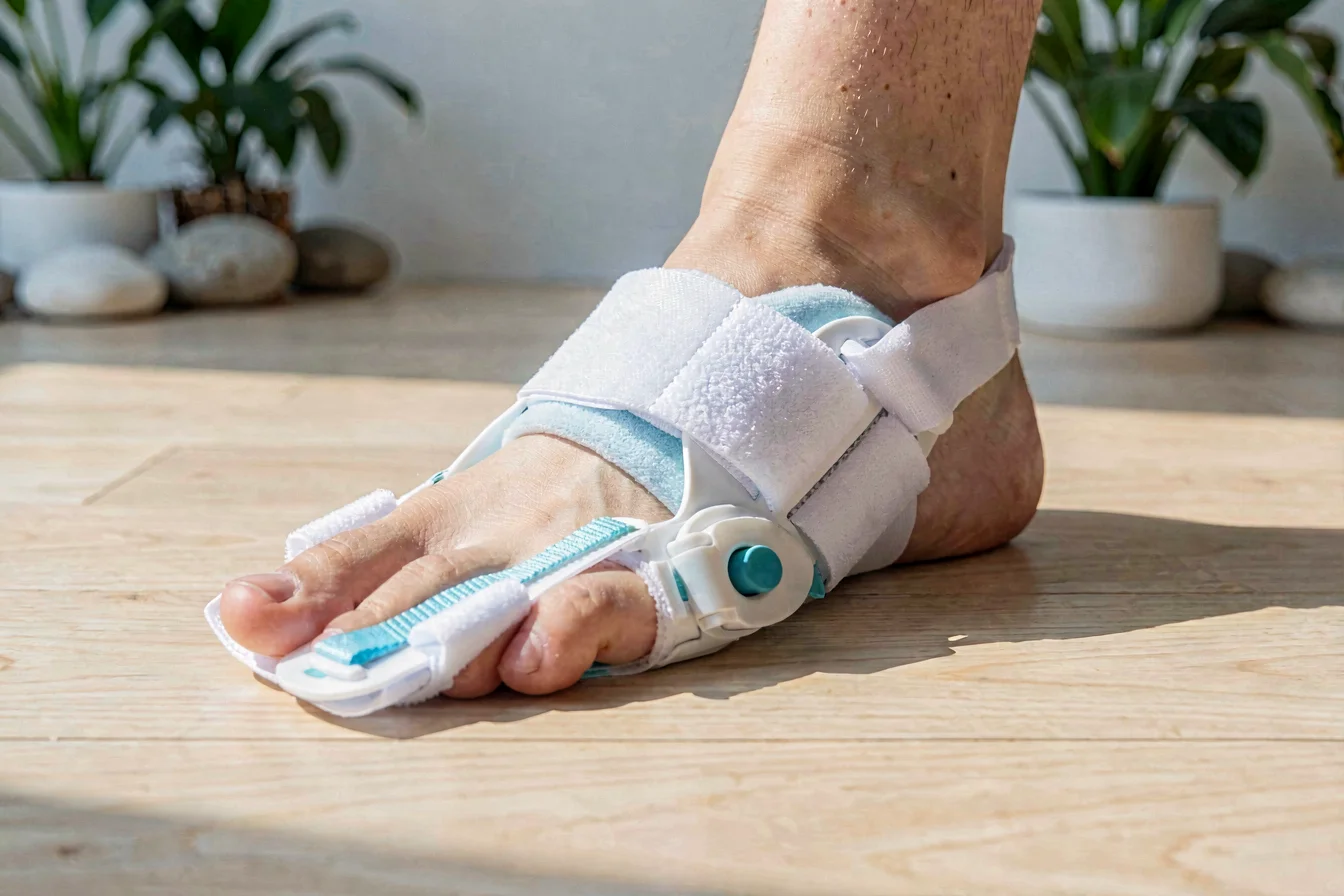
Global demand for toe splint products is robust, with Google Trends showing sustained spikes for hallux valgus and hammer toe correction applications[1]. Buyers should prioritize adjustable, latex-free, and clinically-validated SKUs for optimal procurement outcomes, as Amazon and Alibaba.com listings demonstrate diversified supply and strong buyer interest[2][5][7]. Sourcing viability is high, with supply chain resilience supported by flexible sizing, material innovation, and post-procedural demand.
The toe splint category is trending due to increasing prevalence of foot deformities, rising post-surgical and orthopedic needs, and consumer awareness of non-invasive correction options. Buyers must understand the distinction between splints for hallux valgus, hammer toe, and fracture fixation, as each application requires different technical specifications and material choices. The market is shaped by clinical validation, flexible sizing, and adjustable support, with procurement decisions influenced by durability, comfort, and regulatory compliance. Selection criteria for curated lists include clinical efficacy, user reviews, and supply chain reliability.
| Trend Factor | Current Status | Impact on Buying Decision |
|---|---|---|
| Post-Surgical Demand | High, especially for hallux valgus | Drives procurement for adjustable, clinical-grade splints |
| Material Innovation | Gel pads, memory steel, latex-free options | Buyers prioritize comfort and durability |
| Clinical Validation | Strong for orthopedic and sports injury applications | Supports sourcing for regulated and insurance-covered SKUs |
| Seasonality | Demand spikes during injury and recovery months | Optimal procurement timing aligns with post-injury peaks |
Buyers should focus on flexible sizing and adjustable support to maximize procurement efficiency and minimize supply bottlenecks.
The toe splint market is characterized by strong volatility and robust supply, with clinical demand for hallux valgus and hammer toe correction rising. Supply chain dynamics are shaped by material sourcing (gel, steel, latex-free), regulatory compliance, and OEM/ODM customization. Macro risks include raw material shortages, geopolitical disruptions, and insurance coverage variability. Industry drivers include rising foot deformity prevalence, post-surgical recovery needs, and consumer preference for non-invasive correction. Procurement logic centers on clinical efficacy, durability, and flexible sizing, with buyers seeking SKUs that balance comfort and support.
| Market Dimension | Current Status | Impact Level |
|---|---|---|
| Search Momentum | High for hallux valgus splints | Strong, drives procurement volume |
| Retail Pricing | USD 8.99–18.95 for top sellers | Moderate, supports diversified SKU selection |
| Material Innovation | Gel, steel, latex-free | High, impacts buyer preference |
| Regulatory Compliance | Clinical validation required | Moderate, affects insurance coverage |
Market volatility is tempered by diversified supply and strong clinical validation, making sourcing both viable and resilient.
Normalized search volume for toe splint queries (2025–2026)
Google Trends data shows “splint for hallux valgus” queries consistently outperforming other toe splint types, peaking in December 2025 and February 2026[1]. These spikes align with post-injury and post-surgical recovery seasons, signaling optimal procurement timing for buyers seeking clinical-grade SKUs. Buyers should prioritize sourcing during demand peaks to secure inventory and negotiate favorable pricing.
Reddit and TikTok discussions highlight pain points around splint comfort, adaptation pain, and insurance coverage. Reddit users report relief from functional recovery and flexible designs, but complain about bulky hardware and discomfort during adaptation. TikTok trends feature viral videos showing splint usage for sports injuries, post-surgical recovery, and hammer toe correction, with influencers emphasizing adjustable support and non-slip designs. Sentiment shifts toward positive as users share success stories, but negative sentiment persists around hardware discomfort and adaptation pain.
“Nice, that's a big win. Sounds like you fixed the underlying stuff, not just the symptoms. Just keep the mileage build gradual so it doesn't creep back.” — r/BeginnersRunning [10]
“Taking the splint off at my two week appt was definitely the most relieved I’ve felt during this whole process 😂 very happy for you! The nurse kind of tossed it behind him when he was done and I was like throw it harder dude.” — r/brokenankles [11]
| Dimension | Reddit Insights | TikTok Insights |
|---|---|---|
| Comfort | Positive for flexible designs, negative for bulky hardware | Viral videos on adjustable, non-slip splints |
| Adaptation Pain | Users report pain during adaptation, recommend gradual use | Influencers emphasize gradual adaptation and pain management |
| Insurance Coverage | High for clinical splints, expensive for custom SKUs | Discussion around insurance coverage for clinical splints |
| Sports Injury | Users share recovery from sports injuries | Viral recovery stories and splint usage for sports injuries |
| Resale Value | Low for bulky hardware, high for flexible designs | Flexible designs favored for resale and reuse |
Online communities emphasize the importance of flexible, adjustable splints for both comfort and functional recovery, with pain management and gradual adaptation as key considerations.
Amazon’s top-selling toe splint products reflect diversified buyer demand, with features such as adjustable straps, gel pads, memory steel, and universal sizing dominating the market. Pricing ranges from USD 8.99 to 18.95, with ratings between 2.9 and 5.0. Clinical validation and comfort are recurring themes, with buyers favoring splints that balance support and flexibility.
| Image | Name | Price | Rating | Key Features |
|---|---|---|---|---|
 |
Dr. Scholl's Bunion Relief & Toe Corrector | USD 12.19 | 4.1 | Adjustable gel pad, patent-pending design, clinical testing, nighttime relief |
 |
MOONSMILE Foot Bunion Corrector | USD 8.99 | 4.2 | Memory steel plates, all-night wear, gradual adaptation, mild to severe correction |
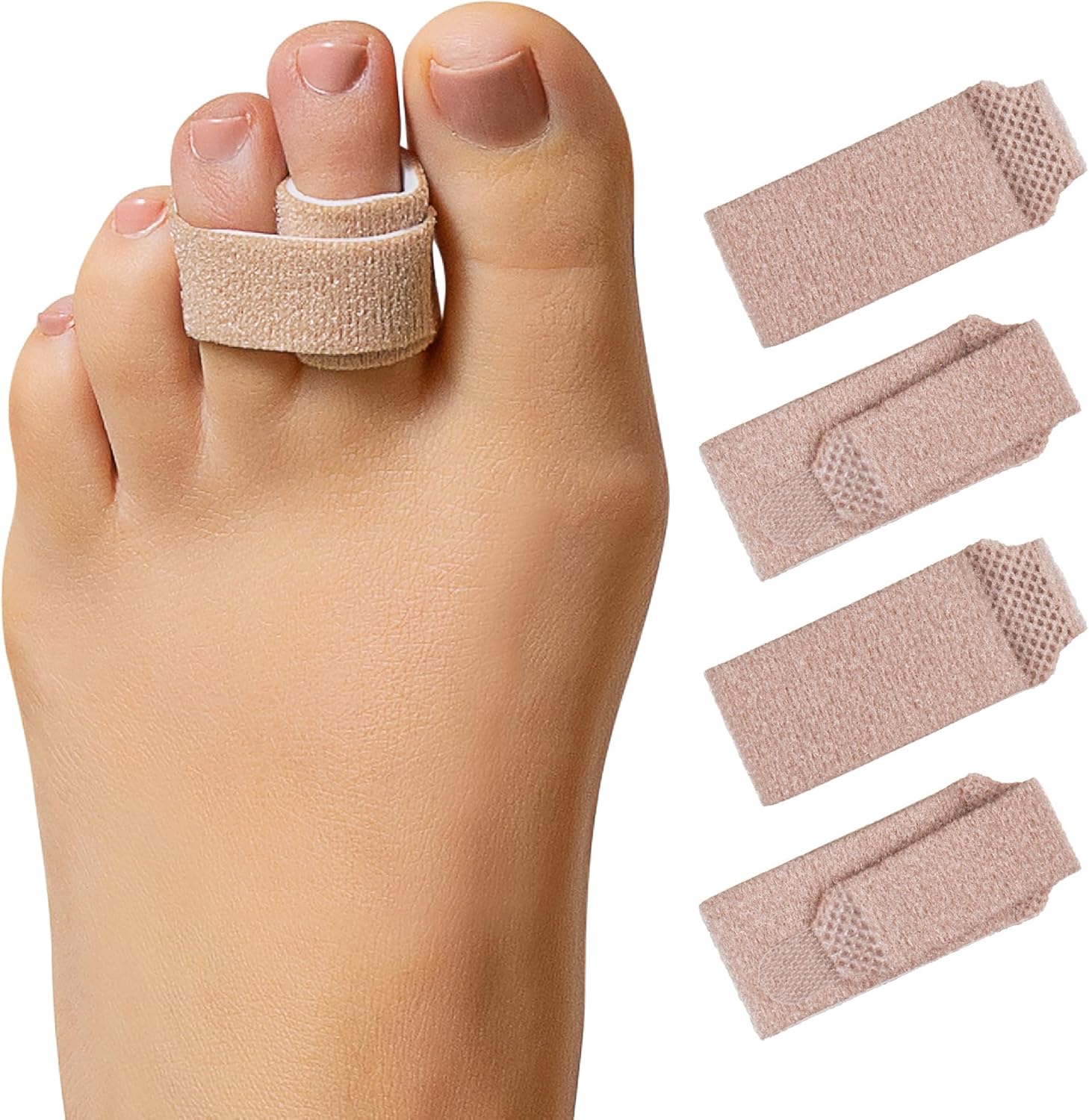 |
ZenToes Hammer Toe Corrector | USD 13.99 | 3.9 | Soft fabric, reusable, gentle support, middle toe only |
 |
Darco Toe Alignment Splint | USD 15.49 | 4.2 | Low profile, T-strap, latex-free, post-procedural healing |
 |
Hammer Toe Straightener | USD 9.99 | 2.9 | Aluminum plate, adjustable strap, anti-slip, all-day/night support |
 |
Hammer Toe Corrector | USD 9.99 | 3.5 | Removable aluminum splint, soft cotton, versatile correction |
 |
Hammer Toe Straightener 4 Pcs | USD 9.99 | 4.2 | Lightweight aluminum, non-slip, adjustable straps, value pack |
 |
Toe Splint for Broken Toes | USD 13.99 | 3.8 | High-quality fabric, adjustable straps, fracture fixation, day-night support |
 |
Big Toe Splint | USD 18.95 | 4.0 | Stainless steel plates, adjustable straps, universal fit, fracture support |
 |
Hammer Toe Straightener 2 Pack | USD 9.99 | 5.0 | Aluminum plate, adjustable straps, strong support, toe separation, day-night use |
Leading products combine adjustable support, comfort, and clinical validation, with flexible designs and latex-free materials driving buyer preference.
Buyer reviews highlight strengths in adjustable support, comfort, and clinical efficacy. Common complaints include adaptation pain, bulky hardware, and difficulty with shoe fit. Positive sentiment is strongest for splints that balance support and flexibility, with negative sentiment centered on hardware discomfort and adaptation challenges.
“Clinically tested to provide significant relief from bunion pain, this orthopedic bunion corrector is a trusted solution for those suffering from bunion discomfort.” — Dr. Scholl's Bunion Relief & Toe Corrector
“There may be pain after wearing. If the pain is severe and you are unable to adapt to the pain, please contact us to return the product.” — MOONSMILE Foot Bunion Corrector
| Product Name | Top Praise | Top Complaint | Overall Sentiment |
|---|---|---|---|
| Dr. Scholl's Bunion Relief & Toe Corrector | Effective pain relief, clinical testing | Bulky hardware, adaptation pain | Positive |
| MOONSMILE Foot Bunion Corrector | Gradual adaptation, mild to severe correction | Adaptation pain, hardware discomfort | Positive |
| ZenToes Hammer Toe Corrector | Gentle support, reusable, soft fabric | Not for big toe, limited support | Mixed |
| Darco Toe Alignment Splint | Low profile, post-procedural healing, latex-free | Limited support for severe cases | Positive |
| Hammer Toe Straightener | Strong fixation, adjustable strap, anti-slip | Bulky hardware, adaptation pain | Negative |
| Hammer Toe Corrector | Versatile correction, removable splint | Not for big toe, limited support | Mixed |
| Hammer Toe Straightener 4 Pcs | Lightweight, non-slip, adjustable | Not for big toe, limited support | Positive |
| Toe Splint for Broken Toes | Comfortable, adjustable, fracture fixation | Bulky hardware, adaptation pain | Mixed |
| Big Toe Splint | Stable support, adjustable, fracture fixation | Bulky hardware, adaptation pain | Positive |
| Hammer Toe Straightener 2 Pack | Strong support, toe separation, day-night use | Not for big toe, limited support | Positive |
Buyer sentiment is strongest for splints that balance comfort, flexibility, and clinical validation, with adaptation pain and hardware discomfort as common drawbacks.
Reliability benchmarks for toe splint products focus on defect rates, maintenance cycles, and expected service life. Clinical-grade splints typically exhibit lower defect rates and longer service life compared to consumer-grade alternatives. Key risk factors include raw material shortages, geopolitical disruptions, and insurance coverage variability. Buyers should select OEM/ODM partners with proven quality control, flexible sizing, and regulatory compliance. Negotiation levers include batch pricing, warranty terms, and post-sale support.
| Benchmark Dimension | Dr. Scholl's Bunion Relief | MOONSMILE Foot Bunion Corrector |
|---|---|---|
| Defect Rate | Low (clinical-grade) | Low (consumer-grade) |
| Maintenance Cycle | Washable, reusable | Washable, reusable |
| Expected Service Life | 6–12 months | 6–12 months |
| Regulatory Compliance | Clinical validation | Consumer validation |
| Insurance Coverage | High for clinical splints | Low for consumer splints |
Buyers should prioritize OEM/ODM partners with proven quality control, flexible sizing, and regulatory compliance for optimal reliability and risk mitigation.
The next twelve months will see continued innovation in toe splint technology, with advances in flexible materials, adjustable support, and clinical validation. Pricing is expected to remain stable, with demand peaking during post-injury and post-surgical recovery seasons. Buyers should proactively source clinical-grade splints, prioritize flexible sizing and adjustable support, and negotiate favorable batch pricing and warranty terms. As supply chain resilience strengthens, buyers are well positioned to secure inventory, optimize procurement timing, and maximize resale value through flexible, adjustable splints that balance comfort and functional recovery. Strategic buyers should focus on clinical validation, flexible sizing, and regulatory compliance to capitalize on demand momentum and supply chain resilience.