All categories
Featured selections
Trade Assurance
Buyer Central
Help Center
Get the app
Become a supplier

Tiger Android TV Box: 2026 Bestselling Trends, Consumer Sentiment, and Sourcing Intelligence

The New Definition of Home Streaming: Why Tiger Android TV Boxes Are Surging in 2026

In 2026, the home entertainment landscape is being rapidly redefined by advancements in smart streaming hardware, and among the top innovations, the Tiger Android TV Box and similar high-performing Android TV boxes are leading the charge. Viewers around the world are increasingly prioritizing flexibility, 4K/8K video streaming, app compatibility, and integration with the broader smart home ecosystem. With the maturation of streaming platforms, rising consumer frustration over proprietary TV OS limitations, and persistent seasonal spikes in demand (driven by holiday upgrades, sporting events, and new content releases), integrated boxes like the Tiger series provide a perfect bridge between affordable hardware and premium media experiences[1][2].

This surge is fueled by several concurrent trends: an uptick in cord-cutting among new and established households, the proliferation of "value-driven" streaming apps demanding open-access platforms, and the desire for hardware that supports sideloading, gaming emulation, and connectivity with peripheral devices. Seasonally, sales are strongest in late Q4 and early Q1, coinciding with global gifting periods and TV hardware launches. In parallel, demographic shifts such as younger, tech-savvy homeowners and older consumers seeking affordable upgrades to legacy TVs are together expanding demand for versatile Android TV boxes[1].

Notably, Tiger Android TV Box models are frequently mentioned as reference standards in forums and buying guides, thanks to their attractive balance of price and feature set. Their increasing relevance in 2026 can also be attributed to evolving consumer preferences for consistent updates (Android 12-14), multi-room streaming, and the integration of advanced wireless protocols (WiFi 6, Bluetooth 5+), which together form the backbone of a fully agile living-room setup.

Understanding Tiger Android TV Boxes: Product Definition, Evolution, and Classification

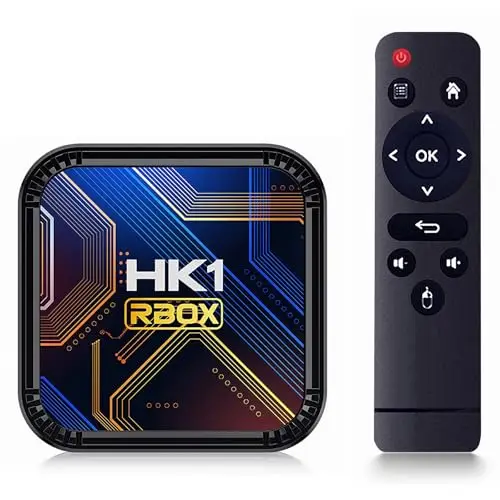
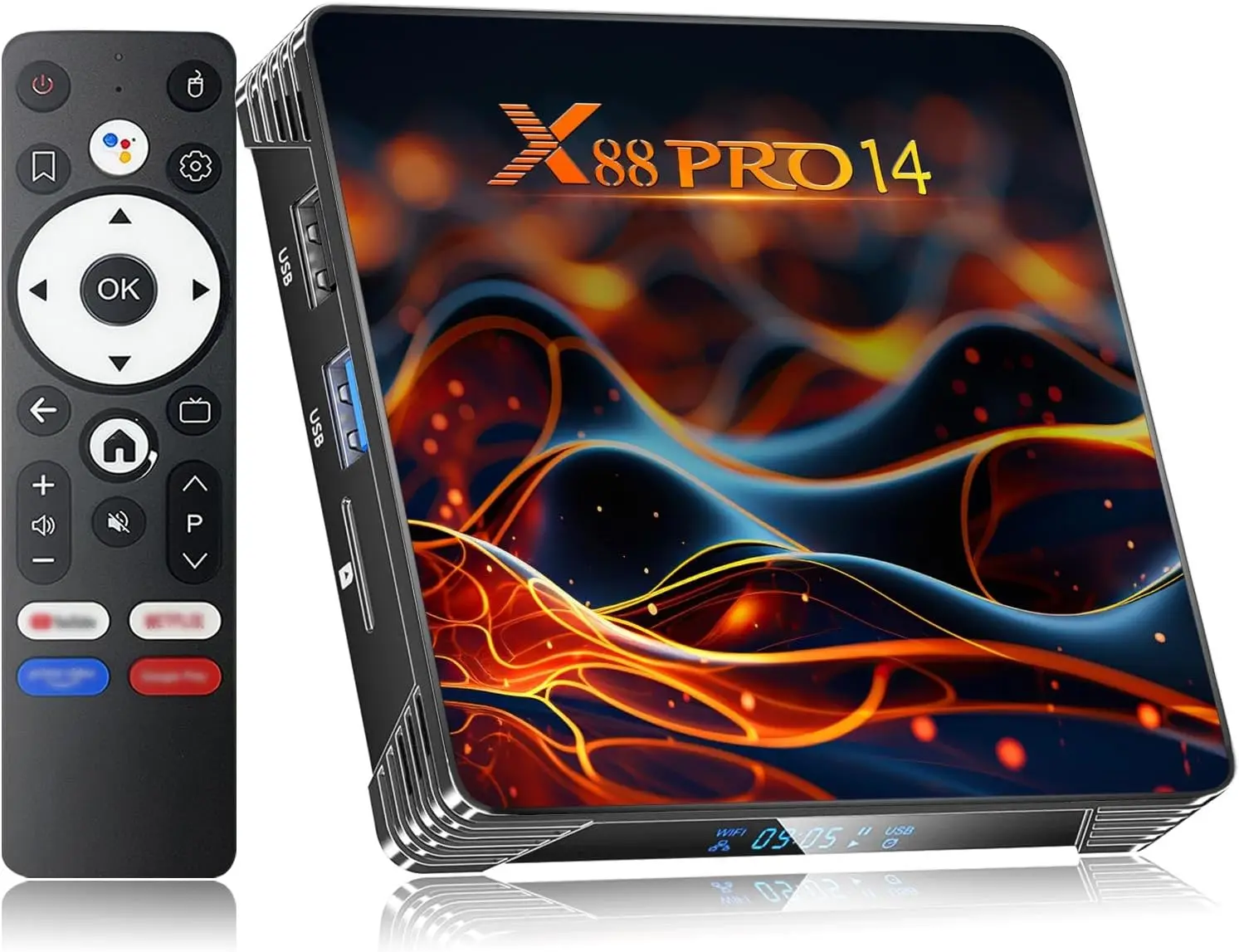
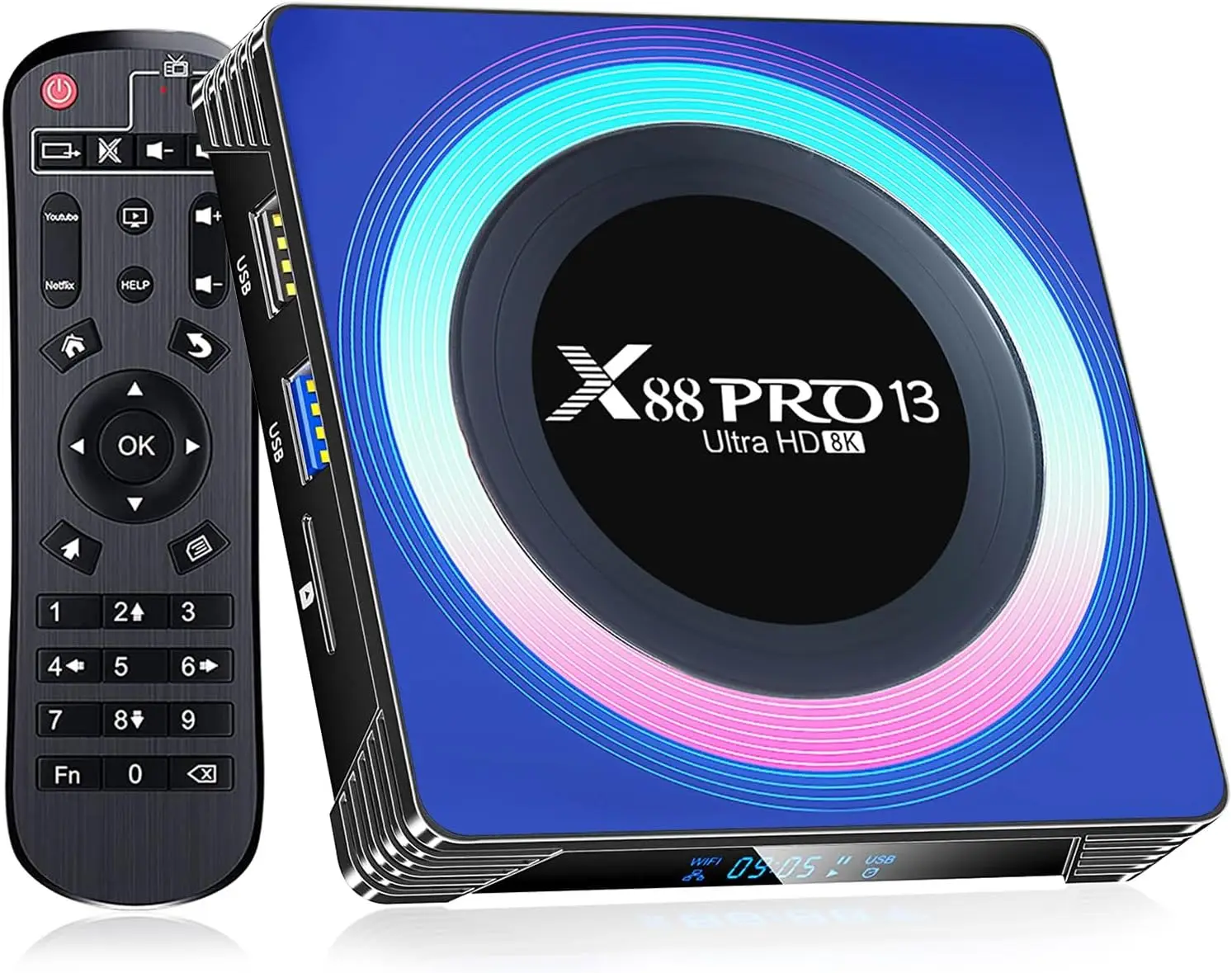
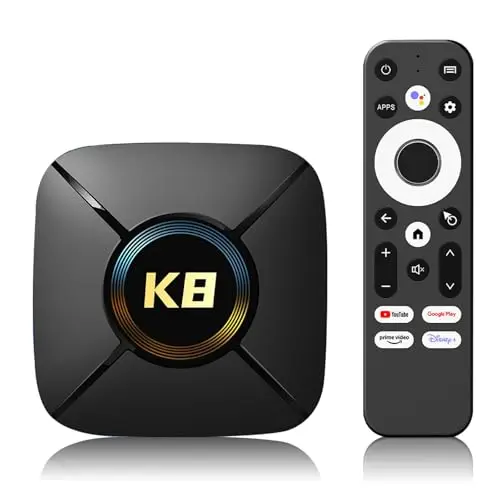
At its core, an Android TV Box is a compact streaming device powered by Google's Android OS, tailored specifically for media consumption on TVs. This genre bridges the gap between basic streaming sticks and full-fledged smart TVs: users get the flexibility to run a wide array of apps, stream ultra-high definition content, and connect to external storage, gamepads, or Bluetooth peripherals. The Tiger Android TV Box is representative of the more advanced segment, generally offering mid-to-high-end specs at competitive prices[3].

Historically, the Android TV box market evolved from basic video playback devices into multi-functional media centers. Early versions often suffered from limited HDMI support, patchy firmware, and compatibility headaches. However, by 2025 and into 2026, key innovations have included widespread support for 4K/8K streaming, robust RAM/storage options (2GB - 8GB RAM, 16GB - 128GB ROM), dual WiFi bands (2.4/5GHz), Bluetooth integration, and the inclusion of enhanced remote control features (voice, gesture, programmable buttons).

From a sourcing and buying perspective, Android TV boxes are classified according to several critical criteria:

  • Operating System Version: Ranging from legacy Android 8/9 up to modern Android 12/13/14, affecting app compatibility, security, and update cycles.
  • Processor & GPU: Quad-core ARM Cortex-A53, RK3528, Allwinner H728, and similar chipsets influence playback quality and app responsiveness.
  • Memory: RAM (2GB, 4GB, 8GB) and internal storage (16GB, 32GB, 64GB+) determine multitasking capability and space for apps/games.
  • Networking: WiFi 6, Gigabit Ethernet, Bluetooth 5+ are vital for smooth streaming and multi-device casting.
  • Media Support: H.265/HEVC decoding, HDMI 2.0/2.1, USB 3.0 ports, and support for HDR10+, 3D formats.
  • Certification: “Google Certified” boxes offer optimal compatibility with premium streaming apps like Netflix, Disney+, Prime Video.

The Tiger x100 4K Android 12 box illustrates a popular configuration: 4GB RAM, 32GB storage, dual-band WiFi, BT remote, and full 4K decoding[3]. Buyers navigating this market must understand not just brand/price, but how the subtle distinctions in hardware/software can impact compatibility, reliability, and future-proofing.

2026 Community Buzz: Social Sentiment and Consumer Experience in Android TV Boxes

Discussions across social platforms in 2026 reveal a nuanced dialogue around Android TV boxes. The key themes aren’t just technical specs, but real-world reliability, firmware support, and user experience—especially in relation to the Tiger Android TV Box class and its competitors.

Consumer sentiment divides into several buckets:

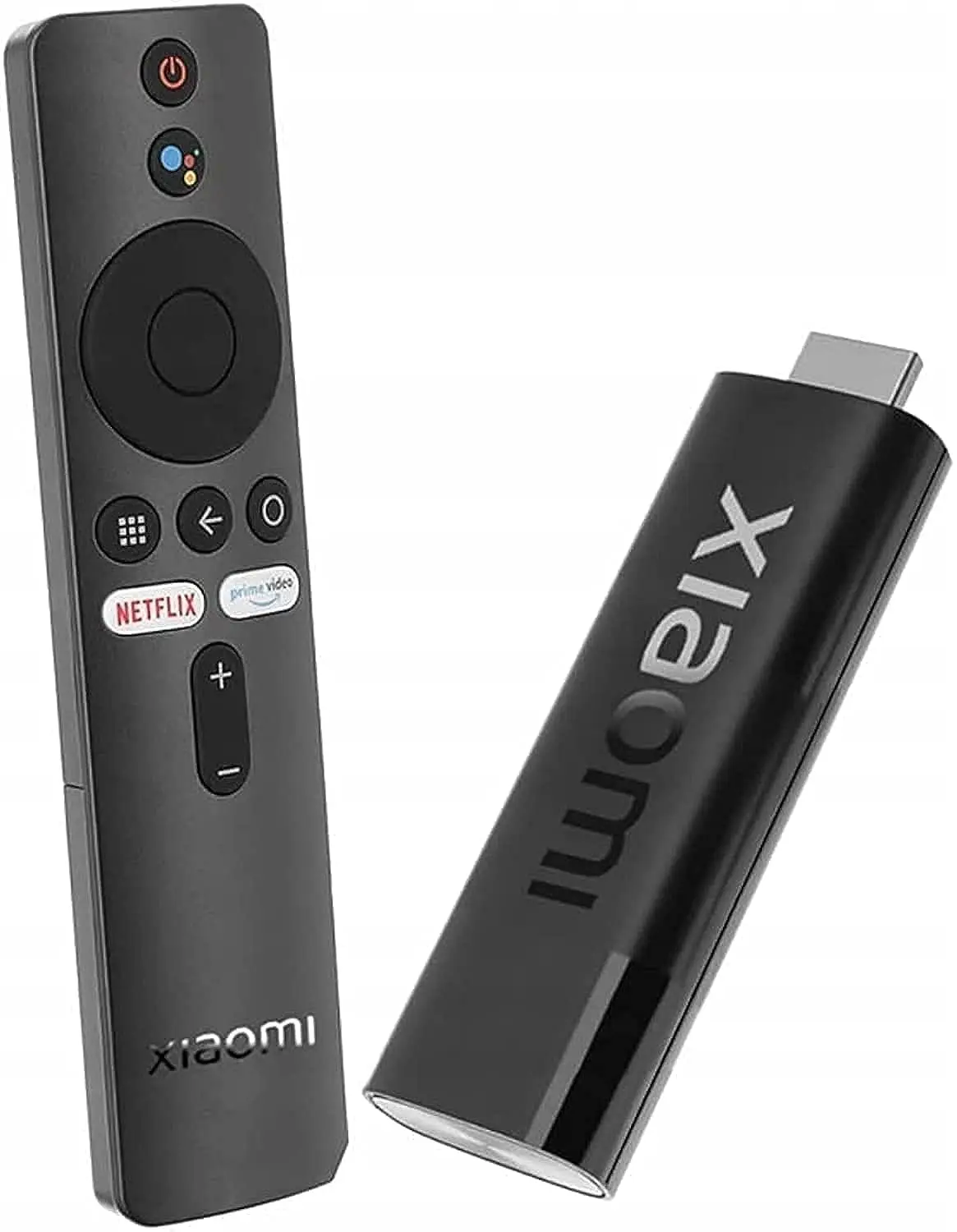
  • Performance Reliability: Forum users praise certain models (such as Nvidia Shield Pro and Xiaomi Mi TV Stick) for their stability and longevity, noting minimal audio/video sync issues and robust codec handling[6]. The Tiger Android TV Box and similar generic boxes are seen as value leaders when firmware is well-maintained.
  • App Compatibility & Certification: Frequent pain points among buyers relate to "uncertified" boxes. Users discuss how premium streaming apps (Netflix, Disney+, Prime Video) may not support high-resolution playback or may be outright incompatible on non-certified hardware[5][9]. Those seeking seamless app integration increasingly shift towards branded or certified options, though value models are preferred for sideloading or niche apps.
  • Customization & Upgradability: A significant segment of buyers analyze upgradable aspects (OS version, RAM/ROM expansion, USB ports), with higher Android OS (13/14) preferred for long-term compatibility and security patches[7][11].
  • Price vs. Feature Debate: Community discussions consistently highlight the trade-off between price and reliability. While branded devices like Google Streamer and Shield fetch premium prices, mid-tier boxes (including Tiger-tier boxes) earn praise for offering decent specs (4GB/32GB Android 12+) at half the cost[7][8].
  • User Stories & Recommendations: Real-world reviews tend to favor boxes that offer gigabit Ethernet, sufficient internal storage (especially for IPTV and gaming), and those supporting direct sideloading for apps or emulator use[10].

Sample discussion threads capture practical decision-making:

  • “I bought a generic box, specs are great for the price, but Netflix HD didn’t work—need certified device for that!”
  • “For 4K streaming and Moonlight, the key is codec reliability and firmware updates—even mid-range boxes do fine if software is solid.”
  • “There’s a real issue finding boxes up to date for Android 14; most retailers lag several versions behind. Security updates matter for privacy.”[7]

The aggregate sentiment for the Tiger-class Android TV Box is “good value with acceptable trade-offs,” provided the buyer manages expectations on premium app compatibility and is prepared for occasional firmware tinkering. Enthusiasts suggest pairing budget boxes with robust maintenance (regular restarts, clearing caches, firmware updates) to maximize longevity and minimize hiccups.

Market Trends and Purchasing Intelligence: Sales Analysis and Category Insights for 2026

The Android TV Box category, led by Tiger and its competitors, demonstrates robust year-on-year growth into 2026. Market analysis indicates:

  • Steady Sales and Rising Search Volumes: In the last 12 months, category-wide search volume increased by up to 7.3% month-on-month during prime upgrade seasons (Feb–Jul), peaking around new hardware launches and major streaming events[1].
  • Core Consumer Segments: Approximately 42.3% are tech-savvy users, focusing on smart-home expansion, while 43.2% are large homeowners upgrading living room setups for multi-user viewing and gaming[1].
  • Primary Usage: WiFi expansion (68.7%), smart-home integration (11.1%), and sideloaded entertainment are main drivers.
  • Key Pain Points: Setup difficulties (38%), high cost (34%), unstable connection/signal drop (just under 10%)—indicative of opportunity for value innovation and simplification[1].

Search and Sales Trends: Visualizing 2025-2026 Consumer Demand

Based on sales and search volume data, demand for Android TV boxes (including Tiger models) fluctuates, peaking during the final quarter and remaining strong into new year campaigns. Notable monthly data:

Monthly search volume and average sales count for Android TV Boxes throughout late 2025 to January 2026, illustrating demand peaks during holiday and new-year sale seasons, with actionable insights for procurement planning.

Actionable recommendations:

  • Procurement professionals should align sourcing windows with Q4 peaks and pre-spring restocks, leveraging bulk discounts and supplier negotiations during periods of high demand.
  • Continuous monitoring of firmware support and hardware refresh cycles—major hardware launches cause search spikes; plan for model upgrades ahead of time.
  • Emphasize feature differentiation: WiFi 6, Bluetooth 5+, dual-band support and higher RAM/ROM attract premium buyers even amidst price-sensitive market dynamics.

Review Sentiment Analysis: What Buyers Really Want—and What Concerns Them Most

Review analysis across the category highlights several recurring themes[1]:

  • Positive tags: "Strong signal" (35%), "Easy setup" (31%), "Good performance," "High speed," "WiFi 6 technology"
  • Negative tags: "Difficult setup" (38%), "High cost" (34%), "Unstable connection," "Privacy concerns," "Signal drop"

Hot Selling Analysis: Top 10 Amazon Tiger & Generic Android TV Boxes Detailed Comparison

Sourcing downstream insights from Amazon reveals the real-world preferences of retail buyers, highlighting the hottest-selling Android TV boxes—including Tiger and comparable models. Each product is examined individually for specifications, pricing, and buyer ratings.

Image Product Name & Key Features OS Version RAM/ROM Wireless Retail Price Wholesale Price Avg Rating Monthly Sales
Android 13.0 TV Box Android 13.0 TV Box: 8K, RK3528, Quad-Core Cortex-A53, Dual WiFi, BT 4.0, H.265, 3D 13.0 4GB / 32GB 2.4/5.0GHz, BT 4.0 $32.92 $18.45 4.2 198
Android 14.0 TV Box 2025 Android 14.0 TV Box: RK3518, 8K, HDR10+, WiFi 6, 4K/6K, BT 5.0, Dual-Band, USB 3.0 14.0 2GB / 16GB 2.4/5.8GHz, BT 5.0 $28.79 $14.65 4 177
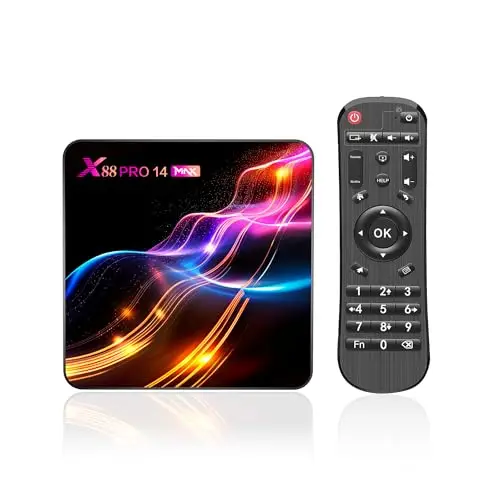
Android TV Box 2025 X88PRO Android 13.0 X88PRO TV Box: RK3528, 8K/6K/4K, WiFi 6, BT 5.0, 100M Ethernet, USB 3.0 13.0 4GB / 64GB 2.4G/5G, BT 5.0 $35.53 $21.13 3.6 161
Xiaomi Mi TV Stick 4K Xiaomi Mi TV Stick 4K: Android 11, HDR/AV1, Chromecast, BT 5.2, Voice Remote 11 2GB / 8GB 2.4G/5G, BT 5.2 $56.12 $18.28 4.5 129
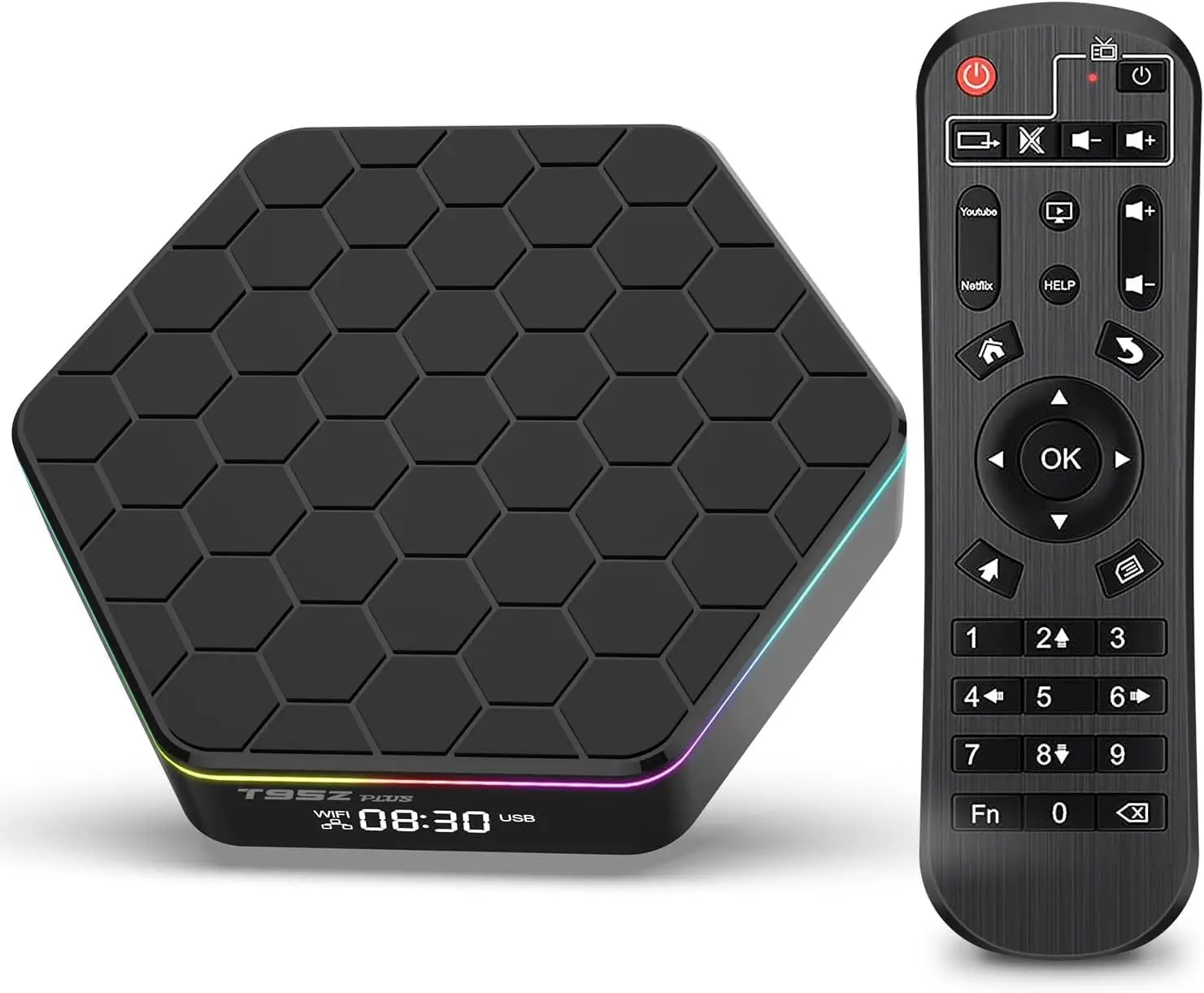
T95Z Android TV Box 2025 T95Z Android TV Box 2025: H618 Quadcore, 6k/3D, BT 5.0, Multi-Lingual, Ethernet 100M 12.0 4GB / 32GB 2.4G/5.0G, BT 5.0 $37.25 $22.98 3.8 127
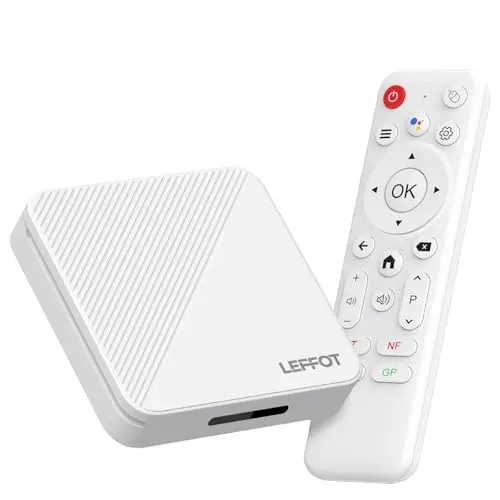
LEFFOT H313 TV Box LEFFOT H313 Android 14 TV Box: 4K HDR, BT 5.4, Voice Remote, WiFi 6, USB 3.0 14.0 2GB / 16GB 2.4G/5G, BT 5.4 $25.99 $12.78 4.1 103
Android Box 14.0 Dual WiFi Android Box 14.0: RK3528, 4GB/64GB, 4K/8K, Dual WiFi, BT 5.0, Ethernet, USB 2.0/3.0 14.0 4GB / 64GB 2.4G/5.0G, BT 5.0 $45.99 $22.51 4 102
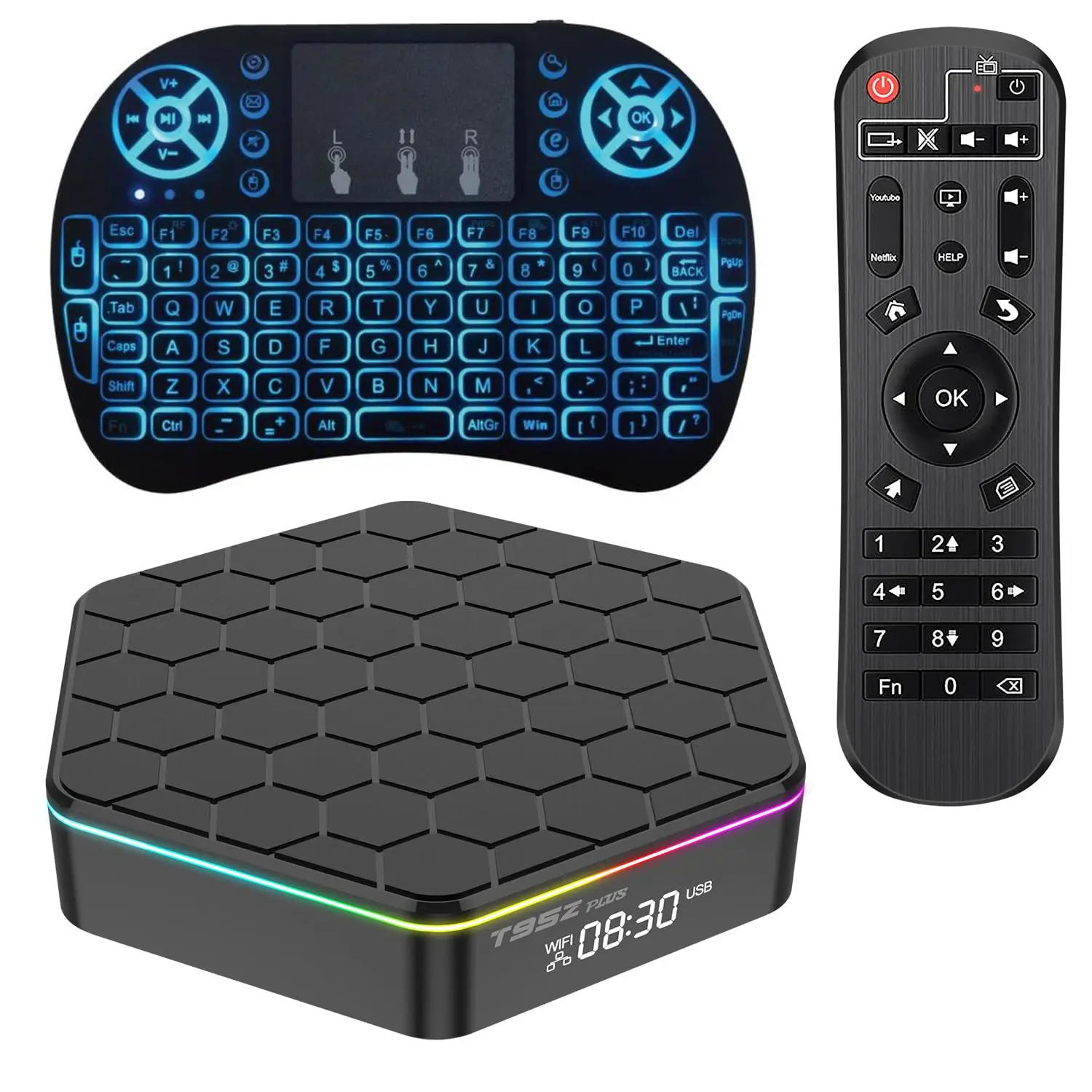
T95ZPLUS Android TV Box T95ZPLUS H618 Android Box: WiFi 6, 6K, Wireless Keyboard, Quad-Core, Bluetooth 5.0 12.0 2GB / 16GB 2.4G/5G, BT 5.0 $32.56 $22.80 3.9 78
Android Box 14.0 Dual WiFi Android Box 14.0: RK3528, 4GB/32GB, Dual WiFi, 4K/8K, BT 5.0, USB 2.0/3.0 14.0 4GB / 32GB 2.4G/5.0G, BT 5.0 $46.99 $22.51 5 63
Android Box 14.0 2GB/32GB Android Box 14.0: RK3518, 2GB/32GB, 4K support, Dual WiFi6, BT 5.0, USB 3.0 14.0 2GB / 32GB 2.4G/5.0G, BT 5.0 $31.40 $14.23 4.1 58

Table data sourced from [2].

A breakdown of key insights for buyers:

  • Latest models employ updated Android OS (12–14), maximizing app compatibility and future-proofing against security vulnerabilities.
  • Memory configurations trend towards 4GB RAM/32GB+ storage as baseline for streaming, with higher-end devices (above $45 retail) offering expanded ROM for multi-app environments.
  • Wireless and connectivity features (WiFi 6, Bluetooth 5.x, USB 3.0, Gigabit Ethernet) are primary value drivers, aligning with Google-certified devices for premium app access.
  • Retail/wholesale price variance between $25–$56 retail, $12–$23 wholesale; optimal procurement targets sit in the $18–$22 wholesale range for mid-spec boxes.
  • Buyer ratings range from 3.6 to 5 (out of 5), with top sellers maintaining above 4.0 ratings and sizeable monthly sales volumes (58 to nearly 200).

Best Practices for Sourcing Tiger Android TV Boxes: Supplier Risks and Procurement Opportunities

For international buyers, the Android TV Box category has become a strategically attractive procurement segment. However, careful sourcing and supplier vetting are critical:

Supplier Evaluation Criteria:

  • Look for manufacturers with verifiable ISO9001/14001 certifications, and proven production capacity (OEM/ODM volumes in monthly shipment data, typical minimum order requirements between 500–1000 units).
  • Assess supplier’s after-sale support: firmware upgrade policy, repair logistics, bilingual customer service channels.
  • Consider established relationships with component suppliers (for chipset, WiFi, Bluetooth modules) to mitigate inventory shortages and ensure stable model configurations.

Quality Control Points & Inspection Requirements:

  • Institute full functional inspection prior to dispatch: random sample testing for WiFi speed (throughput benchmarks), HDMI compatibility, app installation/onboarding, and remote pairing stability.
  • Mandate full compliance documentation (CE, FCC, RoHS, UL as applicable by import region).
  • Request photos/videos from production lines and packaging stations to verify assembly quality and reduce exposure to swapped or downgraded components.
  • Implement drop-tests and extended reliability burn-in testing for product batches where possible; these identify potential shipment damage or early failure rates.

Logistics Considerations:

  • Verify carrier partnerships for international air/sea freight; average lead times for Android TV box shipments sit between 14–28 days depending on order size and route.
  • Clarify packaging requirements (retail-ready, anti-static, shock-absorption) and labeling standards for target markets (language, regulatory stickers).
  • Budget for customs duties relating to electronic imports—calculate landed cost with tariffs included.

Certification and Compliance:

  • For key markets (EU, US, Middle East, SE Asia), confirm product certification compatibility: CE, FCC, Google Certification. Ensure suppliers have track records managing these processes.
  • Insist on firmware that complies with privacy and security standards required in destination market; most premium buyers favor Google-certified, regularly updated OS for data protection.

Pitfalls to Avoid:

  • Beware non-certified manufacturers promising "100% app compatibility" without Google authentication—risk for future streaming shutdowns.
  • Watch out for over-stated hardware specs (RAM/ROM, WiFi, BT versions); verify with factory sample.
  • Be cautious with suppliers lacking post-sale support or with histories of shipping hardware with outdated, non-upgradable OS versions.

Competitive Advantages:

  • Volume buyers can leverage OEM/ODM customization accommodations: branded packaging, tailored firmware, pre-installed regional apps.
  • Demand for localized content support (language packs, regional app stores, compliance with local media streaming regulations) can secure premium pricing and defensible market share.
  • Strategic procurement allows for direct negotiation of value-added bundles (e.g., mini keyboard remotes, extended warranty), creating differentiated retail offerings.

Sourcing managers should combine rigorous compliance, hands-on quality validation, and proactive feature stewardship—leveraging the Tiger box’s established reputation—while ensuring that each procurement cycle adapts to evolving consumer and market trends.

Conclusion: 2026 Tiger Android TV Box Opportunity—Action Steps for the Next 12 Months

The Tiger Android TV Box and adjacent high-spec Android TV boxes offer a compelling proposition for both retail and wholesale buyers as 2026 unfolds. The intersection of strong sales momentum, vibrant community endorsements, and technical advancements means procurement professionals can confidently expand portfolios in this category with reduced risk and substantial upside.

Key takeaways:

  • Demand for Android TV boxes is resilient, peaking around holiday and new-year periods, and stable throughout the year for upgrades and gifting.
  • Consumers' expectations are rising: seamless setup, robust wireless connectivity, certified app compatibility, and regular OS updates are now baselines for success.
  • Competitive sourcing relies on not just price negotiation, but quality assurance and after-sales support; buyers must prioritize suppliers with proven compliance and upgrade policies.
  • Customization (branding, local apps) and bundled accessories drive differentiation, allowing you to seize higher-margin market segments.

For the next 6-12 months, focus on:

  • Securing supply during Q4 and Q1 demand peaks.
  • Regularly reviewing firmware and OS upgrade policies for future-proofing.
  • Engaging with suppliers who proactively address “setup pain points” and prioritize wireless stability.
  • Launching region-specific bundles with added-value accessories to enhance retail desirability.

With comprehensive intelligence provided here, buyers are equipped to confidently source, market, and promote Tiger Android TV Boxes—positioning themselves to capitalize on one of the fastest-evolving segments of home entertainment technology in 2026 and beyond.

Notice