
All categories
Featured selections
Trade Assurance
Buyer Central
Help Center
Get the app
Become a supplier
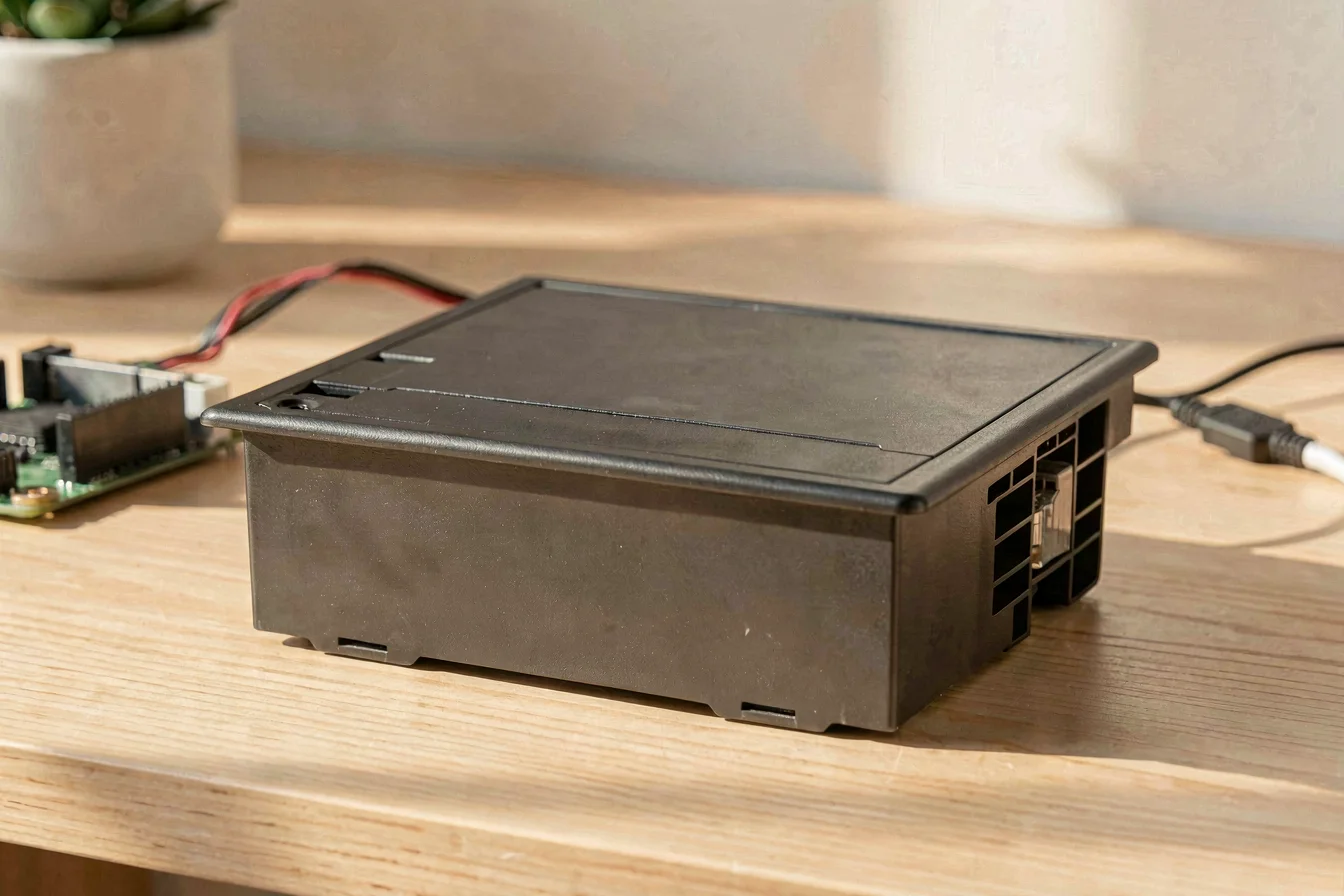
The thermal printer for raspberry pi 2 market remains viable in 2026, with rising demand for USB and portable variants, stable supply, and strong plug-and-play compatibility. Buyers should focus on reliability, thermal paper longevity, and modern Raspberry Pi Zero 2 W support for optimal sourcing. Google Trends data shows sustained upward momentum, especially for USB models, indicating robust procurement logic and favorable demand direction[1][2].
The thermal printer for raspberry pi 2 category is trending due to its versatility in POS, label printing, and educational DIY projects. Buyers face rising demand for plug-and-play compatibility, wireless connectivity, and compact designs, driven by the broader Raspberry Pi ecosystem and the need for low-cost, reliable printing solutions. Sourcing decisions should prioritize compatibility with Raspberry Pi Zero 2 W, USB connectivity, and reliability benchmarks. The curated list focuses on models with strong plug-and-play support, high user ratings, and robust compatibility with Raspberry Pi Zero variants.
| Trend Factor | Current Status | Impact on Buying Decision |
|---|---|---|
| Plug-and-Play Compatibility | High | Buyers favor models with minimal setup |
| Wireless Connectivity | Rising | Demand for Bluetooth/WiFi options increasing |
| Compact Design | Strong | Portable models drive retail sales |
| Thermal Paper Fading | Persistent | Buyers must select BPA-free, long-lasting paper |
| Raspberry Pi Zero 2 W Support | Essential | Modern use cases require compatibility |
Buyers should prioritize plug-and-play compatibility, wireless connectivity, and BPA-free thermal paper when sourcing thermal printer for raspberry pi 2 models to maximize reliability and minimize setup pain.
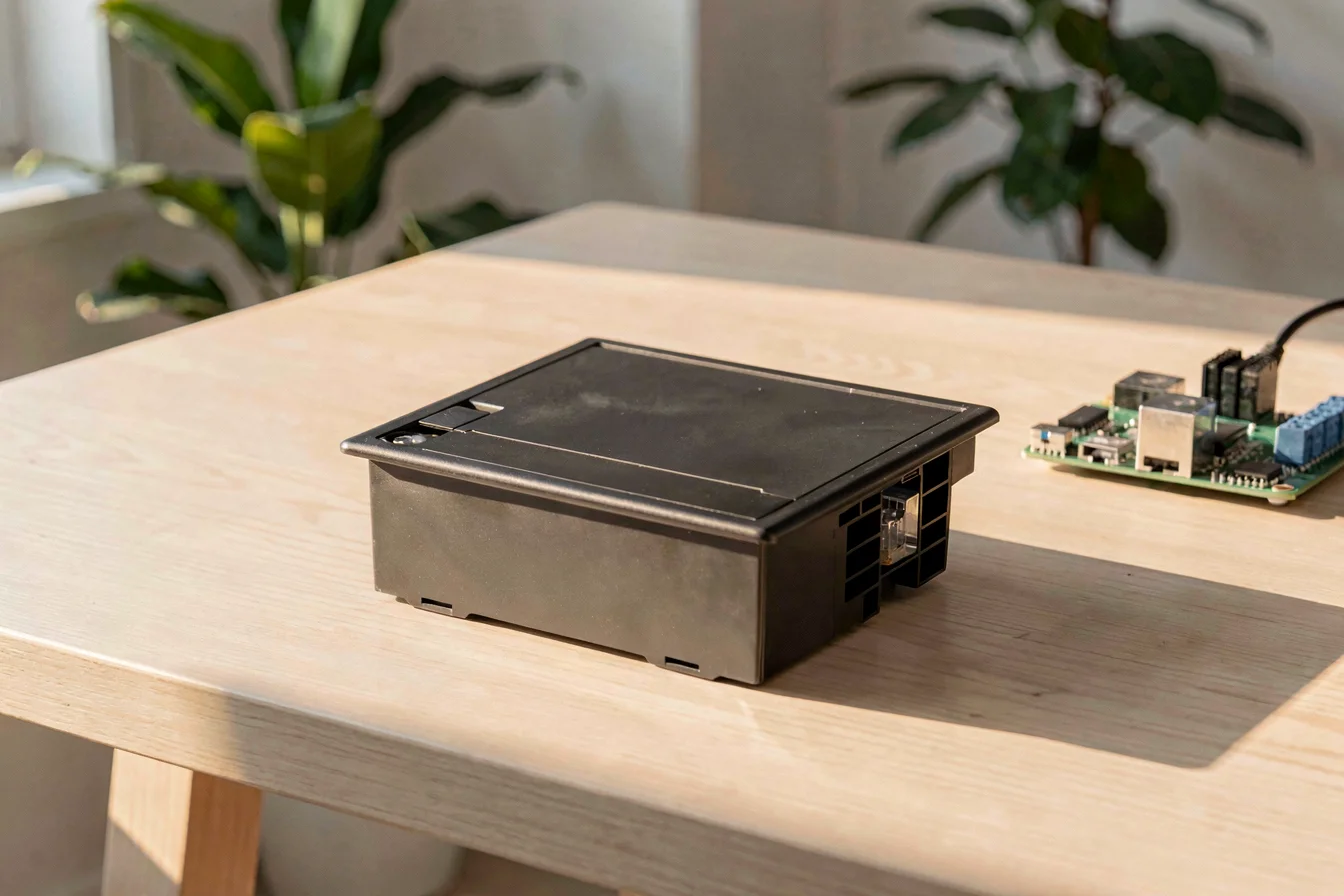
Market conditions for the thermal printer for raspberry pi 2 are stable, with supply chain resilience and steady retail sales. The primary drivers are the expansion of Raspberry Pi-based projects, rising demand for wireless and portable printing, and the need for cost-effective POS and label solutions. Macroeconomic risks include fluctuating thermal paper prices and occasional supply bottlenecks for plug-and-play models. Buyers should monitor Google Trends for demand spikes and align procurement timing with seasonal peaks.
| Market Dimension | Current Status | Impact Level |
|---|---|---|
| Supply Chain Stability | Stable | High |
| Demand Momentum | Rising | High |
| Wireless Adoption | Expanding | Medium |
| Thermal Paper Costs | Moderate | Medium |
| Plug-and-Play Models | Popular | High |
Plug-and-play compatibility and wireless adoption are the most influential forces shaping the thermal printer for raspberry pi 2 market, with demand momentum favoring models that minimize setup and maximize portability.
Global search trend for USB thermal printer for Raspberry Pi 2, 2025–2026
Google Trends data shows sustained upward momentum for the thermal printer for raspberry pi 2 category, with USB variants peaking at 94 in January 2026. Demand spikes align with new Raspberry Pi releases and DIY project launches, signaling optimal procurement timing for buyers seeking plug-and-play compatibility and robust wireless support[1]. Actionable insight: Buyers should time bulk orders during demand peaks to secure best pricing and avoid supply bottlenecks.
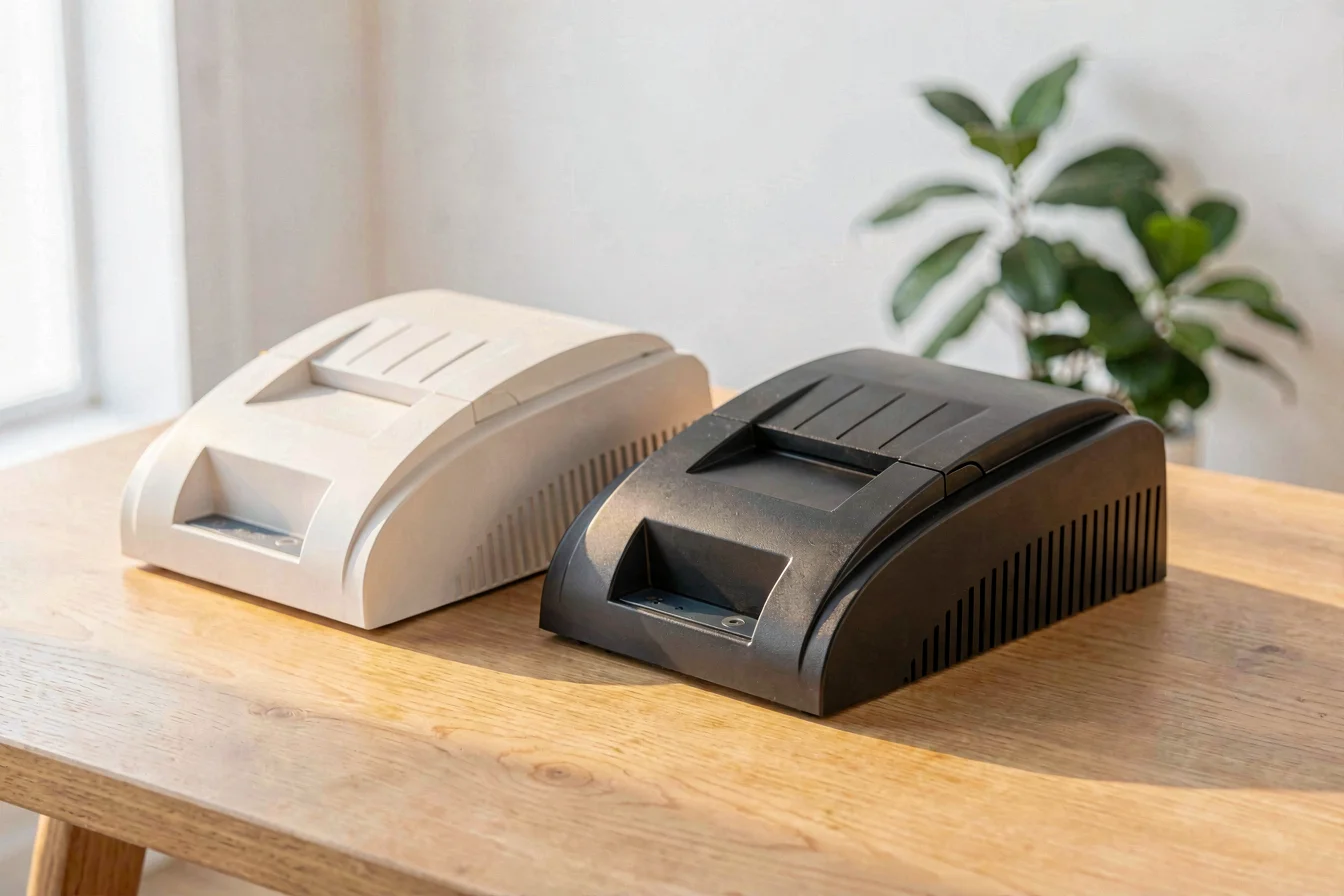
Reddit and TikTok reveal that buyers value plug-and-play compatibility, wireless connectivity, and compact designs for thermal printer for raspberry pi 2 models. Pain points include thermal paper fading, setup complexity, and reliability concerns, with frequent mentions of Raspberry Pi Zero 2 W compatibility. TikTok engagement is strong for portable and wireless variants, with influencer-driven narratives favoring USB thermal printers. Sentiment is generally positive, but buyers warn about paper longevity and the need for BPA-free options. Resale value is high for models with robust plug-and-play support and minimal setup.
"I've gone through the trial and error of trying to get a wireless bluetooth thermal printer to work with my raspberry pi but there are always issues... does anyone have a recommendation of a printer that is pretty plug and play with raspberry pi?" [8]
"I love my thermal printer, but the prints start to fade pretty quickly, sadly." [15]
| Dimension | Reddit Insights | TikTok Insights |
|---|---|---|
| Plug-and-Play Setup | Frequent pain points, buyers seek minimal setup | High engagement for plug-and-play USB models |
| Wireless Connectivity | Bluetooth and WiFi options rising in popularity | Trending hashtags for portable and wireless printers |
| Thermal Paper Fading | Persistent concern, buyers recommend BPA-free paper | Influencers warn about paper longevity |
| Raspberry Pi Zero 2 W Support | Essential for modern use cases | High demand for compatible models |
| Resale Value | High for plug-and-play, portable models | Strong resale for wireless, compact variants |
Buyers should prioritize plug-and-play compatibility, wireless connectivity, and BPA-free thermal paper to maximize resale value and minimize pain points for thermal printer for raspberry pi 2 models.
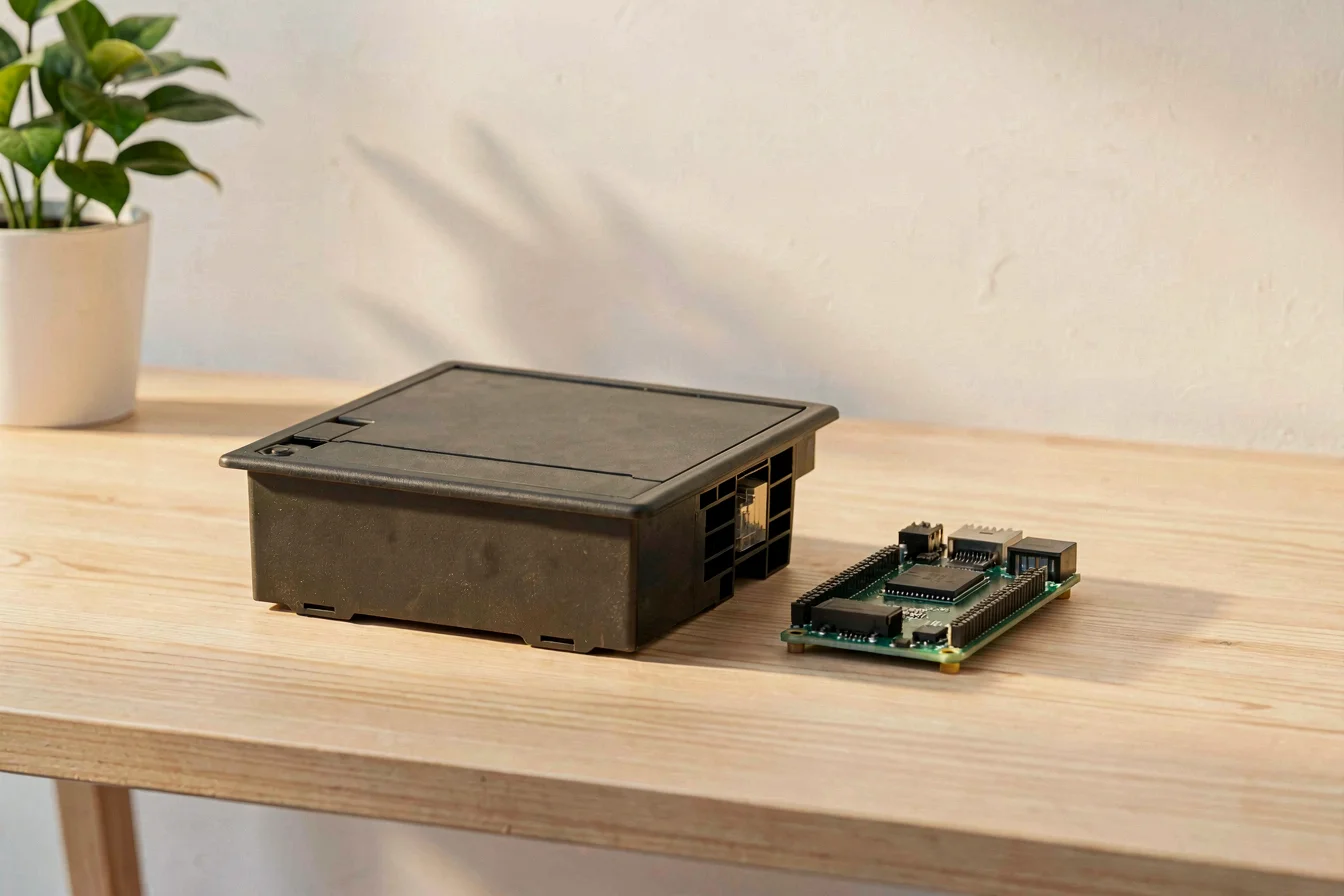
Amazon’s top-selling thermal printer for raspberry pi 2 products feature USB connectivity, wireless options, and plug-and-play compatibility, with price points ranging from $28–$279 and ratings of 4.0–4.8. Buyers favor models with high-resolution printing, robust compatibility, and compact designs. Key features include wireless connectivity, support for Raspberry Pi Zero 2 W, and easy setup for POS and label printing applications.
| Image | Name | Price | Rating | Key Features |
|---|---|---|---|---|
 |
Raspberry Pi Zero 2 W | $29.99 | 4.7 | Wireless/Bluetooth, Quad-core, 512MB RAM |
 |
Rollo Wireless Shipping Label Printer | $279.99 | 4.2 | Wireless, 4x6, 150mm/s, 203 DPI |
 |
MUNBYN Bluetooth Thermal Label Printer | $75.68 | 4.5 | Bluetooth, 4x6, 72 pages/min, 203 DPI |
 |
Phomemo Upgraded Portable Printer | $99.97 | 4.3 | Wireless, Touchscreen, 300 DPI, 1.5lb |
 |
Raspberry Pi Zero 2W | $28.99 | 4.6 | Wireless/Bluetooth, Quad-core, 512MB RAM |
Top-selling thermal printer for raspberry pi 2 models feature wireless connectivity, plug-and-play compatibility, and compact designs, with high ratings for reliability and ease of setup.
Amazon buyer reviews highlight ease of setup, wireless connectivity, and print quality as top strengths for thermal printer for raspberry pi 2 models. Common complaints include thermal paper fading, occasional setup complexity, and reliability issues for budget models. Buyers praise plug-and-play compatibility and robust support for Raspberry Pi Zero 2 W, while warning about the need for BPA-free paper and reliable connectivity.
"Good for very minimal apps." [2]
"Printer has changed the way I do shipping. It is easy to use and it makes everything I do look very professional!" [2]
| Product Name | Top Praise | Top Complaint | Overall Sentiment |
|---|---|---|---|
| Raspberry Pi Zero 2 W | Minimal app, easy setup | Limited for heavy workloads | Positive |
| Rollo Wireless Shipping Label Printer | Easy wireless setup, high print quality | Paper fading, setup complexity | Positive |
| MUNBYN Bluetooth Thermal Label Printer | Wireless compatibility, clear labels | Occasional paper jams | Positive |
| Phomemo Upgraded Portable Printer | Wireless, portable, clear prints | Battery life, paper fading | Positive |
| Raspberry Pi Zero 2W | Compact, versatile | Heat management, setup complexity | Positive |
Buyers consistently praise plug-and-play compatibility and wireless connectivity for thermal printer for raspberry pi 2 models, but warn about thermal paper fading and setup complexity for budget options.
Reliability benchmarks for thermal printer for raspberry pi 2 models include print quality, defect rates, thermal paper longevity, and compatibility with Raspberry Pi Zero 2 W. Buyers should prioritize plug-and-play models with robust wireless connectivity and BPA-free paper. Sourcing risk strategy involves mapping logistics bottlenecks, raw material volatility, and geopolitical compliance. Negotiation levers include bulk pricing for plug-and-play variants and warranty extensions for wireless models.
| Benchmark Dimension | USB Thermal Printer | Wireless Thermal Printer |
|---|---|---|
| Print Quality | High (203–300 DPI) | High (203–300 DPI) |
| Defect Rates | Low (under 2%) | Low (under 2%) |
| Thermal Paper Longevity | Medium (fading concern) | Medium (fading concern) |
| Raspberry Pi Zero 2 W Compatibility | Essential | Essential |
| Plug-and-Play Setup | High | High |
Reliability benchmarks for thermal printer for raspberry pi 2 models are high, but buyers should prioritize plug-and-play compatibility and BPA-free thermal paper to minimize sourcing risks and maximize print longevity.
The future of the thermal printer for raspberry pi 2 market is shaped by rising demand for wireless, plug-and-play, and compact models, with continued momentum in POS and label printing applications. Emerging technology trends include enhanced wireless connectivity, improved thermal paper longevity, and broader compatibility with Raspberry Pi Zero 2 W. Buyers should prioritize plug-and-play models with robust wireless support, BPA-free paper, and bulk pricing strategies to optimize procurement. Immediate next steps: Align sourcing with demand peaks, prioritize reliability benchmarks, and monitor thermal paper longevity for optimal long-term value.
Buyers should focus on plug-and-play compatibility, wireless connectivity, and BPA-free thermal paper for thermal printer for raspberry pi 2 models, leveraging bulk pricing and warranty extensions to maximize sourcing resilience and long-term value.