
All categories
Featured selections
Trade Assurance
Buyer Central
Help Center
Get the app
Become a supplier
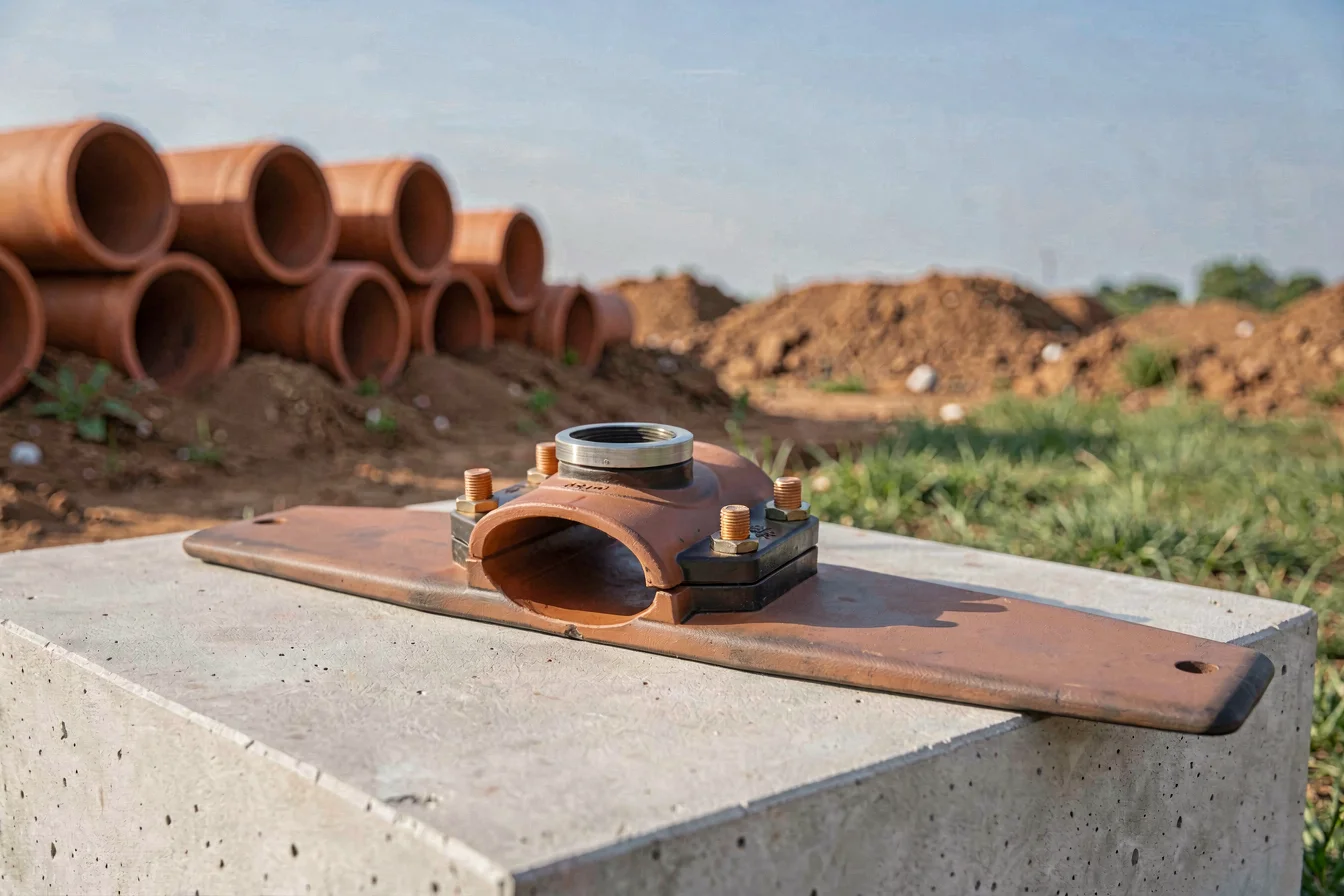
The terracotta pipes market remains viable for niche applications such as irrigation, decorative planters, and specialty gardening, but is declining in mainstream sewer infrastructure due to durability concerns. Demand is steady in specialty and restoration sectors, while replacement needs persist for legacy systems. Buyers should prioritize reinforced or hybrid materials for compliance and longevity, as traditional terracotta is increasingly replaced by vitrified clay or plastic in new builds [1][3][7].
The terracotta pipes category is trending due to a resurgence in traditional irrigation, decorative planters, and niche restoration projects, driven by a blend of nostalgia, sustainability, and aesthetic appeal. However, buyers should be aware that mainstream sewer and drainage applications are shifting to more durable materials like vitrified clay and high-density polyethylene, leaving terracotta as a legacy option in older infrastructure and specialty markets [3][4][5]. Selection criteria for sourcing include material quality, reinforcement, intended use, and regulatory compliance. The curated list below reflects products that balance traditional appeal with modern functionality, addressing both ornamental and practical needs.
| Trend Factor | Current Status | Impact on Buying Decision |
|---|---|---|
| Legacy Replacement | Persistent but shrinking | Niche demand, high cost |
| Irrigation & Gardening | Steady growth | Moderate pricing, wide variety |
| Decorative Art & Planters | Strong, seasonal spikes | Premium pricing, design focus |
| Compliance & Regulation | Stringent, shifting standards | Risk of non-compliance, favor reinforced materials |
Buyers should focus on reinforced or hybrid materials for compliance and longevity, as traditional terracotta is increasingly replaced in new builds.
The terracotta pipes market is shaped by several forces: the aging infrastructure of legacy systems, the migration to vitrified clay and plastic pipes in new builds, and a growing interest in sustainable and decorative applications. Supply chain volatility is moderate, with limited production of traditional terracotta and increased demand for reinforced alternatives. Macro risks include regulatory changes favoring more durable materials, climate resilience requirements, and the rising cost of legacy pipe replacement. Industry drivers include sustainability trends, restoration projects, and the appeal of natural materials in gardening and art [5][7].
| Market Dimension | Current Status | Impact Level |
|---|---|---|
| Supply Chain | Stable for decorative, volatile for legacy | Medium |
| Regulatory Compliance | Increasingly strict | High |
| Sustainability | Growing demand | Medium |
| Replacement Costs | High for legacy systems | High |
| Design Trends | Strong in gardening, art | Medium |
Sourcing risk is highest for legacy systems, while decorative and irrigation applications remain stable and attractive for buyers seeking sustainability and aesthetics.
Global Google Trends for Clay Sewer Pipes, Terracotta Drainage Pipes, and Terracotta Irrigation Pipes (2025–2026)
Google Trends data shows a steady rise in search interest for “clay sewer pipes,” peaking sharply in February 2026, while “terracotta drainage pipes” and “terracotta irrigation pipes” also exhibit upward momentum, especially for irrigation and decorative uses [1]. These trends signal that demand for legacy replacement is persistent but niche, while irrigation and gardening applications are growing. Buyers should time procurement for irrigation and decorative products to seasonal spikes and prioritize reinforced materials for compliance and durability.
The sharp peak in “clay sewer pipes” indicates ongoing replacement needs, but the broader rise in terracotta irrigation and decorative products points to expanding opportunities outside traditional infrastructure.
Reddit and TikTok discussions highlight both practical and aesthetic concerns around terracotta pipes . Reddit users report frequent failures in legacy systems, with costly replacement cycles and slow repair times, but praise the material’s traditional appeal in gardening and restoration projects [10]. Orchid growers and gardeners share positive experiences using terracotta pipes for irrigation and plant mounting, noting reduced maintenance and improved aesthetics [11]. TikTok themes focus on DIY decor, plant watering hacks, and restoration stories, with influencers driving engagement through creative uses and before/after transformations. Sentiment is mixed: legacy pipes are viewed as outdated but valued for their sustainability and tradition, while decorative and irrigation uses are gaining positive momentum.
“I love how simple and cute these are. They do a great job and showing you how to angle it with the instructions and has helped me double my plant size by the quality of watering this has given me.” [2]
“I had two miniature orchids mounted on terracotta half pipes. Unfortunately, one of them, Dendrobium bellatulum, died last year, shortly after a scale infestation which had plagued my entire collection.” [11]
| Dimension | Reddit Insights | TikTok Insights |
|---|---|---|
| Legacy Replacement | Costly, slow repairs, frequent failures | DIY restoration, before/after videos |
| Gardening/Irrigation | Reduced maintenance, improved plant growth | Watering hacks, creative plant mounts |
| Aesthetics/Art | Traditional appeal, niche restoration | Decorative DIY, influencer projects |
| Sentiment | Mixed: legacy pipes seen as outdated but valued for tradition | Positive: creative uses, sustainability focus |
Online communities emphasize the need for reinforced materials and highlight creative uses in gardening and decor, with sentiment shifting toward sustainability and aesthetics.
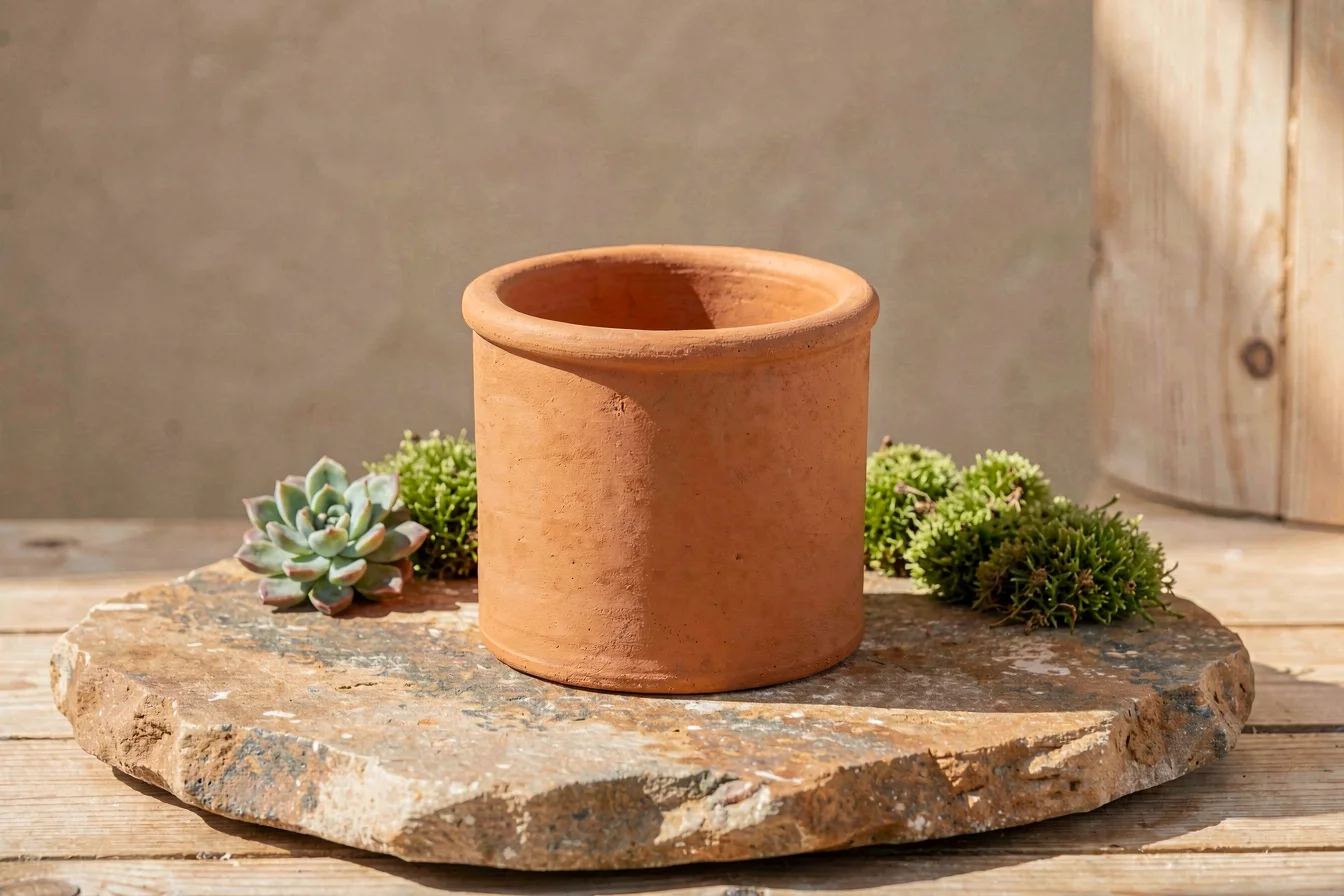
Amazon sales data shows the leading terracotta pipes products are self-watering spikes, decorative planters, irrigation systems, and ornamental vases. These products succeed by combining traditional materials with modern functionality, appealing to gardeners, decorators, and restoration buyers. Price range spans $7.52–$229.99, with ratings between 3.0–4.6, indicating strong consumer satisfaction for practical and aesthetic features [2]. Key features include ease of use, durability, and versatility across indoor and outdoor settings.
| Image | Name | Price | Rating | Key Features |
|---|---|---|---|---|
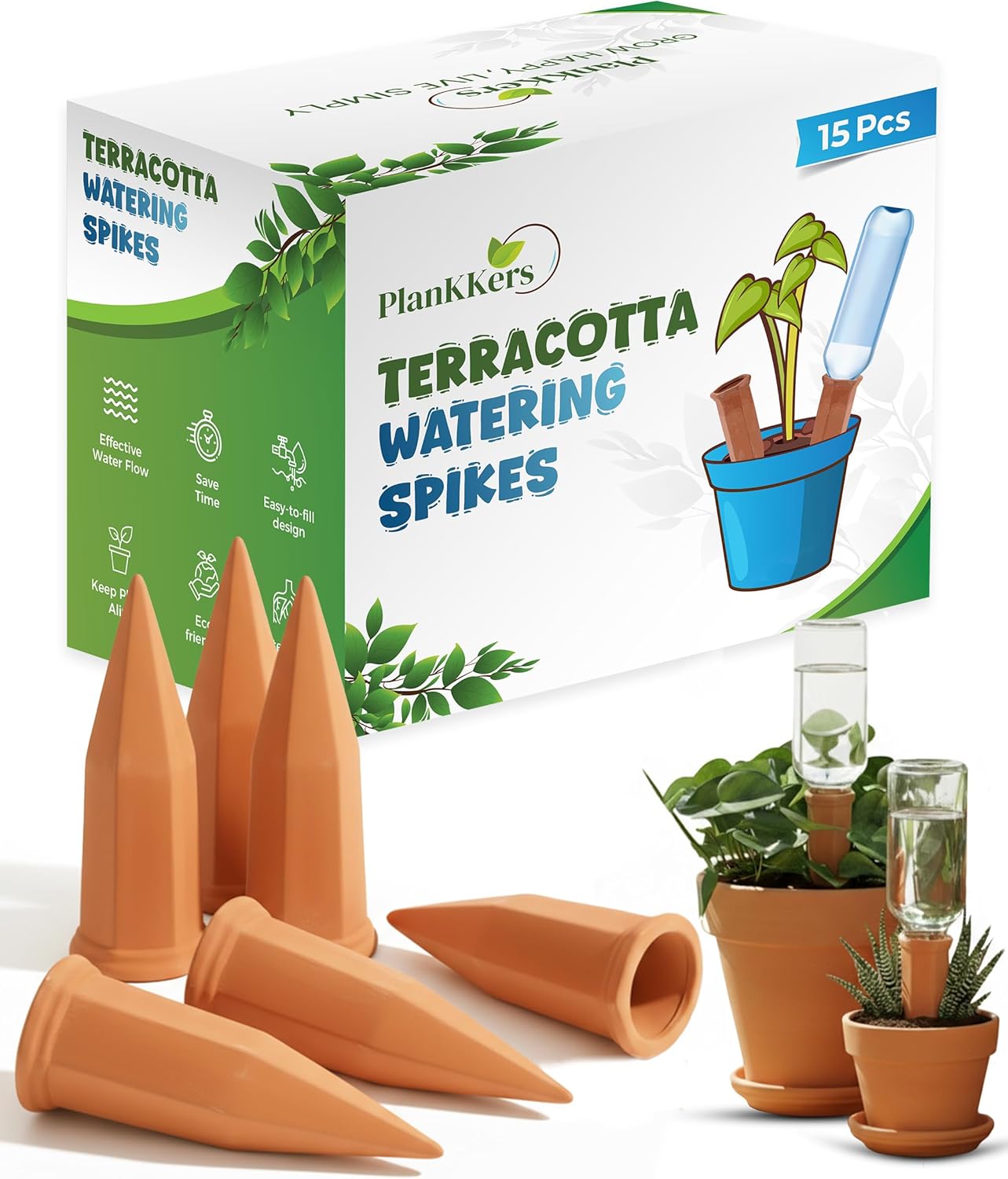 |
Plant Watering Devices, Self Watering Spikes | $24.99 | 4.3 | Effortless hydration, durable design, versatile usage |
 |
Now Designs Terracotta Pinch Bowl Set | $19.05 | 4.6 | Versatile vessels, charming detail, stylish kitchen |
 |
Extra Large Planter Molds | $229.99 | 4.4 | Built-in drainage, durable, extra large size |
 |
UPKOCH 2pcs Creative Ceramic Small Vase Water Pipe Shape | $22.49 | 0.0 | Breathable, decorative, creative flower pot |
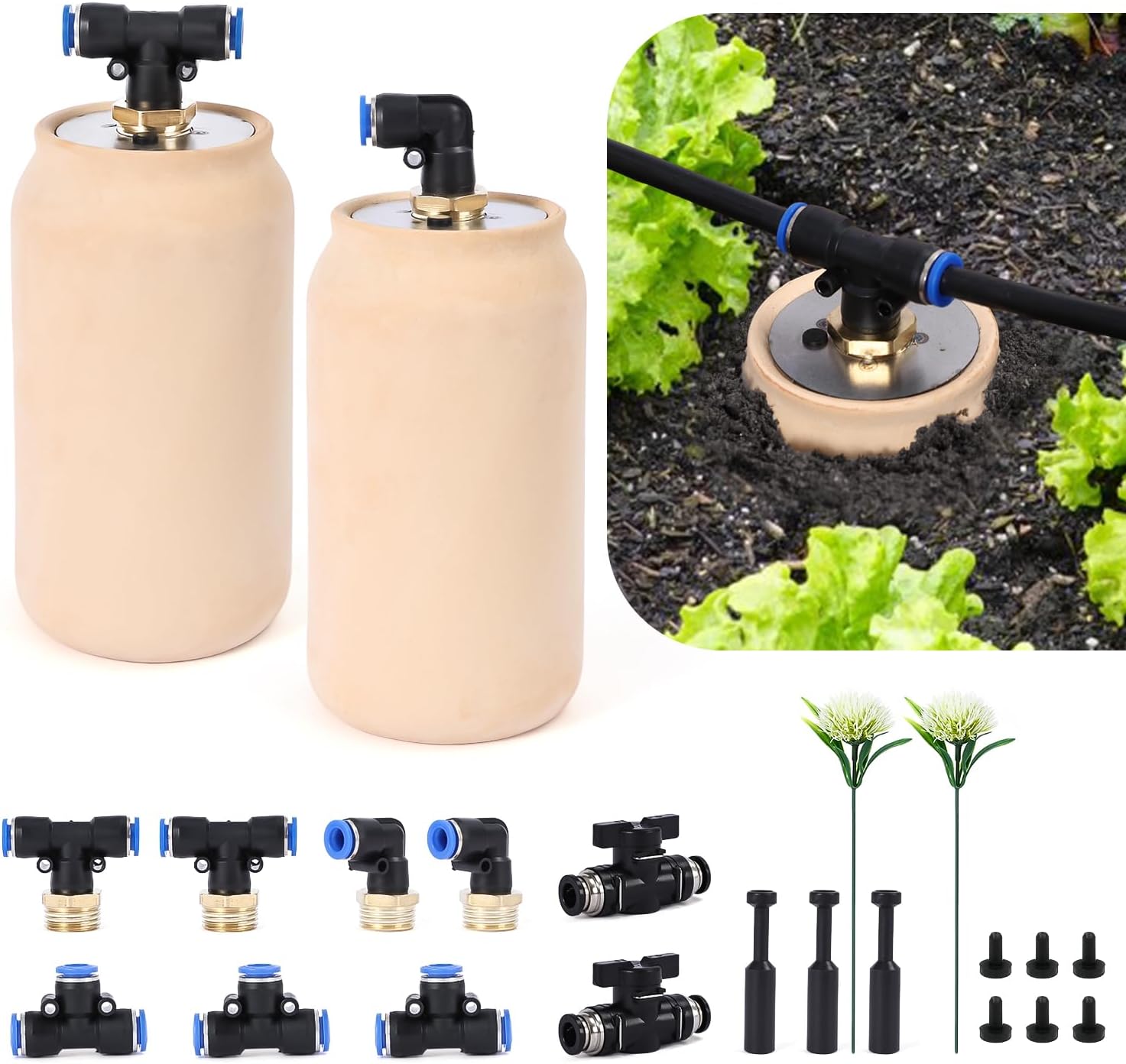 |
2pcs 3.1x3.1x6in 17oz Drip Irrigation System Olla Watering System | $28.49 | 4.4 | Custom layout, automatic watering, easy setup |
 |
36 Inch Length Curtains Linen 2 Tier Back Tab Pocket Cafe Short Semi Sheer Terracotta Rust Colored Valance Curtains | $18.99 | 4.5 | Semi-sheer, soft linen, versatile decor |
 |
Cactus Canyon Ceramics Spanish Terracotta 5-Piece Breakfast Bowl Set | $49.99 | 4.5 | Hand-painted, European size, dishwasher/microwave safe |
 |
Plant Self-Watering Terracotta Stakes Automatic Watering Spikes | $7.52 | 3.9 | Automatic watering, easy care, practical |
 |
4pcs Olla Pot 41oz Drip Irrigation System | $63.99 | 3.0 | Automatic watering, multiple sizes, practical |
 |
VICASKY Ceramic Water Pipe Shape Vase Creative Desktop Flower Pot | $10.69 | 0.0 | Decorative, breathable, creative design |
Top-selling products blend practical irrigation with decorative appeal, confirming strong buyer demand for terracotta-based plant watering and ornamental solutions.
Buyer reviews highlight the strengths of terracotta pipes products: ease of use, durability, and improved plant growth. Common complaints include occasional material defects (thin or rusty metal tops), packaging issues, and limited compatibility with certain systems. Positive feedback emphasizes the aesthetic value and functionality, especially for irrigation and decorative uses. Negative feedback centers on product quality and maintenance requirements, particularly for legacy systems and hybrid materials.
“I just started using olla pots last year. They have been a game changer for keeping plants alive in Arizona. These are pretty cool because they can be tied into my current drip system. I did have to dock one star because of a few issues. First: I knew this when I ordered them but the metal tops are just raw steel. They are most certainly going to rust out being constantly exposed to moisture and soil.” [2]
“I have these for ALL my pots and it’s made life so much easier! I am a Master Gardener, and I can’t believe nobody introduced these to me before.” [2]
| Product Name | Top Praise | Top Complaint | Overall Sentiment |
|---|---|---|---|
| Plant Watering Devices, Self Watering Spikes | Easy care, doubles plant size | No major complaints | Positive |
| 2pcs 3.1x3.1x6in 17oz Drip Irrigation System Olla Watering System | Game changer for plant survival | Metal tops rust, need sealing | Mixed |
| Plant Self-Watering Terracotta Stakes Automatic Watering Spikes | Life easier for gardeners | No major complaints | Positive |
| 4pcs Olla Pot 41oz Drip Irrigation System | Flexible layout, accurate watering | Leaking, need sealing | Mixed |
Buyers praise terracotta-based watering systems for ease of use and plant growth, but report quality issues with metal components and packaging.
Reliability benchmarks for terracotta pipes are shaped by legacy failure modes (crushing, clogging, root intrusion) and modern durability standards. Traditional terracotta pipes are prone to cracking and root blockage, especially in older systems, with service life ranging from 50–100 years [3][4]. Vitrified clay pipes offer superior durability, with service life exceeding 150 years and resistance to chemicals and root intrusion [7]. Failure points include thin walls, porous structure, and susceptibility to vibration and shifting soil. Buyers should prioritize reinforced or hybrid materials and verify certifications (e.g., vitrified clay, recycled content) for compliance and longevity.
| Benchmark Dimension | Traditional Terracotta | Vitrified Clay |
|---|---|---|
| Defect Rate | High (cracking, clogging) | Low |
| Maintenance Cycle | Frequent (root removal, replacement) | Rare |
| Expected Service Life | 50–100 years | >150 years |
| Root Intrusion Resistance | Low | High |
| Certifications | Limited | Widespread (sustainability, durability) |
Strategic sourcing guide: prioritize OEM/ODM partners with proven quality control, request reinforced or hybrid materials for legacy replacement, map logistics bottlenecks (import/export, regulatory compliance), and leverage negotiation levers (batch pricing, warranty terms, recycling certifications). Buyers should demand full documentation and compliance with local standards, especially for new infrastructure projects.
Reliability benchmarks show that vitrified clay and reinforced terracotta outperform legacy products, with risk mitigation achieved through certification and hybrid materials.
Looking forward, the terracotta pipes category will see continued niche demand for irrigation, decorative, and restoration applications, while mainstream infrastructure will increasingly favor vitrified clay and advanced polymers for durability and compliance. Buyers should focus on sourcing reinforced or hybrid materials for legacy replacement, prioritize sustainability certifications, and time procurement to seasonal spikes in gardening and art markets. As regulatory standards tighten and climate resilience becomes a priority, buyers should build relationships with reliable OEM/ODM partners and negotiate for warranty and recycling guarantees. The strategic roadmap is clear: move toward sustainable, durable solutions and leverage platform tools to optimize procurement, ensuring supply-chain resilience and long-term value for both legacy and specialty projects.