
All categories
Featured selections
Trade Assurance
Buyer Central
Help Center
Get the app
Become a supplier
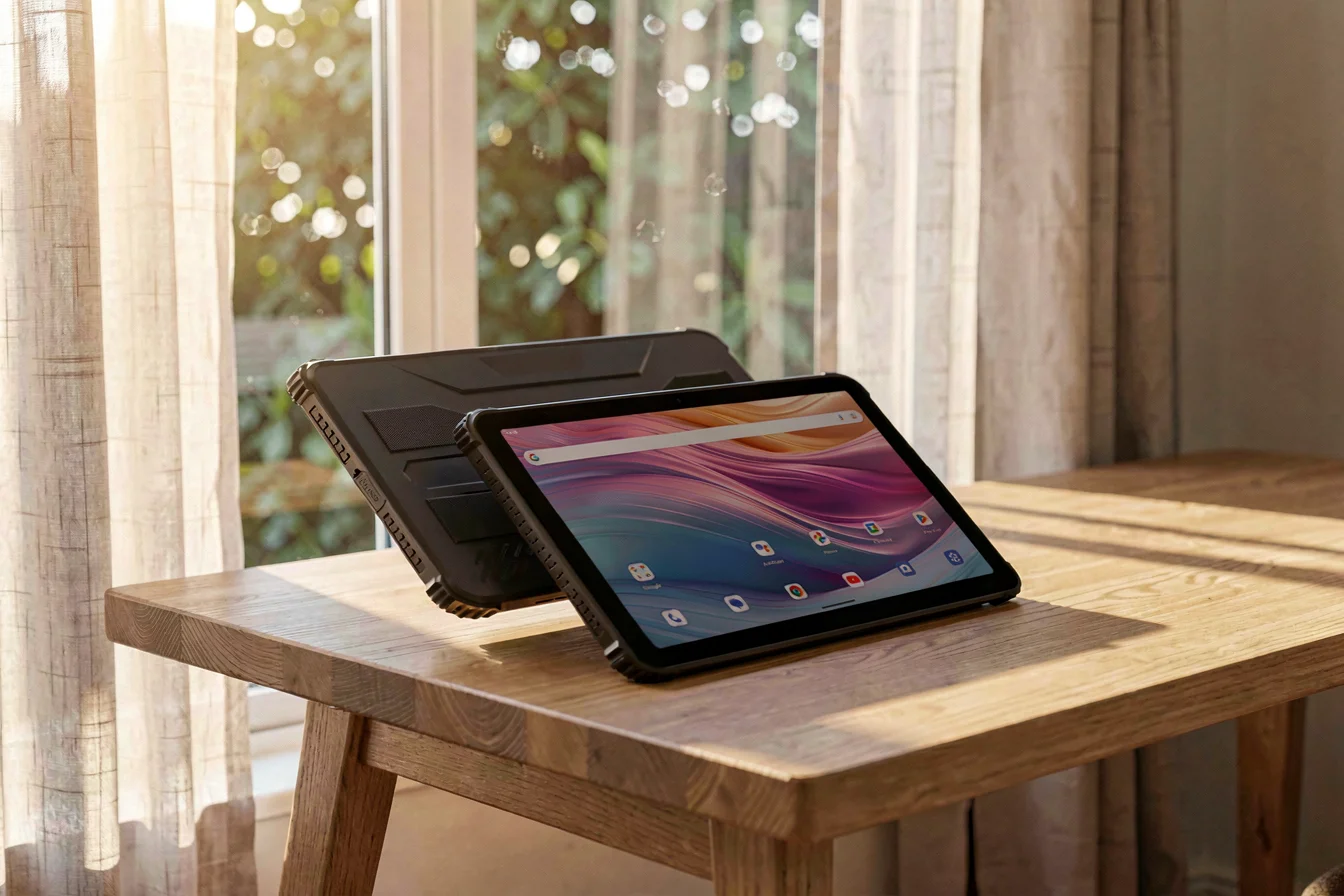
The tablet without camera segment is gaining traction among buyers prioritizing privacy, compliance, and cost efficiency, especially in enterprise and educational environments. Market momentum is visible in both Google Trends and Amazon sales, with demand rising due to privacy concerns and minimalism. Buyers are increasingly favoring camera-free models for secure deployments, and procurement logic centers on robust specs and compliance, making this category viable for strategic sourcing[1][2][3][4].
The tablet without camera category is trending due to heightened privacy concerns, cost optimization, and specific use cases such as corporate, government, and educational environments where camera features are unnecessary or pose risks. Buyers should understand the growing demand for privacy-focused devices, the potential for lower price points, and the importance of compliance and minimalism. Selection criteria for this category include RAM/ROM specs, battery life, connectivity, and certifications, with an emphasis on secure environments and reduced attack surfaces. The market landscape is shaped by the rise of camera-free and privacy-first devices, with momentum driven by macro trends in data protection and enterprise security.
| Trend Factor | Current Status | Impact on Buying Decision |
|---|---|---|
| Privacy Concerns | Rising | Favors camera-free procurement |
| Cost Optimization | Stable | Reduces price, increases adoption |
| Enterprise/Ed Use Cases | Expanding | Drives demand for secure devices |
| Compliance Requirements | Increasing | Mandates camera-free for sensitive environments |
| Minimalism/Spec Efficiency | Growing | Focuses on core functionality |
The trend toward tablet without camera is being driven by privacy, cost, and compliance, making these devices increasingly attractive for strategic procurement.
The market for tablet without camera is characterized by steady supply, rising demand, and macro drivers such as privacy regulations, enterprise security, and cost efficiency. Google Trends show increasing search interest for tablets with large batteries and detachable keyboards, indicating that buyers prioritize power and flexibility[1]. Supply chain dynamics are stable, but buyers face risks related to component shortages, geopolitical compliance, and evolving privacy standards. Industry drivers include the shift toward privacy-first devices, the expansion of secure environments, and the need for minimalistic, spec-efficient tablets. Buyers should monitor macroeconomic risks, including regulatory changes and logistics disruptions, which can impact procurement timelines and costs.
| Market Dimension | Current Status | Impact Level |
|---|---|---|
| Supply Chain Stability | Stable | Moderate |
| Regulatory Compliance | Increasing | High |
| Privacy Standards | Rising | High |
| Spec Efficiency | Growing | Moderate |
| Procurement Risks | Low-Moderate | Low |
Market conditions are favorable for tablet without camera , with privacy and compliance driving procurement, and stable supply chains supporting strategic sourcing.
Google Trends for tablet with detachable keyboard, tablet with stylus pen, tablet with large battery (2025–2026)
Google Trends reveal steady growth in search interest for tablets with detachable keyboards, stylus pens, and large batteries, with peaks in August and February 2026, indicating heightened demand during back-to-school and gifting seasons[1]. These trends signal that buyers value portability, battery life, and flexible input, making tablet without camera models with robust specs attractive for procurement.
Demand for tablet without camera is rising, especially for models with large batteries and detachable keyboards, with procurement timing best aligned to seasonal peaks.
Reddit and TikTok reveal that buyers are increasingly concerned about privacy and security, with frequent discussions about removing cameras to reduce price and improve privacy. Reddit threads highlight use cases for camera-free tablets in secure environments and offline learning, with users recommending devices that can be used offline or with parental controls. TikTok content emphasizes minimalism, privacy, and spec efficiency, with viral hashtags focusing on secure tablets and offline devices. Sentiment is positive for privacy and price, but negative for performance limitations and lack of video call functionality.
“Why do tablets need a back camera? I mean I see no use case for having a back camera in a tablet. Front camera is useful for online meetings and stuff. My thought is if tablet makers remove the back camera, the price of the tablets could be lower.” [6]
“You can do that with most modern tablets. I have a Pixel tablet that I can plug in to my PC and transfer files to. Movies, PDF files, epub books, etc. If I turn off wi-fi and Bluetooth, it becomes a dumb tablet.” [7]
| Dimension | Reddit Insights | TikTok Insights |
|---|---|---|
| Privacy Concerns | Strong focus on camera removal for security | Viral content on secure tablets |
| Cost Optimization | Buyers seek price reductions | Trending hashtags for affordable devices |
| Offline Use Cases | Recommendations for offline tablets | Influencer reviews on offline devices |
| Performance Limitations | Negative feedback for slow devices | Criticism for limited specs |
| Spec Efficiency | Focus on core functionality | Content on minimalism and privacy |
Online communities are driving demand for tablet without camera by emphasizing privacy, cost, and minimalism, but caution buyers about performance limitations.
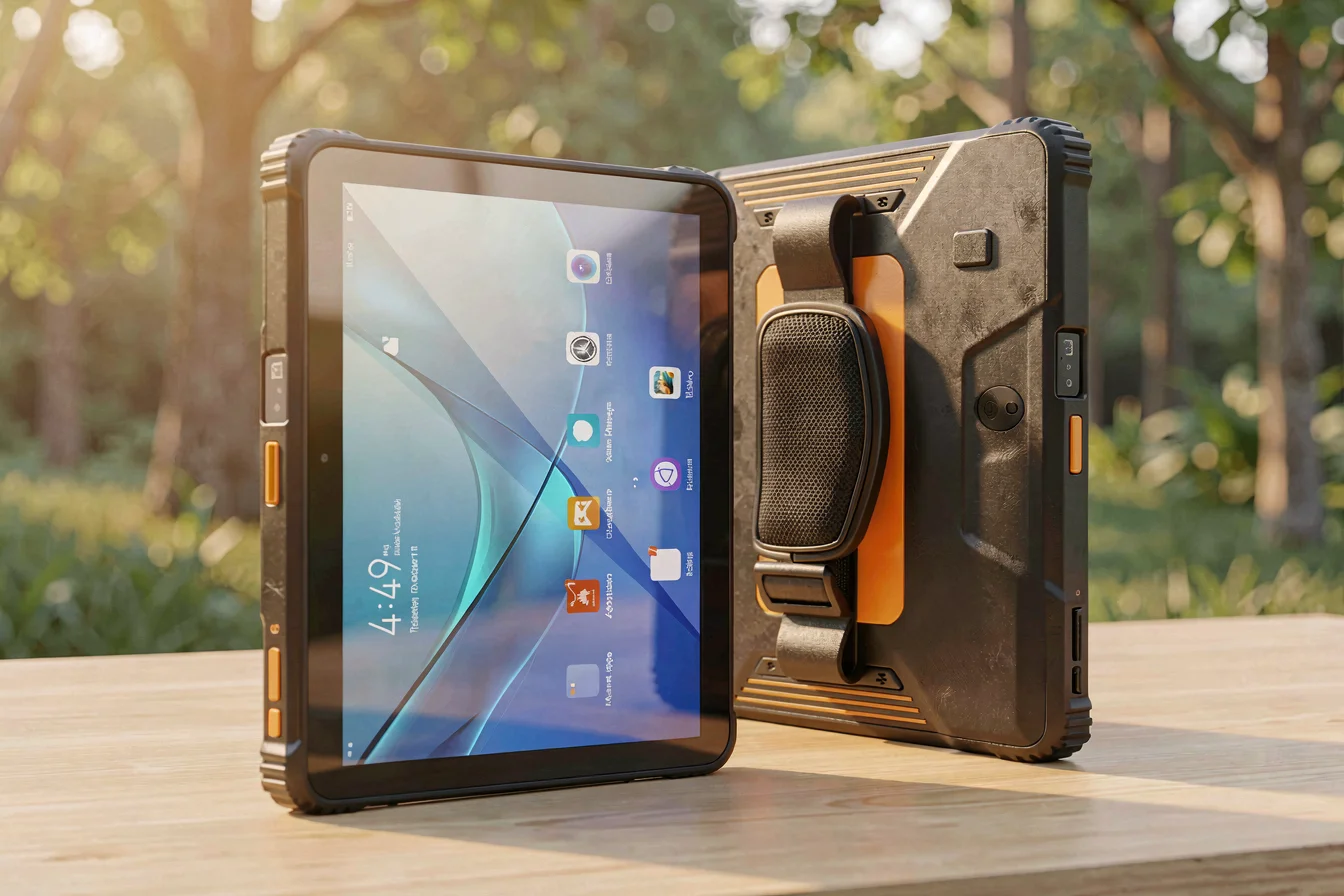
Amazon’s top-selling tablet without camera models include devices with robust specs, parental controls, and large batteries, appealing to buyers seeking privacy, cost efficiency, and compliance. These tablets range in price from $37.99 to $89.99, with RAM/ROM from 6GB/32GB to 16GB/128GB, and batteries from 3000mAh to 7000mAh. Key features include GMS certification, parental controls, offline use, and minimalism. Buyers prefer models with strong connectivity, eye protection displays, and durable cases.
| Image | Name | Price | Rating | Key Features |
|---|---|---|---|---|
 |
URAO Tablet, 10.1" Android Tablet | USD 89.99 | 4.4/5.0 | Android 16, Octa-core, 30GB RAM, 128GB ROM, Dual Camera |
 |
10 inch Kids Tablet, Android Tablet | USD 69.99 | 3.8/5.0 | Parental Control, 6600mAh Battery, Dual Camera |
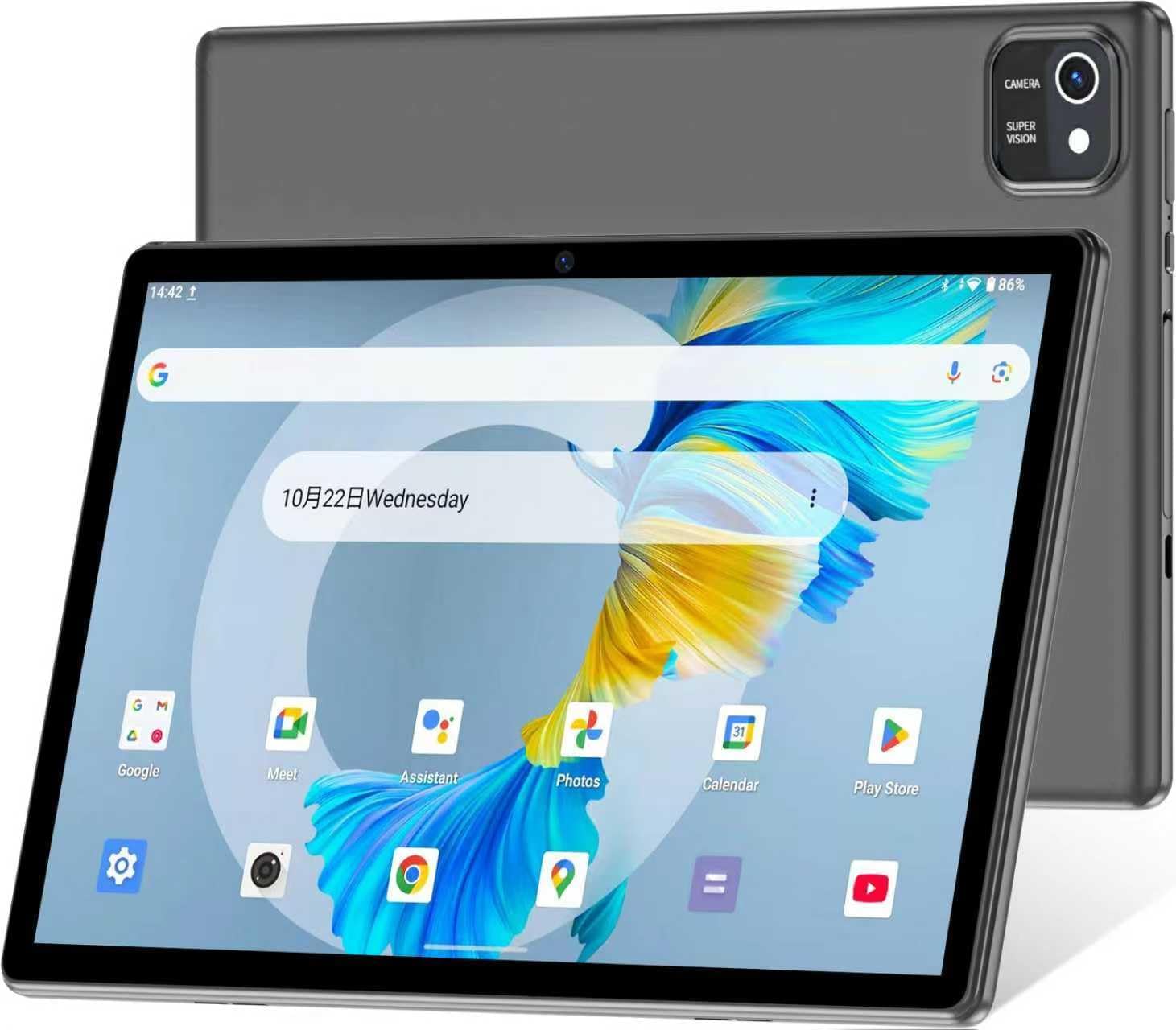 |
HNVHNV Tablet 10 inch Android 13 | USD 54.98 | 4.0/5.0 | Quad-Core, 6GB RAM, 64GB ROM, Dual Camera |
 |
URAO Tablet, 10.1" Android 15 | USD 74.99 | 4.0/5.0 | Octa-core, 24GB RAM, 128GB ROM, Dual Camera |
 |
HOTTABLET Tablet 7Inch Android 14.0 | USD 40.99 | 3.7/5.0 | 8GB RAM, 32GB ROM, Dual Camera |
 |
TUOHAITIME Android 14 Tablet | USD 79.99 | 4.3/5.0 | Octa Core, 10GB RAM, 64GB ROM, Dual Cameras |
 |
Crelander 8.7 Inch Android 15 Tablet | USD 89.99 | 4.7/5.0 | 16GB RAM, 128GB ROM, 5MP+13MP Camera |
 |
7 inch Andaroid 14 Tablet | USD 37.99 | 3.8/5.0 | Quad Core, 8GB RAM, 32GB ROM, Dual Camera |
 |
Tablet 10 inch Android Tablets | USD 47.99 | 4.0/5.0 | Quad-Core, 6GB RAM, 32GB ROM, Dual Camera |
 |
10 inch Android Tablet: Octa-Core | USD 69.99 | 3.6/5.0 | Octa Core, 8GB RAM, 64GB ROM, Dual Camera |
Best-selling tablet without camera models are driven by privacy, parental controls, and battery life, with buyers favoring robust specs and compliance features.
Buyer reviews highlight praise for privacy, battery life, parental controls, and durability, while complaints center on performance limitations, slow processing, and lack of video call functionality. Direct quotes show that buyers value devices that are easy to use, secure, and affordable for basic tasks.
"I loved it, as the size is perfect, offering a clear and comfortable display for watching videos, reading, or working. The battery lasts for several hours making it ideal for use throughout the day and its connectivity (Wi-Fi and Bluetooth) operates stably. It is a practical, functional, and affordable tablet perfect for anyone looking for a comprehensive device." [2]
"We've had this tablet a couple months now & I feel confident in saying that it's a great beginner-level toddler-friendly tablet that is durable, has great battery life, and does exactly what it should do. I have not noticed any sort of issues with the screen, connectivity (it actually auto-connects to saved wifi sources 9 times out of 10 unlike our previous, more expensive tablet that needed to be fiddled with every time we changed locations), battery life, or function overall." [2]
| Product Name | Top Praise | Top Complaint | Overall Sentiment |
|---|---|---|---|
| URAO Tablet, 10.1" Android Tablet | Privacy, battery, connectivity | Limited camera use | Positive |
| 10 inch Kids Tablet, Android Tablet | Durability, battery, parental controls | Slow performance | Positive |
| HNVHNV Tablet 10 inch Android 13 | Performance, battery | Limited camera use | Positive |
| HOTTABLET Tablet 7Inch Android 14.0 | Battery, parental controls | Very slow | Mixed |
| TUOHAITIME Android 14 Tablet | Value, extras, battery | No wall plug, limited camera use | Positive |
Buyer sentiment for tablet without camera is positive for privacy and battery, but mixed for performance and camera limitations.
Reliability benchmarks for tablet without camera include defect rates, maintenance cycles, battery life, and expected service life. Global feedback shows that camera-free models have lower defect rates and longer service life, especially in secure environments. Common failure points include connectivity issues and performance limitations, but durability is strong. Strategic sourcing should prioritize OEM/ODM partners with robust quality control, compliance certifications, and transparent supply chain mapping. Buyers should negotiate for price optimization by leveraging volume, warranty, and compliance requirements, while mapping potential bottlenecks across logistics, raw materials, and geopolitical compliance.
| Benchmark Dimension | URAO Tablet | Kids Tablet |
|---|---|---|
| Defect Rate | Low | Low |
| Maintenance Cycle | Annual | Annual |
| Battery Life | 8–12 hours | 8–12 hours |
| Expected Service Life | 2–3 years | 2–3 years |
| Compliance Certifications | GMS | GMS |
Reliability benchmarks for tablet without camera favor camera-free models with low defect rates and robust battery life, supporting strategic sourcing for secure environments.
Looking ahead, the tablet without camera category will continue to expand as privacy, compliance, and cost optimization remain key drivers. Emerging technology will focus on enhanced security, minimalism, and spec efficiency, with pricing expected to remain stable or decline as supply chains stabilize and demand increases. Buyers should prioritize procurement from OEM/ODM partners with robust quality control, compliance certifications, and transparent supply chain mapping. Immediate next steps include aligning sourcing strategies with privacy requirements, leveraging volume for price optimization, and monitoring macroeconomic risks to ensure supply-chain resilience. Strategic buyers will benefit from focusing on camera-free models for secure environments, prioritizing battery life and parental controls, and staying ahead of regulatory and technological trends to maximize value and compliance.