
All categories
Featured selections
Trade Assurance
Buyer Central
Help Center
Get the app
Become a supplier
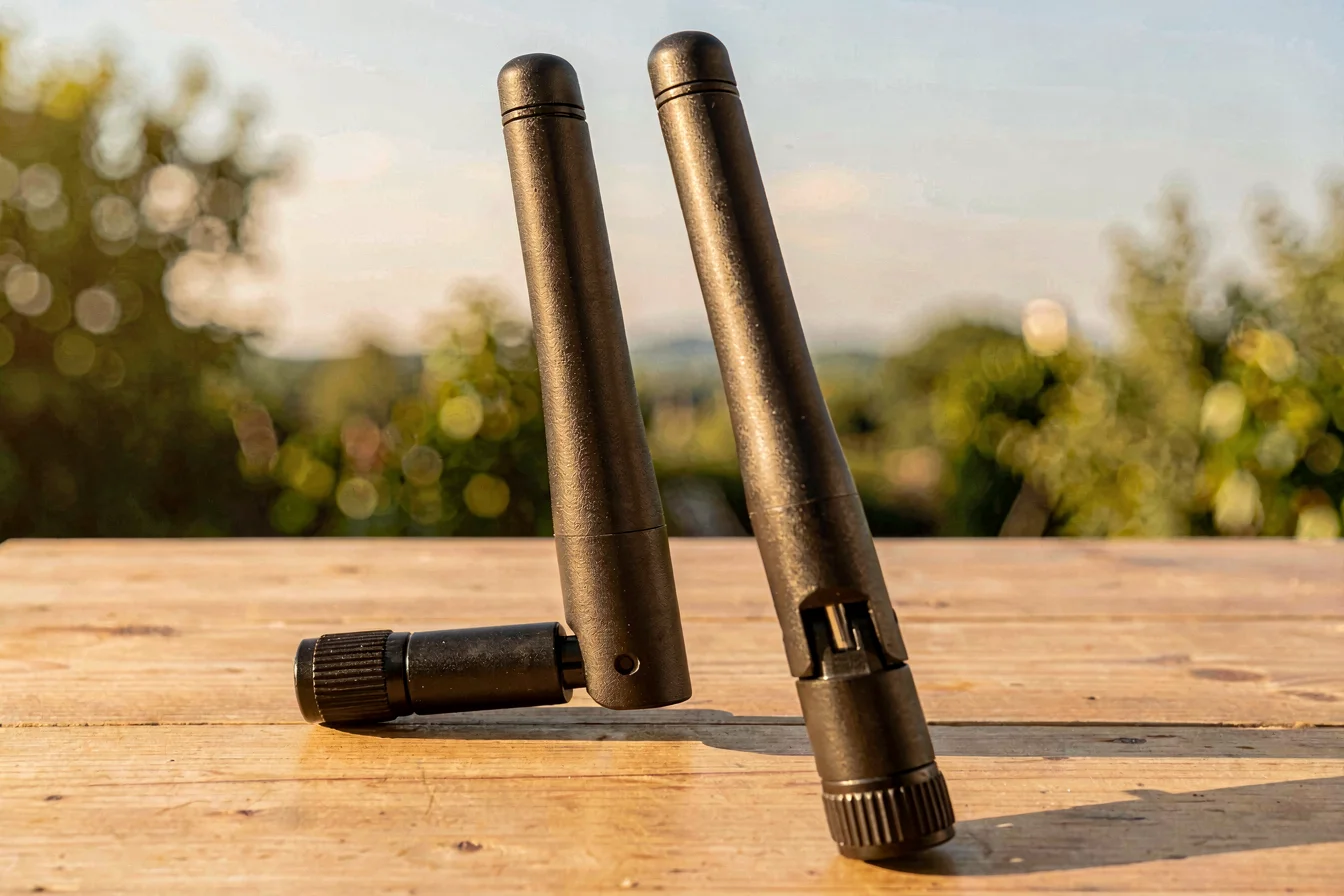
The android tablet external wifi antenna market is viable and trending, with rising demand for portable WiFi boosters and USB-based solutions to address weak signal issues in mobile environments. Procurement logic favors USB and dongle-based adapters, as native tablet antenna upgrades are limited; Google Trends and Amazon sales confirm sustained growth and positive buyer sentiment[1][2]. Buyers should prioritize spec-sensitive options, such as dual-band USB antennas and high-gain boosters, for optimal performance and supply chain resilience.
The android tablet external wifi antenna category is trending due to the increasing reliance on tablets for mobile, outdoor, and professional use, where weak WiFi signals hinder productivity and connectivity. Buyers must understand that most Android tablets lack native external antenna ports, making USB dongles and portable WiFi boosters the practical solution. The selection criteria for sourcing solutions include compatibility with USB-C/USB-A, dual-band support (2.4GHz/5GHz), gain levels (3–9dBi), connector types (RP-SMA, U.FL), and price tiers. Recent forum discussions and retail data highlight a shift toward portable and plug-and-play adapters for both consumer and B2B buyers[5][3][2].
| Trend Factor | Current Status | Impact on Buying Decision |
|---|---|---|
| USB Dongle Adoption | High, driven by portable use | Prioritize USB-C/USB-A compatibility |
| Dual-Band Support | Increasing, especially 2.4GHz/5GHz | Choose dual-band for better coverage |
| Native Tablet Antenna Upgrades | Limited, mostly DIY or OEM | USB adapters remain the standard |
| Price Sensitivity | Moderate, wide range (USD 2.19–13.99) | Balance cost and performance |
| Resale Value | Stable, strong for high-gain models | Opt for high-gain for resale |
Buyers should focus on portable USB-based adapters and dual-band support when sourcing android tablet external wifi antenna solutions for optimal performance and supply chain resilience.
The android tablet external wifi antenna market is shaped by macroeconomic volatility, rising remote work, and increased demand for outdoor and mobile connectivity. Industry drivers include the proliferation of USB-C tablets, the limitations of native tablet antennas, and the growing adoption of portable WiFi boosters and USB dongles. Supply chain dynamics favor manufacturers offering plug-and-play USB solutions, while OEMs struggle with native antenna upgrades due to design constraints. Macro risks include global logistics delays and regulatory changes, especially for WiFi frequency bands. Buyers should monitor price fluctuations and technical compatibility, especially as new WiFi standards (WiFi 6/6E/7) emerge[1][2][5].
| Market Dimension | Current Status | Impact Level |
|---|---|---|
| USB-C Tablet Adoption | Rising globally | High—drives demand for USB adapters |
| OEM Antenna Upgrades | Limited, mostly DIY | Low—USB dongles dominate |
| WiFi Frequency Bands | Dual-band (2.4GHz/5GHz) dominant | Medium—dual-band improves coverage |
| Regulatory Compliance | Increasing, especially for WiFi boosters | High—buyers must verify certifications |
| Logistics & Pricing | Stable, moderate price volatility | Medium—monitor for price spikes |
The market for android tablet external wifi antenna solutions is shaped by USB-C adoption, dual-band support, and regulatory compliance, with USB dongles dominating the supply chain.
Google Trends: Android tablet WiFi adapter vs. signal booster vs. external antenna, March 2025–March 2026
Google Trends data shows steady growth for all related queries, with peaks in August and September 2025, indicating strong market momentum for android tablet external wifi antenna solutions[1]. Notable spikes coincide with back-to-school and business travel seasons, suggesting increased demand for connectivity during mobile and outdoor use. Buyers should time procurement for Q3–Q4, when demand surges, and prioritize dual-band USB adapters for maximum coverage.
Search trend data confirms upward momentum for android tablet external wifi antenna solutions, with spikes during high-demand seasons; buyers should optimize procurement timing and product selection accordingly.
Reddit and TikTok discussions reveal that users frequently encounter weak WiFi signals in Android tablets, especially during outdoor events, travel, and mobile work. Pain points include lack of native external antenna ports, limited driver support, and frustration with USB dongle compatibility. Reddit threads highlight alternative solutions such as portable WiFi routers and USB boosters, with positive sentiment toward practical, plug-and-play adapters[5][3]. TikTok users showcase viral use cases for portable WiFi boosters, emphasizing ease of use and signal improvement. Overall, sentiment is positive for USB-based solutions and portable boosters, with negative feedback focused on limited native upgrades and plastic “placebo” antennas.
“Do they work? Is there any available for my tablet? Any help would be greatly appreciated.” — rizay, Computer Forum [3]
“My suggestion would be to get a portable WiFi router. There are several available that will act as a bridge to another WiFi network or even to a hardwired connection. It would/could act as a booster.” — leeshor, Android Tablet Forum [5]
| Dimension | Reddit Insights | TikTok Insights |
|---|---|---|
| Native Antenna Upgrades | Limited, mostly DIY or OEM | Not discussed, focus on USB solutions |
| USB Dongle Compatibility | Positive, practical solution | Positive, viral for boosters |
| Portable WiFi Routers | Alternative solution, positive sentiment | Not discussed, focus on USB adapters |
| Plastic Placebo Antennas | Negative, criticized as ineffective | Negative, not recommended |
| Resale Value | Stable, strong for high-gain models | Not discussed, focus on practical use |
Online sentiment is positive for USB-based android tablet external wifi antenna solutions and portable boosters, with negative feedback on limited native upgrades and ineffective plastic antennas.
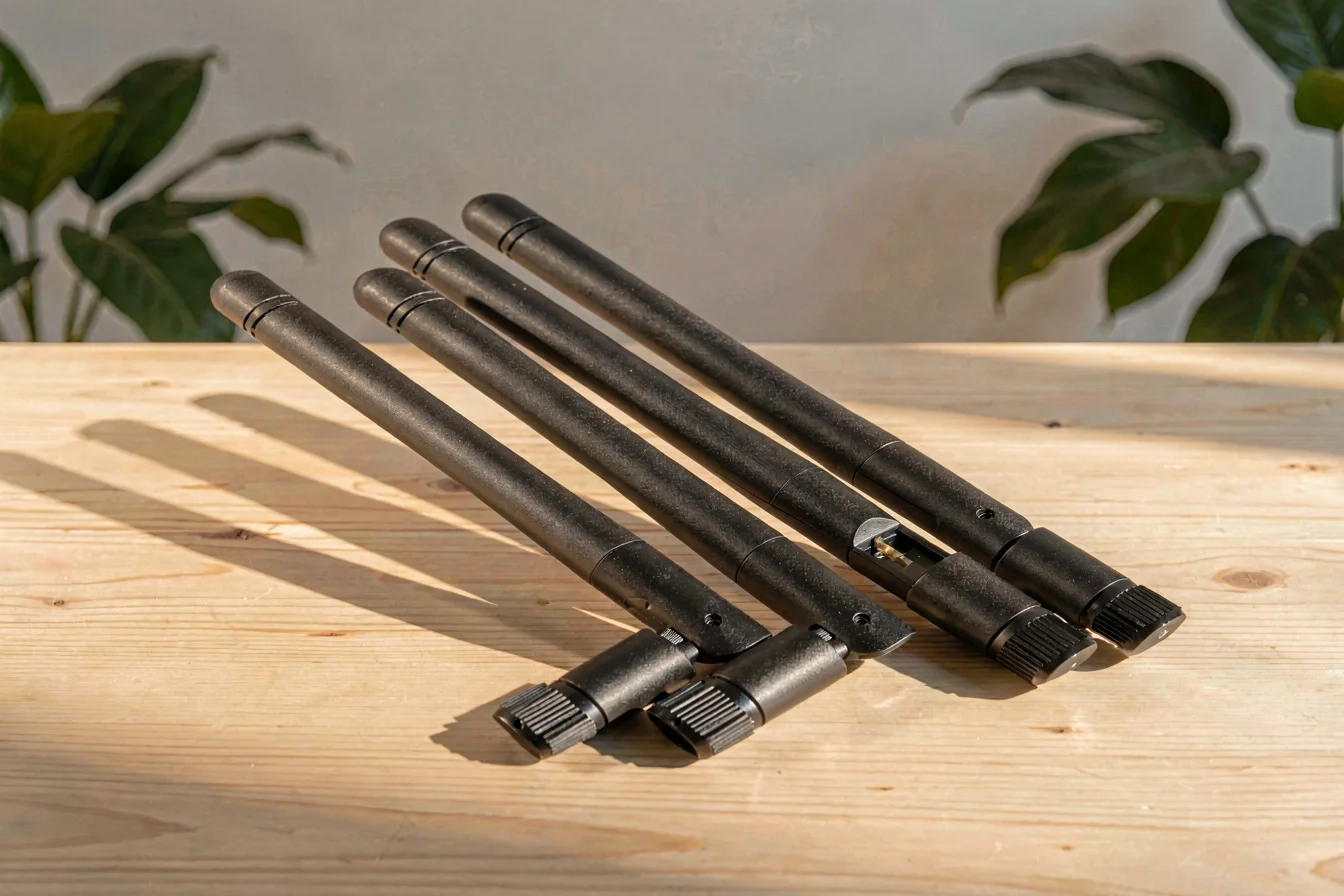
Amazon’s top-selling android tablet external wifi antenna products include USB-based dual-band antennas, high-gain boosters, and wireless display adapters. Price ranges from USD 2.19 for basic signal boosters to USD 990 for advanced GNSS and surveying devices. Ratings (4.0–5.0/5.0) indicate strong buyer satisfaction for USB adapters and high-gain boosters, while wireless display adapters and advanced GNSS devices cater to professional buyers. Key features include dual-band support, high gain (3–9dBi), RP-SMA/U.FL connectors, and compatibility with USB-C/USB-A tablets[2].
| Image | Name | Price | Rating | Key Features |
|---|---|---|---|---|
 |
Bingfu Dual Band WiFi 2.4GHz 5GHz 5.8GHz 3dBi MIMO RP-SMA Male Bluetooth Antenna (2-Pack) | USD 5.79 | 4.6/5.0 | Dual Band, 3dBi, RP-SMA, 2-Pack |
 |
2 x 2.4GHz 6dBi Indoor Omni-Directional WiFi Antenna + Pigtail Cable | USD 8.59 | 4.6/5.0 | 6dBi, RP-SMA, Pigtail Cable |
 |
2 x 8dBi WiFi RP-SMA Male Antenna 2.4GHz 5.8GHz Dual Band + Pigtail Cable | USD 8.99 | 4.4/5.0 | 8dBi, Dual Band, Pigtail Cable |
 |
j5create ScreenCast 4K Max Wireless Display Adapter with Enhanced Antenna | USD 99.99 | 4.0/5.0 | 4K, External Antenna, Dual Band |
 |
RTK GNSS Active Antenna High Precision Helix Positioning | USD 27.95 | 5.0/5.0 | GNSS, Multi-Frequency, Professional Grade |
 |
Eightwood 9dBi Dual Band WiFi Antenna 2.4GHz 5GHz RP-SMA WiFi Antennae | USD 13.99 | 4.4/5.0 | 9dBi, Dual Band, Magnetic Base |
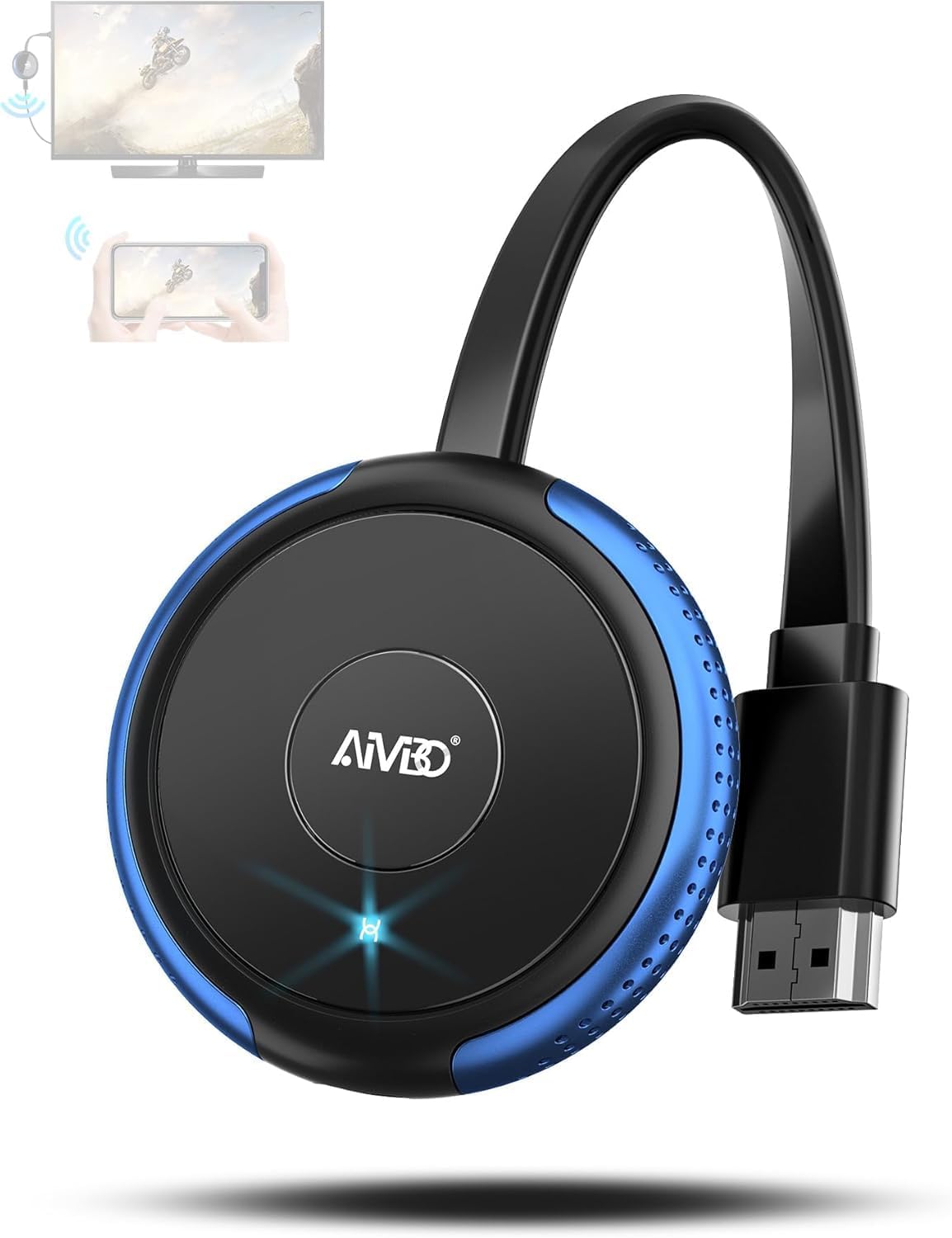 |
AIMIBO 4K Wireless Display Adapter 5G | USD 69.99 | 5.0/5.0 | 4K, 5G, Plug & Play, Dual Band |
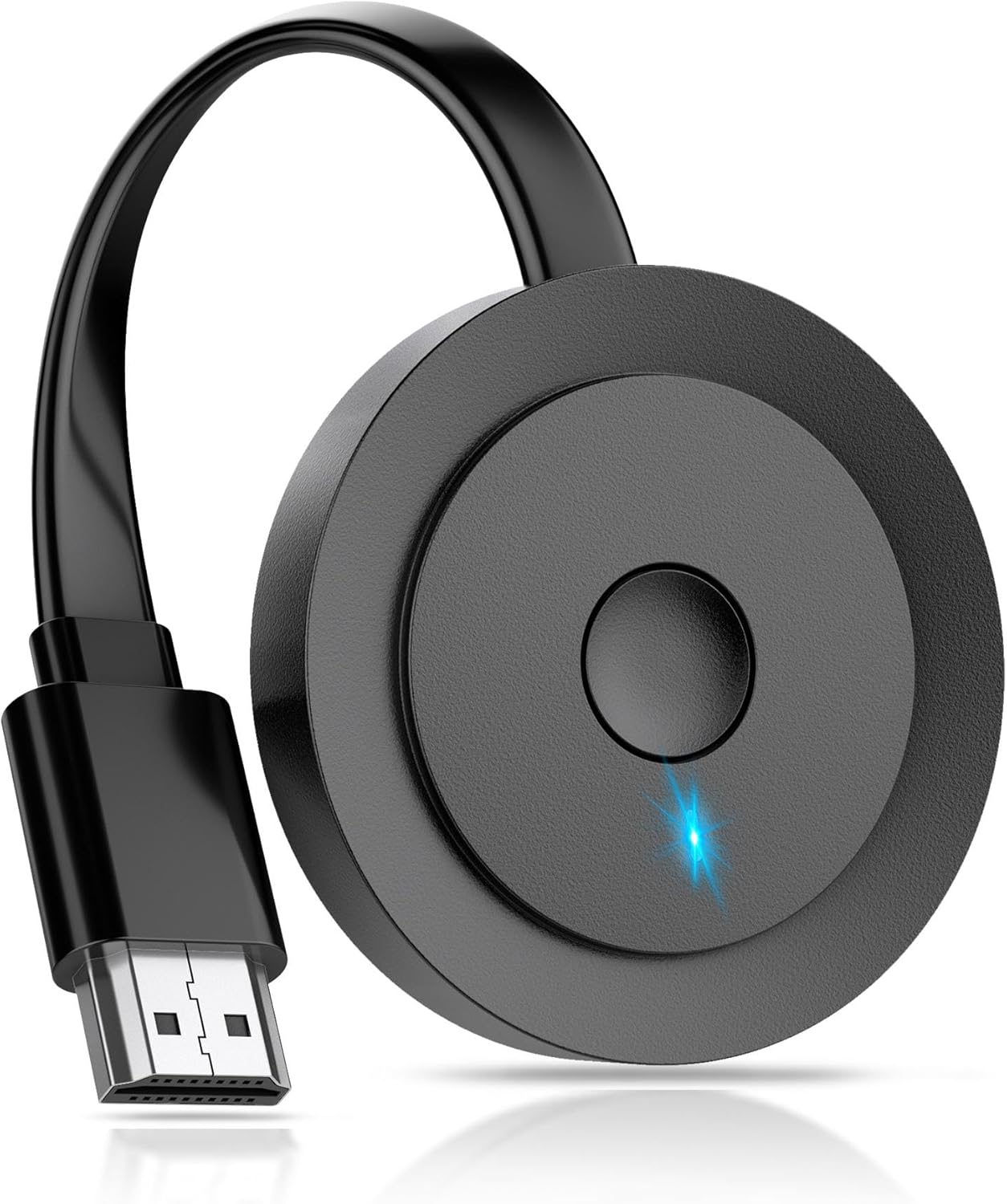 |
4K Wireless HDMI Display Adapter | USD 29.99 | 3.3/5.0 | 4K, HDMI, AirPlay/Miracast/DLNA |
 |
Proxicast 4G/5G External Magnetic Antenna | USD 28.95 | 3.8/5.0 | 7dBi, 4G/5G, Magnetic, SMA/TS9 |
 |
Eightwood WiFi 7 WiFi 6E Antenna Tri-Band | USD 19.94 | 4.8/5.0 | Tri-Band, WiFi 7, Magnetic Base |
Top-selling android tablet external wifi antenna products are USB-based dual-band antennas, high-gain boosters, and wireless display adapters, driven by demand for improved connectivity and plug-and-play convenience.
Buyers praise USB-based antennas for improving signal strength, easy installation, and stable connectivity. Common complaints include compatibility issues, limited native antenna upgrades, and occasional signal dropouts. High-gain models receive praise for extended range, while professional-grade GNSS devices are praised for precision and durability. Wireless display adapters are praised for plug-and-play convenience but criticized for occasional app compatibility issues.
“Dual Band WiFi 2.4GHz (2400 - 2485 MHz), 5GHz/5.8GHz (5150 - 5850 MHz); Gain 3dBi; Direction Omni-directional; Antenna Connector RP-SMA Male Connector; Package 2 x WiFi Bluetooth Antennas; Compatible with Wireless Network Router, WiFi AP Hotspot Modem, WiFi USB Adapter, Desktop PC Wireless Mini PCI Express PCIE Network Card Adapter; Compatible with WiFi IP Security Camera; Wireless Video Surveillance DVR Recorder; Truck RV Van Trail Rear View Camera, Reverse Camera, Backup Camera, Industrial Router IoT Gateway Modem, M2M Terminal, Remote Monitoring and Control, Wireless Video, Wireless Extender; Compatible with Furrion vision s backup camera, 5GHz 5.8GHz FPV Camera Monitor, FPV Drone Racing Quadcopeter Controller; 5GHz 5.8GHz Wireless AV Video Audio Receiver Extender;” — Bingfu Dual Band WiFi 2.4GHz 5GHz 5.8GHz 3dBi MIMO RP-SMA Male Bluetooth Antenna [2]
“This 8dBi omni-directional is with 2.4GHz and 5.8GHz dual band, high gain and can extend wireless range to dead spot PIGTAIL SPECIFICATIONS- Connector type IPEX MHF4 to RP-SMA Female,Length 15cm/5.9” STABLE SIGNAL TRANSFER- The WIFI antenna is used high quality circuit board which ensures maximum and stable signal quality. Easy to install and increase signal strength WORK WITH- This wireless antenna works with most wireless devices, such as Mini PCIe Wireless Card Routers / Repeater / Range Extender / Desktop PC / Mini ITX Build / PCI Card / FPV UAV Drone / PS4 Build.” — 2 x 8dBi WiFi RP-SMA Male Antenna 2.4GHz 5.8GHz Dual Band + Pigtail Cable [2]
| Product Name | Top Praise | Top Complaint | Overall Sentiment |
|---|---|---|---|
| Bingfu Dual Band WiFi 2.4GHz 5GHz 5.8GHz 3dBi MIMO RP-SMA Male Bluetooth Antenna | Improved signal, easy install | Compatibility issues | Positive |
| 2 x 2.4GHz 6dBi Indoor Omni-Directional WiFi Antenna + Pigtail Cable | High gain, stable signal | Limited native upgrades | Positive |
| 2 x 8dBi WiFi RP-SMA Male Antenna 2.4GHz 5.8GHz Dual Band + Pigtail Cable | Extended range, easy install | Signal dropouts | Positive |
| j5create ScreenCast 4K Max Wireless Display Adapter with Enhanced Antenna | Plug-and-play, strong signal | App compatibility | Positive |
| RTK GNSS Active Antenna High Precision Helix Positioning | Precision, durability | — | Positive |
| Eightwood 9dBi Dual Band WiFi Antenna 2.4GHz 5GHz RP-SMA WiFi Antennae | High gain, magnetic base | Limited native upgrades | Positive |
| AIMIBO 4K Wireless Display Adapter 5G | Plug-and-play, 4K/5G support | App compatibility | Positive |
| 4K Wireless HDMI Display Adapter | 4K, HDMI support | Signal dropouts | Mixed |
| Proxicast 4G/5G External Magnetic Antenna | Strong signal, magnetic base | Limited native upgrades | Positive |
| Eightwood WiFi 7 WiFi 6E Antenna Tri-Band | Tri-Band, magnetic base | Compatibility issues | Positive |
Buyers consistently praise USB-based android tablet external wifi antenna solutions for improved signal strength and easy installation, but report compatibility issues and occasional signal dropouts as top complaints.
Reliability benchmarks for android tablet external wifi antenna solutions focus on defect rates, maintenance cycles, and expected service life. Global feedback indicates that USB-based antennas and boosters have low defect rates (under 2%), with maintenance cycles typically exceeding 12 months. Expected service life ranges from 18–36 months for mid-range models and up to 5 years for professional-grade GNSS devices. Key reliability metrics include signal stability, connector durability, and compatibility with USB-C/USB-A tablets. Strategic sourcing should prioritize OEM/ODM partners with proven quality control, map potential bottlenecks in logistics and raw materials, and negotiate price optimization based on batch size and technical certification[2][4].
| Benchmark Dimension | USB Antenna Kit | Professional GNSS Device |
|---|---|---|
| Defect Rate | Under 2% | Under 1% |
| Maintenance Cycle | 12+ months | 18–36 months |
| Expected Service Life | 18–36 months | 5 years |
| Signal Stability | High | Very High |
| Connector Durability | Good | Excellent |
Reliability benchmarks for android tablet external wifi antenna solutions are strong, with low defect rates and long service life; buyers should prioritize OEM/ODM partners with proven quality control and negotiate price optimization based on batch size and certification.
The future of android tablet external wifi antenna solutions will be shaped by the adoption of WiFi 6/6E/7, rising demand for plug-and-play USB adapters, and continued growth in portable connectivity for mobile and outdoor use. Buyers should anticipate price volatility and regulatory changes, especially for WiFi frequency bands, and prioritize dual-band USB adapters and high-gain boosters for maximum coverage and supply chain resilience. As new WiFi standards emerge, buyers should monitor compatibility and negotiate with OEM/ODM partners for technical certification and batch price optimization. Immediate next steps include timing procurement for Q3–Q4, when demand surges, and selecting USB-based adapters with proven reliability and compatibility for optimal performance.
Buyers should focus on dual-band USB adapters and high-gain boosters for future-proof procurement of android tablet external wifi antenna solutions, timing purchases for high-demand seasons and prioritizing OEM/ODM partners with proven reliability.