
All categories
Featured selections
Trade Assurance
Buyer Central
Help Center
Get the app
Become a supplier
In 2026, the landscape for sweater linking machines is undergoing dynamic transformation. Both industry and consumer demand for efficient knitwear production are surging, driven by evolving fashion cycles, sustainability requirements, and the rise of the home crafting movement post-pandemic. The past year has delivered explosive interest in knitting equipment, not only due to colder seasonal weather across Europe and North America but also in response to global lifestyle shifts: more people are favoring personalized, hand-crafted apparel. As communities on social platforms inspire enthusiasts with intricate sweater projects, demand for linking machines—a key piece of industrial and artisanal knitting—has outpaced supply trends seen in previous years [5][6][10].
Cultural events such as urban craft fairs, viral knitting tutorials, and the rebirth of knitwear in luxury street fashion are fueling the machine-knitting comeback. International buyers, from large retailers to B2B sourcing agents, now seek reliable linking machinery to capitalize on freshly emerging market segments. The ability to turn out high-quality, custom-designed sweaters—quickly and cost-effectively—has become a cornerstone of competitive strategy, especially as 2026 ushers in new compliance standards and consumer expectations for garment durability and sustainability [4]. The global knitting equipment market is expected to see over 18% year-on-year growth—a remarkable shift from previous years marred by supply chain constraints [4]. This report takes a deep dive into the factors powering this transformation, offering actionable intelligence for today's sourcing professionals.
A sweater linking machine is a specialized device used to join separate knitted pieces (such as sleeves, collars, or panels) into finished garments, mostly sweaters. Unlike ordinary sewing machines—which typically employ overlocking, serging, or basic seam stitches—linking machines employ precision mechanisms that create a course of interlinked yarn loops. This process not only enhances comfort and flexibility but also preserves the aesthetic integrity of high-end or custom knitwear [2]. Early industrial linking machines were fully manual, requiring highly skilled operators to achieve even seams without distorting the garment's texture. With technological advances from the late 20th century, semi- and fully-automated linking models emerged, enabling mass production without sacrificing quality.
Today’s linking machines split into several categories:
Sweater linking machines now occupy a prominent spot in online discussions, encompassing everything from practical buying advice to celebration of artisanal craftsmanship. Across digital communities in 2025 and early 2026, there’s enthusiastic debate on the best types of equipment for high-end, personalized knitwear [5]. Buyers and makers routinely exchange:
Lifestyle trends have also woven themselves into this market segment. Patterns featuring cable, text, and animal motifs are especially celebrated, inspiring new buyers to move from hand knitting to machine-assisted techniques for faster, more consistent production [11]. Viral digital tutorials have fueled demand for entry-level and mid-range machines, with even home crafters contributing to the uptake in industrial-grade models as they pursue more complex designs and turn to small batch production for online stores or local boutiques.
Community sentiment is overwhelmingly positive, with frequent praise for the versatility, productivity, and "fun" that linking machines bring to crafting—making them a staple of both hobbyist and professional discussions as we enter the heart of the 2026 buying cycle.
The rise in popularity of sweater linking machines is reflected both in retail bestsellers and wholesale inquiries. Market research for 2026 shows continued expansion, with increasing adoption among mid-sized garment manufacturers and at-home entrepreneurs. The industrial knitting machinery industry, pushed forward by innovations from global leaders and grassroots DIY movements, is projected to cross $1.5 billion in global sales this year, an estimated 18% YoY growth rate [4]. This section analyzes both retail consumption (Amazon rankings/volume), technical advancements, and regional demand.
Real-Time Purchase and Sentiment Trends for Sweater Linking Machines (Amazon Retail Data)
Retail purchase volume for linking/knitting machines showcases strong differentiation by feature set and price tier. There’s a clear clustering at the $50–$75 retail price point for mid-gauge, high-needles models, with top performers boasting row counters and versatility for multiple knitted items. Sentiment analysis reveals users most frequently cite ease of use, durability, and project versatility as key purchase drivers, while lower-rated machines often attract critiques for complicated threading and learning curve.
Below is a normalized sales volume bar chart for the top Amazon-selling linking/knitting machines, illustrating retail momentum over the latest month:
Normalized monthly sales volumes for top Amazon-selling sweater linking/knitting machines, January 2026; color reflects average review sentiment.
The bar chart reveals overwhelming dominance for SENTRO 48 Needles Knitting Machines (over 2,800 monthly sales) with high average review sentiment (mostly positive). Mid-range machines such as BZVV and lower-gauge options like Wadukud and Sentro 32 Needles occupy smaller but stable niches, reflecting segmentation in user needs—beginner vs. advanced, machine size, and project variety. High-end industrial models (e.g., Rosvola 150 Needles) sell few units at much higher prices, prized for specialized project scalability and perceived quality [1].
Key actionable insight for buyers: Stock up on mid-gauge, 48-needle machines for mainstream customer demand, but allocate strategic resources for entry-level and advanced high-needle models to reach distinct market segments. Diverse feature sets (row counter, circular/double-knit) now function as strong upsell factors.
Sentiment analysis from user reviews (“easy to use,” “versatile,” “challenging learning curve,” “great for hats/scarves/socks” vs. “confusing threading”) matches community discussion—newcomers appreciate plug-and-play machines, while experienced knitters gravitate toward devices allowing pattern customization and gauge adjustment.
Hot Selling Analysis: Top 10 Sweater Linking/Knitting Machines (Amazon Products)
Below is a comprehensive table detailing the top 10 best-selling sweater linking/knitting machines, including product specifications, images, prices, ratings, sales volume, and unique features. These listings reflect direct retail buyer demand and thus provide downstream insights useful for B2B procurement and bulk stock planning.
| Image | Product Name | Specifications | Retail Price | Wholesale Price | Avg. Star Rating | Monthly Sales Volume |
|---|---|---|---|---|---|---|
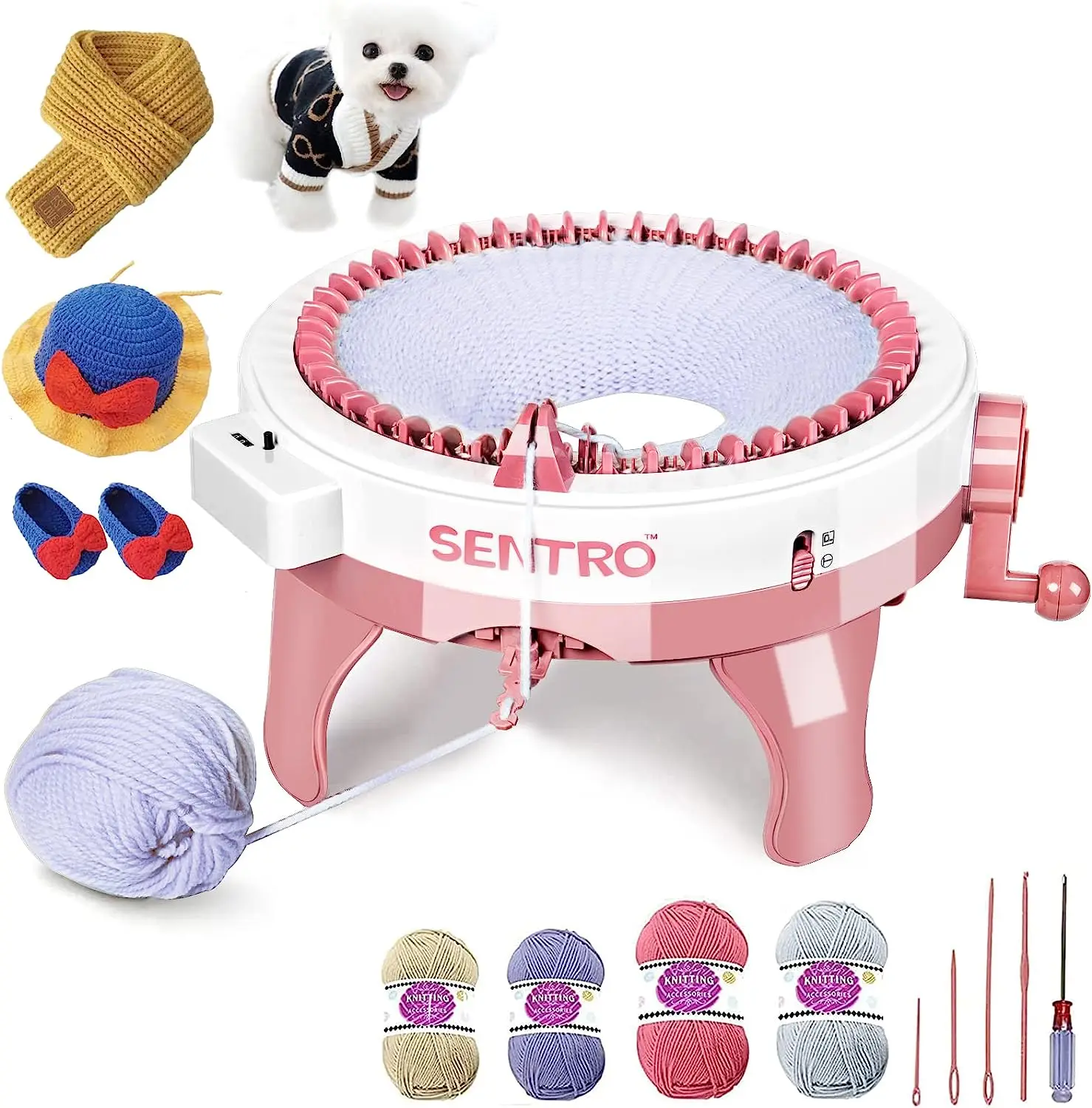 |
SENTRO 48 Needles Knitting Machines with Row Counter | Smart knitting crochet; weaving round loom; double knit; row counter; DIY scarf/hat/sock kit | $56.26 | $13.35 | 4.1 | 2813 |
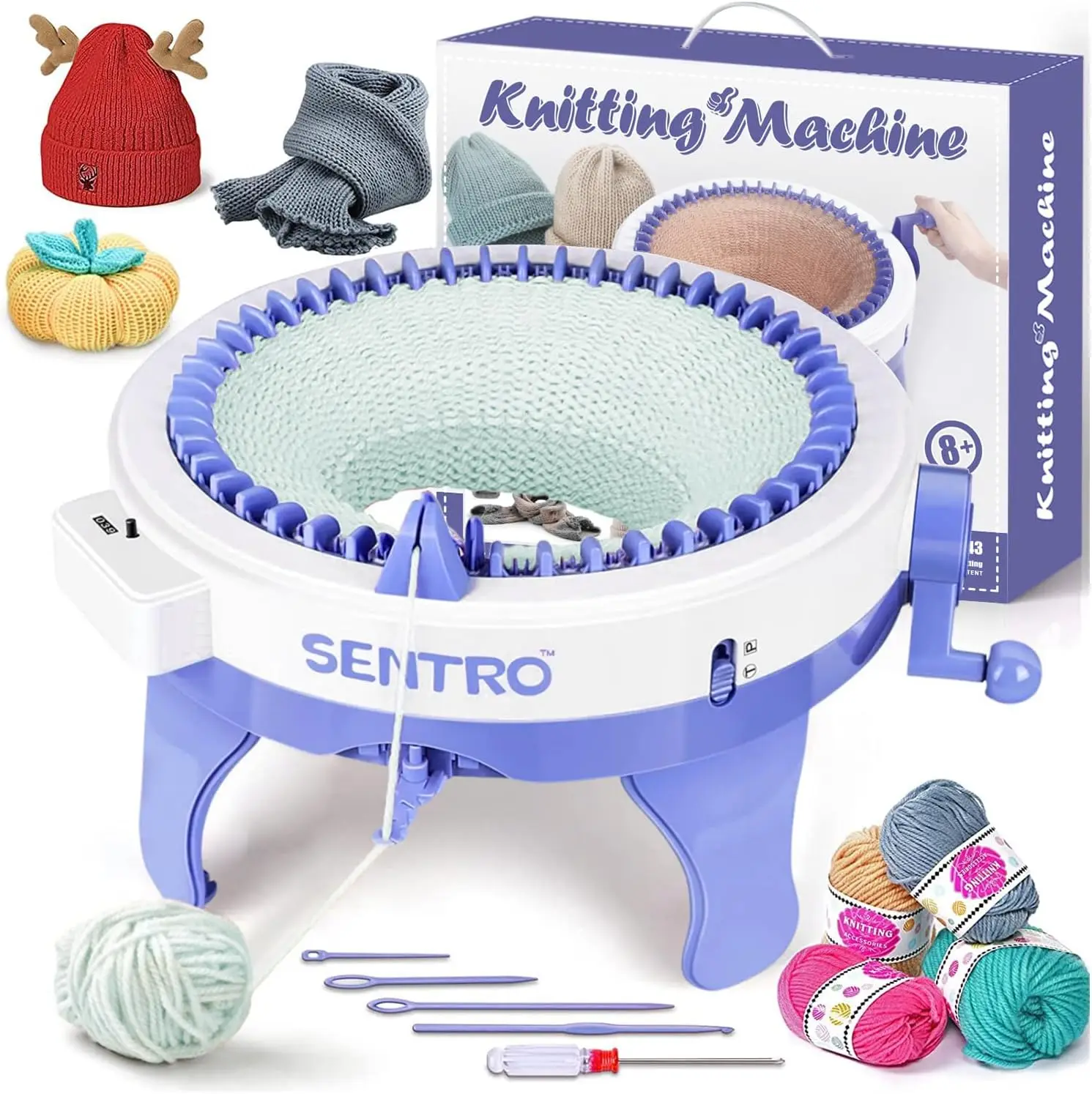 |
SENTRO 48 Needles Knitting Machine with Row Counter | Smart knitting; circular loom; double knit capability; scarf/hat/sock kit | $55.39 | $14.67 | 4.1 | 1644 |
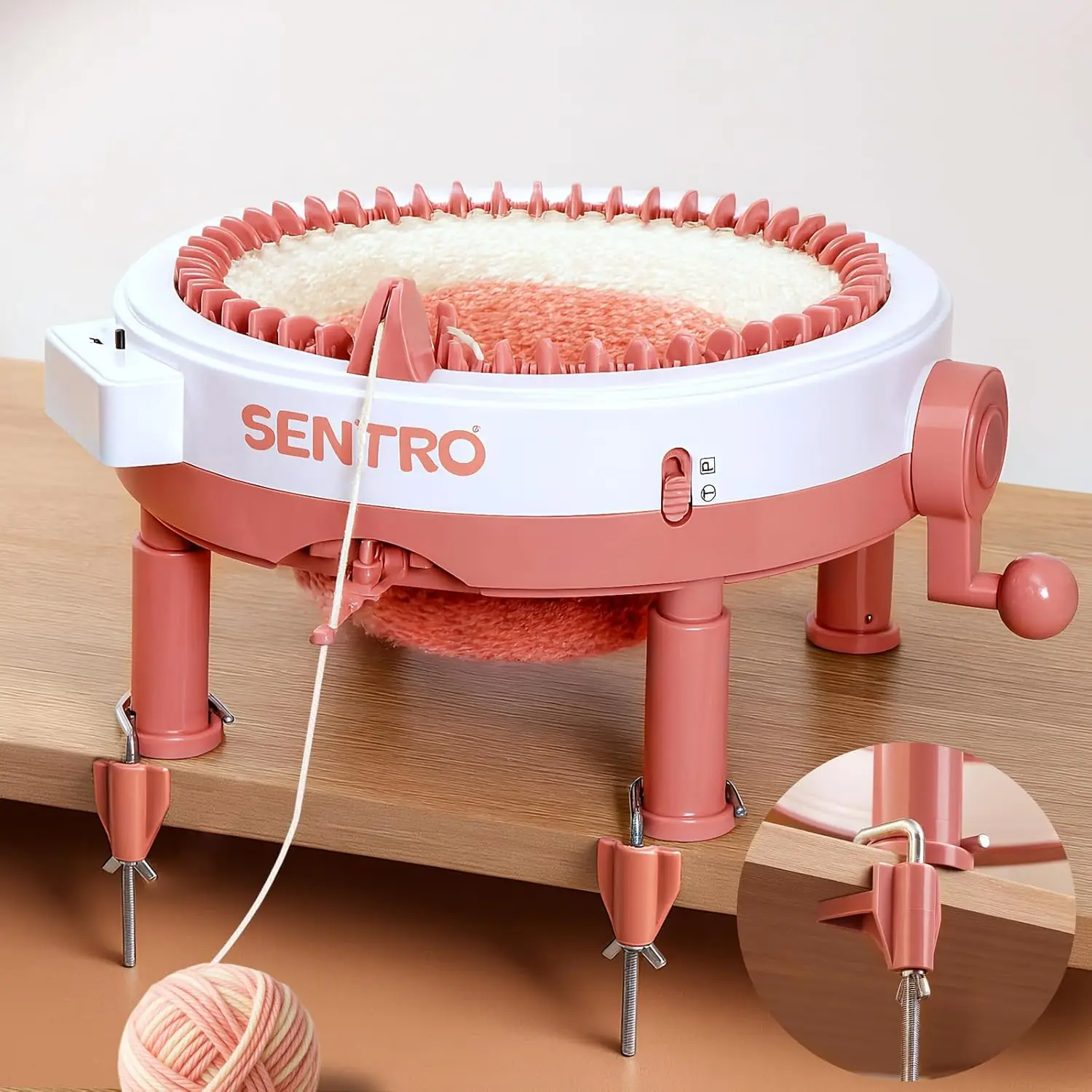 |
BZVV Knitting Machine for SENTRO 48 Needles | Upgraded double loom; rotating board; row counter; for adults/beginners | $72.00 | $16.05 | 4.1 | 583 |
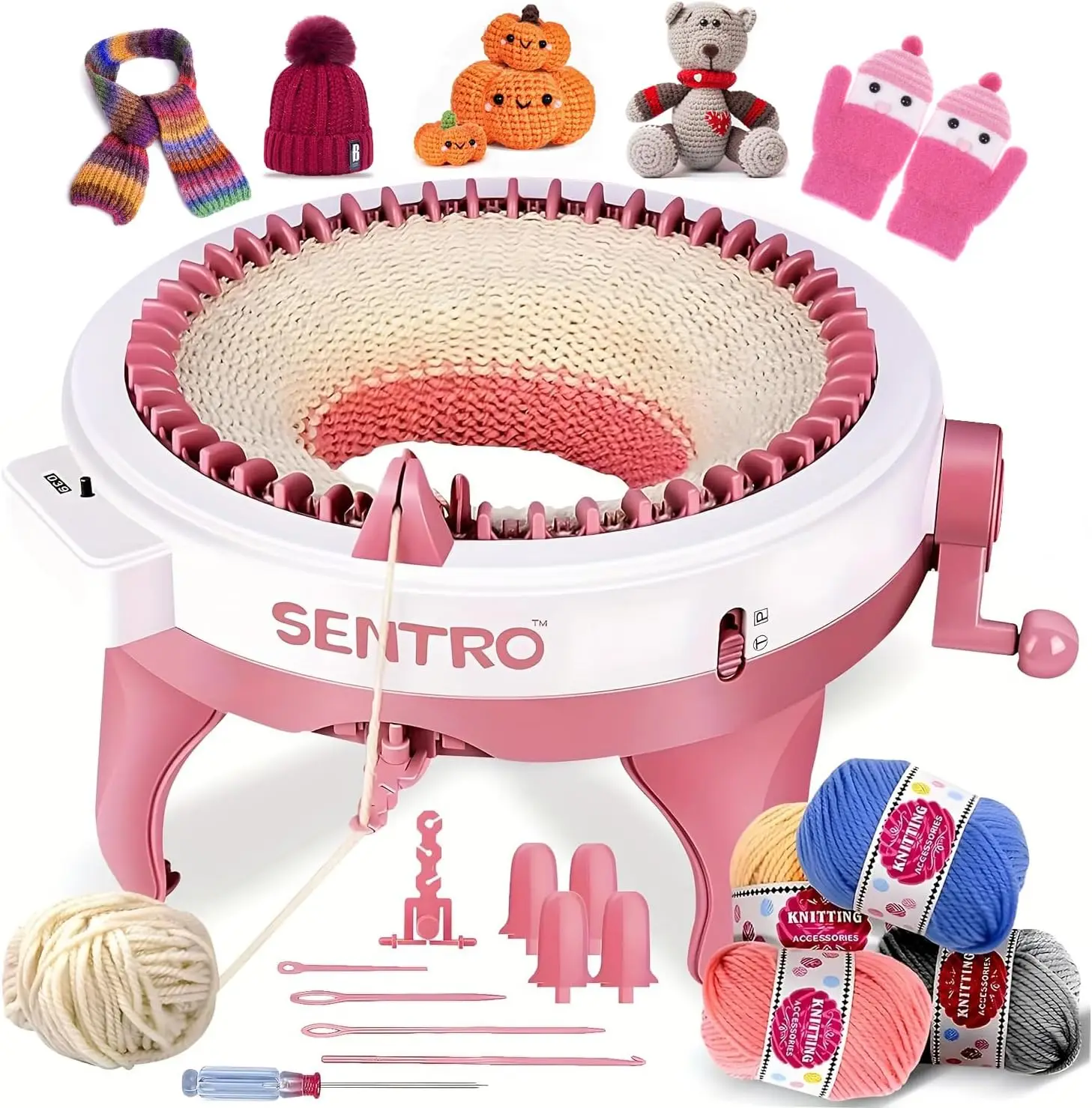 |
SENTRO Knitting Machine, 48 Needles, Circular Loom | Double knit; row counter; for adults/beginners; hat/sock kit | $56.29 | $16.28 | 3.9 | 548 |
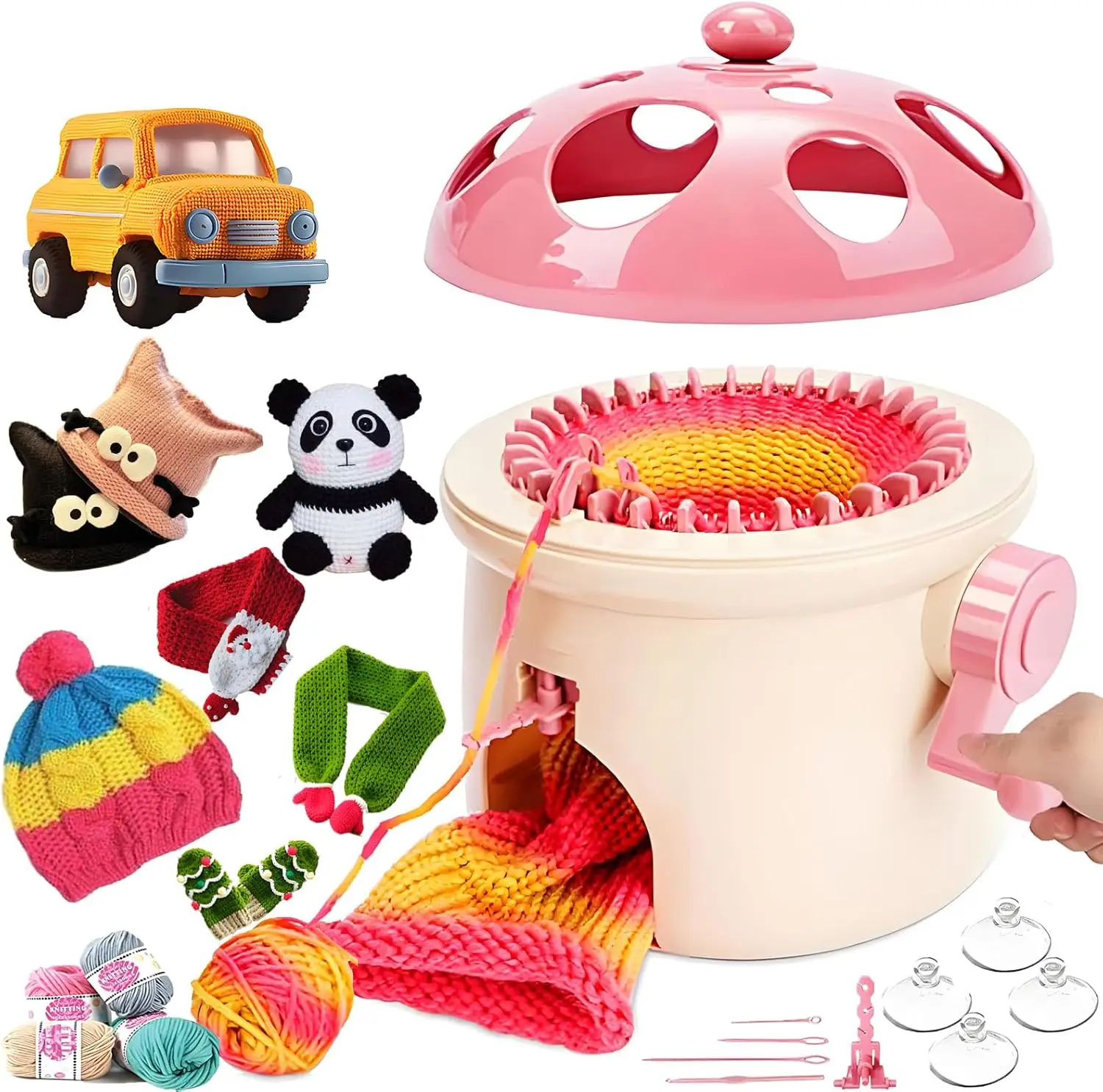 |
Sentro 32 Needles Mushroom Knitting Machine | Automatic circular weaving; spinning loom; toy/scarf/hat/sweater kit | $50.99 | $22.44 | 5.0 | 82 |
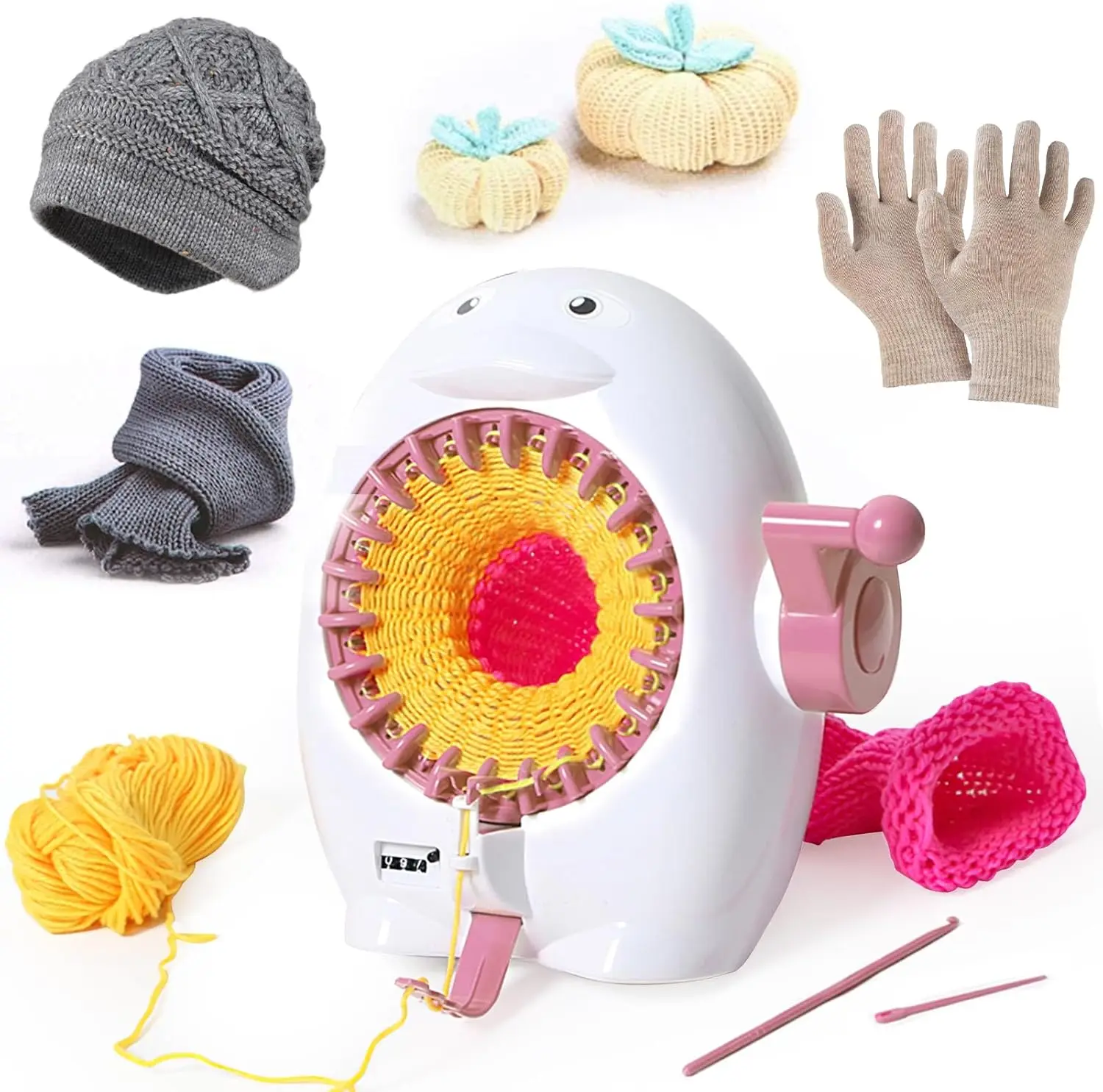 |
Wadukud 22 Needles Knitting Machine | DIY loom; smart circular crochet; suitable for adults and kids; gloves/hat/scarf | $31.55 | $9.78 | 5.0 | 35 |
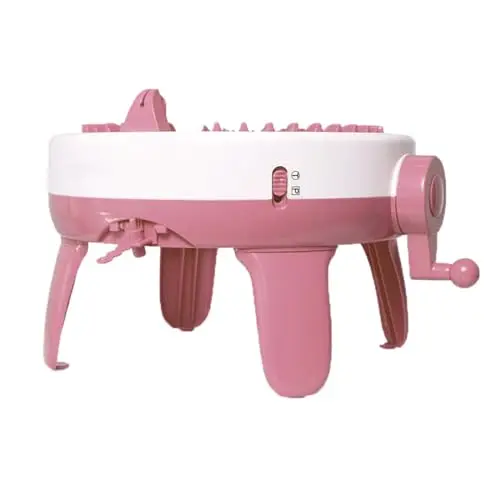 |
KnLoom SENTRO 48 Needles Knitting Machine | Rotating board; double knitting; DIY scarf/hat/socks | $55.96 | $16.07 | 4.0 | 5 |
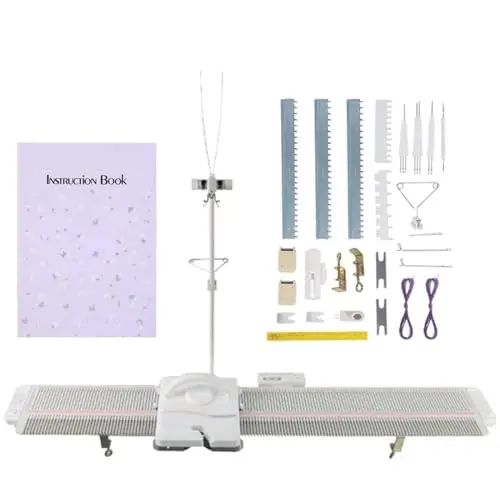 |
Rosvola Knitting Machines for Adults, 150 Needle | Flat knitting machine; fast kit; accessory parts | $402.02 | $414.00 | 4.5 | 5 |
 |
Knitting Machines, 48 Needles Knitting Loom Machine | Rotating double knit; board; row counter; DIY spinning | $74.55 | $15.92 | 4.0 | 5 |
 |
SENTRO 48 Needles Knitting Machine, Crochet | Knitting machine; row counter; suitable for adults or kids | $34.51 | $16.42 | 4.2 | 5 |
Table data sourced from [1].
Several patterns emerge:
Effective sourcing for sweater linking machines in 2026 demands a meticulous approach to vendor evaluation, technical standards, and logistics. As the product category spans beginner, prosumer, and full industrial segments, procurement professionals must weigh several critical criteria:
Buyers are encouraged to leverage global networks—industry events, craft forums, digital marketplaces—to source not only machines but also the technical expertise necessary for seamless operations [7]. Seasoned buyers find considerable value in purchasing both new and second-hand machines, providing budget flexibility and the ability to scale or experiment with different production lines.
In sum, a well-balanced sourcing strategy for sweater linking machines in 2026 incorporates advanced supplier audits, technical due diligence, robust logistics frameworks, and a strong culture of post-sale partnership.
The 2026 sweater linking machine market offers unparalleled growth and innovation potential for international buyers, retailers, and manufacturing partners. As demonstrated by soaring sales figures, consistently positive social sentiment, and expanding project diversity, these machines represent not merely equipment but the intersection of tradition and technology. Buyers should capitalize on new consumer trends toward personalized, high-quality knitwear and harness automated, flexible machinery to streamline production. Actionable next steps for the coming year:
With comprehensive insights and tailored sourcing intelligence, buyers can approach the 2026 cycle with confidence—ready to meet both immediate market needs and future innovation opportunities in sweater linking and knitting technology.