
All categories
Featured selections
Trade Assurance
Buyer Central
Help Center
Get the app
Become a supplier
The year 2026 has propelled study boxes and multi-purpose organizers into the spotlight as highly sought-after tools for both students and professionals. This surge is being driven by evolving study habits, an expanded home-based learning culture, and intensifying competition for organized, effective workspaces. The back-to-school season, now integrated with hybrid digital learning and remote work arrangements, has resulted in sharp increases in demand for portable storage, aesthetic desk setups, and specialized organizational aids. Retail momentum is amplified by global academic calendars, competitive exam cycles, and an expanding trend toward personalizing learning spaces for motivation and comfort [1][10][13][14].
Social media platforms are awash with study setup reveals, gifting ideas, and ergonomic workspace discussions, influencing brand choices and pushing innovation in the category. Meanwhile, educators and parents increasingly rely on task boxes and dedicated sorting organizers to foster independence, routine, and skill acquisition among students [2][4]. Not only has organizational efficiency become a core driver, but the emotional and aesthetic aspects—such as "desk happiness," custom layouts, and motivational decor—are now integral selling points. Rising purchasing power in developing regions and seasonal academic refresh cycles bolster market dynamics, making study boxes an unmissable category for both retail and wholesale buyers in early 2026.
Study boxes are a broad product category encompassing portable containers, desk organizers, stationery cases, and multi-compartment storage units designed specifically for academic, professional, and creative environments. At its core, a study box serves the dual function of organizing learning materials and creating an efficient, clutter-free workspace.
The origins of these tools trace back to simple compartmentalized pencil boxes and study caddies, steadily evolving alongside educational methods and workspace needs. In recent years, the category has dramatically expanded to encompass sophisticated designs—ranging from customizable acrylic marker organizers to modular stacking drawers and digital-integrated boxes that support hybrid and remote learning workflows[1].
Classification centers on several key criteria:
A crucial sub-category, the task box, has emerged as a pedagogical tool in special education, helping students with hands-on activities, skill generalization, and personalized learning routines. These can be physical setups or digital portfolios tailored to individual educational plans—a significant driver for innovation and buyer segmentation in 2026 [2][3][4].
The rapid growth of study box culture extends far beyond functional needs, interfacing with emotional well-being, social trends, and the aspirational pursuit of workspace aesthetics. Feedback and discussion threads across online communities reveal nuanced priorities and evolving consumer expectations:
Sentiment analysis across platforms shows a consistently positive response toward study boxes—highlighting them as foundational tools for productivity and self-care. Concerns, when present, relate to durability (preference for metal or solid wood frames over MDF in long-term setups), price sensitivity (balancing aesthetics and cost), and maximizing functional features within limited space [13]. In creative and professional communities, there's a strong impulse to share, review, and personalize setups, reinforcing the category's status as both practical and socially aspirational.
Life skill and vocational task boxes in educational discussions are celebrated for their versatility, positive impact on independence, and ability to translate academic learning into practical, everyday skills [2][3]. As workspace innovation and hybrid lifestyles gather momentum into 2026, these social insights become key for understanding both direct retail appeal and the broader cultural resonance of the category.
The global study box market in 2026 shows robust growth across retail, wholesale, and specialized education segments. Core drivers include:
Anecdotal and retail data highlight that large capacity pencil cases, stackable acrylic drawer sets, and multi-function office caddies consistently rank among top sellers, buoyed by positive consumer sentiment and repeat purchase cycles from educational professionals [1]. Educational specialists and influencers endorse specialized task organizers for diverse learning needs, bringing additional legitimacy to the category [2][3][4].
The competitive landscape is increasingly fragmented, with hundreds of microbrands and OEM suppliers vying for exposure alongside established names. Innovations in material science (acrylic, PU leather, dustproof plastics), expanded storage engineering, and ergonomic design are setting new benchmarks for both B2B and B2C buyer expectations.
Hot Selling Analysis: Top 10 Amazon Study Boxes—Detailed Comparison & Insights
Below is a comprehensive comparison table introducing the top 10 best-selling study boxes and desk organizers on Amazon as of the latest sales cycle. Buyers will note key specs, retail prices, wholesale benchmarks, review scores, and relevant features for direct competitive analysis. This segment reflects downstream retail demand, offering actionable intelligence for procurement and merchandising teams [1].
| Product Image | Name | Latest Month's Sale Volume | Average Rating | Retail Price | Wholesale Price | Key Specifications & Features |
|---|---|---|---|---|---|---|
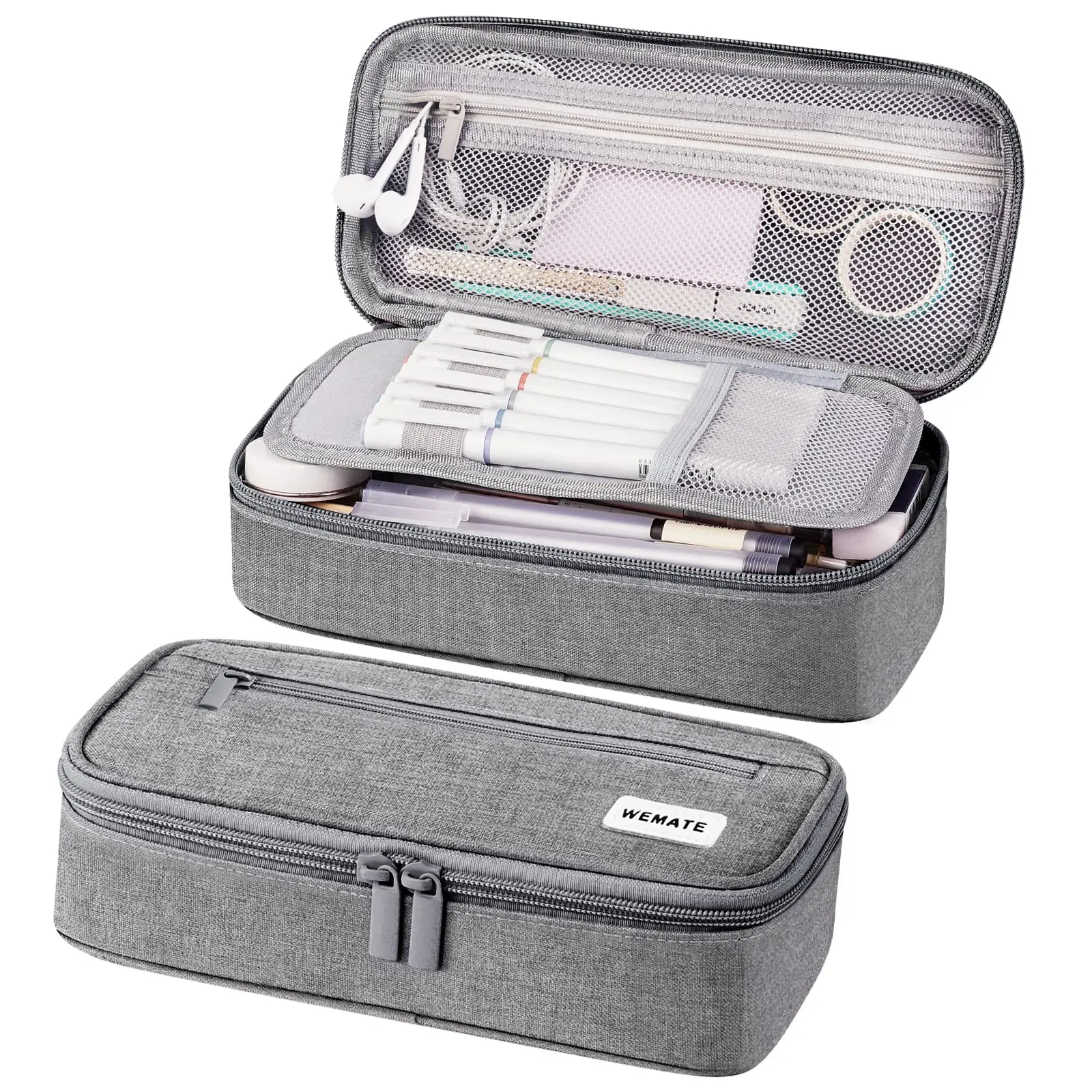 |
WEMATE Pencil Case, Large Storage Organizer | 3366 | 4.8 | $8.18 | $2.4 | Large storage, multipurpose sections, ideal for school and college |
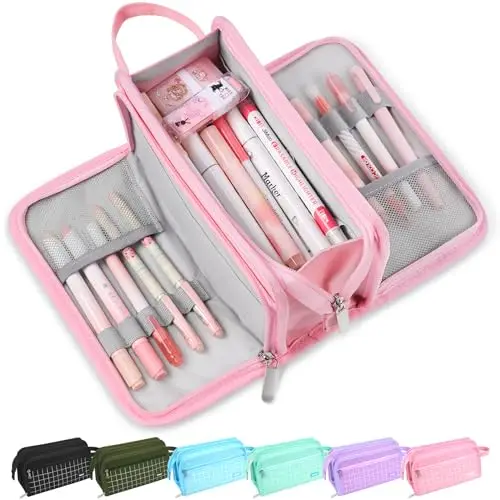 |
Sooez Large Pencil Case, Pink with Plaid | 803 | 4.8 | $8.01 | $2.4 | Big capacity, 3 compartments, zipper design, teen-friendly aesthetics |
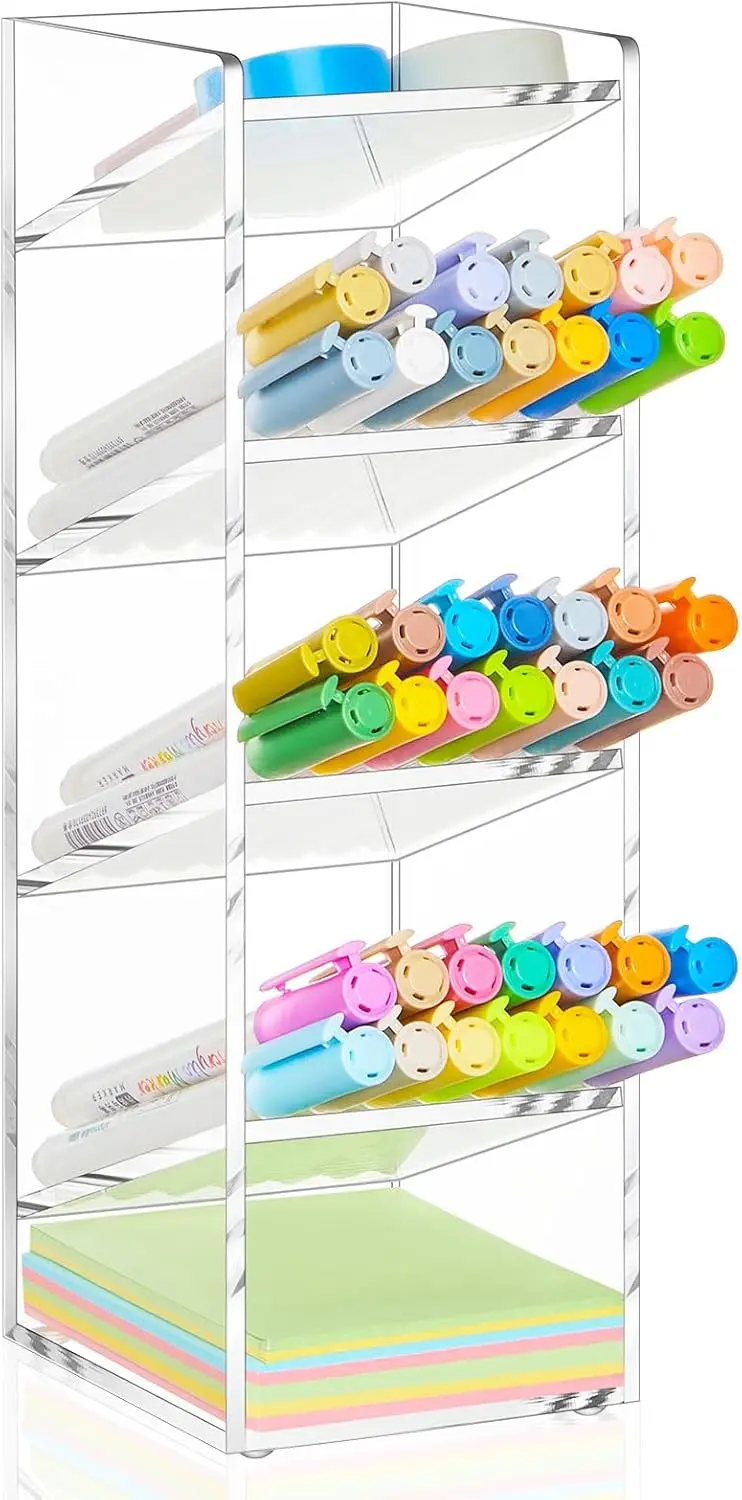 |
MotiMind Acrylic Pen Organizer Storage | 700 | 4.8 | $16.64 | $11.42 | Acrylic, vertical marker holder, 50-pen capacity, desktop display |
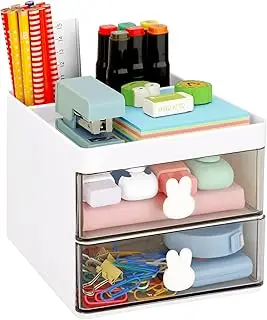 |
LETURE Small Desk Organizer with Drawer | 684 | 4.5 | $9.11 | $1.52 | Multi-use for cards, pens, mobile, makeup, compact design |
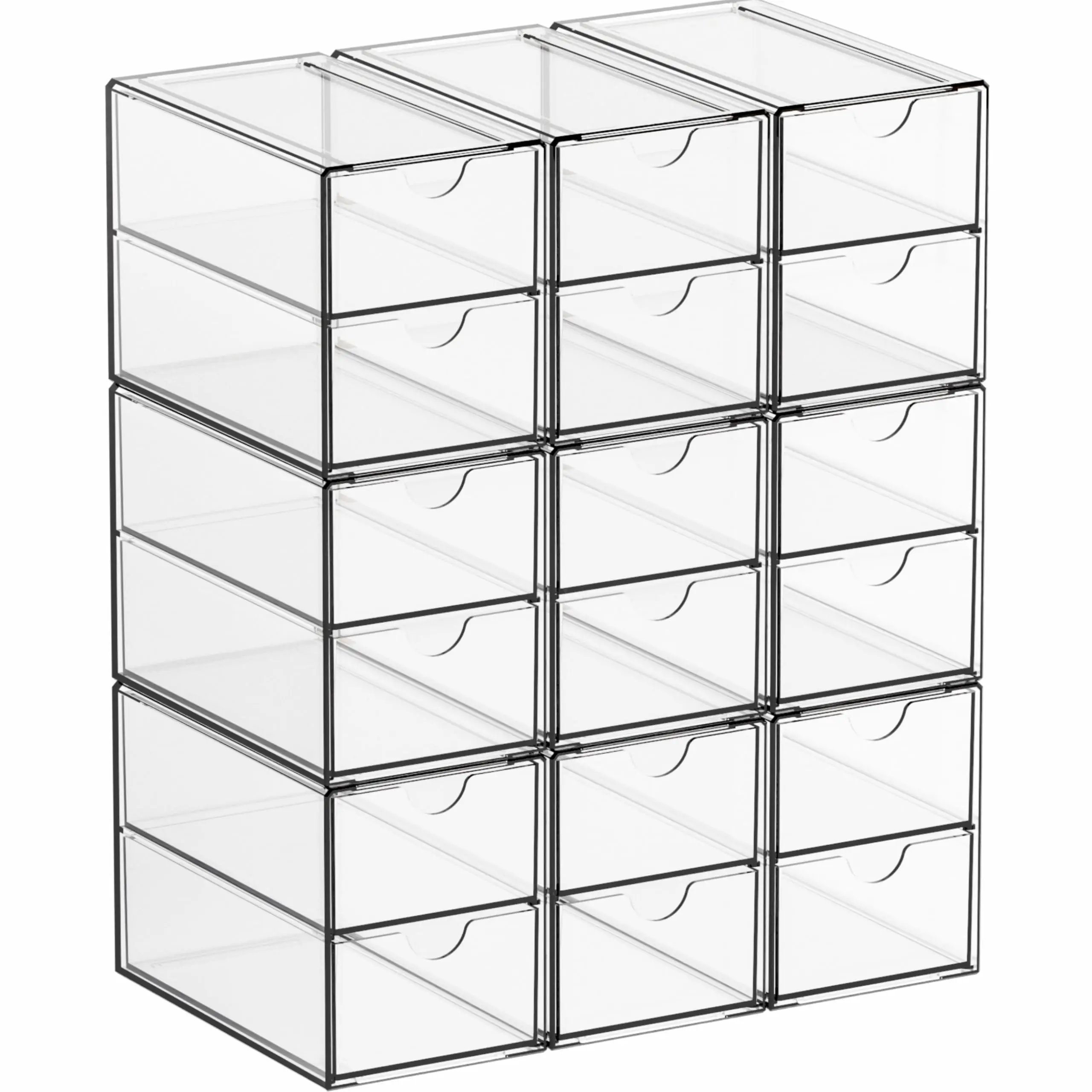 |
Yieach 9 Pack Small Acrylic Drawers | 531 | 4.6 | $34.99 | $8.7 | 18 clear drawers, stackable, for office/stationery/crafts, high versatility |
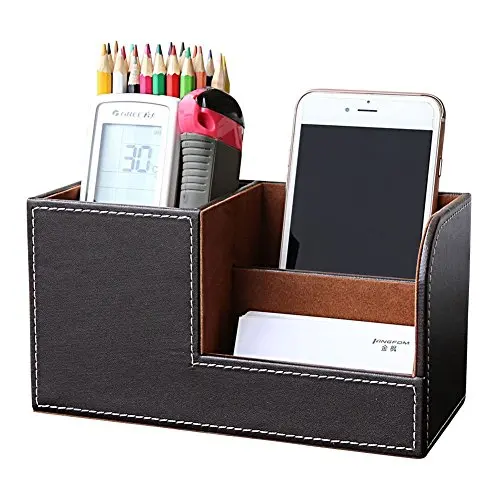 |
KINGFOM Desk Organizer Caddy | 385 | 4.8 | $15.29 | $3.65 | PU leather, multi-use, fits pens, phone, business cards, remote |
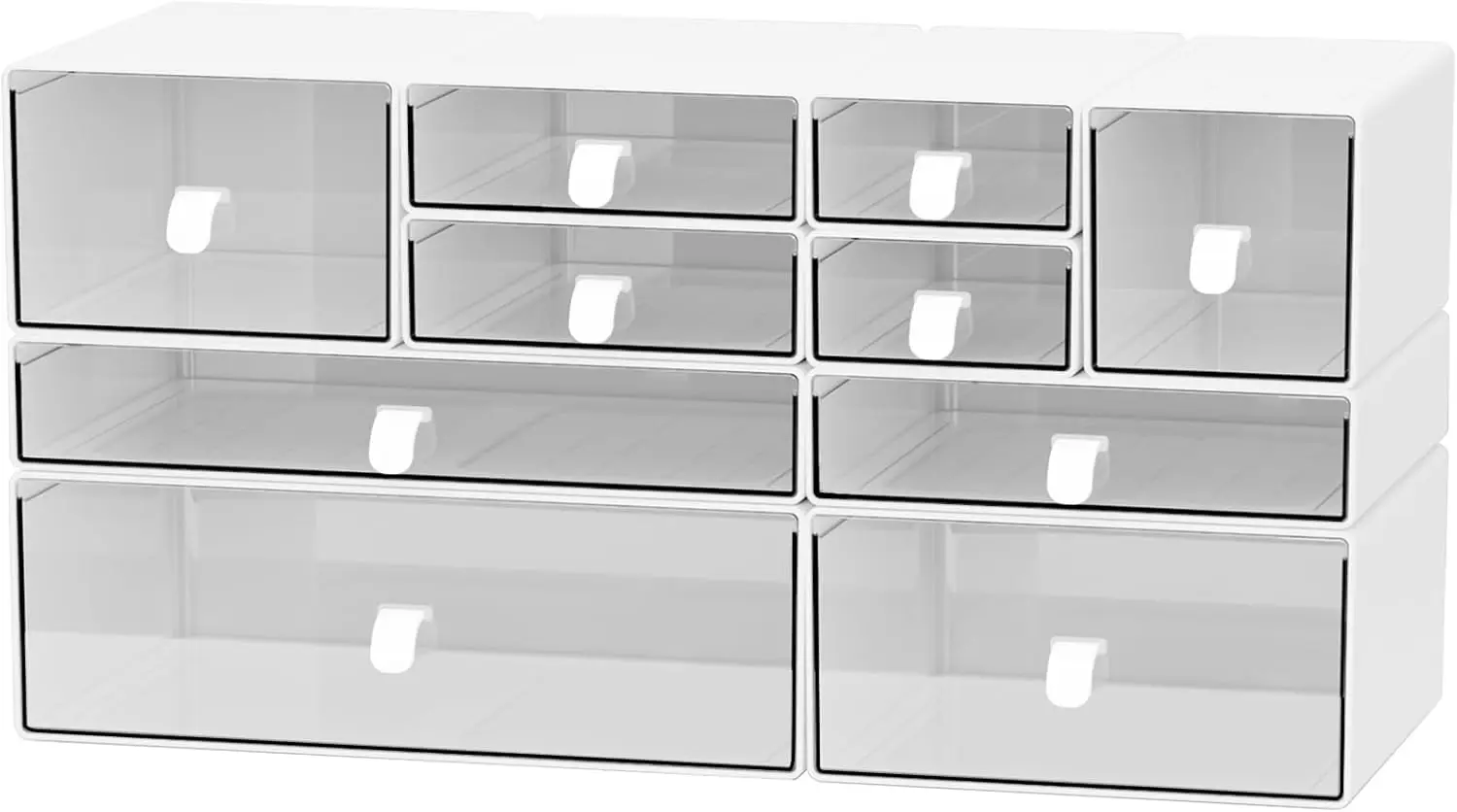 |
Desk Organizer Set, White & Clear (Stackable) | 268 | 4.6 | $34.99 | $6.12 | Dustproof, stackable, vertical space saving, suitable for crafts/makeup/stationery |
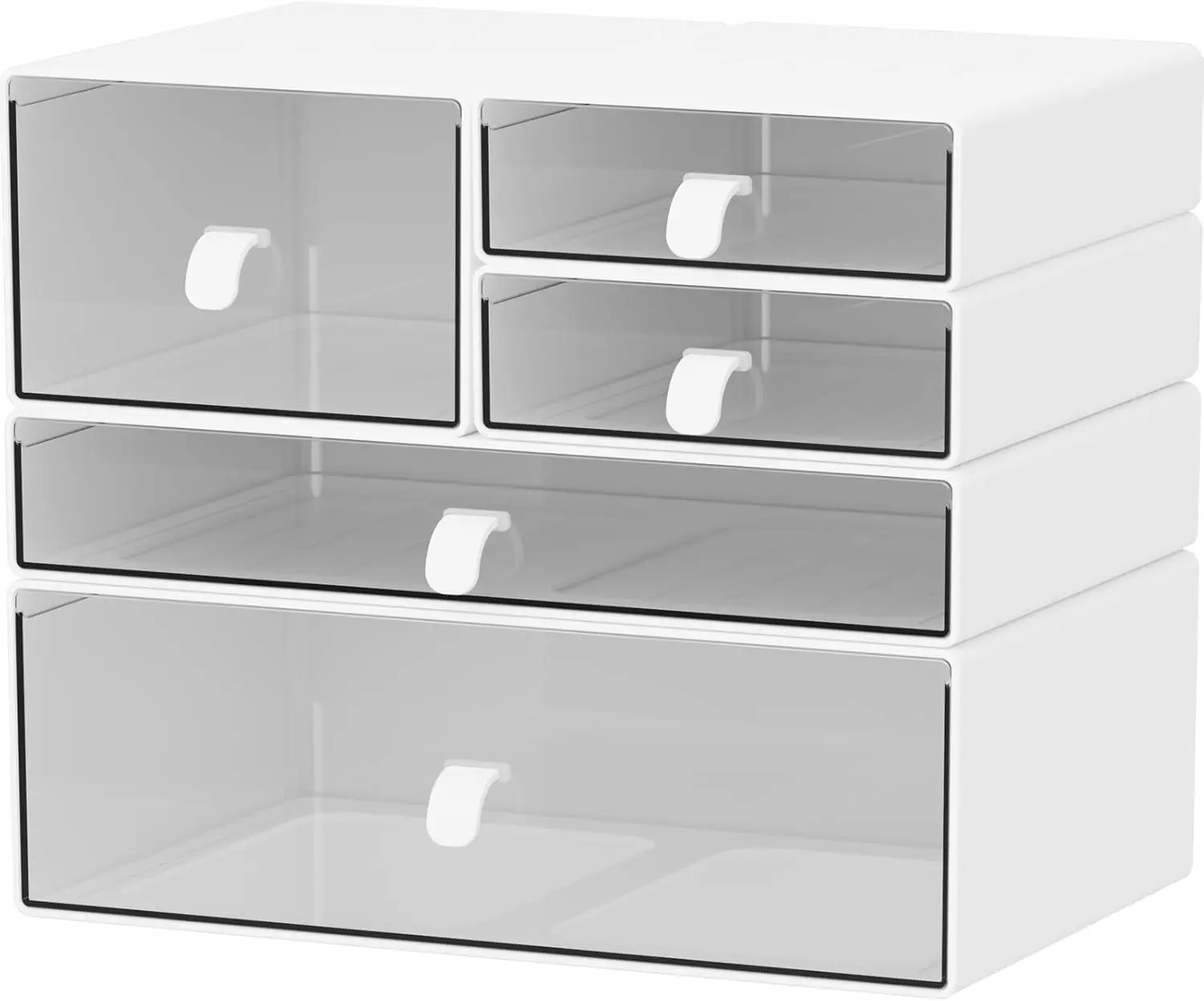 |
Desk Organizer Set (5 Drawer), White & Clear | 263 | 4.6 | $26.5 | $3.2 | 5 drawers, stackable, vertical organization, DIY craft-friendly |
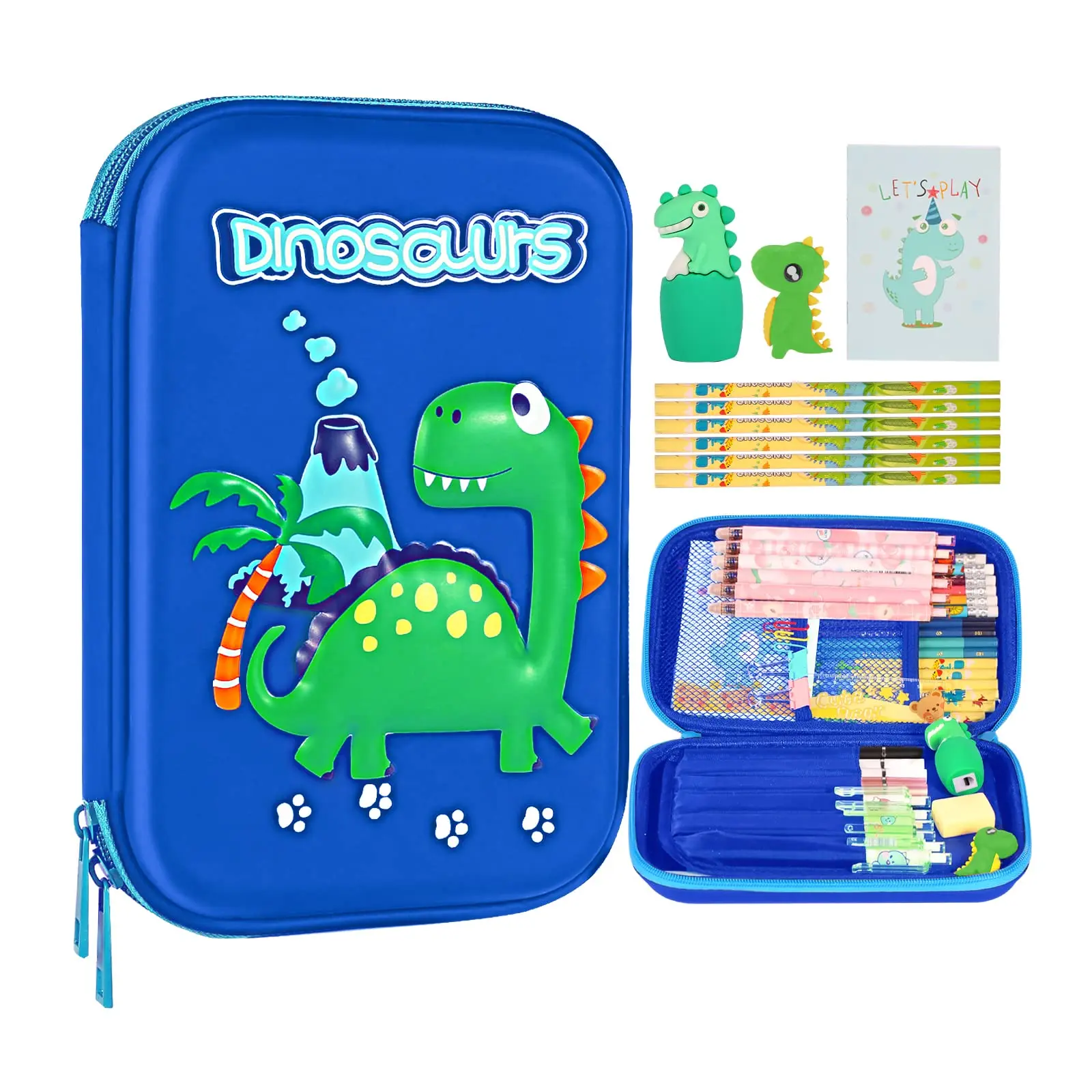 |
homicozy Pencil Case for Boys (Dinosaur Theme) | 253 | 4.8 | $16.29 | $2.28 | 3D EVA, compartment box, suitable for young kids, themed for gifting |
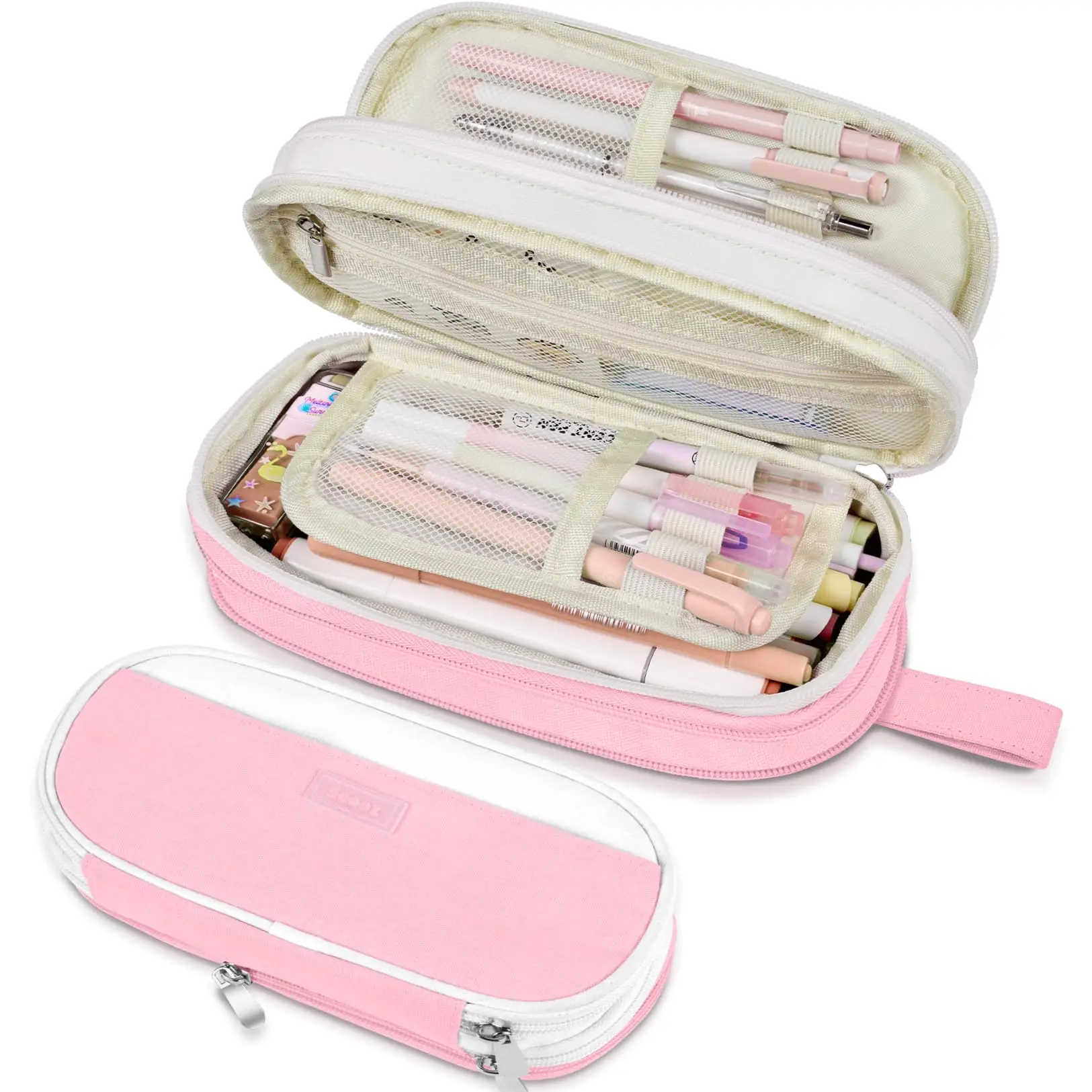 |
Sooez Large Pencil Case, Expandable | 215 | 4.8 | $8.44 | $5.44 | Expandable, 5 compartments, portable canvas, cute design |
Table data sourced from [1].
Analytical commentary: The WEMATE Large Pencil Case dominates in volume at 3366 units/month, indicating robust student and teacher demand for affordable, high-capacity organizers. Both Sooez and homicozy models show strong appeal among youth, leveraging aesthetic features and themed designs. Acrylic-based organizers (MotiMind, Yieach) command higher price points, typically purchased by professionals, artists, or serious students needing modular capacity. Stackable sets favor vertical storage, responding to tight dorm/home office needs—closely reflected in social media and user forum recommendations [10][13]. Wholesale price differentiation highlights significant margins for bulk buyers, especially in high-turn categories. Consistently high average ratings (4.6-4.8) reinforce positive consumer sentiment driven by both function and style.
With the study box category rapidly evolving, procurement professionals need to approach sourcing holistically to maximize quality, compliance, and competitive advantage. Key considerations include:
International buyers should leverage marketplace data and real-time user sentiment to spot shifting trends and anticipate demand surges—especially for themed and higher-capacity units as reflected in current best-sellers [1].
The study box category stands at an inflection point in 2026, with extraordinary growth opportunities fueled by enhanced educational routines, workspace personalization, and smart design adoption. From affordable, high-volume pencil cases to premium stackable drawer sets and pedagogically optimized task boxes, the marketplace is primed for both bulk procurement and targeted merchandising.
For buyers, the actionable path ahead includes:
As workspace transformation and educational innovation accelerate globally, study boxes have become indispensable for productivity, well-being, and personal expression. Procurement leaders should act confidently—armed with market intelligence, consumer sentiment, and supplier best practices—to secure advantage in this dynamic and fast-expanding category [1][4][10]. The next 6-12 months promise continued momentum. Strategic sourcing and responsive product development will be the key to unlocking lasting success in the study box era of 2026 and beyond.