
All categories
Featured selections
Trade Assurance
Buyer Central
Help Center
Get the app
Become a supplier
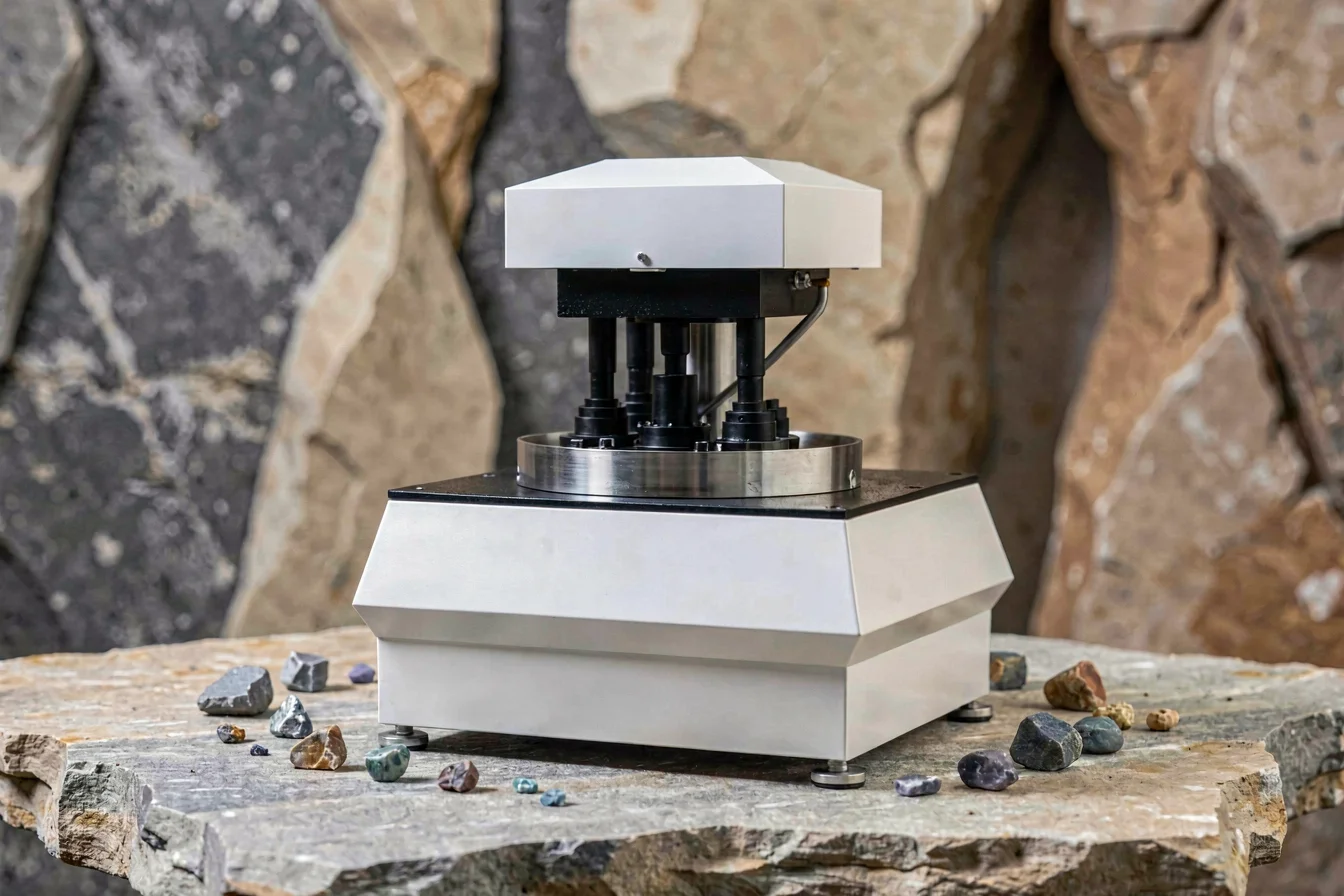
The market for stone testing equipment is experiencing steady growth, driven by increased demand from construction, geology, and jewelry sectors. Supply remains stable, with competitive pricing and a wide range of precision tools available. Buyers should prioritize high-accuracy, calibrated devices as search momentum and retail sales continue to rise, particularly for abrasion and hardness testing machines [1][2][6].
The surge in demand for stone testing equipment is shaped by stricter industry standards, a shift toward precision-driven material analysis, and a growing focus on counterfeit detection in both construction and jewelry markets. Buyers are increasingly seeking tools that offer rapid, reliable, and portable testing capabilities. Selection criteria include calibration, durability, ease of use, and compatibility with various stone types. The current landscape is defined by technological upgrades, broader application ranges, and a push for multi-functional devices.
| Trend Factor | Current Status | Impact on Buying Decision |
|---|---|---|
| Precision Calibration | Standard across top brands | Essential for accurate results |
| Portability | Increasingly popular | Field and lab use flexibility |
| Multi-functionality | Rising adoption | Reduces equipment cost |
| Counterfeit Detection | High priority | Critical for jewelry and construction |
Buyers must prioritize calibration, portability, and multi-functionality to ensure optimal performance and cost efficiency in sourcing stone testing equipment .
Market volatility for stone testing equipment is low, with supply chains resilient and steady. Industry drivers include regulatory tightening in construction and jewelry sectors, technological innovation in testing devices, and increased consumer awareness of stone authenticity. Supply chain dynamics favor direct factory sourcing and authorized distributors, with minimal disruption from geopolitical factors. Macro risks remain moderate, with price stability and consistent lead times. Buyers should monitor regional compliance and raw material availability for risk mitigation.
| Market Dimension | Current Status | Impact Level |
|---|---|---|
| Supply Chain Resilience | Stable | High |
| Regulatory Compliance | Tightening | Medium |
| Technological Innovation | Accelerating | High |
| Price Stability | Consistent | Medium |
Stable supply chains and technological upgrades make stone testing equipment procurement efficient and low-risk, but buyers must stay alert to regulatory changes.
Google Trends: Search interest for stone testing equipment, 2025–2026
Search trends show that "stone abrasion testing machine" has experienced the most pronounced growth, peaking at 87 in February 2026. Demand for hardness and colorimeter tools remains steady but lower, indicating buyers are prioritizing abrasion resistance in construction and industrial applications. Buyers should time procurement to coincide with peak demand periods for best pricing and selection [1]. Trend data signals that abrasion testing machines are in highest demand, and buyers should leverage these insights to optimize purchasing timing and product selection.
Reddit and TikTok discussions highlight recurring pain points around accurate stone identification, counterfeit detection, and the importance of reliable, portable testing tools. Gemology communities stress the need for experience and multi-test approaches, noting that no single device can guarantee 100% accuracy. TikTok trends favor quick, visual tests and influencer reviews, with engagement rising around portable, easy-to-use devices. Sentiment is generally positive but cautious, with buyers valuing calibration and ease of use above all. Resale value is strong for precision instruments, especially those with proven accuracy and multi-functionality.
"Still available?" — r/Gemology, May 2025 [10]
"Get yourself a simple LED UV light... extremely helpful to identify a bulk of common synthetic ruby and sapphire." — r/Gemology, May 2025 [10]
| Dimension | Reddit Insights | TikTok Insights |
|---|---|---|
| Accuracy | Multi-test approach, calibration essential | Influencer reviews, quick visual tests |
| Portability | Highly valued in field work | Viral for compact devices |
| Counterfeit Detection | UV light, loupe, and scratch tests | Trending hashtags for synthetic detection |
| Resale Value | Strong for precision instruments | High for multi-functional tools |
Online communities reinforce the importance of calibration, portability, and multi-functionality in stone testing equipment , directly influencing buyer sentiment and resale value.
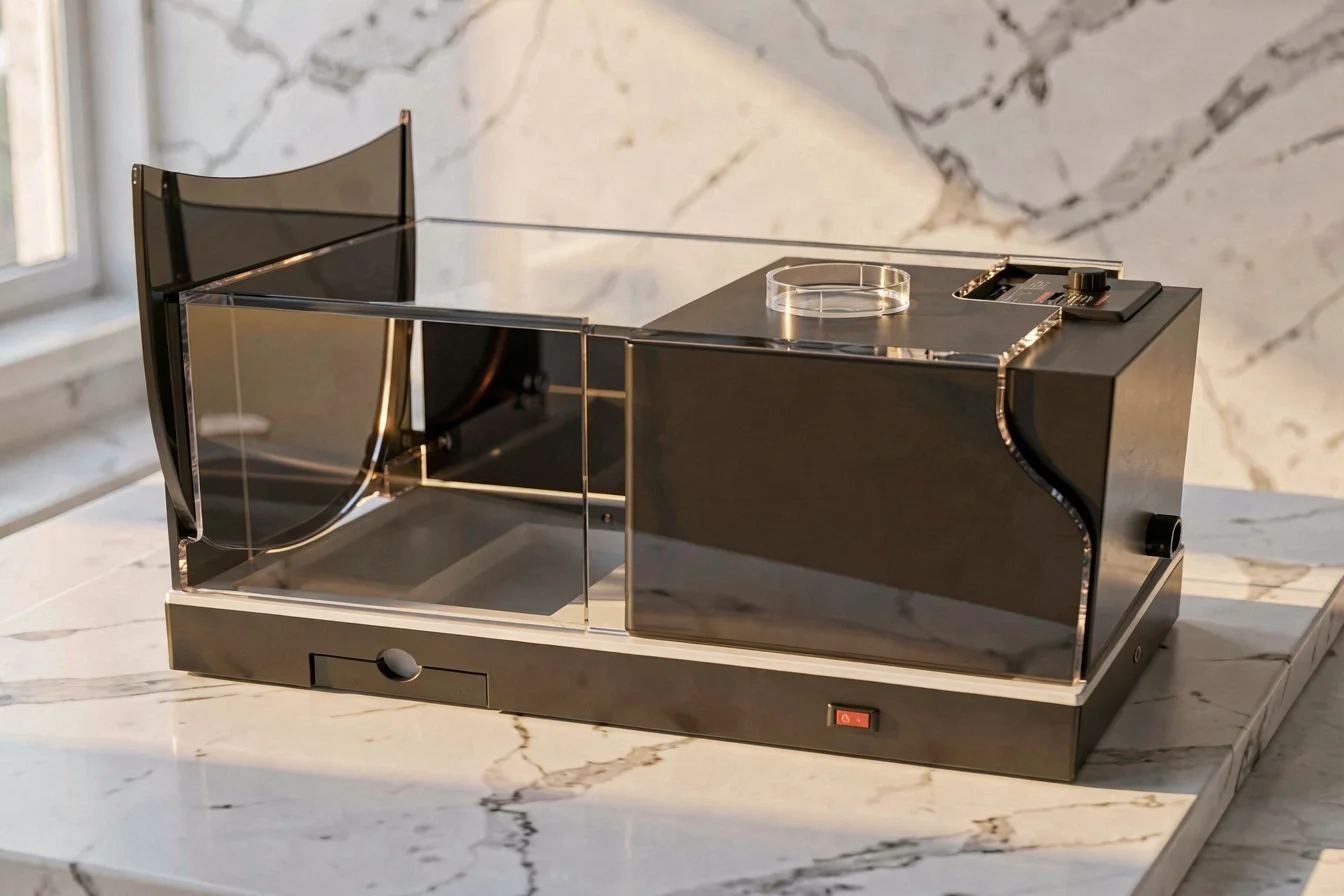
Retail intelligence shows that diamond testers, hardness kits, and colorimeters are the top-selling stone testing equipment SKUs. Buyers prioritize accuracy, ease of use, and versatility. Price points range from $8.98 for basic touchstones to $329 for advanced gem indicators. Key features include Type-C power, LED illumination, full hardness scale, and calibration to international standards.
| Image | Name | Price | Rating | Key Features |
|---|---|---|---|---|
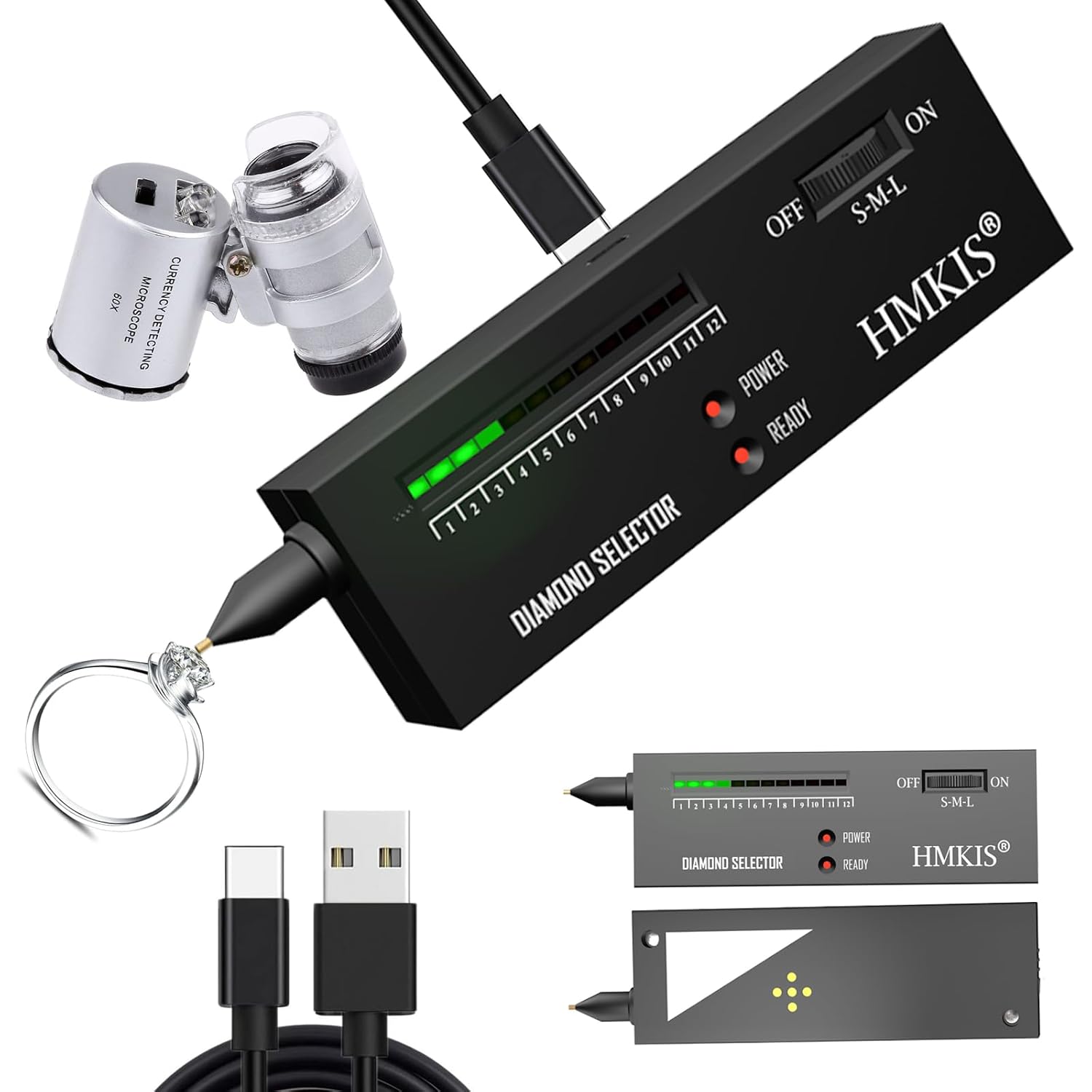 |
Diamond Tester Pen | $16.99 | 4.1/5.0 | Type-C power, LCD display, 60X loupe |
 |
Mohs Hardness Test Kit | $169 | — | Full 2–9 scale, lab-grade precision, portable |
 |
GemOro UltraTester 3+ | $249.95 | 3.7/5.0 | LED illumination, UV detection, multi-power options |
 |
Gold Testing Stone | $39.8 | 4.5/5.0 | Large surface, high contrast, jet black |
 |
Diamond Color Tester | $49.5 | 5.0/5.0 | Colorimetric scale, GDTC standard, portable |
Diamond testers, hardness kits, and colorimeters dominate retail sales, with buyers valuing calibration, multi-functionality, and ease of use in stone testing equipment .
Buyer reviews highlight strong praise for accuracy, ease of use, and durability, but some complaints focus on difficulty in differentiating real and synthetic stones. Direct quotes reinforce these points, showing that buyers value reliable results and portable design. Sentiment is generally positive, especially for tools with advanced features like LED illumination and UV detection.
"Although the stone tester does not differentiate between actual diamonds and high quality CZ, they both pass as real, I still like it and find it useful for what I need." — Amazon review, Diamond Tester Pen [2]
"I replaced an outdated diamond tester with this and I love it!! You need to read and follow the instructions carefully before you start. It takes a little practice to hold/use the tester correctly to get an accurate reading." — Amazon review, GemOro UltraTester 3+ [2]
| Product Name | Top Praise | Top Complaint | Overall Sentiment |
|---|---|---|---|
| Diamond Tester Pen | Useful for jewelry appraisal | Does not differentiate CZ from diamonds | Positive |
| GemOro UltraTester 3+ | Reliable for distinguishing diamonds from moissanite | Requires careful use and practice | Positive |
| Gold Testing Stone | Durable, scratch-resistant surface | None reported | Very Positive |
| Diamond Color Tester | Accurate color comparison, GDTC standard | None reported | Very Positive |
Buyers consistently praise accuracy and durability, but some express concerns about synthetic detection in stone testing equipment .
Reliability benchmarks for stone testing equipment are established by defect rates, maintenance cycles, and expected service life. Buyers should prioritize devices with low defect rates, easy maintenance, and long service life. Sourcing risk is mitigated by selecting OEM/ODM partners with proven calibration and quality control, mapping logistics bottlenecks, and negotiating price leverage through bulk orders. Essential criteria include calibration certificates, warranty coverage, and compliance with international standards.
| Benchmark Dimension | Diamond Tester Pen | GemOro UltraTester 3+ |
|---|---|---|
| Defect Rate | Low (no data) | Low (no data) |
| Maintenance Cycle | Minimal, user-replaceable parts | Minimal, probe tip warranty |
| Service Life | Long (no data) | Long (2-year warranty) |
| Calibration | User calibration | Factory calibration |
| Warranty | None reported | 2-year probe tip, lifetime electronics |
Reliability is best achieved through calibration, warranty coverage, and sourcing from OEM/ODM partners with proven quality control in stone testing equipment .
Looking forward, the stone testing equipment market will continue to evolve with advancements in precision, portability, and multi-functionality. Pricing is expected to remain stable as supply chains strengthen and technology improves. Buyers should prioritize calibration, durability, and compliance with international standards to optimize procurement and minimize risk. As demand for abrasion and hardness testing machines grows, buyers should leverage trend data to time purchases and select high-performance SKUs. Immediate next steps include sourcing from reputable OEMs, investing in calibration-certified devices, and monitoring regulatory changes to ensure supply-chain resilience. By staying informed and proactive, buyers can confidently secure reliable, high-accuracy tools for construction, geology, and jewelry applications.