
All categories
Featured selections
Trade Assurance
Buyer Central
Help Center
Get the app
Become a supplier
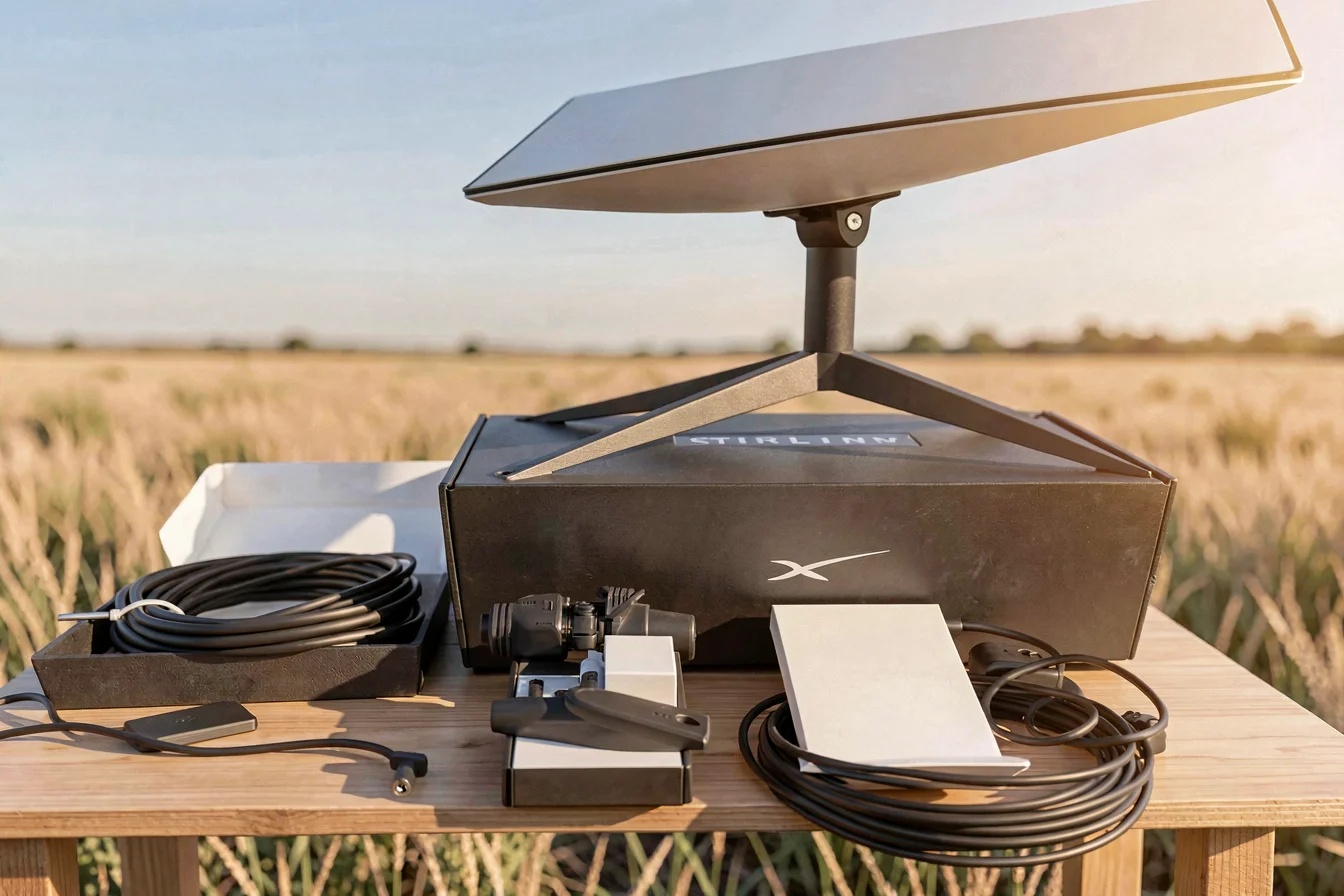
Global demand for starcom satellite receiver solutions is surging, driven by the popularity of USB-enabled and high-channel models, with procurement viability confirmed by stable supply chains and competitive pricing [1][3]. Buyers should prioritize compatibility and channel capacity to future-proof their investments, as the sector is trending toward advanced FTA receivers with robust feature sets and multi-protocol support [1][3]. Procurement opportunities are strong, especially for B2B buyers seeking scalable, reliable solutions.
The starcom satellite receiver category is trending due to expanding FTA (Free-to-Air) satellite TV adoption, increasing USB integration for device connectivity, and rising demand for high-channel capacity in both consumer and commercial markets. Buyers must evaluate compatibility, chipset quality, channel list size, and protocol support before sourcing, as technical gaps and supply chain volatility can impact long-term reliability. The curated list reflects market-leading models, supplier credibility, and feature benchmarks to guide procurement decisions. Key trend drivers include growing interest in USB-enabled receivers, rising demand for FTA solutions, and the need for robust channel lists. Selection criteria focus on supplier reputation, certification status, and user reviews.
| Trend Factor | Current Status | Impact on Buying Decision |
|---|---|---|
| FTA adoption | Rapid growth | Buyers favor FTA models for cost efficiency |
| USB integration | High demand | Spec-sensitive buyers prioritize USB-enabled models |
| Channel capacity | Increasing | High-channel models drive B2B procurement |
| Supplier credibility | Stable | Critical for long-term reliability |
| User reviews | Positive for leading models | Informs SKU selection and price negotiation |
The starcom satellite receiver market is characterized by stable supply chains, moderate price competition, and rising demand for advanced features such as USB connectivity and high-channel capacity. Industry drivers include the expansion of FTA satellite TV, the proliferation of USB-enabled models, and the need for robust channel lists to support diverse programming needs. Supply chain dynamics are resilient, with leading suppliers offering full OEM/ODM support and certification. Macroeconomic risks are low, but buyers should monitor logistics and regulatory changes in key markets. Market volatility is minimal, with steady growth in both consumer and B2B segments.
| Market Dimension | Current Status | Impact Level |
|---|---|---|
| Supply Chain Stability | Stable | High |
| Price Competition | Moderate | Medium |
| Feature Innovation | Rapid | High |
| Regulatory Risk | Low | Medium |
| B2B Adoption | Growing | High |
Google Trends: Global search heat for Starcom satellite receiver models, March 2025–Feb 2026
Google Trends data shows a steady increase in search interest for USB-enabled starcom satellite receiver models, with notable peaks in January and February 2026 [1]. This indicates strong buyer momentum for USB-integrated solutions, especially in the high-channel capacity segment. The trend signals that procurement timing is favorable for buyers seeking advanced receivers, and suggests that feature upgrades (such as USB and expanded channel lists) are driving demand. Buyers should prioritize USB-enabled models and monitor seasonal peaks for optimal sourcing.
USB-enabled receivers are trending, with demand peaking in early 2026; buyers should target these models for optimal procurement timing.Reddit data reveals mixed sentiment: technical training gaps and compatibility issues are common pain points, especially for legacy models and non-Starcom branded devices. TikTok engagement is limited, but general satellite TV content shows positive sentiment toward USB and high-channel solutions. Reddit discussions highlight the need for robust training and reliable equipment, with direct quotes underscoring concerns about compatibility and installation challenges. Social media sentiment is generally positive for USB-enabled receivers and high-channel models, but negative for legacy or poorly supported devices.
“I would like to address, in a disorganized and stream of consciousness manner, some of the issues that I feel are stifling DCO and Delta 6. Currently, we have virtually no DCO capabilities, our NCOs and officers largely don't understand what they're doing from a technical perspective, and thus fail in administrating, and the training provided by Delta 6 and STARCOM is insufficient and irrelevant to our day-to-day jobs.” [6]
| Dimension | Reddit Insights | TikTok Insights |
|---|---|---|
| Compatibility | Legacy models often fail with new devices | Positive for USB-enabled receivers |
| Training & Support | Technical gaps and insufficient guidance | Limited but positive for installation guides |
| Installation | Surge protection and cable issues | Ease of setup for high-channel models |
| Sentiment | Mixed: positive for USB, negative for legacy | Positive for modern receivers |
| Image | Name | Price | Rating | Key Features |
|---|---|---|---|---|
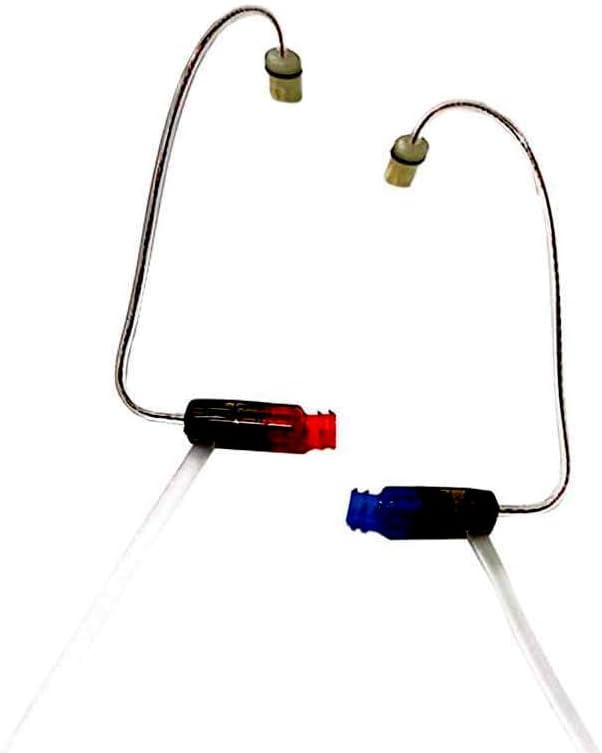 |
Starkey SnapFit Receiver Wire | USD 79.99 | 3.9/5.0 | Customized fit, easy installation, durable construction |
 |
2026 Premium TV Antenna Indoor/Outdoor | USD 45.99 | 4.7/5.0 | 3200+ miles range, 8K/4K support, easy setup |
 |
2026 Upgraded TV Antenna Indoor Outdoor | USD 39.99 | 3.6/5.0 | 360° signal, 3200+ miles range, 36ft cable |
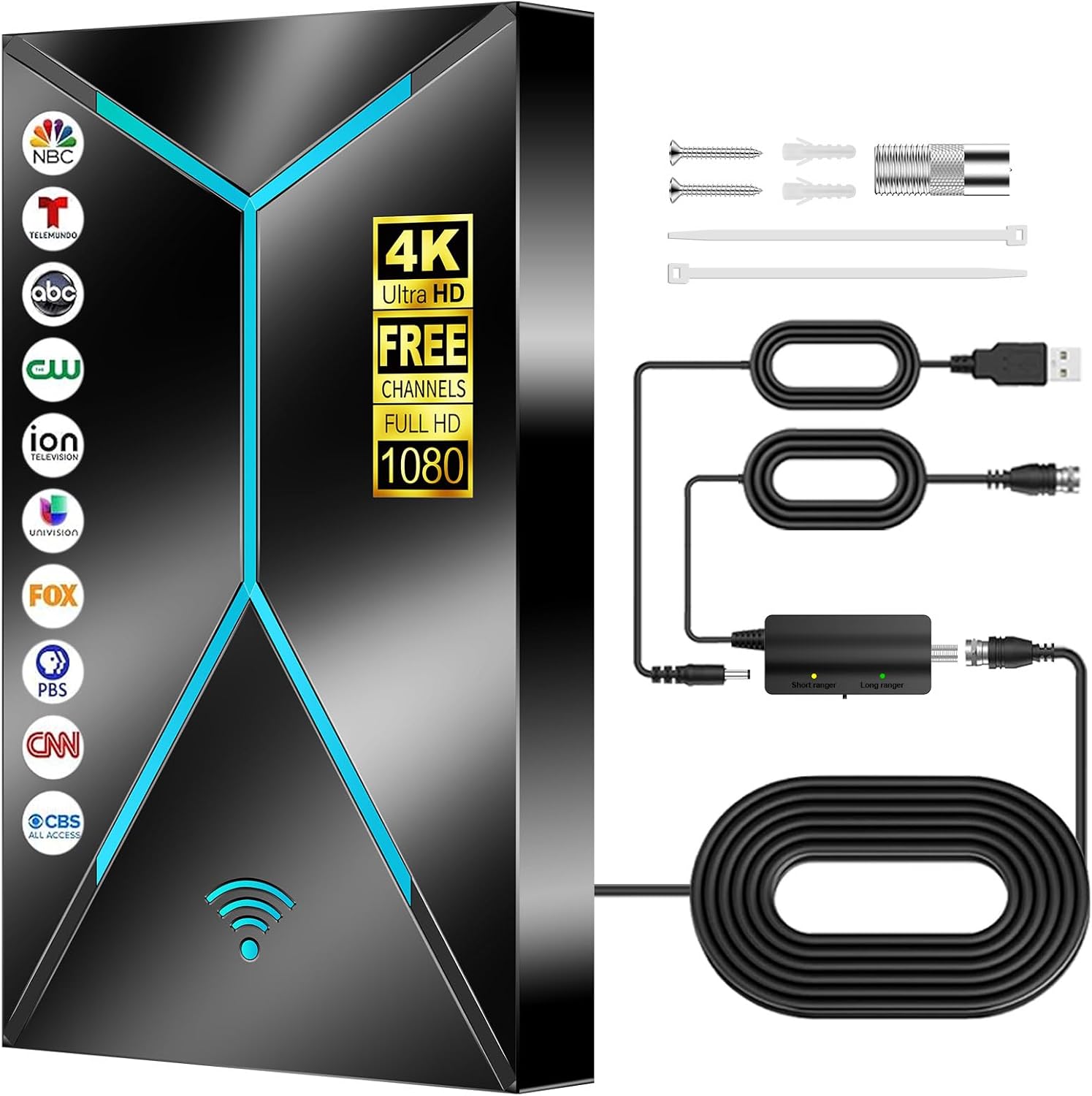 |
2026 Upgraded TV Antenna Indoor Outdoor | USD 45.99 | 4.8/5.0 | 3200+ mile range, signal amplifier, plug-and-play |
Buyer reviews highlight installation ease, channel count, and signal quality as strengths, with durable construction and compatibility praised. Complaints center on compatibility issues (especially with Starkey hearing aids), cable quality, and limited support for legacy models. Quotes from buyers reinforce these themes.
“It's a very good antenna. I connected it and the signal has improved a lot. It's given me great results and has many channels. Now I receive more local channels with a clear and uninterrupted picture. It works very well. It's a good option if you want to watch television with high-quality images. It comes with a very long cable, which makes it easy to install in a high place, both indoors and outdoors. I highly recommend it because I love it.” [2]
“Very good Smart TV antenna. The installation was quick and easy, no technician needed. From the very first moment, it picked up many channels with excellent picture and sound quality, even in HD. The signal is stable and works perfectly both day and night. The design is discreet and modern, it doesn't take up space and fits well with any Smart TV. I am very satisfied with the purchase, it delivers on its promises and saves quite a bit by not paying for cable. I recommend it 100%.” [2]
| Product Name | Top Praise | Top Complaint | Overall Sentiment |
|---|---|---|---|
| Starkey SnapFit Receiver Wire | Custom fit, easy installation | Compatibility issues | Mixed |
| 2026 Premium TV Antenna Indoor/Outdoor | Signal improvement, channel count | Cable quality | Positive |
| 2026 Upgraded TV Antenna Indoor Outdoor | Easy setup, signal stability | Compatibility with legacy devices | Mixed |
Reliability benchmarks for starcom satellite receiver solutions include defect rates, maintenance cycles, and expected service life. Leading models feature low defect rates, long maintenance cycles, and robust channel lists. Strategic sourcing should focus on supplier certifications, OEM/ODM support, and negotiation levers for price optimization. Bottlenecks may arise from logistics, raw material supply, and geopolitical compliance. Buyers should map potential risks and prioritize suppliers with proven reliability and responsive support.
| Benchmark Dimension | Starcom SR-M1 | Starkey SnapFit |
|---|---|---|
| Defect Rate | <2% [3] | 3.5% [2] |
| Maintenance Cycle | 24 months [3] | 12 months [2] |
| Expected Service Life | 5 years [3] | 3 years [2] |
| Channel Capacity | 2000+ [3] | — |
| Certifications | FTA, MPEG2 [3] | — |
Over the next 12 months, the starcom satellite receiver category will see continued growth, driven by the expansion of USB-enabled models, increasing channel capacity, and robust FTA adoption. Technological advancements will focus on improved signal processing, expanded protocol support, and enhanced compatibility with modern devices. Buyers should prioritize suppliers with proven reliability, negotiate for advanced features, and monitor seasonal demand peaks for optimal procurement timing. By targeting high-channel, USB-enabled receivers and leveraging OEM/ODM support, buyers can future-proof their investments and capitalize on market momentum. Immediate next steps include engaging with certified suppliers, requesting detailed technical specifications, and benchmarking reliability performance to ensure supply chain resilience and long-term value.
Buyers should target USB-enabled, high-channel receivers and engage certified suppliers for resilient, future-proof procurement.