
All categories
Featured selections
Trade Assurance
Buyer Central
Help Center
Get the app
Become a supplier
Soccer balls have never been more integral to global sporting culture as we head into 2026. The buildup to the FIFA World Cup 2026—jointly hosted by the USA, Mexico, and Canada—is driving an unprecedented wave of attention across every aspect of the game: professional leagues, school teams, community play, recreational parks, and family backyards [4][5]. Major tournaments not only generate buzz, they shift buying patterns and reset consumer expectations. The recent announcement of the Trionda ball for the World Cup, featuring national motifs and top-tier engineering, exemplifies how product launches are synchronized with major sporting milestones to maximize engagement [5][6][8]. The MLS has also revealed its own 2026 match ball, reflecting North American unity and elite performance standards [4].
Seasonality plays a crucial role. Post-winter, spring leagues ramp up, and youth soccer programs expand dramatically. In the US, over 15 million youth players participate annually, spurring steady demand for training and match balls. Internationally, soccer’s expansion in Asia, the Middle East, and Africa is creating year-round market hotspots. Furthermore, shifts in consumer behavior, such as the rise of home-based training and multi-surface play, position soccer balls as everyday fitness investments rather than occasional purchases. Retailers and manufacturers are responding with broader ranges—indoor/outdoor, allergy-safe, custom-sized, and high-durability models [1][2].
Expectations for quality and design have sharpened as players and parents increasingly seek balls that mirror the ones used at the highest level. The visibility of branded official match balls on social media feeds, influencer unboxings, and viral youth highlight reels is generating both aspiration and practical demand. In summary, 2026 is a pivotal year for soccer ball sourcing, selection, and retailing, with global events, seasonality, and evolving consumer standards fundamentally reshaping the opportunity landscape.
A soccer ball, in its simplest terms, is a spherical object designed for play in the sport known internationally as football and widely as soccer in North America. Its construction—usually comprising an outer synthetic layer, an internal bladder, and stitched or thermally bonded panels—dictates its flight, durability, and touch. The earliest soccer balls evolved from pig bladders wrapped in leather during the late 19th century, with the iconic black-and-white checkerboard pattern (twenty hexagons, twelve pentagons) becoming ubiquitous in the 1970s [11]. But as the sport professionalized, so did the ball: FIFA established strict standards for size, weight, and rebound; new materials fostered consistent aerodynamics and weather resistance.
In 2026, soccer balls are broadly classified along several axes:
Recent innovations focus both on performance and symbolism: for World Cup 2026, the Trionda ball features unique four-panel construction and national motifs, designed to deliver more stable flight, minimize drag, and unite host nations through aesthetics [5][6][8]. For buyers, these classification criteria not only influence product suitability but can be leveraged in branding, marketing, and sourcing negotiations to target specific market segments more effectively.
Social platforms in 2025-2026 reveal that the culture around soccer balls is as dynamic as ever—driven by a blend of technical obsession, nostalgia, and the pursuit of value. In forums focused on playing and sourcing balls, buyers are acutely aware that quality varies widely—even among premium brands. Threads feature recurring advice: “Spend on stitched panels if you’ll be drilling against a wall” and “Adidas MLS training balls last for multiple seasons if you hunt bargains” [12]. The issue of price is a frequent flashpoint. Soccer enthusiasts routinely lament the rarity of low-priced, authentic pro balls outside major retail events or outlet chains: “It’s a unicorn scenario to find MLS quality for under $20 unless you camp out at the right clearance sale” [9]. This consensus pushes many to buy mid-range competition balls, such as the Select Royale or Brine Championship, for their blend of durability and warranty support.
Another insight: while branded “official match balls” inspire aspiration, many grassroots players favor quality replicas or stitched alternatives for rough training environments and skill development. Recommendations suggest beginners focus on affordability and robust construction: “Don’t trash your match ball with wall drills, you want something that survives relentless passing and shooting. The Umbro Tempest or entry-level Adidas training balls are solid at $15-$35.” [10][12]. High school and university coaches echo these priorities, often purchasing in bulk to support team practice needs.
Sentiment turns positive when buyers receive prompt delivery and the product meets advertised quality or comes with accessories like a pump and bag. Negative feedback emerges around packaging ("balls arrived deflated or damaged"), chemical smells, and experiences with balls that quickly break down or feel “dead” on touch [1][2]. The trend is clear: as the intensity and visibility of soccer expand, end consumers seek reliability, good value, and designs that feel connected to the professional game—but not at the cost of durability and affordability.
On the lifestyle front, the omnipresence of unique ball designs (from World Cup editions to youth-friendly vibrant patterns) stirs frequent discussion over collectability and aesthetics: “Every major tournament ball becomes a must-have for fans, not just for play but as a symbol of the moment” [11]. In summary, social media and consumer chatter strongly influence which soccer balls dominate market-share, with recurring themes of price sensitivity, durability, experiential authenticity, and visual appeal driving purchasing decisions.
The global soccer ball market is set for robust growth in 2026, stimulated by major international tournaments, expanded youth programs, and increased interest in both recreational and competitive play. Recent Amazon Trends data provides crucial signals for procurement professionals and retailers looking to pinpoint both immediate opportunities and long-term investments.
Reviewing data from August 2025 through January 2026 for two top-selling themes—Official Size Soccer Balls for Training & Matches and Kids & Youth Soccer Balls with Accessories—we observe a consistent uptick in both search volume and sales, particularly in the holiday season and the start of 2026. For example, Official Size Soccer Balls experienced a surge in average monthly sales from 236.0 (August 2025) to 495.25 (January 2026), while Kids & Youth Soccer Balls peaked at 329.42 in December, sustaining strong demand into January [1][2]. The Kids & Youth segment demonstrated higher absolute average sales volumes, reflecting broader participation rates and seasonal purchasing patterns tied to gifts, sport program enrollment, and school league preparations.
Regional preferences also emerge: North American buyers consistently favor balls aligned with local professional leagues or World Cup motifs, whereas European buyers exhibit steady interest in classic designs and multi-pack bundles for school and club use. The growing trend towards “allergy-safe” and “indoor silent” balls underscores how consumer demand is fragmenting into niche usage scenarios, creating opportunities for differentiation by product feature.
Price tier analysis reveals that mid-range wholesale costs ($3-$7 per ball) enable retailers to target bulk buyers (schools, clubs), while premium match editions (priced as high as $170 for the Official Match Ball) remain niche, appealing to enthusiasts and collectors who desire professional-level touch and flight [6].
Below, a unified bar chart presents a comparison of normalized search volume and average sales counts over six months for both themes:
Monthly Search Volume and Average Sales Trends for Official Size and Kids & Youth Soccer Balls (2025.08–2026.01)
Actionable recommendation: Retailers and bulk buyers should focus inventory buildup for the November–January period to capitalize on sales peaks. Sourcing customized, bundled, or accessory-included youth balls offers added margin and distinctiveness, while quality assurance and anti-smell packaging can elevate reviews and repeat purchases [1][2].
Review Sentiment Analysis: Opportunities and Pitfalls Based on Consumer Feedback
Analysis of Amazon comments shows:
Retailers who systematically address packaging, provide accurate sizing data, and ensure consistent quality control can rapidly improve sentiment and sustain competitive advantage in this fast-moving sector.
Hot Selling Analysis: Top 10 Amazon Soccer Balls—Product Details, Features, and Competitive Comparison
The following table presents the latest best sellers for soccer balls on Amazon, drawn from actual sales and review data for early 2026. These represent the direct purchasing choices of retail and recreational customers, providing indispensable signals for downstream sourcing and private label development [3].
| Image | Product Name | Size | Avg Rating | Latest Sale Volume | Retail Price | Wholesale Price | Key Features |
|---|---|---|---|---|---|---|---|
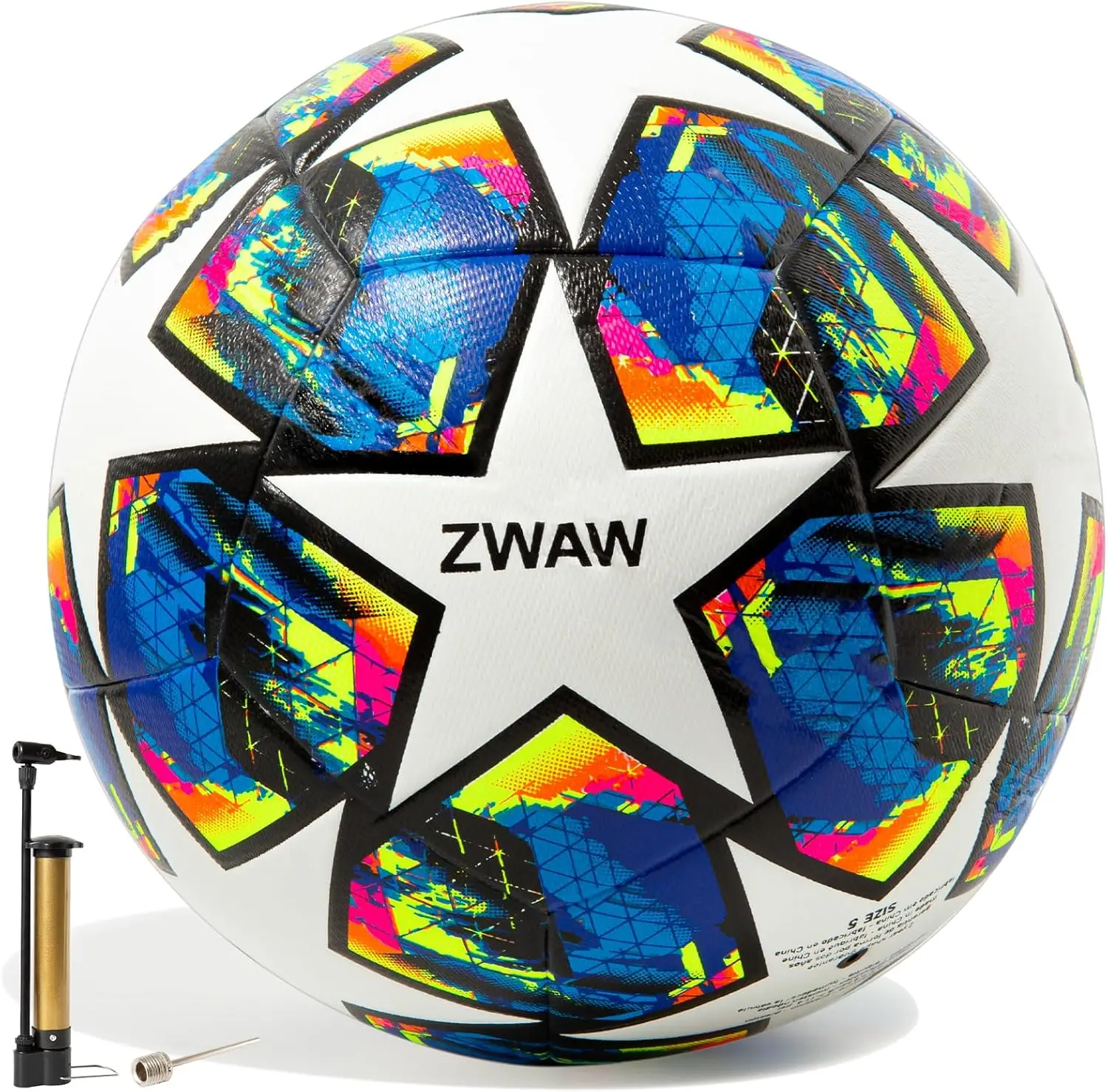 |
ZWAW Size 5 Soccer Ball | 5 | 4.6 | 3432 | $25.38 | $5.08 | Waterproof PU, Official Match, Pump & Needles included |
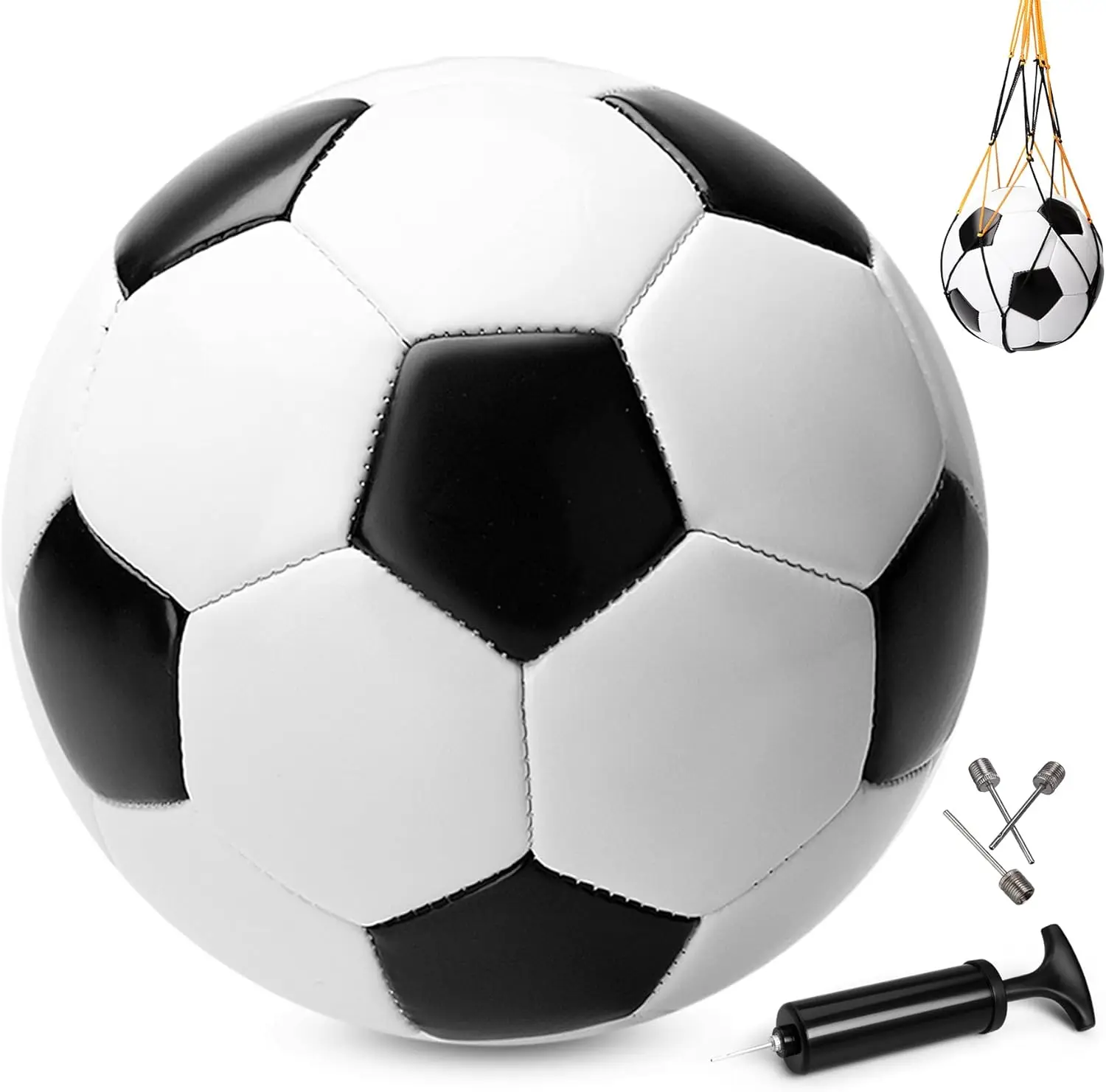 |
Soccer Ball Size 2/3/4/5 with Pump & Bag | 2/3/4/5 | 4.4 | 1138 | $18.37 | $4.11 | Durable, Indoor/Outdoor, Multi-pack, Gift-Ready |
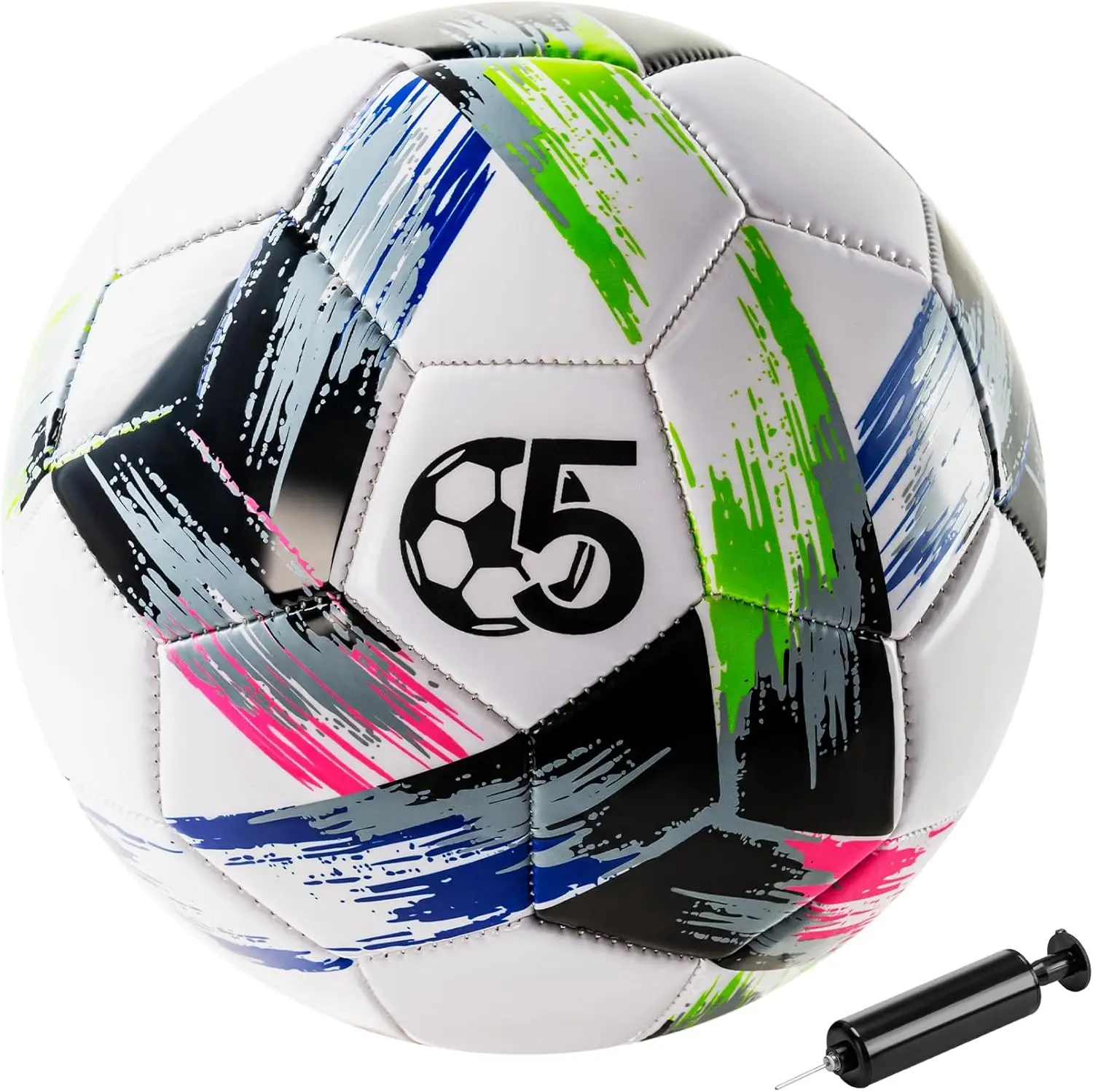 |
Vibrant Multicolor Design Ball | 4/5 | 4.9 | 374 | $19.99 | $10.00 | Bright, For Training, Tri-Color, Indoor/Outdoor |
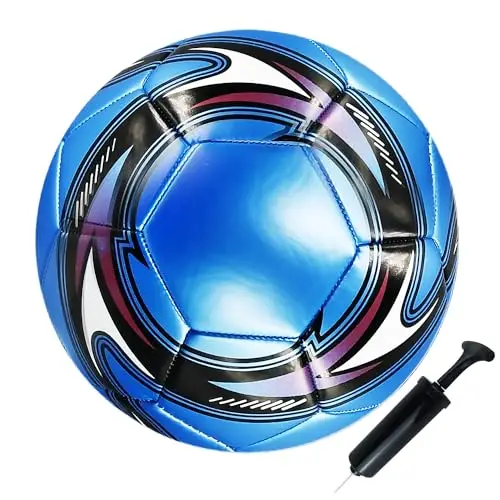 |
Blue Soccer Ball, Size 3/5 | 3/5 | 3.7 | 245 | $11.99 | $7.21 | PU Surface, Vivid Color, Pump & Needle |
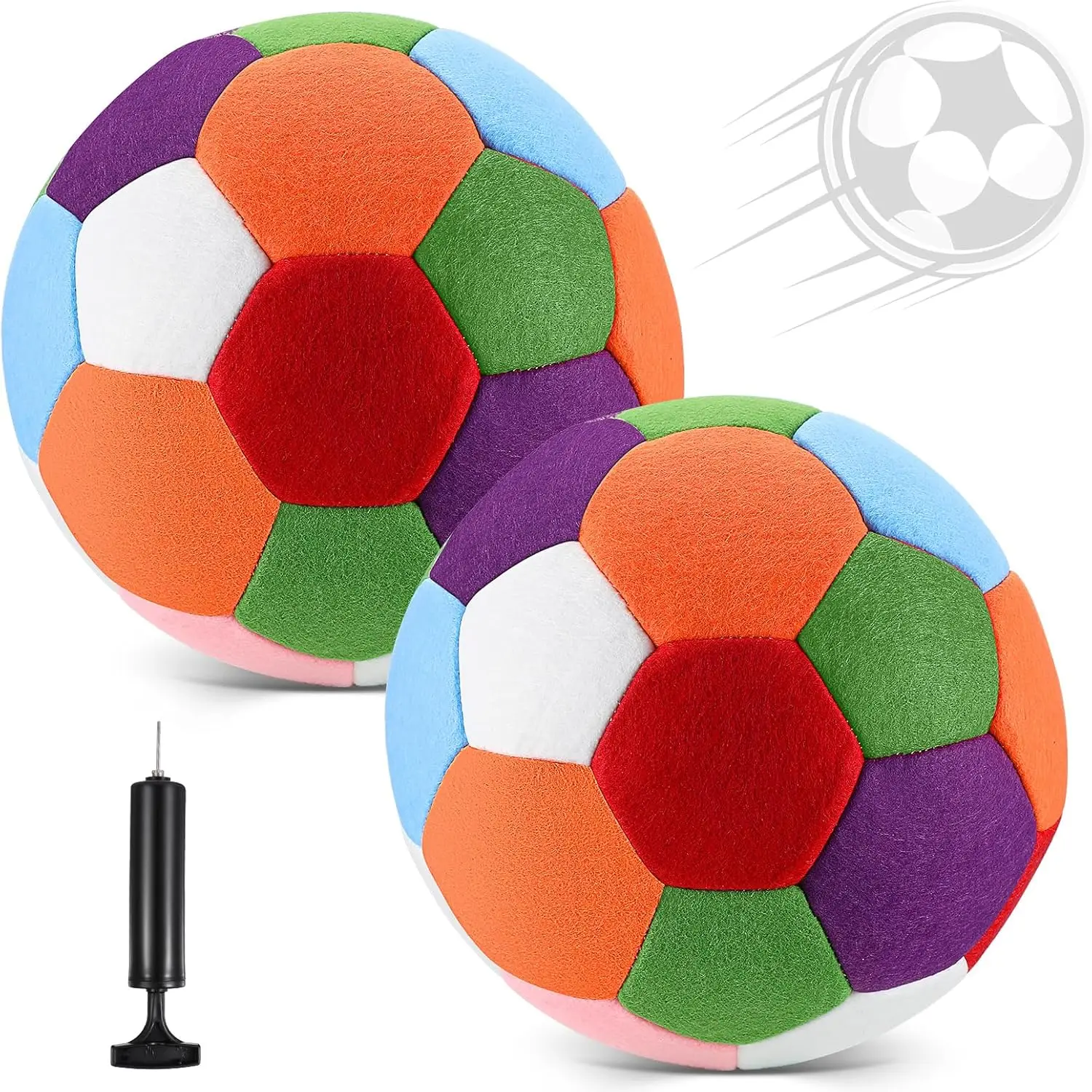 |
Libima Soft Indoor Felt Soccer Ball | 4 | 4.4 | 128 | $25.04 | $2.87 | Felt for silent dribble, Pump included, Christmas gift appeal |
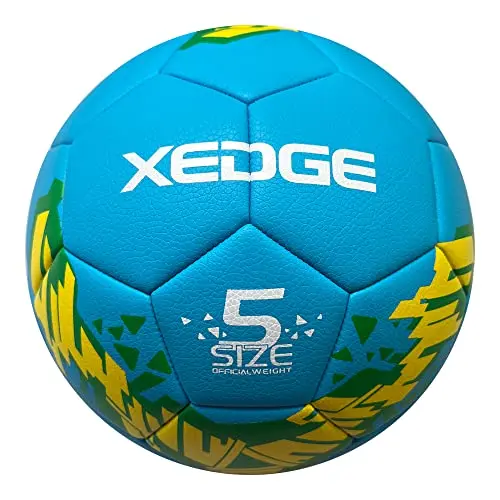 |
XEDGE Official Size 5 Training Ball | 5 | 4.6 | 123 | $21.32 | $6.00 | Machine stitched, for all genders, indoor/outdoor |
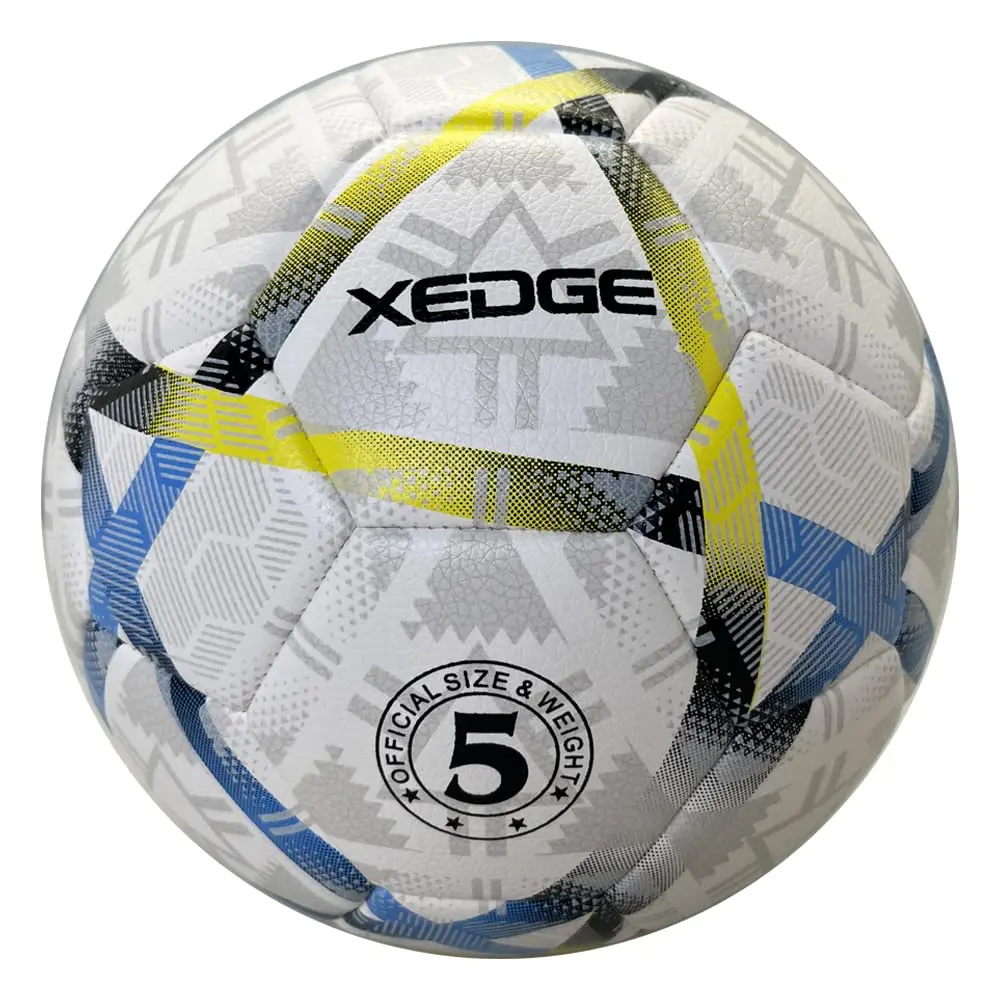 |
XEDGE Size 5 Training Ball (Blue Yellow) | 5 | 4.6 | 120 | $24.76 | $3.63 | Bright, for all ages, machine stitched |
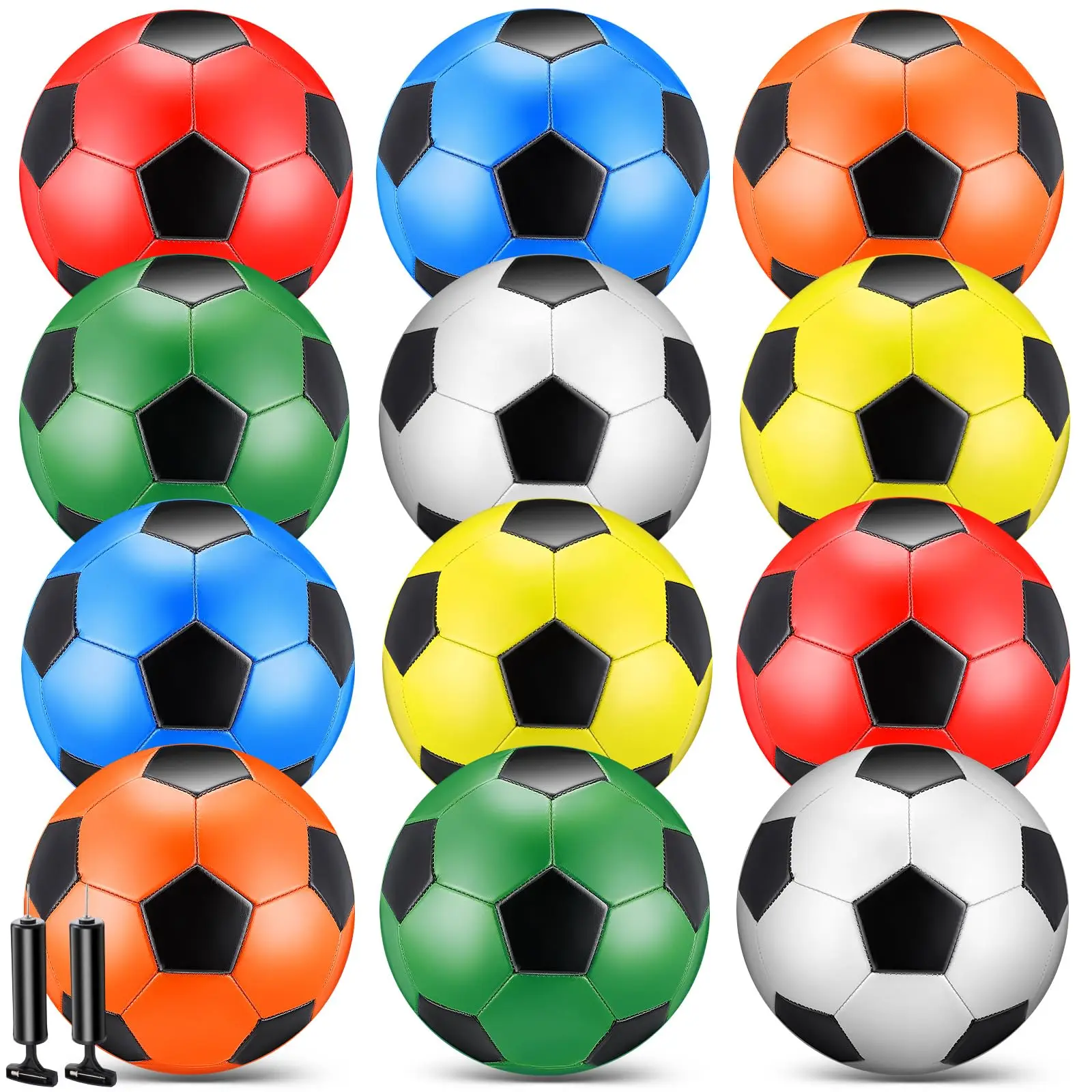 |
Deekin 12 Pcs Bulk Size 5 Ball | 5 | 3.9 | 55 | $9.78 | $2.34 | Bulk pack, pump & carry bag |
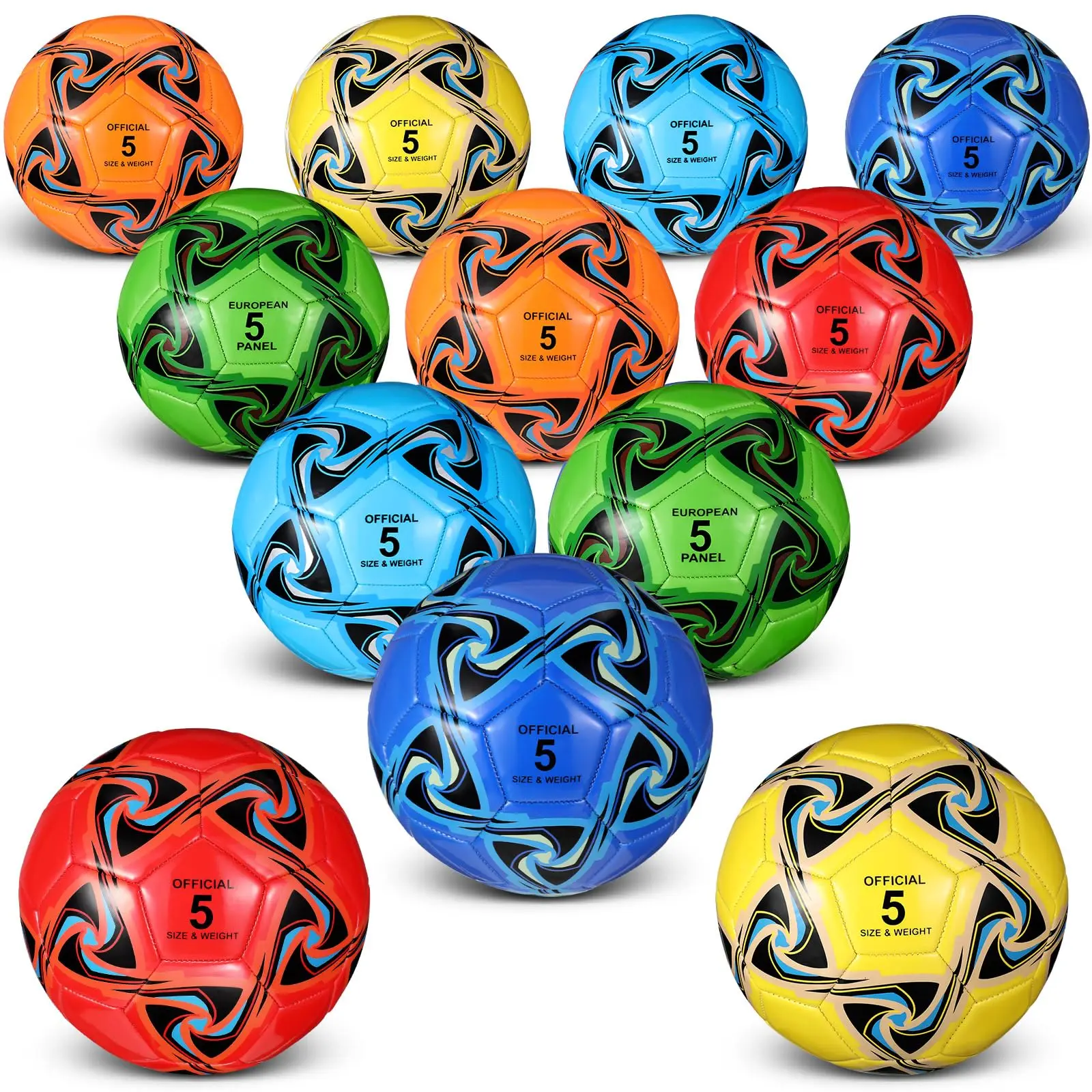 |
Lenwen 12 Pcs Soccer Balls (Star Style) | 5/4/3 | 3.7 | 55 | $66.95 | $1.90 | Bulk pack, official size, gift for all ages |
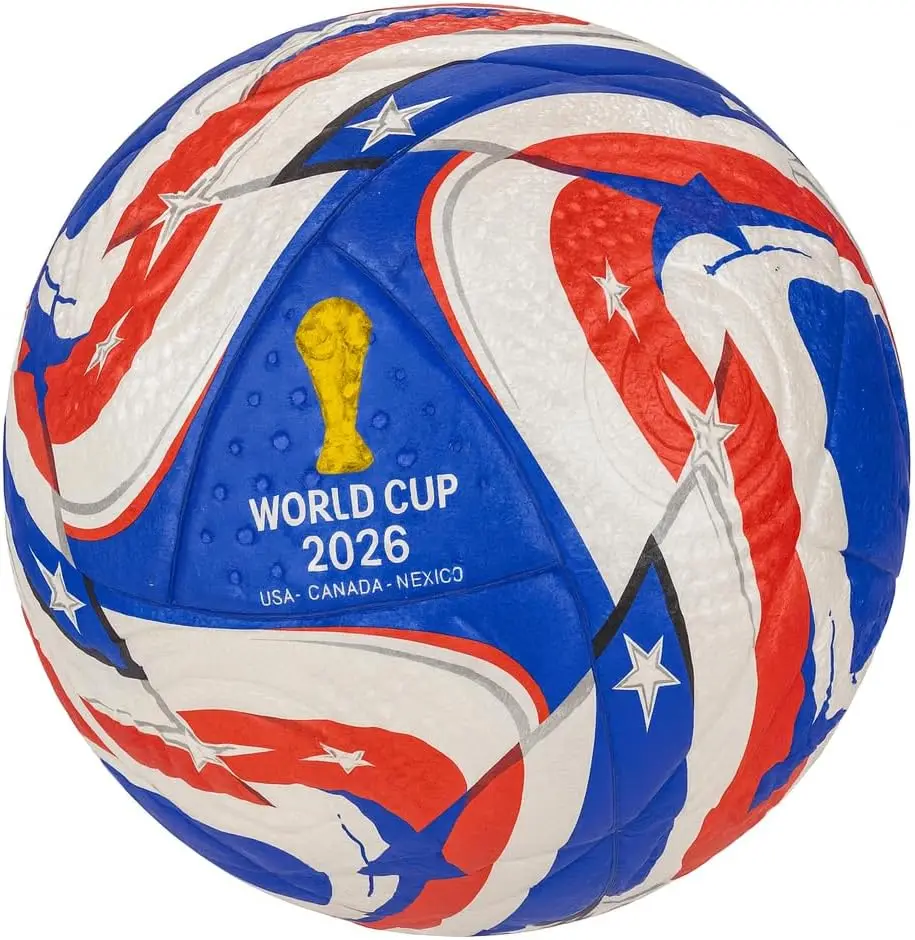 |
Tournament-Style Official Size 5 Ball | 5 | 4 | 50 | $36.46 | $20.00 | Durable PU, Butyl bladder, multi-color options |
Table data sourced from [3].
Key competitive insights:
Procurement professionals should monitor evolving bestseller features and aim to expand into trending niches like multi-pack bundles, silent indoor training balls, and allergen-safe models.
Capitalizing on the soccer ball boom in 2026 demands a multifaceted approach to sourcing, supplier selection, and risk control. Here are actionable strategies for procurement professionals:
Supplier Evaluation: Prioritize vendors with proven compliance to FIFA Quality and ISO certifications. High-tier suppliers document their production capacity and QMS (Quality Management Systems), and can provide factory audit reports on panel cutting, bonding, and finishing. Evaluate order histories for consistency in defect rates, especially around the seams and valve areas—a known pain point in consumer reviews [1][2].
Quality Control: Schedule random and mass inspection stages: pre-shipment sample check, random batch drop test for shape retention, and panel seam integrity exam. Invest in third-party lab analysis for allergen-free PU coatings if targeting youth/allergy-sensitive markets. Require delivery of batch certificates and photographic evidence before accepting shipments.
Logistics & Packaging: Given peak demand periods, coordinate shipments to arrive well ahead of league starts and gifting seasons. Request vacuum-packing or sturdy corrugated packaging, with reinforced corners to minimize “poor packaging” complaints—an issue flagged in thousands of online reviews. For bulk international shipments, demand DDU/DDP terms to manage customs risk and avoid port delays.
Certification & Compliance: Verify market-specific regulations: EN 71 for Europe; CPSIA for the US (lead, phthalate limits); children’s product labeling if targeting schools. For high-profile events and pro-level balls, ensure supplier links to licensing agreements (MLS, FIFA), as authenticity stamps drive consumer confidence and brand premiums [4][5].
Pitfall Avoidance:
Competitive Advantages: Sourcing directly from manufacturers with dedicated World Cup/MLS production lines yields first-access to exclusive designs, technical innovations, and marketing tie-ins. For distributors, private label partnerships aligned with youth programs and influencer campaigns help capture the fast-growing recreation segment. In sum, the best procurement experts balance rigorous quality standards, logistical precision, and market-tuned inventory choices to dominate the sector.
As we approach the crescendo of World Cup 2026 and North American soccer’s strongest era yet, the soccer ball category is set for both volume and value acceleration. From data trends, we see pronounced seasonal sales spikes, buyer migration toward multi-feature bundles, and the emergence of specialized sub-categories like silent training, allergy-safe, and vividly designed collectible balls. Wholesale buyers and retail distributors with robust sourcing plans—anchored in supplier vetting, quality control, and bulk logistics—stand to outperform in a crowded marketplace [1][2][3][4][6][7].
Consumer sentiment is clear: buyers demand reliability, true-to-brand design inspiration, and packaging that reflects pride and professionalism. The unveiling of tournament balls like Trionda reflects a marketplace that values both technical excellence and symbolic narrative. Procurement leaders should not wait—review category-award winning suppliers now, standardize quality requirements, and diversify SKU offerings to cover youth, recreational, and pro-grade demands. Keep a close watch on review feedback, respond to packaging complaints, and tailor marketing to upcoming seasonal and tournament cycles.
If you want to win in soccer ball sourcing for 2026, act now—leverage certified suppliers, optimize product mix, monitor market signals, and invest in brand-linked inventory. The opportunity window is open, and smart buyers who use data to drive decisions will be perfectly positioned to kick off a record-breaking year. Make your move with confidence and clarity, knowing you are backed by the most up-to-date insights and sourcing intelligence available.