
All categories
Featured selections
Trade Assurance
Buyer Central
Help Center
Get the app
Become a supplier
As we enter 2026, the marketplace for silicone corner protectors has seen unprecedented growth, fueled by a blend of heightened home safety awareness, parental demand, and institutional adoption. The urgency of creating safer homes and facilities for children, elderly, and pets—combined with the wave of post-pandemic interior upgrades—drives sharp increases in consumer interest and purchasing rates [1][2][3]. Recent cultural events such as global “Safe Home” campaigns and daycare safety regulations are boosting baseline demand not just in North America, but also in high-population regions like South Asia and Europe, a trend that surged during late spring into early summer 2025 [13].
Seasonal factors play a pronounced role: back-to-school periods, child-proofing after home renovations, and holiday gifting have led to monthly spikes in search and sales volumes, with a notable 6.95% increase in June 2025 that sustained into early 2026 [1]. Retailers and wholesalers observe strong cyclical upticks, particularly as new home builds and rental turnovers often precipitate a renewed focus on safety upgrades.
Consumer behavior has shifted, with buyers now expecting products that blend safety, aesthetics, and easy installation, pressuring suppliers and brands to innovate not just in core materials but also in adhesive technology and visual appeal. Alongside baby-proofing, corner protectors now represent a staple for pet owners and even tech gadget enthusiasts looking to protect devices and premium furniture [9][10][11].
In 2026, the silicone corner protector stands poised as more than a household accessory: it’s a must-have safety solution—spanning practical utility, design sensibility, and compliance with evolving safety standards.
A silicone corner protector is defined as a flexible, impact-absorbing cover designed to shield sharp corners—on furniture, walls, countertops, or industrial fixtures—from accidental contact or injury. These devices typically utilize medical-grade or food-grade silicone due to its exceptional pliability, durability, and non-toxic qualities. As the category evolved, applications expanded from simple child safety in homes to more advanced uses in medical facilities, schools, and commercial spaces [4][5].
The history of corner protectors traces back to the late 20th century when bulky foam guards began appearing in child-proofing catalogs. Advances in material engineering allowed for the shift to silicone by the early 2000s: not only does silicone offer superior resilience against tearing and heavy impacts, but it also maintains shape and transparency, crucial for modern home aesthetics. Premium-grade silicone corner protectors began featuring flame-retardant, waterproof, and bacteriostatic properties starting in the 2010s, making them suitable for medical trays and heavy-duty industrial areas [4].
Today’s protectors fall into several major categories:
For buyers, classification criteria center around:
Understanding these distinctions ensures purchasers select optimal solutions for both immediate safety concerns and long-term resilience, whether for homes, care facilities, retail spaces, or specialized equipment protection.
Online communities have transformed how buyers discover, assess, and troubleshoot silicone corner protectors. A scan across active discussion threads in 2025-2026 reveals several recurring themes: installation challenges, adhesive strengths and weaknesses, aesthetic concerns, and anecdotal stories of injury prevention [9][10][11][12][13][14][16][17][18].
A widely-cited frustration is with adhesives: although most protectors arrive with pre-applied tapes, users—especially parents and renters—report mixed results. Many advocate switching to clear double-sided gel tape for superior hold and surface protection, especially for delicate furniture finishes [10]. One parent shares, “The gel tape holds well but comes off clean without messing up the wood. Just test a small spot first to be safe.” This kind of DIY wisdom helps drive repeat purchases and brand loyalty, especially in communities focused on ‘home hacks’ and baby-proofing tips.
Design nuance also plays heavily in user feedback. In-depth product comparisons show that T-shaped protectors made of thicker silicone often provide better structural protection, though sometimes at the expense of adhesive reliability. Sleeker, thinner, or ‘three-legged’ versions are preferred for their low profile and better sticking performance, but may offer less padding against direct impact. One user noted, “Thicker silicon gives more protection but the adhesive isn’t as strong, while the thinner three-legged one sticks better but feels sharper at the edges” [9].
Beyond function, aesthetics are crucial—particularly for modern interiors and tech applications. Tablet and electronics users rave about matched color protectors that “almost look like part of the folio,” stressing the importance of seamless integration and non-intrusive design [11]. A corporate buyer recounted, “I dropped my laptop with a protector and it broke, but the device was totally fine. The corner protector did its job and paid for itself instantly.”
Safety anecdotes reinforce the critical value proposition: one mother described how her son, running in circles, cut his ear on an unprotected furniture corner—leading to long-lasting trauma that could have been avoided with even basic guards [13]. Such stories catalyze action in online communities, with strong calls for universal protection—especially during mobile toddler years and frequent home rearrangements.
Other DIY enthusiasts report customizing protectors for unique furniture shapes, with recommendations for soft, malleable materials or even personalized 3D-printed options for triangular or non-standard edges [17]. Some industrial and commercial buyers cite the reuse and recyclability prospects, underscoring environmental and cost advantages for businesses managing high volumes of shipments or installations [18].
The cumulative effect of these community experiences creates a dynamic knowledge base—empowering new buyers to make smarter sourcing decisions while pushing brands to innovate in both product quality and support resources.
The silicone corner protector market marches into 2026 as a rising star in both retail and B2B channels [1][2][3]. The category’s total search volume and sales figures showcase remarkable resilience—even against minor seasonal dips, strong growth patterns persist throughout the second half of 2025 and into January 2026. Analyzing Amazon Trends, we spot several peaks:
The primary buyers are parents (50.48%) and pet owners (45.67%), with nearly all purchases driven by home safety needs (97.38%) [1]. For adjacent categories like door guards and comprehensive safety kits, parents constitute an even tighter majority (75.68%), indicating a high overlap in buyer profiles across child-proofing lines [2]. Opportunities for suppliers include addressing known flaws—especially improving adhesive reliability and redesigning unattractive or ill-fitting products.
When examining consumer sentiment tags:
Regional preferences skew towards transparent or softly colored protectors in North America and Europe, while Southeast Asian markets favor bulk value packs and reinforced industrial options for schools and clinics. Innovation trends involve medical-grade formulations, customizable colorways, and multi-angle compatibility (60-degree/triangular fit) for specialty furniture profiles [17].
Sales Trend Visualization and Sentiment Analysis
Below we present a bar chart visualizing monthly normalized sales counts for "Baby Furniture Corner Protectors & Edge Guards" and "Baby Door Guards & Safety Proofing Kit" over the period August 2025 to January 2026, highlighting the seasonal peaks and actionable insights for sourcing professionals:
Normalized monthly sales count comparison for two leading baby safety categories (Aug 2025-Jan 2026). Retailers should ramp inventory during June-Aug, then steady procurement for year-end demand.
This data reveals the pronounced advantage of the corner protector segment—outperforming door guard kits by a factor of ten in sales volume. Retailers and wholesalers should prioritize corner protector SKUs through the third and fourth quarters and consider bundling strategies for safety proofing kits in adjoining product lines. Because sentiment analysis pinpoints persistent adhesive and fitting complaints, procurement professionals are advised to request samples, run adhesion/fitting tests, and seek out suppliers with demonstrated design upgrades.
Top 10 Hot Selling Silicone Corner Protectors: Amazon Retail Analysis
The following table provides a comparative overview of the ten current best-selling silicone corner protector products on Amazon, spotlighting distinct features, average star ratings, latest monthly sales, and buyer value propositions [3]. Buyers should reference these SKUs for benchmarking and product refinement opportunities.
| Image | Product Name | Average Rating | Latest Sales (Monthly) | Retail Price | Wholesale Price | Key Features |
|---|---|---|---|---|---|---|
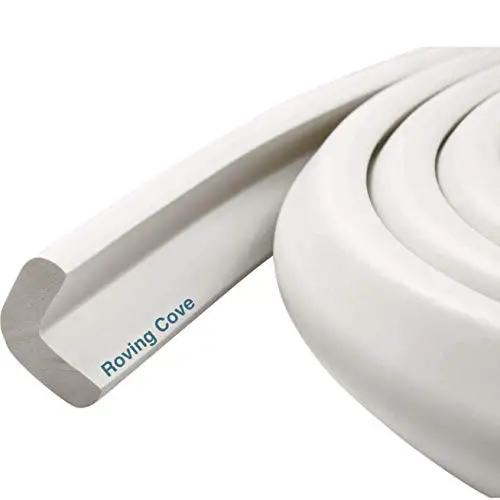 |
Roving Cove HeftyFit Edge Protector, 6ft Large, Off White | 4.5 | 7,836 | $10.17 | $1.10 | Heavy-duty, soft bumper, thick edge, 3M adhesive, long coverage |
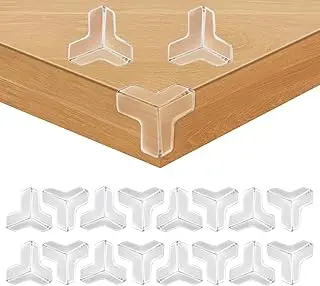 |
16 Corner Protector Baby, T-Shape Clear Guards | 4.5 | 5,241 | $6.99 | $0.08 | T-shape, transparent, multi-pack, baby proof, easy application |
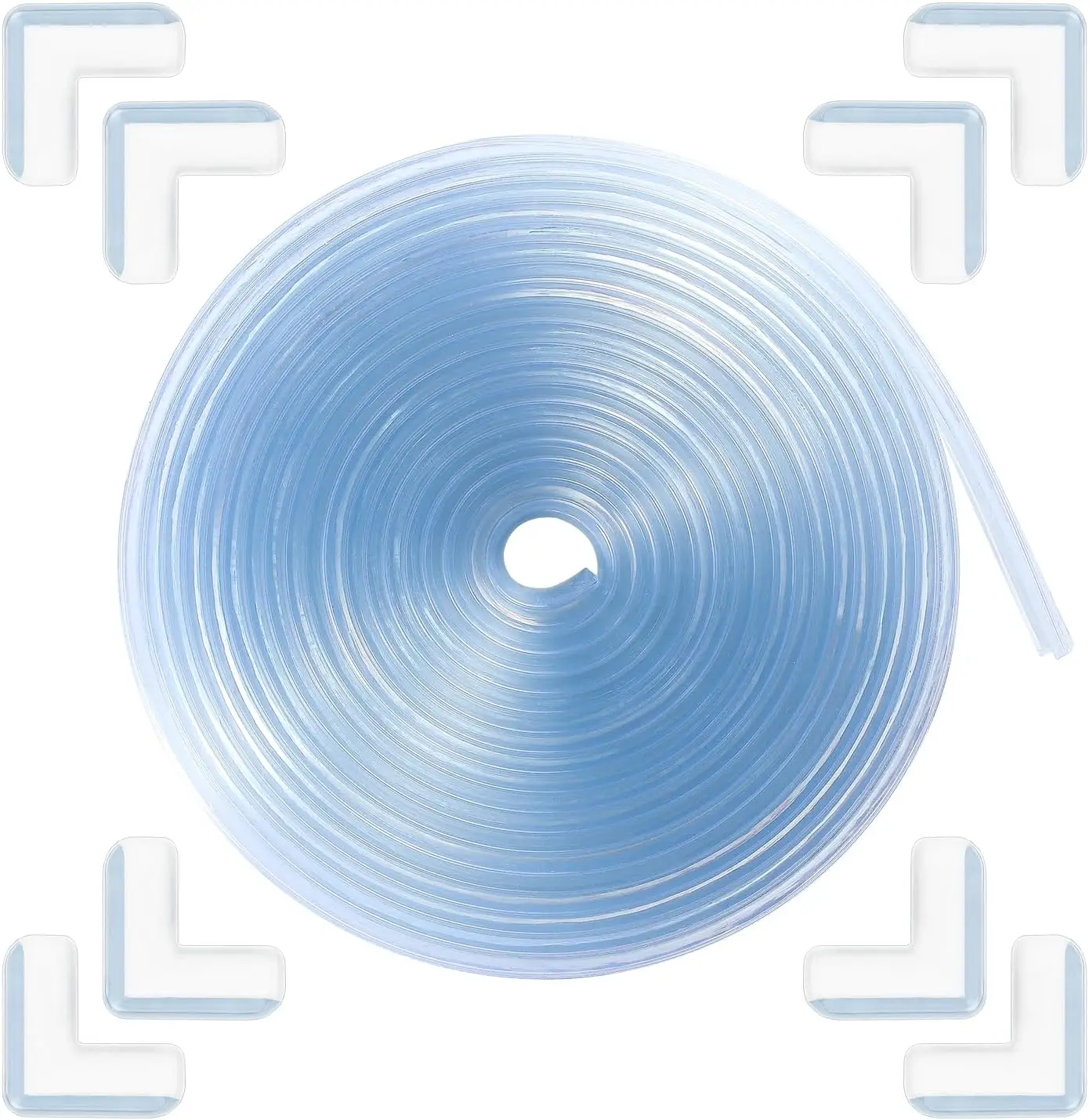 |
Edge Corner Protector 18ft with 8 Clear Corners | 4.3 | 1,958 | $21.99 | $1.03 | Long edge+corner set, soft silicone, fireplace/table compatible |
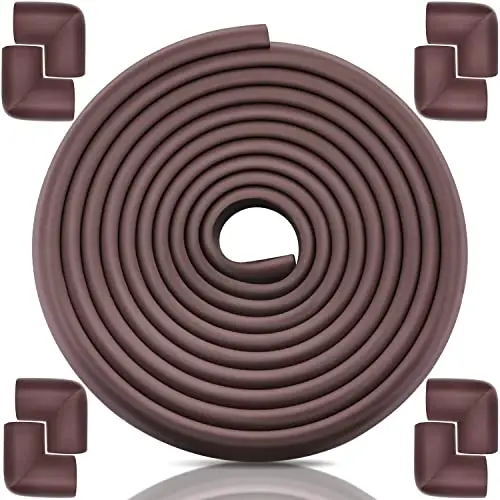 |
Baby Proofing Edge Corner Protector, 20.5ft | 4.4 | 1,711 | $11.75 | $1.78 | Thick rubber foam, pre-taped corners, heavy-duty |
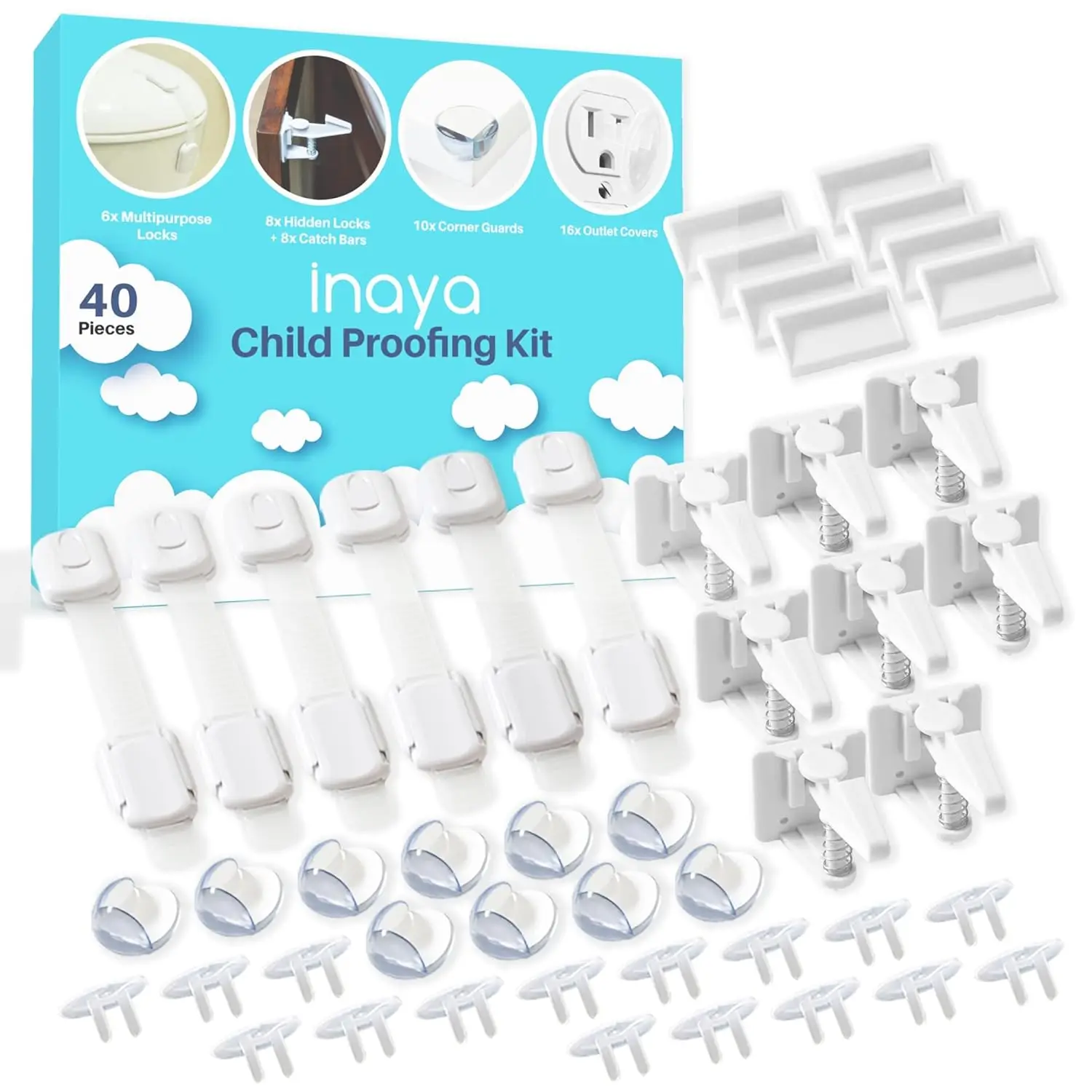 |
Inaya Complete Baby Proofing Kit, Locks, Guards, Covers | 4.3 | 1,655 | $26.13 | $10.20 | Comprehensive pack, adjustable latches, universal fit |
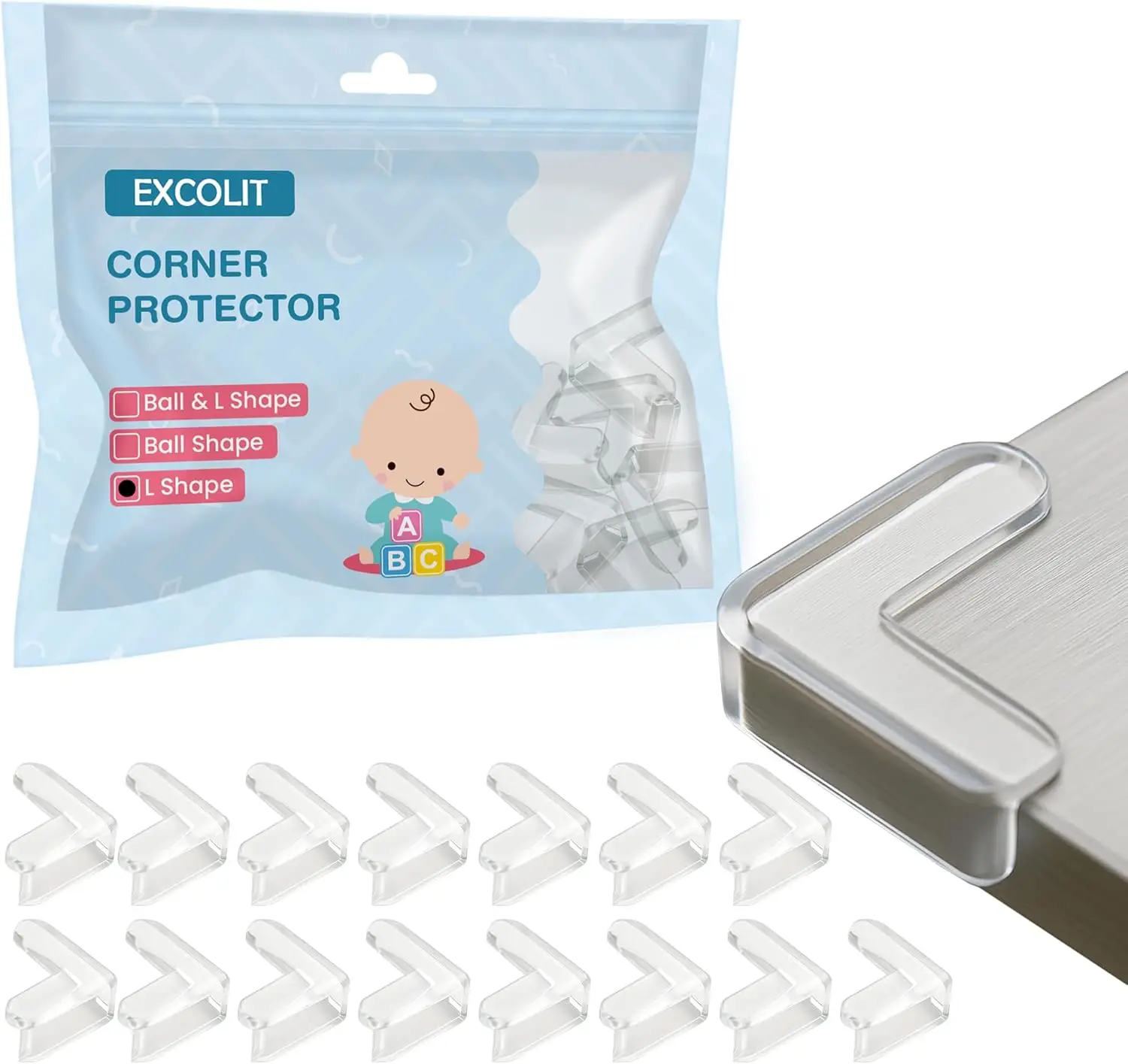 |
Corner Protector Baby Safety Set, 15 Clear L-shaped | 4.4 | 1,241 | $6.38 | $0.27 | L-shaped, transparent, multipack, easy install |
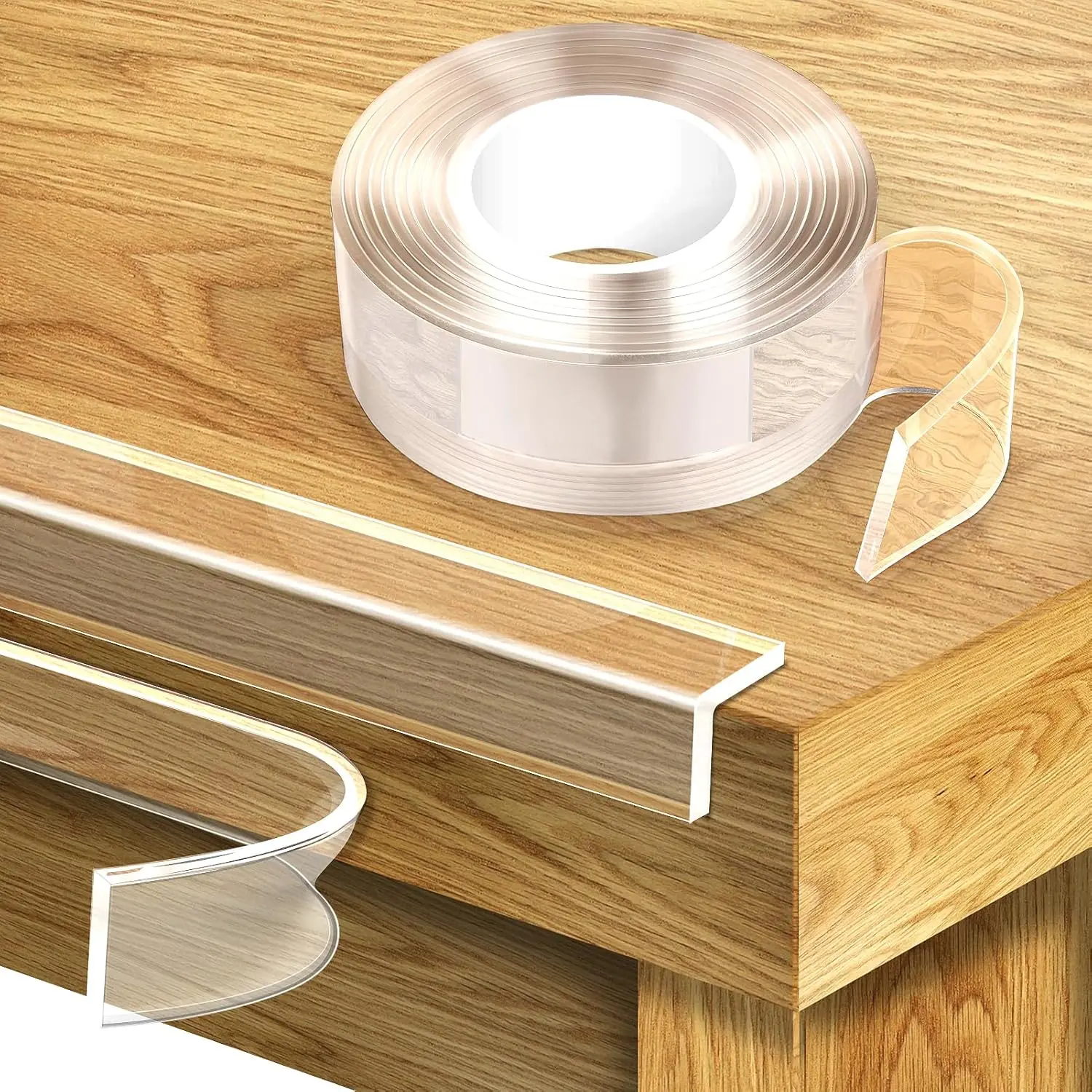 |
Corner Protectors Baby Proofing, Clear, 6.6ft | 4.2 | 319 | $5.85 | $0.76 | Soft edge bumpers, upgraded strong adhesive |
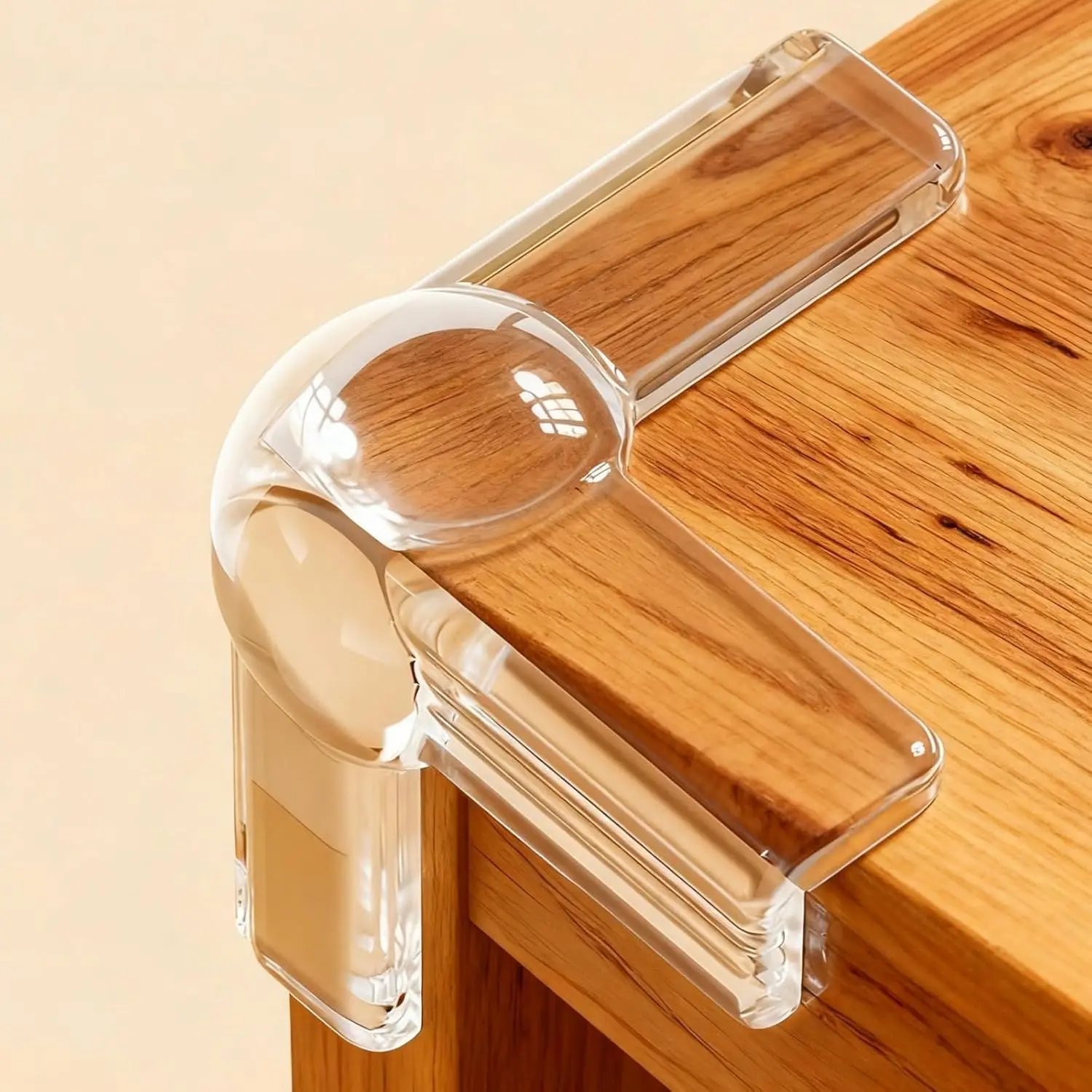 |
Table Corner Covers Baby Safety, 12 Pack | 4.6 | 244 | $9.05 | $2.67 | Childproof, coffee table, edge protector |
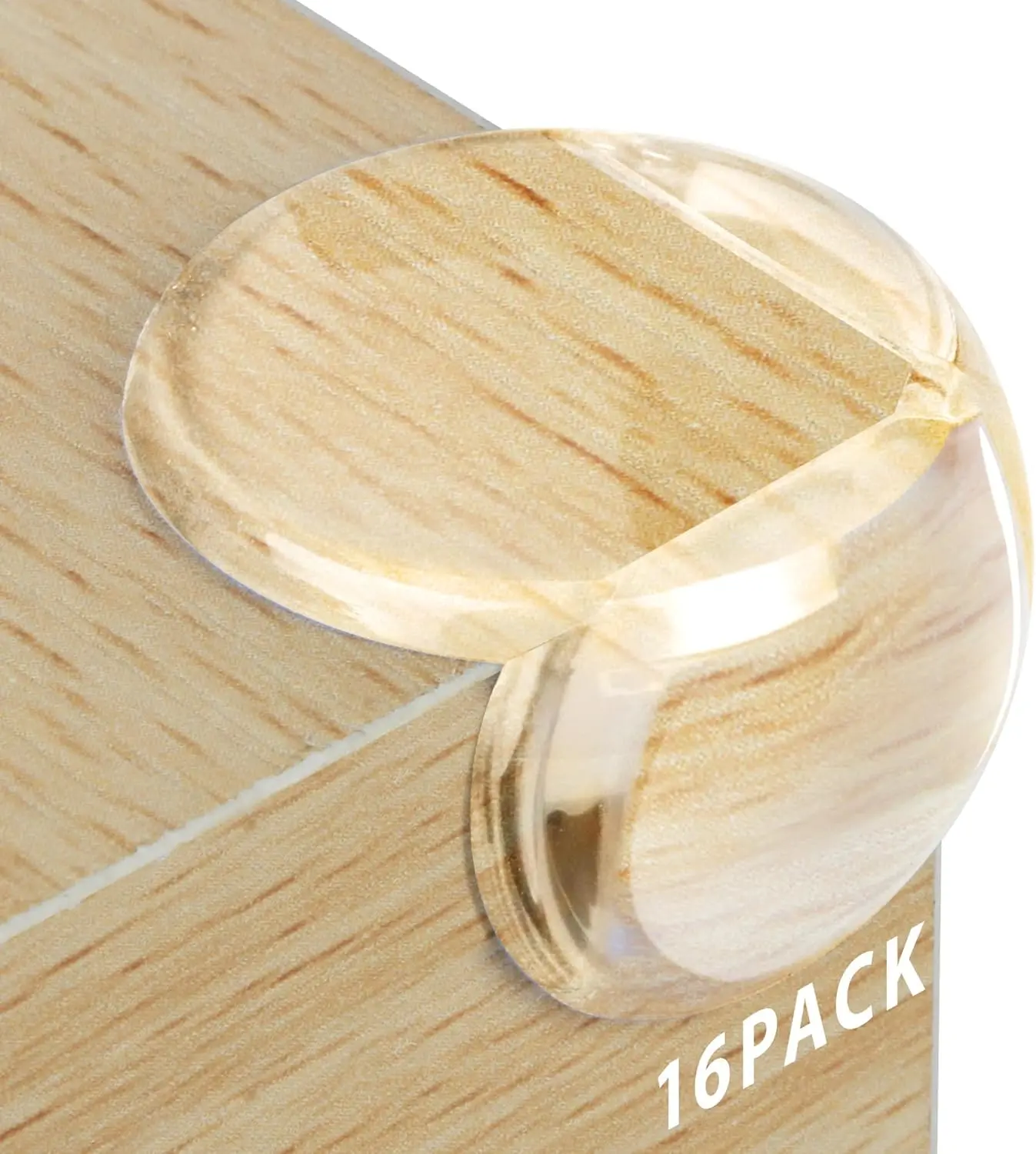 |
Corner-Protector Baby, 16 Pack | 4.8 | 99 | $8.09 | $0.25 | High-rating, multipack, fits wide surfaces |
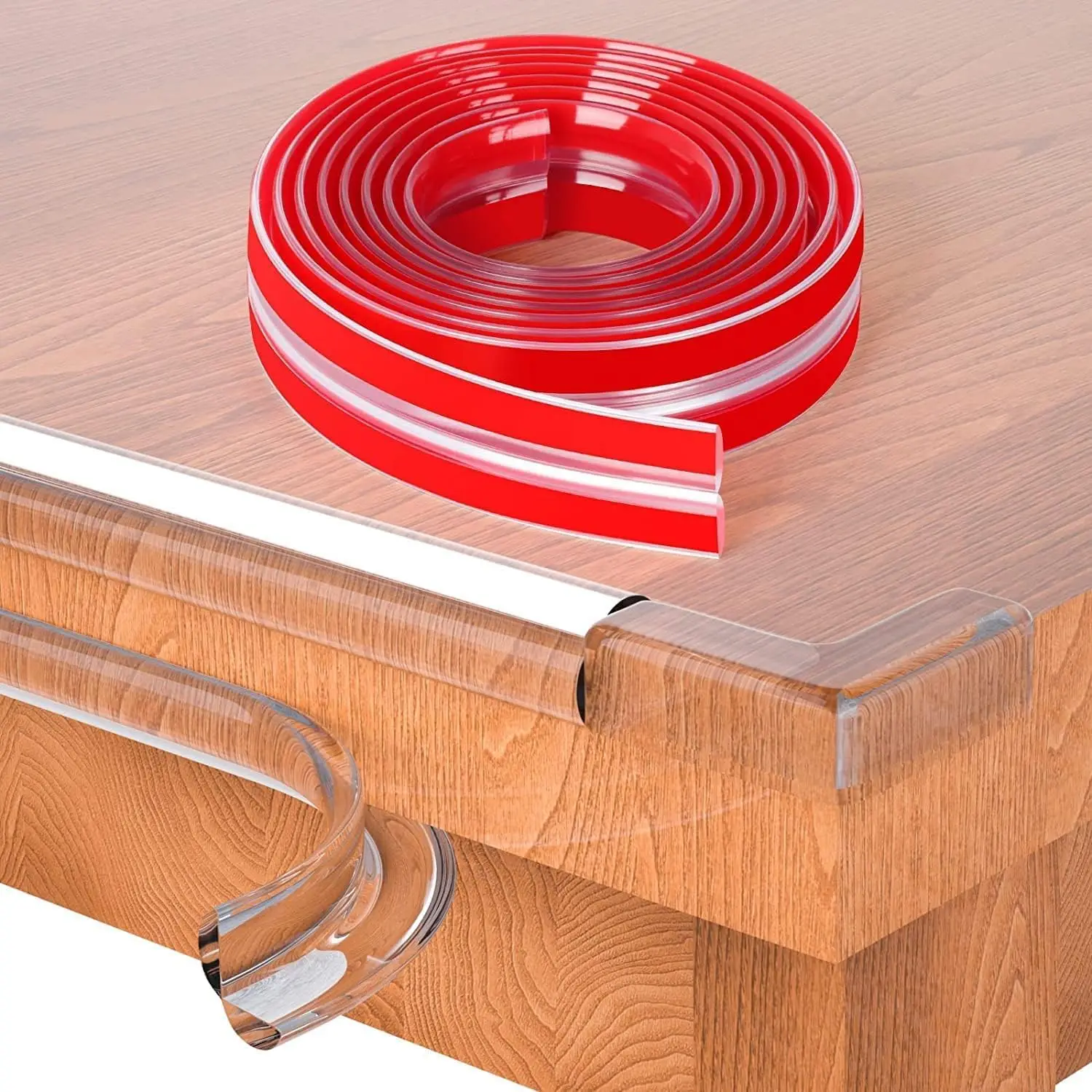 |
Corner Protectors Baby Proofing, 6.6ft, 4 Corners | 4.2 | 92 | $7.00 | $1.37 | Pre-taped strong adhesive, edge safety bumpers |
Table data sourced from [3]
A closer look reveals that high-volume products feature multipacks, transparency, and upgraded adhesive systems, while premium kits integrate multiple safety accessories and command higher price points. Buyers sourcing for retail should consider stocking best-selling SKUs such as Roving Cove HeftyFit, which offers heavy-duty protection and top-tier reviews, or bulk packs for value-driven purchasers. Ensuring quality adhesion and accurate labeling of sizes will resolve many negative feedback loops, boost repurchase rates, and reduce costly returns.
For B2B buyers and procurement managers, a strategic approach to silicone corner protector sourcing centers on supplier evaluation, rigorous product testing, and logistics optimization.
Begin with supplier assessment: Only work with manufacturers who offer validated certifications—such as CE, RoHS, or ASTM child safety compliance—and documented production capacity (minimum monthly output, rapid scaling during seasonal peaks). Obvious red flags are generic, non-labeled batches or supplies lacking proof of medical or food-grade silicone composition. For specialized applications (medical trays or industrial environments), request technical datasheets, sterilization compatibility documentation, and flame-retardant certificates [4][5].
Quality control is paramount: Mandate pre-shipment inspection protocols testing adhesive performance on varied surfaces, dimensional accuracy, and resilience under force (compression and drop tests). For retail and institutional buyers, prioritize products using upgraded gel adhesives for easy removal and zero surface damage. Insist on batch samples tested across wood, metal, glass, and composite finishes, as inconsistent adhesion remains a top complaint on social platforms [10][12].
Packaging and logistics play into overall satisfaction: Insist on packaging designs that shield protectors from dust and deformation during transport, and request clear installation instructions in multiple languages. For large orders, align with suppliers on buffer stocks, staggered deliveries, and packaging size/weight specs to minimize shipping costs and lead times.
Certification and compliance must not be overlooked: Markets in North America and Europe enforce strict child and pet safety standards—requiring all corner protectors to pass choking hazard assessments and carry proper labeling. For medical and institutional buyers, select latex-free and sterilization-compatible versions [4].
Common pitfalls include overlooking fit compatibility (corner angle/width), underestimating adhesive performance on textured surfaces, and failing to clarify warranty terms. Avoid “universal” models unless samples have demonstrated fit; actively benchmark against Amazon top sellers and request buyer feedback before finalizing procurement.
Competitive advantages stem from customization: Offer multiple colorways (clear, white, green, brown), branded logo imprints for institutional partners, and options for odd-angle furniture. Industrial buyers and schools/clinics should opt for bulk packs with documented recycling/reuse profiles [18]. High-quality suppliers typically welcome custom spec requests and provide OEM support, enhancing both safety outcomes and brand recognition.
In summary, effective sourcing demands a blend of product innovation, documented compliance, robust logistics, and adaptive customer support—turning a simple safety accessory into a value-adding asset for buyers, wholesalers, and institutional partners alike.
The silicone corner protector category enters 2026 marked by swelling demand, recurring safety imperatives, and growing consumer sophistication. As detailed above, buyers face a landscape shaped by strong retail performance, community-driven product feedback, and continuous innovation in material science and adhesive technology. The clear market winner remains multipack, transparent protectors with proven adhesion—though custom and institutional variants gain ground rapidly.
For procurement leaders, the next 6-12 months promise growth and opportunity—provided sourcing strategies keep pace with consumer expectations and regulatory requirements. Recommended next steps:
By following these recommendations—and leveraging intelligence on hot-selling SKUs, consumer pain points, and regional variations—buyers can move forward with confidence, securing market share in one of 2026’s most rewarding, purpose-driven product categories. The future of home and institutional safety is flexible, durable, and bright—anchored in the strategic sourcing of best-in-class silicone corner protectors.