
All categories
Featured selections
Trade Assurance
Buyer Central
Help Center
Get the app
Become a supplier
In 2026, sickle heads have emerged from their agricultural roots to become dynamic, multi-use tools resonating with both professional buyers and passionate hobbyists. Several factors have fueled this rise: the intensification of sustainable home gardening, a significant uptick in DIY restoration projects, and the seasonal rhythm of spring planting and autumn harvesting in the northern hemisphere. These cycles have amplified retail and wholesale interest alike, especially as consumers embrace urban gardening and small-scale farming[1][3][4].
Recent cultural phenomena—Halloween-themed crafts, cosplay events, and a newfound appreciation for traditional tools as weaponry and collectible items—have further shifted buyer behavior[5][10]. The symbolism of the sickle, long associated with harvest, reaping, and folklore, now threads through social media, inspiring new audiences and driving demand throughout the year. This intersection of utility, heritage, and contemporary culture ensures the sickle head stands as a hot selling product in both established agricultural economies and emerging lifestyle markets. As global buyers adjust procurement to rapidly changing trends, awareness of both retail and downstream usage patterns is more critical than ever.
The sickle head is defined as a curved blade—typically forged or cast from steel or iron—designed to be affixed to a handle for cutting grass, weeds, or crops. Its primary function is as an agricultural implement, but recent years have seen a dramatic expansion into lifestyle, hobbyist, and even pop-culture applications[2].
Historically, the sickle head finds its origins in the dawn of settled agriculture and can be traced to antiquity in every farming civilization. The basic shape—a crescent formed to maximize cutting efficiency—has persisted for millennia, though the materials and forging methods have evolved. Today, forging (hammered hot or cold iron/steel into shape) is preferred for durability, while casting (molten metal poured into molds) is more prone to fragility—an important classification point for bulk buyers seeking longevity and quality assurance[2].
Modern sickle heads divide into several core categories:
Key procurement classification criteria include blade material and thickness, forging/casting quality, attachment type (spike, sunken eye, raised eye), and handle compatibility (wood vs. metal, minimum length and diameter)[2]. For retailers, segmenting by use-case—farm, garden, cosplay, or ritual—is essential to target fast-moving subcategories.
Analyzing current social media and community sentiment reveals a vibrant tapestry surrounding sickle heads in 2026. Across multiple discussion platforms, users voice practical, emotional, and creative associations:
DIY Pride and Material Analysis: Enthusiasts share stories of crafting sickle heads from recycled metal, such as railway spikes. While some celebrate the creativity, others offer technical advice—warning against softer metals that may dull quickly without proper heat treatment, and recommending traditional high-carbon steel for lasting sharpness[6]. Comments demonstrate a collaborative spirit: appreciation for creative endeavors is balanced by pragmatic concern for functionality and durability.
Cultural Symbolism and Fantasy: Sickle heads appear in cosplay outfits, Halloween costumes, and even as talking points in superhero-themed storytelling[5]. Beyond mere utility, the sickle is repurposed as a symbol of reaping, transformation, and sometimes existential power over life and death—a recurring motif in role-playing communities.
Weaponization Discourse: The debate over the sickle as a weapon is lively and nuanced[10]. Some argue for practicality ("if it's the only thing available, it's better than nothing"), while others highlight the sickle’s limitations in real combat compared to swords or spears. Notably, historical parallels are drawn to tools like the khopesh and polearm adaptations, reflecting a market for replica and martial variants.
Psychosocial Function and Ritual: Users discuss the sickle's role in protective rituals, grave maintenance, and symbolic practices meant to prevent supernatural occurrences[11]. This cultural integration influences consumer choices: buyers seek not just a cutting tool, but a meaningful object woven into tradition and personal narrative.
Design and Collector Value: Recent posts show excitement for artisan-crafted heads and collectible series, especially among action figure and model kit communities. Customized metalwork, hand-forged finishes, and chromed sickle heads are recognized for uniqueness and visual appeal[7]. Reviews reveal that buyers value both build quality and personalization options, not just lowest cost.
The cumulative effect is clear: sickle heads are no longer mere farm implements. They are a bridge between tradition and creativity, and buyer sentiment spans practical use, emotional resonance, and aesthetic enjoyment, driving diverse market demand in 2026.
Global market activity around sickle heads in 2026 reflects both steady agricultural demand and rapid expansion into new retail channels. The product has cemented itself at the intersection of farming essentials and lifestyle accoutrements. Retailers and wholesalers alike are adapting sourcing strategies to capitalize on sharp, shifting demand curves.
The mainstream gardening segment continues to deliver robust sales, underpinned by resilient rural and suburban markets. Meanwhile, urban micro-farming and home gardening drive growth in portable and multifunctional models[1][3][4]. Notably, consumer interest peaks during planting and clearing months, with retail sales surges in March–May and September–November for the northern hemisphere.
Emergent subcategories—such as high-end forged sickle heads for collectors, chromed artisanal models, and multifunctional cutter heads—are gaining traction thanks to social mentions and recommendation loops[7]. Price tiers range from value-oriented basic models (under $3 wholesale) to premium variants boasting hand-forged steel, lacquered finishes, and ergonomic hardware (retail above $15).
Regional preferences show variation: Japanese-style sickles dominate garden tool sales in North America and Europe, reflecting a trend toward imported craftsmanship and sharp-edged efficiency. Meanwhile, locally produced heads compete aggressively in South Asia, where practical utility and affordable price points are prioritized[3][4].
Review sentiment on retail channels like Amazon indicates strong buyer satisfaction driven by blade sharpness, edge retention, and easy handle attachment. However, product complaints—though infrequent—reference handle durability and casting inconsistencies, underscoring the importance of supplier vetting for bulk buyers[1].
2026 Sickle Head Sales Trends: Retail Channel Analysis
A focused analysis of the top 10 Amazon sellers for sickle heads reveals clear patterns in sales volume, pricing, and consumer preference. Below, we present a normalized bar chart representing the latest monthly sales volume, paired with a breakdown of customer review sentiment.
Comparison of latest monthly sales volume for top 10 Amazon sickle head products in 2026.
Top performers—especially the TOYPOPOR Japanese Weeding Sickle Hoe and Hanpex Wide Blade—dominate monthly sales volumes, both surpassing 180 units per month. Sentiment analysis of review keywords shows that buyers most often praise blade sharpness, quick cutting, and easy handling. Negative feedback is minimal and usually targets handle longevity or occasional dullness after heavy use—issues often tied to whether the blade is forged or cast.
Actionable insights for buyers:
Hot Selling Analysis: The Top 10 Amazon Sickle Heads in Detail
The following HTML table provides a comprehensive view of the hottest selling sickle head products on Amazon, including images, specifications, prices, ratings, and key features. Sourced directly from latest online marketplace data[1].
| Product Image | Product Name | Latest Monthly Sales | Retail Price | Wholesale Price | Average Star Rating | Key Features |
|---|---|---|---|---|---|---|
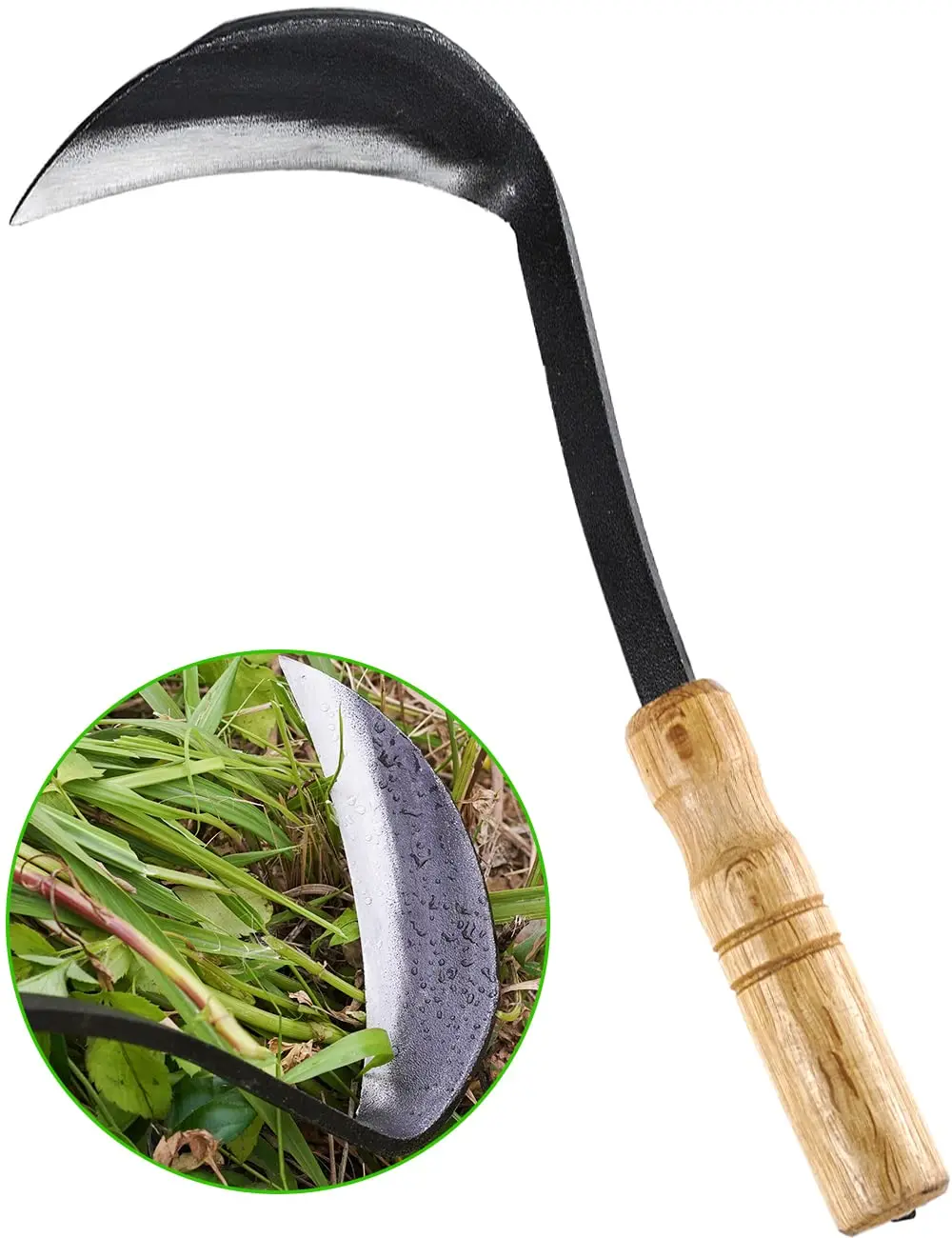 |
TOYPOPOR Japanese Weeding Sickle Hoe | 186 | $10.91 | $2.91 | 4 | High-carbon steel, One-piece molding, Sharp edge, Wood handle |
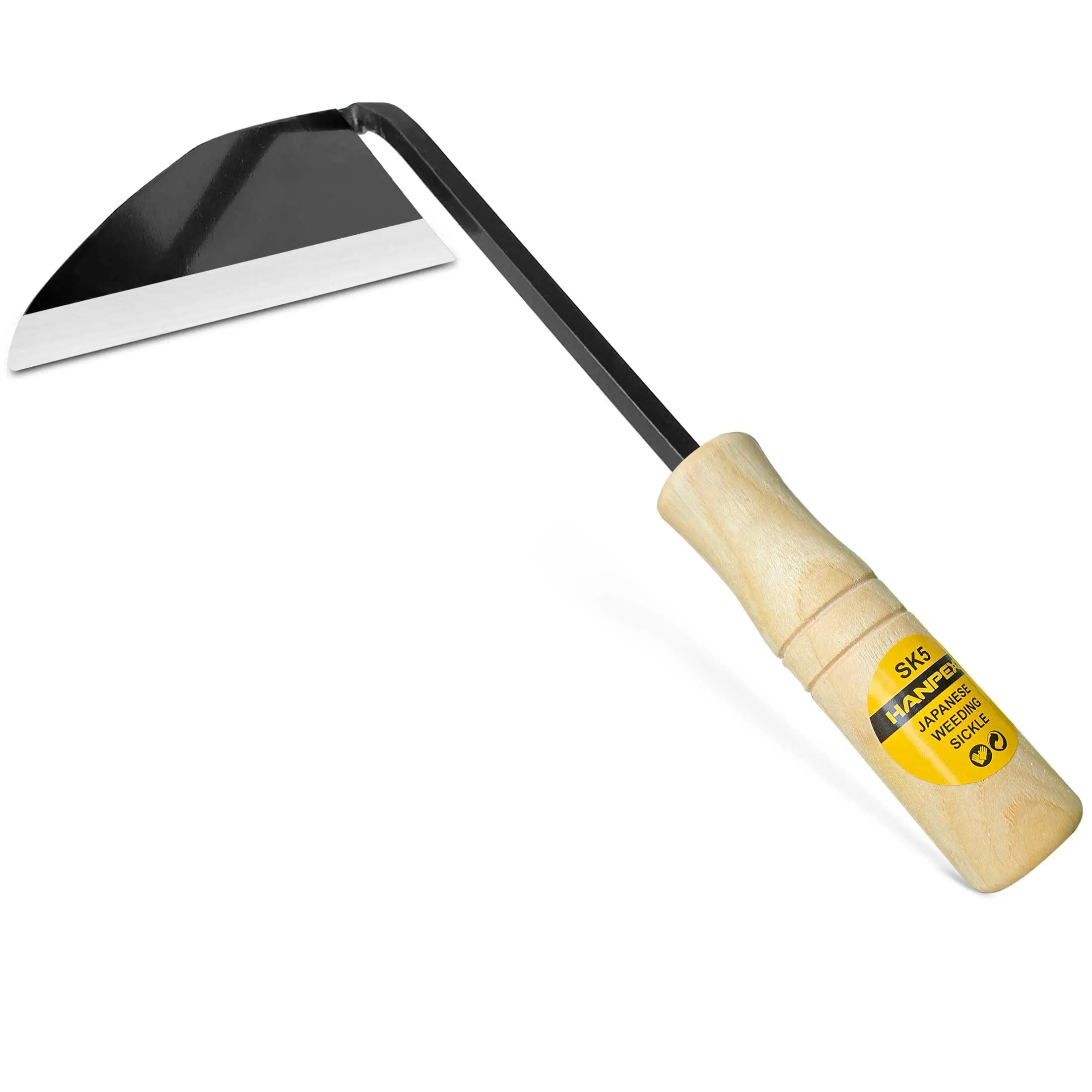 |
Hanpex Japanese Wide Blade Weeding Sickle | 182 | $12.51 | $4.36 | 4.7 | Sharp edge, Premium steel, Quick work, Traditional design |
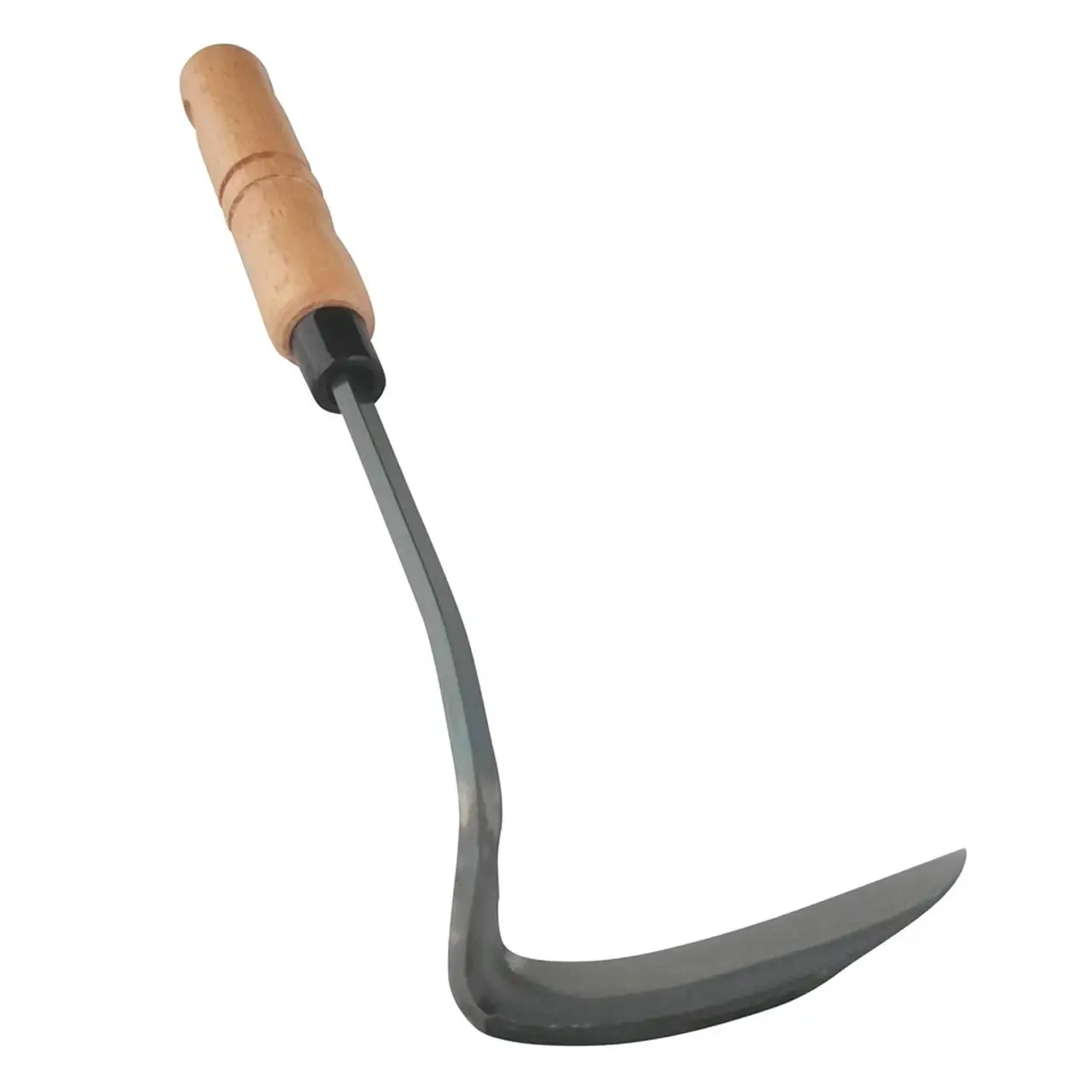 |
Tomerry Japanese Gardening Weeding Sickle | 147 | $16.87 | $2.92 | 4.5 | Made in Japan, Sharp steel, Traditional craftsmanship |
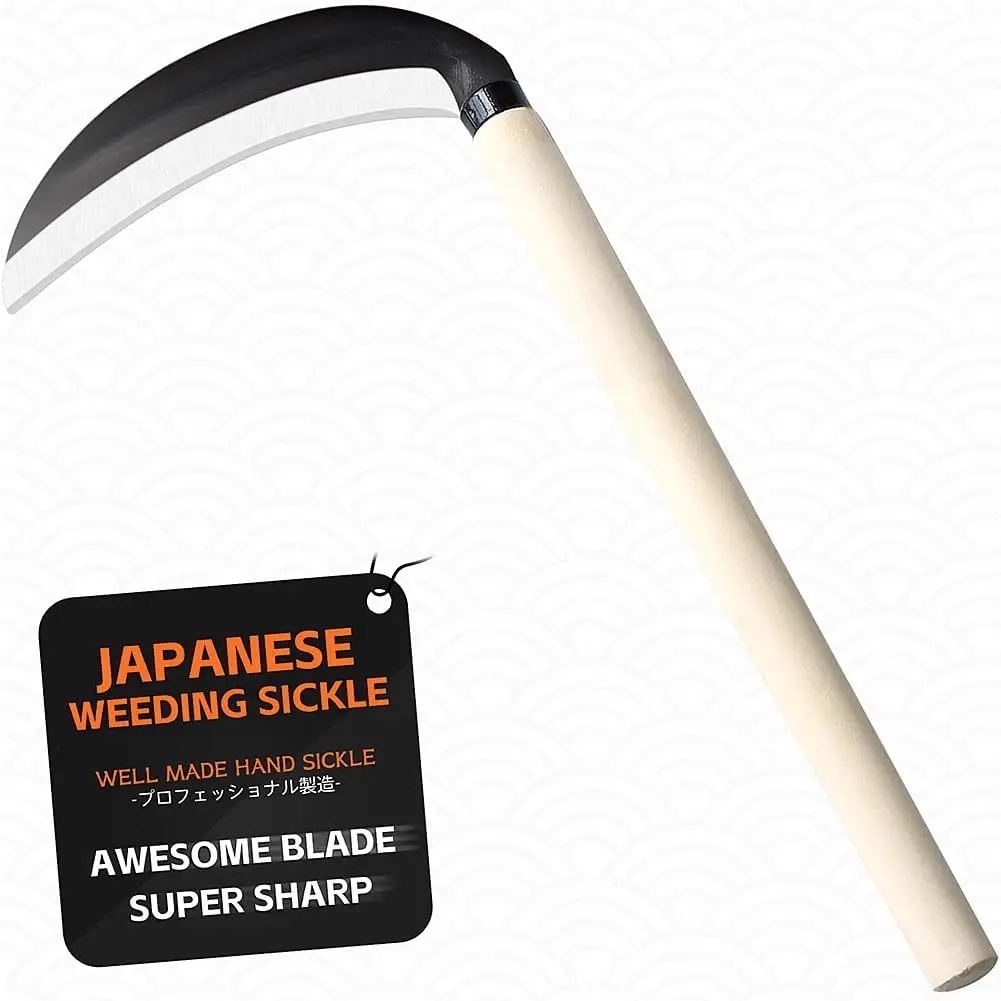 |
ZOOM.LZ Japanese Weeding Sickle | 140 | $14.21 | $1.5 | 4.3 | Manual hand weeder, Fast cutting, Carbon steel blade |
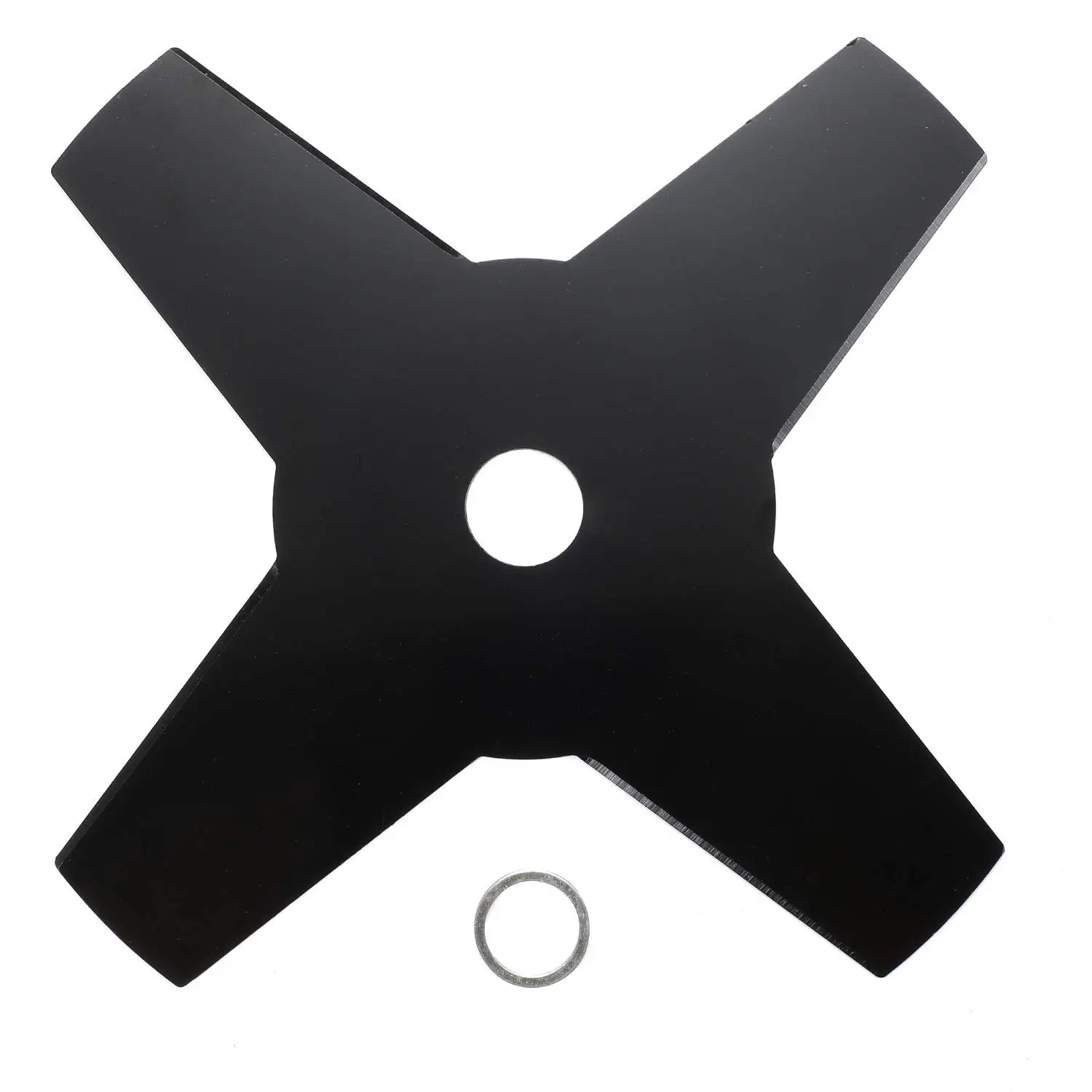 |
BlueNatHxRPR Steel Grass & Brush Cutter Head | 102 | $16.97 | $2.21 | 3.7 | Steel blade, 4 teeth, Brush & weed trimmer |
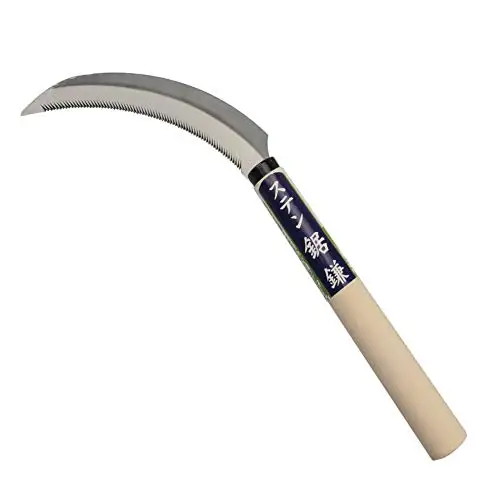 |
KEYI Grass Sickle | 71 | $11.16 | $0.59 | 4.3 | Hand held, Wood handle, Light serration, Stainless blade |
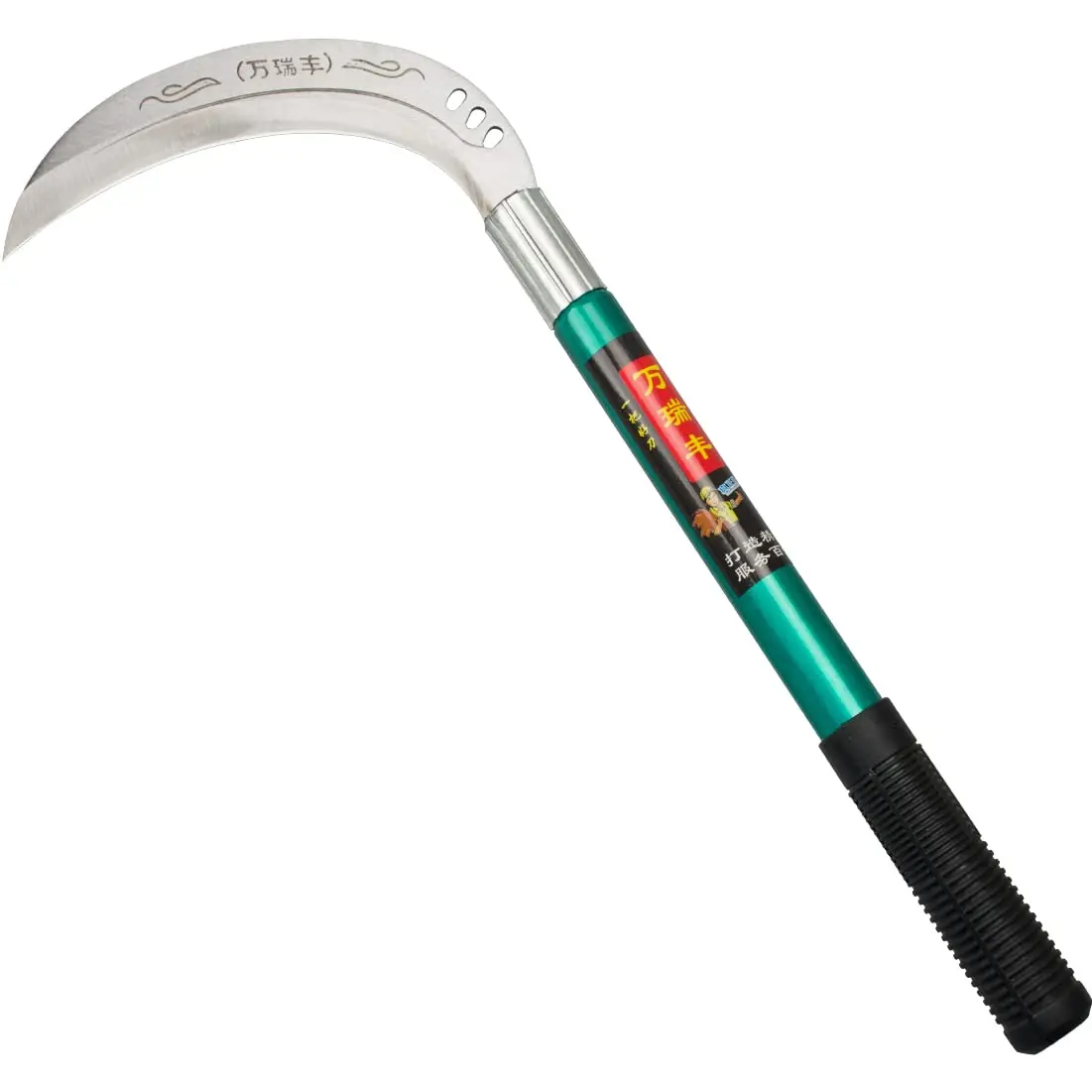 |
Steel Grass Sickle Clearing Sickle | 17 | $15.27 | $1.5 | 4.3 | Carbon steel blade, Round aluminum handle, Multipurpose |
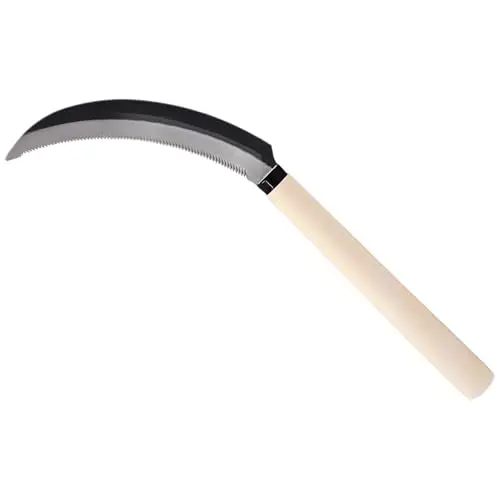 |
Zenport K205 Harvest Knife/Weeding Sickle | 7 | $8.81 | $0.82 | 3.8 | Wood handle, Serrated steel blade, Harvest & weeding use |
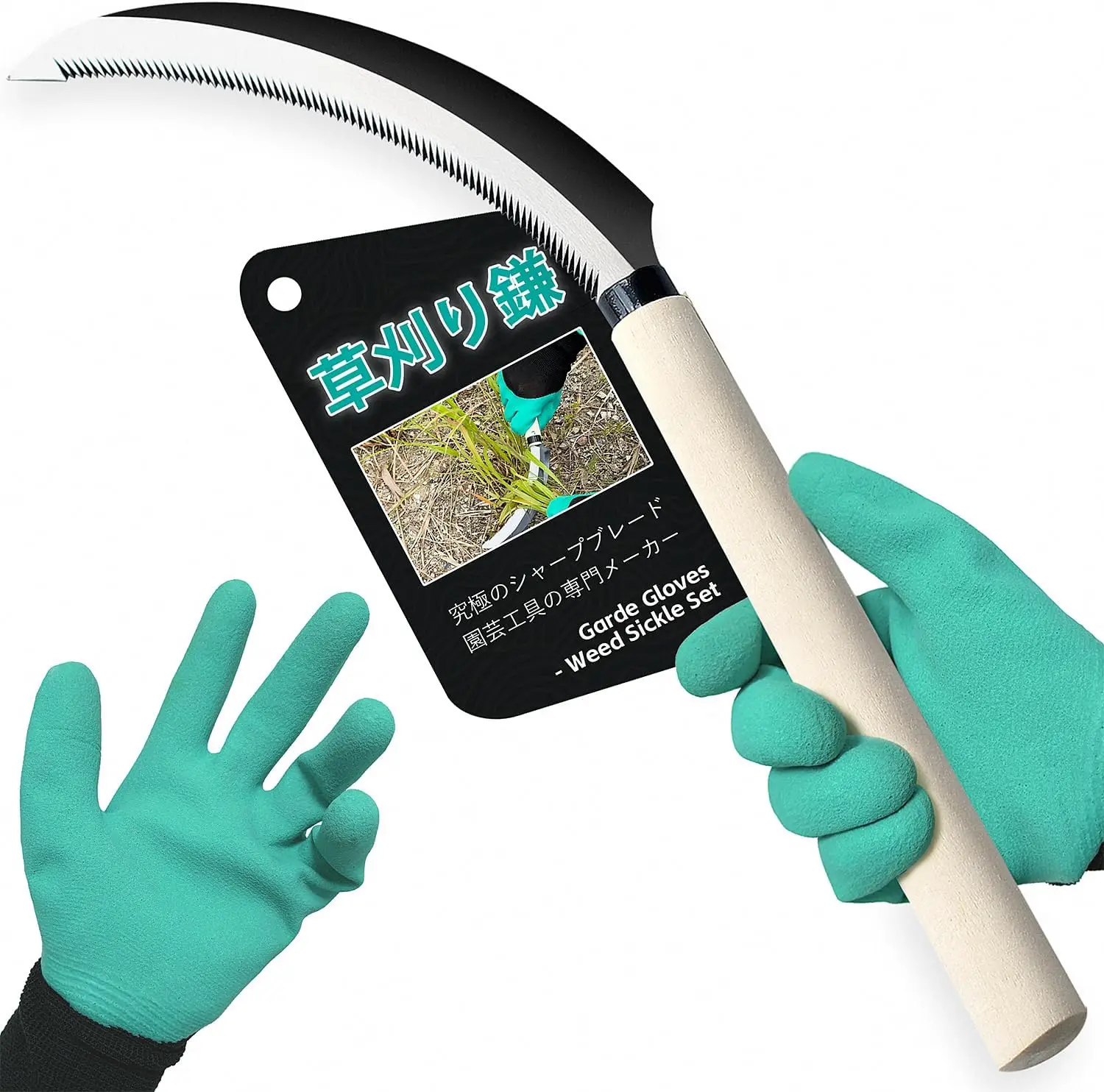 |
Japanese Weeding Sickle Garden Tool Set | 7 | $15.19 | $0.77 | 4.6 | Carbon steel blade, Combo set, Manual and quick work |
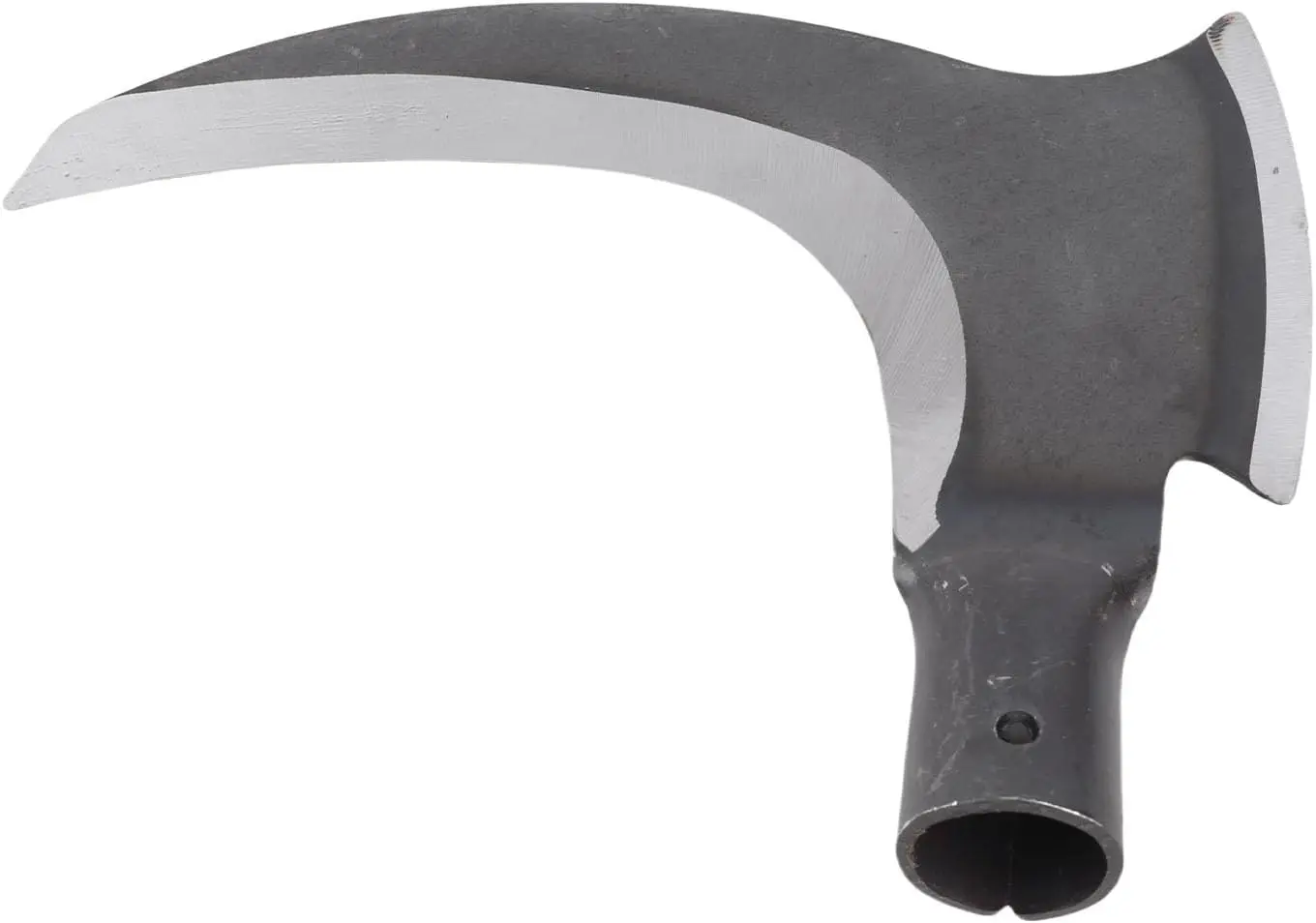 |
Grass Sickle Manganese Steel | 5 | $16.6 | $1.93 | 4.5 | Portable, Lawn/farming/gardening, Grafting knife, Outdoor use |
Table data sourced from [1]
Not only do buyers favor Japanese-style sickle heads for their acknowledged sharpness and quick performance, but there is substantial diversity in form and use. Lightweight manual options, multi-teeth brush cutters, and ergonomic handles reflect a consumer base spanning professional agriculture, small plot gardeners, and lifestyle buyers seeking utility with design flair.
Across the top 10, average customer ratings range from 3.7 to 4.7, showing high satisfaction for leading products. Notable features driving success include forged blades, rapid attachments, and multifunctional edge profiles. For procurement officers, the signal is clear: Stock diversity is vital, and aligning selection with fast-moving SKUs ensures marketplace competitiveness.
Navigating the sickle head supply chain in 2026 requires an adept approach to supplier evaluation, quality assurance, and regulatory compliance. As buyer interest peels away from strictly agricultural uses to embrace lifestyle and artisan sickle heads, procurement professionals must reinforce due diligence at every turn.
Supplier Evaluation Criteria
Quality Control Points and Inspection Requirements
Logistics Considerations
Certification and Compliance
Pitfalls and Avoidance Strategies
Competitive Advantages stem from agile sourcing, diversified stock, and reputation for quality. Recognize emerging buyer preferences—such as premium artisanal finishes or multi-tool designs—and move early to capture high-margin segments before competition saturates the channel.
The sickle head landscape in 2026 stands transformed: what began as a humble agricultural tool has evolved into a cross-industry bestseller. Integrated social sentiment reveals not just practical use but deep emotional and cultural engagement; retail trends highlight both steady farm demand and emergent hobbyist and lifestyle markets. The hot selling Amazon data underscores the need for procurement professionals to stock responsive, high-performing models while diversifying for both value and premium buyers.
Looking ahead over the next six to twelve months, market agility will be key. Smart buyers should:
The call to action for 2026: Don’t just source sickle heads—embrace the category with an eye for innovation, quality, and customer narrative. The opportunity is ripe, and those who blend tradition with modern procurement intelligence will find themselves harvesting the rewards.