
All categories
Featured selections
Trade Assurance
Buyer Central
Help Center
Get the app
Become a supplier
In 2026, Printed Circuit Boards (PCBs) stand at the forefront of electronics innovation and global sourcing for both industrial and consumer segments. Multiple market forces have converged this year to fuel demand: the accelerated rollout of IoT devices, the rise of smart homes, electric vehicles, and edge computing, as well as the continued expansion of global manufacturing and automation. Seasonal cycles have also influenced procurement; post-holiday spikes in consumer gadget sales and the uptick in maker/hobbyist projects during winter have driven PCB purchases across both retail and wholesale channels.
In parallel, the 2026 Consumer Electronics Show (CES) spotlighted ground-breaking applications for advanced, high-speed, and flex-rigid boards, highlighting how PCBs underpin everything from wearables and robotics to next-generation medical instruments[3]. Cultural events and influencer-led maker challenges have brought DIY electronics into the mainstream, shifting buyer behavior toward prototyping kits, customizable PCBs, and modular board designs. As sustainability gains traction, buyers now seek boards with improved thermal characteristics and longer life cycles—adapting to regulations and eco-conscious production standards. All these factors underscore why PCBs matter more than ever for sourcing professionals navigating the evolving electronics landscape this year.
Globally, sourcing teams face unique challenges and opportunities: component shortages drive up demand for flexible supply chains, while pricing fluctuations and competition for capacity make supplier choice and timing critical. The relevance of PCB boards in 2026 procurement is not just technical—it’s strategic, rooted in the electronics sector’s ongoing digitization and relentless drive for efficiency, miniaturization, and advanced features[6][7].
A Printed Circuit Board (PCB) is a meticulously engineered, flat, layered component made from insulating substrates and conductive copper tracks. PCBs serve two primary functions: they offer mechanical support for electronic components and form electrical connections, orchestrating signal and power flow within devices—from simple calculators to mission-critical aerospace hardware[4][9]. The technology dates back to the early twentieth century, replacing point-to-point wiring with standardized, scalable, and reliable designs.
The historical journey of PCBs is a story of relentless refinement. Initial designs used single copper layers and mechanical mounting. Through the decades, electronics miniaturization and performance demands fostered double-sided boards, multi-layer stacks, and specialized materials able to endure thermal and mechanical stresses[3]. Advances in substrate chemistry (like FR-4, polyimide, or metal-core laminates) enabled flex-rigid hybrid boards, supporting irregular form factors and extreme environments.
Modern PCBs are meticulously classified based on their structure, material composition, and intended application:
Buyers should consider classification criteria such as number of layers, board flexibility, substrate material, thermal requirements, and industry certifications when selecting PCBs for their applications. Each type presents unique strengths and cost considerations, making an informed sourcing strategy essential to align technology choice with final product performance and compliance[9].
In 2026, online technical communities have become vibrant forums where both professionals and hobbyists exchange insights on PCB boards—shaping market sentiment, influencing design evolutions, and building collective expertise[10][11][12][13]. Over the past year, feedback on assembly techniques, troubleshooting advice, and “first board” celebrations have fueled a participatory culture around electronics creation.
A recent thread showcased a user’s excitement receiving their custom board from the factory, detailing the anxiety and best practices for powering up a new PCB. Comments emphasized systematic checks: verifying ground plane continuity, careful inspection for shorts, and gradual current ramping during initial tests. Seasoned engineers recommended impedance checks between voltage rails and the use of controlled current limits, reflecting a risk-aware community mindset. The “smoke test” remains a rite of passage among PCB enthusiasts—fingers crossed for a successful power-on and LEDs lighting on the first try[10].
DIY design discourse flourished with newcomers sharing their first projects created on modern CAD platforms. Feedback centered on layout optimization, schematic readability, and labeling conventions for functional blocks. “Low power” and “audio frequency” boards see less strict requirements, but best practice tips for decoupling capacitors, value fields for input/output labeling, and careful wire width selection resonate widely among both learners and experts[11]. As users troubleshoot specific board issues (voltage divider wiring, mechanical fit of connectors), advice often targets real-world manufacturing constraints—silkscreen placement, pad exposure, footprint accuracy, and capacitor choices for optimized power regulation[13].
Influencers and advanced makers now publicize high-performance PCBs—such as an 8-layer Single Board Computer (SBC) designed for smart industrial, AI, and networking applications. These viral “showcase” posts highlight state-of-the-art features: power management, thermal optimization, wireless integration, and expansion headers. Such innovations drive procurement teams to source boards meeting emerging functional and integration standards[12].
User-generated content also reflects strong cultural adoption: DIY kits for analog synthesizers, robotics, and sensor projects encourage beginners to engage, test, and iterate designs—prompting suppliers to offer more customizable prototyping boards and breadboard-compatible formats. The collective sentiment is optimistic, collaborative, and oriented toward iterative improvement. This atmosphere influences buyer preferences, supplier offerings, and the way PCB boards are sourced, designed, and marketed globally.
As of 2026, global PCB demand has outpaced prior years, driven by the growth of interconnected devices, electric mobility, industrial automation, and the increasing complexity of consumer gadgets. The electronics manufacturing sector has recorded a year-over-year growth rate above 13% in PCB procurement, with strong regional variations—Asia-Pacific maintains dominance in both supply and consumption, fueled by high-volume production for smart devices and automotive electronics; North America and Europe prioritize specialty boards for medical, aerospace, and industrial applications[3][4][7].
Emerging trends reveal a shift toward multi-layer, high-density interconnect (HDI) boards, flex-rigid designs for wearables and foldables, and metal-core boards for power and thermal applications in electric vehicles and LED systems[8]. Buyers are increasingly seeking boards with certification to harsh environment standards and compliance with sustainability regulations. As the market shifts, quick-turn prototyping and low minimum order quantities (MOQs) are now seen as strategic advantages for suppliers.
Price tiers vary widely depending on layer count, substrate, and specialty features: single-sided or basic prototype boards retail for below $5/unit, while advanced multilayer or industrial-grade boards can command $20-$50/unit depending on specifications and certifications[1]. Wholesale buyers benefit from aggregated discounts, but must rigorously inspect supplier process, surface finish quality, and traceability.
Key industry verticals sourcing PCBs now include:
Amazon Sales Trends and Product Review Insights: PCB Boards in 2026
Amazon’s retail data for 2026 reveals distinct sales volume trends and product sentiment for PCB boards. The chart below visualizes normalized monthly sales across the top-ranked PCB products, enabling buyers to benchmark performance, demand surges, and reputation dynamics in the retail channel.
Monthly sales volume and sentiment score of top Amazon PCB board products in 2026
The Black PCB 5050 RGB LED Strip leads with dominant sales volumes driven by smart lighting upgrades and maker adoption. The Ferwooh Prototype Kit demonstrates robust demand among hobbyists, educators, and R&D labs, resonating with DIY trends. Specialty boards such as the EQINI Gimbal Flat PCB and H961-U Power Bank PCBA fulfill niche maintenance and repair needs, with relatively lower monthly sales but consistently higher star ratings—indicating customer satisfaction for reliability and precise fit.
Review sentiment analysis highlights recurring keywords: “easy to solder,” “versatile,” “good quality,” “works as expected,” and “compact design.” Buyers express notable appreciation for straightforward assembly, clear labeling, and stability under load. Negative feedback, though rare in the top sellers, generally points to shipping damage or inconsistent manufacturing tolerances—underscoring the need for robust packaging and supplier process control.
Actionable recommendations for procurement teams:
Hot Selling PCB Boards on Amazon: Product Feature and Specification Analysis
Below is a detailed breakdown of the top-selling PCB boards on Amazon, presenting essential data for retail buyers, wholesalers, and procurement specialists. Each entry is accompanied by product images, specifications, price tiers, and ratings:
| Image | Product Name & Main Function | Specifications | Retail Price | Wholesale Price | Average Rating | Recent Monthly Sales | Key Features |
|---|---|---|---|---|---|---|---|
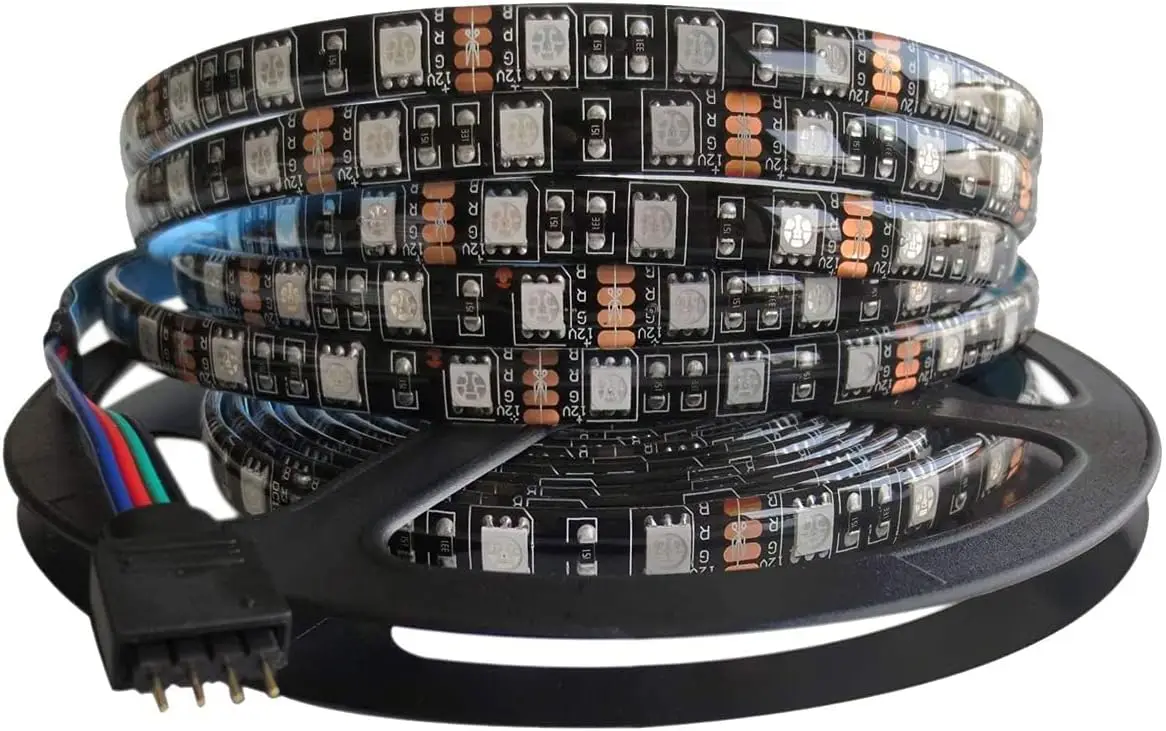 |
5M Black PCB 5050 RGB LED Strip Smart lighting module (waterproof, flexible) |
Flexible, IP65 waterproof, 300 SMD LEDs, Black PCB, DC 12V input | $14.99 | $2.79 | 4.2 | 360 | Waterproof, easy to install, high brightness, customizable length |
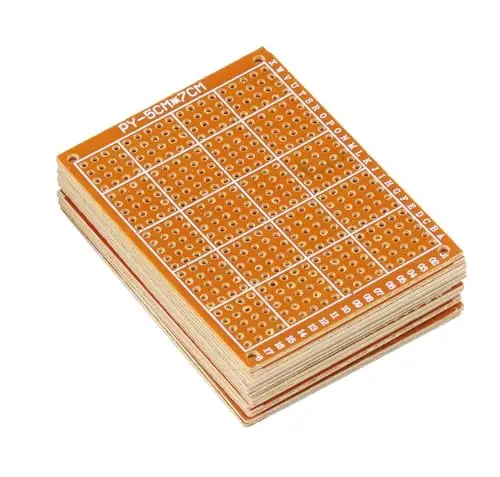 |
Ferwooh Prototype Kit DIY breadboard perfboard set |
10 pieces, 432 holes, universal, solder-friendly, 7cm x 9cm | $4.99 | $0.04 | 4.0 | 58 | Universal fit, robust for prototyping, easy to solder, suitable for educational projects |
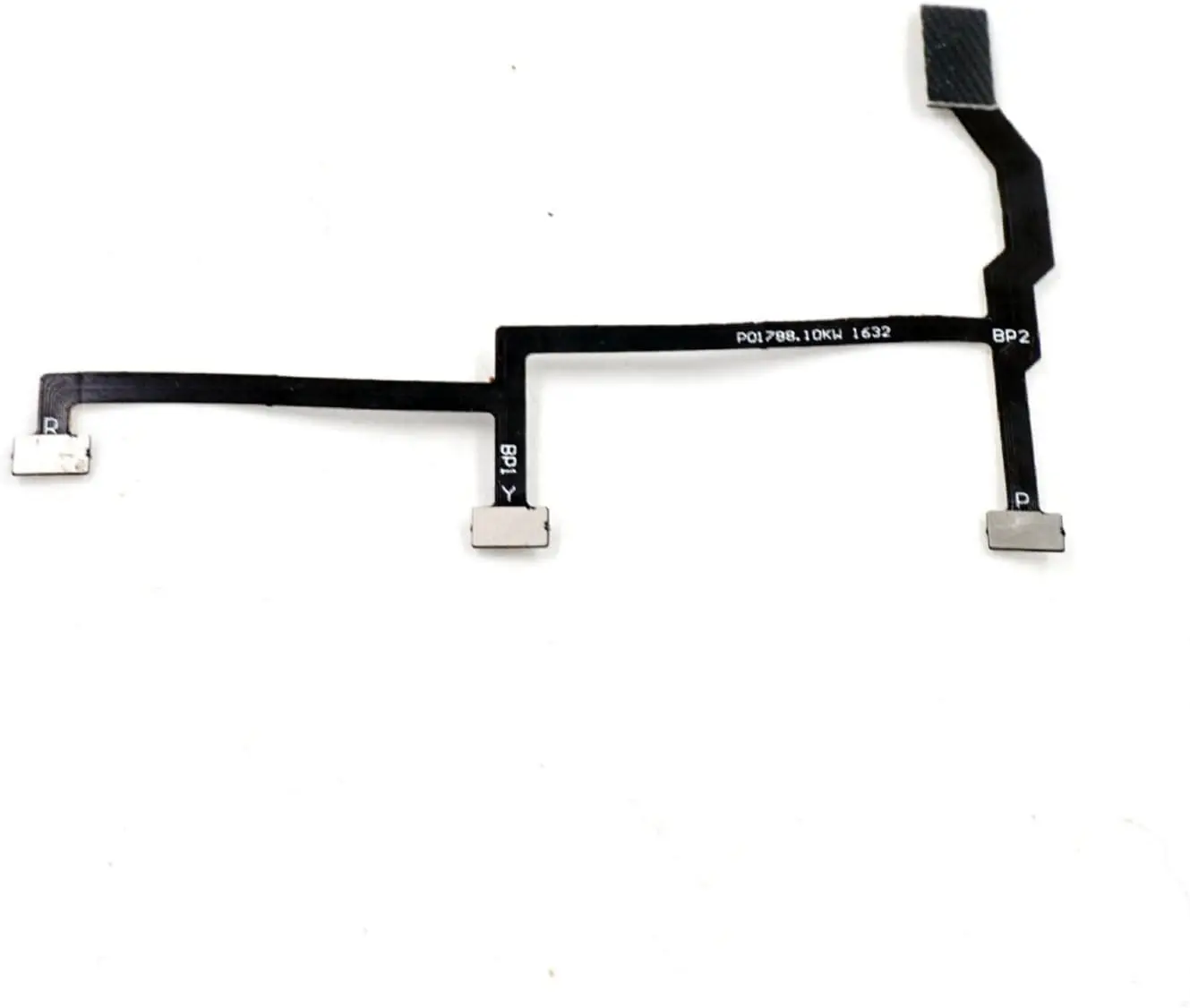 |
EQINI Flexible Gimbal Flat PCB Ribbon Cable Replacement PCB for DJI Mavic Pro |
Flexible ribbon, compatible with DJI Mavic Pro, flat multi-trace design, repair part | $6.4 | $4.4 | 4.4 | 7 | Highly flexible, precision fit for gimbal repair, easy installation, durable |
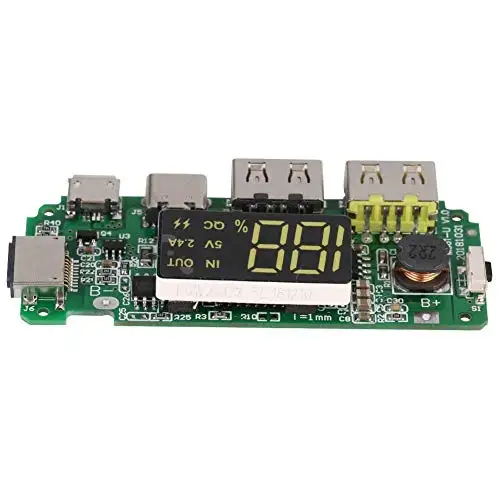 |
Power Bank Charging Circuit PCBA 5V 2A H961-U PCB assembly |
5V/2A output, integrated charging circuit, compact assembly, H961-U compatible | $6.19 | $1.28 | 5.0 | 5 | High current, reliable charging, compatible for mobile power banks |
Table data sourced from [1]
This hot-selling snapshot illustrates several key procurement philosophies for buyers in 2026:
Smart PCB procurement begins with a thorough supplier evaluation. Criteria for partner selection include:
Key quality control checkpoints include:
Logistics demand attention to:
Certification and compliance checklists must be tailored for the destination market. Buyers targeting medical, automotive, or aerospace sectors must rigorously insist on full documentation and lot traceability. Engage in preliminary sample reviews, reference checks with recent customers, and regular supplier performance evaluations to mitigate risks.
Common procurement pitfalls include:
Competitive advantages arise from:
Procurement teams equipped with this intelligence are best positioned to adapt to market changes, reduce sourcing cycle risk, and deliver high-performance PCBs to their stakeholders in a timely, cost-effective manner.
The global rise of PCB boards in 2026 reflects not just entrenched technological necessity but a shift in buyer behavior, supply chain strategy, and design creativity. The integration of advanced multilayer, flexible, and specialty boards mirrors the relentless pace of electronics innovation, from AI-driven industrial solutions to ever-smarter consumer gadgets[7][12]. Community engagement—both professional and hobbyist—serves as an engine for new ideas, real-world feedback, and viral trends that suppliers and buyers alike must heed.
Retail and wholesale data confirm actionable opportunities: best sellers in smart lighting, rapid prototyping, and precision repair signal stable and growing procurement channels. Sourcing professionals who align quality systems, partner certifications, and logistics with the latest market intelligence position their organizations for resilience and competitive advantage. Risk management, continuous supplier review, and real-time adaptation will separate the leading procurement teams from laggards amid the ongoing electronics boom.
Looking ahead 6–12 months, bidders should:
With informed, agile, and strategic sourcing, procurement professionals can confidently ride the surge of PCB board demand in 2026—delivering innovation, quality, and growth for their organizations and customers alike.