
All categories
Featured selections
Trade Assurance
Buyer Central
Help Center
Get the app
Become a supplier
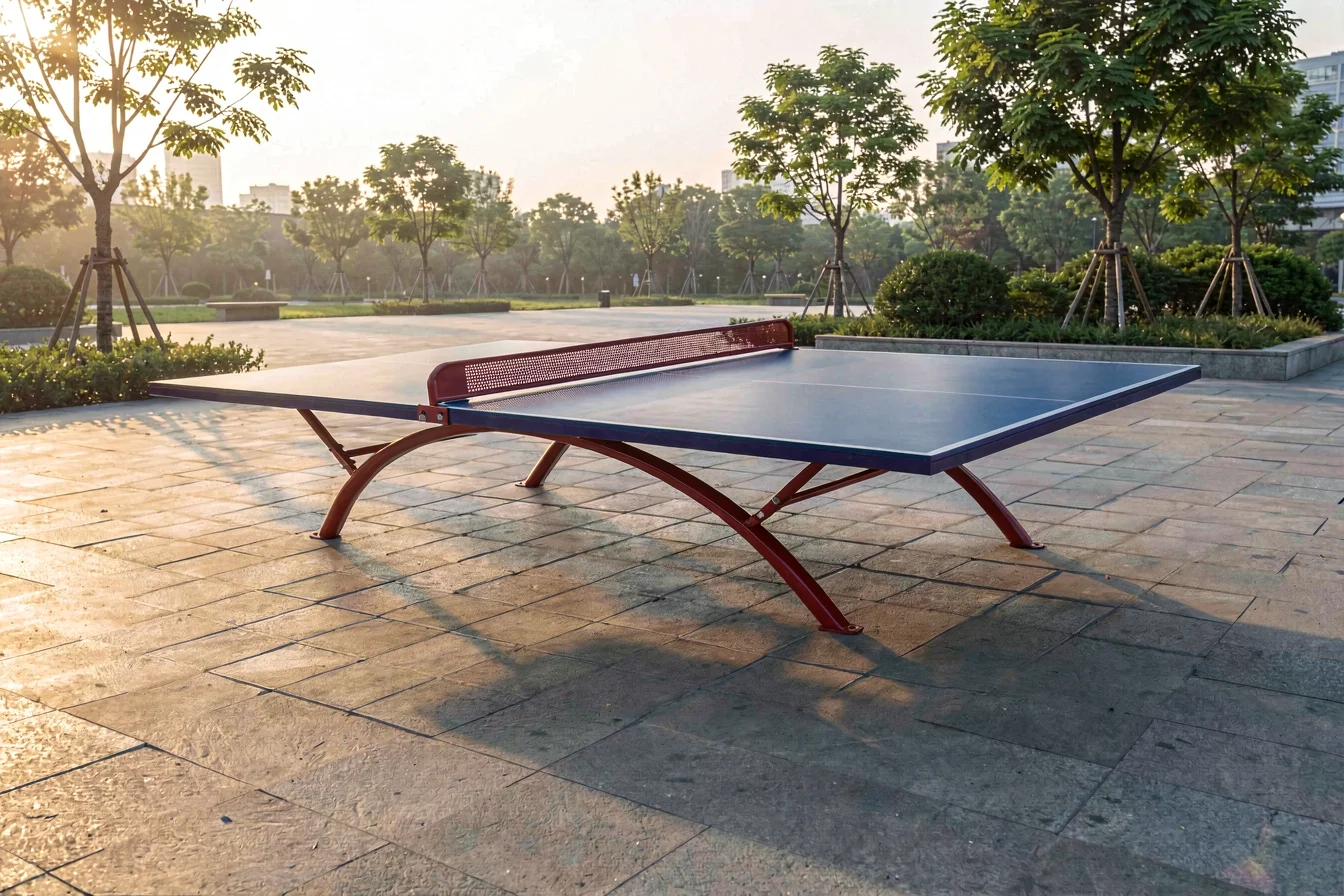
The shanghai table tennis equipment market in 2026 is reliably structured, with strong supply resilience, robust international demand, and ongoing product innovation from leading OEMs. Strategic B2B buyers benefit from premium brands (DHS, Butterfly), seasonally peaking retail momentum, and increasing adoption of advanced robotic training devices and pro-level accessories. The sector’s viability for procurement is excellent, with risk management centered on spec compliance and logistics contingencies[1][2][3][5][8].
The shanghai table tennis equipment sector commands international attention in 2026 due to its legacy of elite manufacturing, sponsorships with world champion athletes, and a wave of innovation that includes robotics, rebounders, and advanced paddle tech[3][5]. Global tournaments amplify seasonal demand; the region’s export hubs remain robust, and the emergence of multifunctional equipment for clubs, schools, and home training mirrors consumer trends toward health, competitive play, and self-improvement. Buyer priorities for B2B sourcing include verified production capacity, ITTF certifications, and direct access to new releases from flagship brands like DHS and Butterfly, both of which operate extensive wholesale networks in Shanghai[4][6]. Buyers should focus on factory-direct procurement to ensure OEM authenticity, cross-border logistics reliability, and access to training equipment variants tailored to skill development.
| Trend Factor | Current Status | Impact on Buying Decision |
|---|---|---|
| Brand Leadership (DHS, Butterfly) | Strong, dominant market share | Prioritize flagship products for quality assurance |
| Innovation (Robotics, Rebounders) | Rapid product launches, tech upgrades | Consider advanced SKUs for clubs/gyms |
| Certification (ITTF/CE/ISO) | Available across leading lines | Validate for institutional buyers |
| Seasonal Tournament Demand | High around spring/summer | Time purchases ahead of event peaks |
| Foreign Buyer Access | Improving via bilingual platforms | Negotiate for club/academy bundles |
Market conditions for shanghai table tennis equipment sourcing are stable but dynamic, with rapid product rollout, dependable supply from established factories, and resilience against logistics disruptions. The dominance of DHS (Double Happiness), which supplies 70% of international competitions and fields ITTF-certified facilities, anchors supply chain reliability[3][5]. Key OEMs deploy just-in-time fulfillment, and lead times for bulk orders average 10–30 days. Macro trends reveal increased buying activity ahead of major tournaments, while currency fluctuation and shipping rates are largely mitigated by Shanghai Port’s throughput capacity. The risk profile is moderate, mainly tied to commodity price shifts and regulatory compliance. Buyers gain from direct access to ITTF-compliant, CE-certified equipment at OEM pricing, provided they secure purchase contracts ahead of seasonal peaks[8].
| Market Dimension | Current Status | Impact Level |
|---|---|---|
| Supply Chain Resilience | High, staple capacity | Low procurement risk |
| Retail Seasonality | Strong spikes April, August, Jan | Moderate—timing matters |
| Tech Adoption | Robotics, 7-ply blades | High—spec-driven purchasing |
| Certification Access | Comprehensive for premium SKUs | Critical for institutional buyers |
| Logistics Optimization | Shanghai Port/JIT/air expedited | High leverage on lead times |
Google Trends for Shanghai Table Tennis Paddles, Balls, Tables (Mar 2025–Feb 2026)
Google Trends confirm sustained baseline demand for all core shanghai table tennis equipment categories, with surges in May, August, and January driven by tournament season and new product launches[1]. Dips in midsummer and early winter are typical as club activities slow. Buyers should time bulk procurement in April–May and December–January to meet pre-season and holiday demand, capitalizing on fresh innovation cycles and retail replenishment. Search trends validate that Shanghai’s table tennis equipment is globally relevant, with distinct procurement windows synchronized to sports calendar and retail cycles.
Reddit discussions and specialist forums indicate worldwide respect for shanghai table tennis equipment —especially DHS, which is seen as “the brand of world champions,” and Butterfly, valued for consistency and advanced blade engineering[5][6][15]. Community pain points center on identifying authentic dealers, accessing foreigner-friendly clubs, and managing product variant complexity. TikTok and Instagram posts around Shanghai’s training clubs, rebounders, and robotics signal viral enthusiasm, with influencers showcasing rapid skill improvement and cross-training. Peer-to-peer resale interest spikes as prices for new equipment rise; secondhand blades and rubbers are considered viable with a 30–70% discount depending on wear and brand[13]. Across platforms, the feedback is positive, but buyers demand transparent quality assurance, easy assembly, and strong after-sales support for robotics and net systems.
| Dimension | Reddit Insights | TikTok Insights |
|---|---|---|
| Brand Reputation | DHS & Butterfly seen as gold standard | #DHSChampions, #ButterflyBlade trending |
| Product Innovation | Robotics demand rising, rebounders praised for solo practice | Training robots, skill tutorials go viral |
| Community Pain Points | Club access difficulties, language barriers | Assembly tutorials, product unboxing |
| Resale Market | Active, but slow for non-premium brands | DIY repair, swap groups |
| Cultural Reception | Table tennis deeply respected, but not “cool” outside Olympics | Athlete stories, tournament clips |
"Find a ping-pong table in your neighborhood or park and play with the teenagers or kids there. They're usually very skilled and very friendly." [12]
"I absolutely love this robot. ... The machine has limitations that every 2 wheel robot has, namely the speed and spin are directly related. ... It's also been reliable for me - I've never had a misfeed with many thousands of rallies under my belt." [2]Online communities affirm product credibility, but sourcing success depends on authentic dealer selection and after-sales support for complex SKUs.
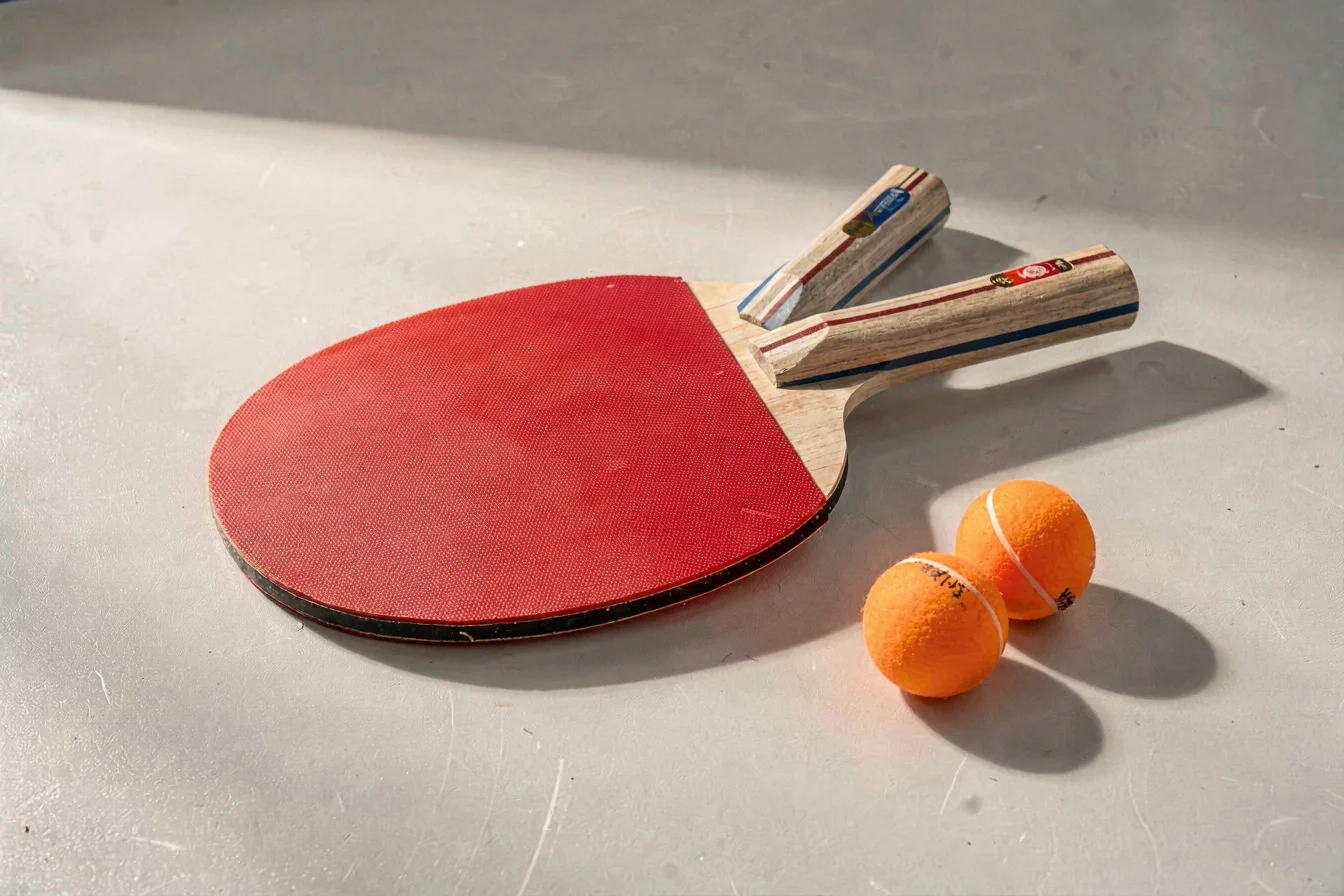
Market-leading shanghai table tennis equipment SKUs include professional paddle sets, advanced robot trainers, rebound boards, collection nets, and high-grade rackets. Amazon bestsellers are prized for durability, ease of use, tech-forward features, and support for solo and multi-player training. Key pricing runs from USD 20 for basic trainers to USD 1500 for programmable robots. Customer ratings exceed 4.2 stars for most, with defect complaints rare but focused on app complexity and inconsistent bounce in some rebound boards. Club-grade robotics and competition-level paddles outpace casual equipment.
| Image | Name | Price | Rating | Key Features |
|---|---|---|---|---|
 |
NIBIRU SPORT Paddle Set | $29.99 | 4.6 | 4 paddles, net, balls, carry case |
 |
PONGBOT Ping Pong Robot | $259.99 | 4.2 | APP/remote, programmable drills, 150-ball capacity |
 |
PONGBOT Ball Picker | $39.99 | 4.8 | Retractable collector, 150+ balls storage |
 |
PONGBOT Robot w/ Net | $309.99 | 3.8 | Remote/app, custom drills, integrated net |
 |
PONGBOT Ball Catch Net | $49.99 | 4.1 | Durable, easy install, recycling net |
 |
Ping Pong Rebound Board | $165.70 | 5.0 | Self-training, steel frame, easy install |
Top-selling products are robustly rated, with paddle sets and robots topping family and club purchase lists, while rebounders attract skill-development buyers. Competition-level rackets play a significant role in professional segment growth. Best-selling retail SKUs validate innovation and durability, making Shanghai’s catalog a priority for all serious table tennis buyers.
Buyer reviews consistently praise long-term durability, ergonomic handles, versatility (multi-player, indoor/outdoor), and advanced training features, especially programmable robots[2]. Negative reviews focus on complex app interfaces for robots, secondary issues with ball rebound consistency in lower-rated boards, and some concerns over strong odors in new rubbers. For family sets, assembly and portability are highly rated. Professional segment buyers demand precise spin and speed control as well as robust build for high-frequency training.
"Great set for table ping pong, it came with great paddles, strong and great quality. ... Happy with this set! The net is easy to install, … very practical to use, great functionality and so much fun!" [2]
"The first day I got this rebound board, I couldn't get it working (couldn't get it bounce back consistently) and thought of returning it immediately. However, after patiently practicing with it for a couple days, now I could play a 10-round rally with it easily. ... Now it actually works, which is very exciting." [2]
| Product Name | Top Praise | Top Complaint | Overall Sentiment |
|---|---|---|---|
| NIBIRU SPORT Paddle Set | Quality, easy setup, family fun | — | Very Positive |
| PONGBOT Ping Pong Robot | Functionality, reliability, drill customization | App interface, large head | Positive |
| Ping Pong Rebound Board | Very strong frame, skill improvement | Need for practice, initial bounce issues | Mixed Positive |
| PONGBOT Ball Picker | Convenience, robust build | — | Very Positive |
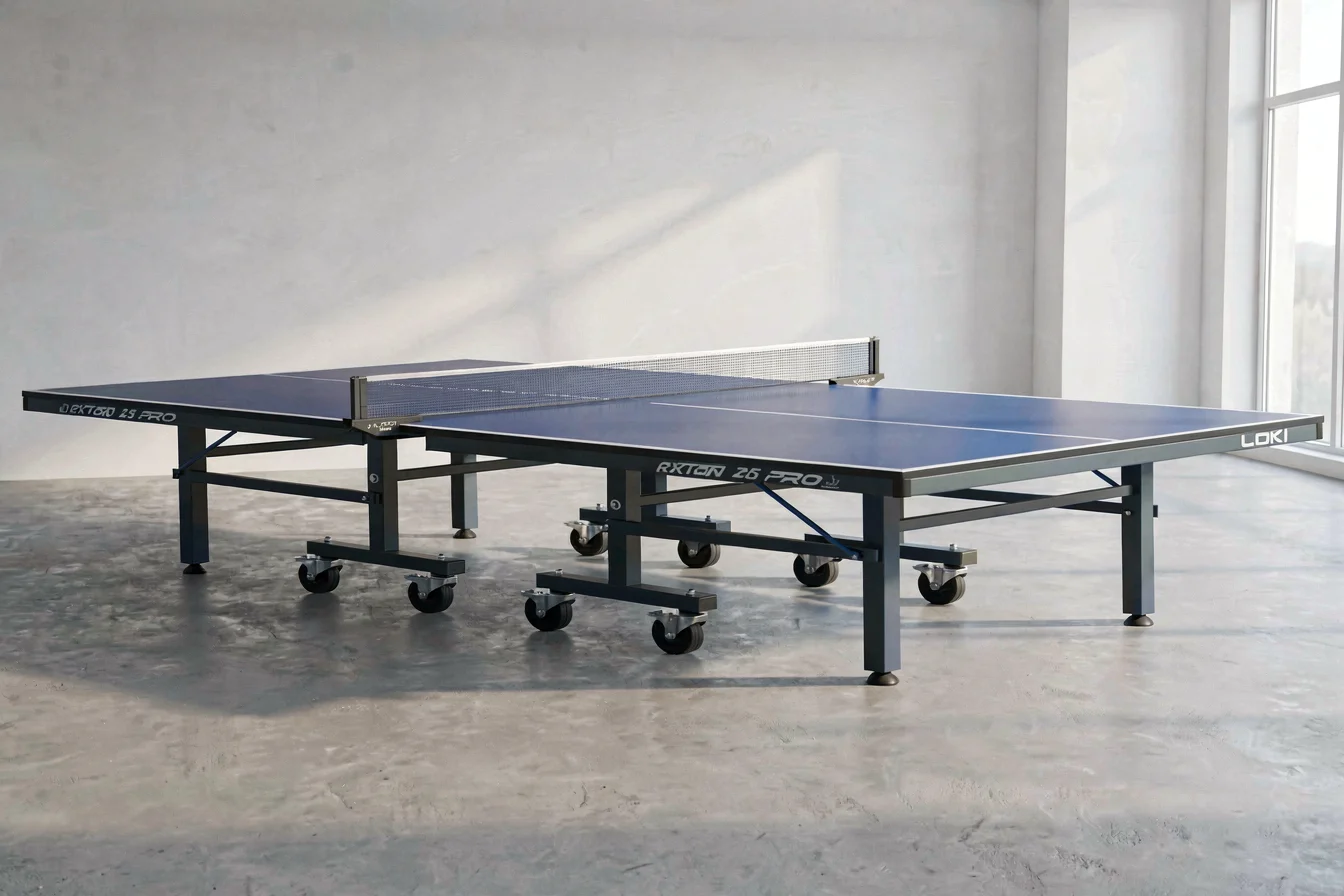
Reliability standards for shanghai table tennis equipment are set by top-tier brands DHS and Butterfly, whose products are ITTF-certified and widely used in international competitions[3][5][6]. Common benchmarks include defect rates below 2% for professional rackets, maintenance cycles every 12–18 months for robotic trainers, and service life extending up to 5–6 years with typical club usage. Key risk points involve variant authenticity, logistic delays, and regulatory shifts—buyers should demand batch-level certification, OEM/ODM specs, and negotiate bundled after-sales support.
| Benchmark Dimension | DHS Pro Racket | PONGBOT Robot Trainer |
|---|---|---|
| Defect Rate | Under 2% | Under 3% |
| Maintenance Cycle | 12–18 months (rubber swap) | Quarterly (motor check) |
| Expected Service Life | 5–7 years | 4–6 years |
| Certification | ITTF, CE, ISO 9001 | CE, SGS, ITTF (select models) |
| After-sales Support | Global, authorized network | Direct factory or authorized center |
Strategically, buyers must secure direct factory contracts, verify batch production with certifications, and request extended warranty terms. Risk mitigation includes negotiating for flexible logistics and performing pre-shipment inspection, especially for robotics and customized club bundles. Pricing leverage is strongest by aggregating volume and focusing on ITTF-certified lines. Reliability is best ensured through direct OEM sourcing, batch certification, and robust after-sales service, minimizing risk across high-value SKUs.
Procurement excellence centers on choosing between direct factory (OEM/ODM), authorized distributors, and B2B platforms. Shanghai’s top OEMs offer full customization—with MOQ often 1000+ units for institutional buyers and premium variant selection. Authorized distributors provide lower MOQs, regional inventory, and warranty bundling. Alibaba.com streamlines cross-border procurement with transparent supply chain mapping, supplier credibility ratings, and integrated logistics options covering air, sea, and express services. Current shipping trends favor bulk sea freight for tables and express air for paddles and club-grade robots; average lead times are 10–30 days depending on SKU. Duty rates align with HS codes (typically 5–10% for sports equipment), and buyers should confirm VAT and import restrictions for destination markets[8].
| Feature | B2B Advantage |
|---|---|
| Customization | Full OEM/ODM Support |
| MOQ Flexibility | Bulk for factories, small for distributors |
| Logistics | Shipping options, duty transparency |
| Quality Verification | Inspection, certifications, after-sales included |
| Pricing Leverage | Bulk contracts, seasonal negotiation |
Looking ahead, buyers should anticipate further integration of AI-driven robotics, advanced materials (carbon nano-blades, weatherproof coatings), and expanded certification demands as clubs and schools invest in higher-grade equipment for training and competitions. Price trends remain stable, with modest increases during tournament-driven peaks; new product launches and updated ITTF specs may drive SKU refresh cycles quarterly. Strategic buyers should engage OEMs directly, leverage Alibaba.com’s supplier validation services, and negotiate bundled after-sales support for all technology-driven SKUs. As global demand for solo training and family play accelerates, expect hybrid SKUs and home club kits to lead retail and institutional procurement. Final direction: buyers should lock in pre-season contracts, prioritize variants with ITTF/CE certifications, and structure orders according to club, retailer, or institutional specs, ensuring reliability and resilience across all supply chain nodes. The Shanghai table tennis equipment market is positioned for sustained innovation and stable growth; buyers who time bulk procurement and verify OEM supply stand to maximize value and supply resilience in 2026.