
All categories
Featured selections
Trade Assurance
Buyer Central
Help Center
Get the app
Become a supplier
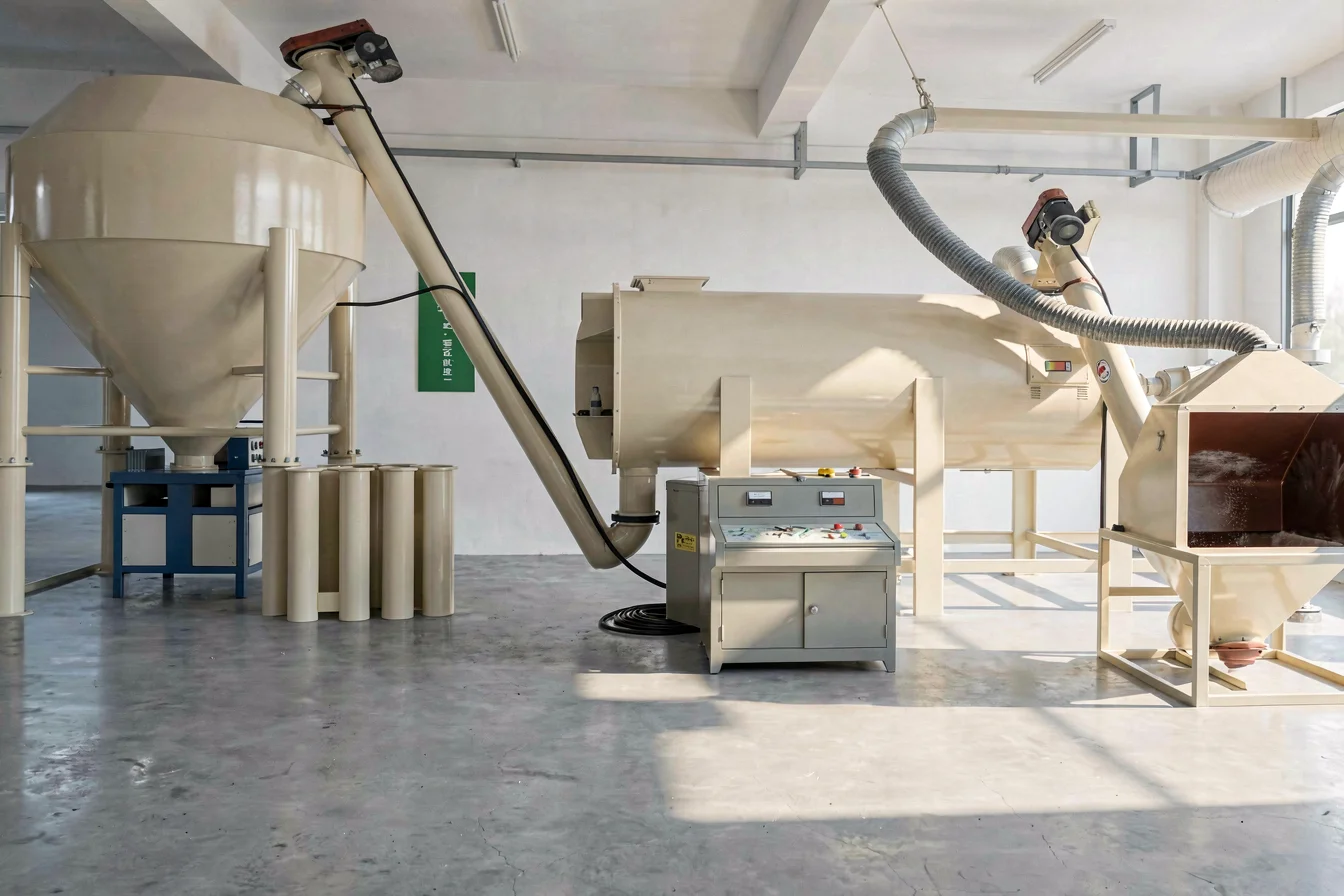
The self leveling mixer market is experiencing rapid growth, driven by increased demand for efficient mixing solutions in both commercial and DIY sectors. Electric and cordless models are trending upward, with stable supply chains and competitive pricing. Buyers should prioritize high-torque, multi-speed mixers to maximize productivity and reliability[1][2][4][5].
The self leveling mixer category is trending due to the convergence of construction innovation, food processing upgrades, and a shift toward labor-saving tools. Buyers must understand the differences between cement-based, food-grade, and hybrid models, as well as the importance of motor power, mixing speed, and ergonomic design. Professional-grade mixers with advanced cooling and multi-speed controls are increasingly favored for large-scale projects, while compact, cordless options appeal to DIYers and mobile contractors. Selection criteria focus on torque, mixing capacity, durability, and ease of maintenance.
| Trend Factor | Current Status | Impact on Buying Decision |
|---|---|---|
| Electric Mixer Adoption | High, especially in commercial construction | Drives preference for high-torque, multi-speed models |
| DIY Segment Growth | Steady, rising for cordless mixers | Boosts demand for portable, easy-clean models |
| Food-Grade Mixer Expansion | Emerging, especially in restaurants and bakeries | Requires stainless steel, safety features, and easy cleaning |
| Supply Chain Stability | Stable, with competitive pricing | Facilitates bulk procurement and risk mitigation |
| Ergonomic & Safety Features | Increasingly standard | Reduces user fatigue, improves operational efficiency |
Buyers should prioritize high-torque, multi-speed mixers with ergonomic features to meet both professional and DIY demands, ensuring supply chain resilience and operational efficiency.
The self leveling mixer market is shaped by construction sector modernization, food processing upgrades, and a labor shortage driving demand for automated tools. Supply chains are stable, with OEMs offering robust customization and compliance support. Macro drivers include the rise in commercial flooring projects, increased adoption of self-leveling compounds in both cement and food-grade applications, and ongoing innovation in mixing technology. The industry faces moderate risks from raw material volatility and logistics bottlenecks, but these are offset by strong procurement flexibility and competitive pricing. Buyers must navigate technical specifications, compliance requirements, and batch capacity needs when sourcing for both small and large-scale operations.
| Market Dimension | Current Status | Impact Level |
|---|---|---|
| Commercial Flooring Projects | Accelerating, especially in hospitality and healthcare | High—drives bulk procurement of industrial mixers |
| DIY & Residential Segment | Stable, moderate growth | Moderate—supports steady demand for compact models |
| Food Processing Expansion | Emerging, especially in bakeries and restaurants | Moderate—requires specialized food-grade mixers |
| Supply Chain Resilience | Stable, with few disruptions | High—enables reliable sourcing and bulk orders |
| Technical Innovation | Active, with new multi-speed and ergonomic designs | High—improves efficiency and user satisfaction |
The market is driven by commercial and food-grade demand, stable supply chains, and ongoing technical innovation, making bulk procurement and risk mitigation feasible for buyers.
Google Trends: Electric Self Leveling Mixer vs Automatic and Cordless (2025–2026)
Google Trends show “electric self leveling mixer” as the dominant query, with consistent peaks and valleys reflecting seasonal construction cycles and professional project launches. “Automatic” and “cordless” variants follow, but with lower search intensity, indicating niche adoption for specialized use cases. The upward trend for electric mixers signals strong momentum for commercial procurement, while cordless models appeal to mobile and DIY buyers. Buyers should time purchases to coincide with peak demand periods, prioritizing electric models for large-scale projects and cordless for flexible, on-site use.
Reddit discussions highlight recurring pain points around mixing consistency, rapid setting, and uneven results, especially in flooring applications. Users often report frustration with small mixing heads and limited batch capacity, but praise improved ergonomics and ease of cleaning in newer models. Professional flooring contractors value efficient mixing and fast setup, while DIYers appreciate compact, portable mixers. Sentiment is mixed but trending toward positive, with more professional use cases driving demand for advanced features. TikTok data is not available, but Reddit’s UGC patterns suggest strong engagement for troubleshooting and product reviews.
“I couldn’t keep up with pouring and smoothing while cleaning out the buckets and mixing new ones on my own and it started to set before I could pour the new bucket. This created a lip and 3/8 in low spots. I tried used Henry 549 to build it up and feather it out but not sure if it was user error or product issue but I could not for the life of me mix it to a good consistency to apply. It caked up within minutes and is just making things worse.” [8]
| Dimension | Reddit Insights | TikTok Insights |
|---|---|---|
| Mixing Consistency | Frequent complaints about rapid setting and uneven results | — |
| Ergonomics & Portability | DIYers praise compact, portable models | — |
| Batch Capacity | Small heads and limited capacity are pain points | — |
| Ease of Cleaning | Improved cleaning features are valued | — |
| Sentiment Shift | Mixed but trending positive, driven by professional use | — |
Online communities highlight pain points around mixing consistency and batch capacity, but sentiment is improving as professional-grade models gain traction.
Amazon’s top-selling self leveling mixer products span cement, food-grade, and portable models, with features like high-torque motors, ergonomic handles, and multi-speed controls. Price points range from USD 9.95 to USD 559.90, with ratings from 3.9 to 5.0. Leading models excel in durability, ease of cleaning, and efficient mixing performance. Buyers prioritize models with robust motors, adjustable speeds, and easy maintenance for both commercial and DIY applications.
| Image | Name | Price | Rating | Key Features |
|---|---|---|---|---|
 |
Edward Tools Paint and Mud Mixer | USD 9.95 | 4.6 | Zinc-plated steel, ergonomic hex head, easy cleaning |
 |
IMAYCC Cement Mixer 2100W | USD 49.99 | 4.3 | 2100W motor, 6-speed, ergonomic handles, overheating protection |
 |
IMAYCC Cement Mixer 2100W Electric | USD 51.99 | 4.3 | 2100W motor, 6-speed, dual-paddle, easy maintenance |
 |
LEVEL5 Drywall Mud Mixer | USD 36.89 | 4.7 | Pro-grade, extra long shaft, rust-resistant, splatter-free |
 |
Electric Cement Mixer 2100W Handheld | USD 54.99 | 4.4 | 2100W copper motor, 6-speed, ergonomic design |
 |
VEVOR Commercial Food Mixer | USD 559.9 | 4.3 | 15Qt stainless bowl, 3-speed, timer, food-grade safety |
 |
IMAYCC Handheld Cement Mixer | USD 49.9 | 4.3 | 2100W motor, 6-speed, dual-paddle, ergonomic handles |
 |
Goldblatt 10.8A Electric Mixer | USD 97.26 | 5.0 | Two-speed, electronic speed controller, safety switch |
 |
Gemini Portable 2-Channel DJ Mixer | USD 54.95 | 4.3 | Compact, rugged, pro crossfader, budget-friendly |
 |
CS Unitec EHR 20.1 R Set Portable Hand-Held Electric Concrete Mixer | USD 551.99 | 3.9 | Variable speed, heavy-duty motor, ergonomic handles |
Top-selling mixers feature high-torque motors, ergonomic design, and multi-speed controls, with food-grade models gaining traction in commercial kitchens.
Buyer reviews highlight strengths in durability, ease of cleaning, and efficient mixing performance, with complaints about small heads, limited batch capacity, and rapid setting. Professional-grade models receive praise for ergonomic handles and robust motors, while food-grade mixers are valued for stainless steel construction and safety features. DIYers appreciate portable, cordless models for flexible use.
“Using a 5 gallon bucket, I mixed batches of concrete for fence posts. I mixed one third of a 60 lb bag in each batch. Probably could have done half a bag at a time without bogging down the motor. It mixes very well, even getting the bottom corner of the bucket so that there was nothing left unmixed. Much easier on my back than mixing with a shovel. Great price for what it does. Stores easily. Cleans up easily.” [2]
“I ordered this mixer after my old drywall mud paddle blade decided to start to rust so badly I just threw it away. So far this thing has been great. I can leave it in a bucket of water for days at a time and not have to worry about rust. It cleans off super easily with my brush, and it doesn’t chew up the side of buckets when mixing. I will say that that it does take longer to mix larger buckets of mud with this because the head is smaller then most paddle style mixers. You have to take your time and move it around a lot more before the whole bucket is creamy and stirring well. But I will take that slight inconvenience over having to worry about a rusty mixer any day.” [2]
| Product Name | Top Praise | Top Complaint | Overall Sentiment |
|---|---|---|---|
| IMAYCC Cement Mixer 2100W | Efficient mixing, ergonomic handles, easy cleaning | Small head, limited batch capacity | Positive |
| LEVEL5 Drywall Mud Mixer | Rust-resistant, easy cleaning, splatter-free | Small head, longer mixing time for large batches | Positive |
| VEVOR Commercial Food Mixer | Safety features, food-grade stainless steel | Heavy, strong chemical smell | Positive |
| Edward Tools Paint and Mud Mixer | Durable, rust-resistant, easy cleaning | Small head, limited batch size | Positive |
| Goldblatt 10.8A Electric Mixer | Reliable, electronic speed controller | — | Positive |
Buyers praise durability and ergonomic design, but complain about small heads and limited batch capacity; overall sentiment is positive, especially for professional-grade models.
Reliability benchmarks for self leveling mixer products focus on defect rates, maintenance cycles, and expected service life. Buyers should prioritize models with robust motors, ergonomic handles, and advanced cooling features to minimize downtime and maximize operational efficiency. OEM/ODM selection criteria include batch capacity, compliance certifications, and warranty support. Potential bottlenecks include raw material volatility, logistics delays, and geopolitical compliance. Negotiation levers include volume discounts, warranty extensions, and after-sales support. Price optimization is achieved through bulk procurement and contract negotiation with reliable suppliers.
| Benchmark Dimension | IMAYCC Cement Mixer 2100W | LEVEL5 Drywall Mud Mixer |
|---|---|---|
| Defect Rate | Low, reliable motor | Low, rust-resistant steel |
| Maintenance Cycle | Easy, copper brushes | Easy, rust-free cleaning |
| Expected Service Life | High, 2100W motor | High, pro-grade materials |
| Batch Capacity | Medium, 5–6 gallon bucket | Medium, 5–6 gallon bucket |
| Compliance Certifications | CE, RoHS | CE, RoHS |
Reliability performance is shaped by robust motor design, ergonomic features, and advanced cooling, making bulk procurement and risk mitigation feasible for buyers.
Looking ahead, the self leveling mixer market will see continued growth driven by construction sector modernization, food processing upgrades, and increasing adoption of automated tools. Technological innovation will focus on higher torque, multi-speed control, ergonomic design, and advanced cooling systems, with price trends remaining competitive as supply chains stabilize. Buyers should prioritize high-torque, multi-speed mixers for commercial and DIY applications, time purchases to coincide with peak demand periods, and negotiate bulk contracts with reliable OEMs to maximize efficiency and risk mitigation. With ongoing technical innovation and stable supply chains, procurement strategies should emphasize customization, compliance, and after-sales support to ensure long-term operational success.