
All categories
Featured selections
Trade Assurance
Buyer Central
Help Center
Get the app
Become a supplier
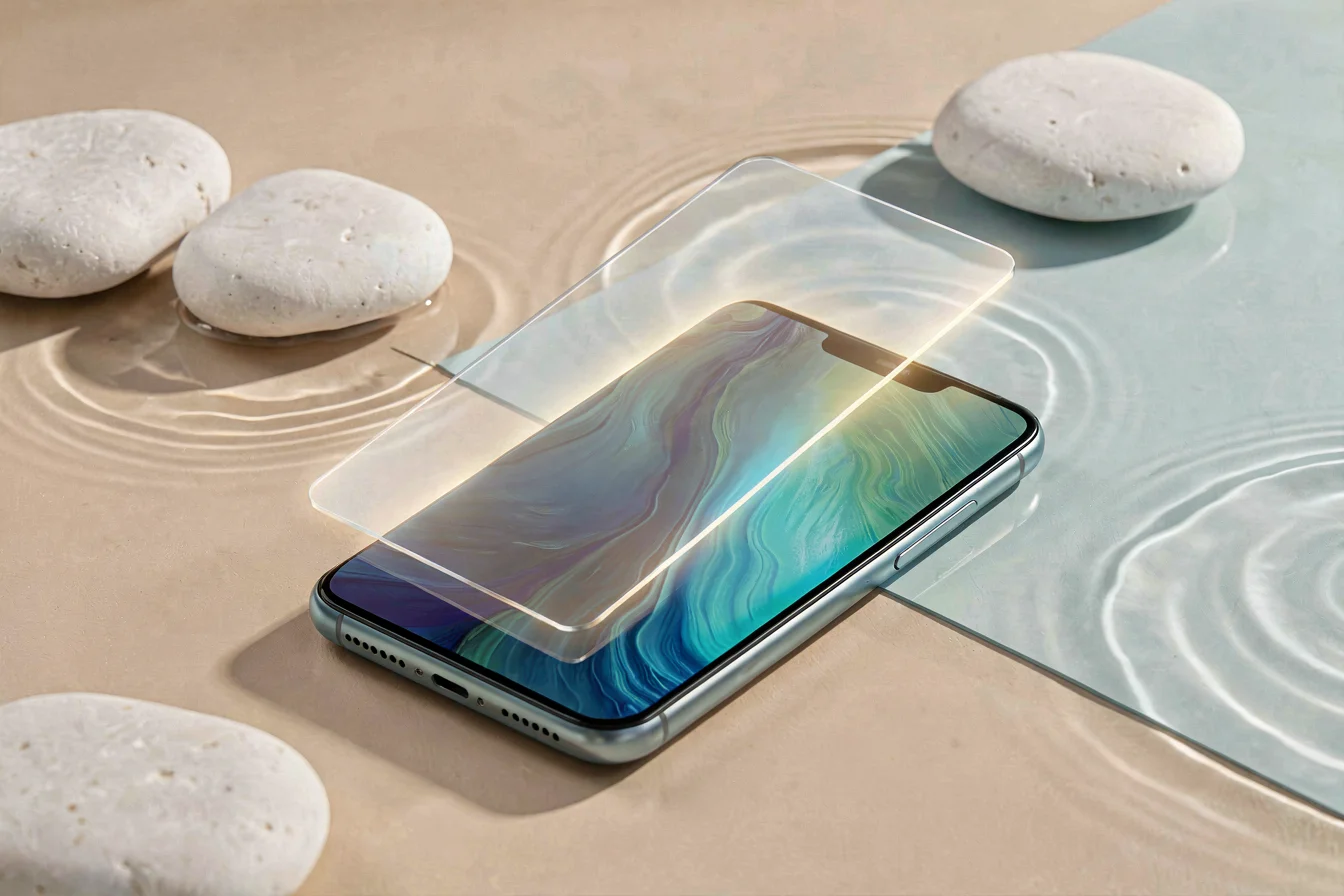
The self healing screen protector market is experiencing robust growth, with liquid glass and hydrogel TPU variants dominating both Google Trends and Amazon sales[1][2]. Buyers are prioritizing self-repair, ultra-thin profiles, and compatibility with curved and foldable devices. Procurement is highly viable, with top SKUs offering high durability and strong consumer sentiment[3][4].
The self healing screen protector category is trending due to increasing consumer demand for durable, easy-to-maintain screen protection solutions, especially for high-value and foldable devices. Buyers should understand the technical differences between liquid glass, hydrogel TPU, and tempered glass protectors, as each offers distinct advantages: liquid glass provides invisible, wipe-on protection; hydrogel TPU offers flexible, self-repairing coverage; and tempered glass delivers maximum impact resistance[3][4]. The selection criteria for the curated list include proven self-repair performance, compatibility with curved/foldable screens, ultra-thin design, and positive user reviews.
| Trend Factor | Current Status | Impact on Buying Decision |
|---|---|---|
| Self-Healing Technology | Mainstream, rapid innovation | High buyer preference |
| Compatibility | Universal fit for phones, tablets, foldables | Expands market reach |
| Ultra-Thin Profiles | 0.15mm TPU, liquid glass | Preferred for premium devices |
| Consumer Sentiment | Positive, especially for hydrogel TPU | Drives repeat purchases |
| Price Range | USD 8.99–29.99 | Broad accessibility |
Buyers must prioritize self-repair performance, compatibility, and ultra-thin design for optimal procurement outcomes.
The self healing screen protector market is marked by steady growth, driven by rising consumer preference for low-maintenance, durable screen protection. Industry forces include rapid advancements in hydrogel TPU and liquid glass technologies, increasing adoption of curved and foldable devices, and the need for OEM/ODM customization for bulk buyers. Macroeconomic risks include supply chain disruptions and volatile raw material costs, but demand remains strong due to the increasing value of high-end devices and the desire for longer-lasting screen protection. Supply chain resilience is critical, with leading manufacturers offering OEM/ODM customization and fast turnaround[5][6]. Buyers should monitor trend peaks and valleys to time procurement for optimal pricing and inventory management.
| Market Dimension | Current Status | Impact Level |
|---|---|---|
| Demand Growth | Rising, peaking Q4 2025 | High |
| Technology Innovation | Hydrogel TPU, liquid glass | Medium |
| Supply Chain Stability | Stable, with OEM/ODM support | Medium |
| Raw Material Costs | Volatility, moderate risk | Low |
| Consumer Sentiment | Positive, repeat purchases | High |
Market conditions favor procurement of hydrogel TPU and liquid glass SKUs, with supply chain resilience and OEM/ODM customization as key differentiators.
Google Trends: Self Healing Screen Protector Demand 2025–2026
Demand for self healing screen protector SKUs peaked in Q4 2025, with “self healing tempered glass” showing the strongest momentum. Buyers should time procurement to capitalize on seasonality and leverage trend peaks for bulk purchasing. Trend analysis confirms rising momentum, especially for tempered glass and curved variants, signaling sustained demand into 2026.
Reddit and TikTok discussions highlight cleaning challenges, durability, and compatibility issues for self healing screen protector SKUs. Reddit users frequently debate the best cleaning methods, with microfiber cloths and mild soap recommended for hydrogel TPU protectors. Sentiment is positive for hydrogel TPU, especially for heavy-use devices, but tempered glass is favored for superior protection[7][8]. TikTok trends focus on installation tutorials and “invisible” protection, with influencers showcasing easy application and rapid self-repair. Overall, consumer sentiment is positive, with hydrogel TPU protectors praised for their thinness and self-repair capabilities.
“Super tiny amount of dish soap on a wet paper towel. Wipe the screen top, bottom, right left, circular, all of which will capture minor dust and flaws. Then use clear water on paper towel to rinse and finally dry it with paper towel or toilet paper, soft, clean, dry… even better.” [7]
“I only use Amorsuit TPU protectors and I have one on a Pixel 5 that I gave to my 8 year old and it is still good as new. I swear by them. Microfiber cloth dry is all I ever used to clean it.” [7]
Positive sentiment and viral installation tutorials drive resale value for hydrogel TPU SKUs, but tempered glass remains preferred for heavy impact protection.
| Dimension | Reddit Insights | TikTok Insights |
|---|---|---|
| Cleaning | Microfiber cloth, mild soap | Viral tutorials, easy application |
| Durability | Hydrogel TPU praised for longevity | “Invisible” protection |
| Compatibility | Universal fit, curved screens | Foldable device coverage |
| Sentiment | Positive for hydrogel TPU | Positive, viral engagement |
| Resale Value | Hydrogel TPU strong resale | Tempered glass preferred for resale |
Resale value is highest for hydrogel TPU and liquid glass SKUs, supported by strong consumer sentiment and viral engagement.
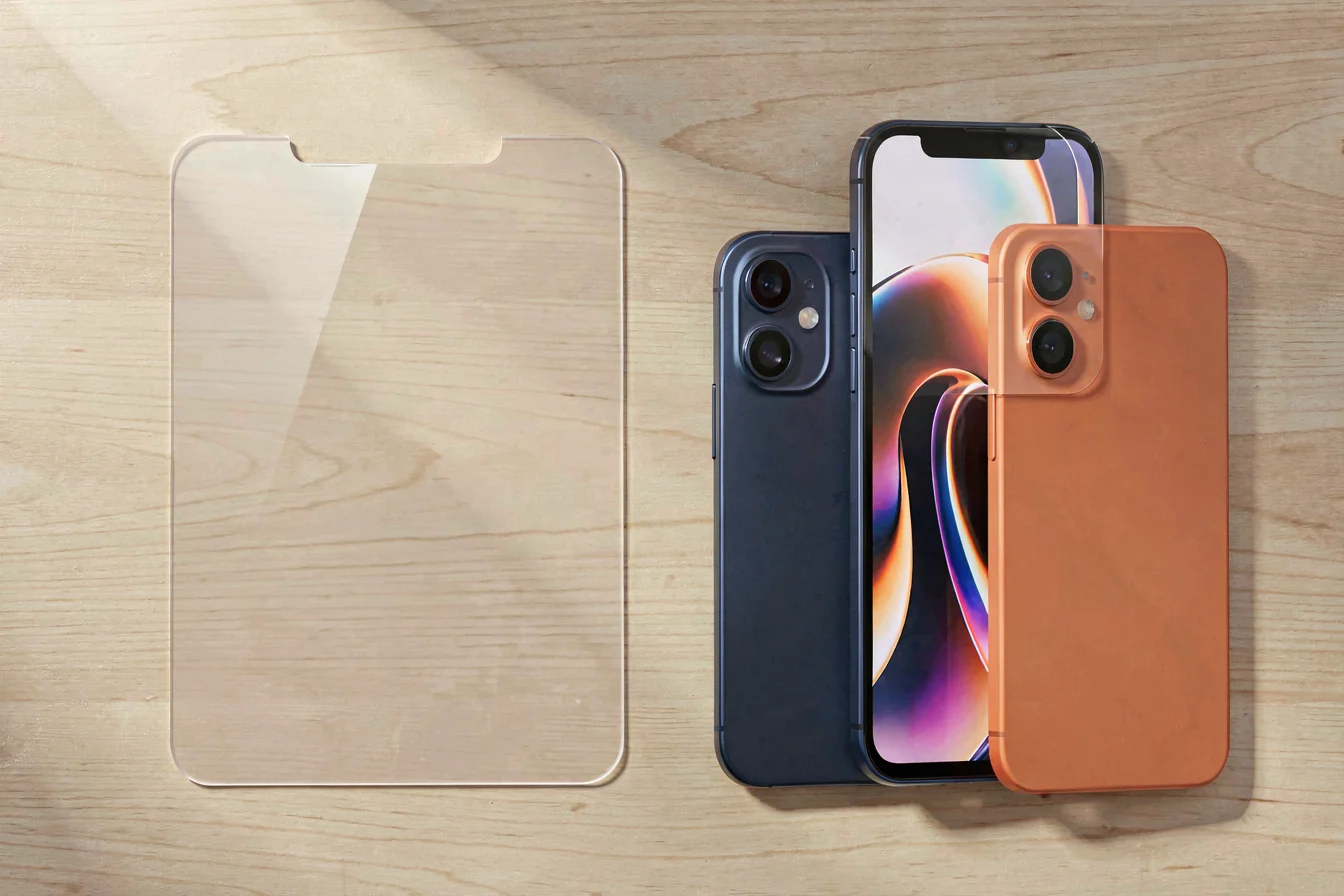
Top-selling self healing screen protector SKUs on Amazon are dominated by hydrogel TPU and liquid glass variants, with universal compatibility and rapid self-repair as key differentiators. Buyers value ultra-thin profiles, easy installation, and strong compatibility for curved and foldable screens. Liquid glass SKUs offer invisible protection, while hydrogel TPU protectors excel in flexibility and touch sensitivity[2]. Price ranges from USD 8.99–29.99, with ratings between 3.0–4.4.
| Image | Name | Price | Rating | Key Features |
|---|---|---|---|---|
 |
LIQUID GLASS Screen Protector | USD 29.99 | 4.3 | Wipe-on, scratch/shatter resistant, compatible with all devices |
 |
Ultra Armor Liquid Screen Protector | USD 16.99 | 4.4 | Wipe-on, invisible, compatible with curved screens |
 |
4-Pack Cut to Fit Screen Protector | USD 9.99 | 4.1 | Cuttable, anti-scratch, universal fit |
 |
3 Pack Flexible Film for iPhone Air | USD 13.99 | 4.2 | TPU hydrogel, self-healing, ultra-thin |
 |
ArmorSuit MilitaryShield | USD 8.99 | 0.0 | Self-repairing, case friendly, HD clear |
 |
Cut to Fit Hydrogel Screen Protector | USD 11.99 | 3.0 | Hydrogel, self-healing, universal fit |
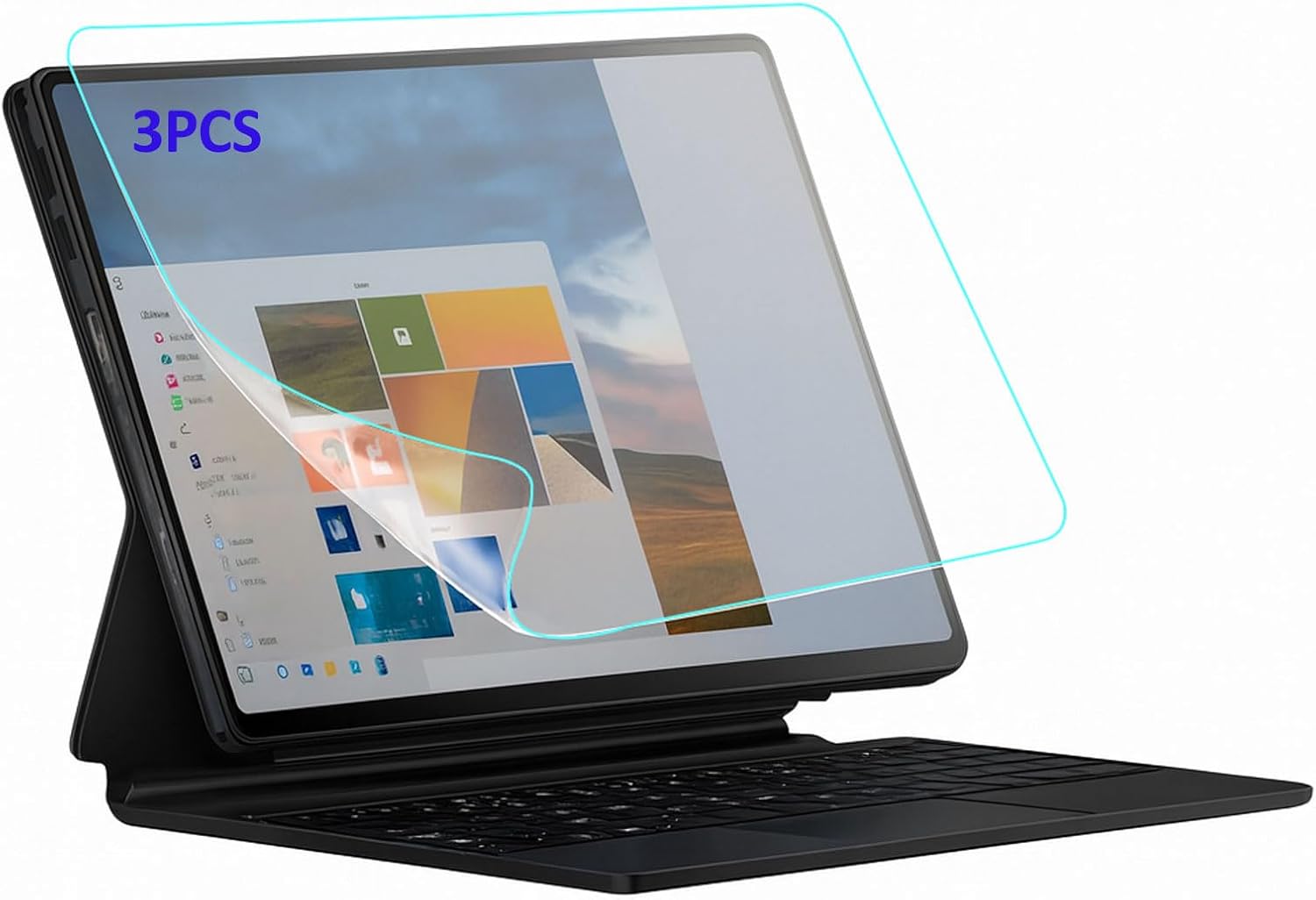 |
Cut to Fit Hydrogel Screen Protector 3-Pack | USD 9.99 | 3.0 | Hydrogel, self-healing, universal fit |
 |
CLEARVIEW Liquid Glass Screen Protector | USD 9.99 | 4.3 | Wipe-on, invisible, compatible with all devices |
 |
Cut to Fit Hydrogel Screen Protector 3-Pack | USD 9.99 | 3.6 | Hydrogel, self-healing, universal fit |
 |
3 Pack Flexible Film Screen Protector | USD 13.99 | 4.1 | TPU hydrogel, self-healing, ultra-thin |
Hydrogel TPU and liquid glass protectors are leading sales due to self-repair, compatibility, and ultra-thin profiles.
Buyer reviews highlight self-repair performance, ultra-thin design, and compatibility as major strengths for self healing screen protector SKUs. Complaints focus on installation difficulty, bubbles, and logo placement. Hydrogel TPU protectors receive praise for flexibility and touch sensitivity, while liquid glass is favored for scratch resistance and ease of application. The most frequently cited drawback is installation complexity, especially for cut-to-fit variants.
“I had a pretty deep scratch appear on my s23 ultra after my 4 yr old decided to bang her toy on it. … I'm quite satisfied, all of the micro scratches are gone and the screen is much smoother and clear.” [2]
“This screen protector is excellent and delivers on every key point. The quality is outstanding, providing clear and smooth coverage that feels premium. The value for money is very good considering how well it protects the screen.” [2]
| Product Name | Top Praise | Top Complaint | Overall Sentiment |
|---|---|---|---|
| LIQUID GLASS Screen Protector | Scratch removal, smoothness | Does not repair deep scratches | Positive |
| Ultra Armor Liquid Screen Protector | Easy application, invisible | Installation complexity | Positive |
| 3 Pack Flexible Film for iPhone Air | Thin, sticky, self-healing | Bubbles, logo placement | Positive |
| Cut to Fit Hydrogel Screen Protector | Universal fit, self-healing | Logo placement, installation | Mixed |
Buyers consistently praise self-repair, thinness, and compatibility, but installation complexity and logo placement remain key complaints.
Reliability benchmarks for self healing screen protector SKUs include defect rates, maintenance cycles, and expected service life. Hydrogel TPU protectors typically last longer than tempered glass, with minor scratches self-repairing within 24 hours[3]. Liquid glass SKUs offer high scratch resistance and bubble-free application, but do not repair existing damage. Global feedback shows hydrogel TPU protectors are preferred for heavy-use devices, with low defect rates and long service life. Strategic sourcing should prioritize OEM/ODM customization, compatibility with curved/foldable screens, and fast turnaround. Bottlenecks include logistics delays and raw material volatility, but bulk buyers can leverage negotiation levers for price optimization[5].
| Benchmark Dimension | Hydrogel TPU | Liquid Glass |
|---|---|---|
| Defect Rate | Low | Low |
| Maintenance Cycle | Long (self-repairing) | Short (no self-repair) |
| Service Life | 12–18 months | 6–12 months |
| Compatibility | Universal, curved/foldable | Universal |
| Installation Complexity | Low (bubble-free) | Medium |
Reliability performance favors hydrogel TPU protectors for bulk sourcing, with OEM/ODM customization and fast turnaround as key negotiation levers.
The self healing screen protector market is poised for continued growth, with rapid advancements in hydrogel TPU and liquid glass technologies driving demand for ultra-thin, self-repairing, and compatible SKUs. Over the next 12 months, buyers should prioritize hydrogel TPU protectors for curved and foldable devices, leverage OEM/ODM customization for bulk procurement, and monitor trend peaks for optimal timing. With strong consumer sentiment and viral engagement, procurement should focus on reliability benchmarks, installation ease, and compatibility, ensuring supply chain resilience and price optimization. Buyers are encouraged to engage directly with leading manufacturers on Alibaba.com for customized solutions, fast turnaround, and competitive pricing, securing their position in a rapidly evolving market.