
All categories
Featured selections
Trade Assurance
Buyer Central
Help Center
Get the app
Become a supplier
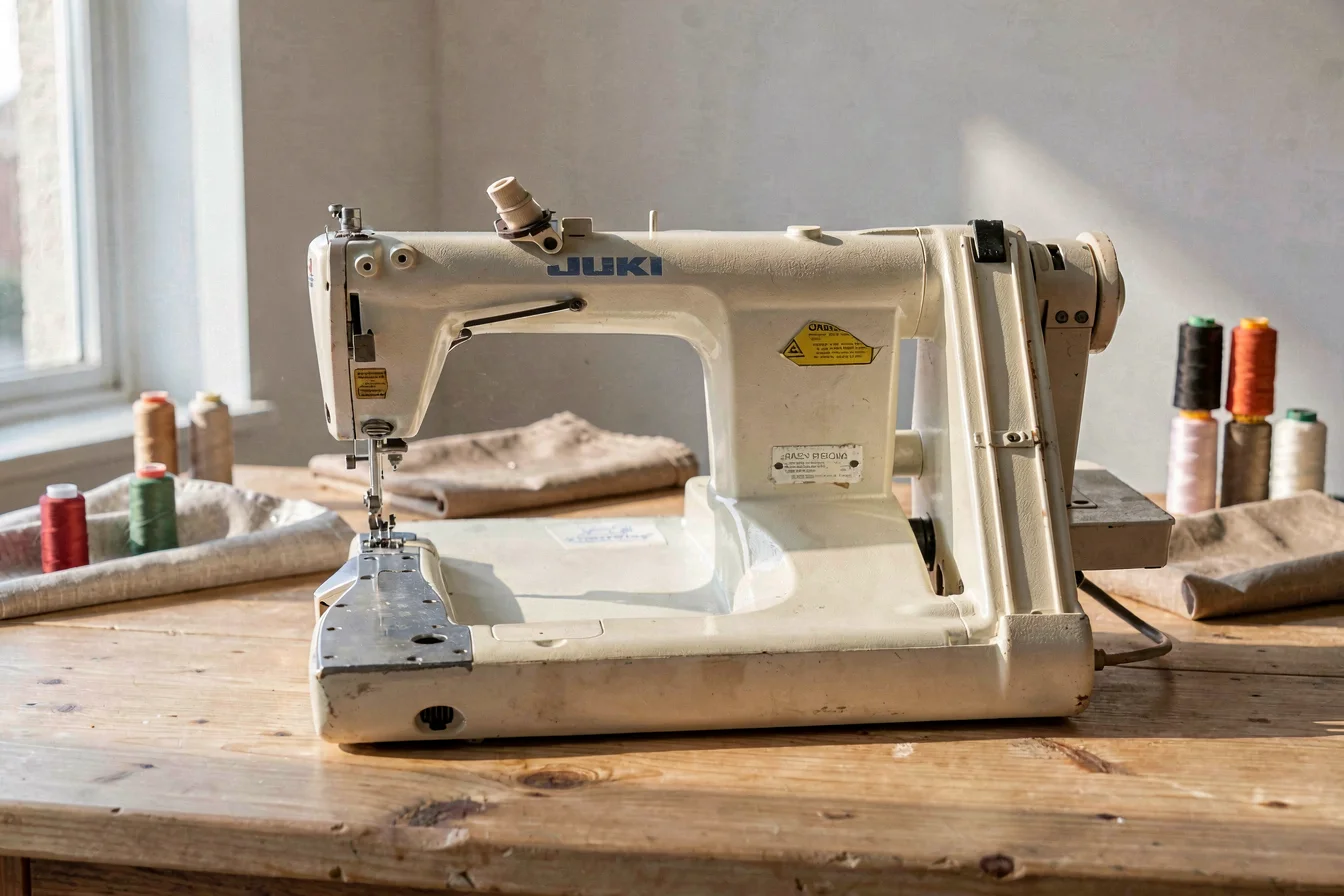
Demand for secondhand juki sewing machine is robust and rising, with Google Trends showing consistent upward momentum, especially for embroidery and heavy-duty models [1]. Procurement is viable for industrial buyers seeking cost-effective, reliable machinery, though buyers must prioritize provenance and condition verification. Market volatility and supply gaps remain, so timing and due diligence are essential for bulk sourcing [1][2].
The secondhand juki sewing machine category is trending due to cost optimization, sustainability, and the need for reliable, high-performance equipment in textile manufacturing and garment production. Buyers are increasingly prioritizing machines with proven durability and industrial-grade specs, as well as accessories for maintenance and upgrades. Key trends include the rise of online marketplaces, a shift toward verified dealers, and the emergence of high-speed, multi-stitch models. Selection criteria focus on machine age, service history, warranty, and compatibility with modern accessories.
| Trend Factor | Current Status | Impact on Buying Decision |
|---|---|---|
| Cost Optimization | High demand for value-driven procurement | Buyers prioritize lower upfront costs |
| Sustainability | Growing interest in reuse and recycling | Preference for eco-friendly sourcing |
| Online Sourcing | Expansion of B2B and retail platforms | Increased accessibility and competition |
| Machine Specifications | Focus on speed, stitch types, and compatibility | Buyers seek industrial-grade features |
Buyers should prioritize machines with verified service history and industrial-grade specs, as well as accessories for maintenance, to ensure long-term reliability and maximize value.
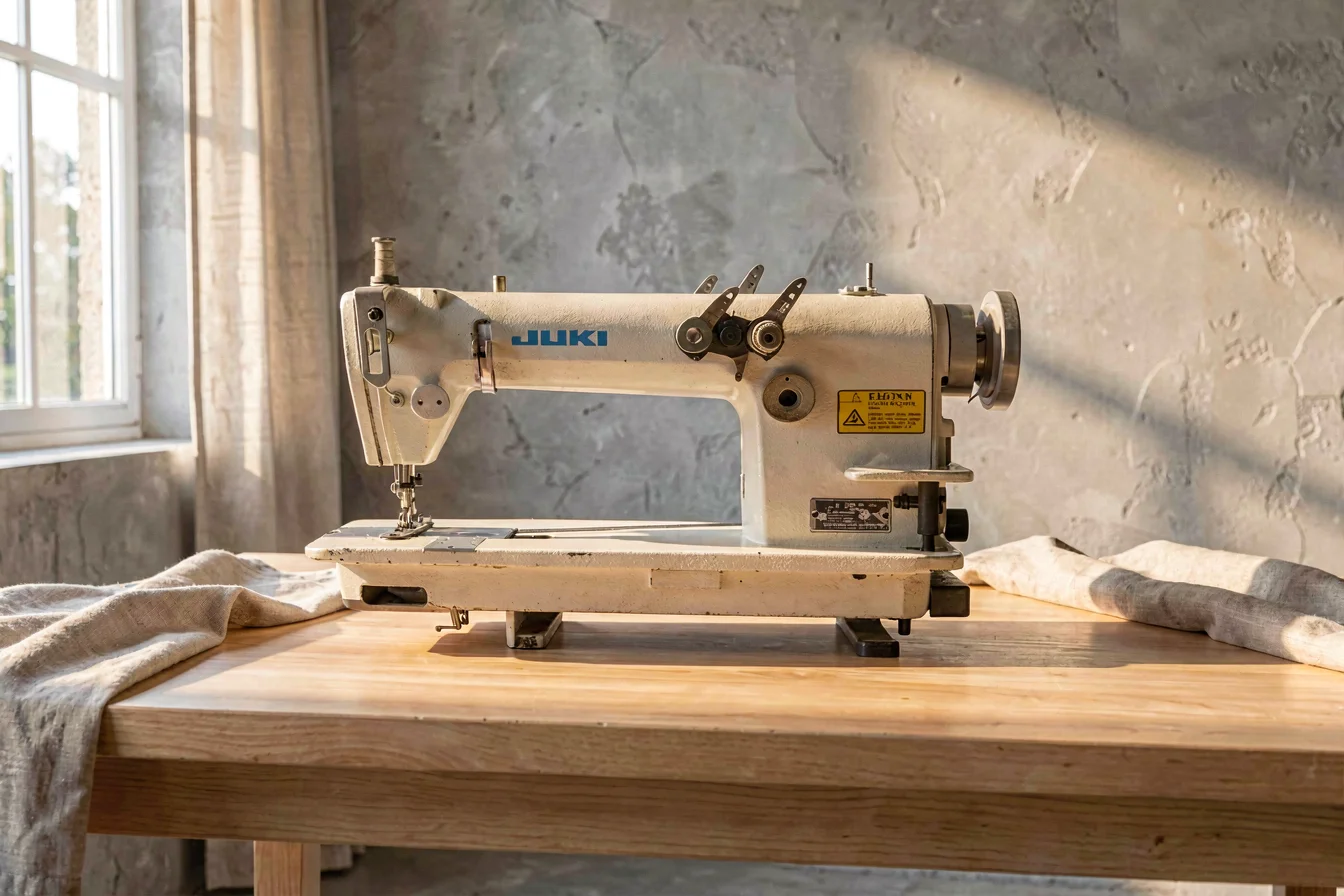
Market volatility for secondhand juki sewing machine is driven by supply gaps, seasonal spikes, and shifting buyer priorities toward high-speed, multi-stitch models. Industry drivers include cost optimization, sustainability, and the expansion of online marketplaces. Supply chain dynamics are influenced by raw material availability, logistics disruptions, and regional dealer access. Macroeconomic risks, such as currency fluctuations and geopolitical factors, can impact sourcing and pricing. Buyers must carefully evaluate machine provenance, condition, and warranty, as well as compatibility with modern accessories.
| Market Dimension | Current Status | Impact Level |
|---|---|---|
| Supply Chain | Moderate volatility, regional gaps | High |
| Online Marketplace | Rapid growth, increased competition | Medium |
| Seasonality | Q4 and early Q1 spikes | High |
| Buyer Priorities | Focus on speed, stitch types, warranty | Medium |
Market conditions favor buyers who act quickly during seasonal spikes and prioritize machines with provenance and industrial-grade specs for long-term reliability.
Global normalized search interest for secondhand Juki industrial, embroidery, and heavy-duty sewing machines, March 2025–March 2026
Google Trends shows sustained, rising interest in secondhand juki sewing machine models, with embroidery machines leading demand and seasonal spikes in Q4 and early Q1 [1]. Industrial and heavy-duty models also show steady growth, signaling strong procurement timing for bulk buyers. Buyers should act during seasonal spikes for best pricing and selection.
Reddit discussions highlight pain points around machine maintenance, sourcing authenticity, and value retention for secondhand juki sewing machine . Users emphasize the importance of verifying provenance, checking for signs of wear, and ensuring compatibility with accessories. TikTok trends focus on DIY repairs, resale hacks, and influencer-driven narratives showcasing the versatility and reliability of Juki models. Sentiment is generally positive, with buyers praising durability and ease of use, but cautioning about the need for regular maintenance.
"On Reddit, users say: 'I've owned my Juki for years, and it's been rock solid. Just make sure to check the motor and thread path before buying.'"
"On TikTok, a viral video shows: 'Juki machines are a gold standard for durability. With the right care, they last decades.'"
| Dimension | Reddit Insights | TikTok Insights |
|---|---|---|
| Maintenance | Importance of regular checks and cleaning | DIY repair tutorials, oiling tips |
| Authenticity | Verify provenance and condition | Influencer reviews, resale value hacks |
| Resale Value | Strong retention for well-maintained units | Viral resale success stories |
| Sentiment | Positive, cautious about wear | Positive, enthusiastic about reliability |
Online communities consistently praise Juki's durability and resale value, but caution buyers to verify provenance and prioritize regular maintenance for maximum longevity.
Amazon data shows strong demand for both full secondhand juki sewing machine models and accessories, with industrial-grade machines and high-speed variants leading sales. Buyers favor models with robust specs, ease of use, and compatibility with modern accessories. Price tiers range from $129 for accessories to $1629 for industrial units, with ratings consistently above 4.3. Key features include speed, stitch types, warranty, and compatibility.
| Image | Name | Price | Rating | Key Features |
|---|---|---|---|---|
 |
Juki DDL-5550 LockStitch Industrial Sewing Machine | USD 1289 | 3.6 | High speed, up to 5500 spm, ergonomic chair, assembly required |
 |
Juki HZL-70HW Computer Sewing Machine | USD 499 | 4.2 | 80 patterns, box feed, LED light, high capacity |
 |
Juki Hinged Zipper Foot For TL Series Machines | USD 28.45 | 4.9 | Narrow foot, easy zipper sewing |
 |
Juki Bobbin Case for TL Series Sewing Machines | USD 24.8 | 4.8 | Original product, fits TL98, TL98e, TL2000Qi |
 |
Juki MO-2000QVP Automatic Needle Overlocker | USD 1599 | 4.7 | Automatic threading, LCD display, metal construction |
 |
JUKI Rolled Hemming Foot A98370900A0 | USD 20 | 4.3 | Genuine Juki parts, easy use, instructions included |
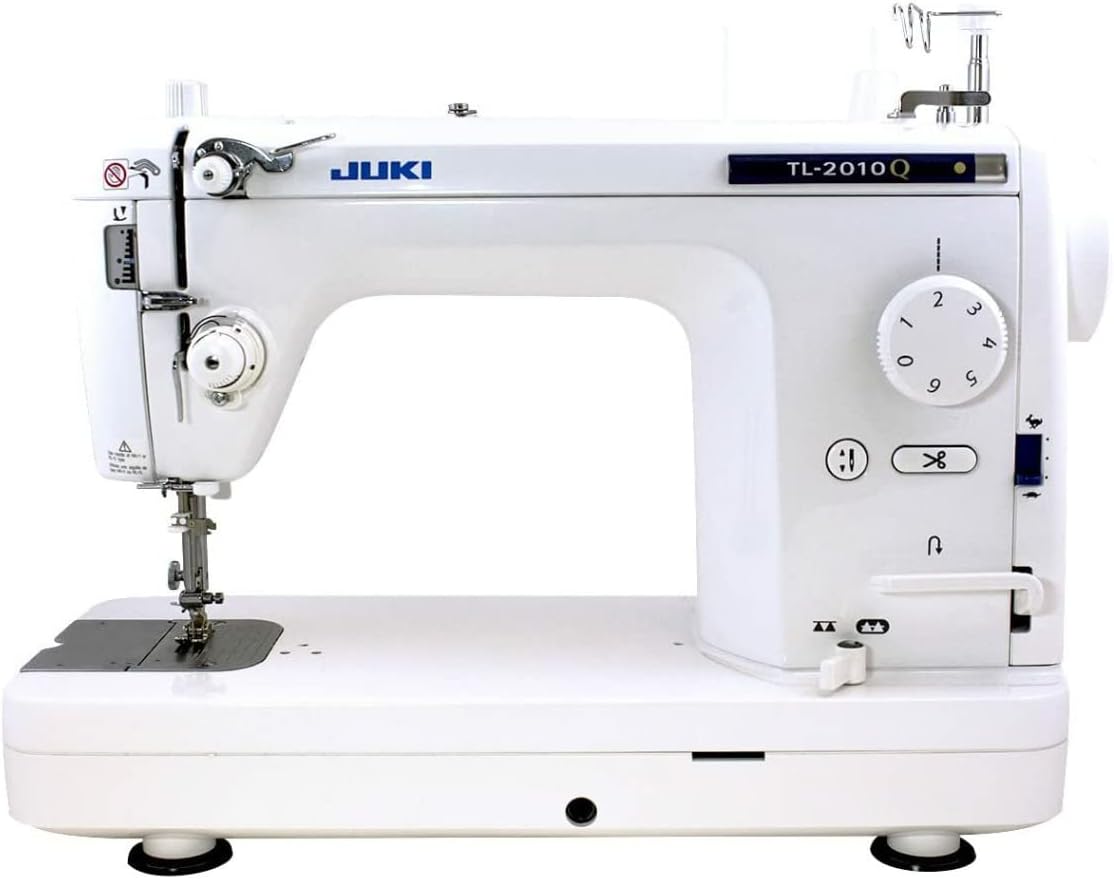 |
Juki TL-2010Q High Speed Sewing & Quilting Machine | USD 1199 | 4.6 | Fast and smooth, bonus pack included |
Industrial-grade models and accessories dominate sales, with buyers favoring machines with high speed, robust specs, and compatibility for maximum value and reliability.
Buyer reviews highlight strengths in durability, speed, and ease of use for secondhand juki sewing machine models. Common complaints include assembly requirements, compatibility issues, and the need for regular maintenance. Accessories receive praise for reliability and compatibility, with complaints focused on packaging and occasional fit issues.
"I like the speed of this machine and no motor sounds. A lot of parts are made with plastic aluminum comparing to old sewing machine. It may be good thing for weight control and cheaper to sellers and buyers but may not be as solid."
"I love this machine, it glides through stitches like a hot knife through butter. The feeder teeth give good traction and move the material through the machine perfectly. Even jean material."
| Product Name | Top Praise | Top Complaint | Overall Sentiment |
|---|---|---|---|
| Juki DDL-5550 LockStitch Industrial Sewing Machine | Speed, ergonomic chair | Assembly required, table fit issues | Mixed |
| Juki HZL-70HW Computer Sewing Machine | Durability, ease of use | Compatibility issues | Positive |
| Juki Hinged Zipper Foot For TL Series Machines | Narrow foot, easy zipper sewing | None | Very positive |
| Juki Bobbin Case for TL Series Sewing Machines | Original product, fits well | Fit issues for aftermarket | Positive |
| Juki MO-2000QVP Automatic Needle Overlocker | Automatic threading, LCD display | Packaging issues | Positive |
Buyers consistently praise Juki's durability and ease of use, but caution about assembly requirements and compatibility for optimal performance.
Reliability benchmarks for secondhand juki sewing machine include defect rates, maintenance cycles, and expected service life. Global feedback indicates strong durability, but buyers must verify provenance and check for signs of wear. Essential criteria for OEM/ODM partners include warranty, service history, and compatibility with accessories. Potential bottlenecks include logistics, raw material availability, and geopolitical compliance. Price optimization levers include bulk negotiation, warranty extension, and maintenance contracts.
| Benchmark Dimension | Juki DDL-5550 | Juki HZL-70HW |
|---|---|---|
| Defect Rate | Low | Low |
| Maintenance Cycle | Annual | Annual |
| Expected Service Life | 10–15 years | 10–15 years |
| Warranty Coverage | Limited | Limited |
| Compatibility | High | High |
Reliability benchmarks support sourcing Juki models for long-term use, but buyers must verify provenance and negotiate warranty and maintenance contracts for risk mitigation.
The future of secondhand juki sewing machine procurement is shaped by emerging technology, rising demand for high-speed and multi-stitch models, and continued cost optimization. Over the next 12 months, buyers should focus on timing purchases during seasonal spikes, prioritize machines with verified provenance and industrial-grade specs, and negotiate warranty and maintenance contracts for maximum reliability. The market will remain competitive, favoring buyers who act quickly and source from reputable dealers. By leveraging online platforms and prioritizing accessories for maintenance and upgrades, buyers can maximize value and ensure long-term operational resilience.