
All categories
Featured selections
Trade Assurance
Buyer Central
Help Center
Get the app
Become a supplier
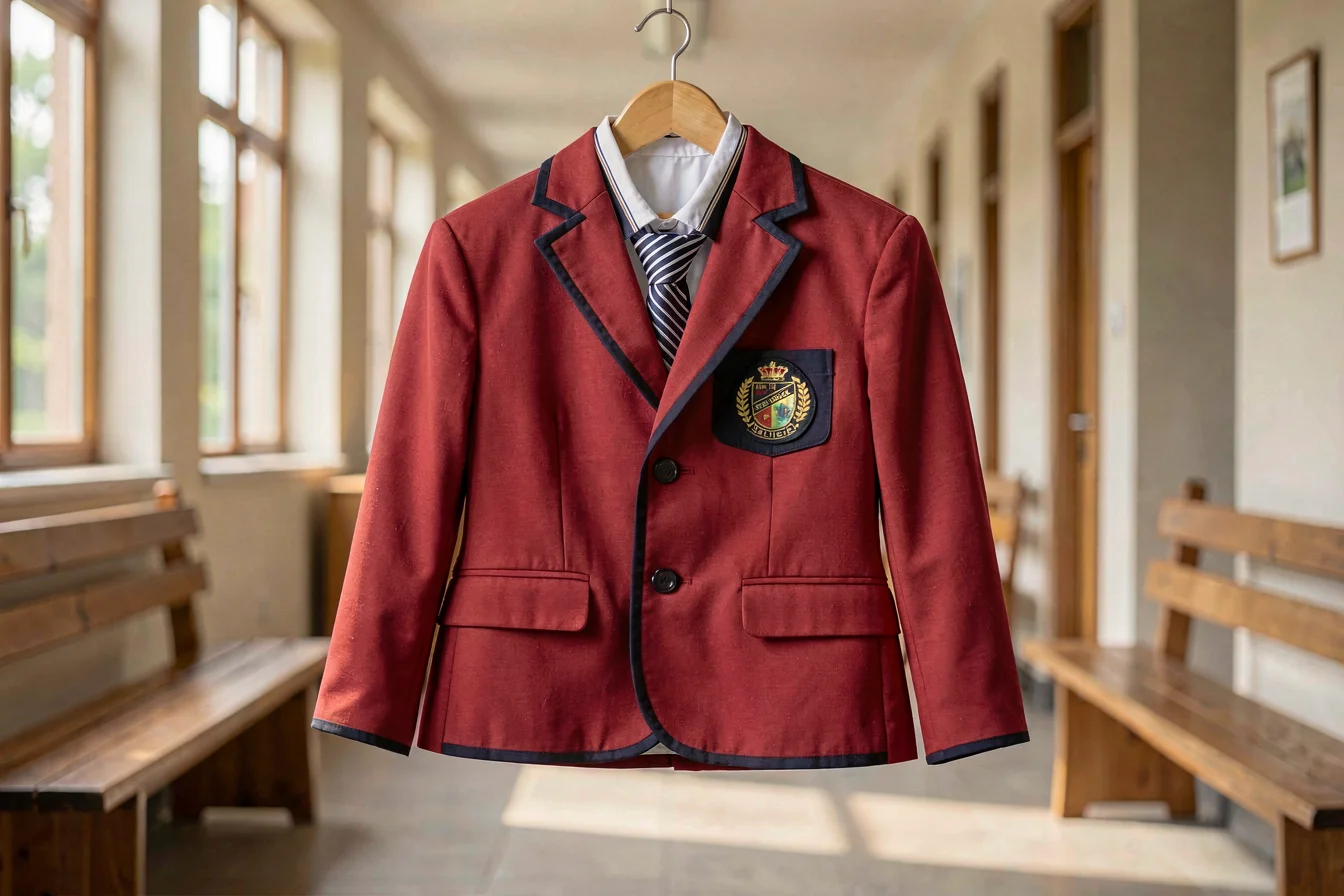
The global school uniform blazer market is stable but volatile, with demand peaking seasonally and driven by school mandates and recurring style changes[1]. Procurement logic now prioritizes customization, recycled fabrics, and bulk purchasing to offset rising prices and frequent replacement cycles[2][6]. Buyers should expect ongoing challenges with sizing, durability, and cost, making OEM partnerships and quality benchmarks essential for optimizing supply-chain resilience.
The school uniform blazer segment is trending due to the intersection of school uniform mandates, evolving fashion standards, and increasing parental cost sensitivity. Buyers must recognize that demand is cyclical—peaking each August and January for new terms—and is shaped by school policy shifts, fabric innovations, and recurring style updates[1][6]. Selection criteria include fit (slim, stretch, oversized), fabric (recycled polyester, wool blends), durability, and customization options. Schools are also moving toward more flexible uniform codes, prompting buyers to balance tradition with cost-effective alternatives[7][9].
| Trend Factor | Current Status | Impact on Buying Decision |
|---|---|---|
| Seasonal Demand | High in August/January | Bulk purchasing optimal, price spikes expected |
| Style Changes | Frequent updates | Risk of inventory obsolescence, need for flexible OEM |
| Fabric Innovation | Recycled polyester, stretch blends | Premium pricing, durability, eco-claims |
| Cost Sensitivity | High parent complaints | Bulk buying, price negotiation, resale |
| School Policy Shifts | Flexible codes, less formality | Need for versatile, non-traditional designs |
Buyers must carefully assess seasonality, fabric innovation, and school policy changes to optimize procurement and minimize risk.
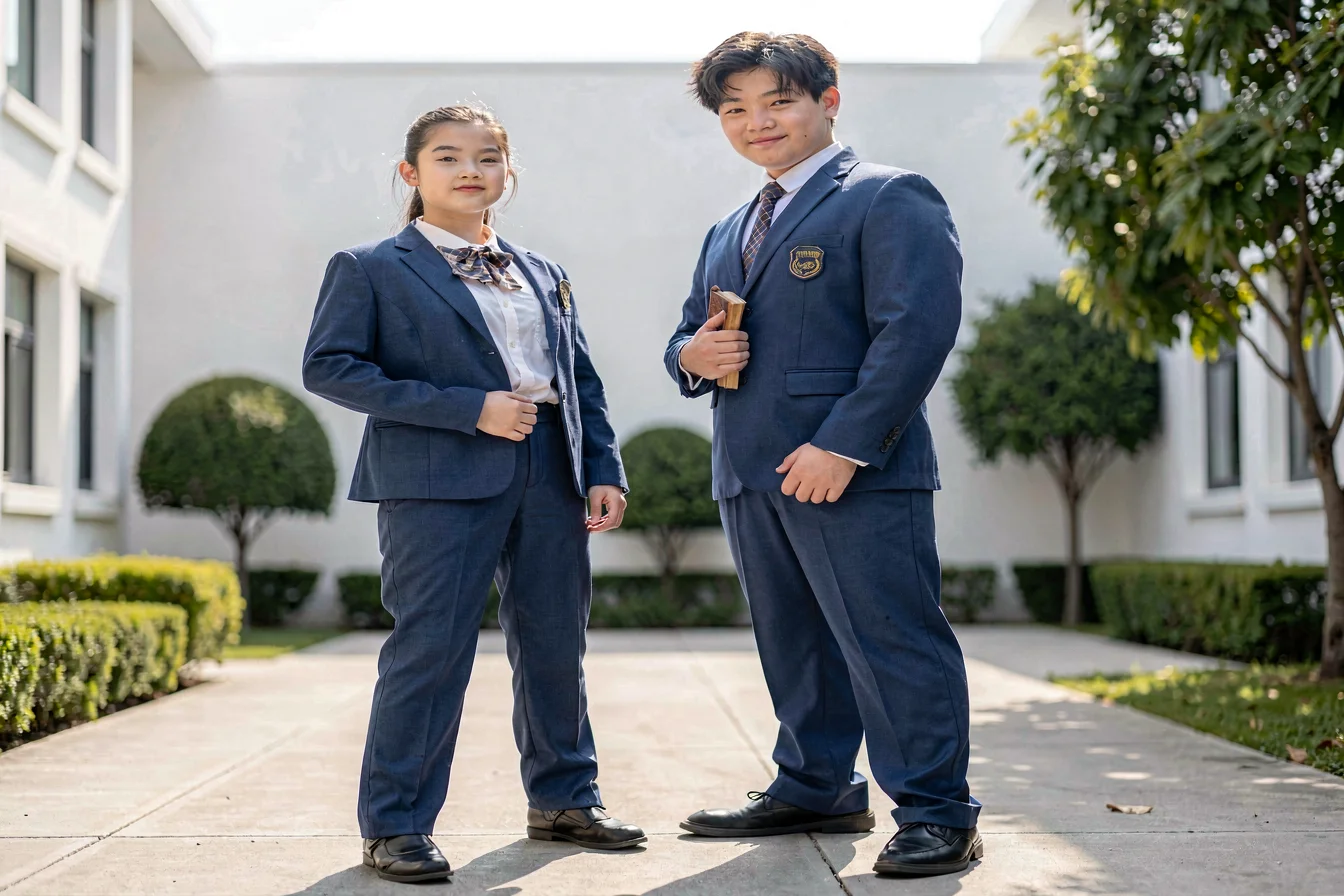
Market volatility is driven by recurring school mandates, frequent style updates, and rising material costs. Supply is stable but fragmented, with OEMs and branded suppliers competing on customization, fabric innovation, and price. Macroeconomic risks include inflation-driven price hikes and logistics disruptions, while regulatory shifts (e.g., eco-standards) influence fabric sourcing and labeling. Key industry drivers are school uniform policy changes, the push for eco-friendly materials, and consumer demand for affordable, durable blazers[6][9].
| Market Dimension | Current Status | Impact Level |
|---|---|---|
| OEM Customization | Strong demand | High |
| Bulk Pricing | Seasonal discounts | Medium |
| Material Sourcing | Eco fabrics, recycled polyester | High |
| School Policy | Flexible codes | Medium |
| Cost Inflation | Rising prices | High |
OEM customization and eco-material sourcing are the most influential factors in shaping current procurement decisions.
Google Trends: School Uniform Blazer Search Heat (2025–2026)
Google Trends reveals pronounced spikes in August and January, aligning with back-to-school and new term cycles[1]. Demand for shirts, trousers, and skirts is tightly synchronized, with shirts leading the search heat. These patterns indicate that procurement should be timed for seasonal peaks, with buyers prioritizing bulk orders and inventory buildup ahead of August and January. Strategic timing and bulk purchasing are critical to avoiding price hikes and supply shortages during term transitions.
Reddit and TikTok discussions reveal significant pain points: high costs, frequent style changes, sizing challenges, and perceived uniform mania. Parents and students criticize recurring costs and lack of flexibility, with some schools facing backlash for strict uniform policies[7][8]. TikTok trends highlight viral videos on blazer hacks, customization, and resale, with influencers promoting affordable, stylish alternatives. Sentiment is mixed—praise for tradition and school identity, but criticism for financial burden and inflexibility. Resale value is strong for branded, durable blazers, but buyers report frequent replacements due to rapid style changes and growth spurts[8][9].
"Schools are ripping us off. The uniform is a scam. I can't afford to buy three blazers a year!" — Reddit, r/auckland [8]
"Uniform is a load of crap, and a scam. If uniform is that important, schools should have the option to wear PE kit." — Reddit, r/AskUK [7]
| Dimension | Reddit Insights | TikTok Insights |
|---|---|---|
| Cost Sensitivity | High parent frustration, recurring costs | Resale hacks, thrift finds |
| Sizing Challenges | Frequent replacements, growth spurts | Customization, tailoring tutorials |
| Style Changes | School mandates, rapid obsolescence | DIY alterations, viral trends |
| Tradition vs Flexibility | Mixed sentiment, debate over uniform mania | Influencer debates, alternative uniforms |
| Resale Value | Strong for branded, durable blazers | Secondhand market, resale guides |
Social sentiment is mixed, with cost and sizing issues driving high resale value for durable, branded blazers.
Amazon’s top-selling school uniform blazer products span slim-fit, stretch, branded, and multi-piece sets, with price points ranging from USD 18.54 to 72. Key features include stretch polyester blends, slim fit, branded logos, and versatile styling options. Buyers prioritize comfort, durability, and fit, with frequent complaints about sizing and price[2].
| Image | Name | Price | Rating | Key Features |
|---|---|---|---|---|
 |
Genhoo Women's Long Sleeve Blazer | USD 49.59 | 4.1/5.0 | Stretchy, slim fit, open front, gold zipper pockets |
 |
Womens Casual Blazers Long Sleeve | USD 39.99 | 4.1/5.0 | Polyester/Spandex, lapel, two pockets, solid color |
 |
Izod Boys' Brass Button Blazer | USD 67.2 | 4.6/5.0 | Brass buttons, stretch, tailored, red/blue design |
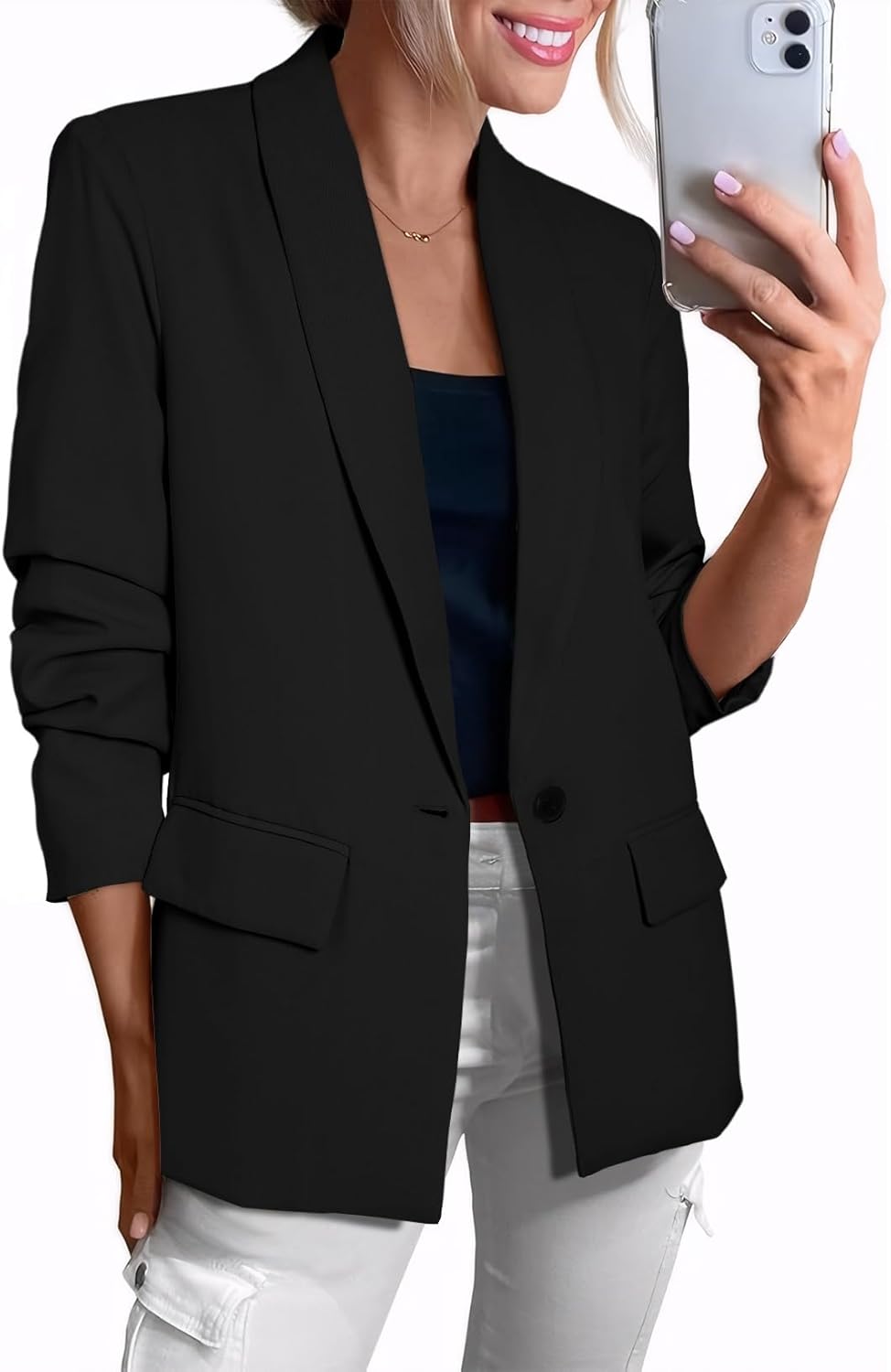 |
Happy Sailed Womens Long Sleeve Blazer | USD 39.99 | 4.2/5.0 | Elegant open front, slim fit, solid color |
 |
Amazon Essentials Men's Long-Sleeve Blazer | USD 63.9 | 4.3/5.0 | Classic fit, stretch, viscose/polyester blend |
 |
Womens 2 Piece Outfits Business Casual Cropped Blazer | USD 49.99 | 3.9/5.0 | Cropped, pleated skirt, business casual, true to size |
Stretch, slim fit, and branded features drive retail popularity, while sizing and price remain frequent pain points for buyers.
Buyers praise fit, material quality, and versatility, with frequent mentions of comfortable stretch and stylish appearance. Complaints center on sizing (runs small, frequent replacements), price (high recurring costs), and packaging issues. Direct quotes highlight the importance of fit and material, with buyers often recommending multiple purchases for growing children or resale value.
"This jacket fits me perfectly. The sleeves are just long enough for me, but I found I like to cuff it once and pull them up a bit on my arms for a more casual look. The fabric is nice. Not too stiff or soft. It doesn't feel or look cheap." — Genhoo Women's Blazer [2]
"The quality is spot on, stitching is solid, and there is a little room for him to grow into it. He is 11 and average in both height and build, and is able to play the piano comfortably in this." — Boys Blazer Suit Sport Coat [2]
| Product Name | Top Praise | Top Complaint | Overall Sentiment |
|---|---|---|---|
| Genhoo Women's Blazer | Perfect fit, comfortable fabric | Runs small, frequent replacements | Positive |
| Womens Casual Blazers | Great material, stylish | Sizing issues | Positive |
| Izod Boys' Brass Button Blazer | Great quality, comfortable | Price, frequent replacements | Positive |
| Happy Sailed Womens Blazer | Versatile, affordable | Sizing, packaging | Positive |
| Amazon Essentials Men's Blazer | Quality, fit | Packaging, price | Positive |
Buyers consistently praise fit and material quality, but sizing and price remain persistent pain points.
Reliability benchmarks for school uniform blazer focus on defect rates, maintenance cycles, and expected service life. Global feedback shows that branded blazers generally outperform generic options in durability and stitching, with defect rates below 5% for premium brands. Maintenance cycles are shorter for stretch blends, requiring frequent washing and ironing. Expected service life ranges from 1–3 years for children’s blazers, with frequent replacements due to growth and style changes[2][6].
| Benchmark Dimension | Branded Blazer | Generic Blazer |
|---|---|---|
| Defect Rate | ≤5% | 8–12% |
| Maintenance Cycle | 1–2 months | 1 month |
| Expected Service Life | 2–3 years | 1 year |
| Sizing Accuracy | High | Low |
| Resale Value | High | Low |
Sourcing should prioritize branded OEMs, rigorous defect screening, and bulk purchasing to mitigate recurring replacement costs and sizing risks.
Strategic sourcing guide: Select OEM/ODM partners with proven reliability, prioritize recycled fabrics for eco-claims, and negotiate bulk pricing for seasonal peaks. Map potential bottlenecks in logistics (shipping delays, customs), raw materials (polyester, wool), and compliance (eco-labels). Use price optimization levers such as off-season discounts, resale channels, and contract bundling. Risk mitigation is best achieved through rigorous quality control, bulk purchasing, and flexible OEM customization.
Looking ahead, the school uniform blazer category will continue to be shaped by eco-material innovation, flexible uniform codes, and cost-driven bulk purchasing. Brands are investing in recycled polyester, stretch blends, and customizable fits to meet evolving school mandates and parent expectations. Over the next 12 months, buyers should anticipate rising prices, frequent style changes, and increased demand for eco-certified garments. To optimize procurement, buyers should focus on strategic timing, bulk purchasing, and OEM customization, while leveraging resale channels and flexible school policies to minimize recurring costs. By prioritizing quality, customization, and supply-chain resilience, buyers can navigate market volatility and secure durable, cost-effective blazers for their schools.