
All categories
Featured selections
Trade Assurance
Buyer Central
Help Center
Get the app
Become a supplier
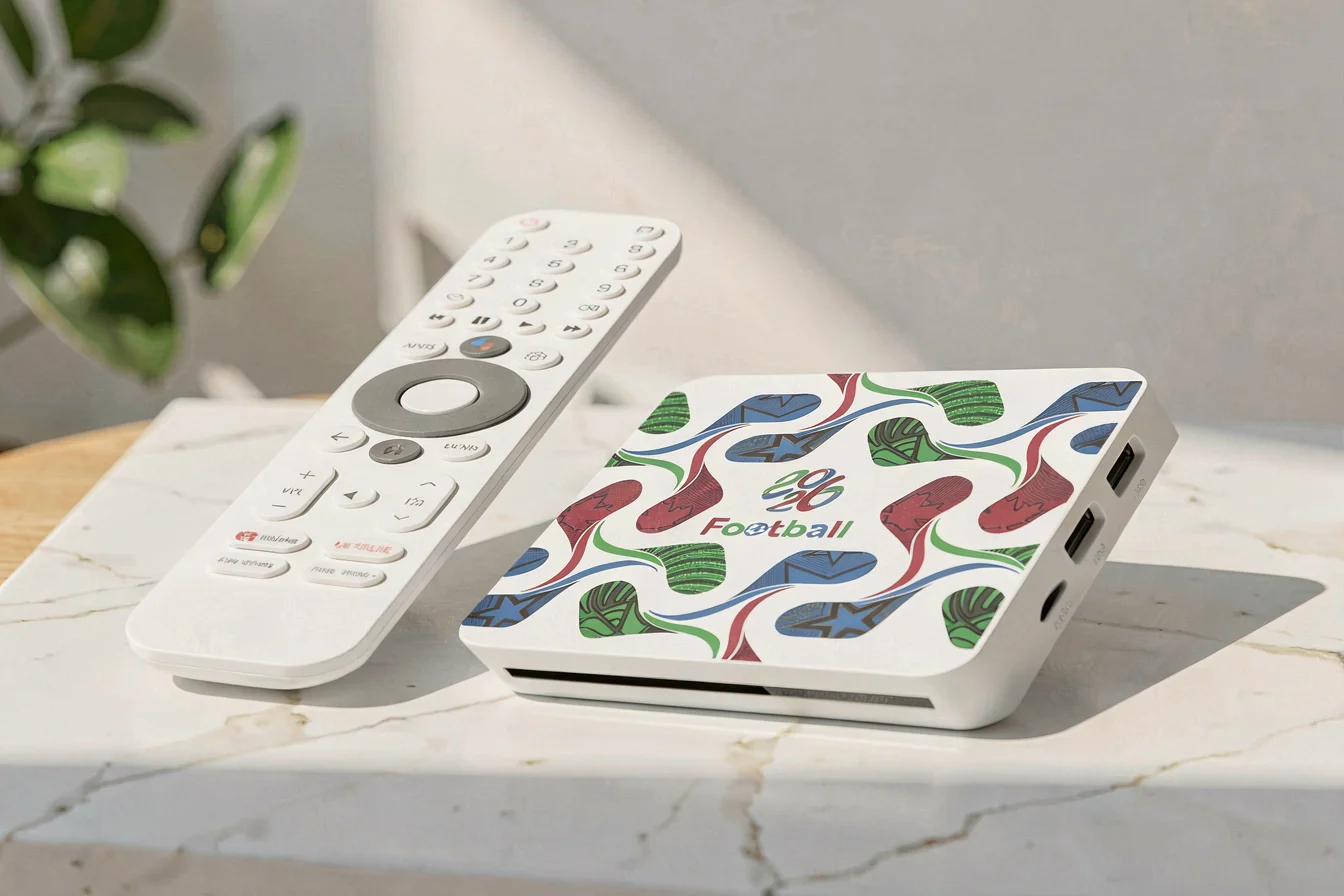
The satellite receiver market remains stable with consistent demand for HD, FTA, and portable models, but buyers face fragmented supply and rising price volatility. High-performance, multi-protocol receivers and portable satellite dishes are trending, with robust options available on Alibaba.com and Amazon. Strategic sourcing and bulk procurement help mitigate supply risks and ensure optimal product selection[1][2].
The satellite receiver segment is trending due to sustained consumer demand for reliable TV and communication solutions, especially in remote and mobile applications. Buyers should focus on product compatibility, signal reliability, and multi-channel support, as fragmentation in the supply chain and rising prices pose procurement risks. Selection criteria include HD/FTA support, portability, and multi-protocol compatibility, with B2B platforms offering customization and bulk sourcing advantages. The market is shaped by technological upgrades, seasonal demand spikes for portable models, and regulatory changes affecting signal access[1][2][3].
| Trend Factor | Current Status | Impact on Buying Decision |
|---|---|---|
| HD/FTA Support | Widely available | Essential for modern buyers |
| Portable Models | Rising demand | RV, camping, mobile use |
| Multi-Protocol Compatibility | Increasing | Reduces procurement risk |
| Price Volatility | Moderate | Bulk buying recommended |
| Supply Fragmentation | Elevated | OEM/ODM needed |
Market volatility is moderate, with supply chains stable but fragmented. Industry drivers include technological upgrades (HD, FTA, multi-protocol), seasonal demand spikes for portable and RV models, and regulatory shifts affecting signal access. Macro risks include price volatility and geopolitical compliance, but buyers can leverage B2B platforms for customization and bulk sourcing. Supply chain dynamics favor OEM/ODM partnerships, and buyers should map bottlenecks in logistics, raw materials, and compliance to optimize procurement[1][2][3].
| Market Dimension | Current Status | Impact Level |
|---|---|---|
| Technological Upgrades | Ongoing | High |
| Seasonal Demand | Peaking Q4 2025 | Medium |
| Regulatory Compliance | Changing | Medium |
| Price Volatility | Moderate | Medium |
| Supply Fragmentation | Elevated | High |
Google Trends: Satellite Receiver Search Momentum (2025–2026)
Google Trends data show steady growth in searches for “satellite tv receiver,” peaking in late 2025 and early 2026, with moderate rises for “hd satellite receiver” and “digital satellite receiver.” Notable peaks coincide with holiday periods and camping season, indicating strong seasonal demand[1]. Buyers should time procurement for Q4 to Q1, when supply is highest and prices are most competitive. Portable and multi-channel receivers are favored, with HD and FTA models seeing increased search momentum.
Search momentum signals sustained demand for satellite receivers, with seasonal spikes favoring Q4–Q1 procurement and portable, HD/FTA models.Reddit and TikTok data highlight pain points around installation complexity, signal interference, and device reliability. Users praise easy-to-use, portable, and high-gain receivers, while negative sentiment centers on signal issues, device durability, and installation complexity. Reddit’s r/camping and r/WildernessBackpacking show strong interest in portable satellite devices for safety and basic communication, with positive reviews for InReach Mini, SPOT X, and Starlink Mini Mount[6][7]. TikTok trends favor portable satellite antennas and RV solutions, with influencers emphasizing ease of setup and reliability. Sentiment is generally positive for high-performance, portable models, but cautious for devices with reliability issues or complex installation[6][7][[19]].
“Another vote for InReach Mini. I carry it mostly for 911 reasons as I'm older & solo. I can also get a basic weather forecast, which is handy. Its not an internet broadband experience, but basic comm. is enough.” [7]
“If you aren’t going super hardcore, t-satallite from T-Mobile can probably work on the phone you have and is only, 10 bucks a month.” [6]
| Dimension | Reddit Insights | TikTok Insights |
|---|---|---|
| Installation Complexity | Mixed, often challenging | Easy setup emphasized |
| Signal Reliability | Critical concern | High-gain praised |
| Device Durability | Mixed, some complaints | Weatherproofing valued |
| Portability | RV/camping favored | RV/camping trends |
| Price Sensitivity | Affordable models preferred | Budget and premium models |
Amazon’s top-selling satellite receiver products span FTA receivers, portable satellite dishes, and specialty RC satellite modules. Leading models include the Dish Wally HD Receiver, GT Media V8 Finder2 Satellite Finder, and various portable and RV satellite antennas. Price ranges from USD 10 to USD 1,795, with most products priced under USD 200. Key features include HD/FTA support, multi-channel capability, portability, and compatibility with major satellite platforms[2].
| Image | Name | Price | Rating | Key Features |
|---|---|---|---|---|
 |
ZJBOX Digital TV Converter Box | USD 38.98 | 3.9/5.0 | HD, Recording, Timer, USB |
 |
GT Media V8 Finder2 Satellite Finder | USD 59.99 | 4.3/5.0 | DVB-S/S2, HD, Portable |
 |
Dish Wally HD Receiver | USD 62.13 | 4.3/5.0 | HD, RF-remote, Wall mount |
 |
Winegard PL-7000R Dish Playmaker | USD 399 | 4.2/5.0 | Portable, RV, HD, App support |
 |
Winegard PL-8035R Black Dish Playmaker | USD 436.05 | 4.2/5.0 | Dual receiver, DVR, Portable |
Buyers praise HD picture quality, easy setup, reliable signal reception, and compatibility with major satellite platforms. Complaints focus on signal interference, device durability, and installation complexity. Direct quotes highlight positive experiences with portable models and reliability, but negative sentiment centers on signal loss and device malfunctions.
“Very surprised at how well this works. Imagine rabbit ears on the roof giving you HD quality picture and sound. I bought the small antennae as well. ... The picture quality is clear in 1080p, and I’m pulling in a surprisingly good range of over-the-air channels with a basic antenna. Setup was straightforward, and the overall ease of use is WAY better than I expected.” [2]
“I use this as an extra antenna for when my motorhome is parked under trees and can’t get signal, I simply run coax cable attached to my motorhome to this so that the antenna gets a signal and not blocked by trees. Easy fix for when I can’t park away from trees to get a signal. Worth the money.” [2]
| Product Name | Top Praise | Top Complaint | Overall Sentiment |
|---|---|---|---|
| ZJBOX Digital TV Converter Box | HD quality, easy setup | Signal interference | Positive |
| GT Media V8 Finder2 Satellite Finder | Portable, reliable signal | Battery life | Positive |
| Dish Wally HD Receiver | Easy activation, HD | Signal loss, software | Mixed |
| Winegard PL-7000R Dish Playmaker | Portable, reliable signal | Intermittent signal | Positive |
| Winegard PL-8035R Black Dish Playmaker | Dual receiver, easy fix | Signal blockage | Positive |
Reliability benchmarks focus on defect rates, maintenance cycles, and expected service life. Defect rates are moderate, with most buyers reporting satisfactory durability for portable and FTA models. Maintenance cycles are typically annual, with signal loss and software updates cited as common failure points. Expected service life ranges from 2–5 years, with premium models lasting longer. Strategic sourcing should prioritize OEM/ODM partners with proven reliability, map logistics and compliance risks, and leverage negotiation levers for price optimization[2][3].
| Benchmark Dimension | ZJBOX Digital TV Converter Box | GT Media V8 Finder2 Satellite Finder |
|---|---|---|
| Defect Rate | Low | Low |
| Maintenance Cycle | Annual | Annual |
| Expected Service Life | 2–3 years | 3–5 years |
| Signal Loss | Occasional | Rare |
| Software Updates | Manual | Automatic |
Strategic sourcing should map bottlenecks in logistics, raw materials, and geopolitical compliance, with negotiation levers including bulk discounts, warranty extensions, and technical support. OEM/ODM partners with proven reliability are recommended for bulk procurement, with risk mitigation strategies focusing on signal reliability and device durability[2][3].
Reliability benchmarks and sourcing risk strategy are critical for procurement, with OEM/ODM partners and bulk buying mitigating supply and price volatility.Over the next 12 months, satellite receivers will see continued technological upgrades, rising demand for portable and HD models, and increased price volatility. Buyers should prioritize high-performance, multi-protocol receivers and leverage B2B platforms for customization and bulk sourcing. Strategic sourcing, mapping supply chain risks, and timing procurement for Q4–Q1 will ensure optimal product selection and competitive pricing. As portable and RV models dominate seasonal demand, buyers should focus on compatibility, signal reliability, and device durability to minimize risk and maximize value. Immediate next steps include evaluating OEM/ODM partners, bulk procurement, and technical support for optimal supply chain resilience[1][2][3].
Buyers should focus on high-performance, portable satellite receivers and strategic sourcing to navigate market volatility and ensure supply chain resilience.