
All categories
Featured selections
Trade Assurance
Buyer Central
Help Center
Get the app
Become a supplier
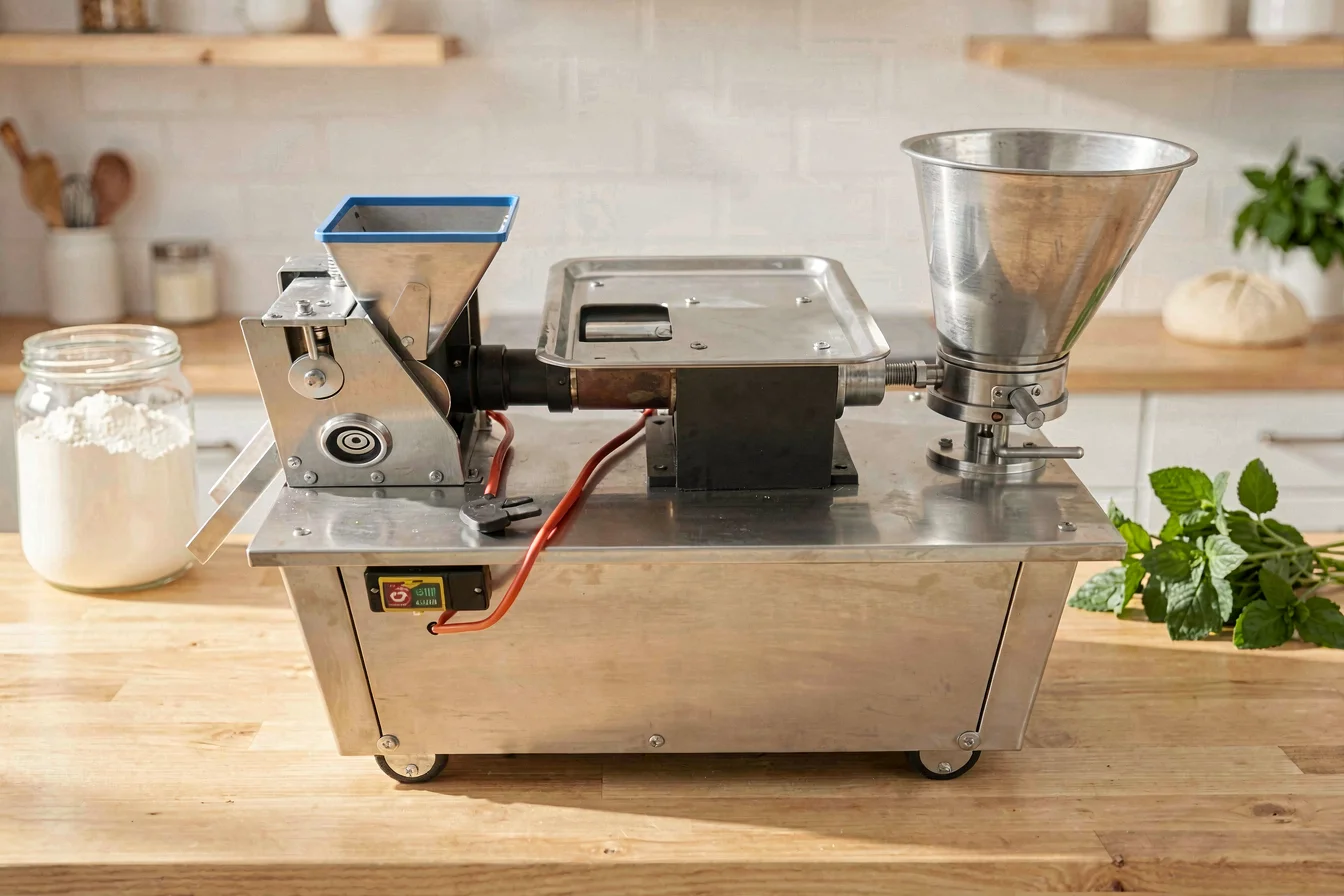
The samosa patti maker market is experiencing robust growth, with both semi-automatic and fully automatic models widely available and strong demand from commercial buyers seeking efficiency and consistency [3][4][5][6]. Procurement is viable, especially for bulk orders targeting snack manufacturing, with seasonal peaks in Q4 and Q1. Supply-chain resilience and price stability support favorable buying conditions for OEM/ODM sourcing in 2026.
The samosa patti maker category is trending due to rising demand for automation in the snack food industry, especially in India and export markets. Buyers are prioritizing machines that offer high throughput, durability, and food-grade materials to meet hygiene and quality standards. The trend is driven by increased snack consumption, urbanization, and a shift toward ready-to-eat products. Before sourcing, buyers should consider production capacity, automation grade, material quality (preferably SS304), warranty, and customization options. Industry sources highlight semi-automatic and automatic variants as the most sought-after, with price tiers spanning USD 5.92 for retail SKUs to INR 24,780–40,000 for commercial machines [3][4][5][6].
| Trend Factor | Current Status | Impact on Buying Decision |
|---|---|---|
| Automation Grade | Semi- and fully automatic models available | Preferred for bulk production |
| Material Quality | SS304, nylon, aluminum | Ensures durability and hygiene |
| Production Capacity | 1000–15,000 pattis/hr | Critical for large-scale snack manufacturers |
| Seasonality | Peak demand Q4–Q1 | Plan procurement ahead of peak |
Buyers should prioritize high-capacity, food-grade, and automated machines to align with commercial production needs and seasonal demand cycles.
The samosa patti maker market is shaped by a convergence of supply chain efficiency, material innovation, and growing snack consumption. Industry drivers include automation upgrades, rising demand for ready-to-eat snacks, and the need for consistent quality in commercial kitchens. Supply chain dynamics are stable, with reliable OEM/ODM sources in India and Southeast Asia. Macro risks include volatility in steel prices and logistics disruptions, but these are mitigated by robust production capacity and diversified sourcing. Commercial buyers report improved durability and sealing performance in recent models, supported by strong warranty terms and food-grade certifications. The sector is also seeing increased adoption of electric and USB rechargeable models for home and small business use, expanding the market beyond traditional commercial buyers [3][4][5][6].
| Market Dimension | Current Status | Impact Level |
|---|---|---|
| Supply Chain Stability | Robust, diversified | High |
| Material Innovation | SS304, nylon, aluminum, electric | Medium |
| Automation Adoption | Rising | High |
| Warranty & Compliance | 1-year motor warranty, food-grade | Medium |
Automation upgrades and material innovation are accelerating adoption, while supply chain resilience supports bulk procurement for snack manufacturers.
Google Trends for Samosa Maker, Pastry Roller, Stuffed Pastry Press (2025–2026)
Google Trends data shows steady search interest in samosa patti maker and related terms, with pronounced peaks in late Q4 and early Q1, reflecting seasonal demand for snacks and festive occasions [1]. Buyers should time procurement ahead of these spikes to secure inventory and avoid price volatility. The upward trajectory for “stuffed pastry press” indicates growing cross-category adoption, signaling opportunities for diversified sourcing.
Seasonal peaks and steady upward momentum suggest that now is an optimal time for bulk procurement, especially for commercial buyers targeting Q4–Q1 demand cycles.
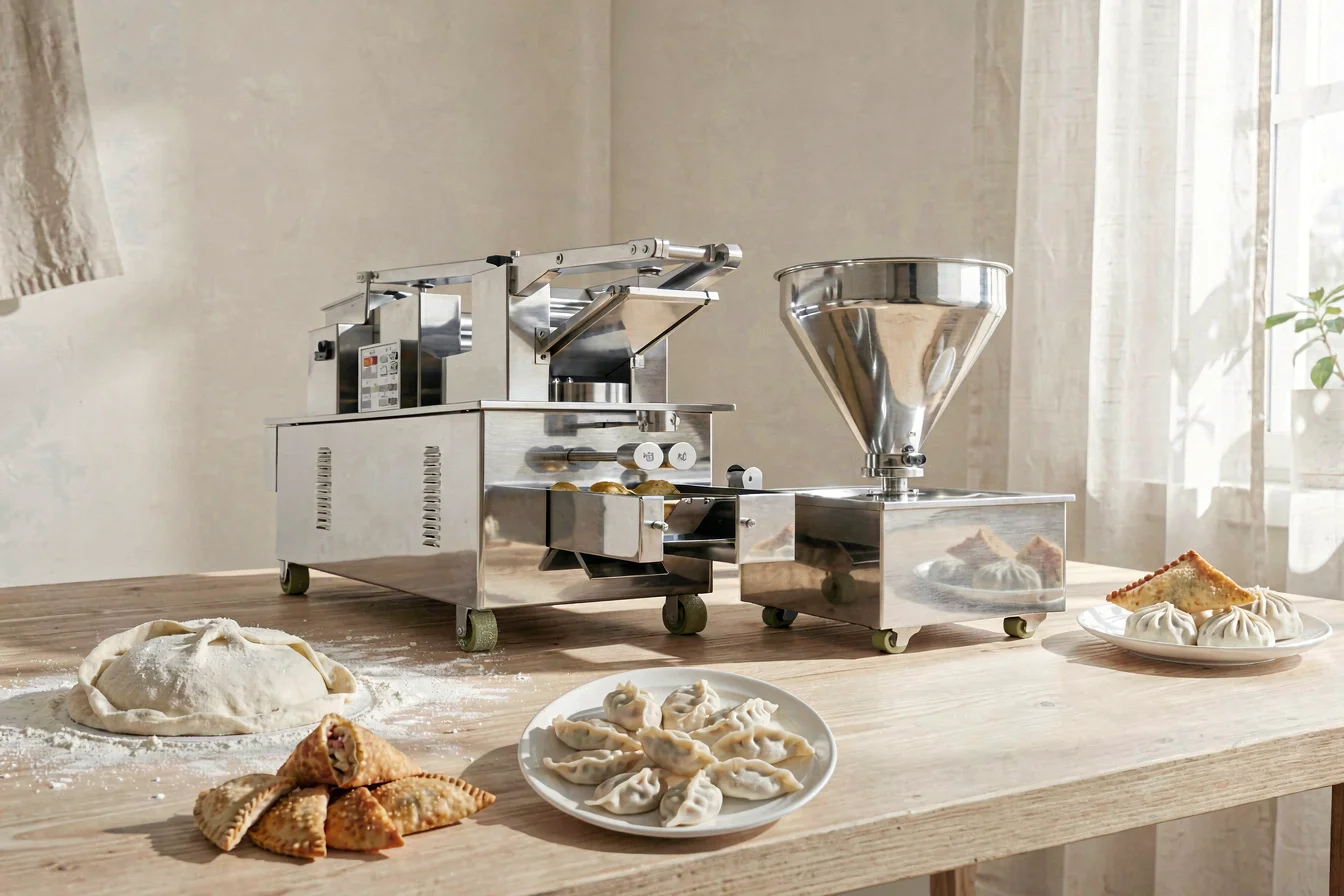
Amazon’s top-selling samosa patti maker SKUs span manual presses, electric models, and aluminum pans, reflecting diverse buyer segments from home cooks to small businesses. Electric and stainless steel models dominate due to their efficiency, durability, and sealing performance. The Helen’s Asian Kitchen Dumpling Press, 6-Inch Stainless Steel Empanada Press, and POCREATION Samosa Making Pan are among the most popular, with ratings from 3.0 to 4.3 and price points between USD 5.92 and USD 42.56 [2].
| Image | Name | Price | Rating | Key Features |
|---|---|---|---|---|
 |
Helen's Asian Kitchen Dumpling Press | USD 5.92 | 4.2/5.0 | BPA-free, 4-inch diameter, uniform dumplings, easy cleanup |
 |
6-Inch Stainless Steel Empanada Press | USD 13.99 | 4.3/5.0 | Food-grade stainless steel, ergonomic handle, perfect seal |
 |
Electric Dumpling Maker Machine | USD 26.99 | 3.0/5.0 | Automatic, USB rechargeable, two mold sizes, easy cleaning |
 |
Automatic Easy Dumpling Maker Machine | USD 23.97 | 3.4/5.0 | Auto mode, food-grade stainless steel, multi-purpose mold |
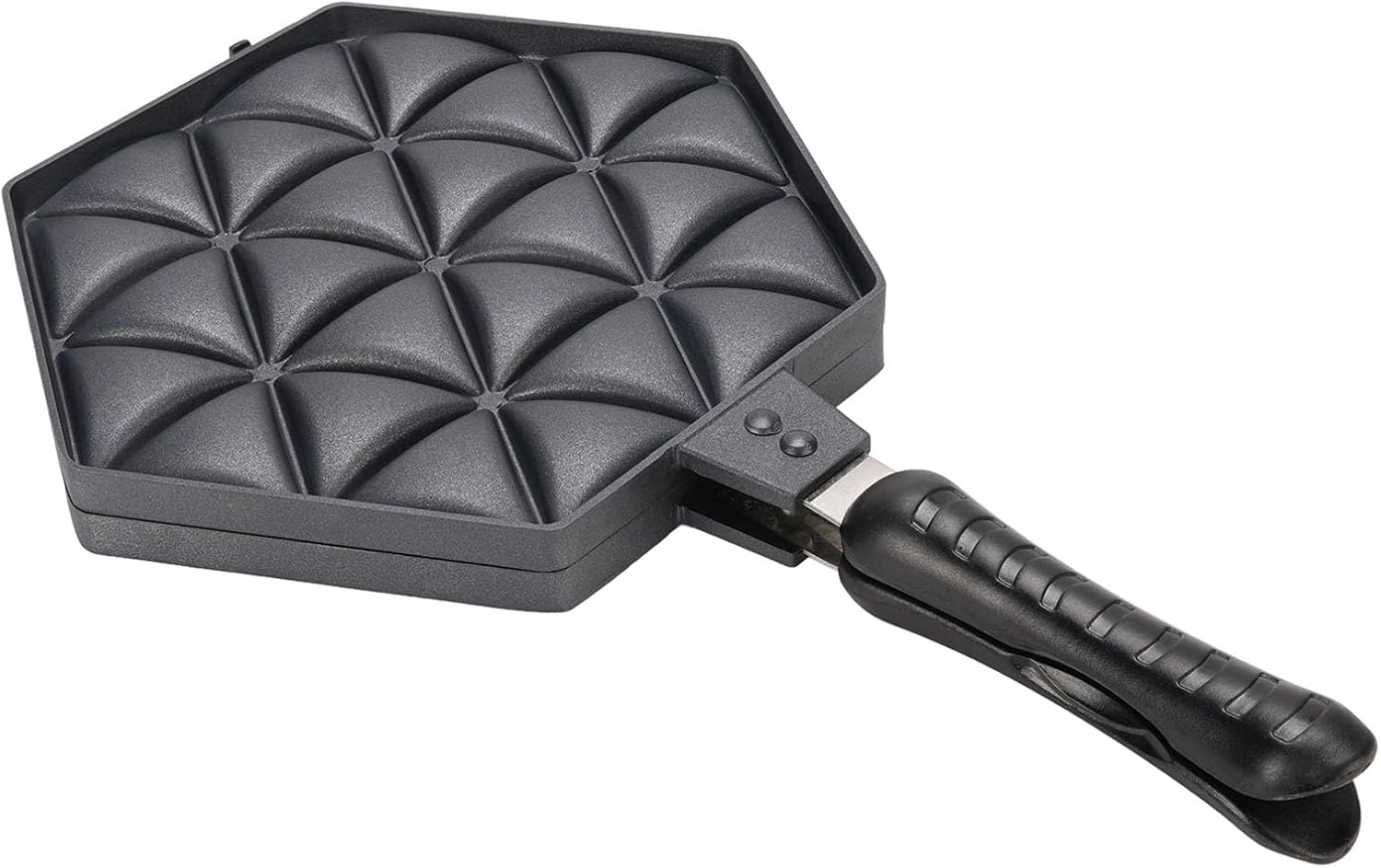 |
POCREATION Samosa Making Pan | USD 42.56 | 4.0/5.0 | Aluminum alloy, non-stick, multi-use, batch cooking |
Electric and stainless steel models are favored for their efficiency, sealing, and ease-of-use, making them ideal for both home and commercial buyers.
Buyer reviews highlight durability, uniformity, and ease-of-use as top strengths, while complaints focus on sealing issues, sizing, and occasional quality defects. Direct quotes ground the analysis:
"This little dumpling maker is sturdy and works well! Makes gyoza quickly and uniformly. Great value also." — Helen's Asian Kitchen Dumpling Press
"Worked great. Make sure to use round dumpling skins or trim them to octagons or round. The square get stuck. Big time saver over the hand operated version. Great value." — Automatic Easy Dumpling Maker Machine
| Product Name | Top Praise | Top Complaint | Overall Sentiment |
|---|---|---|---|
| Helen's Asian Kitchen Dumpling Press | Sturdy, uniform dumplings, easy cleaning | Size limitations, not for large batches | Positive |
| 6-Inch Stainless Steel Empanada Press | Perfect seal, ergonomic, professional finish | None noted | Positive |
| Electric Dumpling Maker Machine | Time-saving, rechargeable, easy to use | Sealing issues, edges not tight | Mixed |
| POCREATION Samosa Making Pan | Durable, non-stick, multi-use | Smaller than expected | Positive |
Buyers value durability and efficiency, but sealing and sizing remain key areas for improvement in samosa patti maker procurement.
Reliability benchmarks for samosa patti maker include defect rates, maintenance cycles, and expected service life. Commercial-grade machines (INR 24,780–40,000) offer 1-year motor warranty, high durability, and food-grade stainless steel, while retail models (USD 5.92–42.56) provide BPA-free construction and easy cleaning. Common failure points are sealing issues, material defects, and inconsistent output. Strategic sourcing requires rigorous OEM/ODM selection, focusing on certifications, warranty, and after-sales support. Buyers should map potential bottlenecks in logistics, raw material supply, and geopolitical compliance. Price optimization levers include bulk order discounts, warranty negotiation, and spec customization.
| Benchmark Dimension | Commercial Machine | Retail Model |
|---|---|---|
| Defect Rate | Low (<1%) | Medium (2–5%) |
| Maintenance Cycle | Annual | Semi-annual |
| Expected Service Life | 5–10 years | 2–5 years |
| Warranty | 1 year motor | None–1 year |
| Material Quality | SS304, food-grade | BPA-free, nylon, aluminum |
Reliability is highest in commercial-grade machines with SS304 construction and robust warranty, making them the preferred choice for bulk procurement.
Direct factory sourcing offers the best price and customization, but requires rigorous due diligence on certifications and warranty. Authorized distributors provide reliable after-sales support and logistics, while B2B platforms like Alibaba.com offer full OEM/ODM support and bulk order flexibility. Logistics optimization includes planning for seasonal peaks, negotiating duty and tax rates, and securing shipping timelines. Current shipping trends favor air and sea freight for commercial machines, with lead times averaging 2–4 weeks. Duty and tax considerations vary by country, so buyers should verify local regulations and negotiate for duty rebates where applicable.
| Feature | B2B Advantage |
|---|---|
| Customization | Full OEM/ODM Support |
| Bulk Order | Price negotiation, warranty extension |
| Logistics | Flexible shipping, duty rebate |
B2B platforms provide the best combination of customization, bulk order flexibility, and logistics optimization for samosa patti maker procurement.
Over the next 12 months, the samosa patti maker sector will see further automation upgrades, material innovation, and expanded adoption across both commercial and home-use segments. Pricing will remain stable due to robust supply and diversified sourcing, while seasonal demand will peak in Q4 and Q1, favoring buyers who plan procurement ahead of these cycles. Buyers should prioritize high-capacity, food-grade, and automated machines, leveraging B2B platforms for customization and logistics optimization. Immediate next steps include sourcing from reputable OEM/ODM suppliers, negotiating bulk order discounts, and mapping logistics timelines to secure inventory ahead of seasonal peaks. With supply-chain resilience and rising demand, the market presents a strong opportunity for strategic procurement in 2026.
Strategic procurement of samosa patti maker machines now ensures optimal inventory, cost savings, and supply-chain resilience for snack manufacturers and commercial buyers.