
All categories
Featured selections
Trade Assurance
Buyer Central
Help Center
Get the app
Become a supplier
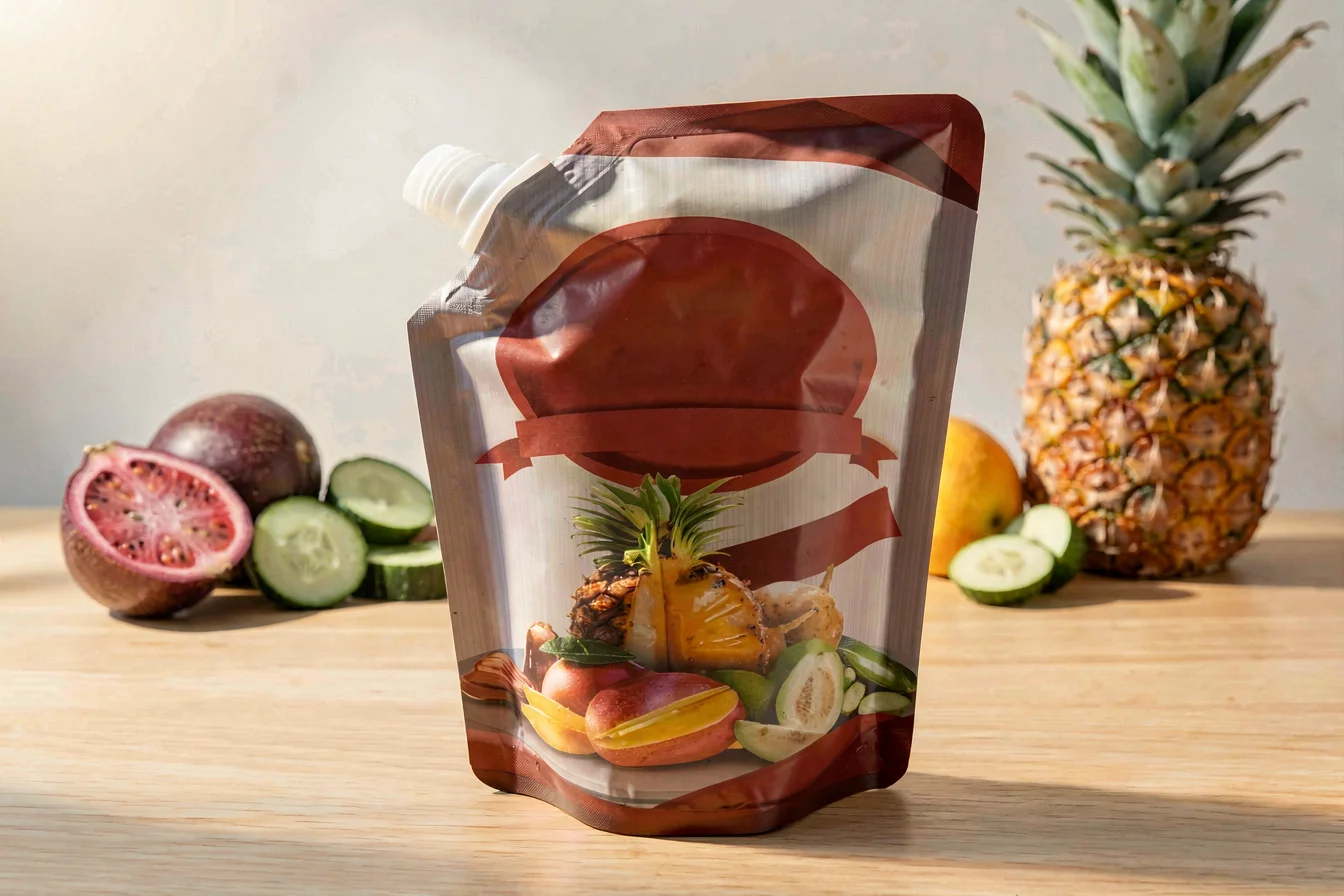
Salt sachets and pepper sachets are showing strong, upward-trending demand globally, with Google Trends data confirming consistent search momentum and retail sales favoring portioned, refillable, and eco-friendly variants [1][2]. Procurement is highly viable for food service, hospitality, and retail, especially as buyers prioritize hygiene, convenience, and sustainability [5]. Seasonality and supply-chain resilience are key factors, with market leaders offering bulk packs and branded sets for both commercial and consumer channels [2][3].
Salt sachets and pepper sachets are trending due to their role in modern food service efficiency, portion control, and consumer health preferences. The market is shaped by rising demand for single-use, hygienic packaging, eco-friendly materials, and customizable branding. Buyers must consider sachet durability, flavor consistency, and regulatory compliance, especially for bulk catering and retail applications. Selection criteria include packaging material, portion size, refillability, and certifications (EN 13432, ASTM 6400 for biodegradable sachets) [7]. The trend is driven by food service operators seeking to reduce waste, ensure hygiene, and offer branded seasoning options to customers.
| Trend Factor | Current Status | Impact on Buying Decision |
|---|---|---|
| Portion Control | Highly demanded in food service | Drives bulk purchasing and refillable packs |
| Hygiene & Safety | Mandatory for hospitality | Prioritizes sealed, single-use sachets |
| Eco-Friendly Packaging | Rising demand | Buyers seek biodegradable variants |
| Branding Opportunities | Customizable sachets | Enables unique customer experience |
| Supply Chain Resilience | Stable, with minor volatility | Bulk packs preferred for continuity |
The market for salt sachets and pepper sachets is shaped by rising food service efficiency, consumer demand for portion control, and regulatory pressure for hygiene and sustainability. Global supply chains are stable, with bulk catering packs dominating procurement channels. Macroeconomic risks—such as inflation and logistics delays—have minimal impact, but buyers should monitor packaging material costs and compliance changes. Seasonal demand peaks in hospitality and retail align with Google Trends data, which shows sustained momentum for “salt packets,” with “pepper packets” and “seasoning sachets” rising steadily [1]. Market leaders offer both branded and unbranded options, with buyers increasingly favoring refillable and eco-friendly variants.
| Market Dimension | Current Status | Impact Level |
|---|---|---|
| Food Service Efficiency | High adoption | Strong positive |
| Consumer Health Trends | Rising demand | Moderate positive |
| Regulatory Compliance | Strict hygiene requirements | Critical for procurement |
| Packaging Innovation | Eco-friendly and refillable options | Moderate positive |
| Supply Chain Stability | Stable, with minor volatility | Low risk |
Global search demand for salt packets, pepper packets, and seasoning sachets (Mar 2025–Feb 2026)
Google Trends data shows that “salt packets” consistently outpace “pepper packets” and “seasoning sachets,” with notable peaks in August 2025 and January 2026 [1]. Demand for “pepper packets” is rising steadily, indicating growing interest in portioned spice solutions for food service and retail. Buyers should time procurement for seasonal peaks, especially in hospitality and retail, and prioritize bulk and refillable sachet formats for cost efficiency and supply continuity.
Search trends signal rising demand for salt and pepper sachets, especially in hospitality and retail, with bulk purchasing favored during seasonal peaks.Reddit and TikTok discussions highlight practical pain points and strong preference for refillable, hygienic, and customizable salt and pepper sachet options. Reddit users cite durability, flavor consistency, and packaging concerns, with many favoring refillable containers over single-use sachets for daily use and health management [10][13]. TikTok trends emphasize portion control, branded sachet aesthetics, and viral recipes using pre-measured spice packs. Sentiment is positive for convenience and flavor, but negative for soggy sachets and inconsistent seasoning. Cultural reception is strong in food service and health-focused communities, with buyers seeking eco-friendly and branded variants for both home and hospitality use.
"little salt packets in an old altoids mint tin works well for me" — r/POTS [10]
"I prefer salt cellars. Any kinda dish I can just reach into and pinch what I want." — r/Cooking [14]
| Dimension | Reddit Insights | TikTok Insights |
|---|---|---|
| Durability | Soggy sachets and refillable containers preferred | Portion control and branded packaging emphasized |
| Flavor Consistency | Mixed reviews on sachet quality | Viral recipes using pre-measured spice packs |
| Hygiene | Single-use sachets favored for food service | Clean, portioned packs trending |
| Customization | Refillable containers and branded variants popular | Branded sachet aesthetics trending |
| Sentiment | Positive for convenience, negative for packaging | Strong positive for portion control |
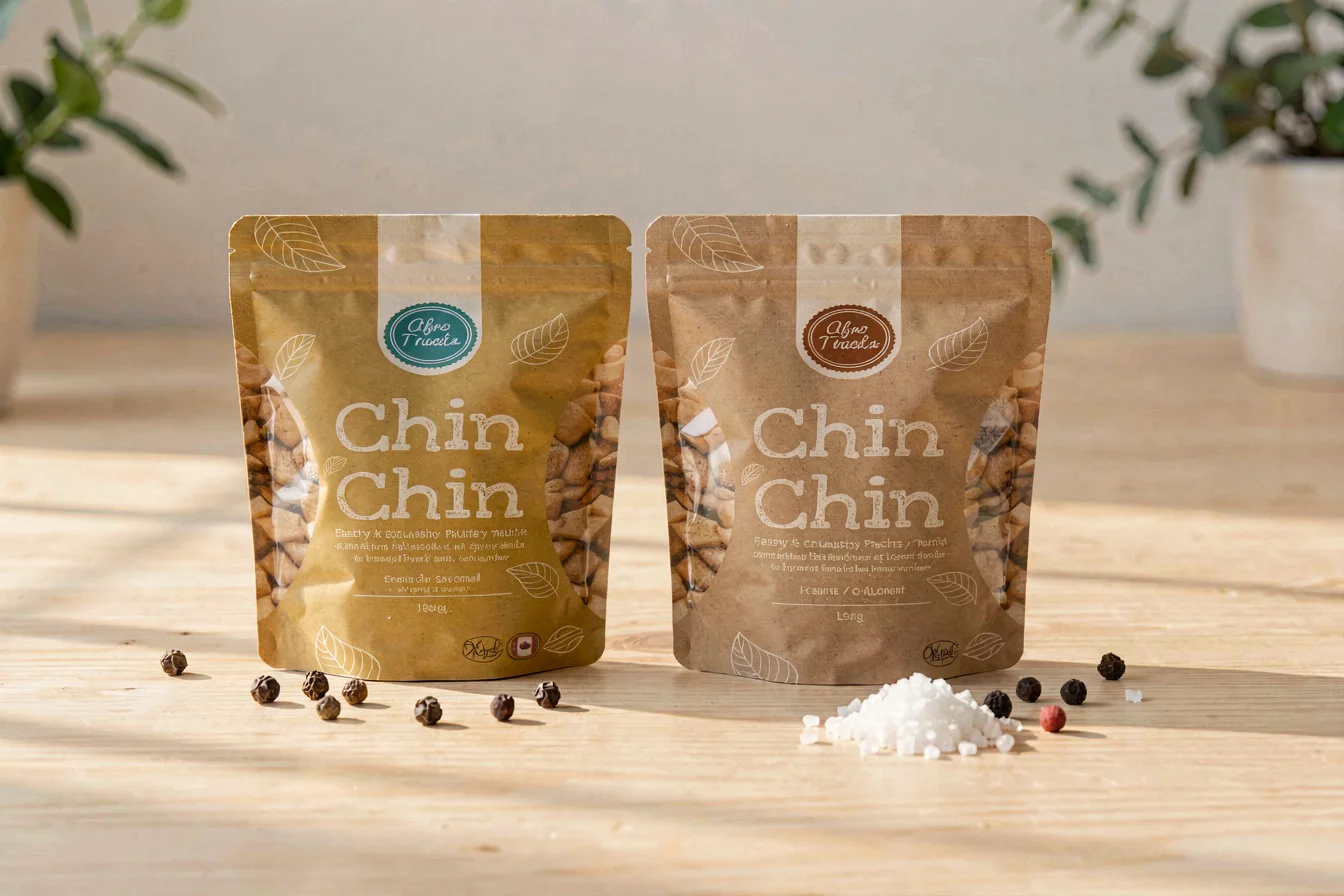
Top-selling salt and pepper sachets in retail are portioned spice packs, refillable bulk sets, and branded bulk catering packs. Products with strong reviews emphasize convenience, flavor, and hygiene, with buyers favoring both eco-friendly and traditional packaging. Amazon data shows that salt and pepper sachet sets, refillable spice packs, and branded bulk packs dominate sales, with positive reviews for flavor, portion control, and ease of use [2]. Buyers consistently praise convenience and flavor, while minor complaints cite packaging durability and consistency.
| Image | Name | Price | Rating | Key Features |
|---|---|---|---|---|
 |
Soeos Himalayan White Salt | USD 9.99 | 4.7/5.0 | Non-GMO, Himalayan, grinder refill |
 |
Aromasong Coarse Sea Salt | USD 8.97 | 4.6/5.0 | Dead Sea, gluten-free, grinder refill |
 |
Soeos Himalayan Pink Salt | USD 6.79 | 4.7/5.0 | Pink Himalayan, coarse grain, grinder refill |
 |
The Spice Lab Pink Himalayan Salt | USD 17.95 | 5.0/5.0 | 100 packets, gourmet, Kosher certified |
 |
Spiritual Salt with Sachet | USD 8.97 | 5.0/5.0 | Spiritual, multi-functional, aroma |
 |
Himalayan Chandra Neti Salt Plus | USD 12.39 | 4.7/5.0 | Neti salt, refill sachet, allergy relief |
 |
Salt and Pepper Packets | USD 11.19 | 4.7/5.0 | 600 packets, on-the-go, balanced seasoning |
Buyers praise salt and pepper sachets for convenience, portion control, flavor, and hygiene, with frequent mentions of ease of use and taste. Common complaints focus on packaging durability, soggy sachets, and inconsistent flavor. Positive reviews highlight the value of refillable containers and branded variants for both home and food service use. Negative reviews cite packaging issues and inconsistent seasoning quality.
"Great texture for salt grinder. Tastes great." — Amazon review [2]
"Just what I ordered & needed!!" — Amazon review [2]
| Product Name | Top Praise | Top Complaint | Overall Sentiment |
|---|---|---|---|
| Soeos Himalayan White Salt | Texture, taste, grinder compatibility | Packaging durability | Positive |
| Aromasong Coarse Sea Salt | Flavor, portion control | Soggy sachets | Positive |
| Soeos Himalayan Pink Salt | Clean taste, coarse grain | Reseal quality | Positive |
| The Spice Lab Pink Himalayan Salt | Gourmet, Kosher certified | None noted | Very positive |
| Salt and Pepper Packets | Convenience, balanced seasoning | Packaging durability | Positive |
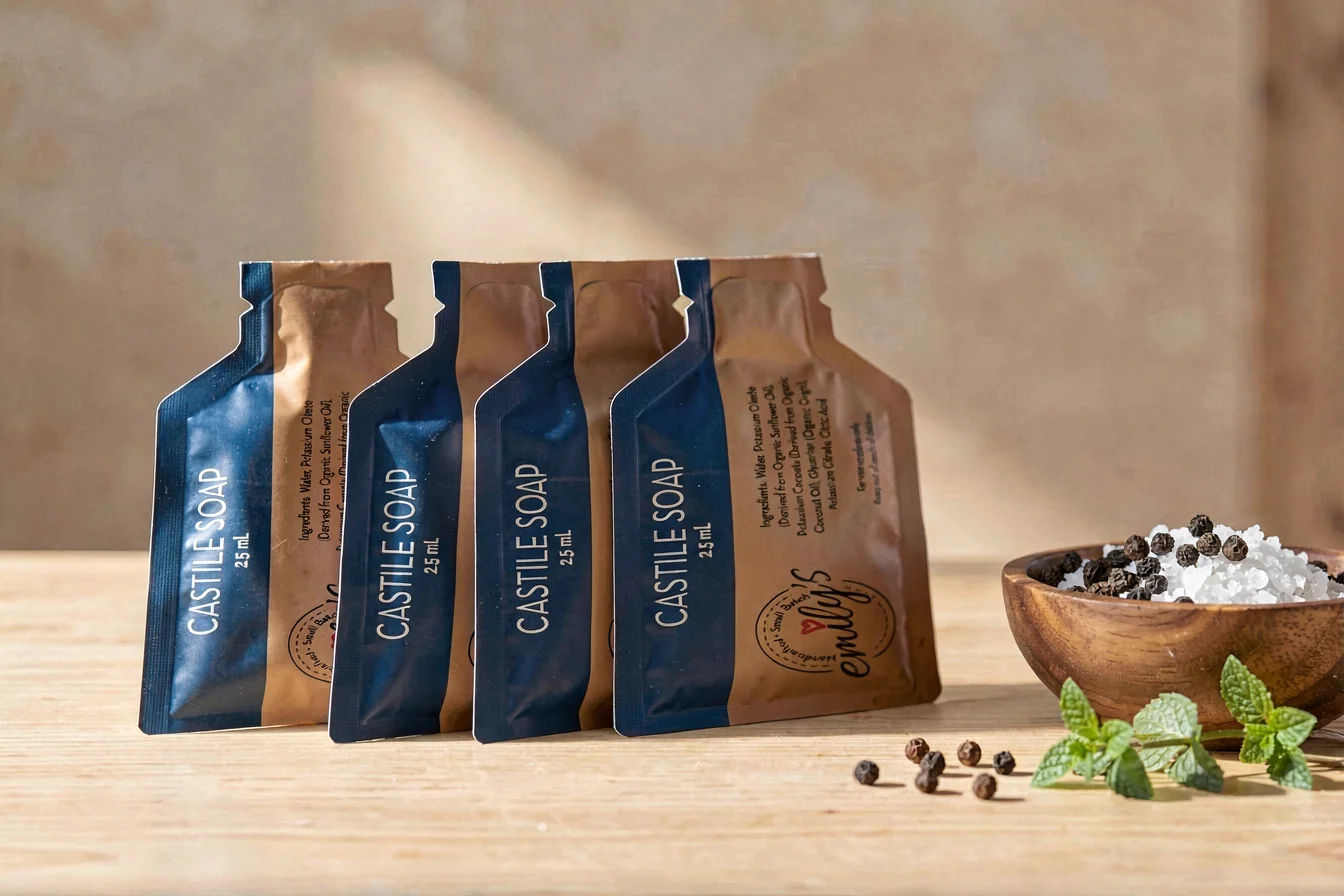
Reliability benchmarks for salt sachets and pepper sachets focus on defect rates, maintenance cycles, and service life, with global feedback highlighting durability and flavor consistency as key performance indicators. Buyers should select OEM/ODM partners with strong quality control, prioritize certifications (EN 13432, ASTM 6400), and map supply chain risks across logistics, raw materials, and compliance. Strategic negotiation levers include bulk pack pricing, eco-friendly packaging, and refillable variants for cost optimization and supply continuity [7][3]. Bottlenecks may arise in packaging material sourcing and logistics delays, especially during peak demand periods.
| Benchmark Dimension | Sachet A (Salt) | Sachet B (Pepper) |
|---|---|---|
| Defect Rate | Low (paper sachet, EN 13432 certified) | Low (paper sachet, EN 13432 certified) |
| Maintenance Cycle | Minimal (single-use, no refill) | Minimal (single-use, no refill) |
| Service Life | Single use | Single use |
| Packaging Durability | Biodegradable, room temperature | Biodegradable, room temperature |
| Certifications | EN 13432, ASTM 6400 | EN 13432, ASTM 6400 |
Sourcing risk strategy should prioritize bulk pack pricing, eco-friendly packaging, and refillable variants for cost optimization and supply continuity. Buyers should negotiate with OEM/ODM partners for quality control, map logistics risks, and ensure compliance with hygiene and sustainability standards. Bottlenecks may arise in packaging material sourcing and logistics delays, especially during peak demand periods. Strategic negotiation levers include bulk pack pricing, eco-friendly packaging, and refillable variants for cost optimization and supply continuity.
Optimizing procurement and logistics for salt sachets and pepper sachets requires a comparative analysis of direct factory sourcing, authorized distributors, and B2B platforms. Direct factory sourcing offers cost advantages for bulk catering packs, while authorized distributors provide reliability and compliance. B2B platforms like Alibaba.com enable customization, bulk purchasing, and supply chain resilience. Logistics alerts highlight stable shipping trends, with buyers advised to monitor duty/tax changes and prioritize eco-friendly packaging for compliance and sustainability [3][4][5]. Essential duty/tax considerations include VAT, customs clearance, and packaging regulations.
Buyers should leverage bulk purchasing, eco-friendly packaging, and supply chain resilience through B2B platforms for optimal procurement and logistics efficiency.The next twelve months will see continued momentum for salt sachets and pepper sachets, driven by rising demand for portion control, hygiene, and eco-friendly packaging. Buyers should prioritize bulk purchasing, refillable variants, and branded sets for both food service and retail channels. Emerging technology will focus on smart packaging, customization, and sustainable materials, while pricing trends favor cost-efficient bulk packs. To stay ahead, buyers should monitor search trends, invest in certified suppliers, and leverage B2B platforms for supply chain resilience and compliance. Immediate next steps include bulk procurement, supplier vetting, and strategic negotiation for eco-friendly packaging and supply continuity.
Buyers should act now by sourcing bulk salt and pepper sachets with eco-friendly packaging, leveraging B2B platforms for customization, and monitoring supply chain trends for resilience and compliance.