
All categories
Featured selections
Trade Assurance
Buyer Central
Help Center
Get the app
Become a supplier
Entering 2026, the global market for rubber training guns is undergoing a profound transformation. With increasing focus on civilian safety preparedness, law enforcement simulation, and responsible martial arts instruction, rubber training guns have moved from niche status to mainstream preference among training tools for professionals, hobbyists, and educators alike. Recent surges in urban self-defense classes, active shooter preparedness drills in schools, and a resurgence in tactical martial arts have shifted buyer demand toward non-lethal, highly realistic replicas [1][2][4][5]. Notably, heightened global awareness about firearm safety, concerns over accidental injuries during scenario-based training, and stringent regulatory changes have reinforced the need for durable, visually distinctive, and impact-resistant practice weapons. Key cultural events such as expanded police reform policies in North America, Europe, and Asia, as well as grassroots movements to modernize school safety practices, have amplified demand for tools that balance realistic simulation with uncompromising safety [7][8]. In parallel, digital community forums and popular video content have fostered open debate about best practices in simulation training, with buyers increasingly valuing products that emulate real firearm weight, aesthetics, and grip, while remaining harmless for hands-on disarm drills and close-quarters instruction. At the retail level, martial arts academies, law enforcement agencies, and private self-defense instructors report increased bookings for tactical workshops, driving up wholesale procurement of rubber training guns. Seasonal demand trends suggest spikes during spring and fall, correlating with new school semesters and police academy enrollments. Beyond institutional buyers, hobbyists and parents are procuring child-safe rubber band gun kits for skill development and recreation [9][11]. In sum, as safety standards and public attitudes toward training evolve, rubber training guns have emerged as vital assets—enabling realistic practice without the risks associated with live firearms. This best-selling category is fast becoming a cornerstone of responsible, progressive education and professional development in the fields of self-defense and law enforcement.
Rubber training guns are non-functional firearm replicas designed primarily for skills practice, simulation drills, and martial arts training without the threat of live discharge. Constructed chiefly from durable polymers or hard molded rubber, their primary purpose is to facilitate safe, hands-on learning of firearms handling, disarm techniques, and force-on-force tactics [2][4][6]. Historically, the practice of using inert weapon replicas dates back decades, with early models crafted from wood, foam, or basic plastics. Over time, the need for realistic weight distribution, accurate grip geometry, and enhanced durability prompted innovation in rubber molding and polymer blending, yielding training guns indistinguishable from real firearms in feel but unmistakably safe through features like bright orange coloring, rounded edges, and the absence of mechanical or moving parts [3][6]. Prominent suppliers such as TAK, BladesUSA, and Mastercutlery have refined manufacturing processes, delivering products tailored for distinct martial arts applications, police academy simulations, and self-defense scenarios. Classification of rubber training guns often hinges upon:
Social media platforms and digital community forums serve as barometers for real-world sentiment toward rubber training guns. Throughout 2025-2026, online discourse has covered a spectrum of themes: safety, legality, the psychological impact of simulation drills, DIY design projects, and the broader cultural place of inert firearm replicas. Prominent threads highlight:
The global market for rubber training guns is increasingly diversified, propelled by surging demand from law enforcement training programs, civilian self-defense courses, martial arts academies, and hobbyist communities. Market research in early 2026 indicates that sales volumes have increased by as much as 18% year-over-year within North America, with parallel growth recorded in Western Europe and select Asian regions [1]. Demand drivers include new safety legislation mandating non-lethal training tools, heightened school preparedness initiatives, and a proliferation of sports-based self-defense classes. Key market features and purchasing intelligence:
The downstream retail market provides vital clues for wholesale and institutional procurement. The following table summarizes the top 3 Amazon best-sellers by sales volume, detailing specifications that matter most to buyers. Note: Only the first 3 products include full specification and image data per available results [1].
| Product Image | Product Name | Avg. Star Rating | Latest Month's Sales Volume | Retail Price | Wholesale Price | Key Features |
|---|---|---|---|---|---|---|
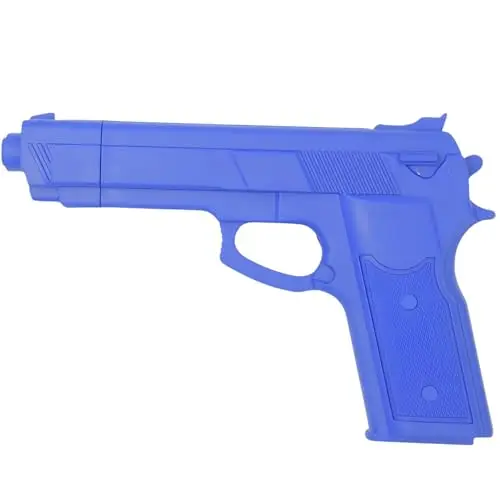 |
Rubber Training Pistol, 7 Inch, Yellow, Law Enforcement Practice Replica | 4.6 | 275 | $15.99 | $4.50 | High-visibility yellow, accurate grip, rounded safety corners, non-firing, designed for police/martial arts drills. |
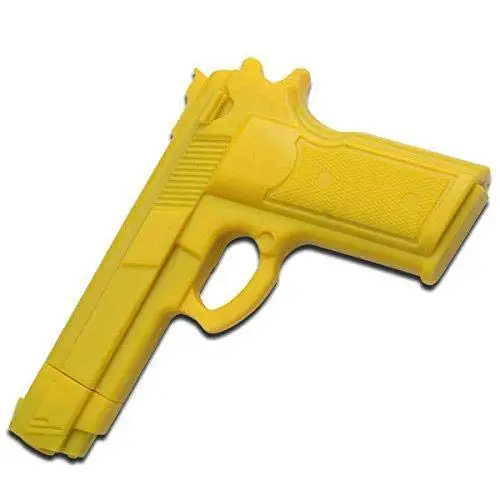 |
Ace Martial Arts Supply 7” Rubber Training Gun Police Dummy (Black/Yellow) | 4.4 | 5 | $30.39 | $5.13 | Dual-color for visibility, realistic look/feel, rubber construction for safe disarm drills. |
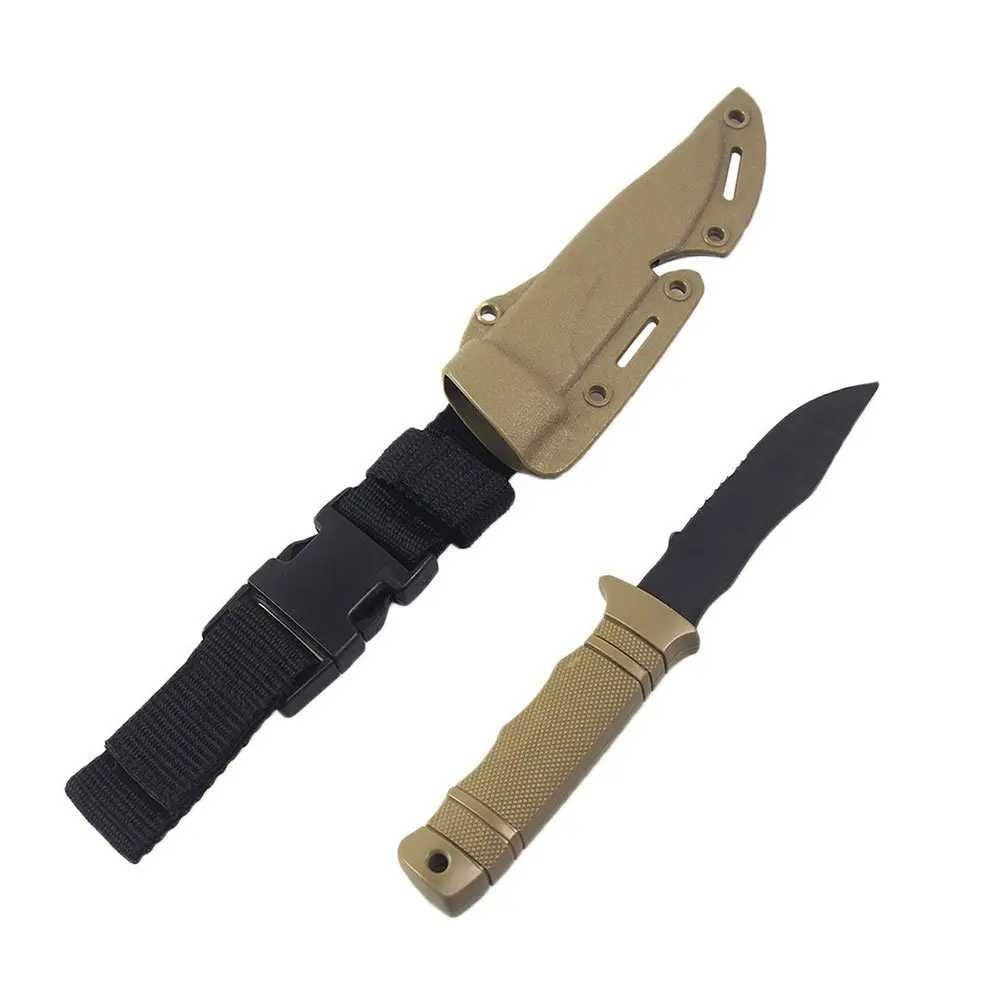 |
TOONOL Tactical Combat Training Rubber Dummy Knife Bayonet w/ Scabbard for M4/M9/M16 Airsoft Pistol CS Cosplay Wargames (Tan-1) | 3.8 | 5 | $34.17 | $3.00 | Bayonet/knife style, tactical application for M4/M9/M16, safe for airsoft and cosplay, rubber dummy construction. |
Table data sourced from [1].
In analyzing retail performance, buyers should note the dominance of bright safety colors (yellow, orange), high-star user reviews (for realism and durability), and the importance of specifications matching scenario requirements—law enforcement favoring weighted grip and balance, martial arts instructors focusing control and safety features, while airsoft/cosplay buyers prioritize compatibility and style. Low wholesale prices suggest strong margins for bulk buyers, with significant retail markup reflecting added specification and branding investment.
Sourcing rubber training guns for professional, institutional, or educational use requires a multi-dimensional strategy that ensures quality, safety, cost-effectiveness, and regulatory compliance. Buyers should systematically vet suppliers and assess product characteristics based on the intended training environment and target audience [2][3][4][5][6]. Key sourcing factors include:
The 2026 market landscape for rubber training guns is vibrant, characterized by robust growth, technological innovation, and heightened attention to safety, realism, and compliance. Institutional and retail buyers now face a wealth of product choices, but must exercise discernment in selecting and sourcing tools that meet user needs while upholding standards for safety and responsible simulation. Key takeaways: