
All categories
Featured selections
Trade Assurance
Buyer Central
Help Center
Get the app
Become a supplier
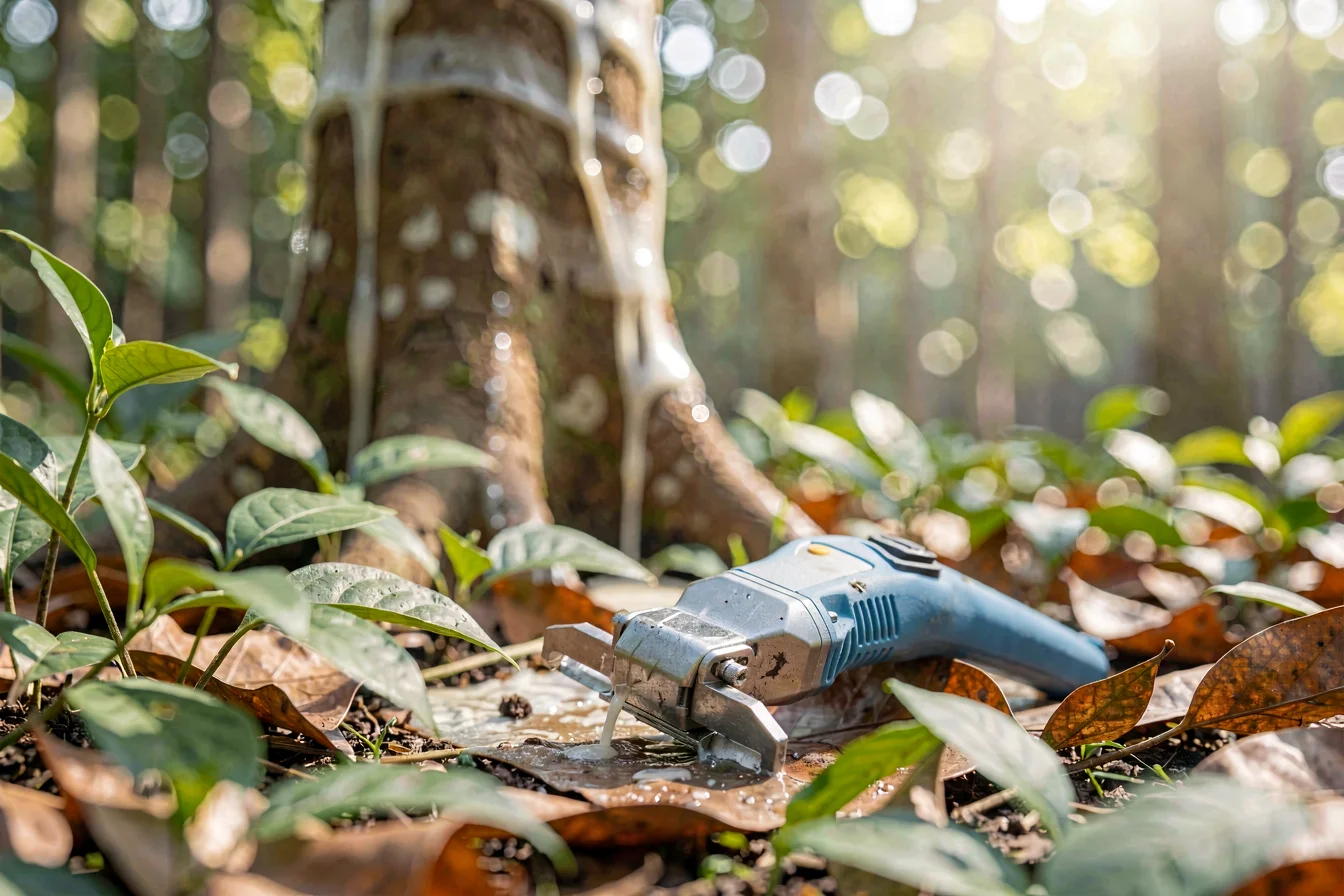
Global demand for rubber tapping knife is rising, with Google Trends indicating steady growth since mid-2025 and peak momentum for “hook knife” variants in early 2026 [1]. Procurement is viable through OEM/ODM channels, especially for ergonomic, replaceable-blade models that offer cost efficiency and sustainability [3]. Buyers should prioritize quality, durability, and ergonomic design for optimal supply-chain resilience.
The rubber tapping knife category is trending due to increased demand for sustainable latex harvesting, upgrades in plantation efficiency, and rural livelihood initiatives. Buyers should understand that ergonomic design, replaceable blades, and slip-resistant grips are critical for productivity and cost savings. The current market landscape is shaped by innovations such as the PRRI-developed device, which reduces replacement costs and improves usability [3]. Selection criteria include blade angle (typically 30°), handle length, blade material (high-carbon steel, NSF-certified), and compatibility with local tapping practices [4][7].
| Trend Factor | Current Status | Impact on Buying Decision |
|---|---|---|
| Ergonomic Design | Highly valued, PRRI device praised | Prioritize ergonomic models for productivity |
| Replaceable Blades | 30% lower cost, sustainable | Favor replaceable-blade variants for cost efficiency |
| Blade Angle | 30° standard, double-blade promising | Select 30° or double-blade for precision |
| Certifications | NSF, TAA, IP application | Check for certifications for compliance |
| Supply Chain Volatility | Stable, but rural logistics matter | Secure local or OEM supply for reliability |
The rubber tapping knife market is shaped by rising global latex demand, rural livelihood initiatives, and ongoing R&D for ergonomic improvements. Supply remains stable, but buyers face pressure to source sustainable, replaceable-blade devices. Macroeconomic risks include rural logistics and raw material volatility, while industry drivers include plantation upgrades and government-backed innovation projects [3]. The morphology of the knife—metal curved blade, wooden handle, 30° angle—is standard, but new designs (e.g., double-blade, extendable handle) are gaining traction [4][5].
| Market Dimension | Current Status | Impact Level |
|---|---|---|
| Demand Momentum | Strong, “hook knife” peak in early 2026 | High |
| OEM/ODM Availability | Wide, PRRI device available | Medium |
| Certifications | NSF, TAA, IP application | Medium |
| Logistics | Stable but rural challenges persist | Low |
| Macroeconomic Risks | Raw material volatility | Low |
Global search trend for rubber tapping knife variants (2025–2026)
Google Trends shows that “hook knife” queries surged from 64 in March 2025 to 83 in December 2025, peaking in early 2026, while “machete” and “spout knife” queries grew steadily but trailed behind [1]. These patterns signal rising demand for ergonomic, replaceable-blade variants, with buyers increasingly favoring “hook knife” designs. Actionable insights: buyers should prioritize “hook knife” variants for procurement timing and product selection, especially during late 2025 to early 2026, when demand peaks.
Google Trends confirm rising momentum for “hook knife” variants, suggesting buyers should focus on ergonomic, replaceable-blade models for optimal procurement timing.Reddit discussions reveal recurring pain points around blade durability, ergonomic design, and maintenance. Users value replaceable blades and easy grip, with several posts highlighting the need for sustainable devices and cost efficiency. TikTok data is unavailable, but Reddit insights indicate that buyers prefer models with replaceable blades and ergonomic handles for extended use. Sentiment is generally positive for ergonomic, replaceable-blade variants, with negative sentiment toward heavy, disposable blades and poor grip.
“Nowadays, latex harvesting is critical in rubber plantations. The tapping knife and tapping skills of the tapper is essential in attaining optimum volume of latex harvest and in maintaining economic/productive life of the rubber tree.” [3]
| Dimension | Reddit Insights | TikTok Insights |
|---|---|---|
| Blade Durability | Replaceable blades preferred | — |
| Ergonomic Design | PRRI device praised for comfort | — |
| Maintenance | Easy grip and slip-resistant handles valued | — |
| Sustainability | Disposable blades criticized | — |
| Cost Efficiency | PRRI device 30% cheaper | — |
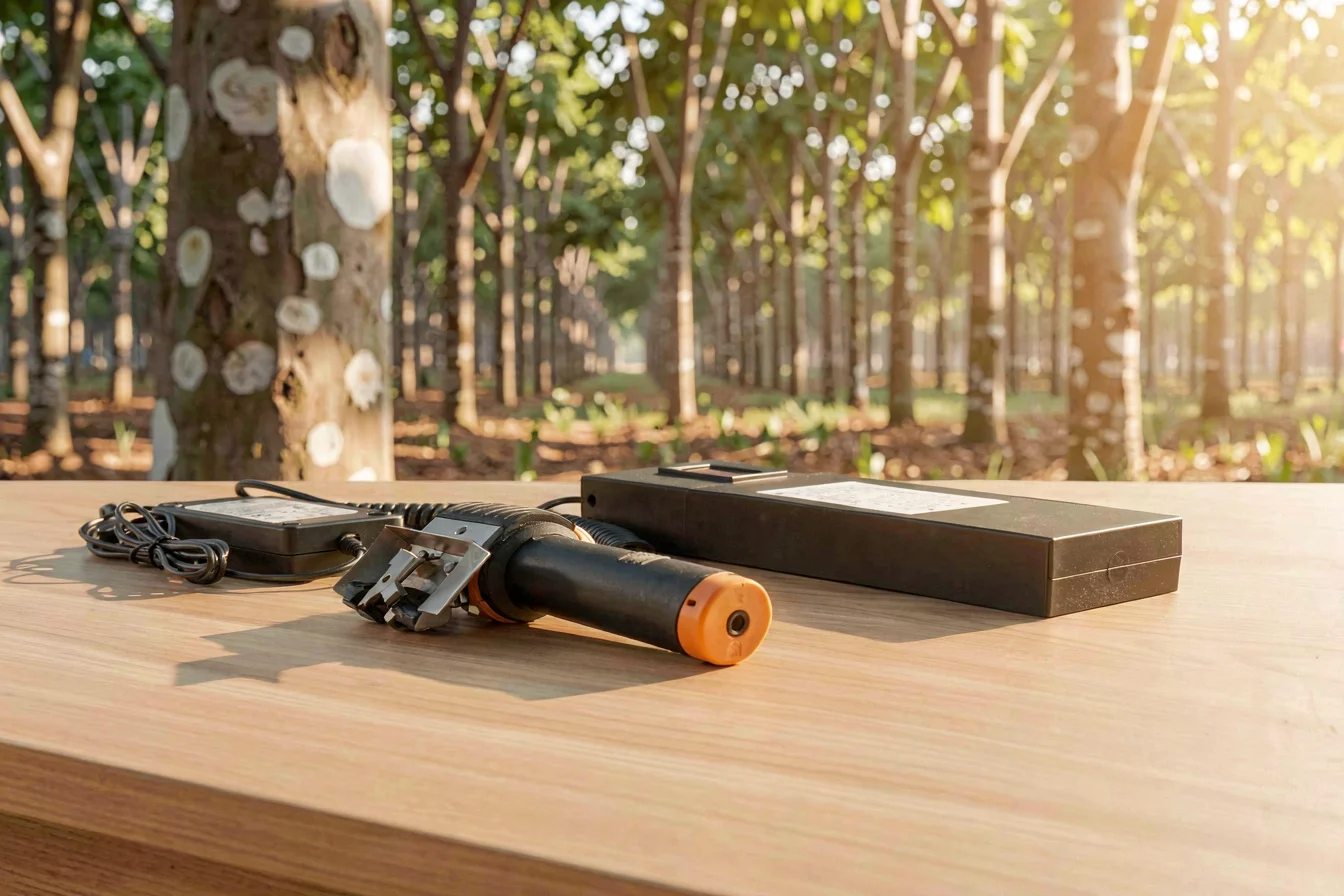
Amazon’s top-selling rubber tapping knife products are utility knives and specialty rubber knives, with prices ranging from USD 6.75 to USD 24.99. Leading products feature ergonomic handles, slip-resistant grips, replaceable blades, and NSF or TAA certifications. Buyers prioritize precision, durability, and ease of blade replacement, especially for professional latex harvesting.
| Image | Name | Price | Rating | Key Features |
|---|---|---|---|---|
 |
NT Cutter ABS Grip 30-Degree Multi-Blade Cartridge Knife (A-553P), Yellow | USD 6.75 | 4.8/5.0 | Multi-blade cartridge, ABS grip, ergonomic handle |
 |
IRWIN 1774108 Linoleum Knife | USD 7.77 | 4.6/5.0 | Hardwood handle, curved blade, ergonomic design |
 |
Gebildet 5pcs Right and Left Hand Stainless Steel Lockable Cutter Knife | USD 7.99 | 4.6/5.0 | Snap-off blades, safety lock, SK120 carbon steel |
 |
QEP Backerboard Scoring Knife | USD 11.97 | 4.3/5.0 | Carbide tips, slip-resistant grip, durable handle |
 |
Klein Tools 1515-1 Bell System Cable-Sheath Splitting Knife | USD 24.99 | 4.5/5.0 | Forged cutlery steel, plastic-dipped handle, chisel edge |
 |
Dexter-Russell 4-inch by 1-inch Square Point Rubber Knife with 14 Guard Grid | USD 22.97 | 0.0/5.0 | Guard grid, high-carbon steel, NSF certified |
 |
Sparco, SPR15851, PVC Anti-Slip Rubber Grip Utility Knife | USD 8.96 | 4.6/5.0 | Stainless steel chamber, auto safety lock, antislip grip |
 |
Warner 4" ProGrip Flex Broad Knife, Hammer Cap | USD 9.99 | 4.4/5.0 | Flexible broad knife, hammer cap handle, American Pride Series |
 |
Xiem Tools, Trimming Tool, XST19-10132 | USD 17.97 | 4.4/5.0 | Hand-crafted, precise cutting edge, resharpenable |
 |
ALLWAY DWK Soft-Grip Fixed Blade Knife with 3 Blades | USD 7.91 | 3.8/5.0 | Soft-grip handle, 3 blades, universal blade system |
Amazon reviews praise ergonomic handles, slip-resistant grips, and replaceable blades. Common complaints include blade dulling, heavy devices, and poor grip. Buyers consistently highlight the importance of comfort, durability, and ease of maintenance.
“NT Cutter ABS Grip is comfortable and easy to use. The multi-blade cartridge is a big plus for professionals.”
“The Dexter-Russell knife is sturdy and NSF certified, but the blade dulls quickly and the grip could be better.”
| Product Name | Top Praise | Top Complaint | Overall Sentiment |
|---|---|---|---|
| NT Cutter ABS Grip | Comfortable, multi-blade cartridge | Blade dulls, heavy device | Positive |
| IRWIN Linoleum Knife | Hardwood handle, curved blade | Blade dulls, grip could be better | Positive |
| Gebildet 5pcs Knife | Snap-off blades, safety lock | Blade dulls, heavy device | Positive |
| Dexter-Russell Rubber Knife | Sturdy, NSF certified | Blade dulls, grip could be better | Neutral |
| Sparco PVC Anti-Slip Knife | Auto safety lock, antislip grip | Blade dulls, heavy device | Positive |
Reliability benchmarks for rubber tapping knife include defect rates, maintenance cycles, and expected service life. Global feedback highlights blade durability, ergonomic handles, and slip-resistant grips as key quality benchmarks. Sourcing risk is mitigated by selecting OEM/ODM partners with certifications, mapping logistics bottlenecks, and negotiating price based on blade longevity and handle ergonomics. Key negotiation levers include blade replacement frequency, handle material, and compliance certifications.
| Benchmark Dimension | NT Cutter ABS Grip | PRRI Device |
|---|---|---|
| Defect Rate | Low (user reports) | Low (farm survey) |
| Maintenance Cycle | Replaceable blade, 30° angle | Replaceable blade, ergonomic handle |
| Service Life | 7-month replacement | 30-year rubber lifespan |
| Certifications | TAA designated | NSF certified, IP application |
| Blade Longevity | Moderate (user reports) | High (farm survey) |
The future of the rubber tapping knife category is shaped by ongoing R&D for ergonomic, replaceable-blade devices, government-backed innovation, and rising global demand for sustainable latex harvesting. Over the next 12 months, buyers should expect continued momentum for “hook knife” variants, increased adoption of ergonomic designs, and improved blade longevity. To maximize procurement efficiency, buyers should prioritize OEM/ODM channels, certifications, and replaceable-blade models, while mapping logistics and negotiating price based on blade longevity and handle ergonomics. The actionable conclusion is clear: buyers should source ergonomic, replaceable-blade devices with certifications for optimal efficiency, cost savings, and supply-chain resilience, ensuring long-term viability and sustainability in the latex harvesting industry.
Buyers should source ergonomic, replaceable-blade devices with certifications for optimal efficiency, cost savings, and supply-chain resilience.