
All categories
Featured selections
Trade Assurance
Buyer Central
Help Center
Get the app
Become a supplier
Entering 2026, the remote control TV antenna has re-emerged as the centerpiece of the new-era home entertainment experience. As subscription streaming fatigue and soaring cable prices push consumers toward cost-saving strategies, an unprecedented wave of cord cutting grips Western and Asia-Pacific markets—driving millions back to the “free TV” promise of OTA (over-the-air) broadcasts.Seasonal events—like the NFL playoffs, Olympics, and massive regional festivals—demand easy access to live channels, triggering demand spikes for antennas that offer robust range, integrated digital tuning, and, increasingly, remote control convenience. Shifting consumer behaviors are not just about saving money; they reflect a fresh, DIY approach to tech—where ease, flexibility, and instant channel scanning carry more weight than legacy brands.
Smart homes and apartments now expect seamless integration, with TV antennas deployed across living-room entertainment hubs or discreetly hidden by urban millennials. Devices that blend into modern interiors, feature USB-powered amplifiers, and offer remote rotator controls for outdoor setups are setting new standards. Meanwhile, remote control features empower users to tweak reception without physically repositioning the device—solving long-standing hassles faced by older demographics and tech-savvy renters alike.
Global sourcing teams and procurement professionals must navigate a highly dynamic market. Product innovation is not just about signal strength or maximum range, but now involves software compatibility, smart device sync, and eco-friendly design. The interplay of these factors, coupled with rising user expectations fueled by viral online advice and influencer hacks, creates both substantial risks and enormous opportunities for those seeking a competitive procurement advantage in the digital TV accessories sector[1][4][6].
At its core, a remote control TV antenna is a device engineered to capture electromagnetic broadcast signals—transforming them into viewable television channels via a connected tuner or digital device. The “remote control” aspect refers to features that let users electronically adjust antenna alignment, channel scanning, or signal amplification, directly from the couch or a smart device, rather than manual repositioning—long a source of consumer frustration.
The historical evolution of TV antennas began in the analog era of the 1950s—large rooftop arrays and chunky indoor rabbit ears. Analog gave way to digital in the late 2000s, triggering a rapid shift to compact, amplified, and now digitally tuned antennas. The remote control milestone was introduced as motorized rotator boxes, then transitioned to sophisticated RF and app-based controls in the 2020s, driven by the popularity of smart TVs and multi-room streaming setups.
Key classification criteria for international buyers:
The remote control TV antenna boom isn’t driven by faceless statistics alone—it’s embedded in the values, frustrations, and aspirations of modern consumers. Across social platforms and grassroots forums, the conversation is both deeply technical and strikingly emotional.
Topics dominating social media:
Influencers and advice threads repeatedly recommend well-known tools (AntennaWeb, RabbitEars) and emphasize community-based product testing—often rating actual real-world performance higher than advertised specifications. DIY modifications (tape, strategic window placement, homemade amplifiers) are a badge of honor, driving a culture of hacks and innovation. Product recommendations—much discussed—indicate that reliable, affordable models (under $40) are preferred for most situations, with remote control and digital scanning now “non-negotiables” for the everyday buyer[13][20][23].
Remote control TV antennas anchor both the retail and wholesale digital accessories sector as market dynamics shift sharply in favor of plug-and-play consumer solutions. As revealed by Amazon Trends data, sales remained robust despite middling aggregate review scores—a sign that consumers will tolerate functional flaws if core use cases (easy access to live channels, cost savings, rapid setup) are reliably met.
Market segmentation now hinges on application scenario: indoor digital antennas dominate urban/suburban retail, while outdoor models with motorized control remain essential for rural and fringe customers. Surveyed sales volumes surged from February to May 2025, strongly aligned with regional sports calendars, major live events, and seasonal cable bill hikes. Search volume increases of nearly 550% month-on-month highlight explosive interest coinciding with large-scale entertainment events and consumer migration from paid services[1]. Review sentiment, meanwhile, exposes sector-wide pain points—non-durable builds, range exaggerations, and lack of eco-awareness—alongside clear opportunities for improvement in design, packaging, and sustainable sourcing.
Analyzing Amazon Trends: Sales Volume, Ratings, and Review Sentiment (August 2025 – January 2026)
Amazon Trends data paints a detailed picture of remote control TV antenna demand, review sentiment, and emerging product differentiators[1][3]. To help buyers align procurement strategies, here’s a bar chart visualizing monthly sales counts and average ratings for “Indoor/Outdoor Digital TV Antennas and Signal Meters” and “Satellite TV Antenna Signal Finders and Meters”:
Monthly sales and average ratings comparisons for Indoor/Outdoor TV Antenna vs Satellite TV Antenna Signal Finders (Aug 2025 – Jan 2026).
Text analysis: Sales for indoor/outdoor antennas track consistently high compared to satellite signal finders, despite both segments suffering from low average ratings (2.6 and 1.76 respectively). The peak in September and October coincides with back-to-school season and major sporting events—highlighting key buying triggers. Persistent review negatives include setup complexity and reliability, but positive sentiment focuses on versatility, flight usability, and ease of connection.
Product teams should note: The market tolerates technical shortcomings if core needs are substantially met, but “quick win” enhancements in durability, battery life, and connection stability are likely to tip future buyer loyalty.
Actionable recommendations:
Hot Selling Analysis: Top 10 Amazon Products Reveal Retail Preferences and Procurement Opportunities
The following table presents the latest retail and wholesale intelligence for the top 10 Amazon best-selling remote control TV antennas, each ranked by monthly sale volume, with images, specs, prices, and performance details. This downstream data is vital for sourcing teams seeking high-volume, trend-driven products for 2026:
| Product Image | Product Name & Features | Avg Star Rating | Latest Monthly Sales | Retail Price | Wholesale Price |
|---|---|---|---|---|---|
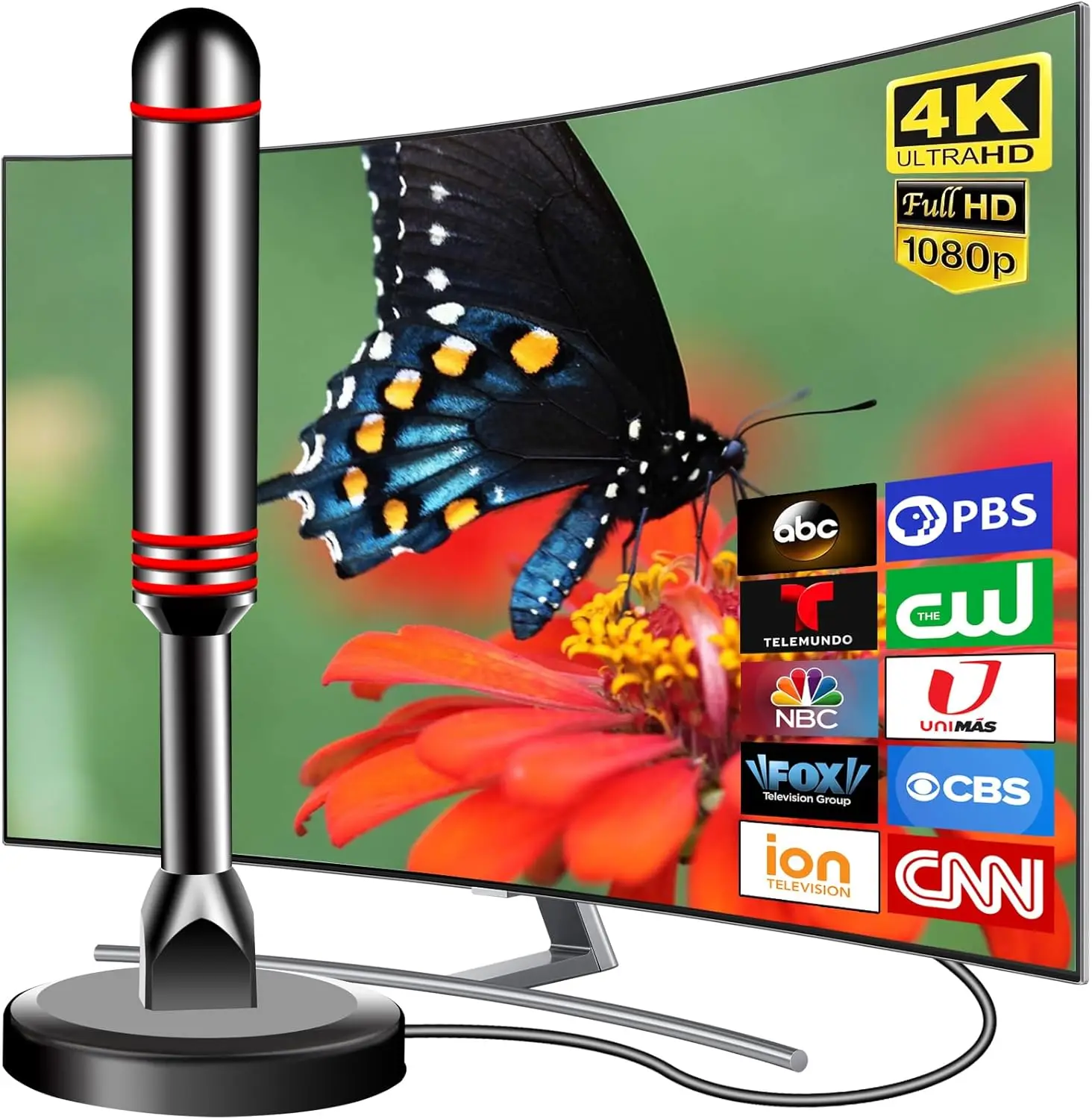 |
TV Antenna for Smart TV Indoor – 2025 Digital, magnetic base, 360°/long range, local channels, easy digital HD setup | 4.0 | 6315 | $11.16 | $2.88 |
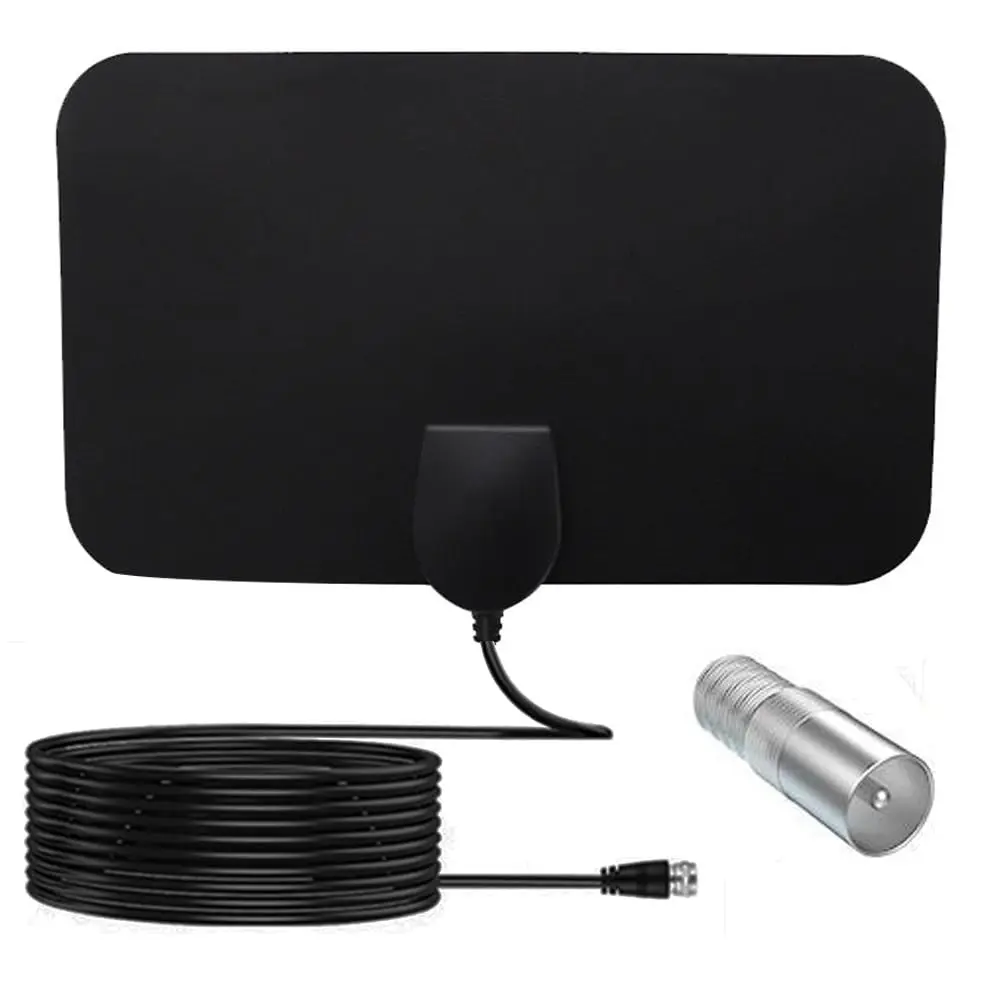 |
HD Digital Antenna for Smart TV Indoor – 360° signal, supports 4K/1080p, local channel retrieval, for all HDTVs | 3.9 | 4562 | $6.03 | $2.27 |
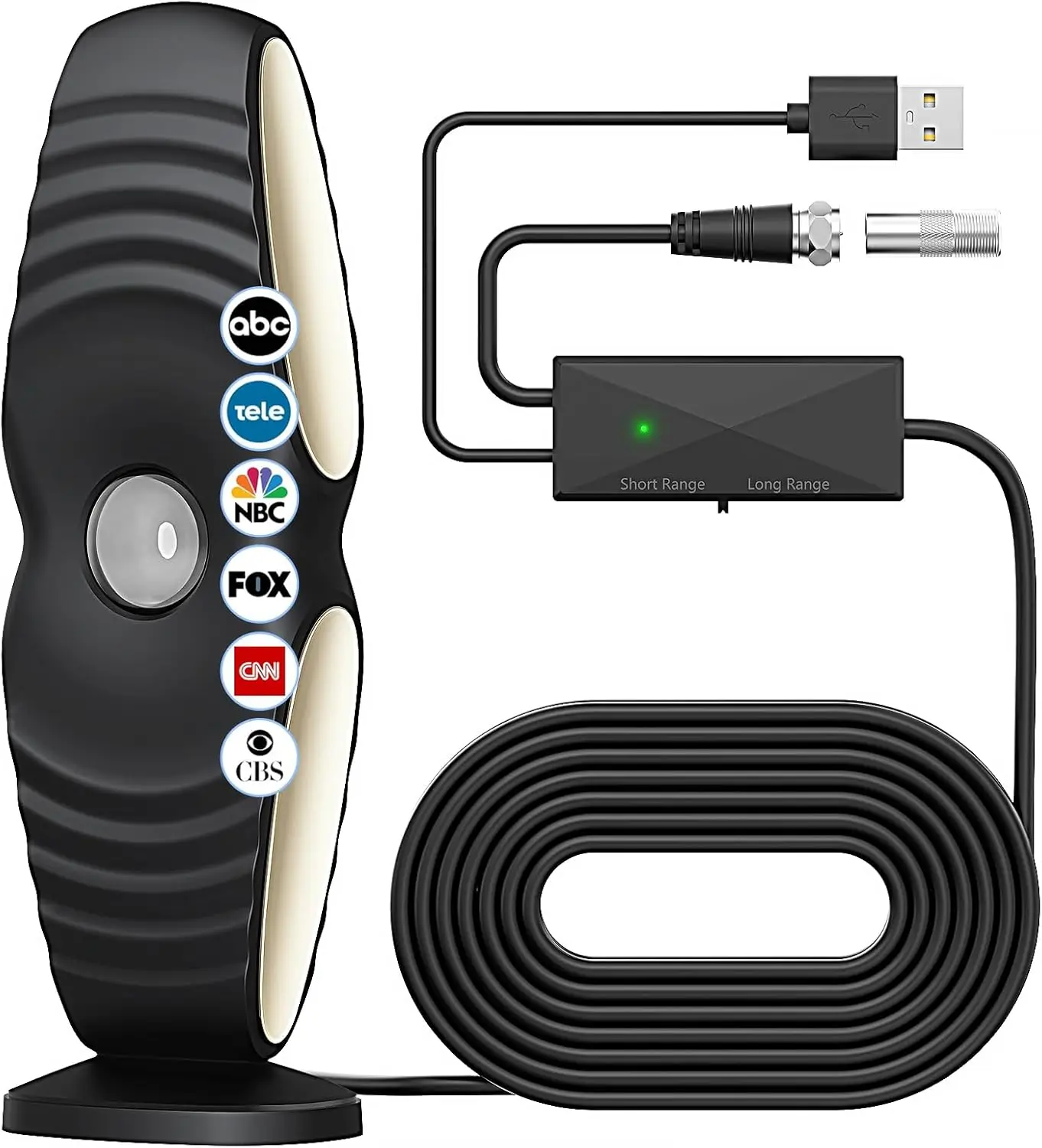 |
2025 TV Antenna HD Digital Outdoor – Long range, amplifier signal booster, 4K/1080p support, outdoor-ready | 3.6 | 1148 | $15.48 | $5.00 |
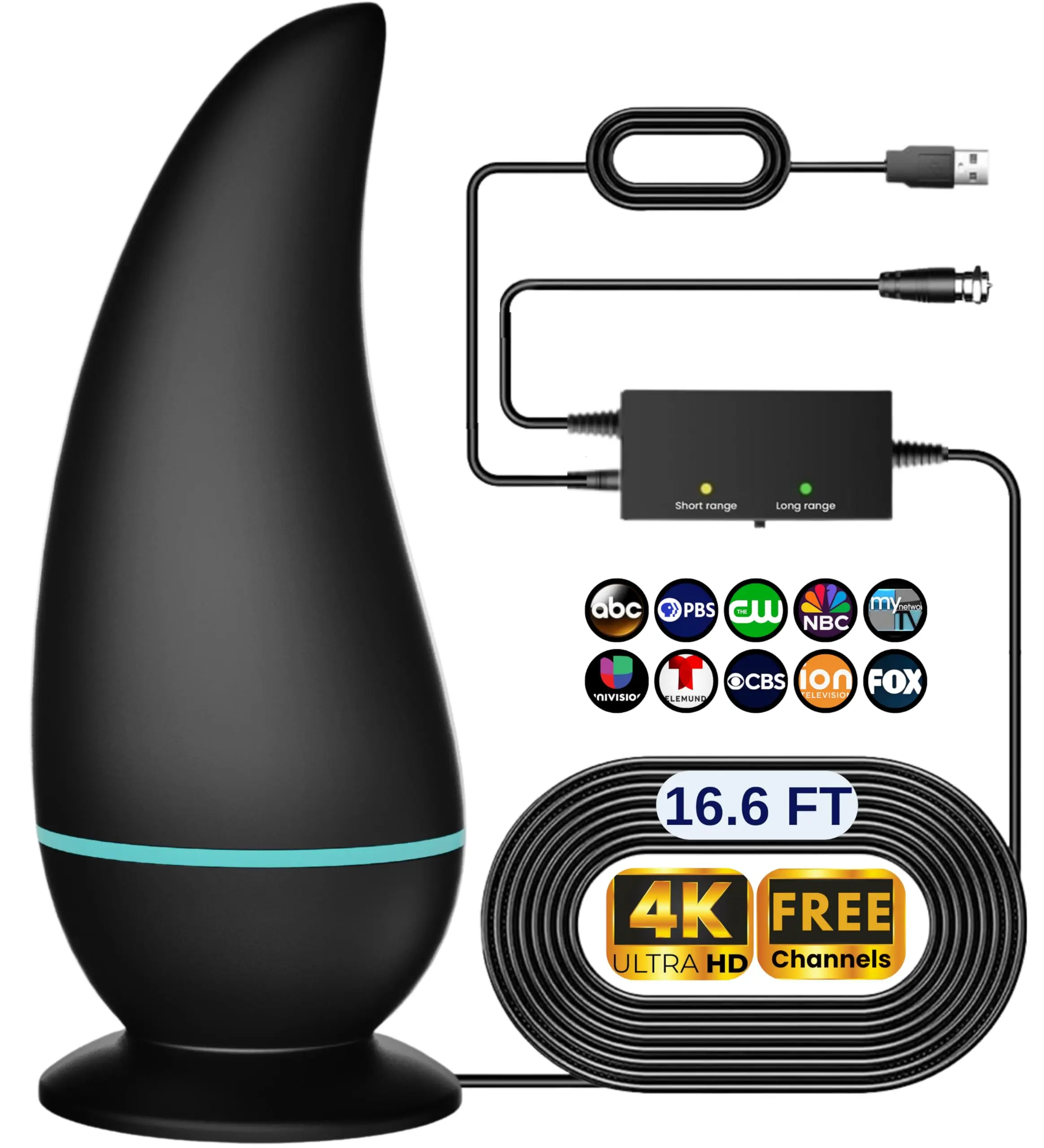 |
Signal Reception 2800+ Miles Indoor Antenna (CurvePlate) – Amplifier signal booster, 4K/HDTV, long range | 4.9 | 578 | $26.99 | $3.60 |
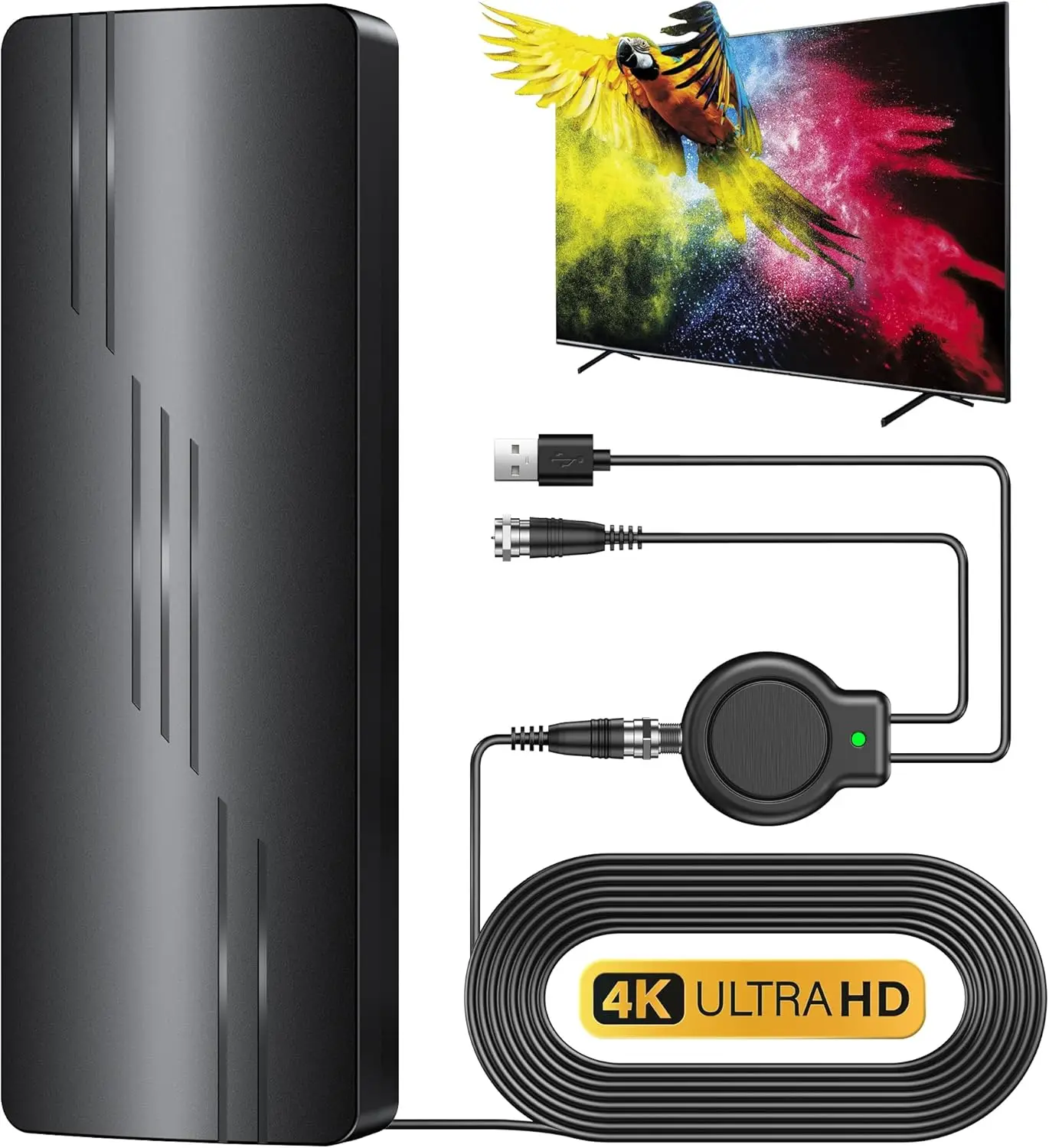 |
2025 Upgraded TV Antenna for Smart TV – 1800+ miles range, amplifier booster, waterproof, long coax cable | 4.2 | 574 | $57.82 | $8.47 |
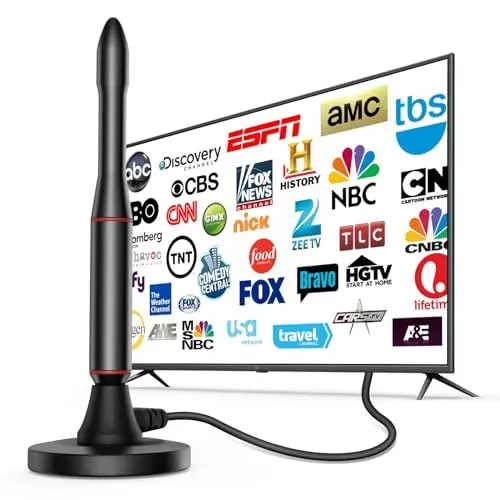 |
650+ Miles Long Range Digital Antenna – 4K/1080p support, for all TVs, small form factor for smart homes | 3.9 | 225 | $21.79 | $2.40 |
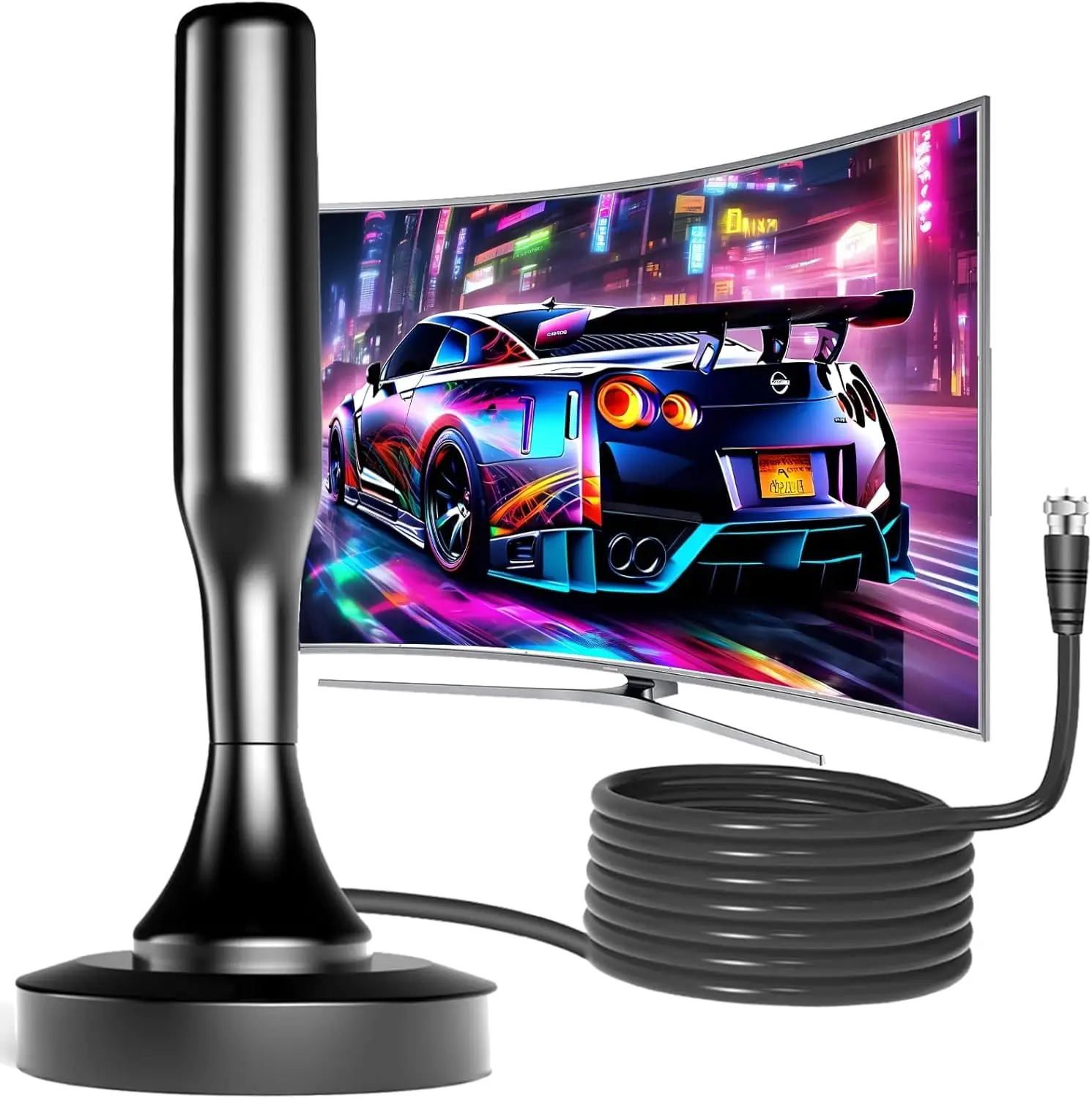 |
HD Digital Antenna, Smart TV Magnetic Base – For local channels, supports 4K/1080p, long cable for flexible placement | 4.4 | 115 | $23.84 | $3.87 |
 |
2025 Upgraded HD Digital Antenna for Smart TV – 360° long range, easy installation, crystal clear channels | 4.0 | 114 | $16.10 | $7.65 |
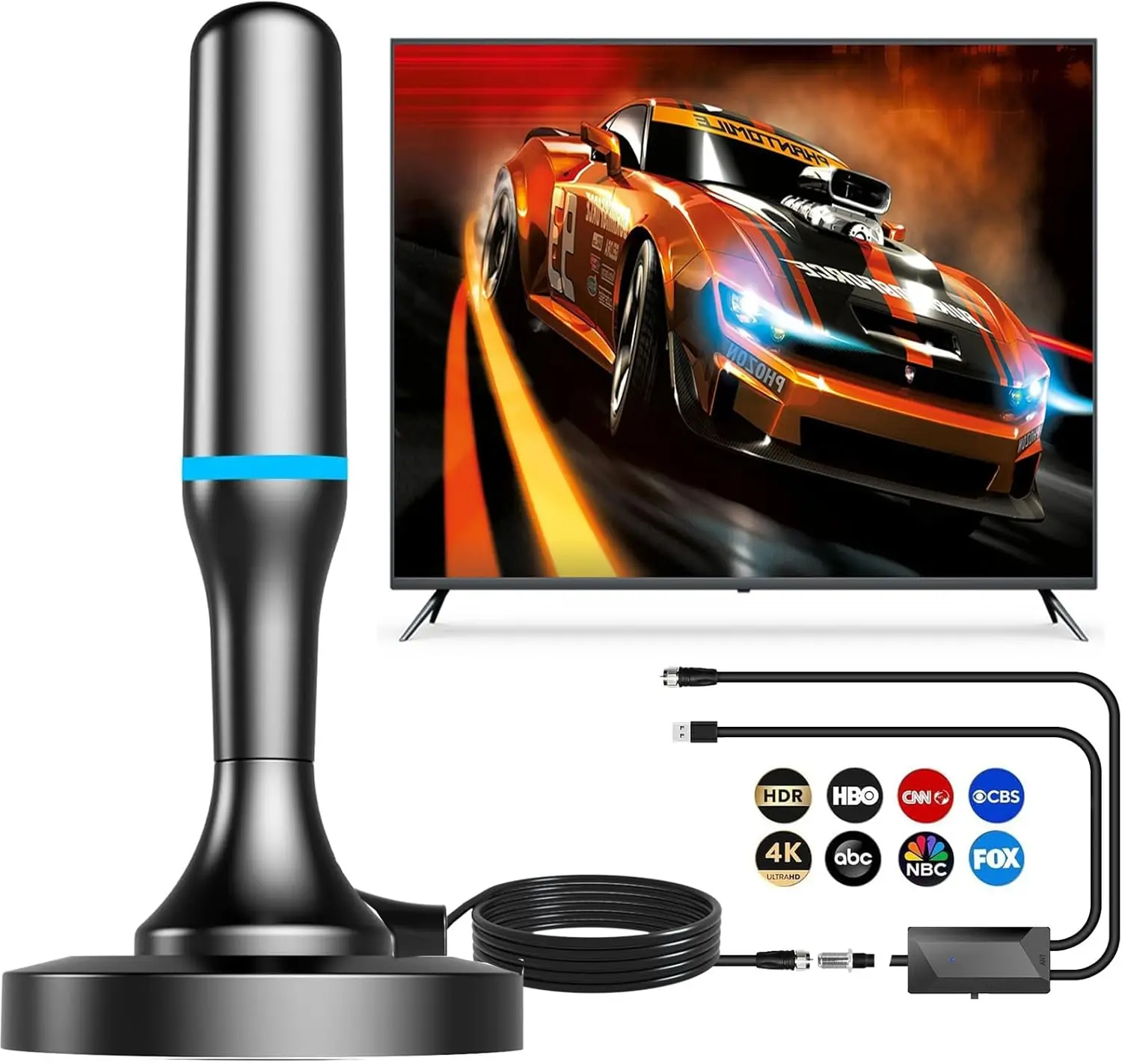 |
Indoor TV Antenna for Local Channels – 4K/HD, booster/magnetic base, 120 miles range, HDMI/DVD compatible | 4.1 | 58 | $18.96 | $3.50 |
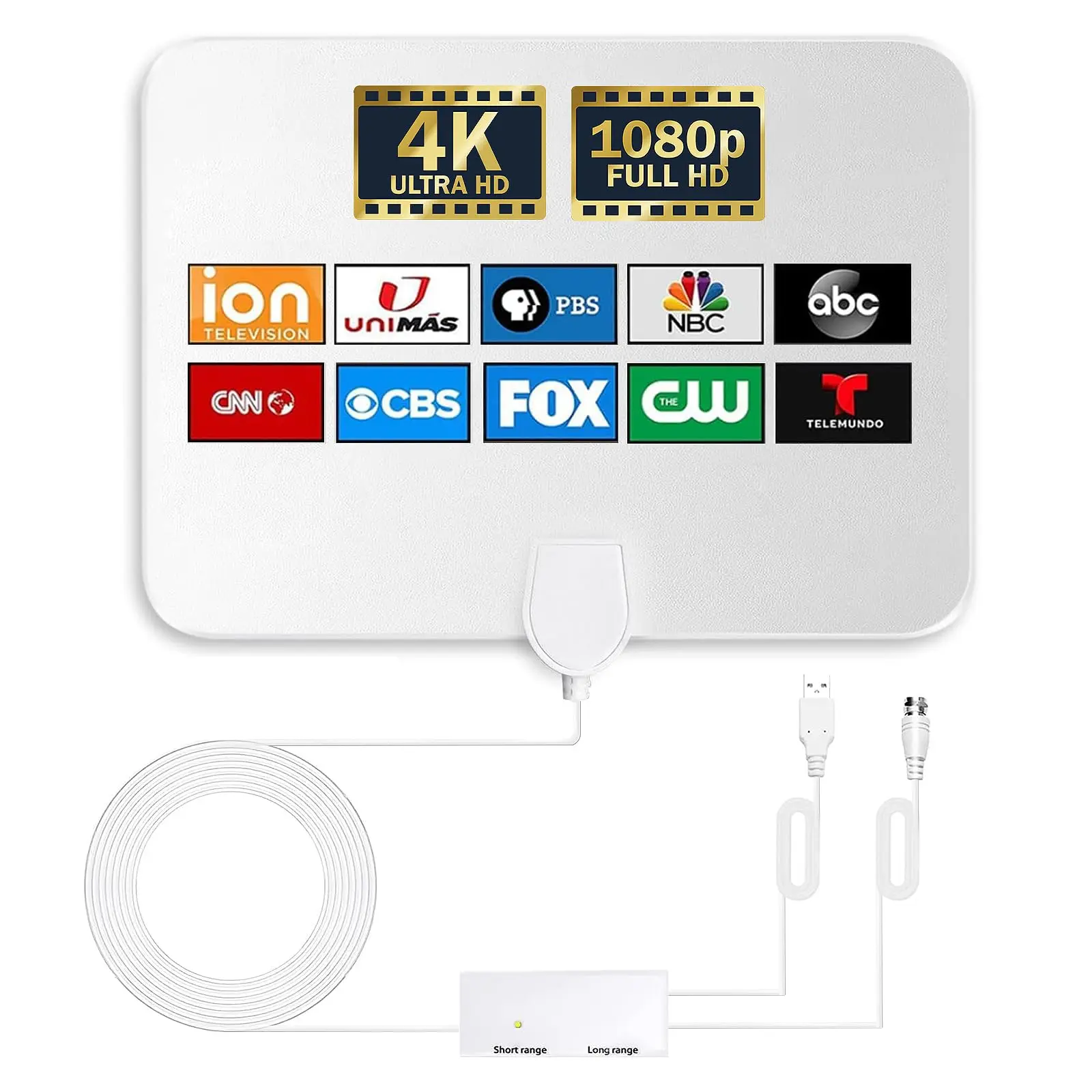 |
Local Channels Digital TV Antenna – Signal booster, remote reception antenna, 16ft HDTV coax cable, white design | 4.3 | 58 | $10.06 | $7.32 |
Table data sourced from [3].
Product highlights: Low-to-mid-priced indoor antennas lead with thousands of monthly sales, typically rated between 3.9 and 4.2 stars. Most support local channels, 4K/HD resolution, and come with amplified signal boosters or long-range claims. Aesthetic integration (magnetic bases, flexible placement) and simple setup are significant selling points. By contrast, premium outdoor and waterproof models target rural and utility buyers with sales volumes in the hundreds—but command higher retail margins, offering strong sourcing incentives for advanced motorized and remote-controlled features.
Procurement teams can leverage this intelligence to prioritize volume leaders for base inventory (indoor, urban use) and stack higher-margin advanced models for specific seasonal and event-driven campaigns. The data further underlines the need for bulk sourcing partnerships that guarantee both consistent quality and flexible, on-trend packaging for resellers.
Supplying remote control TV antennas in 2026 demands precise attention to supplier evaluation, international compliance, and shifting user expectations.
Supplier Assessment: Leading procurement begins by screening for certification (FCC for US, CE for Europe, RoHS globally), production capacity stability (can producers deliver both high-volume and niche quantities quickly), and advanced quality control protocols. Prefer suppliers with ISO 9001:2015 registration and a track record of real-time product testing, especially for complex electronics.
Quality Control Points:
As the TV antenna category surges back into relevance, blending vintage value with high-tech convenience, sourcing professionals hold the key to unlocking new profits and market leadership. The success stories behind robust indoor models and sophisticated outdoor kits prove that buyers want flexibility, reliability, and ease—without “cable drama” or setup headaches.
Over the coming 6-12 months, expect: