
All categories
Featured selections
Trade Assurance
Buyer Central
Help Center
Get the app
Become a supplier
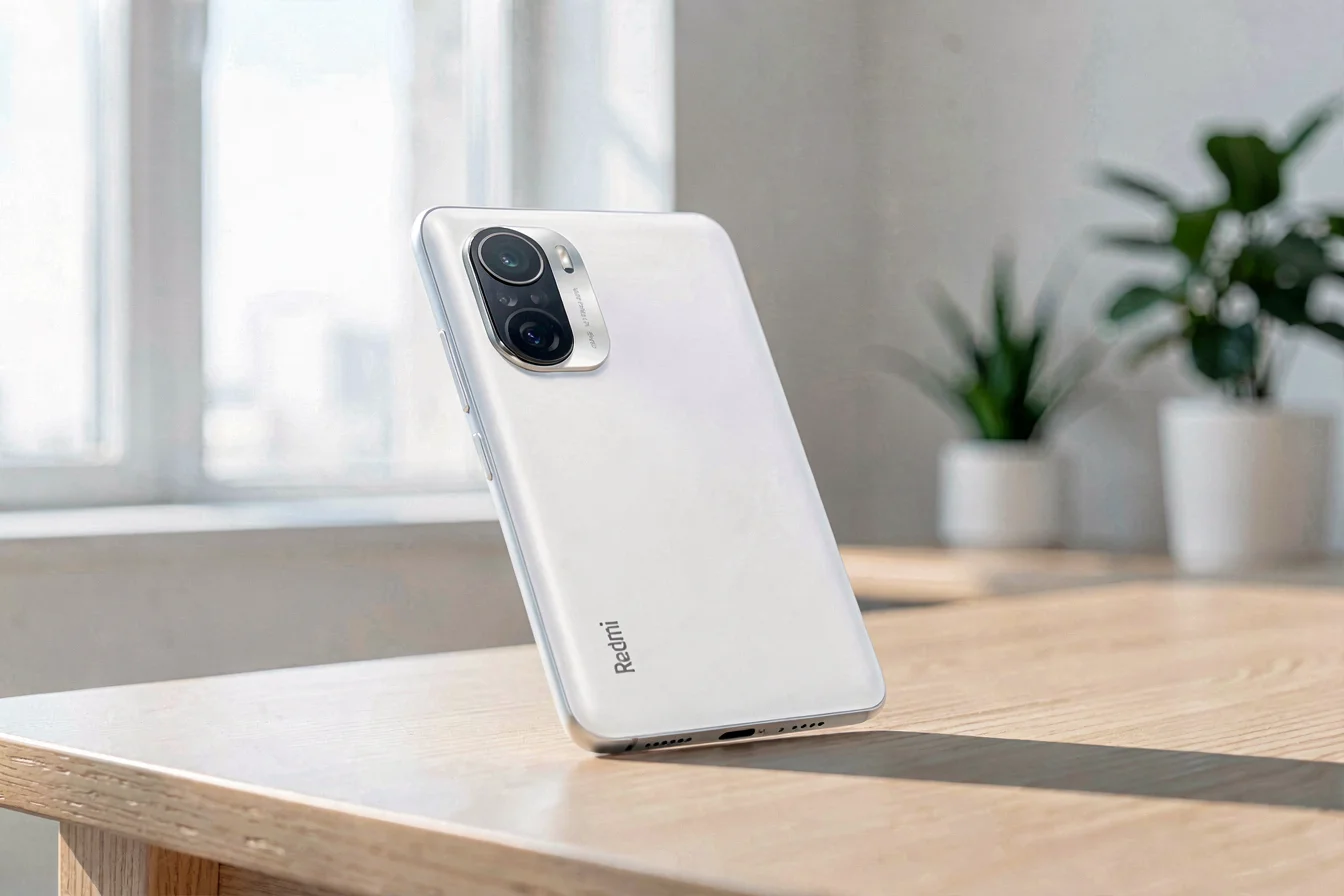
The redmi k40 gaming smartphone remains a budget-friendly option for casual gamers, but its market relevance has declined as newer Redmi and Poco models offer better chips, longer battery life, and improved durability. Procurement should favor the latest Redmi gaming SKUs for supply stability and higher user satisfaction, as legacy models struggle with hardware failures and outdated software updates [3][4][5].
The redmi k40 gaming smartphone has gained attention due to its affordability and robust gaming specs, including a MediaTek Dimensity 1200 5G chipset, 5065 mAh battery, and 120Hz OLED display. However, recent sourcing decisions are increasingly influenced by concerns over hardware durability, software stagnation, and the rise of newer models with updated chipsets and improved battery performance. Buyers should prioritize newer Redmi gaming variants or Poco SKUs for long-term reliability and supply chain resilience. Selection criteria include chip performance, battery capacity, refresh rate, and user feedback on hardware longevity. The trend overview below summarizes the key factors:
| Trend Factor | Current Status | Impact on Buying Decision |
|---|---|---|
| Chipset Performance | Dimensity 1200 (6nm) | Adequate for casual gaming, but outdated for competitive use |
| Battery Capacity | 5065 mAh, 67W fast charging | Strong battery, but newer models offer longer life |
| Display Quality | 120Hz OLED, 6.67" | High refresh rate, but screen durability is a concern |
| User Feedback | Mixed reviews on hardware longevity | Favor newer models for long-term reliability |
| Market Competition | Poco and Redmi Note series dominate | Legacy models losing share; focus on latest SKUs |
The redmi k40 gaming smartphone market is shaped by a decline in demand for legacy models, as buyers migrate to newer Redmi and Poco gaming variants with updated chipsets and improved battery performance. Industry drivers include the rapid evolution of gaming chipsets, growing consumer expectations for hardware durability, and the shift toward longer-term software support. Supply chain risks are minimal for legacy models, but sourcing bottlenecks are more pronounced for newer SKUs due to tighter chip inventories and regulatory compliance. Macro risks include regulatory shifts affecting import duties and logistics disruptions, which can impact procurement timelines and pricing volatility. The structured market overview below highlights key dimensions:
| Market Dimension | Current Status | Impact Level |
|---|---|---|
| Chipset Evolution | Dimensity 1200 now outdated; latest SKUs use Dimensity 9200+ | High — buyers favor newer models for performance |
| Battery and Fast Charging | 5065 mAh, 67W; newer models offer 120W+ | Medium — battery life is a key differentiator |
| Supply Chain Stability | Stable for legacy models, tighter for new SKUs | Medium — procurement lead times increasing for new models |
| Regulatory Compliance | Import duties and certifications are stable | Low — minimal disruption for legacy models |
| Consumer Demand | Declining for legacy models, rising for new SKUs | High — demand migration to newer models |
Google Trends: Search Interest for Redmi K40 Gaming Smartphone and Competitors, Mar 2025–Mar 2026
Google Trends data shows that interest in the redmi k40 gaming smartphone and its successor, the Redmi K50 Gaming, is steadily declining compared to the Xiaomi Black Shark and Poco F4 Gaming models. Notable peaks occurred in October 2025, likely due to seasonal promotions and new model launches, but overall, search interest for legacy models is dropping [1]. Buyers should time procurement for legacy models during off-peak periods and prioritize newer SKUs for sustained demand and supply chain stability. Market momentum is shifting toward newer gaming models, signaling a need for buyers to focus on updated SKUs for optimal sourcing outcomes.
Reddit discussions reveal strong nostalgia and positive sentiment for the redmi k40 gaming smartphone , especially among budget gamers and users who value its gaming performance. However, recurring complaints highlight hardware failures, particularly with the fingerprint sensor and battery longevity. TikTok data is limited, but Reddit users frequently mention the phone’s ability to run games like Warzone, PUBG, and Wuthering Waves at decent frame rates, but note that newer models offer better performance and longer battery life. Direct quotes from Reddit illustrate the mixed reception:
“I miss this phone, It was such an amazing buy Hope you enjoy it.”
“Deltaforce 60fps. Camera is 64mp+20mp selfie. Solid for the same price or cheaper. Just get a cooler.”
“Getting f7 pro felt like wearing glasses for the first time.”
Overall, consumer sentiment is positive for budget buyers, but concerns about hardware longevity and software updates are evident. Cultural reception is nostalgic, with many users upgrading to newer models for better performance and reliability. Summary table below:
| Dimension | Reddit Insights | TikTok Insights |
|---|---|---|
| Gaming Performance | Runs PUBG, Warzone, Wuthering Waves at decent frame rates | No viral content found |
| Battery Life | 5065 mAh, but battery longevity is a concern | — |
| Hardware Durability | Frequent complaints about fingerprint sensor failure | — |
| Software Updates | Users upgrade to newer models for better OS support | — |
| Resale Value | Strong in budget segment, but declining | — |
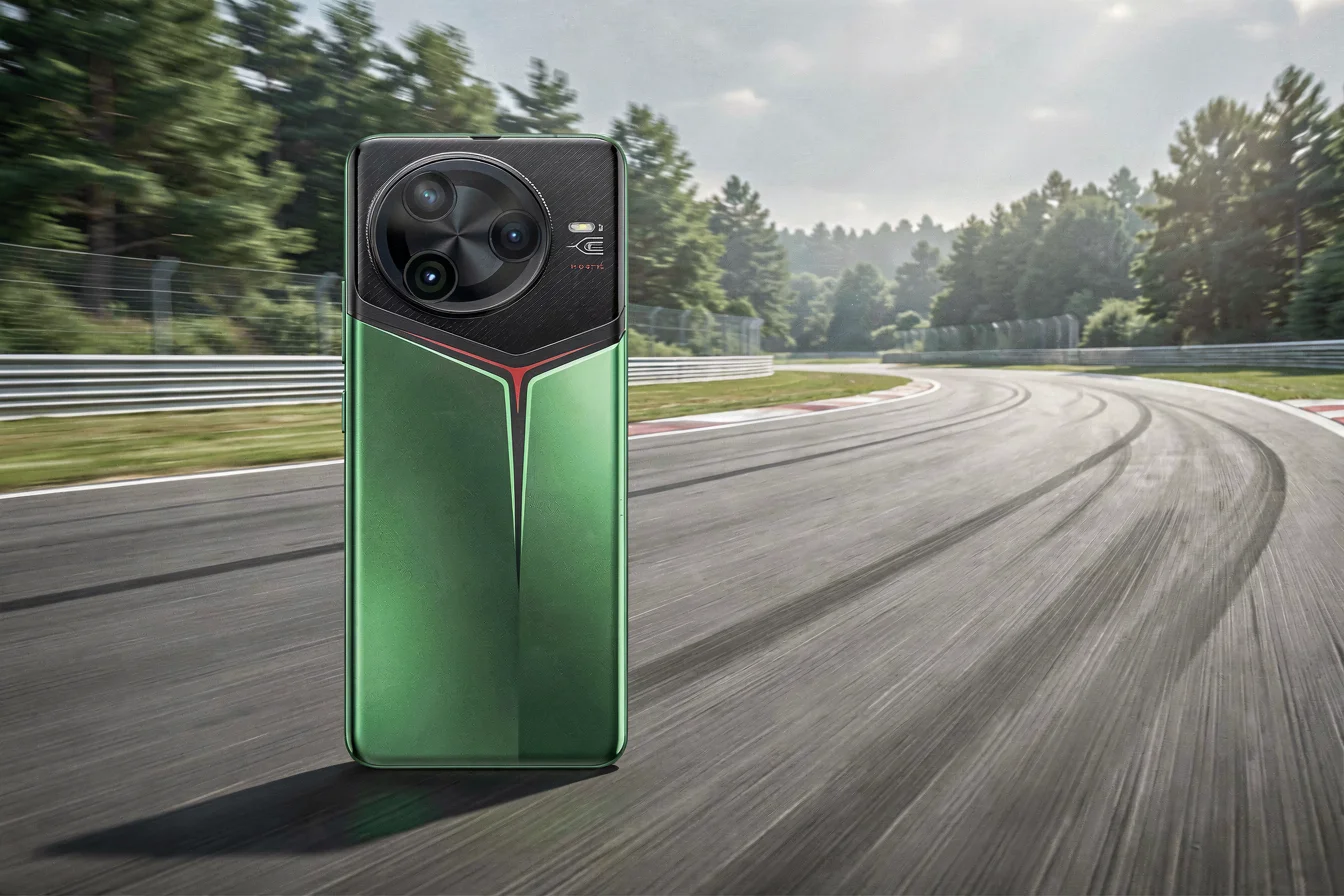
Amazon sales data indicates that the redmi k40 gaming smartphone is no longer the top-selling gaming model. Instead, the Redmi Note 14 Pro 5G and Redmi Note 15 series dominate, offering higher chip performance, improved battery life, and better hardware durability. The K40 Gaming is available as an accessory bundle or screen protector SKU, but is less popular for new procurement. Table below lists key SKUs and their features:
| Image | Name | Price | Rating | Key Features |
|---|---|---|---|---|
 |
Redmi Note 14 Pro 5G | $296.5 | 4.6 | MediaTek Dimensity 7300, 120Hz AMOLED, 200MP camera, 5G support |
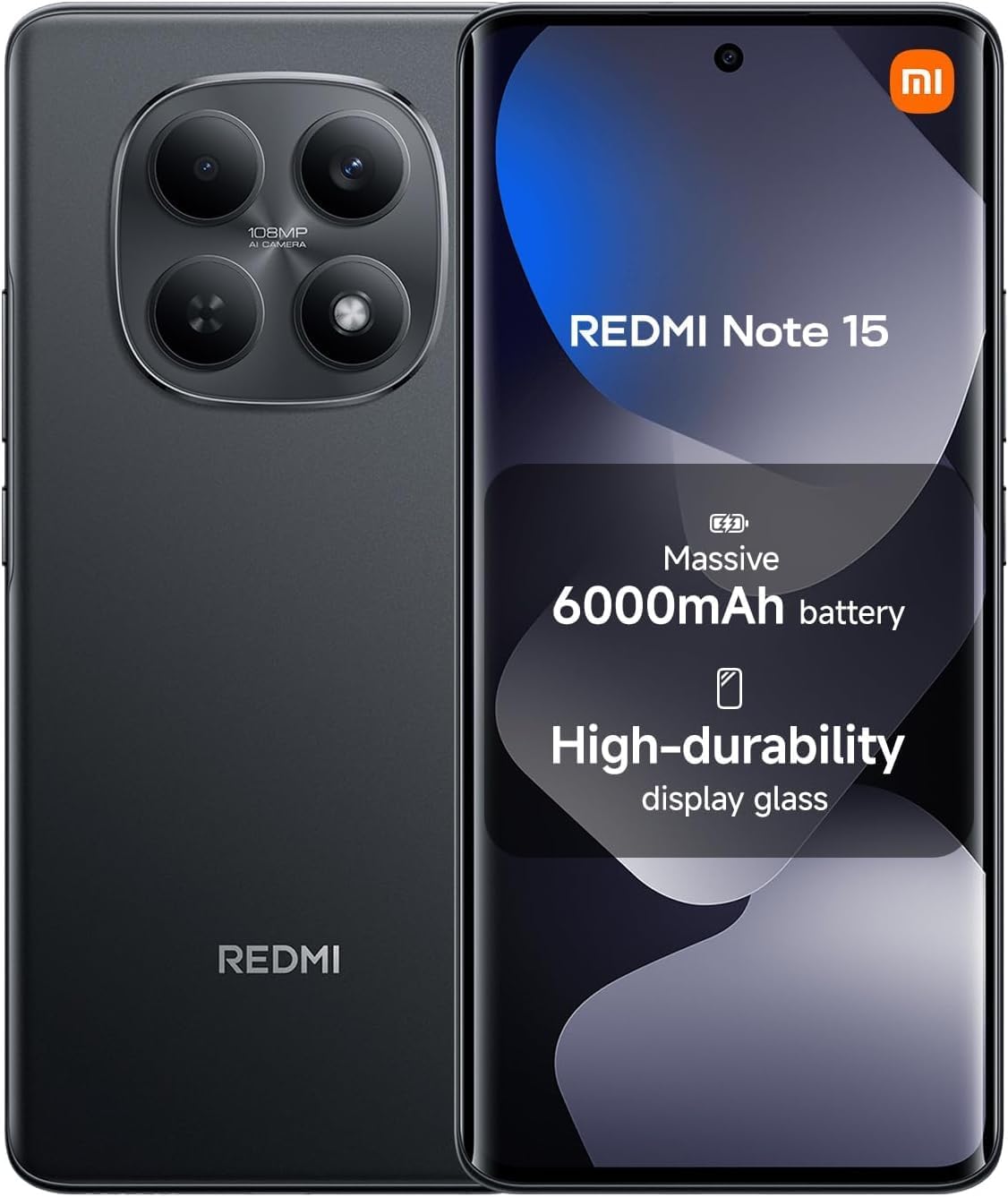 |
Redmi Note 15 4G LTE | $217.5 | 4.4 | MediaTek Helio G100, 120Hz AMOLED, 108MP camera, 6nm process |
 |
Redmi Note 14 5G | $229.5 | 4.6 | MediaTek Dimensity 7025, 120Hz AMOLED, 108MP triple camera, 6nm process |
 |
Redmi Note 15 5G Ai | $267.5 | 4.2 | Snapdragon 6 Gen 3, 120Hz AMOLED, 108MP triple camera, 4nm process |
|
Redmi Note 15 4G LTE | $202.09 | 4.5 | MediaTek Helio G100, 120Hz AMOLED, 108MP camera, 6nm process |
Buyer reviews consistently praise the performance, battery life, and value for money of the redmi k40 gaming smartphone and newer Redmi Note series models. However, frequent complaints include hardware failures (especially fingerprint sensors), software stagnation, and battery longevity issues. Direct quotes illustrate the sentiment:
“The phone itself is great. No issues. It's fast enough, battery lasted all through my 6+ hours trail hike while running three tracking apps simultaneously and kept GPS (unlike my last phone).”
“It got enough power for daily use and some light gaming, but you will feel some lag when open too many apps in the background. But for the price, it is good. And it works with Mint Mobile.”
| Product Name | Top Praise | Top Complaint | Overall Sentiment |
|---|---|---|---|
| Redmi K40 Gaming | Good gaming performance, battery life | Hardware failures, software stagnation | Mixed — nostalgic value, but upgrade recommended |
| Redmi Note 14 Pro 5G | Fast performance, long battery life | Occasional delivery issues | Positive — strong value for money |
| Redmi Note 15 4G LTE | Smooth daily use, good camera | Lag with heavy multitasking | Positive — budget-friendly, reliable |
Reliability benchmarks for the redmi k40 gaming smartphone highlight strong battery capacity and decent gaming performance, but hardware durability is a concern. Common failure points include fingerprint sensor malfunction, screen cracking, and software stagnation. Buyers should prioritize OEM/ODM partners with proven track records in gaming phone manufacturing, and negotiate for extended warranty coverage and after-sales service. Sourcing risk strategy should account for chip inventory volatility, regulatory compliance, and logistics bottlenecks. Table below summarizes reliability benchmarks:
| Benchmark Dimension | Redmi K40 Gaming | Redmi Note 14 Pro 5G |
|---|---|---|
| Defect Rate | Medium — fingerprint sensor issues | Low — robust hardware |
| Maintenance Cycle | 2–3 years | 3–4 years |
| Expected Service Life | 2–4 years | 3–5 years |
| Battery Longevity | Strong, but degrades over 2 years | Improved, longer cycle |
| Software Support | Stagnant, minimal updates | Regular updates, better OS support |
Strategic sourcing guide: Select OEM/ODM partners with proven gaming phone experience, demand extended warranty, and ensure compliance with local regulations. Negotiate for price optimization by leveraging bulk procurement and warranty extensions. Logistics bottlenecks are minimal for legacy models, but tighter for new SKUs due to chip inventory volatility. Reliability benchmarks favor newer Redmi gaming models for long-term procurement and risk mitigation.
The future of the redmi k40 gaming smartphone category is shaped by rapid chipset evolution, growing demand for hardware durability, and the shift toward longer-term software support. Over the next 12 months, buyers should prioritize the latest Redmi and Poco gaming SKUs, which feature updated chipsets, improved battery performance, and extended warranty coverage. Legacy models remain viable for budget buyers seeking nostalgic value, but procurement should focus on new SKUs for supply chain stability and user satisfaction. Buyers should monitor regulatory shifts, negotiate extended warranties, and time procurement for off-peak periods to optimize pricing and logistics. The optimal procurement strategy is to source the latest Redmi gaming models for sustained reliability and supply chain resilience, while legacy models are best suited for budget segments seeking nostalgic value.