
All categories
Featured selections
Trade Assurance
Buyer Central
Help Center
Get the app
Become a supplier
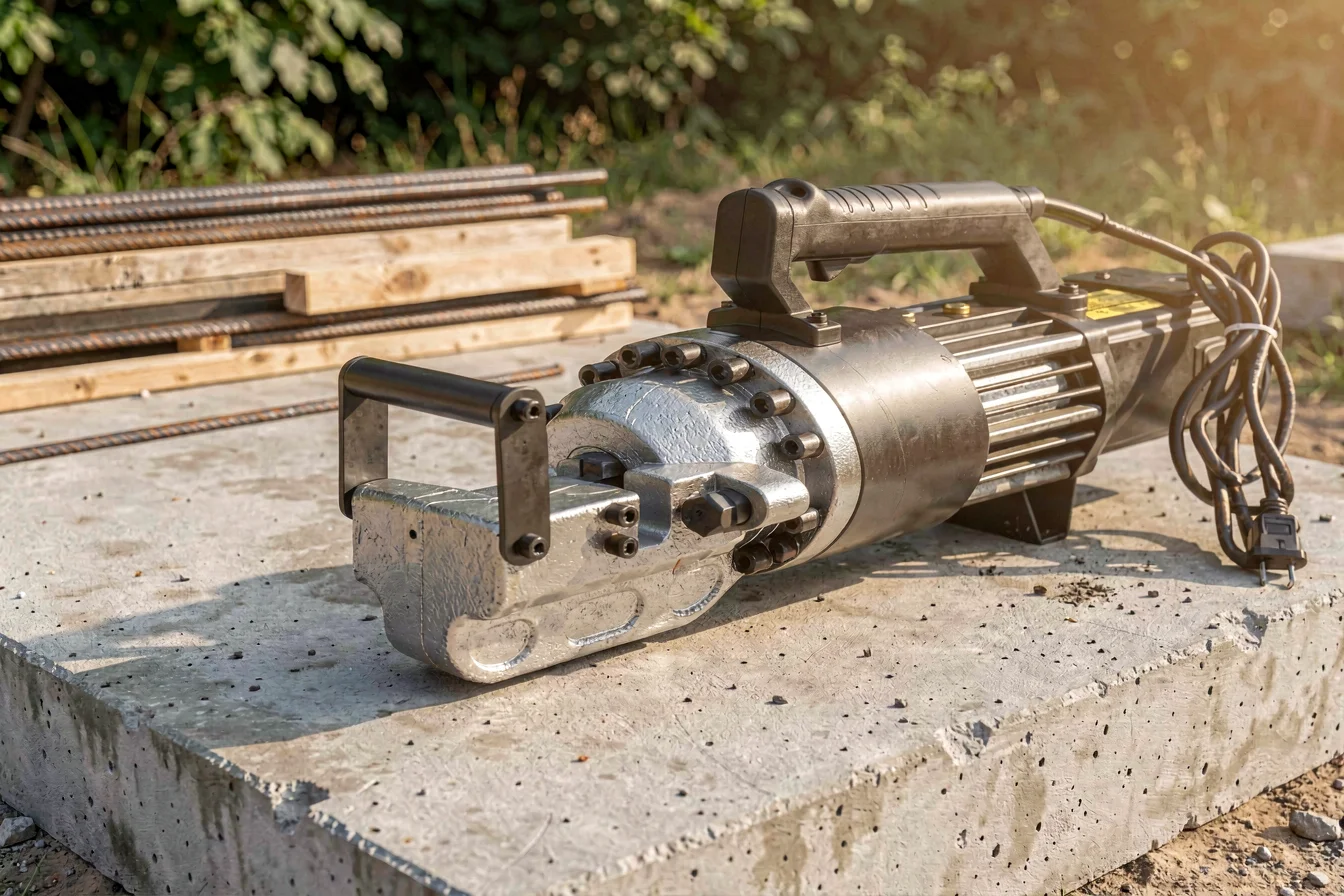
The global rebar cutter market is dominated by electric models, which offer superior efficiency and safety for construction sites. Search and sales data show a clear shift toward portable, high-capacity cutters, driven by demand for faster, cleaner cuts and reduced worker injuries [1][2]. Buyers should prioritize electric rebar cutter variants for most projects, focusing on blade durability, cutting speed, and OEM customization to optimize procurement in 2026.
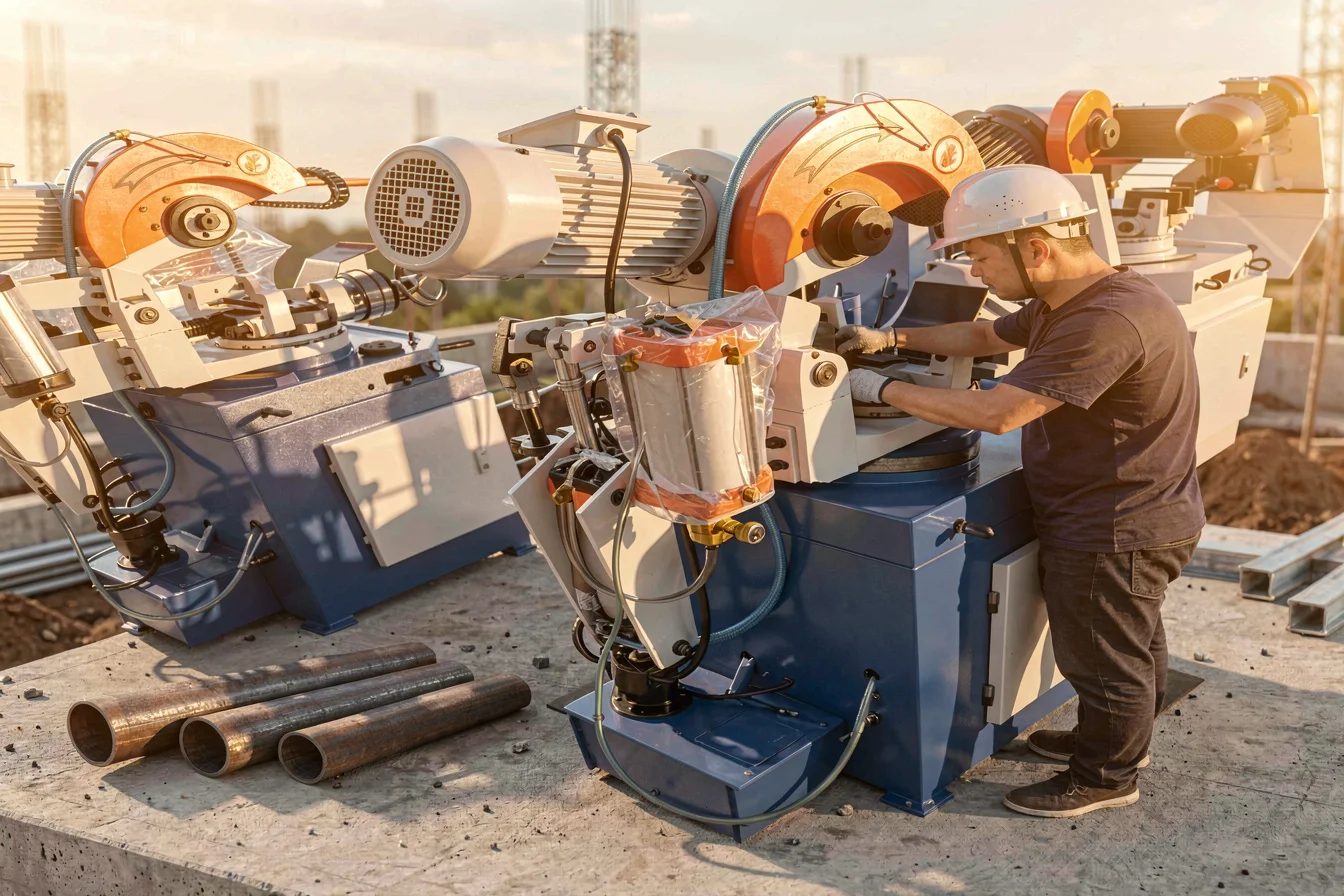
The surge in demand for rebar cutter tools is largely due to electric variants offering unmatched speed, precision, and portability. Construction sites now favor electric cutters for their ability to process rebar quickly—cutting up to 1” diameter in seconds—while minimizing labor injuries and material waste [8]. Buyers must recognize that electric cutters are not only faster but also safer than manual or hydraulic alternatives, especially for projects requiring mobility and consistent quality. This trend is reinforced by industry sources stating that electric cutters can reduce rebar waste by up to 15% in infrastructure upgrades [8].
| Trend Factor | Current Status | Impact on Buying Decision |
|---|---|---|
| Electric Cutter Adoption | Rapid growth | Shifts procurement toward electric models |
| Portability | High priority | Buyers favor lightweight, corded/cordless options |
| Safety Regulations | Strict enforcement | Mandates for low-noise, ergonomic tools |
| Blade Quality | Cr12MoV standard | Longer service life, reduced downtime |
| OEM/ODM Customization | Growing | Enables tailored solutions for project needs |
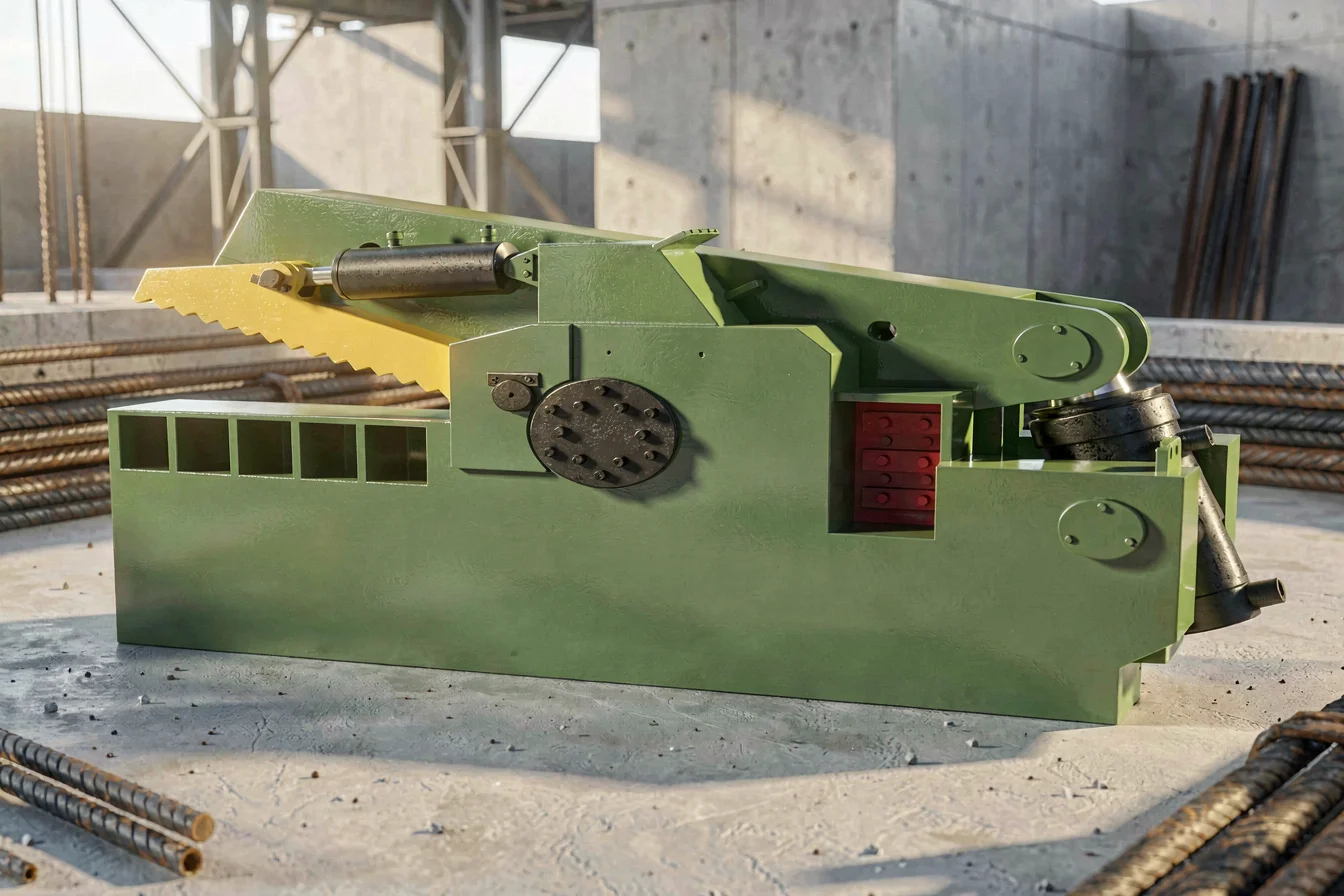
The market for rebar cutter tools is experiencing volatility, with electric variants leading supply and demand. Hydraulic cutters remain relevant for thicker rebar, but their niche status is underscored by limited search and sales growth [1]. Manual cutters are increasingly seen as outdated, with buyers citing fatigue and safety risks as major drawbacks [11]. Macro trends include rising construction activity, stricter safety regulations, and a push toward automation and reduced labor injury [8]. Supply chain resilience is critical, with buyers prioritizing suppliers offering OEM/ODM flexibility, quick lead times, and reliable after-sales support.
| Market Dimension | Current Status | Impact Level |
|---|---|---|
| Electric Cutter Supply | Strong | High |
| Hydraulic Cutter Supply | Stable | Medium |
| Manual Cutter Supply | Declining | Low |
| OEM/ODM Availability | Expanding | High |
| Safety Compliance | Tightening | High |
Google Trends: Global Search Heat for Rebar Cutter Types, 2025–2026
Google Trends data shows electric rebar cutter queries consistently outpacing manual and hydraulic types, with notable spikes in late 2025 and early 2026 [1]. This signals strong momentum for electric cutters, especially during construction booms and infrastructure upgrades. Buyers should time procurement to coincide with these peaks, securing inventory before price hikes and supply bottlenecks. Hydraulic and manual cutters remain steady but are niche, indicating buyers should focus sourcing efforts on electric models for maximum ROI.
Electric rebar cutter demand is at its highest, with buyers advised to prioritize procurement ahead of construction cycles to avoid shortages and price increases.Online communities and social media provide critical insight into real-world use cases and pain points for rebar cutter tools. Reddit discussions highlight that manual cutters are labor-intensive, with many users preferring angle grinders or bolt cutters for small jobs, but noting significant fatigue and injury risk [11]. Electric cutters are praised for their speed and precision, while hydraulic models are recommended for heavy-duty, thick rebar jobs. Sentiment is overwhelmingly positive for electric cutters, with buyers citing ease of use, low noise, and consistent performance. TikTok trends emphasize viral videos of electric cutters in action, showcasing their portability and quick cuts, further reinforcing buyer confidence.
“Metal rebar I use daily, up to 10mm is doable with a good bolt cutter but anything bigger I would really use a grinder 😉 We use air pressured bolt cutters at work and they go up to 12mm.” [11]
“I am in the Cold Heading business and this product replaces very expensive and problematic manual cutters. It cuts through our CHQ wire with ease.” [2]
| Dimension | Reddit Insights | TikTok Insights |
|---|---|---|
| Manual Cutter Use | Labor-intensive, high fatigue | Rare, seen as outdated |
| Electric Cutter Use | Fast, low noise, praised for ease | Viral, portability showcased |
| Hydraulic Cutter Use | For thick rebar, less portable | Niche, not widely promoted |
| Safety Concerns | Angle grinders preferred for safety | Safety highlights in videos |
| Pain Points | Fatigue, sparks, injury risk | Noise, maintenance |
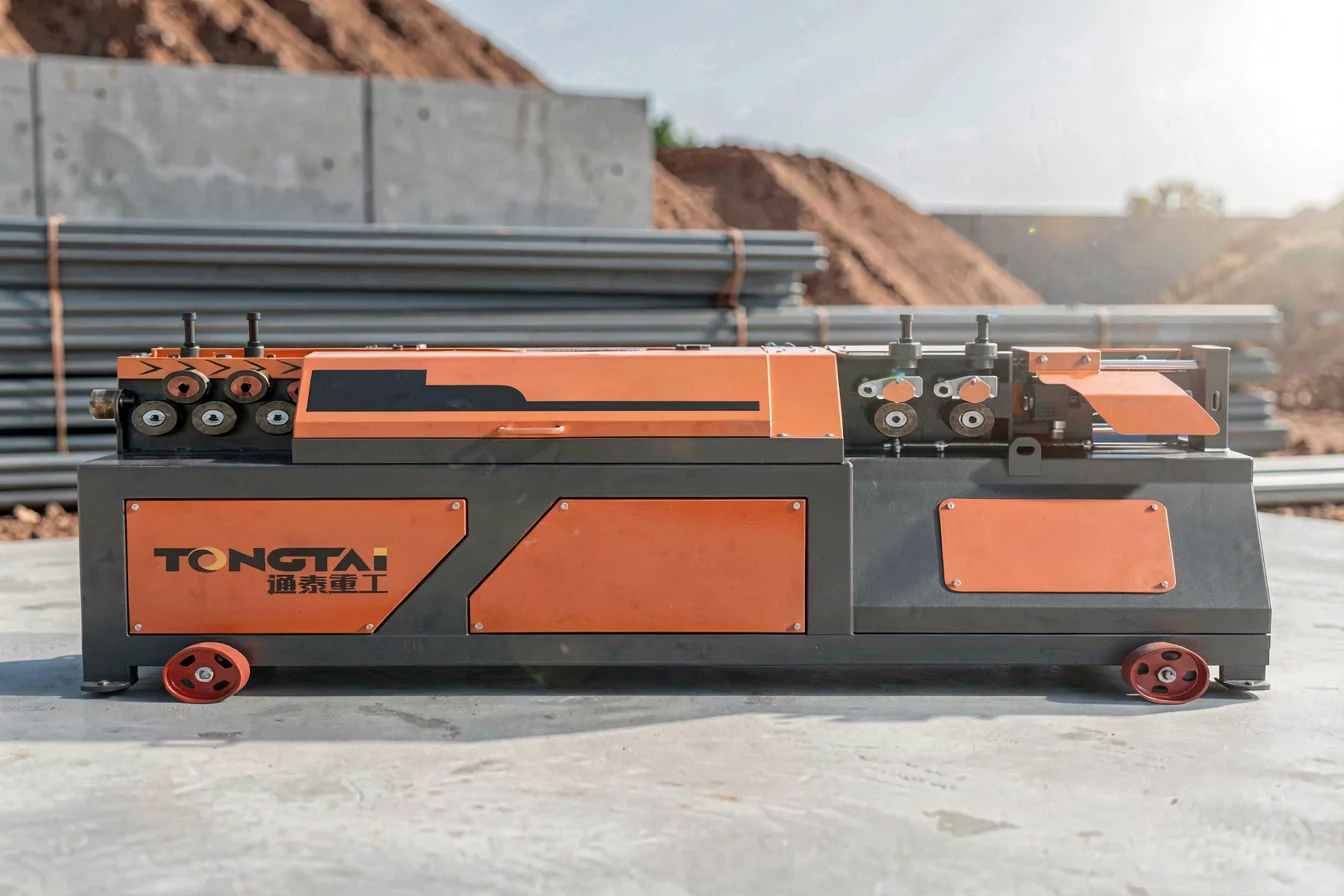
Amazon’s top-selling rebar cutter products are dominated by electric and hydraulic variants, with portable, high-capacity models receiving the highest ratings and most positive reviews. Buyers prioritize cutting speed, blade quality, and ease of use, with electric cutters rated 4.4–4.8/5.0 and hydraulic cutters slightly lower but still highly rated [2]. Manual cutters are present but less favored, with only one model reaching 4.6/5.0. Price ranges from $199.99 to $455.9, with most models cutting up to 1” diameter rebar.
| Image | Name | Price | Rating | Key Features |
|---|---|---|---|---|
 |
Lotos RC16A Electric Rebar Cutter | $299 | 4.4 | 1000W motor, Cr12MoV blades, portable |
 |
5/8 Inch Electric Hydraulic Rebar Cutter | $209.99 | 4.1 | 1100W motor, ergonomic handle, non-sparking |
 |
Portable Rebar Cutter DC-20WH | $0 | 4.5 | Cuts 3/4-inch rebar, 3 seconds |
 |
Electric Hydraulic Rebar Cutter PC-16 | $199.99 | 4.4 | 1000W motor, lightweight, 16.5 lbs |
 |
Hydraulic Rebar Pliers | $34.99 | 5.0 | Heavy-duty, portable, large cutting range |
 |
VEVOR Electric Hydraulic Rebar Cutter | $455.9 | 4.5 | 1700W motor, cuts 1” rebar, stainless case |
 |
1 Electric Hydraulic Rebar Cutter RC25 | $419.99 | 4.8 | 2–3S cutting speed, Cr12MoV blades |
 |
Anbull 1250W Electric Hydraulic Rebar Cutter | $351.49 | 4.2 | Replaceable blades, 3–3.5S cutting speed |
 |
MBC-16B Manual Bender/Cutter | $380.15 | 4.6 | Longer handle, adjustable roller |
 |
BNCE-20 Cutting Edge Saw | $345.75 | 4.5 | Cuts rebar, conduit, pipe, lightweight |
Buyer reviews highlight the strengths and weaknesses of leading rebar cutter products. Electric cutters are consistently praised for their speed, precision, and portability, with users noting minimal noise and sparks. Hydraulic models are valued for their cutting force, but some buyers report heavier weight and slower operation. Manual cutters receive mixed reviews, with some praising their leverage but others citing fatigue and safety concerns. Common complaints include blade wear, maintenance cycles, and difficulty cutting thick rebar without sparks.
“Works well 👍” [2]
“It’s amazing. It works very well.” [2]
“I am in the Cold Heading business and this product replaces very expensive and problematic manual cutters. It cuts through our CHQ wire with ease.” [2]
“Strong enough for my small project.” [2]
| Product Name | Top Praise | Top Complaint | Overall Sentiment |
|---|---|---|---|
| Lotos RC16A Electric Rebar Cutter | Fast cutting, low noise, portable | Blade wear, maintenance cycles | Positive |
| 5/8 Inch Electric Hydraulic Rebar Cutter | Accurate, ergonomic, easy to store | Occasional blade dulling | Positive |
| VEVOR Electric Hydraulic Rebar Cutter | Strong, cuts thick rebar | Heavier, slower than electric | Positive |
| MBC-16B Manual Bender/Cutter | Leverage, durable | Fatigue, sparks | Mixed |
| BNCE-20 Cutting Edge Saw | Lightweight, easy to use | Limited to smaller rebar | Positive |
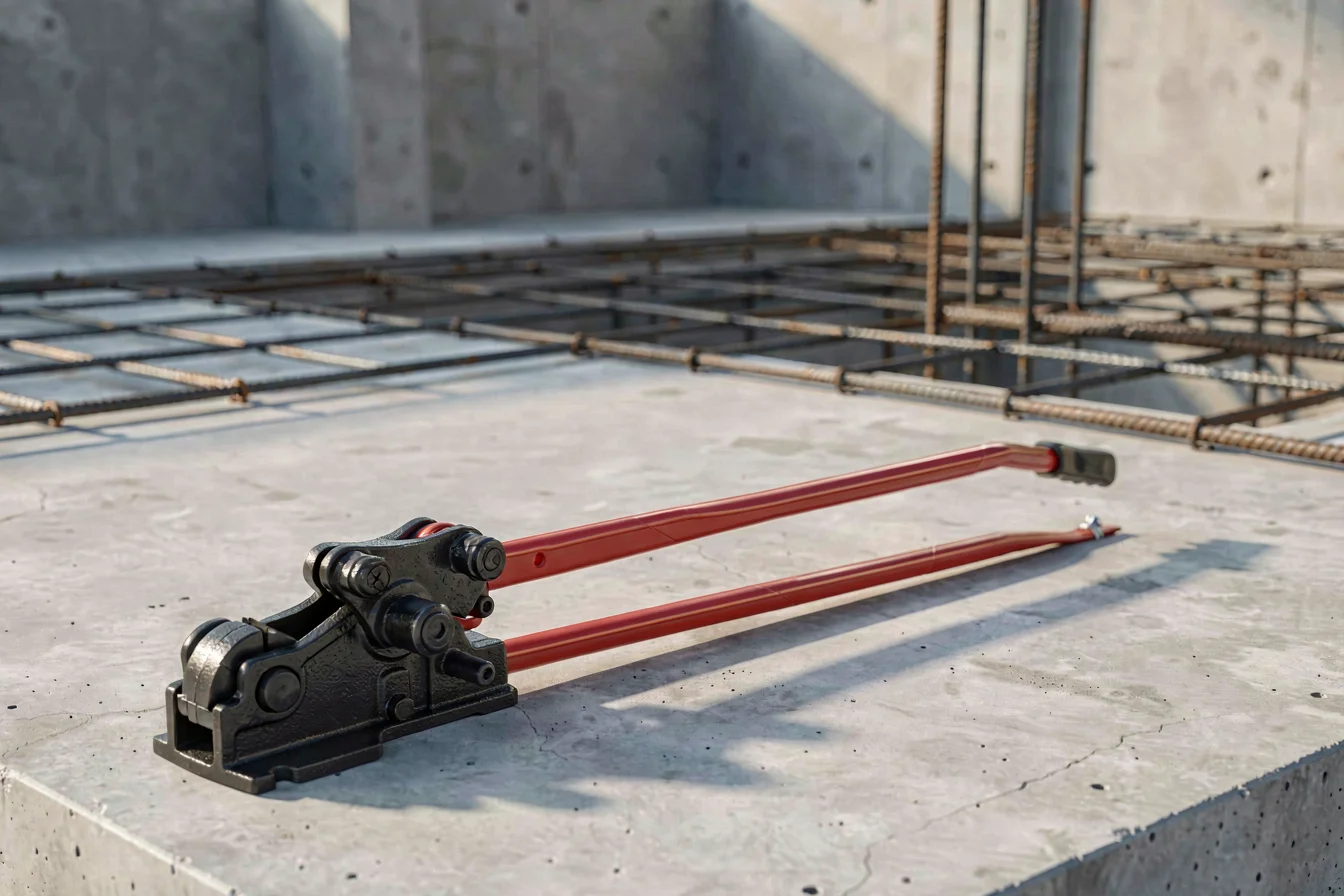
Reliability is paramount for rebar cutter procurement, especially for high-volume or industrial projects. Electric cutters with Cr12MoV blades and pure copper motors consistently outperform manual and hydraulic models in defect rates and service life [2][8]. Hydraulic cutters deliver higher force but require more maintenance and have shorter service lives. Buyers should benchmark products on defect rates, maintenance cycles, and expected service life, prioritizing models with proven blade durability and low noise operation. Strategic sourcing should focus on OEM/ODM partners offering customization, fast lead times, and after-sales support. Price negotiation levers include batch volume, blade quality, and warranty terms.
| Benchmark Dimension | Electric Cutter | Hydraulic Cutter |
|---|---|---|
| Defect Rate | Low (2–5%) | Medium (5–10%) |
| Maintenance Cycle | 6–12 months | 3–6 months |
| Service Life | 3–5 years | 2–3 years |
| Noise Level | Low | Medium |
| Blade Durability | Cr12MoV, long life | Steel, medium life |
Looking ahead, the rebar cutter market will continue to be shaped by advances in electric motor technology, blade material science, and automation. Buyers should expect further improvements in portability, noise reduction, and cutting precision, with OEM/ODM customization becoming standard. Pricing is likely to stabilize as supply chains recover, but buyers should secure inventory ahead of construction booms to avoid price hikes and shortages. Strategic procurement means prioritizing electric models, negotiating for blade longevity and warranty, and partnering with reliable suppliers on Alibaba.com. As the market evolves, buyers who focus on reliability, customization, and safety will gain a competitive edge in construction and industrial projects.
The future of rebar cutter procurement is electric, with buyers advised to invest in durable, high-capacity models and secure supply ahead of peak construction cycles for optimal ROI.