
All categories
Featured selections
Trade Assurance
Buyer Central
Help Center
Get the app
Become a supplier
RAM prices remain volatile in 2026, with DDR5 at historic highs and DDR4 slowly declining. Supply bottlenecks and AI-driven demand have caused persistent upward price pressure, making procurement viable only for performance-critical or future-proofing builds. Buyers should monitor spot market trends and anticipate further price increases for DDR5, while DDR4 offers a more stable, cost-effective option for mainstream upgrades [3][4][6].
The surge in RAM price is driven by a perfect storm of supply constraints, AI industry demand, and ongoing manufacturing bottlenecks. DDR5, in particular, faces extreme price inflation as manufacturers prioritize high-margin server and AI-grade memory, leaving consumer and enterprise buyers with limited capacity and elevated costs. Meanwhile, DDR4 has stabilized and is slowly regaining value, but its market share is shrinking as new platforms favor DDR5. Buyers must weigh the long-term benefits of future-proofing against upfront costs, especially for mission-critical applications or high-performance computing. The curated list below reflects current retail and spot market realities, focusing on reliability, compatibility, and price-performance benchmarks.
| Trend Factor | Current Status | Impact on Buying Decision |
|---|---|---|
| AI Industry Demand | Sustained, high | Drives up DDR5 prices; limits supply for enterprise and consumer |
| Supply Chain Bottlenecks | Persistent, especially for DDR5 | Increases procurement risk, delays, and cost volatility |
| DDR4 Market Stability | Slow decline, stable | Offers value for mainstream builds; less risk |
| Consumer Sentiment | Frustrated, cautious | Delays upgrades; drives interest in used or alternative tech |
Market volatility for RAM price is shaped by a combination of AI-driven demand, manufacturing bottlenecks, and strategic capacity allocation among leading suppliers. The “zero-sum” production strategy of Samsung, SK Hynix, and Micron has redirected most wafer capacity toward high-margin HBM and server-grade components, leaving DDR4 and DDR5 consumer modules in short supply. Spot prices for DDR5 have surged by 480% since mid-2025, while DDR4 has stabilized with only minor declines. The NAND flash segment also faces a sharp price drop, but this has little impact on DRAM procurement. Supply chain disruptions, logistics delays, and geopolitical factors further complicate procurement, especially for OEMs and enterprises. Buyers must carefully assess risk exposure and negotiate with suppliers for price protection and guaranteed lead times.
| Market Dimension | Current Status | Impact Level |
|---|---|---|
| DDR5 Price Inflation | Historic highs | High |
| DDR4 Price Stability | Slow decline | Medium |
| Supply Chain Constraints | Persistent | High |
| AI Demand | Sustained | High |
| OEM Negotiation Leverage | Limited | Medium |
RAM price search trend for DDR4, DDR5, and Laptop RAM (2025–2026)
Google Trends data shows sustained high search interest for DDR4, DDR5, and Laptop RAM throughout 2025 and early 2026, with notable peaks in Q2 2026. Demand for DDR4 and DDR5 remained robust, indicating persistent buyer activity and uncertainty around price drops. Laptop RAM queries saw the highest search volume, likely reflecting consumer upgrade cycles and budget sensitivity. These trends signal that buyers should monitor price movements closely and plan procurement around seasonal demand spikes, especially near major retail events like Black Friday [1].
Search momentum for RAM price remains strong, with buyers actively seeking price drops and future-proofing options amid supply uncertainty.Reddit discussions reveal widespread frustration with RAM price and speculation about future drops, especially for DDR5. TikTok trends focus on budget upgrades, “RAM price hacks,” and influencer reviews of DDR4 and DDR5 kits. Community sentiment is cautious, with many users recommending waiting for Black Friday, buying used, or opting for DDR4 for mainstream builds. Negative sentiment is strongest for DDR5, where price spikes are seen as unsustainable, while DDR4 is viewed as a stable, value-driven option. Resale and secondary market activity is high, with buyers seeking alternatives to mitigate price pain. Overall, the advice is to prioritize reliability, compatibility, and future-proofing, while negotiating with suppliers for price protection.
"RAM prices are pretty stubborn tbh, they don't usually drop that fast even when demand shifts. The OpenAI thing might help eventually but probably not gonna see major changes in just one month 💀 Maybe wait for Black Friday if you can hold off?" [7]
"Will never drop back to early 2025 prices but prices will eventually go down from how extortionate they are now." [8]
| Dimension | Reddit Insights | TikTok Insights |
|---|---|---|
| Price Pain | High for DDR5, moderate for DDR4 | Viral budget hacks, price drops |
| Future Drop Expectations | Cautious, Black Friday focus | Influencer reviews, price monitoring |
| Resale Market | Used RAM recommended, buyer caution | Resale tips, compatibility guides |
| Reliability Concerns | Stability, compatibility focus | Testing guides, performance reviews |
Amazon’s top-selling RAM products in 2026 show a clear divide between DDR4 and DDR5, with DDR4 kits priced $120–$220 and DDR5 kits ranging $395–$499. Leading brands like Corsair, G.Skill, and TeamGroup offer both mainstream and high-performance options, with reliability, compatibility, and overclocking support as key selling points. The most popular kits feature XMP/EXPO profiles, RGB lighting, and robust heat spreaders. Buyers prioritize ease of installation, stability, and future-proofing, especially for gaming and content creation. Retail ratings confirm strong performance and value, but price pain is evident in buyer reviews.
| Image | Name | Price | Rating | Key Features |
|---|---|---|---|---|
 |
Corsair Vengeance LPX DDR4 RAM 32GB | $219.99 | 4.8 | 3200MHz, overclocking, low profile, aluminum heatspreader |
 |
Corsair VENGEANCE RGB DDR5 RAM 32GB | $394.99 | 4.7 | 6400MHz, RGB, Intel XMP 3.0, stable overclocking |
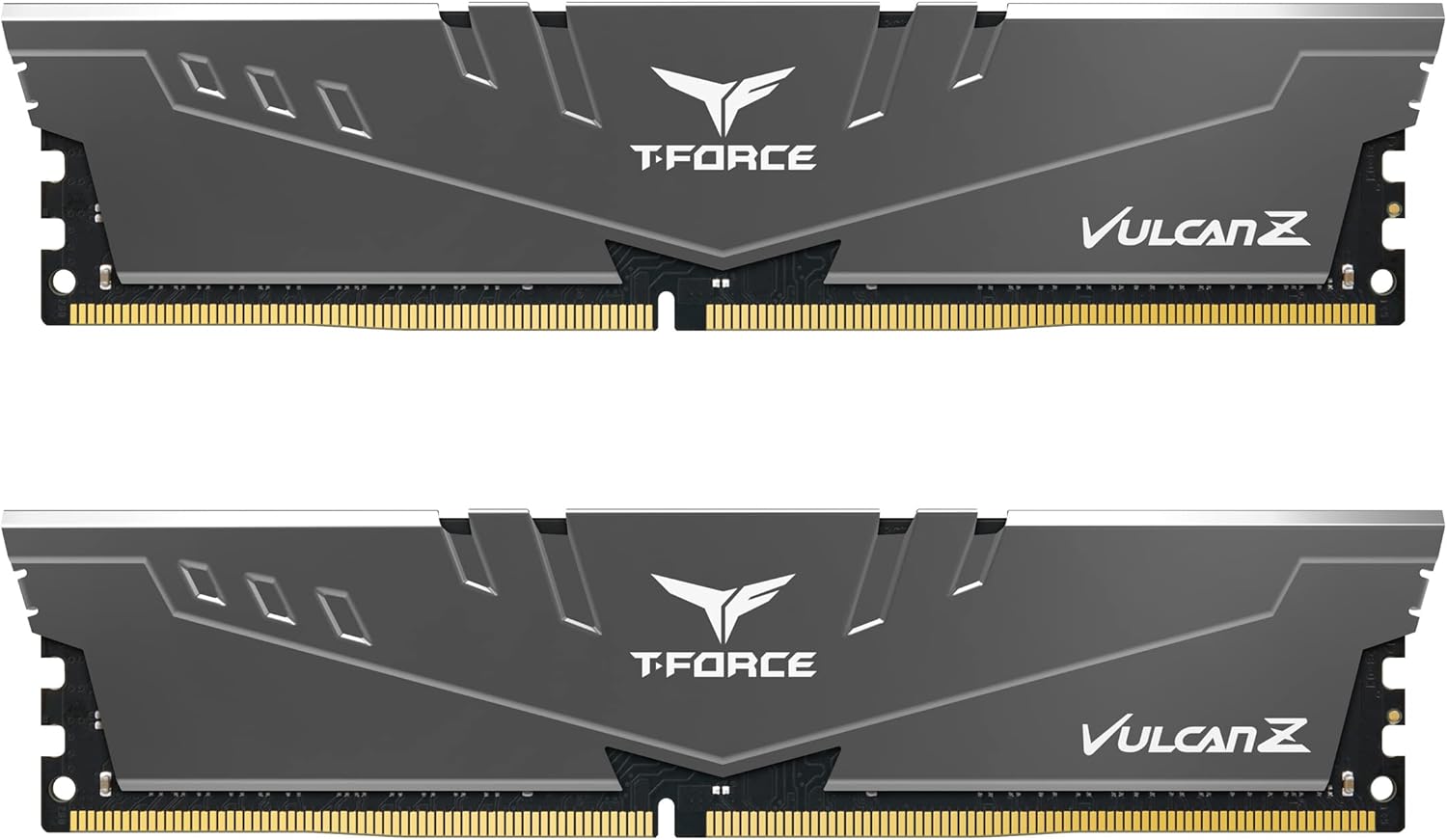 |
TEAMGROUP T-Force Vulcan Z DDR4 DRAM 16GB | $129.99 | 4.8 | 3200MHz, XMP2.0, ultra-low voltage, high thermal conductive adhesive |
 |
G.SKILL RipjawsV Series DDR4 RAM 16GB | $145 | 4.8 | 3200MHz, XMP, Intel/AMD compatibility, easy installation |
 |
G.SKILL Flare X5 Series DDR5 RAM 32GB | $423.21 | 4.7 | 6000MHz, EXPO/XMP 3.0, matte black, high stability |
 |
TEAMGROUP T-Force Delta Alpha RGB DDR5 Ram 32GB | $499.49 | 4.8 | 6000MHz, AMD EXPO, RGB, PMIC cooling, on-die ECC |
Amazon reviews for top-selling RAM kits emphasize performance boosts, stability, and ease of installation. Buyers praise DDR4 kits for value, compatibility, and overclocking headroom, while DDR5 kits are lauded for speed and RGB features. Complaints center on price pain, compatibility issues, and occasional stability problems with new builds. The most common negative feedback is frustration with DDR5’s high cost and the need for BIOS updates. Buyers also highlight the importance of warranty and customer support, especially for high-end kits.
"Super fast, easy to install, and the 32 GB capacity gives my PC plenty of headroom for gaming and multitasking. My system picked it up right away with no issues and everything runs noticeably smoother." [2]
"Slight possibility of needing a BIOS update if building a new PC, or even upgrading RAM. Out of the box, when I installed this kit, I had no power, and a RED VRAM light. This had worried me that it arrived dead on arrival. Luckily, I had another older kit of DDR5 RAM sitting around, and I was able to try to troubleshoot my issue, and all I needed was a BIOS update for it to work." [2]
| Product Name | Top Praise | Top Complaint | Overall Sentiment |
|---|---|---|---|
| Corsair Vengeance LPX DDR4 RAM | Performance boost, easy installation, stability | Price pain, compatibility issues | Positive |
| Corsair VENGEANCE RGB DDR5 RAM | Speed, RGB, stability | Price, compatibility, BIOS update needed | Mixed |
| TEAMGROUP T-Force Vulcan Z DDR4 DRAM | Overclocking, compatibility, value | Price pain, minor stability issues | Positive |
| G.SKILL RipjawsV Series DDR4 RAM | Speed, reliability, design | Price pain, compatibility | Positive |
| G.SKILL Flare X5 Series DDR5 RAM | Speed, stability, compatibility | Price, BIOS update needed | Mixed |
| TEAMGROUP T-Force Delta Alpha RGB DDR5 Ram | RGB, stability, compatibility | Price pain | Positive |
Reliability benchmarks for RAM price products are shaped by defect rates, maintenance cycles, and expected service life. DDR4 kits have lower defect rates and longer service life, while DDR5 kits offer higher performance but face compatibility and stability risks. Buyers should prioritize brands with proven reliability, robust warranty terms, and strong customer support. Strategic sourcing should focus on OEM/ODM partners with supply chain resilience, logistics flexibility, and compliance certifications. Price optimization levers include negotiating for guaranteed lead times, bulk pricing, and warranty extensions. Buyers must also map potential bottlenecks in logistics, raw materials, and geopolitical compliance, especially for DDR5 procurement.
| Benchmark Dimension | DDR4 RAM | DDR5 RAM |
|---|---|---|
| Defect Rate | Low (0.5–1%) | Moderate (1–2%) |
| Maintenance Cycle | Long (5–7 years) | Medium (3–5 years) |
| Service Life | 5–7 years | 3–5 years |
| Compatibility | Wide | Limited (new builds) |
| Warranty Support | Strong | Variable |
Looking ahead, RAM price volatility will remain a defining challenge through 2026, with DDR5 prices expected to climb further and DDR4 offering stable, value-driven options for mainstream builds. The industry is transitioning toward DDR6, but adoption will be slow, and pricing will remain high until supply chains stabilize. Buyers should prioritize supply chain resilience, negotiate price protection, and plan upgrades around seasonal demand spikes. For mission-critical applications, future-proofing with DDR5 is justified, but for budget builds, DDR4 remains the best value. The best strategy is to monitor spot market trends, leverage supplier relationships, and consider used or secondary market options to mitigate price pain. Buyers should act decisively during major retail events and ensure compatibility and warranty support for all procurement decisions.
Strategic buyers must navigate RAM price volatility by prioritizing resilience, future-proofing, and supplier negotiation, while mainstream builds should leverage DDR4’s value and stability.