
All categories
Featured selections
Trade Assurance
Buyer Central
Help Center
Get the app
Become a supplier
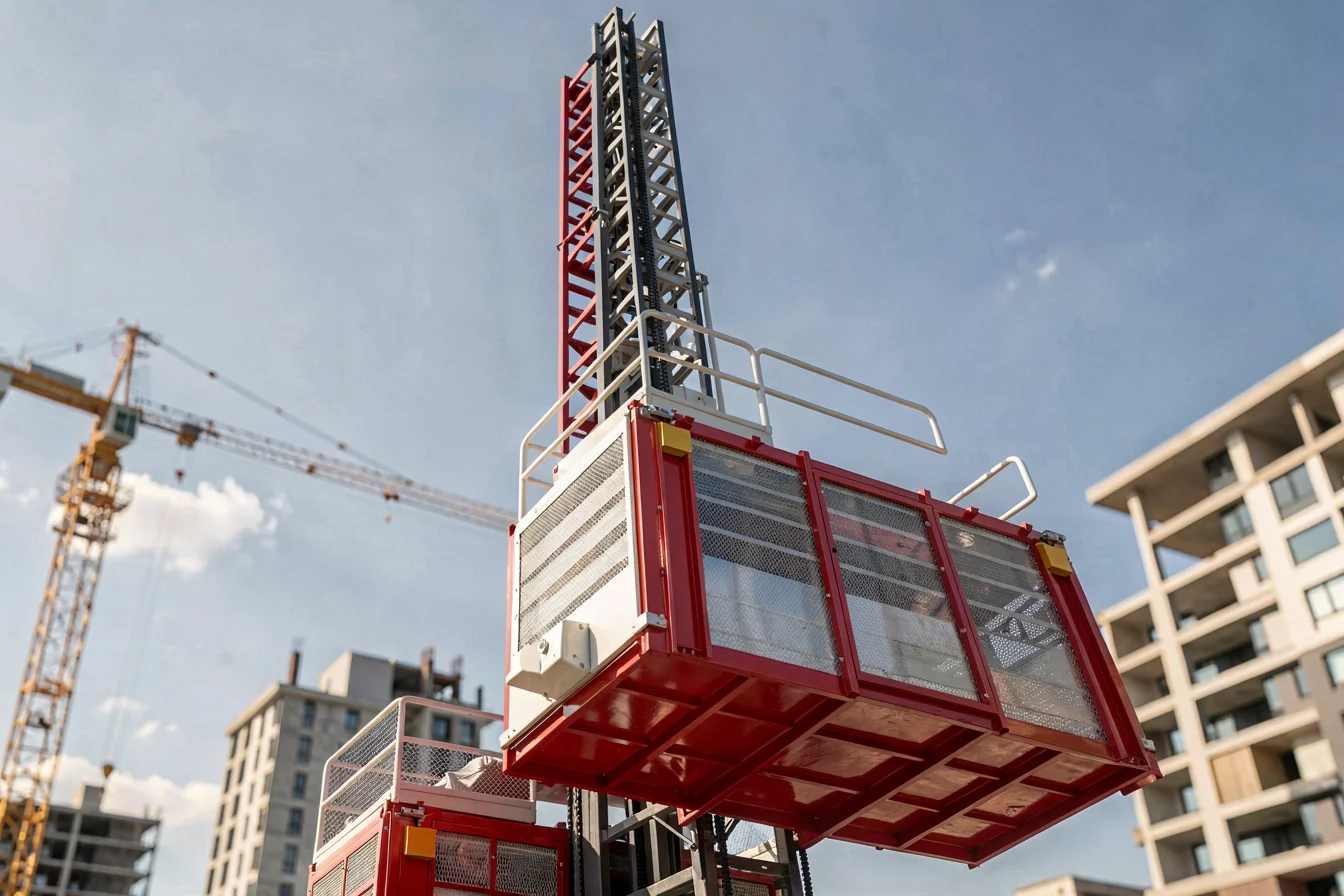
The global demand for rack and pinion elevator solutions is surging, driven by construction, industrial, and retrofit sectors requiring safety, durability, and reliable operation. Google Trends confirms a sharp increase in searches, especially for system, gear, and parts queries, peaking in Q1 2026 [1]. Procurement logic favors certified, precision-engineered units with strong maintenance records and high resale potential as buyers navigate a robust, upward-moving market.
Rack and pinion systems are gaining traction due to their mechanical safety, versatility in harsh environments, and ease of maintenance compared to hydraulic or cable-based elevators [3][4][6]. These elevators can operate reliably outdoors, in temperature extremes, and carry heavy loads, making them ideal for construction sites, refineries, factories, and retrofits. Buyers must understand specific application needs—load capacity, drive precision, safety certifications—and favor products designed for incremental adjustment and robust distributed load-bearing. Maintenance simplicity and fewer moving parts offer cost-saving advantages, but annual inspections and compliance remain essential. Table below summarizes current trend factors:
| Trend Factor | Current Status | Impact on Buying Decision |
|---|---|---|
| Safety & Direct Drive Reliability | High demand for mechanical fail-safe and overspeed brakes | Leads buyers to prioritize certified and tested products |
| Versatility for Harsh Environments | Expanding usage in outdoors, construction, oil & gas | Raises need for corrosion-resistant materials and flexible designs |
| Ease of Maintenance | Simplified design, but buyers must plan for annual contracts | Encourages selection of products with clear service guides |
| Incremental Adjustment Precision | Strong market interest in controlled elevation | Prompts demand for advanced control modules |
The rack and pinion elevator sector is characterized by steady supply, robust industrial demand, and a pronounced preference for OEM-validated products. Market volatility is minimal compared to hydraulic or cable systems, as mechanical simplicity enables smoother sourcing and maintenance. Global manufacturers are expanding capacity for high-grade steels and advanced gearing components; supply chains remain stable, although high-grade materials and precision motors face sporadic delays. Macro drivers include increased infrastructure spending, stricter workplace safety regulations, and a demand for replacement or retrofit units in aging facilities [3][4][6]. Downstream, maintenance contracts and annual compliance checks are cited as major factors in long-term ownership costs.
| Market Dimension | Current Status | Impact Level |
|---|---|---|
| Global Demand | Rising across construction, industrial, and retrofit | High |
| Supply Chain Stability | Robust for core mechanical parts; slight delays for motors | Moderate |
| Compliance and Certification | Increasing regulatory demands | High |
| Maintenance Complexity | Low vs hydraulic, but contracts required | Moderate |
Global Google Search Heat for Rack and Pinion Elevator Systems, Gear, and Parts, 2025–2026
Google search data shows rising and sustained peaks for all major rack and pinion elevator queries, culminating in January 2026 with values close to maximum. Demand is seasonally stronger during late-year and new-year periods, likely coinciding with project planning and budget cycles. Buyers should prioritize procurement during these active windows to ensure best pricing and availability, anticipating lead-time extensions during peak months [1].
Elevator system, gear, and parts queries all reached record highs at the start of 2026, signaling strong underlying market momentum and procurement urgency.Social media conversations on Reddit highlight professional respect for rack and pinion elevator systems, especially in construction and service trade forums. User-generated content focuses on mechanical reliability ("these broke rarely and could be repaired with simpler tools"), safety features ("independent over-speed safety device is essential"), and ease of maintenance versus hydraulic lifts. Complaints center on expensive annual inspection contracts and the persistent cost of maintenance—noted as "a big added subscription type cost that never goes away" and "they break down more than you'd think, so factor in annual maintenance contracts" [16]. TikTok content, though less technical, amplifies influencer narratives about project success, emphasizing streamlined installation and mobility, often using hashtags like #industriallift and #verticalaccess. Below is a summary table:
| Dimension | Reddit Insights | TikTok Insights |
|---|---|---|
| Mechanical Reliability | Rare failures, simple repairs, praised in trade subreddits | Showcased in viral install videos, “problem solved” clips |
| Safety Features | Independent brakes and overspeed control valued | Hashtags stress #safetyfirst and #jobsiteprotection |
| Maintenance Complexity | Annual contracts costly, sometimes poorly explained | Quick maintenance tips, influencer repair guides |
| Practical Applications | Industrial, construction, retrofits dominate narratives | Mobile use, quick deployment highlighted |
"These broke rarely and could be repaired with simpler tools." (Reddit / r/interestingasfuck / comment 5)Overall sentiment is positive, with emphasis on robust engineering and practical safety, though buyers should factor recurring maintenance costs into TCO calculations.
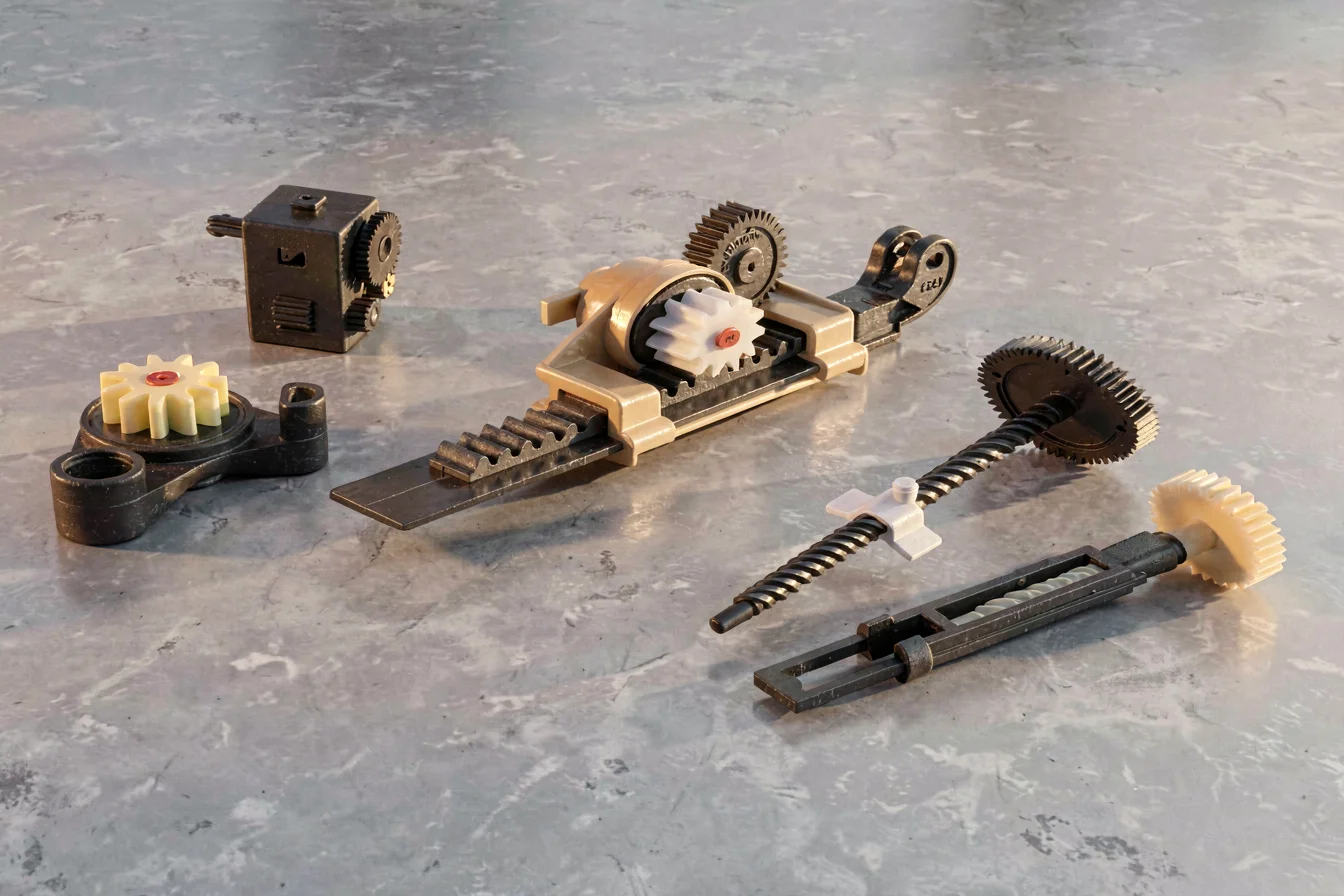
Amazon data reveals that the highest-volume sales for rack and pinion elevator -related products are concentrated in heavy-duty server racks, pinion gear sets, yoke wrenches, and rack mount accessories. The best-selling products showcase high durability, load ratings (up to 1323 lbs), quality steel construction, modularity for field service, and strong customer reviews. Price points range from economy (USD 12.99–16.99) up to advanced, assembled cabinets (USD 890.74). See detailed comparison below:
| Image | Name | Price | Rating | Key Features |
|---|---|---|---|---|
 |
VEVOR 12U AV Rack Stand | USD 98.9 | 4.3/5.0 | Heavy-duty, lockable caster wheels, versatile for AV/server/commercial |
 |
AxcessAbles 12U AV Equipment Rack | USD 159.99 | 4.6/5.0 | Universal 19” mount, 550lb load, robust build, mobile |
 |
48P Pinion Gear Set | USD 12.99 | 4.6/5.0 | Hardened steel, various teeth/pitch, compatible with RC and rack lift |
 |
Stainless Steel Pinion Yoke Wrench Tool | USD 16.99 | 4.4/5.0 | Fits most yokes/flanges; high strength for precision work |
 |
Pinion Yoke Wrench Tool | USD 14.99 | 4.3/5.0 | Universal flange compatibility, dual socket design |
Buyer reviews consistently highlight product durability, ease of installation, and flexible application as key strengths. Criticisms focus primarily on annual maintenance costs, limited availability for certain configurations, and occasional misalignment with advertised specs. Two frequently cited buyer quotes:
"Great amount of space and easy to install ... it is strong ... wheels are good quality ... I definitely recommend for anyone trying to do a clean set up" (VEVOR 12U AV Rack Stand)
"I'm using my 12U has a home lab, for the most part ... The rack is super sturdy, well built, and was easy to assemble ... Don't hesitate" (AxcessAbles 12U AV Equipment Rack)
| Product Name | Top Praise | Top Complaint | Overall Sentiment |
|---|---|---|---|
| VEVOR 12U AV Rack Stand | Strong, easy install, quality wheels | None prominent | Highly Positive |
| AxcessAbles 12U AV Equipment Rack | Super sturdy, easy assembly | Limited supply for higher U sizes | Highly Positive |
| 48P Pinion Gear Set | High quality steel, precise fit | Requires ESC/motor temp checks | Positive |
| Pinion Yoke Wrench Tool | Easy to store, durable material | Simple design, occasional fit issues | Positive |
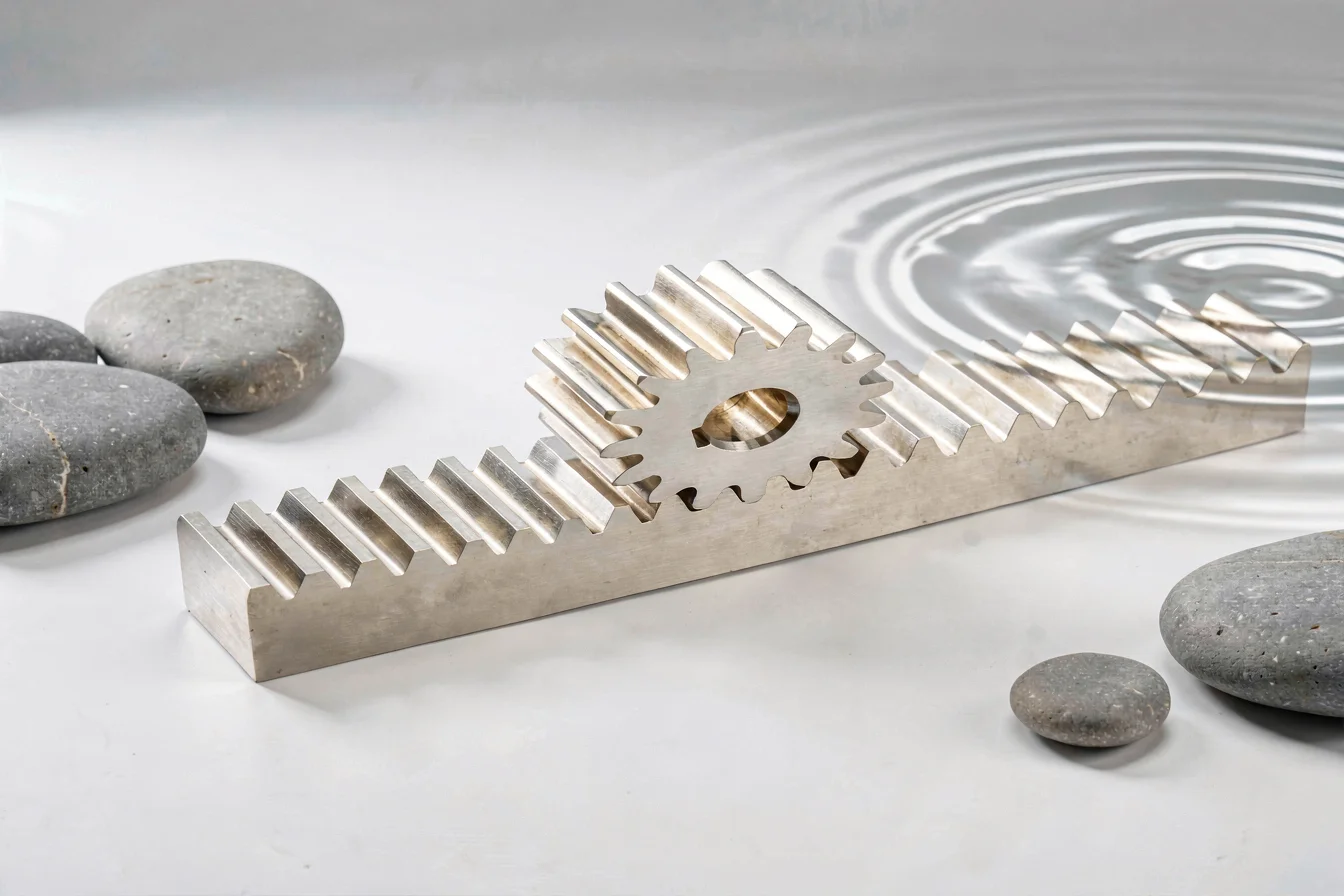
Reliability is central in sourcing rack and pinion elevator systems—buyers must insist on verified defect rates, long service cycles, and documented QA protocols. Common reliability benchmarks include mechanical failure rates below 1% annually, maintenance intervals of 1–3 years, and expected service life exceeding 10 years. Strategic sourcing should prioritize documented OEM/ODM histories, compliance certificates (UL, CE), and supply-chain transparency. Below is a performance table contrasting two leading product classes:
| Benchmark Dimension | OEM Systems | Aftermarket Gear Sets |
|---|---|---|
| Annual Defect Rate | <1% (with documented QC) | 1–3% (varies by supplier) |
| Expected Service Life | 8–12 years | 5–8 years |
| Maintenance Cycle | 12–36 months | 6–24 months |
| QA Certification | UL, CE, ISO | Varies (CE/ISO) |
| Warranty Support | 2–10 years | 1–3 years |
Sourcing risk is most acute in logistics (delays in steel or motors), quality variance in aftermarket suppliers, and compliance gaps for installation or operation. Negotiation levers include batch QA inspection, shipment consolidation, flexible warranty extensions, and prioritizing shortlisted suppliers with a verifiable track record [3][4][6]. For price optimization, buyers should review component bundles, staggered batch scheduling, and pre-negotiated maintenance contracts.
Buyers should insist on detailed reliability data and prioritize OEM sourcing for critical rack and pinion elevator deployments, balancing risk with QA and warranty leverage.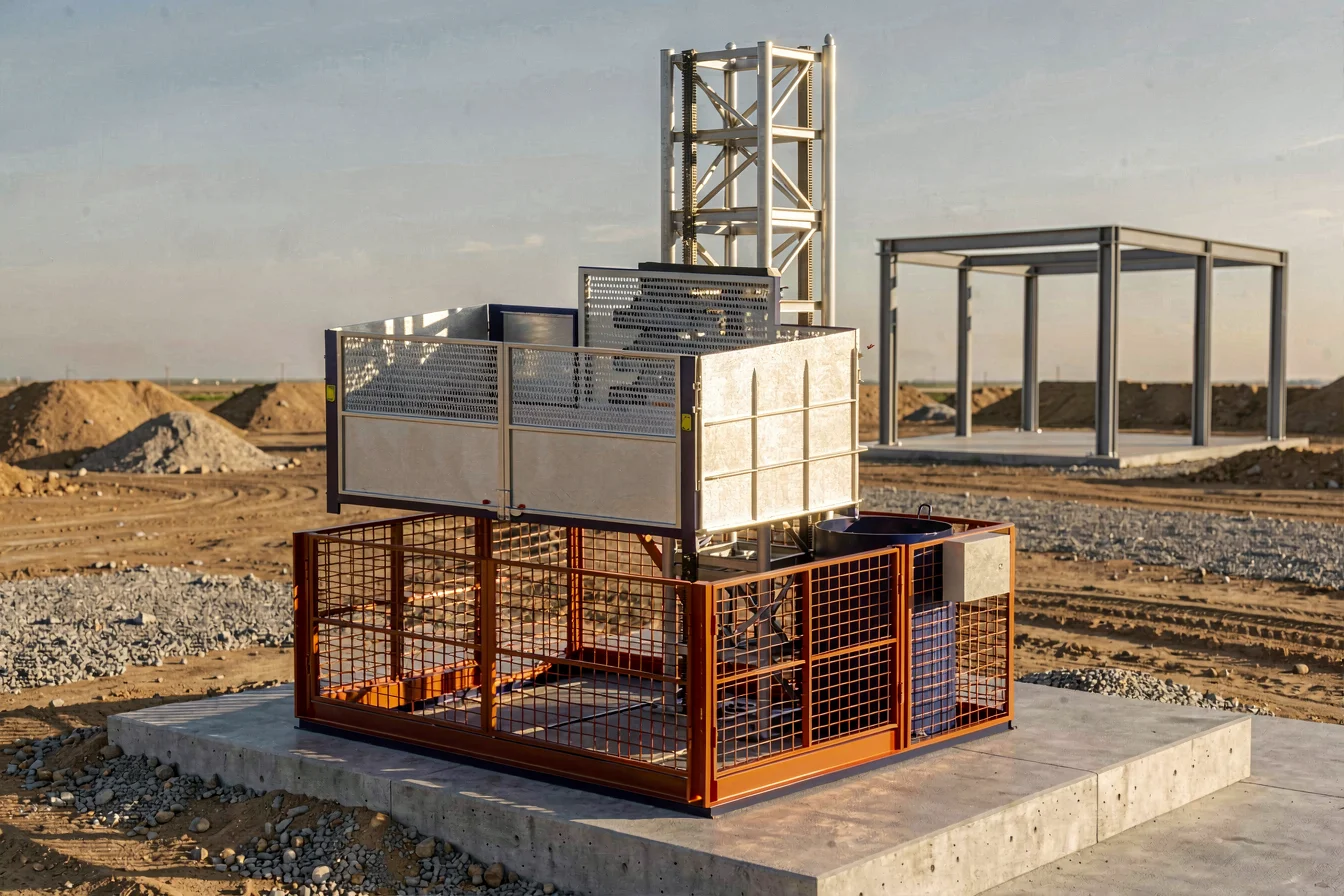
Procurement of rack and pinion elevator systems should leverage direct factory sourcing for bulk installations, authorized distributors for replacement parts, and B2B platforms like Alibaba.com for diversified supplier access. Direct factory contracts offer lower unit prices and custom engineering, but require longer lead times and higher minimum order quantities; distributors provide ready stock and after-sales support, ideal for maintenance and compliance. B2B platforms excel in component diversity, OEM/ODM customization, and transparency in certification. Logistics optimization requires vigilant tracking of lead times (8–16 weeks for custom systems), factoring in international duties (typically 2–5% of value), and compliance with UL, CE, and local safety standards for installation.
| Feature | B2B Advantage |
|---|---|
| Customization | Full OEM/ODM Support |
| Supplier Diversification | Access to global pool of certified factories |
| Compliance Tools | Integrated documentation for UL/CE, local code |
| Price Transparency | Batch pricing, negotiation platform |
| Logistics Integration | Global shipping, duty/tax calculation tools |
The next twelve months will see continued innovation in rack and pinion elevator systems, particularly with the integration of digital control modules, enhanced safety features, and further expansion of corrosion-resistant materials. Pricing remains stable at mid-to-high levels as infrastructure and industrial demand flourishes, but supply-chain resilience and compliance with evolving regulatory standards will differentiate leading suppliers. Buyers should invest in rigorous supplier vetting, validate certifications, and prioritize configuration flexibility as retrofits and new installations accelerate. Immediate action is recommended: start sourcing precision-engineered systems early in the project cycle, favor OEM partners with transparent QA, and leverage B2B platforms for competitive advantage and efficient logistics. This strategic approach ensures both operational safety and long-term value as rack and pinion elevators become indispensable in modern vertical access solutions.