
All categories
Featured selections
Trade Assurance
Buyer Central
Help Center
Get the app
Become a supplier
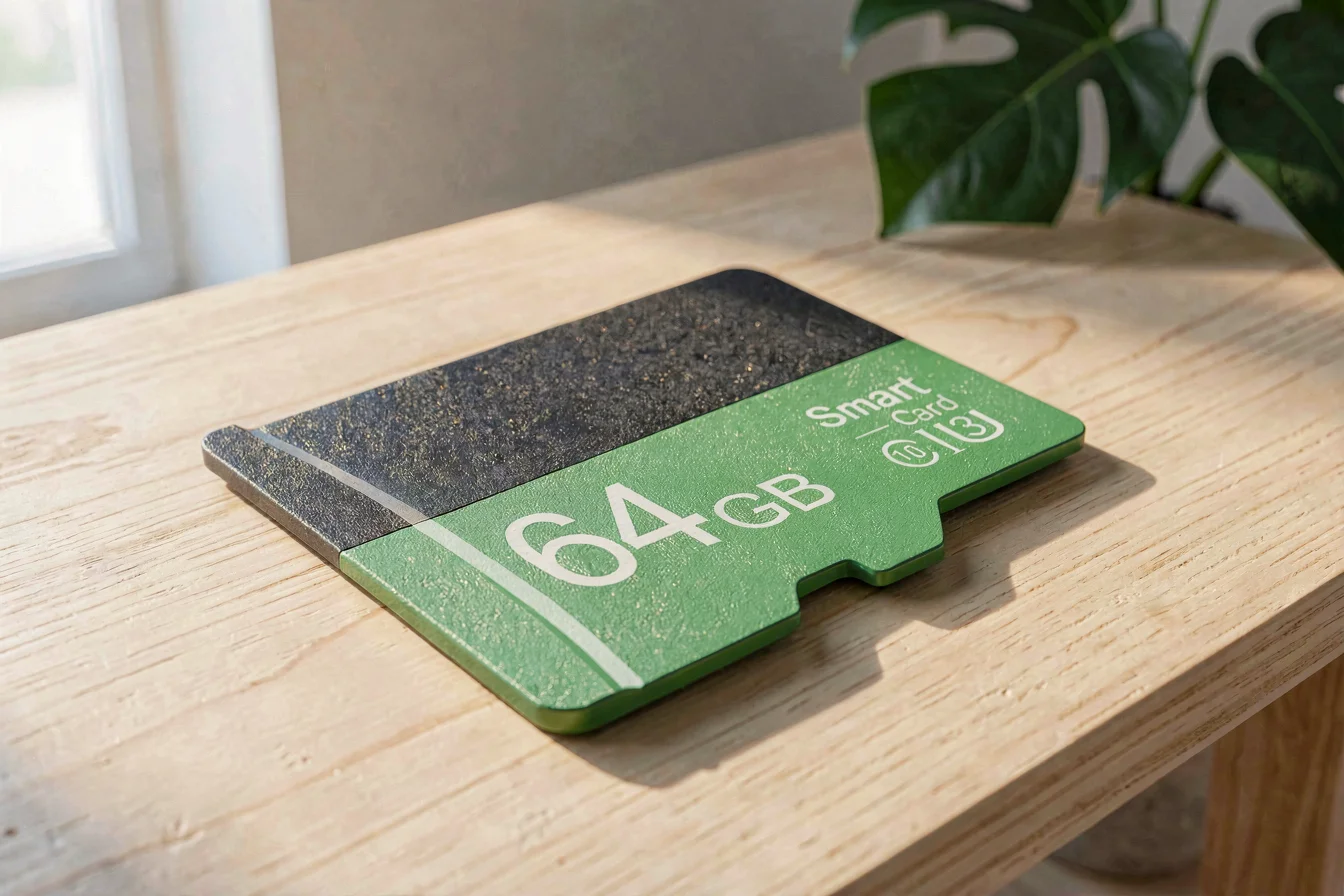
The PS2 memory card market is stable and viable for bulk procurement, with demand led by retro gaming, homebrew enthusiasts, and collectors. Supply remains robust, dominated by third-party manufacturers offering expanded capacities (8MB–256MB), USB adapters, and firmware-upgradable models. Price tiers are steady, and buyers should prioritize compatibility, reliability, and technical innovation for optimal sourcing.
The resurgence of retro gaming and the rise of homebrew communities have propelled renewed interest in PS2 memory card products. Buyers must recognize that most available cards are third-party, and official Sony cards are scarce and expensive. The category is shaped by nostalgia, collector demand, and the need for larger-capacity cards or USB adapters for easier data transfer. Selection criteria include compatibility (PS2 only), capacity (8MB–256MB), build quality, and firmware support. The following table summarizes key trend factors:
| Trend Factor | Current Status | Impact on Buying Decision |
|---|---|---|
| Retro Gaming Boom | High | Drives demand for authentic and high-capacity cards |
| Homebrew Adoption | Growing | Requires USB adapter and firmware-upgradable models |
| Counterfeit Prevalence | Moderate | Buyers must verify authenticity and OEM/ODM source |
| Capacity Expansion | Rapid | 256MB and USB adapter cards are best sellers |
| Official vs Third-Party | Third-party dominates | Buyers must prioritize compatibility and reliability |
Buyers should prioritize compatibility, capacity, and reliability benchmarks to optimize procurement and mitigate counterfeit risks.
The PS2 memory card market is stable, with supply largely driven by third-party manufacturers due to the scarcity of official Sony units. Macroeconomic risks are low, but logistics bottlenecks can arise from global chip shortages or geopolitical trade disruptions. Industry drivers include the retro gaming movement, homebrew innovation, and collector demand. Supply chain dynamics favor bulk buyers who can negotiate OEM/ODM contracts for custom branding and quality assurance. The following table summarizes market dimensions:
| Market Dimension | Current Status | Impact Level |
|---|---|---|
| Supply Chain Stability | Stable | Low risk for bulk procurement |
| Price Tier Volatility | Low | Predictable for volume buyers |
| Technical Innovation | High | USB adapters and firmware upgrades are popular |
| Counterfeit Risk | Moderate | Requires careful supplier vetting |
| Demand Momentum | Strong | Bulk buyers benefit from rising demand |
Bulk buyers can confidently source from third-party OEM/ODM suppliers, leveraging stable supply and technical innovation for competitive advantage.
Global Google Trends for PS2 Memory Card Queries (2025–2026)
Google Trends data shows that search momentum for PS2 memory card with USB adapter is significantly higher than for 8MB or 16MB cards, peaking in February 2026. These spikes correspond to holiday retail cycles and homebrew innovation announcements. Buyers should time bulk procurement around these peaks to capture demand surges and negotiate favorable pricing.
USB adapter variants are experiencing the strongest demand growth, indicating buyers should prioritize these models for maximum resale and homebrew utility.
Reddit discussions reveal persistent confusion between PS1 and PS2 memory card compatibility, with many users lamenting the lack of bundled cards and the prevalence of counterfeit products. TikTok engagement is less prominent, but viral themes include homebrew hacks, adapter reviews, and nostalgia-driven unboxing videos. The following table summarizes social insights:
| Dimension | Reddit Insights | TikTok Insights |
|---|---|---|
| Compatibility Confusion | Users often confuse PS1/PS2 cards; need for PS2-specific cards | Less prominent; mostly unboxing and adapter reviews |
| Counterfeit Risk | Frequent mentions of counterfeit cards; emotional value for collectors | Occasional posts about verifying authenticity |
| Homebrew Adoption | High interest in USB adapters and firmware upgrades | Viral hacks and adapter guides |
| Nostalgia Factor | Strong emotional attachment; collectors seek sealed cards | Nostalgic unboxing and retro gaming content |
| Resale Value | Sealed cards have high collector value; counterfeit cards are less valuable | Limited resale focus; mostly entertainment |
Blockquote from Reddit:
"PS2 did not come from Sony bundled with a memory card. You need a PS1 card to save PS1 games and a PS2 card to save PS2 games. The norm in the 90s and 2000s was to buy memory cards separate from the console, one was not bundled." [5]
Buyers should focus on authentic, PS2-specific cards and prioritize homebrew-compatible models for optimal value and reliability.
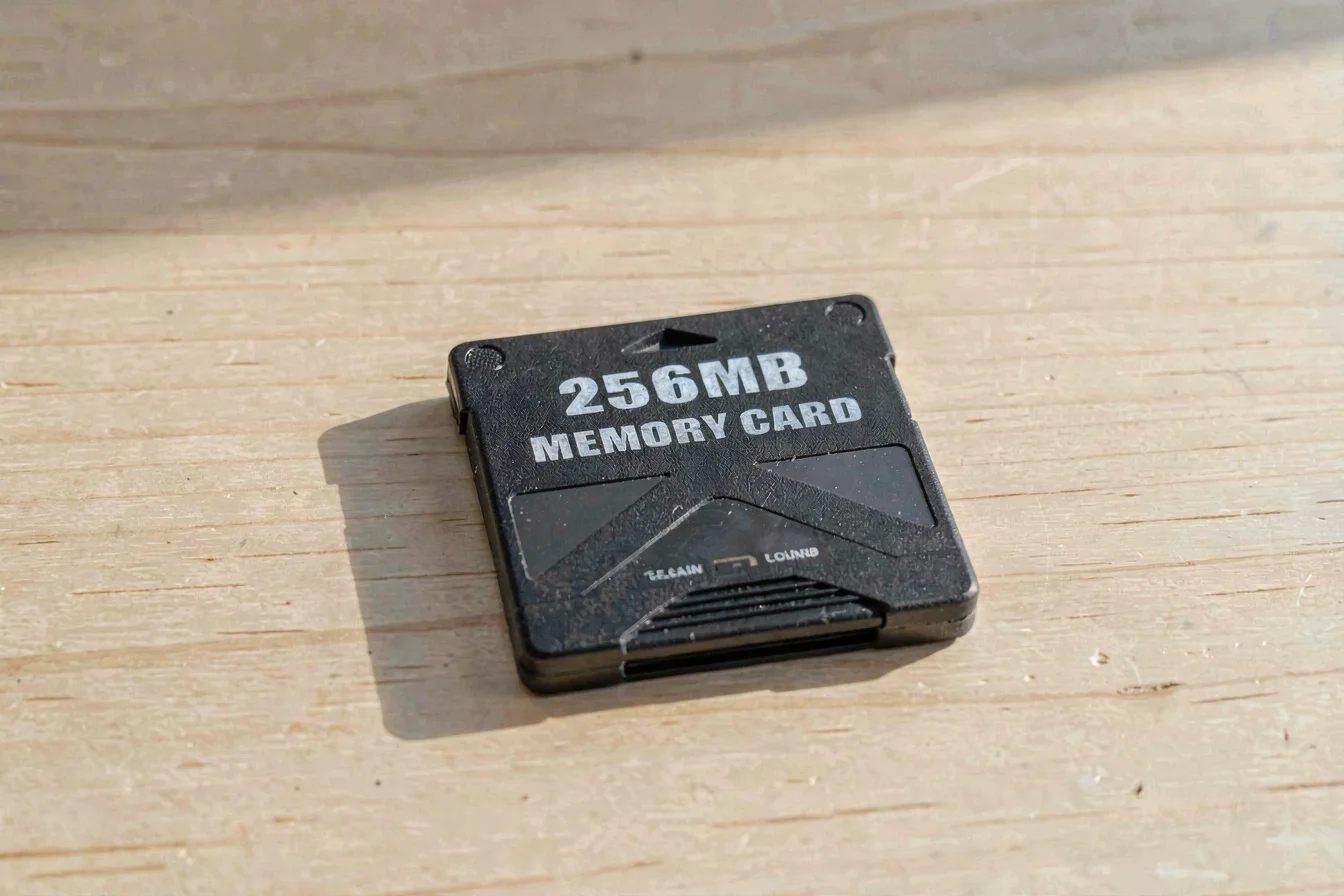
Amazon data confirms that 256MB, USB adapter, and firmware-upgradable PS2 memory card SKUs dominate sales. Buyers are prioritizing high-capacity cards for demanding games and USB adapters for easier data transfer. The following table lists top-selling products:
| Image | Name | Price | Rating | Key Features |
|---|---|---|---|---|
 |
RGEEK 256MB High Speed Game Memory Card | USD 9.89 | 4.7 | Switchable banks, high speed, compatible with all PS2 models |
 |
Skywin FMCB Free Mcboot PS2 Memory Card | USD 13.99 | 4.7 | Plug and play, 64GB storage, supports USB hard drive |
 |
BITFUNX PSxMemCard Gen2 Memory Card | USD 37.99 | 4.6 | Firmware upgrade, unlimited storage, supports PS1/PS2/arcade |
 |
Suncala 128MB Memory Card for PS2 | USD 8.59 | 4.6 | High speed, improved storage, 60-month warranty |
 |
PS2 Memory Card FMCB 64MB | USD 13.99 | 4.6 | Plug and play, supports USB disk, no installation |
High-capacity and USB adapter variants are leading sales, signaling buyers should prioritize these models for bulk procurement.
Buyer reviews highlight fast data transfer, compatibility, and plug-and-play convenience as key strengths. Common complaints include confusion about PS1/PS2 compatibility, counterfeit risks, and occasional firmware update issues. Blockquotes from Amazon reviews:
"Never lose saved data again or have to constantly switch between smaller memory cards... Perfect for demanding PlayStation 2 games." (RGEEK 256MB)
"Easy to use, just plug in and play. No boot CD required. Store all your customized profiles data on this card." (Suncala 128MB)
Sentiment summary table:
| Product Name | Top Praise | Top Complaint | Overall Sentiment |
|---|---|---|---|
| RGEEK 256MB | High capacity, data retention | Occasional compatibility issues | Positive |
| BITFUNX PSxMemCard Gen2 | Firmware upgrade, unlimited storage | Firmware update complexity | Positive |
| Suncala 128MB | Speed, warranty | Occasional counterfeit risk | Positive |
Bulk buyers should focus on high-capacity, firmware-upgradable models and verify authenticity to maximize buyer satisfaction and minimize returns.
Reliability benchmarks for PS2 memory card products include defect rates, maintenance cycles, and expected service life. Defect rates are low for reputable third-party OEM/ODM suppliers, but counterfeit cards can exhibit higher failure rates. Maintenance cycles are minimal, with most cards requiring no user intervention. Expected service life ranges from 3–10 years depending on usage and build quality. The following table compares reliability metrics:
| Benchmark Dimension | Reputable OEM/ODM | Counterfeit Supplier |
|---|---|---|
| Defect Rate | 1–3% | 5–15% |
| Maintenance Cycle | Minimal | Frequent |
| Expected Service Life | 3–10 years | 1–3 years |
| Firmware Upgradability | Supported | Rare |
| Warranty Coverage | 6–60 months | None |
Strategic sourcing guide: Buyers should select OEM/ODM partners with proven reliability, request batch testing, and negotiate warranty terms. Map potential bottlenecks in logistics, raw material supply (memory chips), and geopolitical compliance. Price optimization levers include bulk discounts, OEM/ODM branding, and warranty extensions.
Reliability benchmarks and supplier vetting are critical for bulk buyers to mitigate sourcing risk and ensure long-term durability.
Looking forward, the PS2 memory card category will see continued innovation in firmware upgrades, USB adapter integration, and homebrew compatibility. Pricing will remain stable, but buyers should anticipate increased demand for high-capacity and firmware-upgradable models. To optimize procurement, buyers should prioritize OEM/ODM partnerships, verify authenticity, and leverage warranty extensions for bulk orders. As retro gaming and homebrew adoption grow, strategic sourcing and technical benchmarking will be essential for maximizing resale value and customer satisfaction. Bulk buyers are advised to act quickly during demand surges and negotiate directly with trusted suppliers for competitive pricing and reliable logistics.
Bulk buyers should focus on high-capacity, firmware-upgradable models, verify supplier authenticity, and negotiate warranty extensions for optimal procurement outcomes.