
All categories
Featured selections
Trade Assurance
Buyer Central
Help Center
Get the app
Become a supplier
The hijab has transitioned from a traditional religious garment to an emblem of modern modest fashion, blending cultural heritage with personal expression on a global scale. As we move through 2026, the hijab market experiences dynamic transformation driven by a convergence of cultural shifts, increasing demand for eco-friendly textiles, workplace adaptation, and fierce competition among innovative style creators. Demand trends peak around Ramadan, Eid, and other religious holidays, but 2026 has seen year-round interest surge, propelled by lifestyle influencers, viral tutorials, and a deeper focus on sustainable and comfortable garments [5][6][7][8].
Consumers now seek minimal, breathable, and effortless hijab styles suitable for the office, university, travel, and daily wear. This adaptability makes the hijab more than a religious or cultural symbol—it is a versatile wardrobe staple for millions worldwide. Neutral tones, bold jewel hues, and smart layering techniques dominate the current landscape, reflecting a broader movement toward personal empowerment through modest fashion [7]. Seasonal factors, especially warmer months, intensify interest in lightweight, cool fabrics. Major cultural events, from Islamic festivals to mainstream fashion weeks, amplify visibility and drive retail spikes, shaping both wholesale and retail procurement cycles.
A hijab is a headscarf worn primarily by Muslim women, designed to cover the hair, neck, and often the chest as an expression of modesty in accordance with Islamic guidelines. Historically, hijabs date back over a millennium, with variations evident throughout the Middle East, South Asia, Africa, and recently, global fashion capitals. The earliest hijabs were simple squares or rectangles of plain cotton or linen, gradually evolving to include decorative borders and diverse draping styles [5].
The classification of hijabs depends on:
Contemporary hijab styles offer wearers a wide spectrum of choices—from simple one-sided wraps for quick wear to elaborate Turkish-inspired drapes favored in Southeast Asia. Buyers must prioritize not only style but also fit, coverage, and function based on the intended scenario, making supplier communication and product specification critical in sourcing decisions [9][13].
Hijab-wearing communities and global fashion observers share vibrant, often nuanced views on materials, styles, and personal journeys with this garment. Social sentiment in 2026 reflects both trend excitement and ongoing debates regarding fabric, wearability, and cultural context.
Trending Tutorial Discussions and Style Innovations
Tutorials showcasing bawal (square hijab), bergo pad (instant hijab), and innovative undercap solutions are highly popular. These styles are especially prominent in Indonesia, Malaysia, Singapore, and the UK, catering to a diverse set of face shapes and practical comfort requirements. The cap-hybrid hijab, offering distinct forehead coverage, is widely celebrated for its neat appearance and convenience [9][11][18].
User threads reveal strong preferences for modal, jersey, cotton, and bamboo10][14][15][17].
Popular sentiment trends:
Cultural and Personal Journeys: Confidence, Fit, and Social Critiques
Migrant and multicultural communities share stories of adjusting to hijab wear in various countries, often highlighting differences in cultural expectations, family feedback, and peer influence. New wearers express concern over criticism, struggle with finding the right fit, and search for encouraging communities to build confidence [12]. Influencers fuel fashion excitement and broader acceptance while sometimes sparking controversy over the depiction of hijab as either empowering or restrictive [16].
Common social challenges include:
The global hijab market has entered a new phase of growth in 2026, benefiting from increased visibility of modest fashion and deeper consumer engagement in product selection. Retail and wholesale buyers must recognize rapid style evolution, fabric upgrade demands, and shifting geographic hotspots in procurement strategies.
Market research indicates that sustainable fabrics and modern, comfortable designs drive growth across segments. Regions showing exceptional sales momentum include Southeast Asia, the Middle East, Western Europe, North America, and urban centers in Africa. The emergence of workplace hijabs and athletic variants signals additional growth lanes [6][8].
Strong YoY growth (approx. 18-25% across top retail categories) underscores robust opportunity, especially for buyers who closely monitor seasonal peaks, user-driven styling preferences, and new fabric innovations [1][2][3].
Sentiment Analysis and Review Insights
Detailed review analysis reveals that top-rated products excel in coverage, comfort, and attractiveness. Negative feedback centers on issues of sheer fabric, eye space design, and excessive shedding for certain scarf types. This data highlights actionable redesign priorities for manufacturers targeting new wholesale contracts [1][3].
Sales Trends and Consumer Interest—Bar Chart Analysis
Sales and search volume statistics from Amazon Trends demonstrate rapid shifts in consumer interest, with peaks aligning to cultural festivities and new collection launches. The following bar chart illustrates monthly sales count and search volume for three leading hijab themes: Muslim Women's Hijabs, Hijab Sets & Undercaps, and Elegant Hijab Scarves (August 2025–January 2026).
Comparison of monthly normalized sales and search volumes for top hijab themes, August 2025–January 2026. Insights: Hijab Sets & Undercaps dominate sales, Elegant Hijab Scarves see highest search interest, and Muslim Women's hijabs show upward trend during festive periods.
Actionable Recommendations:
Hot Selling Analysis: The Top 10 Amazon Hijab Products
Analyzing retail customer purchases provides essential insights for bulk procurement decisions. The following table details the top 10 best-selling hijab products, including images, key specifications, retail/wholesale pricing, and star ratings. Table data sourced from [4].
| Product Image | Product Name | Latest Month's Sale Volume | Average Star Rating | Retail Price | Wholesale Price | Key Features |
|---|---|---|---|---|---|---|
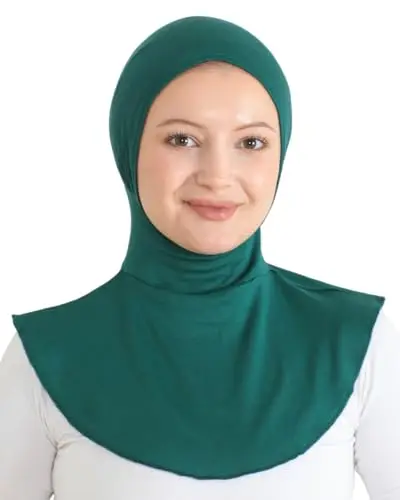 |
Prien Sport Hijab For Women, Muslim Head Scarf | 417 | 4 | $7.9 | $3.0 | Flexible turban, chic gym wear, viscose, neck collar bonnet |
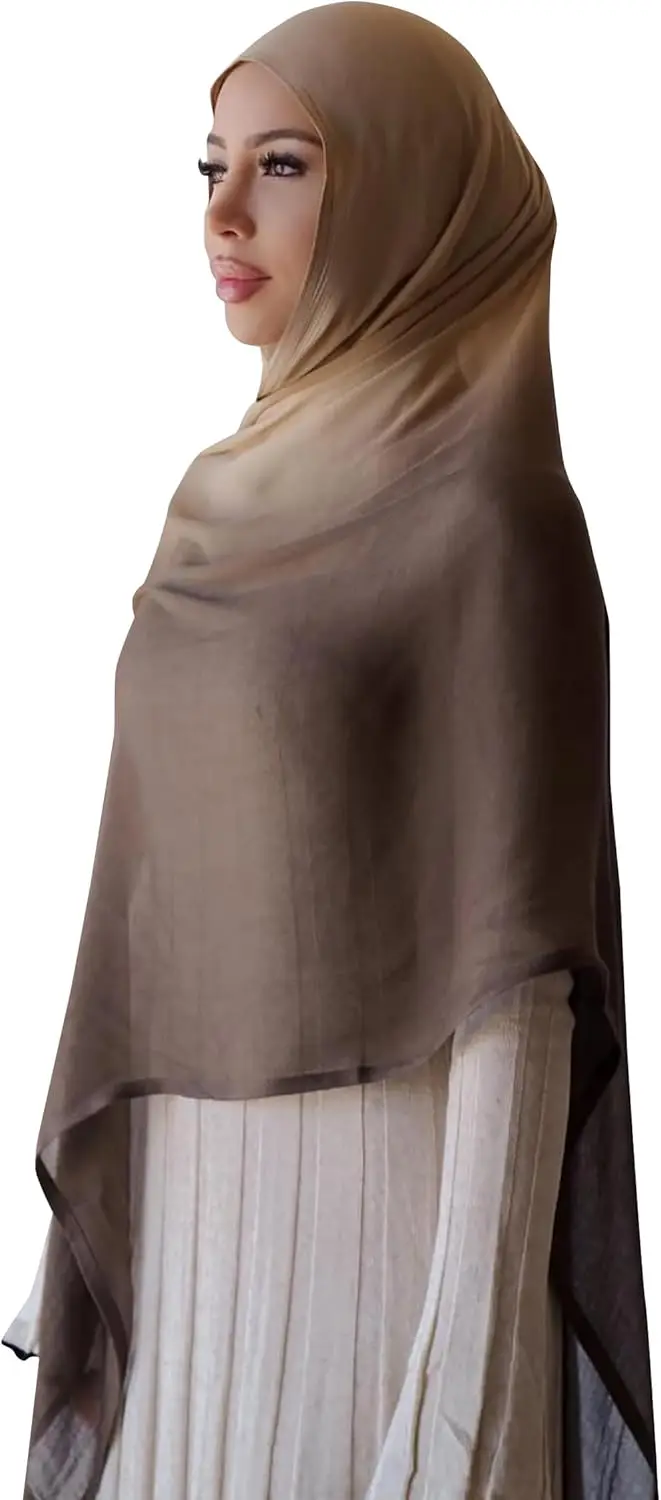 |
Txmout Ombre Modal Hijab Scarf (Almond-Beige) | 323 | 4.1 | $17.41 | $2.4 | Soft lightweight modal, ombre design, premium finish |
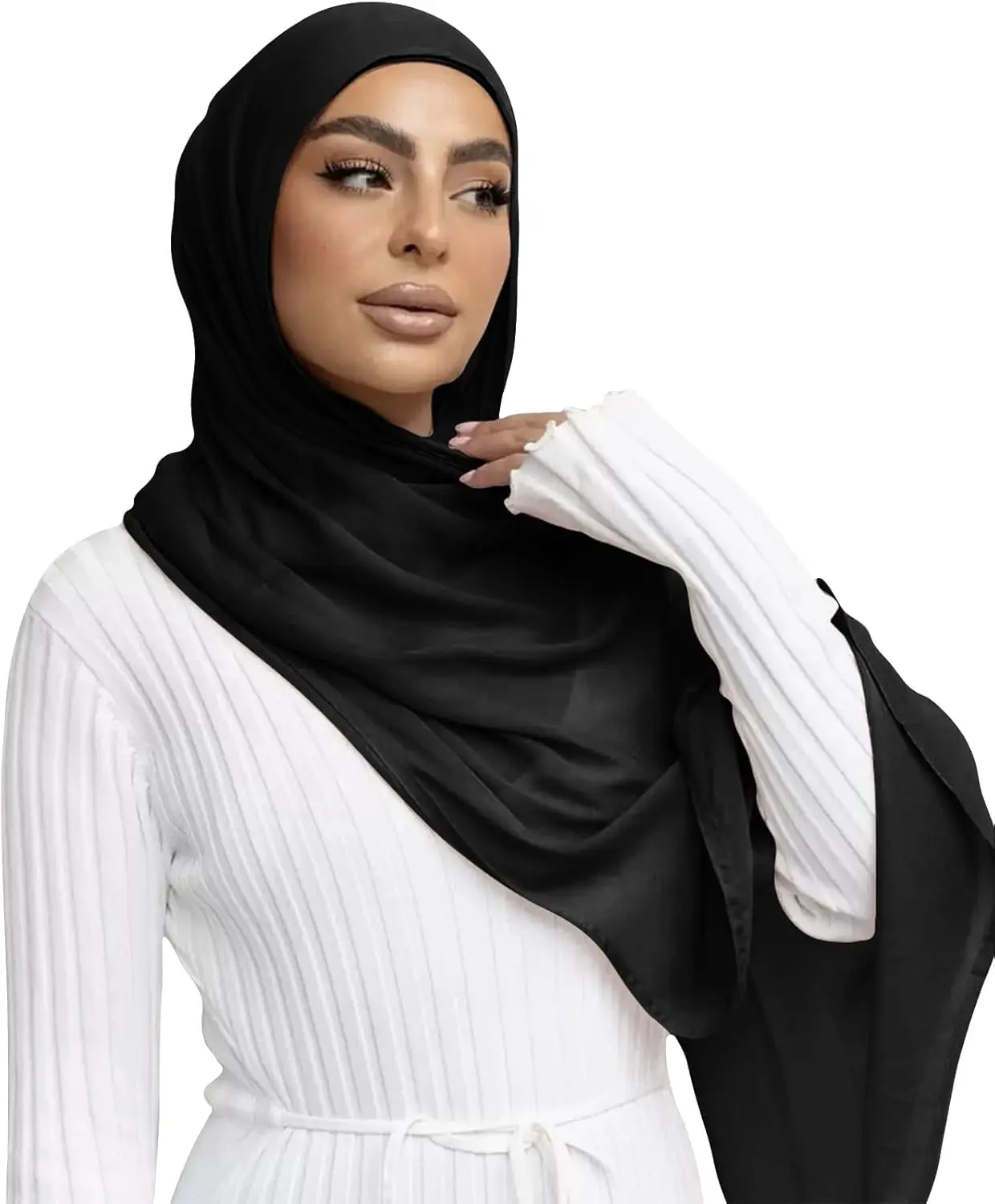 |
Viscose Hijab Scarf for Women Muslim (Cotton Jersey) | 274 | 4.1 | $11.99 | $3.37 | Fashionable long scarf, soft jersey blend, shawl wrap |
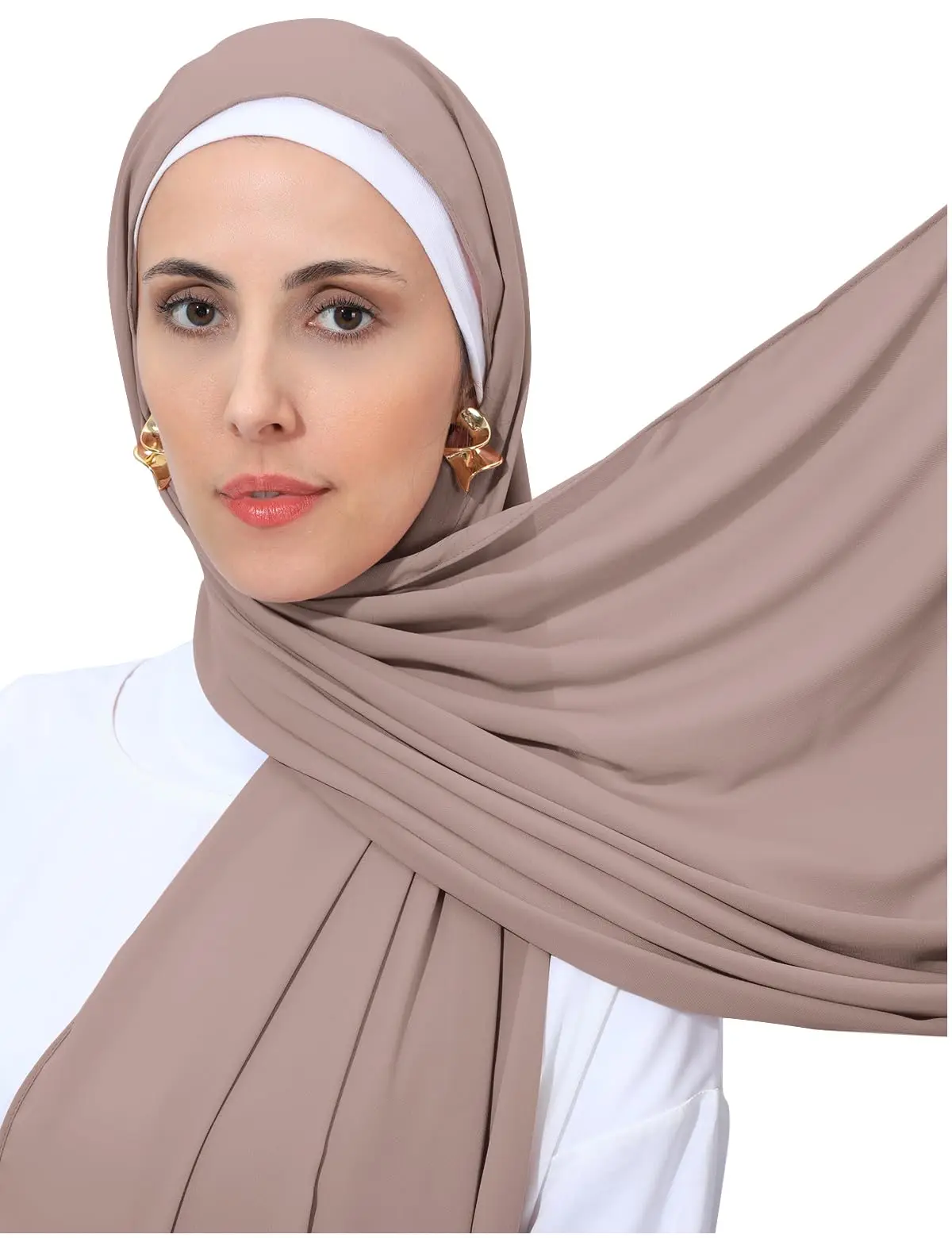 |
PeacePray Heavy Chiffon Hijab (Sandy Brown) | 264 | 4.8 | $12.99 | $3.2 | Non-see-through, smooth finish, elegant, long size |
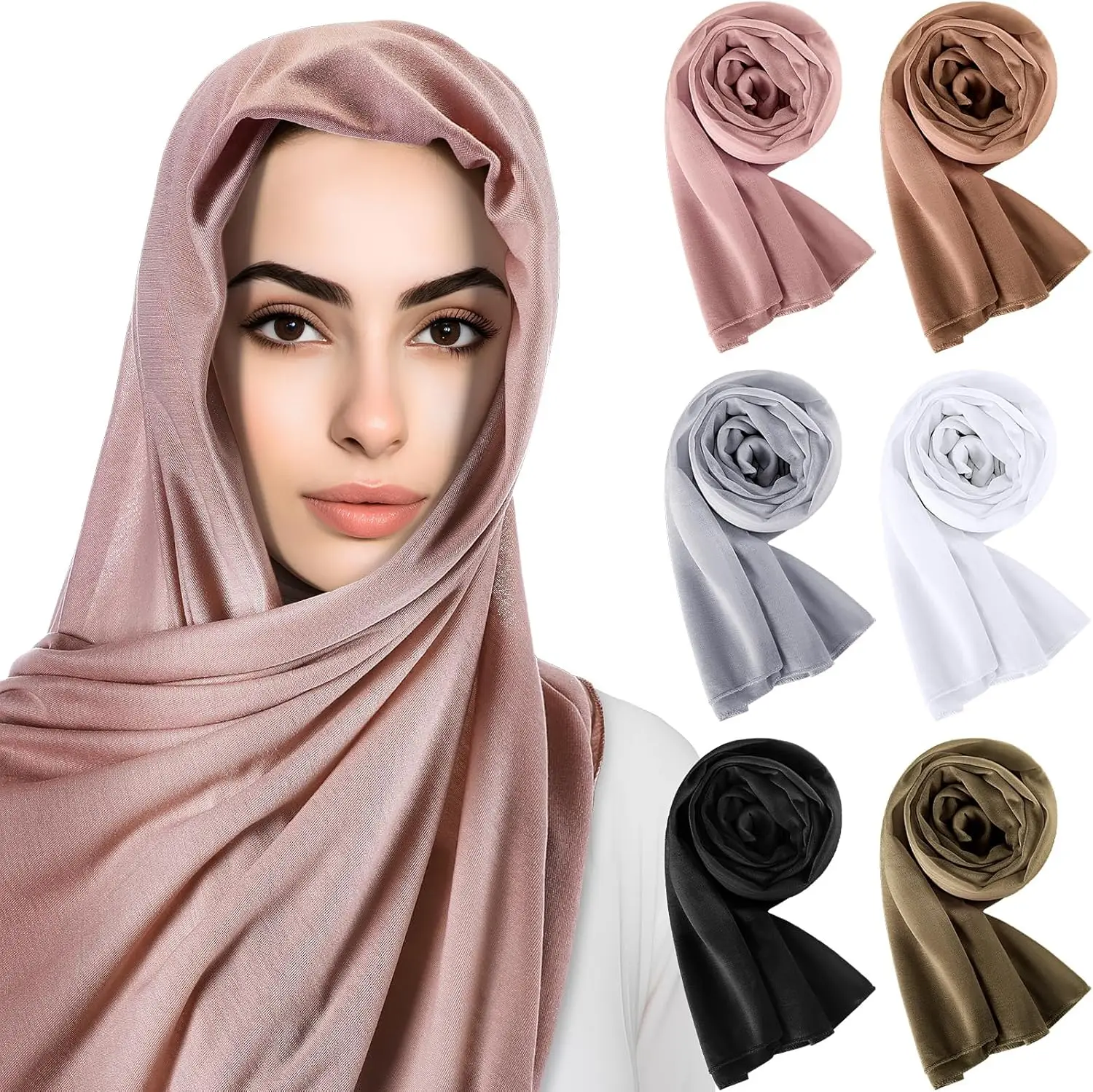 |
6 Pack Hijab Scarves Jersey (Cotton Shawl) | 216 | 4.5 | $30.08 | $1.95 | Soft cotton, bulk pack, long scarf, multipurpose, easy wrap |
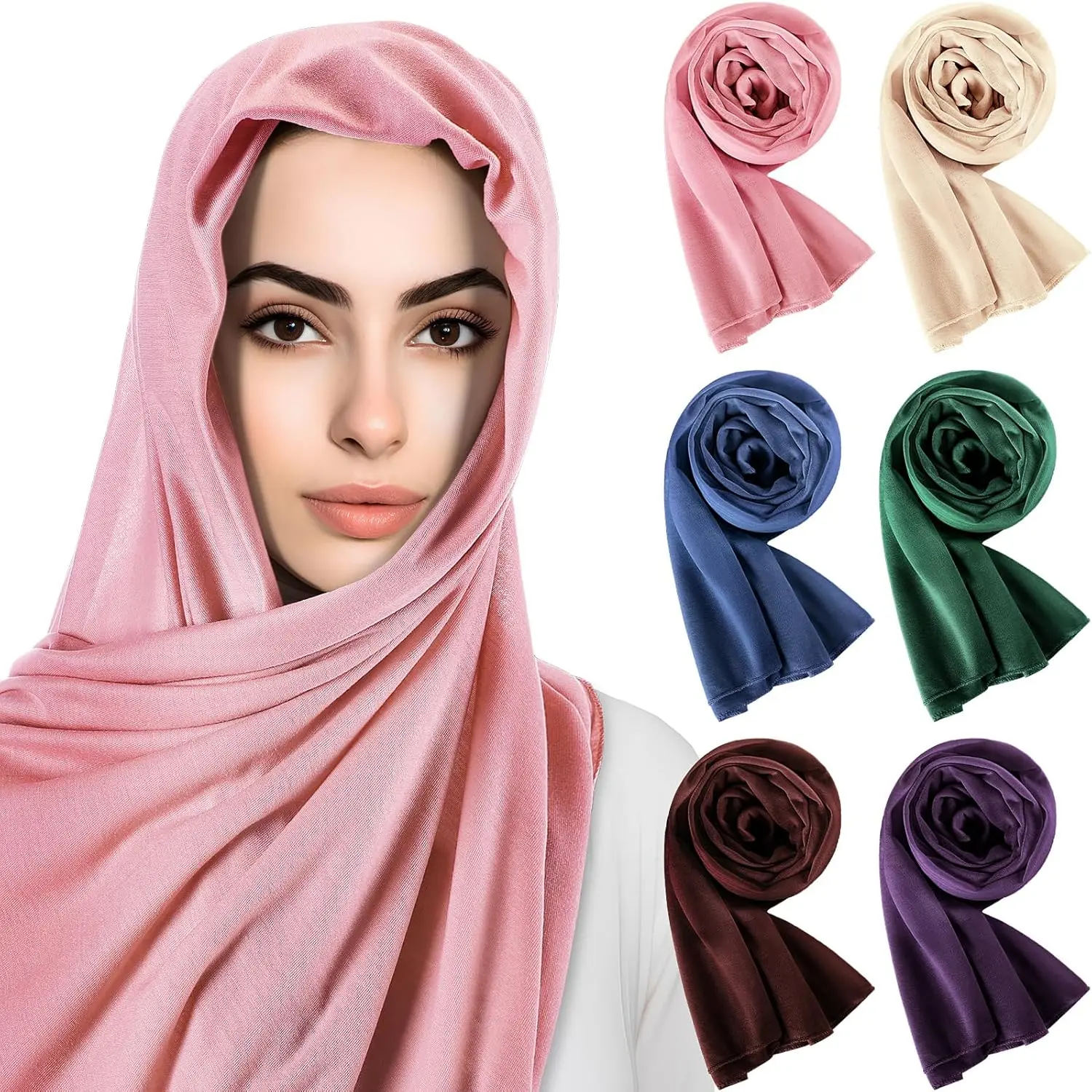 |
Bunnycool 6 Pack Jersey Hijab Scarves (Bright Colors) | 146 | 4.5 | $24.32 | $2.42 | Bulk pack, vivid colors, breathable jersey blend |
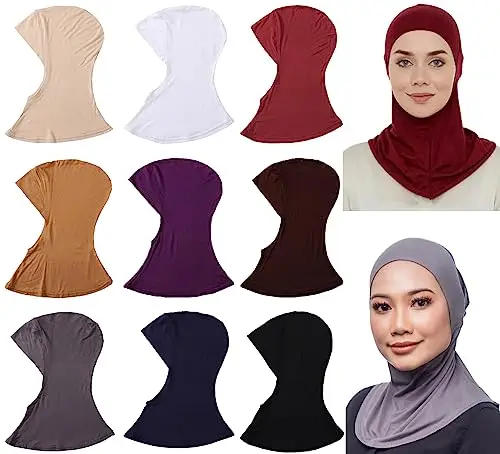 |
3-9 Pieces Modal Hijab Turban Cap (Adjustable) | 127 | 4.1 | $19.99 | $1.37 | Stretchy fit, modal fabric, multi-pack, easy styling |
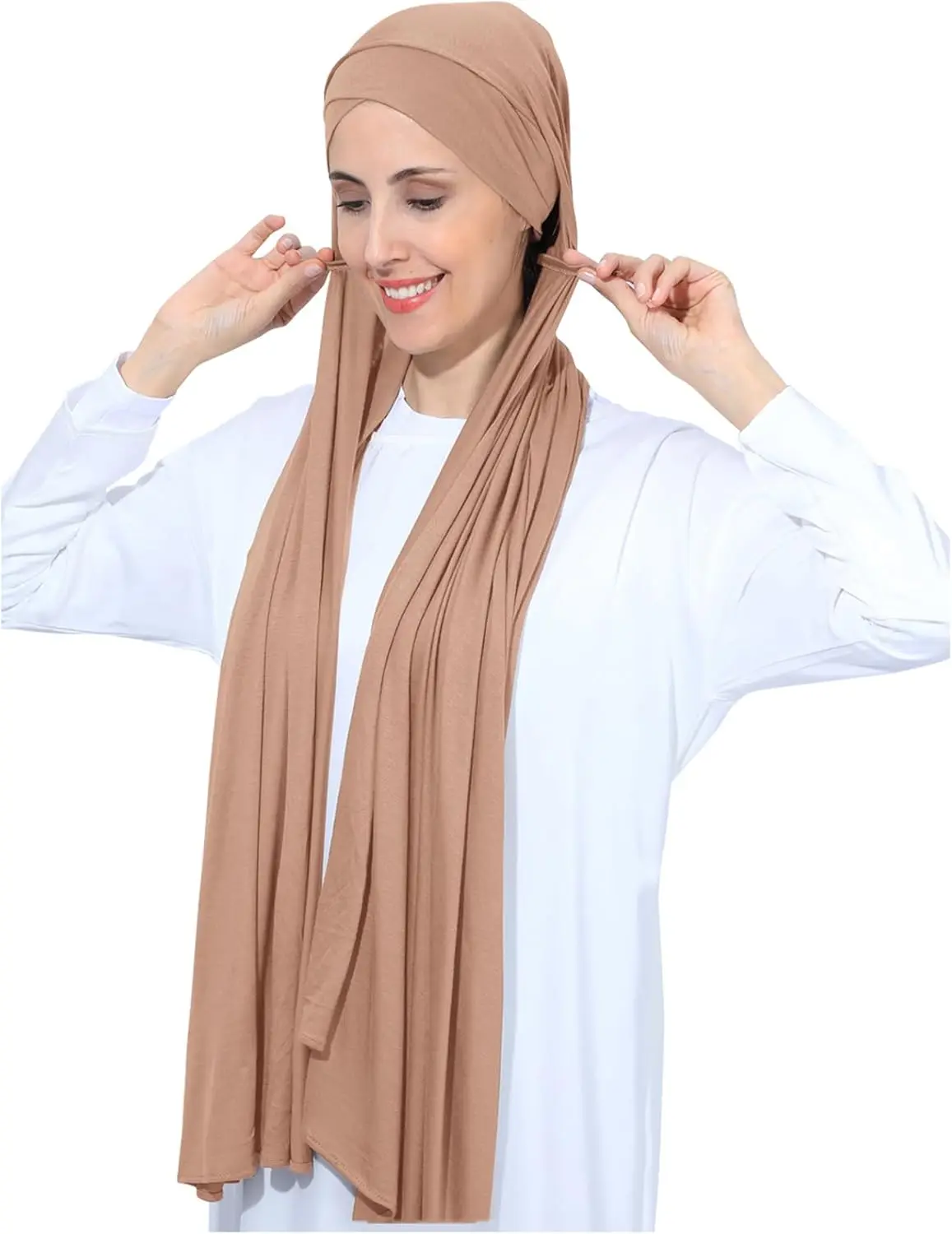 |
PeacePray Instant Jersey Cotton Hijab (Brown) | 106 | 4.3 | $12.99 | $2.72 | Tieback, non-see-through, instant wear, jersey comfort |
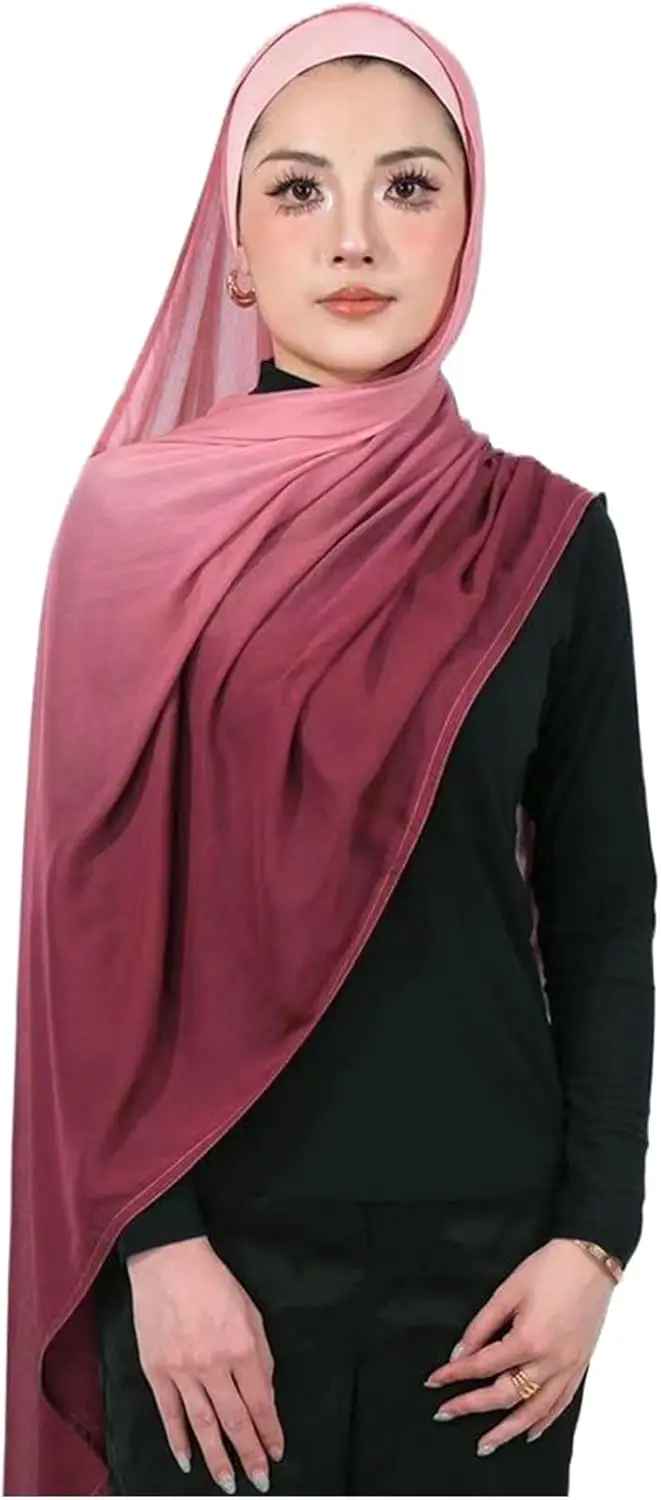 |
Special Ombre Modal Cotton Hijab (Gradient) | 96 | 4.6 | $14.99 | $3.66 | Graceful ombre, cotton-modal blend, soft and airy |
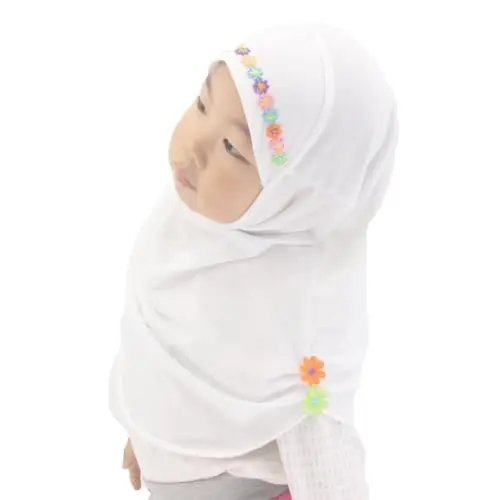 |
Modest Beauty Instant Hijab for Kids (Flowers, Soft) | 78 | 4.8 | $6.68 | $1.95 | Soft floral design, kid-friendly, instant style |
These hot selling products indicate market preference for bulk packs, instant designs, and premium fabrics. The presence of kids' styles and ombre variants underscores niche expansion. Procurement managers should target variety in textile blends, sizes, and user scenarios for upcoming purchase cycles. Table data sourced from [4].
Effective hijab sourcing requires a methodical approach to supplier qualification, quality assurance, and logistical risk management. Buyers must prioritize certified suppliers with proven capacity, compliance history, and reliable quality systems [1][2].
Supplier Evaluation and Certification
Quality Control and Inspection Essentials
Logistics and Compliance
Pitfalls and Competitive Advantage
The 2026 hijab market is marked by sustained growth, style innovation, and a strategic pivot toward sustainability. Leading trends—such as breathable modal and bamboo blends, bulk value packs, forehead cap hybrids, and fashion-conscious colorways—will shape procurement strategies over the next year.
To capitalize on these opportunities, professional buyers should:
With the insights provided above, buyers can navigate the complex, fast-moving hijab category with confidence. The fusion of market intelligence, community perspectives, hot product analysis, and strategic sourcing offers a blueprint for success. Now is the ideal moment to engage partners, place early orders, and innovate in fabric choice and style offerings for a profitable 2026.