
All categories
Featured selections
Trade Assurance
Buyer Central
Help Center
Get the app
Become a supplier
Laser torches have long fascinated consumers across the globe, but in 2026, this category is experiencing unprecedented market momentum. The growing appetite for high-powered, precision illumination devices is driven substantially by evolving outdoor hobbies, professional and industrial requirements, and an increasingly tech-conscious consumer base that values versatility and cutting-edge performance.
Seasonal factors play a significant role: as more consumers seek out night hiking, camping, and off-road expeditions, especially during spring and summer months, laser torches are selected as essential tools for both safety and adventure [4]. This surge coincides with rising awareness of laser technology's advanced features—extended range, multi-color options, and rechargeable capabilities—making these products a staple not only for outdoor enthusiasts but also for educators, presenters, and even pet owners.
Cultural events in 2026, such as global adventure marathons, outdoor festivals, and astronomy education campaigns, have directly influenced demand for high-lumen, long-range torches, especially those incorporating robust waterproofing or tactical functionality. In addition, consumer behavior is shifting toward devices that deliver flexible applications: from pet playtime to wilderness survival, and from on-site industrial signaling to casual stargazing.
At the same time, stricter safety regulations worldwide—particularly surrounding laser power output (notably in the EU, North America, and East Asia)—are prompting manufacturers to innovate, embedding compliance features and safer operation modes [2][6]. The laser torch industry’s diversification, coupled with clever marketing campaigns, is making these devices not just niche gadgets but must-have items across retail and wholesale channels.
A laser torch is best understood as a handheld device that emits a concentrated, coherent beam of light using a laser diode, with its intensity and color determined by the source's physics and engineering [3][6]. Where conventional flashlights radiate broad “flood” light, laser torches focus into a precise, narrow shaft—often visible for miles under the right atmospheric conditions.
The genesis of laser torch technology dates back to the advances in laser physics of the mid-20th century. From early helium-neon laboratory apparatus, the industry has matured into commercial forms—using robust semiconductor diodes to produce monochromatic light in red, green, blue, violet, and even yellow wavelengths [2]. By the 2010s, with advances in battery technology and optics, laser torches evolved beyond presentation aids: they became tools for outdoor navigation, tactical signaling, astronomy, and creative entertainment.
Key classification criteria for buyers in 2026 include:
Major types of laser torches for commercial and professional buyers encompass blue laser pointers, green laser pointers, tactical LEP (Laser Excited Phosphor) flashlights, red laser pens, and multi-function burning lasers designed for signaling, focus training, or even pyrotechnics (in highly restricted contexts) [2]. For buyers, understanding these distinctions translates into more targeted sourcing, competitive advantage, and risk mitigation.
Online communities remain pivotal in shaping buyer preferences and reinforcing product trends within the laser torch market. Throughout 2025 and into 2026, users have shared extensive experiences, technical insights, and lifestyle stories, solidifying certain models and brands as market leaders while highlighting evolving consumer needs.
A common sentiment expressed is the strong preference for LEP-type torches, which offer a unique combination of intense, focused beams and colored output. Users praise LEPs for their impressive range, minimal power drop-off, and suitability for specialized tasks—though many caution about price and complexity of components [9]. Recommendations consistently point toward models using Osram W1 and W2 emitters, citing their optimal beam shape and color options for “light saber” effects, a popular motif in both practical use and pop culture aesthetics [9].
Technical discussions underscore value comparisons between focused LED-based torches (e.g., Convoy Z1) and advanced LEP models (e.g., Thor 3). Community buyers often weigh cost-benefit ratios, noting that entry-level LED alternatives provide sufficient range for many casual uses while LEP models dominate professional outdoor, hiking, and night exploration scenarios. Affordability and multi-use application are highlighted, with many buyers preferring options that balance price, performance, and battery efficiency.
Lifestyle posts reveal a trend toward personalization: consumers modifying laser torches for color effects, seeking multi-functional features such as compass integration, display screens, and underwater capabilities. There is a growing subculture around “DIY engineering”—users crafting custom laser torches, experimenting with optics, and repurposing devices for games, creative lighting, or technical problem-solving [11].
Some apprehension exists among parents and safety-conscious buyers, particularly regarding higher-output devices and their risks to eyes and skin. Enthusiasts note the importance of purchasing certified units and adhering to operational guidelines, reflecting broader regulatory and safety conversations across online platforms.
The laser torch market in 2026 demonstrates robust expansion, driven by technological advancement, consumer demand for versatility, and increased penetration in both retail and professional sectors. Recent market analyses estimate annual growth rates exceeding 18% year-over-year for premium torch categories, with the greatest uptake in North America, Western Europe, East Asia, and Oceania [1].
Retail buyers value multi-use features, waterproofing, and long battery life, while professional buyers—such as those in construction, search-and-rescue, and astronomy—prioritize range, beam quality, and certified power output. Higher-tier products offer advanced optics (focusable, strobe, diffused beams), modularity (adjustable head units), and interactive displays.
Regional preferences increasingly dictate category segmentation: North American and European buyers gravitate toward green and blue torches with tactical applications, Asia-Pacific markets display enthusiasm for colorful, customizable models, and Middle Eastern/African buyers prioritize durability, heat-resistance, and long-range signaling capabilities.
Pricing continues to stratify the market: entry-level consumer models offer sufficient illumination for below $10 retail, mid-range models (USB-rechargeable, with pattern and focusing features) sell for $10–$25, while advanced tactical or specialty torches (LEP, multi-mode, waterproof) command premiums of $25–$150 depending on brand, output power, and certified safety features [1].
Notably, regulatory pressure in the EU, US, and China against the sale of devices exceeding 5mW for public use is reshaping inventory and manufacturing priorities, pushing suppliers to invest in compliance components and innovative safety controls [2][6].
The products below represent what retail and professional buyers seek most in the global marketplace. Their high monthly sale volumes and robust average star ratings showcase the combination of features, user sentiment, and pricing that drive the current market. This is direct retail demand data—buyers can use these insights for spec targeting, competitive benchmarking, and negotiating supplier terms. Table data sourced from [1].
| Image | Product Name | Retail Price | Wholesale Price | Monthly Sales | Average Rating | Key Features |
|---|---|---|---|---|---|---|
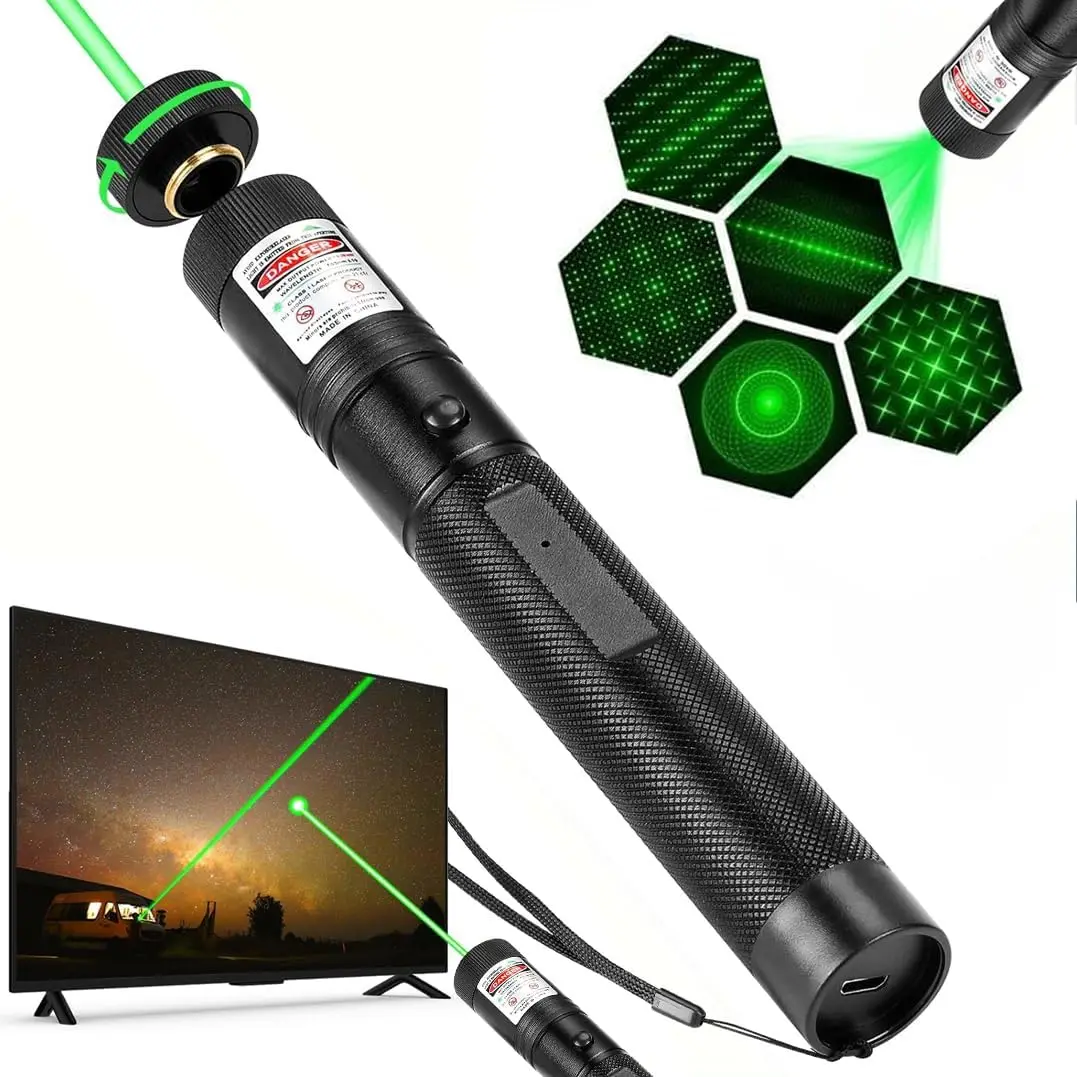 |
Damflew Green Laser Pointer High Power Pen | $15.11 | $3.82 | 12,327 | 4.4 | Long-range, USB rechargeable, green laser, professional-grade, hiking/presentations/outdoor |
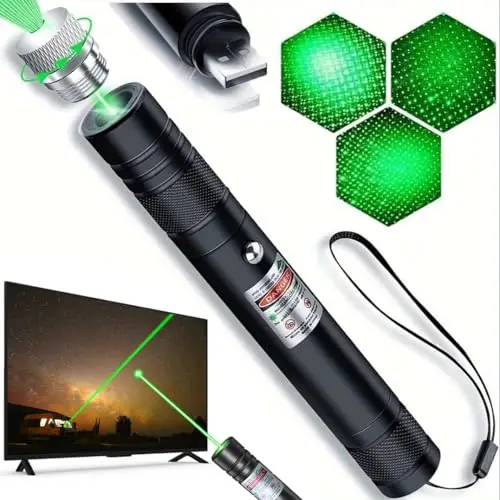 |
Damflew Green Laser Pointer Rechargeable Pen | $10.49 | $3.19 | 8,482 | 4.4 | Long-range, USB charging, green beam, travel-friendly, high sales momentum |
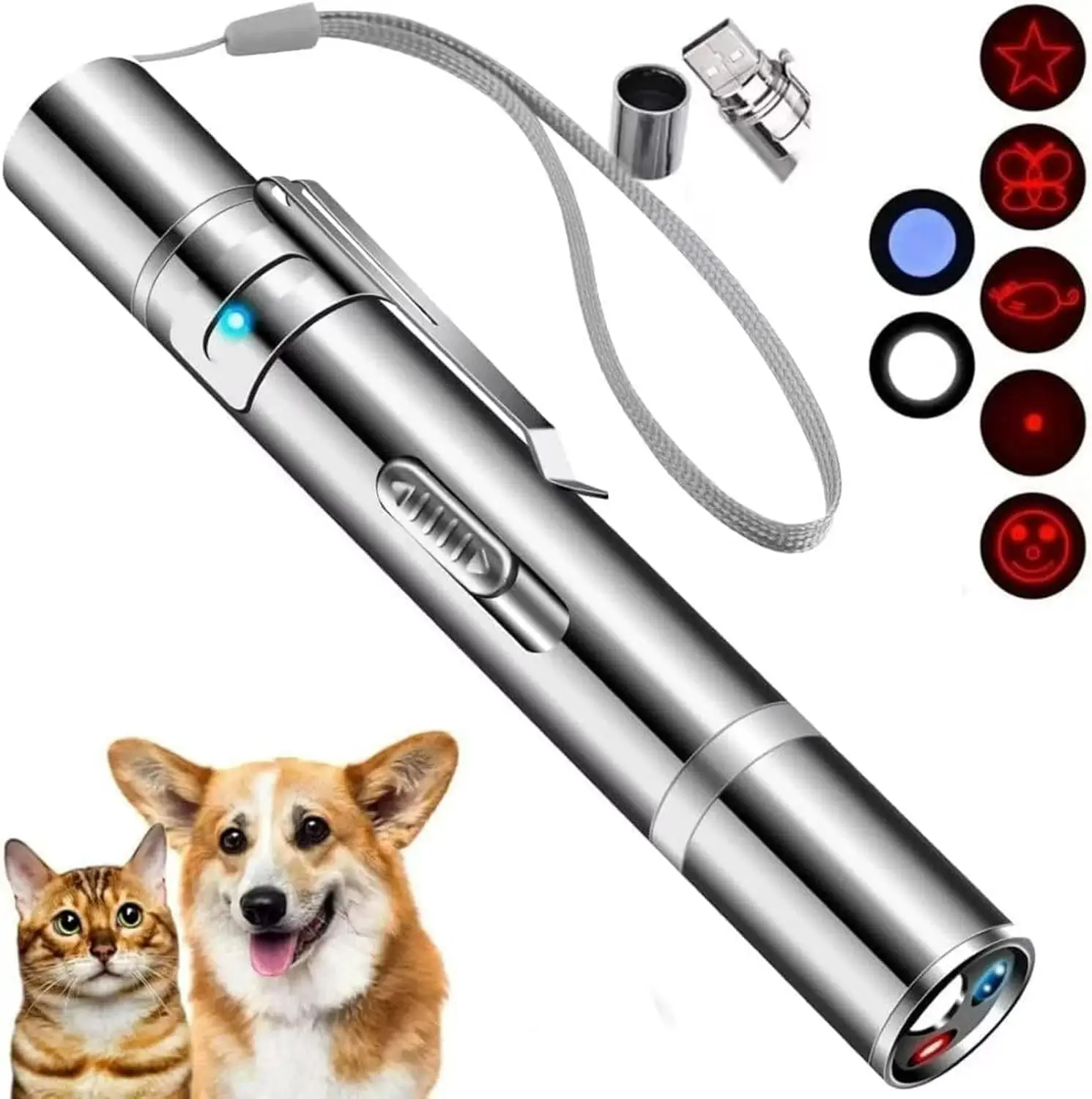 |
Laser Pointer Cat Toys Interactive Pen | $6.93 | $2.09 | 6,202 | 4.3 | 5-adjustable patterns, pet-friendly, long-range, rechargeable, multi-mode |
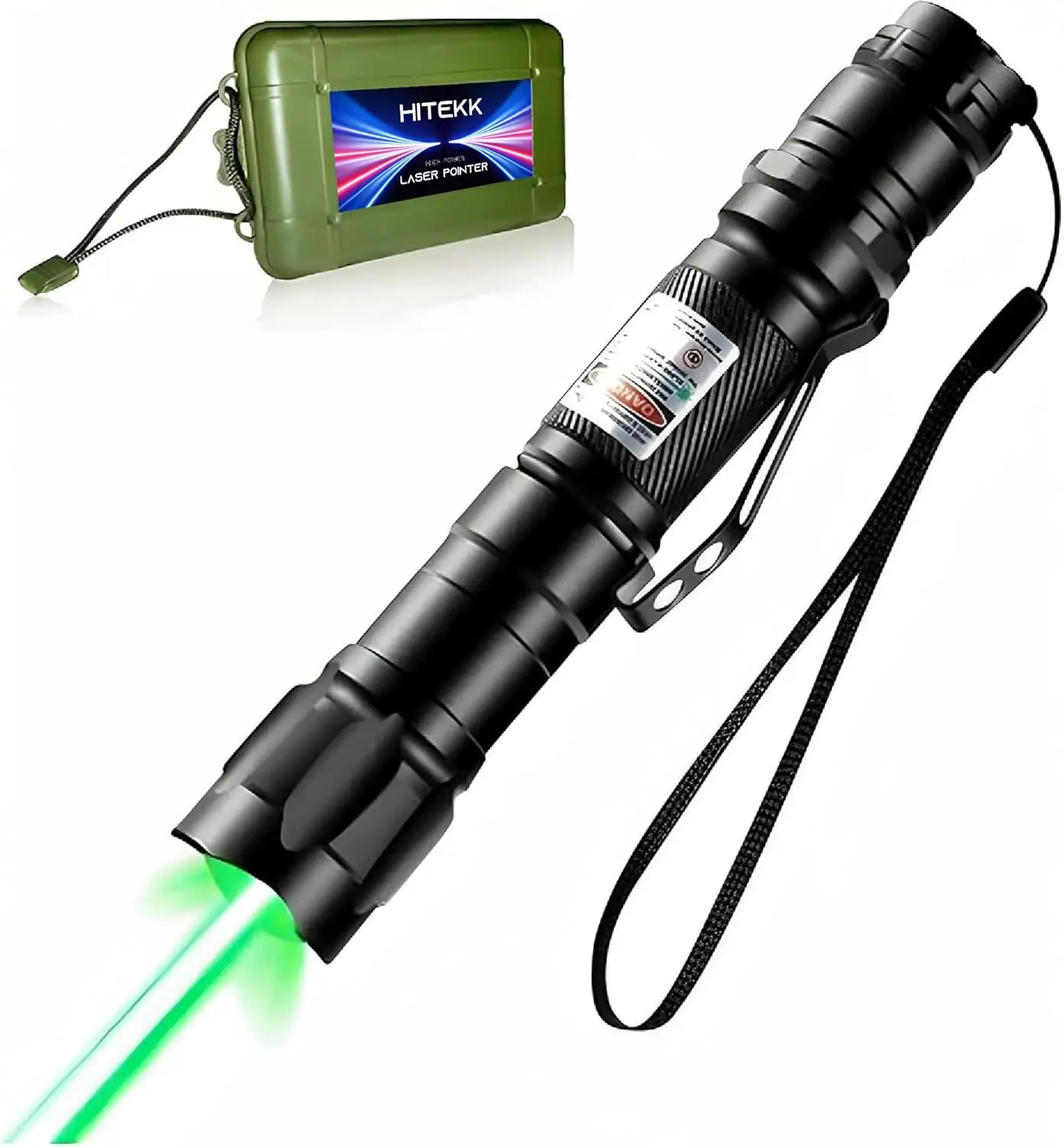 |
HITEKK High Power Green Tactical Laser | $25.67 | $4.27 | 2,784 | 4.4 | Tactical, single press on/off, rechargeable, carry case, professional grade |
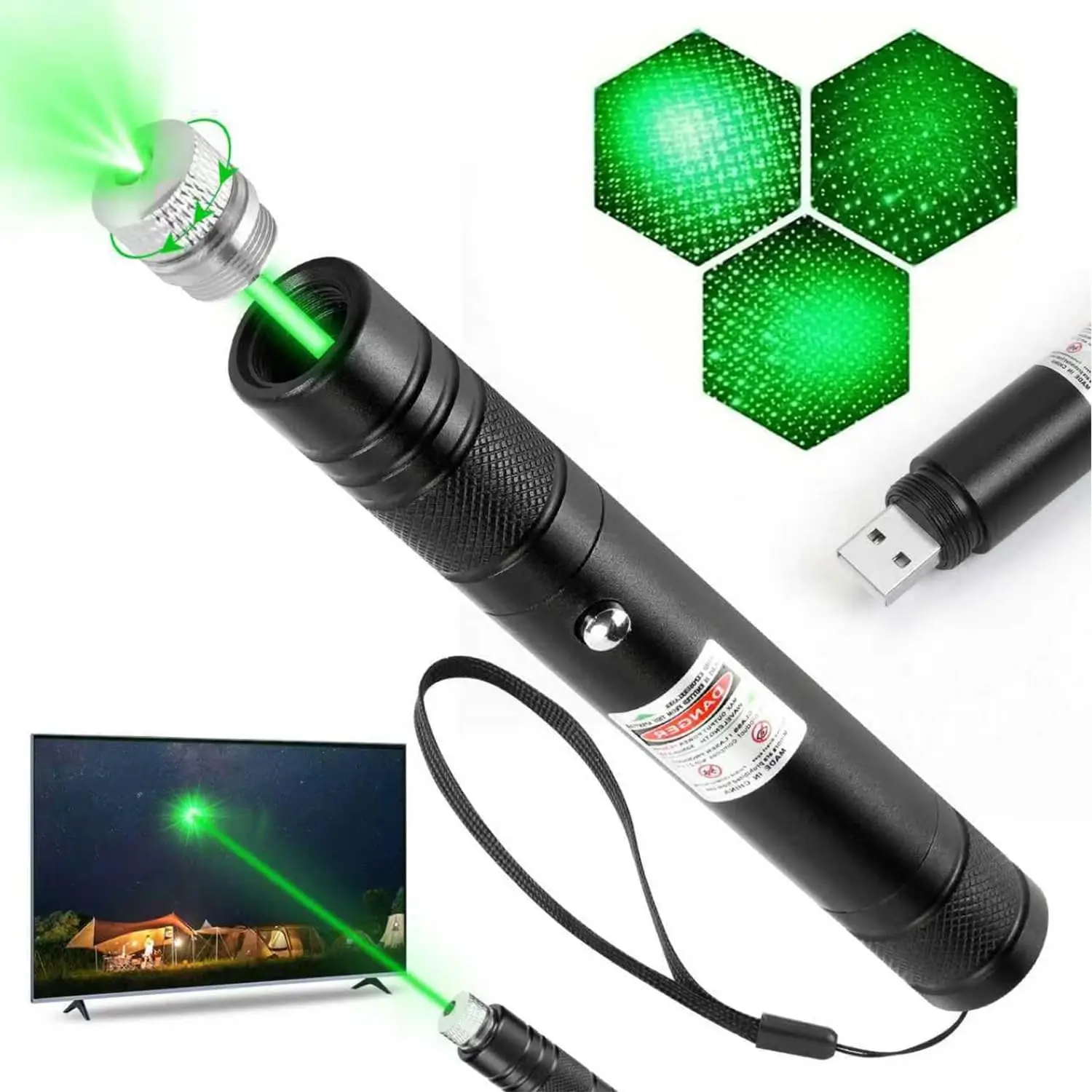 |
JANHER Long Range Green Laser Pointer | $2.06 | $3.12 | 1,957 | 4.5 | Rechargeable, hiking/cat play, green beam, low cost, strong user reviews |
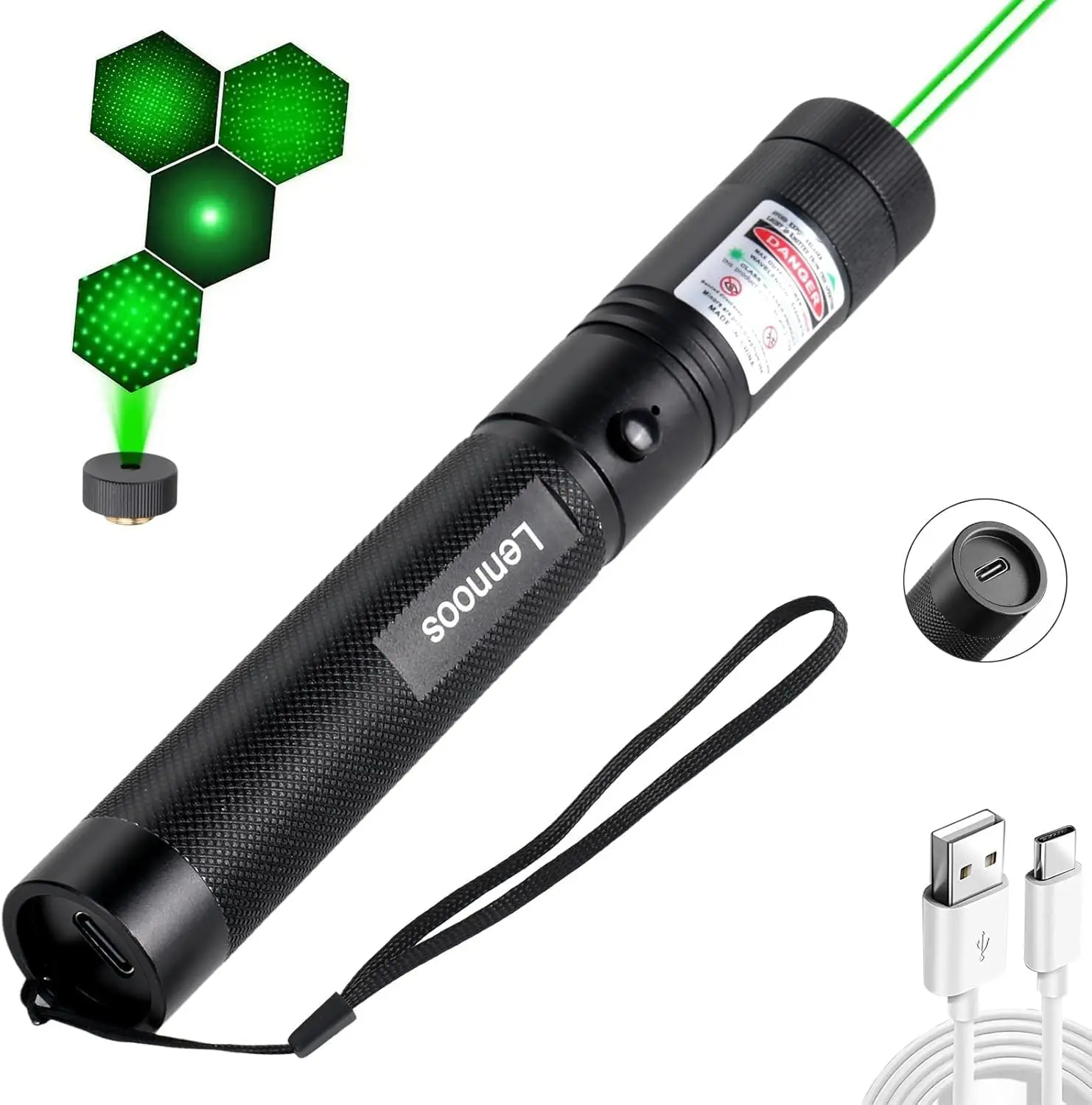 |
Lennoos USB-C Green Laser Pointer | $11.8 | $3.62 | 1,642 | 4.4 | USB-C charging, star cap for astronomy, outdoor adventures, advanced design |
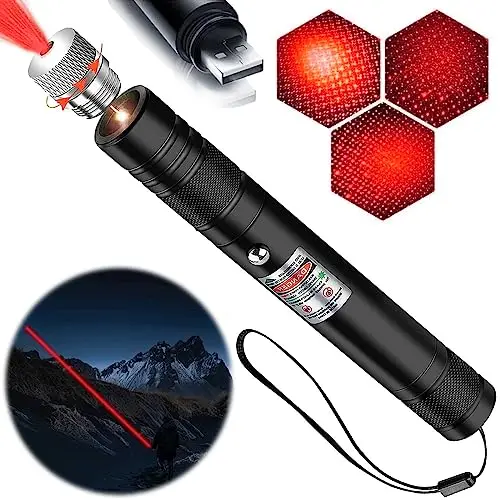 |
Laser Pointer High Power Red Indicator | $10.13 | $4.26 | 818 | 4.2 | Long-range, USB charge, red light, budget option, steady demand |
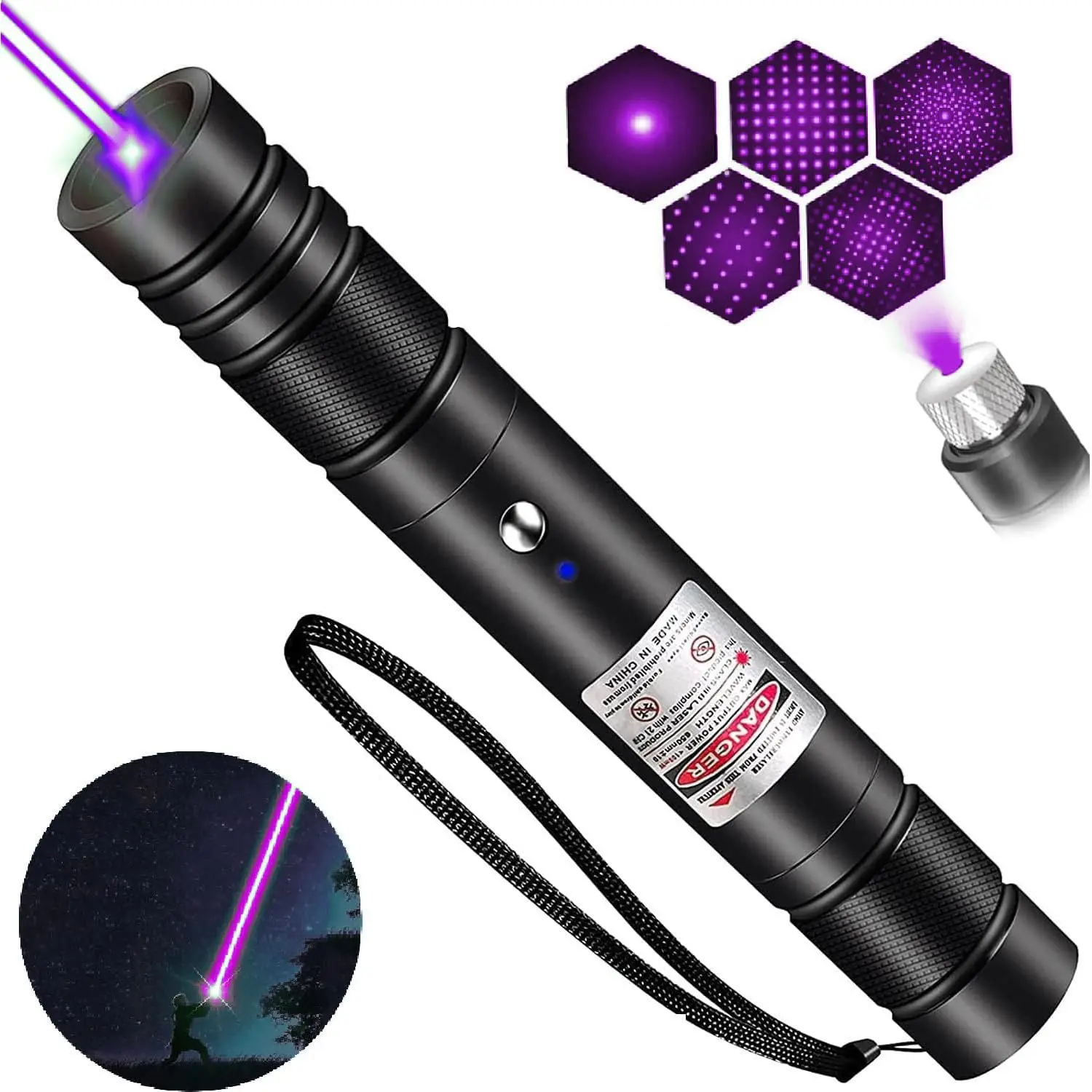 |
Purple Laser Pointer Indicator Light | $11.13 | $2.91 | 389 | 4.1 | Long-range, purple beam, USB charge, distinct color appeal |
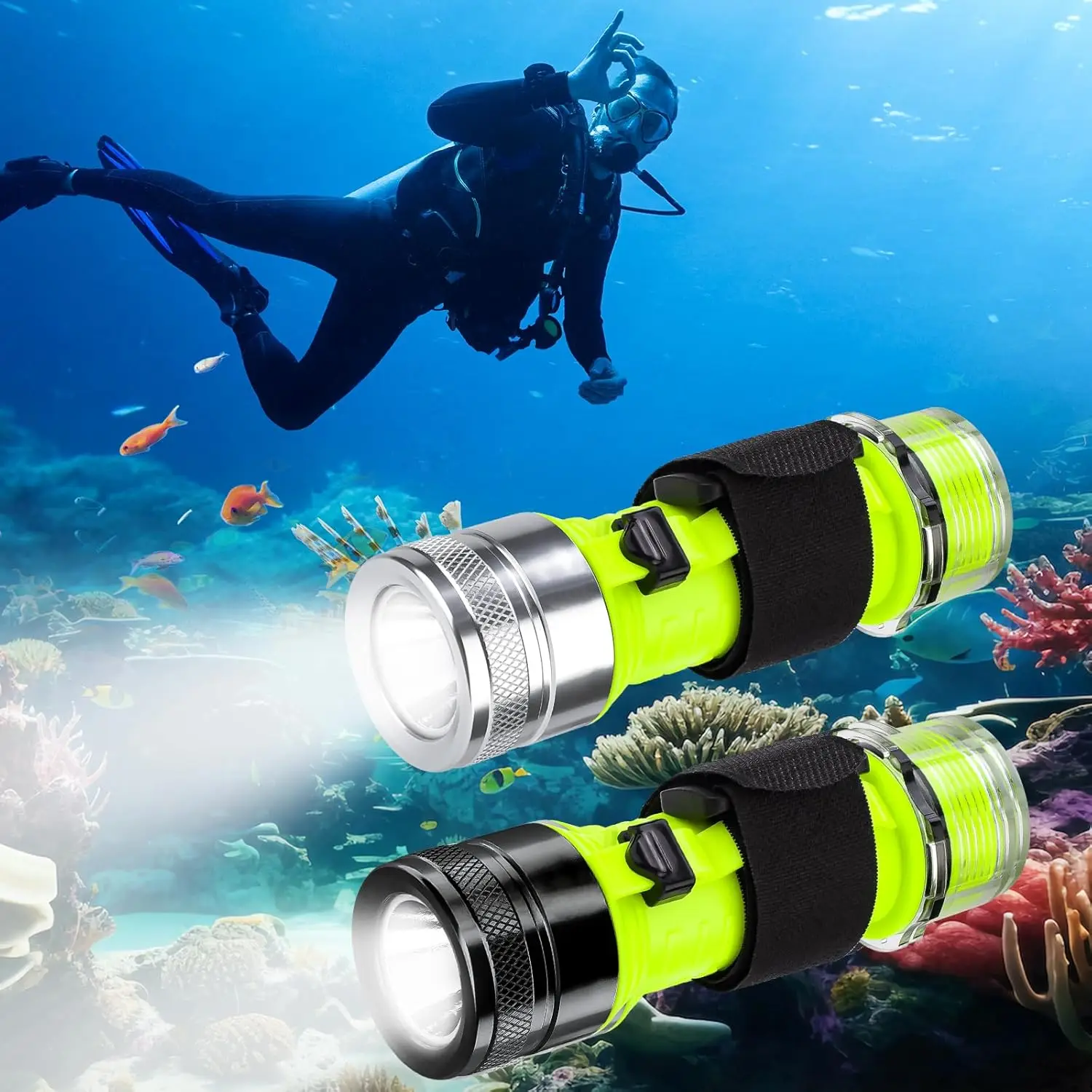 |
Rechargeable Diving Flashlight 1500 Lumen | $26.59 | $8.82 | 236 | 4.3 | IPX8 waterproof, scuba, underwater sports, high output |
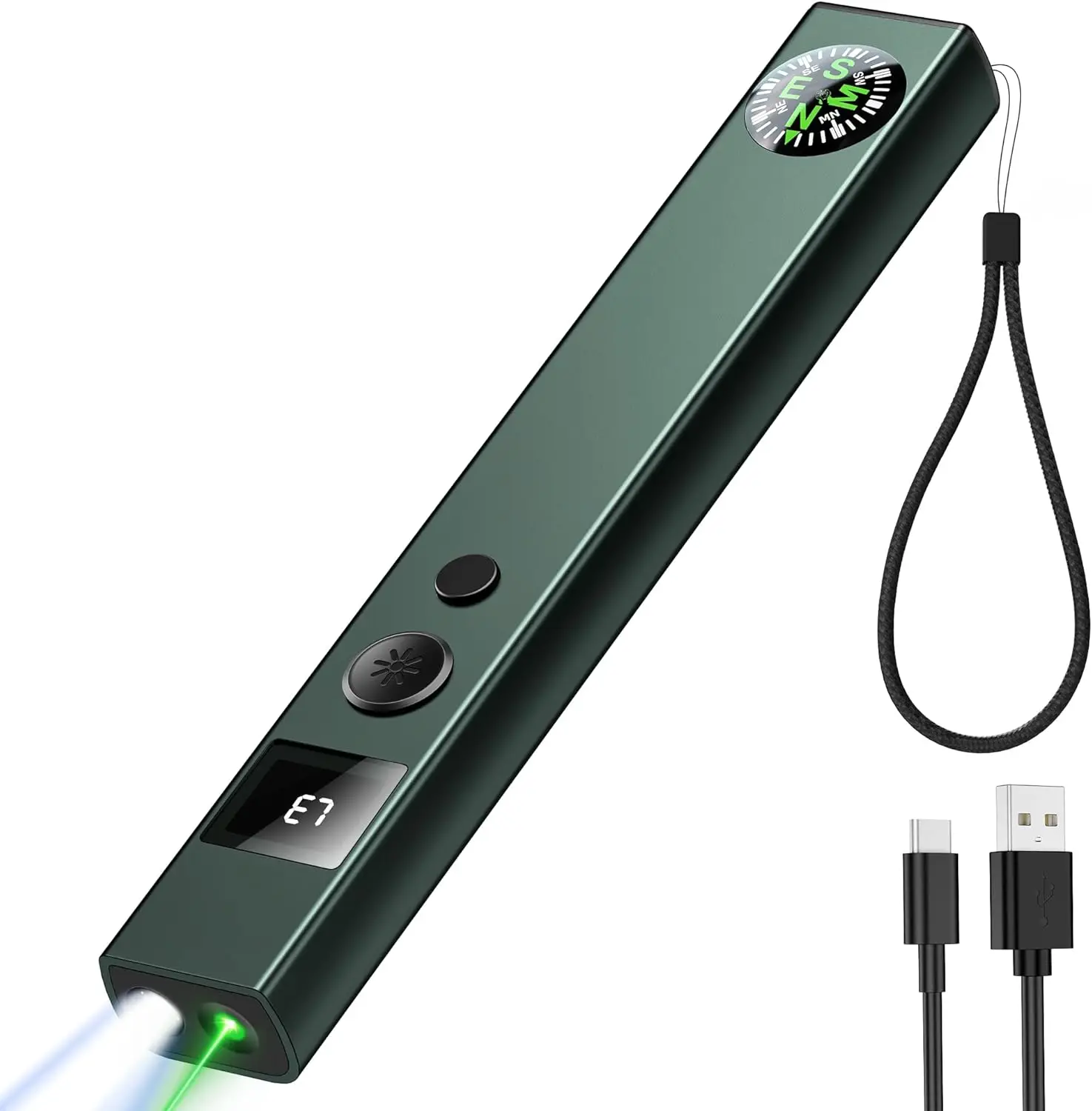 |
Laser Pointer Green Light and Flashlight | $21.83 | $11.8 | 175 | 4.0 | Green beam, flashlight mode, compass, display screen, work/outdoor/emergency |
Analyzing these best sellers clarifies five major factors influencing retail decisions:
For international buyers, optimizing laser torch procurement in 2026 means aligning with best-in-class sourcing strategies and rigorous risk assessment. The most successful buyers leverage both market data and supplier capability audits to ensure value and compliance.
Supplier Evaluation Criteria:
Quality Control Points & Inspection:
Logistics and Packaging:
Certification & Compliance: Buyers must track industry trends as compliance evolves. Devices exceeding regional power thresholds (<5mW) risk customs seizure and market bans. Clear labeling and documentation are non-negotiable. Indoor-use pointers should be sourced with minimal output, while tactical/industrial-grade units need region-specific testing and certification.
Common Pitfalls:
Competitive Advantages: Sourcing a diverse SKU lineup—spanning green, red, blue, and multi-mode torches—enhances retailer and wholesaler positioning. Offering USB-rechargeable units with customizable branding, accessories (compass, display screen, underwater kit), and certified tactical/touring models and bundling with pet or employment accessories (laser pointers and training pens) can set your offering apart.
International buyers are advised to use real-world buy signals (monthly sales, product reviews, online sentiment) as benchmarks for negotiation and supply chain management. This is the foundation of a winning procurement strategy in the dynamic 2026 market.
The laser torch market in 2026 stands brighter than ever before. Demand is surging across outdoor adventure, educational, industrial, and DIY/hobby sectors. Product innovation is propelled by user demand for range, versatility, and technical excellence, reinforced by robust sales data and online consumer sentiment.
Successful sourcing professionals will focus on:
With global buyers eager for reliability, innovation, and certified safety, now is the time to take a strategic leap—capitalize on trending SKU characteristics, embrace multi-sector marketing, and build relationships with trusted suppliers. Let 2026 be your most confident and successful year in laser torch sourcing yet.