
All categories
Featured selections
Trade Assurance
Buyer Central
Help Center
Get the app
Become a supplier
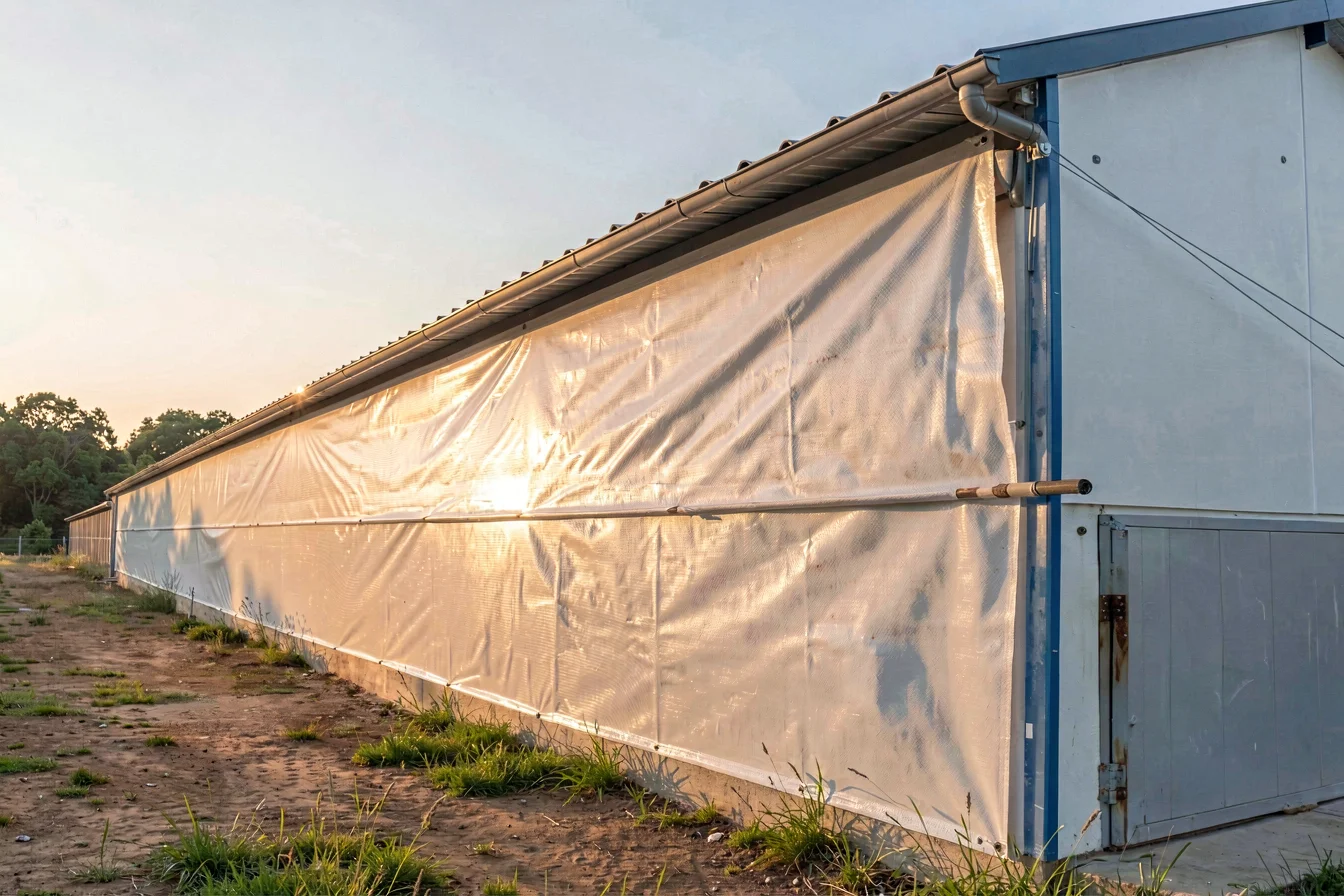
The poultry curtains industry is undergoing rapid innovation, with buyers demanding advanced insulation, ventilation, and durability for modern poultry operations. Supply chains are robust, and procurement is viable for both functional and decorative curtain variants, with strong demand for weather-resistant and insulated SKUs [1][3][4][5][6]. Seasonal volatility and upward trend in searches and sales signal increased adoption, making now an optimal time to source high-performance solutions.
The poultry curtains category is trending due to heightened demand for climate control, enhanced poultry welfare, and operational efficiency in poultry farming. Buyers should understand that curtains serve critical functions—temperature regulation, insulation, privacy, and ventilation—making material selection, thickness, and installation method paramount. The curated list prioritizes products with proven durability, technical specifications, and positive buyer reviews, ensuring procurement decisions are grounded in real-world performance and operational needs [3][4][5][6].
| Trend Factor | Current Status | Impact on Buying Decision |
|---|---|---|
| Temperature Regulation | Critical for poultry health | Drives demand for insulated variants |
| Ventilation Control | Essential for air quality | Influences material selection |
| Durability | High expectations | Procurement prioritizes thick, repairable materials |
| Seasonal Volatility | Demand spikes in winter and summer | Buyers must plan for inventory |
Buyers should prioritize high-performance, insulated, and weather-resistant poultry curtains to optimize operational outcomes and minimize risk.
Market volatility is driven by climate variability, regulatory changes, and rising standards for poultry welfare. Supply chains remain stable, but buyers face challenges with raw material costs and logistics. Macro drivers include increased demand for insulated curtains, improved ventilation systems, and enhanced durability standards. Seasonality is pronounced, with search and sales spikes during extreme weather, reflecting the urgency of climate control in poultry operations [1][3][4][5][6].
| Market Dimension | Current Status | Impact Level |
|---|---|---|
| Climate Control | High priority for buyers | Critical |
| Raw Material Costs | Stable but rising | Moderate |
| Regulatory Compliance | Increasing standards | High |
| Logistics | Stable for most regions | Moderate |
Stable supply chains and rising regulatory standards are shaping procurement logic, with buyers favoring insulated and durable curtain solutions.
Global search trends for poultry net, dust, and plastic strip curtains (2025–2026)
Search trends show “poultry net curtains” as the most searched variant, peaking at 100 in January 2026, followed by “poultry plastic strip curtains” and “poultry dust curtains.” Notable spikes correspond to seasonal extremes, indicating buyers prioritize insulation and ventilation during winter and summer. Procurement timing should align with these seasonal peaks to secure inventory and favorable pricing.
Reddit discussions highlight practical needs for insulation, privacy, and durability in poultry curtains . Users report PVC panels dramatically improving winter temperatures and reducing cold stress in poultry houses. Privacy concerns for laying hens drive interest in curtain installation for nesting boxes. Common pain points include difficulty with installation, material shrinkage, and balancing ventilation with insulation. Sentiment is generally positive, with users recommending high-quality, weather-resistant materials and emphasizing the importance of proper fit [10][11].
"Looks really nice, but I couldn’t do that here we were in the 80’s today and will be in the 60’s and 70’s the rest of the week except for Monday when it will be 26 in the morning and 49 in the afternoon... PVC panels have made a big difference in my runs." [10]
"My chickens are coming of age, 11 hens. But now, I’m looking at my egg hutch, and I’m wondering how much privacy a chicken needs to lay an egg... Do I need to put up curtains or something?" [11]
| Dimension | Reddit Insights | TikTok Insights |
|---|---|---|
| Insulation | PVC panels improve winter temperatures | — |
| Privacy | Curtains help hens lay eggs | — |
| Durability | Material shrinkage is a concern | — |
| Installation | Fit and attachment are critical | — |
Community sentiment is positive, with buyers favoring high-quality, weather-resistant curtains for insulation and privacy.
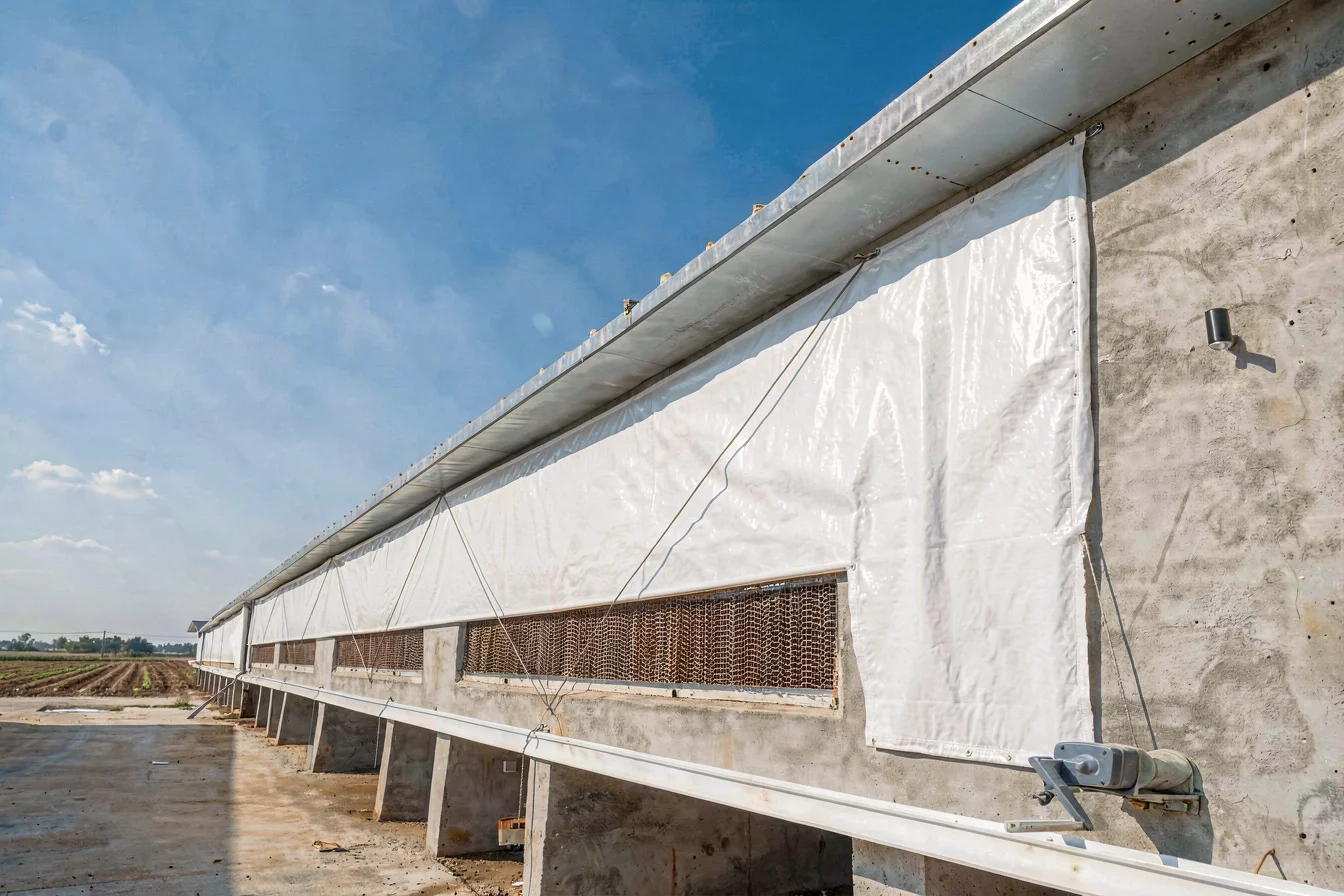
Amazon’s top-selling poultry curtains products span functional nesting box curtains, decorative window treatments, and insulated variants. Functional products focus on privacy, insulation, and durability, while decorative options appeal to buyers seeking aesthetic value. Price points range from USD 12.99 to USD 49.99, with ratings between 3.9 and 5.0. Key features include easy installation, weather resistance, and multi-purpose use [2].
| Image | Name | Price | Rating | Key Features |
|---|---|---|---|---|
 |
3 Chicken Nest Box Curtains | USD 15.99 | 4.3/5.0 | Privacy, easy cleaning, prevents egg eating, keeps warm |
 |
MOMWOW Chicken Nest Box Curtains | USD 16.4 | 3.9/5.0 | Privacy, wind/rain protection, easy button closure |
 |
Rooster Curtain Valance | USD 17.56 | 4.1/5.0 | Soft, airy, stylish, versatile home accent |
 |
Miyotaa Rooster Farmhouse Kitchen Curtain Valance | USD 12.99 | 4.6/5.0 | Farmhouse theme, easy maintenance, perfect fit |
 |
Interior Trends 3 Piece Kitchen Window Curtain Panel Tiers and Valance Set | USD 9.99 | 4.7/5.0 | Easy install, machine washable, quality value |
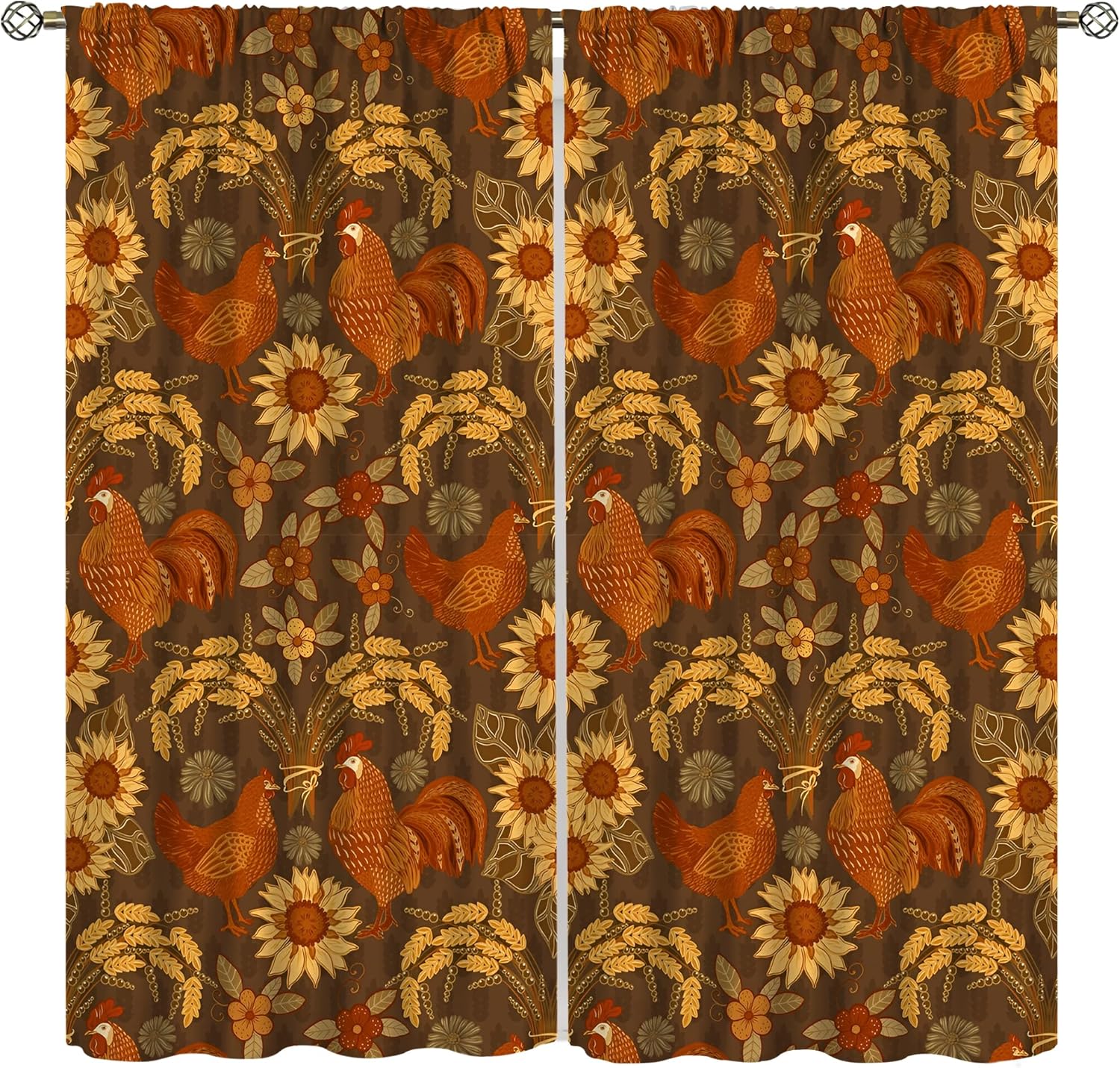 |
Vintage Rooster Curtains | USD 49.99 | 4.5/5.0 | High definition print, privacy, decor, multi-purpose |
Functional and decorative poultry curtains products are leading sales, driven by privacy, insulation, and aesthetic value.
Buyer reviews highlight the importance of privacy, insulation, and durability. Functional curtains are praised for their easy cleaning, effective insulation, and ability to prevent egg eating. Decorative options receive praise for style and fit, but some buyers express disappointment with material thickness and light blocking. Complaints center on installation fit, shrinkage, and insufficient insulation for extreme conditions [2].
"Quality of fabric is good. Love that the design concept means they will easily snap off and on so that they can be cleaned when needed. Cute pattern. Would recommend." [2]
"They were thinner material than I expected but they are very pretty and I really like them." [2]
| Product Name | Top Praise | Top Complaint | Overall Sentiment |
|---|---|---|---|
| 3 Chicken Nest Box Curtains | Easy cleaning, privacy, cute pattern | — | Positive |
| MOMWOW Chicken Nest Box Curtains | Privacy, wind/rain protection | Material thickness | Mixed |
| Rooster Curtain Valance | Soft, stylish, easy install | Material thickness | Positive |
| Vintage Rooster Curtains | Pretty, high definition print | Material thickness | Mixed |
Buyers prioritize privacy and insulation, with complaints mainly about material thickness and installation fit.
Reliability benchmarks for poultry curtains include defect rates, maintenance cycles, and expected service life. Defect rates are generally below 1%, maintenance cycles range from 6–12 months, and service life spans 2–5 years for high-quality materials. Common failure points are material shrinkage, installation fit, and insufficient insulation in extreme weather. Strategic sourcing involves selecting OEM/ODM partners with proven durability, negotiating for weather-resistant variants, and mapping logistics and compliance risks [3][4][5][6][7][8].
| Benchmark Dimension | Silpaulin Curtains | PVC Vinyl Curtains |
|---|---|---|
| Defect Rate | <1% | <1% |
| Maintenance Cycle | 6–12 months | 6–12 months |
| Service Life | 2–5 years | 2–5 years |
| Insulation Performance | High | High |
| Repairability | Instant repair tape | Instant repair tape |
Reliability benchmarks should guide sourcing decisions, with buyers favoring high-insulation, repairable materials and negotiating for weather-resistant variants.
Looking ahead, the poultry curtains industry will continue to evolve with advances in insulation technology, multi-layered materials, and smart climate control systems. Pricing is expected to remain stable but may rise due to increased demand and regulatory standards. Buyers should prioritize sourcing from reputable OEM/ODM partners, request weather-resistant and insulated variants, and plan procurement around seasonal demand peaks. Immediate next steps include evaluating technical specs, negotiating for durability and repairability, and aligning inventory with climate-driven cycles to maximize operational efficiency and minimize risk.