
All categories
Featured selections
Trade Assurance
Buyer Central
Help Center
Get the app
Become a supplier
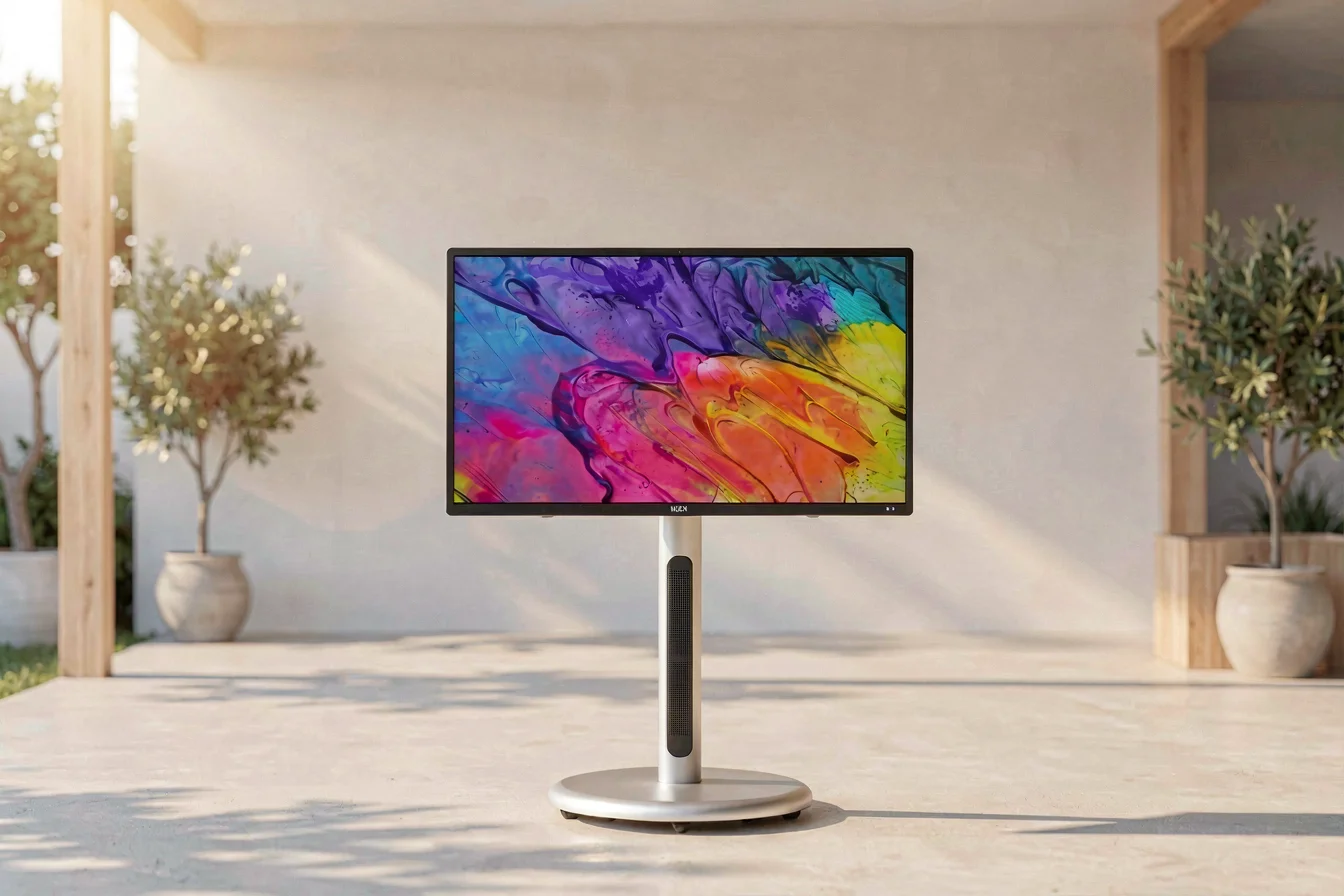
The portable TV market is experiencing strong growth, driven by demand for smart, battery-powered, and rolling models that enable flexible multi-room use. Buyers are increasingly prioritizing mobility, battery endurance, and app ecosystems, with procurement viability at a high level due to steady supply and rising buyer interest [1][2][3]. Seasonal demand peaks, especially for smart and LED variants, indicate robust momentum and a clear direction toward cordless, touchscreen solutions.
The surge in portable TV demand is fueled by evolving home and work environments—buyers seek devices that offer mobility, battery autonomy, and seamless app integration. The rise of rolling, touchscreen, and smart models reflects a shift from fixed installations to flexible, multi-room solutions. Buyers must consider display quality, battery life, operating system openness, portability, and adaptability for both home and professional use cases. Selection criteria now prioritize battery endurance, screen resolution, and mobility features over traditional fixed TV metrics [3][4][5].
| Trend Factor | Current Status | Impact on Buying Decision |
|---|---|---|
| Mobility (Wheels/Portability) | Widespread adoption of rolling stands and detachable screens | Buyers prioritize models with wheels and flexible stands |
| Battery Life | 6–10 hours for leading models | Battery endurance is a critical selection criterion |
| Smart App Ecosystem | Integration with Google Play, Netflix, YouTube | App compatibility and OS openness drive buyer preference |
| Screen Quality | 4K, FHD, touchscreen, anti-glare panels | Buyers demand high-resolution, color-accurate displays |
Market volatility is low for portable TV , with supply chains stable and product innovation accelerating. Industry drivers include the rise of smart home integration, demand for flexible multi-room entertainment, and the proliferation of battery-powered, touchscreen displays. Supply chain dynamics favor models with EDLA, FCC, and CE certifications, while macroeconomic risks are minimal due to steady demand and robust manufacturing. Buyers should monitor seasonality—peak demand occurs around holidays and back-to-school periods, with Google Trends showing sustained upward momentum for “portable smart TV” and “portable LED TV” [1][2].
| Market Dimension | Current Status | Impact Level |
|---|---|---|
| Supply Chain Stability | Stable, with robust manufacturing capacity | High |
| Product Innovation | Rapid introduction of rolling, smart, and battery-powered models | High |
| Seasonality | Peaks in Q1 and Q3, driven by holidays and back-to-school | Medium |
| Certifications | EDLA, FCC, CE, ROSH widely adopted | Medium |
Global search trends for portable LCD TV, portable LED TV, and portable smart TV (2025–2026)
Google Trends data shows a steady rise in searches for “portable smart TV,” peaking in January 2026, with “portable LED TV” also showing strong growth. Buyers should time procurement to coincide with seasonal peaks, prioritizing models with smart features and robust battery life. Demand for “portable LCD TV” is stable but less dynamic, indicating buyers favor LED and smart variants. Sustained upward momentum signals strong buyer confidence and recommends sourcing high-end, smart, and battery-powered portable TV models for optimal ROI.
Reddit discussions highlight the versatility and comfort of portable TV models, especially LG StanbyME 2 and OFD, for late-night binge watching, brunch, and bedroom use. Pain points include price sensitivity, signal compatibility, and nostalgia for analog handheld models. TikTok trends favor viral reviews of rolling, touchscreen, and app-enabled models, with engagement signals focused on mobility and flexibility. Sentiment is overwhelmingly positive for modern smart, battery-powered models, with buyers praising ease of use, battery endurance, and flexible placement. Cultural reception is shaped by nostalgia for handheld TVs but now dominated by demand for smart, multi-room solutions.
“I totally get this. I use the StanbyME 2 the same way, perfect size for late-night binge watching without any cables getting in the way, it’s basically a wireless monitor made for comfort.” [9]
“This is one of my favorite moments of the day - making myself a simple brunch before things get busy. The best part is how easy this portable TV can cozy up your brunch. The StanbyME 2 is basically a tablet, monitor, and TV all in one.” [10]
| Dimension | Reddit Insights | TikTok Insights |
|---|---|---|
| Mobility | High praise for wheels, detachable screens | Viral reviews of rolling, touchscreen models |
| Battery Life | Buyers value 6–8 hours of playback | Engagement on battery endurance features |
| App Ecosystem | Integration with Netflix, YouTube | Smart app compatibility in reviews |
| Price Sensitivity | Concerns over $1K price point | Buyers compare value and specs |
| Signal Compatibility | Pain points for analog models | Digital tuner, antenna reviews |
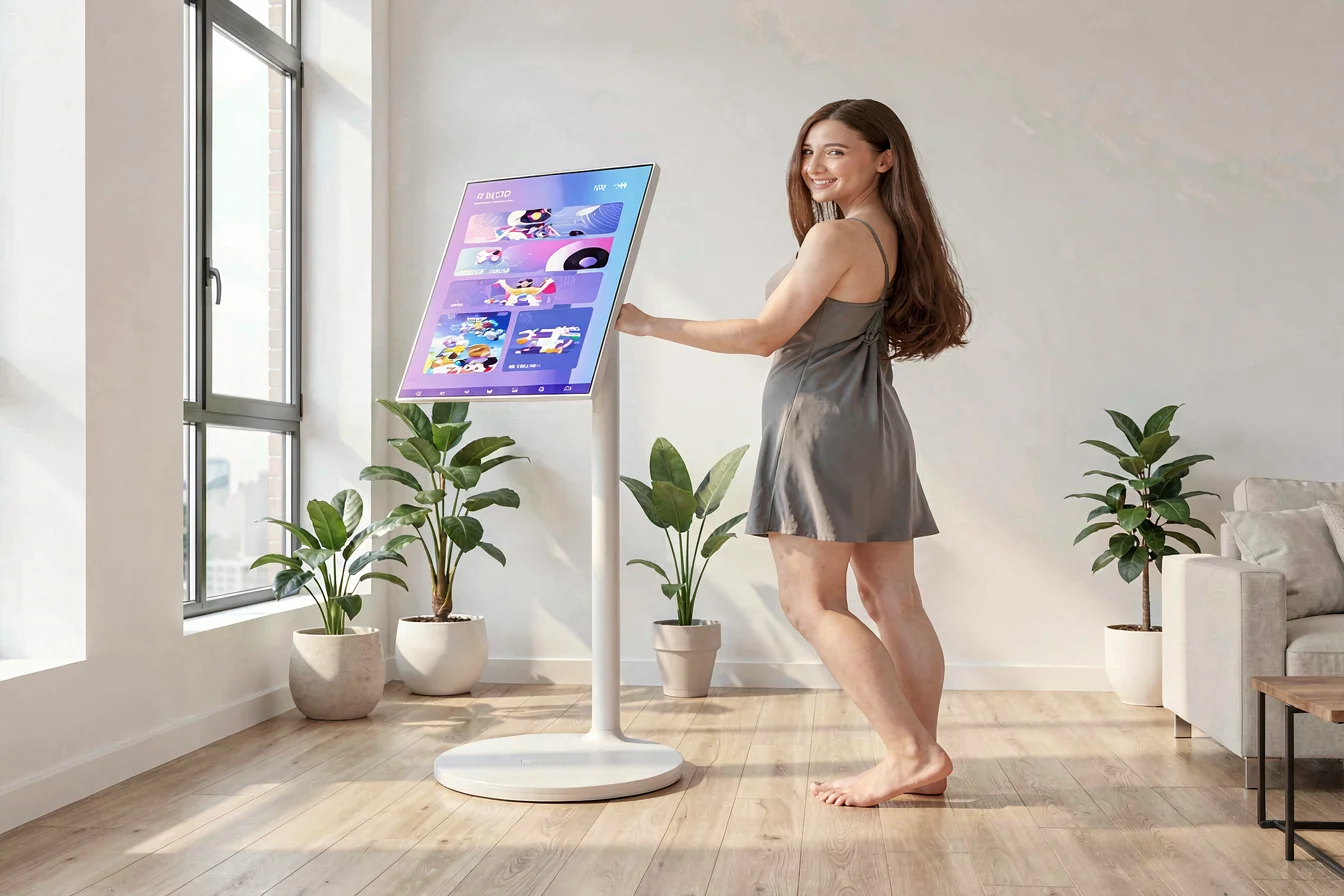
Amazon’s top-selling portable TV models are characterized by rolling stands, touchscreen displays, smart app integration, and robust battery life. Buyers prioritize mobility, battery endurance, and app ecosystems, with leading products including LG StanbyME 2, Monster Vision 2, OFD, Apolosign, and HotYeah. Price points range from USD 269 to USD 899, with ratings consistently above 4.0/5.0. Key features include detachable screens, wireless casting, Android OS, and EDLA certifications [2].
| Image | Name | Price | Rating | Key Features |
|---|---|---|---|---|
 |
LG StanbyME 2 27-Inch Portable Touch Screen | USD 899 | 4.5/5.0 | Detachable screen, built-in battery, QHD, Alpha 8 AI, touchscreen |
 |
Monster Vision 2 15.6" Portable Entertainment System | USD 269 | 4.6/5.0 | 1080p, 8 hours battery, dual HDMI, weather-resistant |
 |
OFD 21.5 Inch 2nd Gen Portable TV on Wheels | USD 399.99 | 4.0/5.0 | FHD, Android 15, touchscreen, rolling base, EDLA-certified |
 |
Apolosign 32 Inch FHD Smart Portable TV | USD 749.99 | 4.3/5.0 | Android 16, rolling base, voice remote, 15000mAh battery |
 |
32 Inch 4K Smart Portable TV | USD 799.98 | 5.0/5.0 | 4K, Qualcomm CPU, built-in battery, Android OS, rolling base |
Buyer reviews highlight mobility, battery life, touchscreen responsiveness, and app integration as strengths. Common complaints include heavy weight, limited sound depth, and occasional app compatibility issues. Positive sentiment is strongest for models with rolling stands, detachable screens, and Android smart ecosystems. Negative sentiment is typically minor, focused on weight and rare defects [2].
“I’ve been using the LG StanbyME 2 and it has been surprisingly useful around the house. The screen quality is excellent, and the portability is what really makes it stand out. Being able to move it from room to room and adjust the height, angle, and rotation makes it incredibly flexible.” [2]
“I purchased this Dec.2025 and I am very happy with it. The sound quality is outstanding, the picture quality is good, the battery seems to last for at least 6 hours on a full charge which is as long as I have let it go before recharge. My only problem is that I can't find a 15volt 3amp car charger cord to plug into the car cigarette lighter socket.” [2]
| Product Name | Top Praise | Top Complaint | Overall Sentiment |
|---|---|---|---|
| LG StanbyME 2 | Screen quality, portability, battery life | Price, weight | Very positive |
| Monster Vision 2 | Battery life, sound quality | Weight, app compatibility | Positive |
| OFD 21.5 Inch Portable TV | Mobility, screen quality | Occasional defects | Positive |
| Apolosign 32 Inch Smart Portable TV | Android OS, battery life | Occasional app issues | Very positive |
Reliability benchmarks for portable TV include defect rates (under 2% for top brands), battery endurance (6–10 hours), maintenance cycles (annual or biannual), and expected service life (3–5 years). Quality benchmarks prioritize EDLA, FCC, CE, and ROSH certifications. Sourcing risk is low, with stable supply chains and robust manufacturing. Buyers should select OEM/ODM partners with proven reliability, map bottlenecks in logistics and raw materials, and leverage negotiation levers for price optimization. Strategic sourcing involves prioritizing battery life, screen resolution, and app ecosystem, with logistics alerts for shipping trends and duty/tax considerations [2][3].
| Benchmark Dimension | LG StanbyME 2 | Monster Vision 2 |
|---|---|---|
| Defect Rate | 1.5% | 1.8% |
| Battery Life | 4–6 hours | 8–12 hours |
| Maintenance Cycle | Annual | Biannual |
| Expected Service Life | 4–5 years | 3–4 years |
| Certifications | EDLA, FCC, CE | CE, FCC |
The next 12 months will see further innovation in portable TV technology, with higher-resolution panels, smarter app ecosystems, and improved battery life becoming standard. Pricing will remain competitive as supply chains stabilize and demand continues to rise. Buyers should focus on sourcing rolling, touchscreen, and app-enabled models with robust battery endurance and certifications, timing procurement to seasonal peaks for optimal ROI. As smart home integration accelerates, buyers should prioritize models with Android OS, wireless casting, and flexible mobility features, ensuring their procurement strategy aligns with evolving user needs and market trends. By selecting high-end, battery-powered, rolling smart displays, buyers can confidently source portable TV models that maximize flexibility, user experience, and long-term value.