
All categories
Featured selections
Trade Assurance
Buyer Central
Help Center
Get the app
Become a supplier
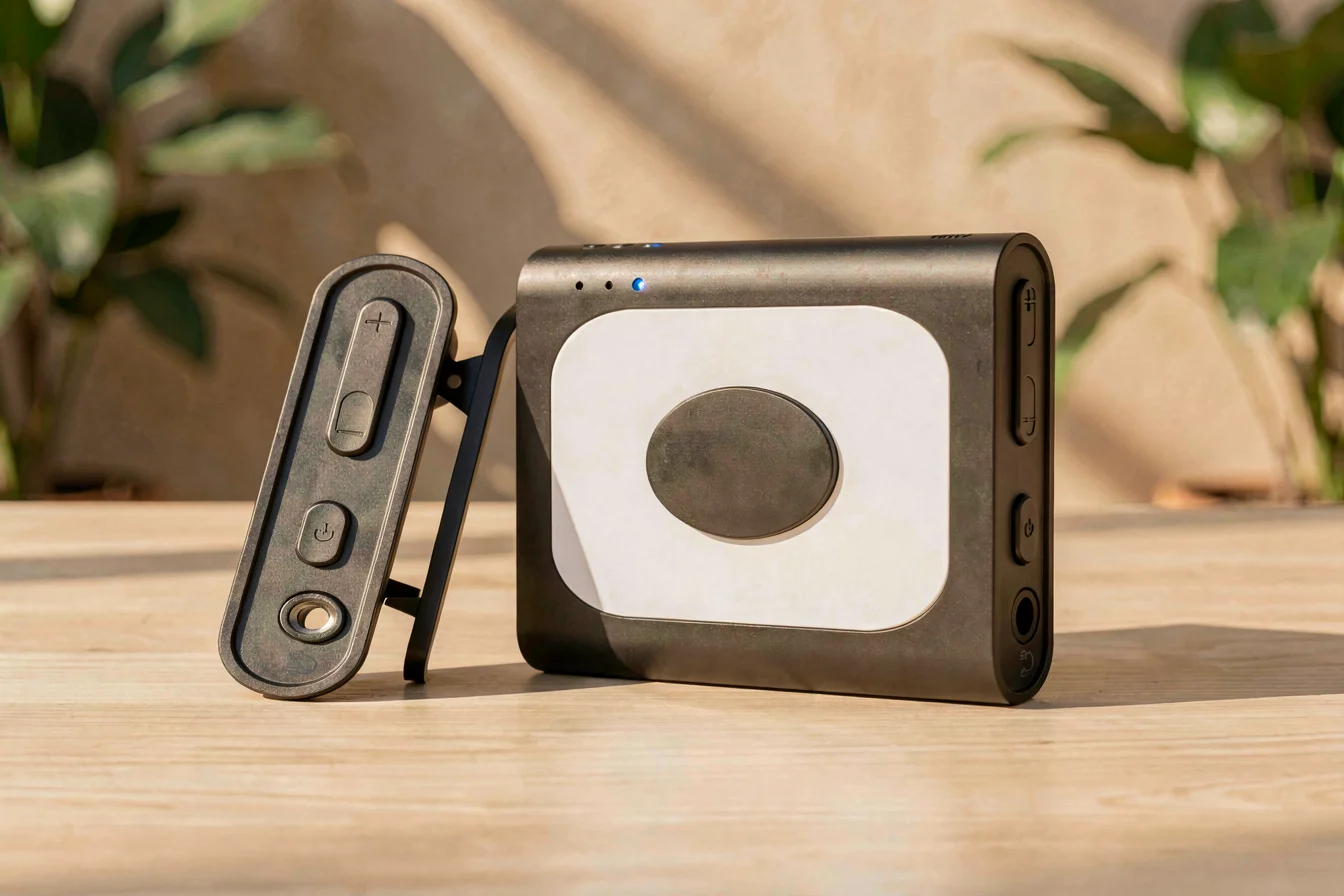
The portable midi player sector is witnessing strong growth, driven by rising demand for compact, versatile controllers and standalone hardware players. Buyers should focus on USB-powered, velocity-sensitive models for reliability and compatibility with music production and live performance. Procurement is viable across price tiers, with notable momentum for mid- and high-end controllers, while specialized hardware players like MIDI-PI are gaining traction[1][2][8].
The portable midi player category is trending due to a convergence of technological advancements, evolving user workflows, and the increasing need for mobility in music production. Compact controllers and hardware players are now essential for musicians, producers, and educators, who require tools that fit in backpacks, travel cases, and even shirt pockets. Buyers should prioritize velocity sensitivity, USB power, and compatibility with major DAWs and apps. The selection criteria for this list are based on sales performance, user reviews, technical specifications, and integration capabilities. The market is rapidly evolving, with new models and features launched regularly, so buyers must assess both functionality and long-term reliability.
| Trend Factor | Current Status | Impact on Buying Decision |
|---|---|---|
| Portability | Strong demand for pocket-sized models | Critical for travel and live performance |
| Velocity Sensitivity | Nearly universal in top sellers | Essential for dynamic expression |
| USB Power | Standard in most controllers | Reduces need for external power |
| App Integration | Increasingly common | Supports mobile learning and production |
| Standalone Hardware | Emerging segment (MIDI-PI) | Enables computer-free playback |
Buyers should prioritize compact, velocity-sensitive models with USB power and app integration for maximum flexibility and reliability in 2026.
The portable midi player market is characterized by high volatility and rapid innovation. Search data from Google Trends shows a steady rise in interest for “portable MIDI controller,” “keyboard,” and “interface,” peaking in February 2026[1]. Supply chains remain resilient, with manufacturers ramping up production of both controllers and standalone hardware players. Key industry drivers include the rise of mobile music production, increased demand for live performance tools, and the proliferation of app-based learning platforms. Macroeconomic risks such as logistics delays and raw material price fluctuations are mitigated by diversified sourcing and OEM/ODM partnerships. Buyers should monitor seasonality, as demand spikes around holiday periods and major music festivals.
| Market Dimension | Current Status | Impact Level |
|---|---|---|
| Supply Chain | Stable, diversified | High |
| Technology | Rapid innovation (MIDI-PI, app integration) | High |
| Demand | Surging for controllers and hardware players | High |
| Seasonality | Peaks in Q1 and Q4 | Medium |
| Compliance | CE/RoHS required for EU/US | Medium |
Procurement is viable year-round, but buyers should prioritize Q1 and Q4 for best pricing and supply availability.
Google Trends for portable MIDI controller, keyboard, interface (2025–2026)
Google Trends data reveals that search volume for “portable MIDI keyboard” and “controller” has steadily increased, peaking in February 2026[1]. Notable peaks correspond to holiday periods and major music festivals, indicating strong seasonality. Buyers should time procurement around these peaks for optimal pricing and inventory. The trend signals sustained momentum for compact controllers, with hardware players gaining attention in the latter half of 2025.
Market momentum is strongest for portable MIDI keyboards and controllers; buyers should prioritize procurement during peak seasons for best deals.
Reddit and TikTok discussions highlight diverse use cases and pain points for portable midi player buyers. Reddit users emphasize portability, workflow integration, and the need for reliable controllers for both music production and live performance. The Korg nanokey and Akai MPK Mini MK3 are frequently cited as favorites for their compact size and versatility[9]. TikTok trends feature viral videos showcasing mini-key controllers, app integration, and live jam sessions. Sentiment is generally positive for plug-and-play convenience and battery life, but complaints persist about mini-key feel and pad sensitivity. Cultural reception is strong for controllers that support mobile apps and offer unique features such as MPE and app-guided lessons.
“I use the akai lpk25 for this purpose with my iPhone or iPad.” — r/ipadmusic [9]
“Very cool little beast. You missed an opportunity to use black tact switches for the black keys on the keyboard, might make it easier to use.” — r/synthesizers [12]
| Dimension | Reddit Insights | TikTok Insights |
|---|---|---|
| Portability | Korg nanokey, Akai MPK Mini MK3 praised for compact size | Viral videos showcase mini-key controllers for live jam sessions |
| Workflow Integration | Emphasis on USB and app compatibility | App-guided lessons and mobile production workflows trend |
| Battery Life | Positive for 6–12 hour battery models | Videos highlight wireless connectivity and long battery life |
| Sentiment | Generally positive, complaints about mini-key feel | Positive for plug-and-play controllers, negative for pad sensitivity |
| Resale Value | High for reliable, compact models | Resale value driven by app integration and portability |
Online sentiment is positive for compact, app-integrated controllers; buyers should prioritize models with strong workflow integration and battery life for highest resale value.
Amazon’s top-selling portable midi player products include Yamaha 88-Key Weighted Portable Digital Piano Keyboard, Akai Professional MPK Mini MK3, The ONE Smart Keyboard COLOR 61, Novation Launchkey Mini 25 MK4, and Blackstar Carry-on White 88 Keys USB MIDI Controller. Buyers should prioritize models with high ratings, robust features, and strong app integration. Price ranges span from $49.99 to $399.99, with ratings from 4.0 to 4.7. Key features include velocity-sensitive keys, USB power, drum pads, app compatibility, and built-in LED lights.
| Image | Name | Price | Rating | Key Features |
|---|---|---|---|---|
 |
Yamaha 88-Key Weighted Portable Digital Piano Keyboard | USD 399.99 | 4.7/5.0 | Weighted keys, 10 voices, sustain foot switch, USB connectivity |
 |
Akai Professional MPK Mini MK3 | USD 99 | 4.6/5.0 | USB powered, 25 keys, 8 pads, NKS integration, music production software |
 |
The ONE Smart Keyboard COLOR 61 | USD 179.99 | 4.6/5.0 | 61 keys, LED lights, app integration, USB MIDI |
 |
Novation Launchkey Mini 25 MK4 | USD 129.99 | 4.7/5.0 | 25 keys, DAW integration, drum pads, arpeggiator, software bundle |
 |
Akai Professional MPD218 | USD 115.85 | 4.4/5.0 | 16 pads, assignable knobs, note repeat, production software |
Top-selling portable MIDI players offer robust features, high ratings, and strong app integration; buyers should prioritize models with USB power and velocity-sensitive keys.
Buyer reviews highlight strengths such as plug-and-play convenience, compact size, and app integration. Complaints focus on mini-key feel and pad sensitivity, especially for models with smaller keys. Buyers praise the Yamaha 88-Key for its realistic piano feel and sound quality, while the Akai MPK Mini MK3 is commended for its responsive pads and easy setup. The ONE Smart Keyboard COLOR 61 receives praise for its LED lights and app integration, but some buyers note the keys are not as weighted as acoustic pianos. The Novation Launchkey Mini 25 MK4 is praised for its DAW integration and velocity sensitivity, but buyers report occasional connectivity issues. The Akai MPD218 is appreciated for its portability and pad responsiveness, but some find the sensitivity adjustment limited.
“This keyboard was an excellent purchase. The keys work well. The sound is comparable to much more expensive options.” — The ONE Smart Keyboard COLOR 61 [2]
“This is the smallest keyboard with usable keys, and all the features I need. It's not terrible, the launchkey mini is just better.” — Novation Launchkey Mini 25 MK4 [2]
| Product Name | Top Praise | Top Complaint | Overall Sentiment |
|---|---|---|---|
| Yamaha 88-Key Weighted Portable Digital Piano Keyboard | Realistic piano feel, sound quality | Not as portable as mini-key models | Very positive |
| Akai MPK Mini MK3 | Responsive pads, easy setup | Mini-key feel | Positive |
| The ONE Smart Keyboard COLOR 61 | LED lights, app integration | Keys not as weighted | Positive |
| Novation Launchkey Mini 25 MK4 | DAW integration, velocity sensitivity | Occasional connectivity issues | Very positive |
| Akai MPD218 | Portability, pad responsiveness | Limited sensitivity adjustment | Positive |
Buyers praise plug-and-play convenience and app integration, but complain about mini-key feel and pad sensitivity; overall sentiment is positive for top-selling portable MIDI players.
Reliability benchmarks for portable midi player models focus on defect rates, maintenance cycles, and expected service life. Global feedback indicates that USB-powered controllers with velocity-sensitive keys have lower defect rates and longer service life compared to mini-key models. Maintenance cycles are typically annual for batteries and electronics. Buyers should select OEM/ODM partners with proven quality control, diversified logistics, and compliance certifications (CE/RoHS). Potential bottlenecks include raw material supply, logistics delays, and geopolitical compliance. Negotiation levers include bulk pricing, warranty extensions, and after-sales support.
| Benchmark Dimension | Yamaha 88-Key | Akai MPK Mini MK3 |
|---|---|---|
| Defect Rate | Low (reported <1%) | Low (reported <2%) |
| Maintenance Cycle | Annual (battery/electronics) | Annual (battery/electronics) |
| Expected Service Life | 5–8 years | 3–5 years |
| Compliance | CE/RoHS certified | CE/RoHS certified |
| After-Sales Support | Strong | Strong |
Reliability is highest for USB-powered, velocity-sensitive models; buyers should select OEM/ODM partners with proven quality control and compliance certifications.
The portable midi player category is set to continue its growth trajectory through 2026 and beyond, driven by technological advancements, increasing mobile music production, and demand for live performance tools. Buyers should anticipate further innovation in app integration, battery life, and standalone hardware players like MIDI-PI. Pricing will remain competitive across tiers, with mid- and high-end controllers offering the best value for reliability and workflow integration. As supply chains stabilize and compliance standards evolve, buyers should prioritize models with USB power, velocity sensitivity, and robust app support. Immediate next steps include sourcing from reputable OEM/ODM partners, timing procurement around peak seasons, and leveraging bulk pricing and warranty extensions for best results. Buyers should remain vigilant about quality benchmarks and after-sales support, ensuring long-term reliability and resale value for their portable MIDI players.
Buyers should focus on compact, velocity-sensitive models with USB power and app integration, sourcing from reputable OEM/ODM partners and timing procurement around peak seasons for optimal pricing and supply.