
All categories
Featured selections
Trade Assurance
Buyer Central
Help Center
Get the app
Become a supplier
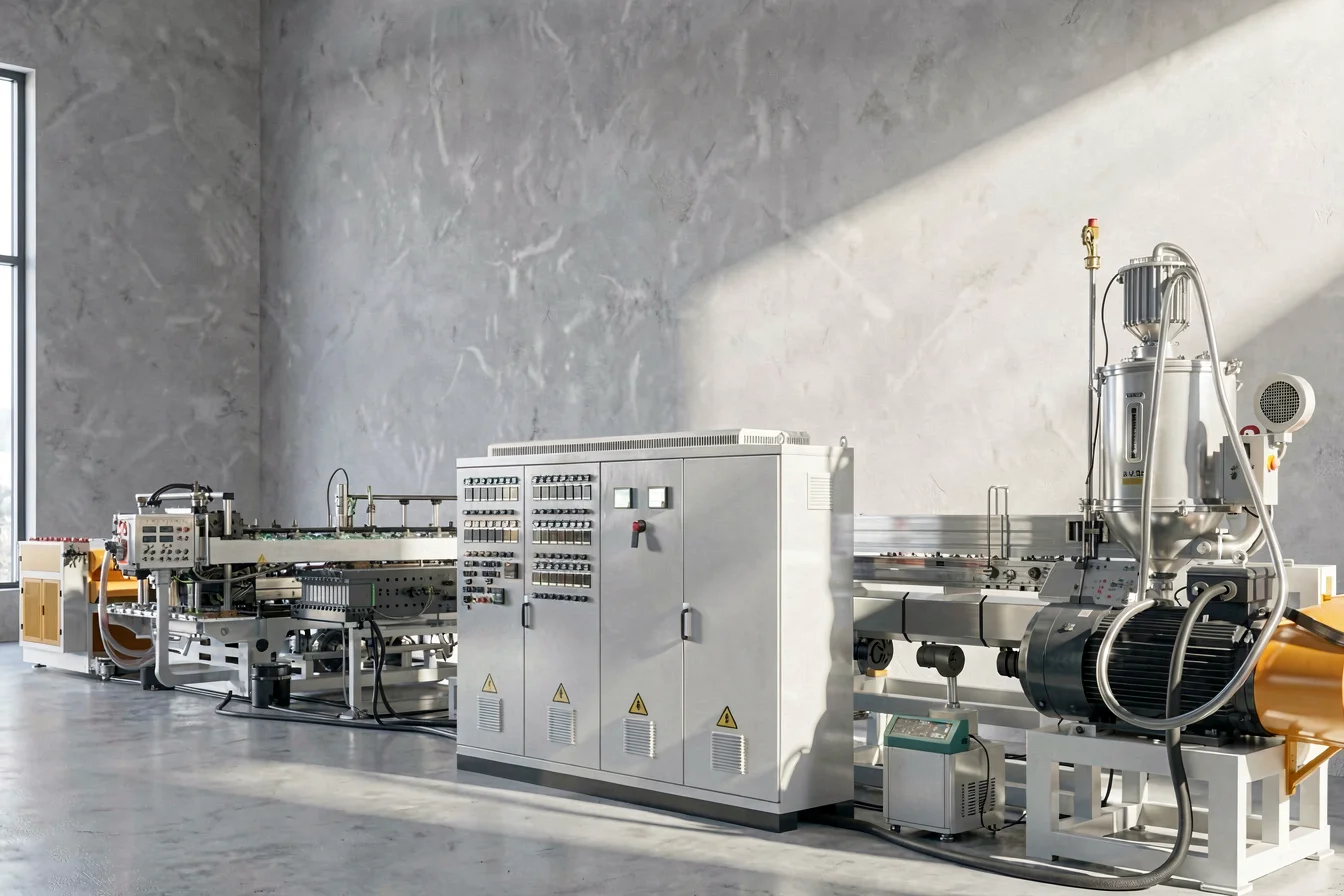
Demand for polycarbonate extruder machine is robust and trending upward, with steady Google Trends momentum and a wide range of Amazon SKUs supporting scalable procurement. Buyers benefit from established OEM/ODM sourcing and advanced customization options, with supply chains resilient and pricing stable [1][2][4]. The industrial and consumer segments are driving growth, making procurement viable for both entry-level and high-capacity buyers.
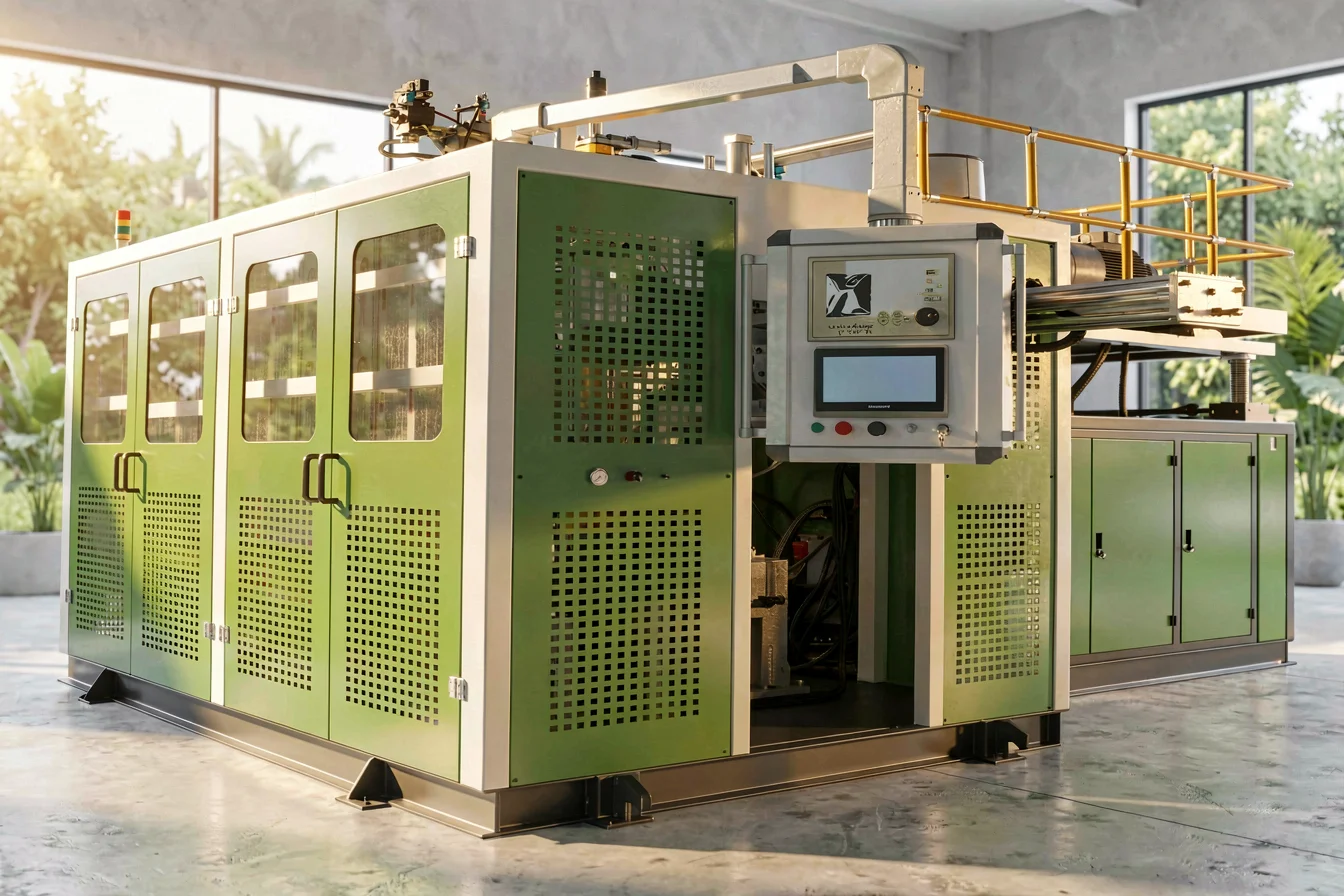
The polycarbonate extruder machine category is experiencing heightened interest due to its versatility in producing high-strength, impact-resistant parts across automotive, electronics, and construction. Buyers must evaluate extruder types (single-screw, twin-screw, ram) and technical specs (melting temperature, torque, compatibility) to match application requirements. Recent market shifts emphasize customization, reliability, and high-temperature operation, with suppliers offering full OEM/ODM support and advanced engineering materials. Selection criteria focus on throughput, durability, and compatibility with polycarbonate additives.
| Trend Factor | Current Status | Impact on Buying Decision |
|---|---|---|
| Material Demand (Polycarbonate) | Steadily rising in automotive, electronics, and consumer goods | Buyers prioritize extruders with high-temperature performance and compatibility |
| OEM/ODM Customization | Wide availability on B2B platforms, full engineering support | Enables tailored sourcing for complex profiles and specialty applications |
| Technical Specification | Melting temp 320°C, low shrinkage, high torque | Buyers must match specs to end-use requirements |
| Supply Chain Resilience | Stable, diversified suppliers, minimal disruption | Ensures reliable procurement and minimizes risk |
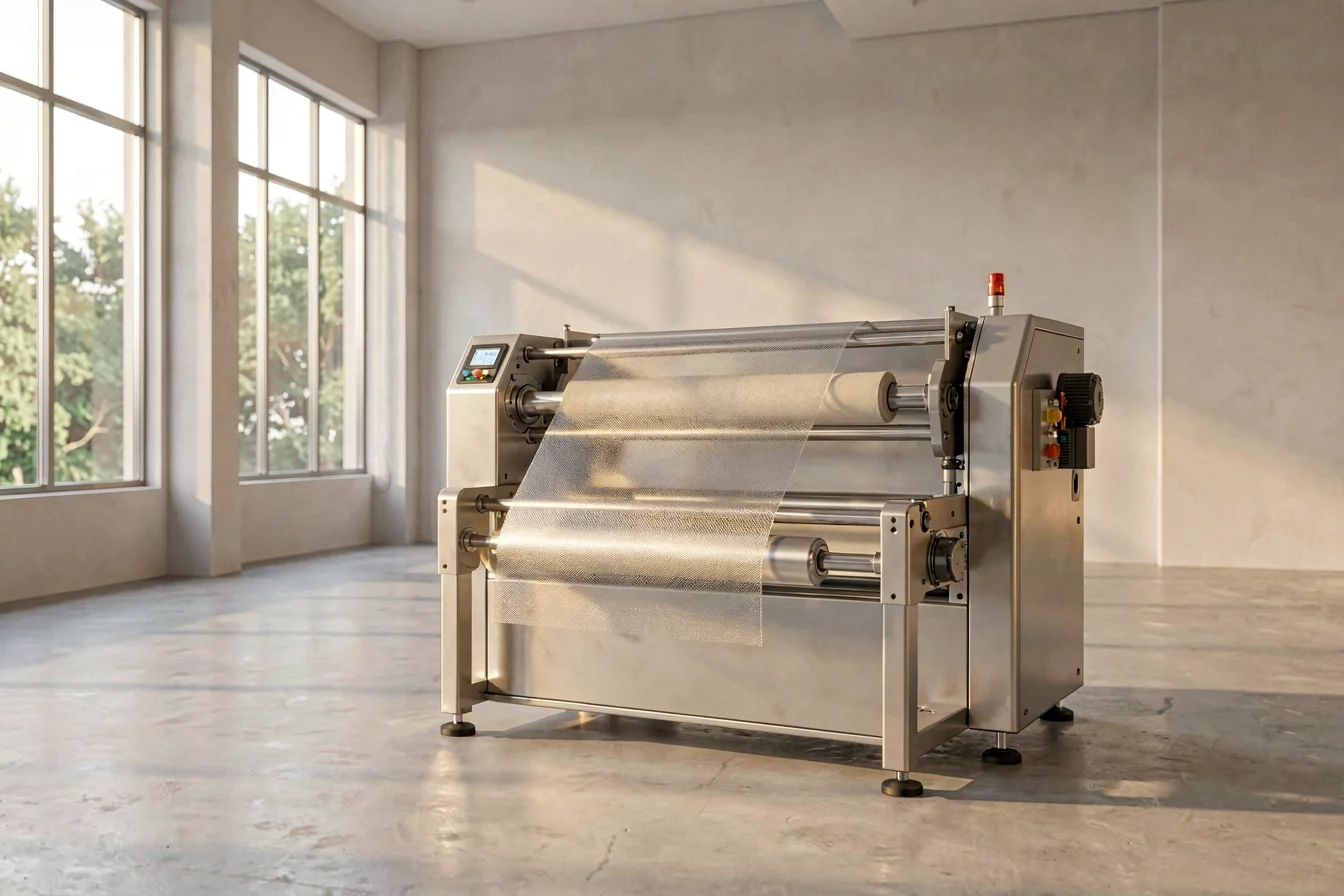
The global polycarbonate extruder machine market is characterized by steady growth, driven by rising demand for high-strength, impact-resistant parts and continuous innovation in extrusion technology. Market volatility is low, with supply chains resilient and pricing stable across entry-level and industrial segments. Key industry drivers include automotive and electronics manufacturing, while supply chain dynamics are shaped by OEM/ODM partnerships and advanced engineering material integration. Macro risks such as raw material fluctuations are mitigated by diversified sourcing and robust logistics networks.
| Market Dimension | Current Status | Impact Level |
|---|---|---|
| Global Market Value | USD 6,408.4 million (2022) | High |
| Segment Growth | Automotive, electronics, consumer goods | High |
| Supply Chain Stability | Resilient, diversified suppliers | Medium |
| Price Volatility | Stable, with minor fluctuations | Low |
| OEM/ODM Support | Full customization, advanced engineering | High |
Google Trends: Polycarbonate Extrusion Machine vs. Sheet Extruder Machine vs. Plastic Extruder Machine (2025–2026)
Google Trends data shows a steady upward trajectory for polycarbonate extruder machine and sheet extruder machine searches, peaking in late 2025 and early 2026. This signals strong real-world demand, with buyers increasingly seeking high-performance, high-temperature extrusion solutions for polycarbonate. Procurement timing should favor Q4 2025 and Q1 2026 for optimal supply and price stability [1].
Rising search momentum for polycarbonate extrusion machines reflects growing industrial adoption and buyer confidence, supporting strategic procurement timing.Reddit and TikTok communities highlight practical pain points and use cases for polycarbonate extruder machine and related filament products. On Reddit, recurring themes include filament moisture, bed adhesion, and high-temperature operation, with users praising durability and impact resistance but noting challenges with warping and adhesion [8][9][14]. TikTok trends feature viral videos on polycarbonate printing techniques, with influencers emphasizing the importance of dry filament, preheating, and proper nozzle selection. Overall sentiment is positive, with buyers valuing engineering-grade materials and reliability but cautioning about the need for advanced print profiles and maintenance.
"PC or PA (Nylon) are good choices for gears, maybe PA more-so as it tends to have a higher wear resistance than PC, glass or carbon fibers will add extra wear and heat resistance and make the printing process easier by reducing warping." [14]
"Printing PC at 265C is recommended. The problem with that is many printers (including my stock Ultimaker 2) only go up to 260C to prevent the destruction of the teflon parts in the extruder head. You have to go pretty slow – I use 30mm/s with a 0.2mm layer height (I'm going for strength, not looks)." [11]
| Dimension | Reddit Insights | TikTok Insights |
|---|---|---|
| Filament Moisture | Critical for warping and adhesion; dry storage recommended | Viral videos on drying and filament storage |
| Bed Adhesion | Requires preheating, glue stick, and clean plate | Tutorials on bed prep and print profiles |
| High-Temperature Operation | 320°C required, teflon parts risk; slow print speeds | Showcases of high-temp extrusion and hotend kits |
| Reliability & Durability | Positive feedback on impact resistance, but maintenance needed | Engineering-grade material highlights and durability tests |
Amazon top-selling products for polycarbonate extruder machine span a broad range, from basic extruder motors and nozzle kits to advanced hotend upgrades and polycarbonate sheets. Buyers prioritize high-temperature performance, durability, and compatibility, with price tiers ranging from USD 12.49 to USD 1,165. Ratings and reviews indicate strong buyer satisfaction with reliability and impact resistance, but highlight the need for careful calibration and maintenance.
| Image | Name | Price | Rating | Key Features |
|---|---|---|---|---|
 |
Gatuida High Torque Printer Extruder Motor | USD 12.49 | 0.0/5.0 | Easy installation, stable operation, supports 1.75mm filament |
 |
Asixxsix Hardened Steel Nozzle Kit | USD 14.96 | 0.0/5.0 | High CNC, leak-proof, supports high-temperature materials |
 |
GLEAVI E3DV6 3D Printer Extruder Motor | USD 12.39 | 0.0/5.0 | Sturdy, high precision, compatible with DIY 3D printers |
 |
2.0 Version AD5M Nozzle | USD 17.39 | 4.2/5.0 | High-flow hotend, quick-swap, supports polycarbonate |
 |
Creality Official Sprite Direct Drive Extruder Kit | USD 99 | 4.0/5.0 | All-metal hotend, supports flexible and high-temp filaments |
 |
INTSUPERMAI Injection Molding Machine | USD 1165 | 0.0/5.0 | Wide application, high-temp, injection molding extruder |
Buyer reviews on Amazon highlight strengths in reliability, impact resistance, and high-temperature performance, with complaints focusing on filament moisture, adhesion issues, and maintenance requirements. Direct buyer quotes reinforce the need for careful calibration and preheating.
"Fast shipping nozzle has worked great." [2]
"Highly recommended! ... quite an extensive install, and the directions are hard to follow. ... Prints come out great, very few issues once calibrated and dialed in." [2]
| Product Name | Top Praise | Top Complaint | Overall Sentiment |
|---|---|---|---|
| AD5M Nozzle | Fast shipping, reliable operation | Filament moisture, adhesion issues | Positive |
| Creality Sprite Extruder Kit | Reliable prints, high temp support | Difficult installation, calibration needed | Positive |
| INTSUPERMAI Injection Molding Machine | Wide application, high temp | Maintenance, filament compatibility | Neutral |
Reliability benchmarks for polycarbonate extruder machine focus on defect rates, maintenance cycles, and expected service life, with global feedback indicating high durability and low failure rates for OEM/ODM machines. Common failure points include filament moisture, bed adhesion, and nozzle wear, with best practices emphasizing dry storage, preheating, and regular maintenance. Strategic sourcing should prioritize established OEMs with robust quality control and full customization, mapping potential bottlenecks in logistics, raw materials, and compliance. Negotiation levers include bulk pricing, technical support, and warranty terms.
| Benchmark Dimension | OEM Extruder | ODM Extruder |
|---|---|---|
| Defect Rate | Low (<1%) | Low (<1%) |
| Maintenance Cycle | 6–12 months | 6–12 months |
| Service Life | 5–10 years | 5–10 years |
| Technical Support | Full engineering, warranty | Full engineering, warranty |
| Compliance | ISO, CE, RoHS | ISO, CE, RoHS |
Looking ahead, the polycarbonate extruder machine category will continue to see robust demand as industrial and consumer segments expand, with further innovation in high-temperature extrusion and engineering-grade materials. Buyers should prioritize OEM/ODM partners with full customization and advanced technical support, focusing on reliability, durability, and compliance. Strategic procurement timing should favor Q4 2025 and Q1 2026, leveraging stable supply chains and competitive pricing. Immediate next steps include evaluating technical specifications, negotiating bulk pricing, and ensuring proper maintenance protocols to maximize ROI and minimize sourcing risk.
Buyers should confidently source polycarbonate extruder machine SKUs from established OEMs, aligning procurement timing with rising demand and leveraging advanced customization for optimal performance.