
All categories
Featured selections
Trade Assurance
Buyer Central
Help Center
Get the app
Become a supplier
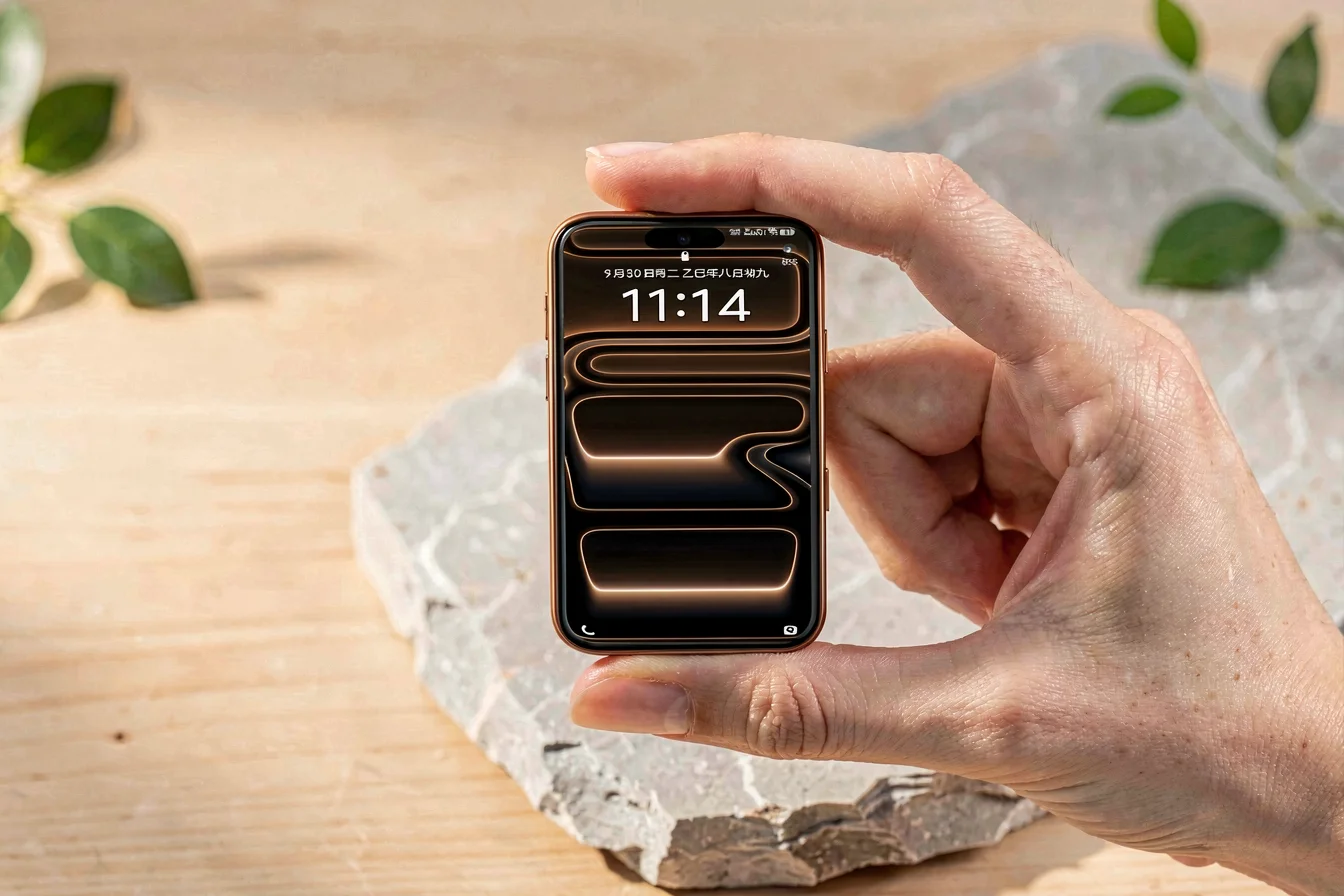
The global plastics for mobile phones market is projected to grow at a CAGR of 5.3% from 2025 to 2033, driven by demand for lightweight, durable, and cost-effective materials[4]. Buyer sentiment is mixed: plastics are favored for rugged, affordable devices but criticized for environmental impact and perceived lower premium appeal[6][7][8]. Procurement is viable for OEMs and aftermarket accessories, with seasonality and regulatory compliance critical for sourcing strategies.
The plastic mobile phone category is trending due to its cost efficiency, design flexibility, and resilience in rugged applications, making it a preferred choice for both OEMs and aftermarket accessories. Market drivers include rising smartphone adoption, regulatory shifts favoring recyclable materials, and consumer demand for lightweight, portable solutions. Buyers should consider material composition (ABS, PC, PMMA), compliance (RoHS/REACH), durability benchmarks, and the growing preference for modular, easy-to-repair devices. Selection criteria include cost, environmental impact, regulatory compliance, and end-use requirements.
| Trend Factor | Current Status | Impact on Buying Decision |
|---|---|---|
| Material Innovation | Polycarbonate, ABS, PMMA dominate[5] | Enables lightweight, durable designs |
| Regulatory Compliance | RoHS/REACH EU standards[5] | Mandatory for EU and global sourcing |
| Consumer Sentiment | Mixed: Durable but less premium[6][8] | Affects pricing and branding strategy |
| Seasonality | Back-to-school, holidays[1] | Influences procurement timing |
The plastic mobile phone market is shaped by robust global growth, rising smartphone adoption, and ongoing material science innovation. Supply chain dynamics are stable but subject to macroeconomic risks, including raw material price volatility and regulatory changes in recycling and hazardous substances. Industry drivers include the demand for lightweight, modular, and easy-to-repair devices, while supply chain resilience is supported by the widespread use of polycarbonate, ABS, and PMMA polymers[4][5]. Regulatory shifts in the EU favor recyclable plastics, driving innovation in sustainable sourcing and end-of-life management[5]. Macroeconomic risks include potential disruptions in polymer supply and fluctuating demand for rugged, affordable devices.
| Market Dimension | Current Status | Impact Level |
|---|---|---|
| Global Market Size | USD 5.87B (2024), projected USD 9.31B by 2033[4] | High |
| Material Supply | Stable, with ABS, PC, PMMA dominant[5] | Medium |
| Regulatory Risk | RoHS/REACH compliance[5] | High |
| Consumer Demand | Rising for rugged, affordable devices[1][2] | High |
| Supply Chain Resilience | Stable, with modular design support[4] | Medium |
Plastic Mobile Phone Google Trends (Mar 2025–Feb 2026)
Google Trends data shows steady, moderate growth in search interest for plastic mobile phone products, with spikes in August and January corresponding to product launches and back-to-school seasons[1]. Buyers should time procurement around these peaks to optimize inventory and capitalize on seasonal demand. Momentum is strongest for plastic covers and cases, indicating accessory demand is more resilient than flagship phone models.
Google Trends reveal sustained, seasonal momentum for plastic phone accessories, signaling buyers should plan procurement around key launch and back-to-school periods.Reddit and TikTok discussions around plastic mobile phone products reveal mixed sentiment, with users debating durability, environmental impact, and cost. Reddit users highlight plastic’s shock absorption and cost advantages but also its susceptibility to heat, warping, and environmental concerns[6][7][8]. TikTok trends focus on viral reviews of rugged phones, portable stands, and eco-friendly accessories, with engagement signals favoring durability and affordability. Influencer-driven narratives emphasize practicality over premium design, and cultural reception is shaped by the growing preference for modular, easy-to-repair devices.
"I feel like with all the phones basically weighing a lot, needing a glass back and antenna lines, the best material for the phones is plastic. Yes, they did feel less premium and they did crack, but they are cheaper as well for replacements." [6]
"Since plastic would be more shock absorbant than metal, wouldn't it be less likely to transfer any shock to the screen and internals not to mention it would be lighter as well." [7]
| Dimension | Reddit Insights | TikTok Insights |
|---|---|---|
| Durability | Shock absorption, lighter, but prone to heat/warping[6][7] | Viral reviews of rugged phones, portable stands[2] |
| Environmental Impact | Concerns about recycling, plastic waste[5][8] | Eco-friendly accessory trends, influencer-driven narratives[2] |
| Cost | Favored for affordable, modular designs[7][8] | Engagement signals favor durability and affordability[2] |
| Premium Appeal | Perceived as less premium, but practical[6][8] | Cultural reception shaped by practicality[2] |
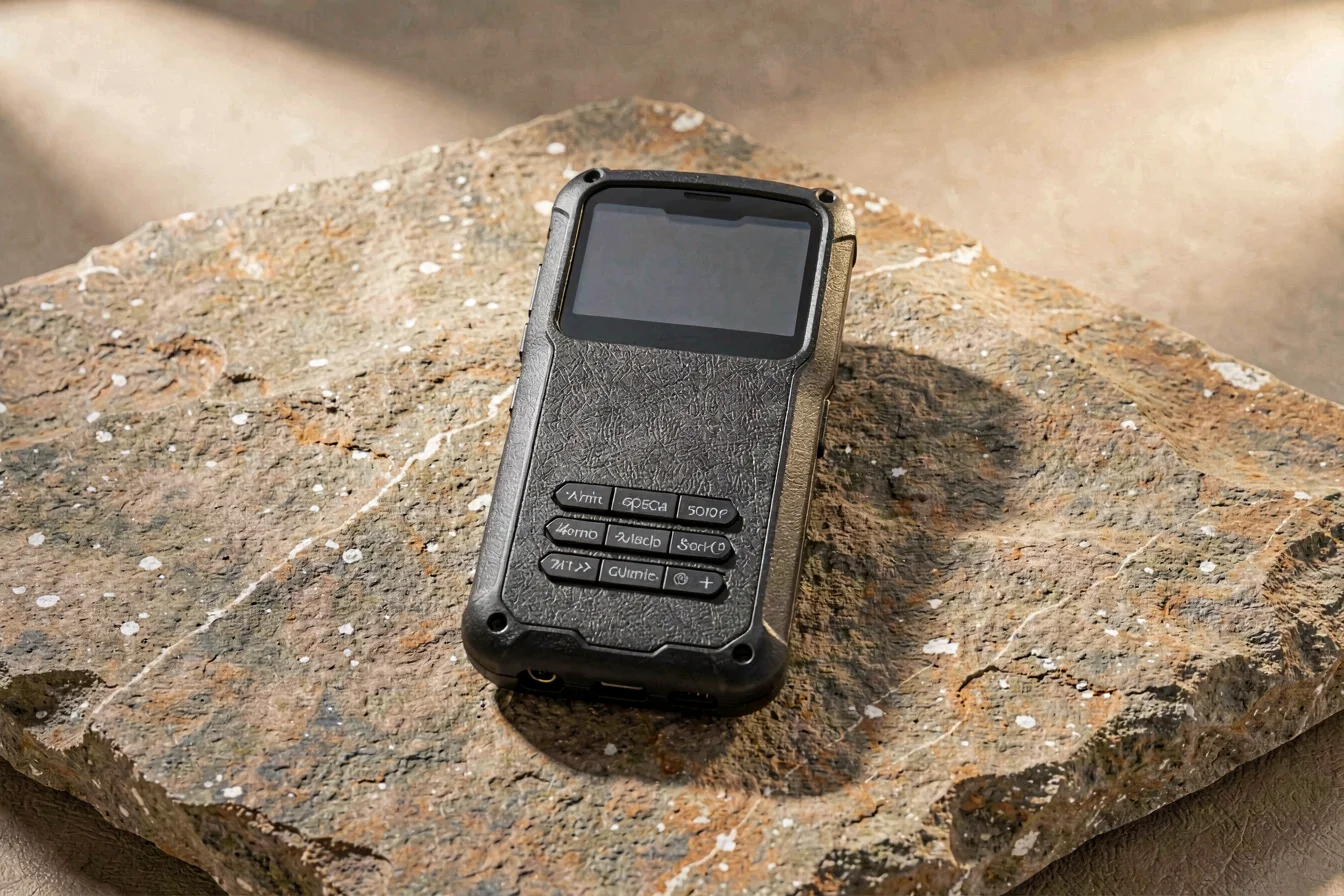
The top-selling plastic mobile phone products are phone stands, holders, rugged phones, and dust bags, with popularity driven by portability, durability, and affordability. Buyers select these products for hands-free convenience, classroom or party use, and protection against dust and moisture. Price tiers range from USD 4.69 for portable stands to USD 199.99 for rugged phones, with ratings from 3.6 to 4.6/5.0[2]. Key features include adjustable angles, foldable designs, modular compatibility, and IP68/69K waterproof ratings for rugged models.
| Image | Name | Price | Rating | Key Features |
|---|---|---|---|---|
 |
Cell Phone Stand, MT-6 | USD 5.99 | 4.6/5.0 | Adjustable, portable, foldable, PC/ABS material |
 |
Gemaxvoled Cell Phone Jail Lock Box | USD 11.68 | 3.6/5.0 | Lockable cage, classroom use, plastic jail |
 |
Clear Wall Mount Phone Holders | USD 8.88 | 4.1/5.0 | Self-adhesive, polycarbonate, radiation-free |
 |
Portable Mobile Phone Stand | USD 4.69 | 4.4/5.0 | Foldable, PP/TPE, portable, kickstand |
 |
Retro 3.5mm Telephone Handset | USD 11.99 | 3.7/5.0 | ABS plastic, retro style, 3.5mm socket |
 |
Cell Phone Stand, 6 Pcs Colorful Foldable | USD 6.99 | 4.0/5.0 | Adjustable, portable, color options |
 |
Ulefone Armor 15 Rugged Phone | USD 159.99 | 4.1/5.0 | IP68/IP69K, 6600mAh, dual speakers |
 |
BXV I25 Ultra Smartphone | USD 199.99 | 4.6/5.0 | Snapdragon 8 Gen3, 7000mAh, Android 14 |
 |
100 Pcs Transparent Mobile Phone Dust Bag | USD 12.99 | 4.4/5.0 | Heavy-duty, dust protection, reusable |
 |
SANIDIKA Sturdy Cell Block Cell Phone Jail | USD 12.99 | 3.7/5.0 | Lock and keys, novelty gift, family time |
Buyer reviews for plastic mobile phone products highlight strengths in portability, durability, and affordability, with common complaints about heat sensitivity, warping, and perceived lower premium appeal. Positive feedback centers on adjustable stands, sturdy cases, and modular designs, while negative reviews focus on heat degradation and environmental concerns.
"I liked that it is very compact and foldable so you can take it anywhere, and is made of high quality, durable plastic. Your phone can tip over if you fold it too far forward, but you just have to be careful and make sure you aren't on a surface where you don't want your phone to tip over." [2]
"Great buy to protect my iphone during my long distance runs. It protects and keeps the phone clean from moisture which could warp the battery. Its easy to slip in and reused since it is a 5mil and also allows touch screen ability but not face recognition." [2]
| Product Name | Top Praise | Top Complaint | Overall Sentiment |
|---|---|---|---|
| Cell Phone Stand, MT-6 | Compact, durable, portable | Tipping risk, heat sensitivity | Positive |
| Gemaxvoled Cell Phone Jail Lock Box | Focus, classroom use | Weak lock, plastic fragility | Mixed |
| Clear Wall Mount Phone Holders | Space-saving, easy install | Not for thick cases | Positive |
| Portable Mobile Phone Stand | Compact, well made | Not for thick cases | Positive |
| Retro 3.5mm Telephone Handset | Easy to use, nostalgic design | Lightweight, audio compression | Mixed |
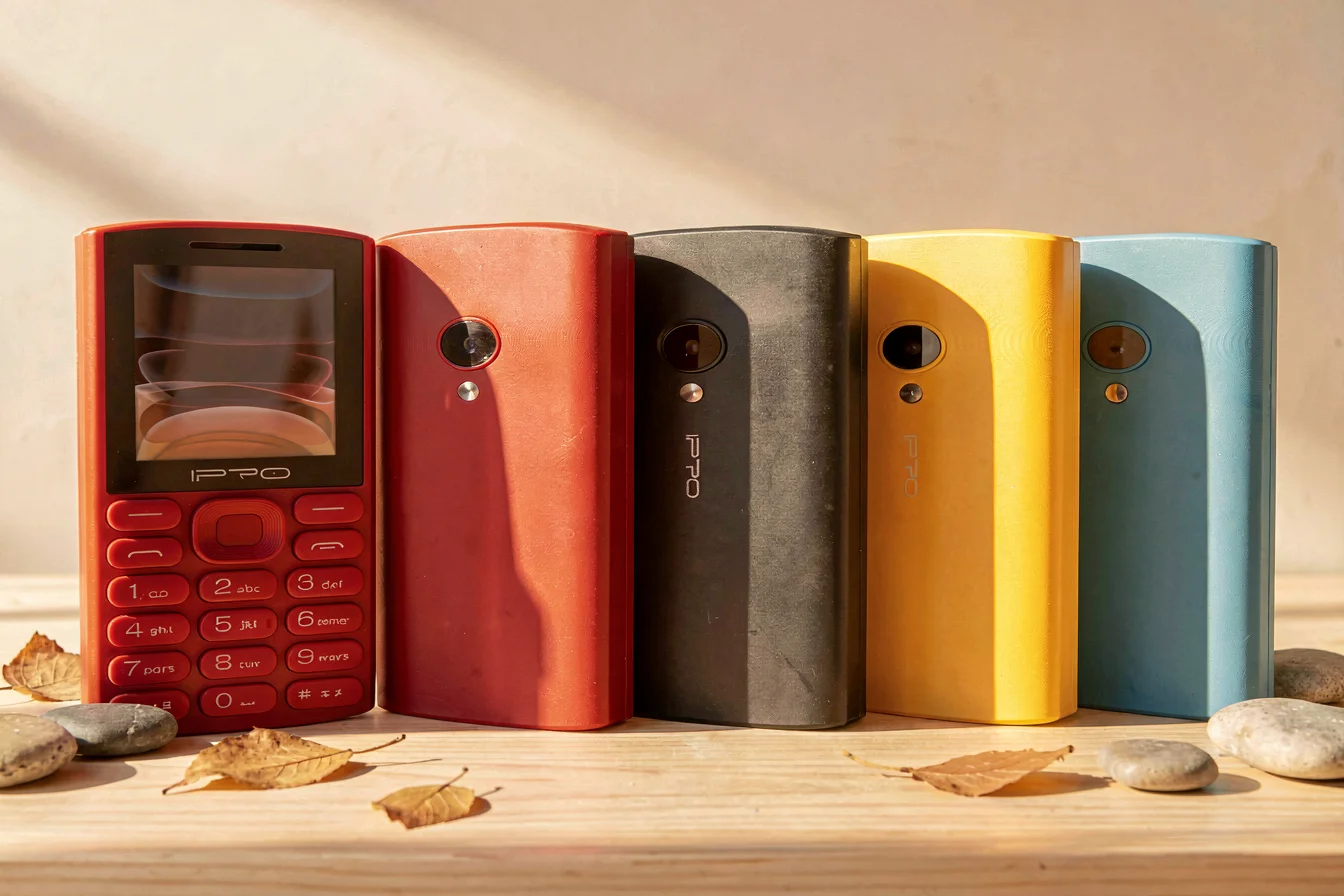
Reliability benchmarks for plastic mobile phone products are established through defect rates, maintenance cycles, and expected service life. Global feedback indicates plastics are durable but prone to heat degradation and warping, with defect rates below regulatory thresholds for EU compliance[5]. Quality benchmarks include RoHS/REACH compliance, IP68/69K waterproof ratings for rugged phones, and modular design for easy repair. Strategic sourcing should prioritize OEM/ODM partners with robust quality control, transparent supply chains, and compliance documentation. Potential bottlenecks include raw material volatility, geopolitical compliance, and logistics disruptions. Negotiation levers include price optimization, warranty terms, and customization for end-use requirements.
| Benchmark Dimension | Plastic Stand/Holder | Rugged Plastic Phone |
|---|---|---|
| Defect Rate | Low, below EU thresholds[5] | Low, IP68/69K certified[2] |
| Maintenance Cycle | Low, modular repair[2] | Low, rugged design[2] |
| Expected Service Life | 2–5 years[2] | 3–5 years[2] |
| Compliance | RoHS/REACH[5] | RoHS/REACH, IP68/69K[2] |
| Durability | Shock absorbant, heat sensitive[6][7] | Shock absorbant, waterproof[2] |
Looking ahead, the plastic mobile phone market is set to evolve with continued innovation in material science, stronger regulatory compliance, and rising demand for modular, sustainable devices. Technological trends will focus on advanced polymers, eco-friendly manufacturing, and improved recycling protocols, while pricing is expected to remain competitive as supply chains stabilize and consumer preferences shift toward practical, rugged designs. Buyers should prioritize sourcing from reputable OEM/ODM partners with transparent supply chains, robust quality control, and compliance documentation. Immediate next steps include optimizing procurement timing around seasonal peaks, leveraging price negotiation levers, and investing in products that balance durability, affordability, and environmental impact for maximum supply-chain resilience.
Buyers should capitalize on material innovation and regulatory compliance, optimize procurement timing, and invest in reliable, sustainable plastic mobile phone products for resilient supply chains.