
All categories
Featured selections
Trade Assurance
Buyer Central
Help Center
Get the app
Become a supplier
In 2026, vibrators have transitioned from niche adult products to mainstream wellness essentials, reflecting sweeping global changes in attitudes toward sexual health and pleasure. This shift is particularly evident in the surging market growth, diversified product offerings, and robust consumer demand spanning demographics and cultures. Seasonal factors, such as post-holiday self-care trends and Valentine's Day promotions, are driving short-term spikes in retail purchases, while broader cultural developments—such as increased sexual health education, rising emphasis on self-care, and the normalization of open conversations about pleasure—fuel long-term expansion.
Traditional stigmas are rapidly dissolving as medical practitioners, influencers, and media highlight vibrators’ therapeutic benefits including stress relief, relationship enrichment, and even the treatment of menopausal symptoms. E-commerce now dominates distribution, ensuring privacy, easy comparison, and discreet delivery—components critical in motivating new buyers and repeat customers alike.
The current year sees a marked increase in couple-oriented devices and multifunction products, reflecting a strong desire for shared intimacy experiences alongside solo use. Particularly among Millennial and Gen Z consumers, vibrators are celebrated as wellness tools, gifts, and statements of bodily autonomy. All signs point to a sustained, upward trajectory for this category, firmly positioning vibrators at the heart of sexual wellness and personal care trends in 2026[5][3].
A vibrator is an electrically powered device engineered to deliver pleasurable physical stimulation through vibration. Its earliest ancestors trace back to medical massage machines in the late 19th century, originally designed for therapeutic purposes before their role in facilitating sexual pleasure was widely acknowledged. Over decades, technological advancements, evolving cultural norms, and increased body-positivity have transformed vibrators into sophisticated, user-friendly products tailored for diverse preferences[2][6].
Modern vibrators fall into several major categories:
Buyers evaluate these products based on multiple criteria, including:
As innovation and inclusivity rise, vibrators have evolved from covert tools to celebrated icons of self-care and sexual wellbeing, prompting manufacturers and buyers alike to prioritize safety, diversity, and customization[2][5][3].
In 2026, the cultural reception of vibrators is strongly reflected through vivid social media discussions, personal testimonials, and shifting attitudes around sexual technology. Online communities reveal a wide spectrum of sentiment—from enthusiastic recommendations and relational advice to nuanced debates about sensitivity, stigma, and impact on intimacy.
Consumers are increasingly willing to share product experiences, ask for discreet solutions, and challenge misconceptions, reflecting a broader normalization of pleasure talk within digital spaces. Trending hashtags and viral posts highlight not only the most popular brands and product types, but also social narratives about empowerment, individuality, and relationship dynamics.
Sentiment Analysis & Key Themes
Ultimately, social platforms now function as forums for advice, product education, and emotional support, helping consumers make informed, confident choices while validating pleasure as a vital aspect of overall health and well-being[7][9][8][14][15][10][11][12][13][16].
The global vibrator market is surging toward record highs, reflecting massive consumer demand and rapid innovation. According to recent studies, the global sex toy industry reached $46 billion in 2025 and is projected to grow to $49.1 billion in 2026, with total sector value set to exceed $100 billion by 2035 at a compounded annual growth rate (CAGR) of 8.4%[5]. Vibrators constitute about 22% of aggregate sales, making them the largest individual segment within sexual wellness and accessories[3].
Drivers for growth include rising awareness of sexual health as integral to overall wellness, increased financial stability, destigmatization, and the proliferation of online retail channels, which now account for over 63% of global revenue[3][5]. In the U.S., vibrator sales are propelled by mainstream acceptance, influencer endorsements, and medical validation, while Europe follows closely, with accelerated uptake particularly among younger and middle-aged women.
Regional trends highlight demand for body-safe materials (especially medical-grade silicone), ergonomic designs, multi-functionality, and seamless charging solutions. The Asia-Pacific region, formerly lagging behind, now stands as a major growth frontier with projected revenues approaching $13 billion by 2026[6]. Consumers in all markets are increasingly prioritizing value, innovation, and self-expression, giving rise to advanced models boasting app control, suction features, and custom vibration patterns.
Price Tier & Subcategory Analysis
Retail data underscores a distinct preference for high-quality and multi-functional vibrators, particularly among women seeking reliable clitoral stimulation, couples desiring partner-enhancing experiences, and men exploring new genres of pleasure. The intersection of wellness, technology, and personalization continues to shape market growth, making vibrators a resilient and adaptive segment for global buyers[5][3][2][6].
Hot Selling Analysis: Top 10 Amazon Vibrators of 2026
The following top 10 Amazon bestsellers reflect real-time buyer preferences, retail pricing, and functional diversity. Each listing is individually described, with verified specifications and buyer ratings. This table demonstrates high-volume demand, downstream retail momentum, and critical features for procurement consideration[1].
| Image | Product Name | Avg. Rating | Latest Monthly Sales | Retail Price | Wholesale Price | Key Features |
|---|---|---|---|---|---|---|
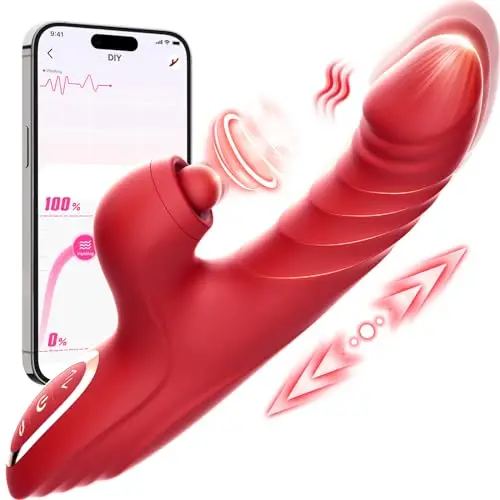 |
Vibrator Thrusting Dildo for Women Toendi G Spot Rose Toy Clitoral Stimulator | 4.4 | 14,157 | $26.99 | $12.47 | 10 vibration & 7 thrust modes, licking function, rabbit design, AI sync for gaming |
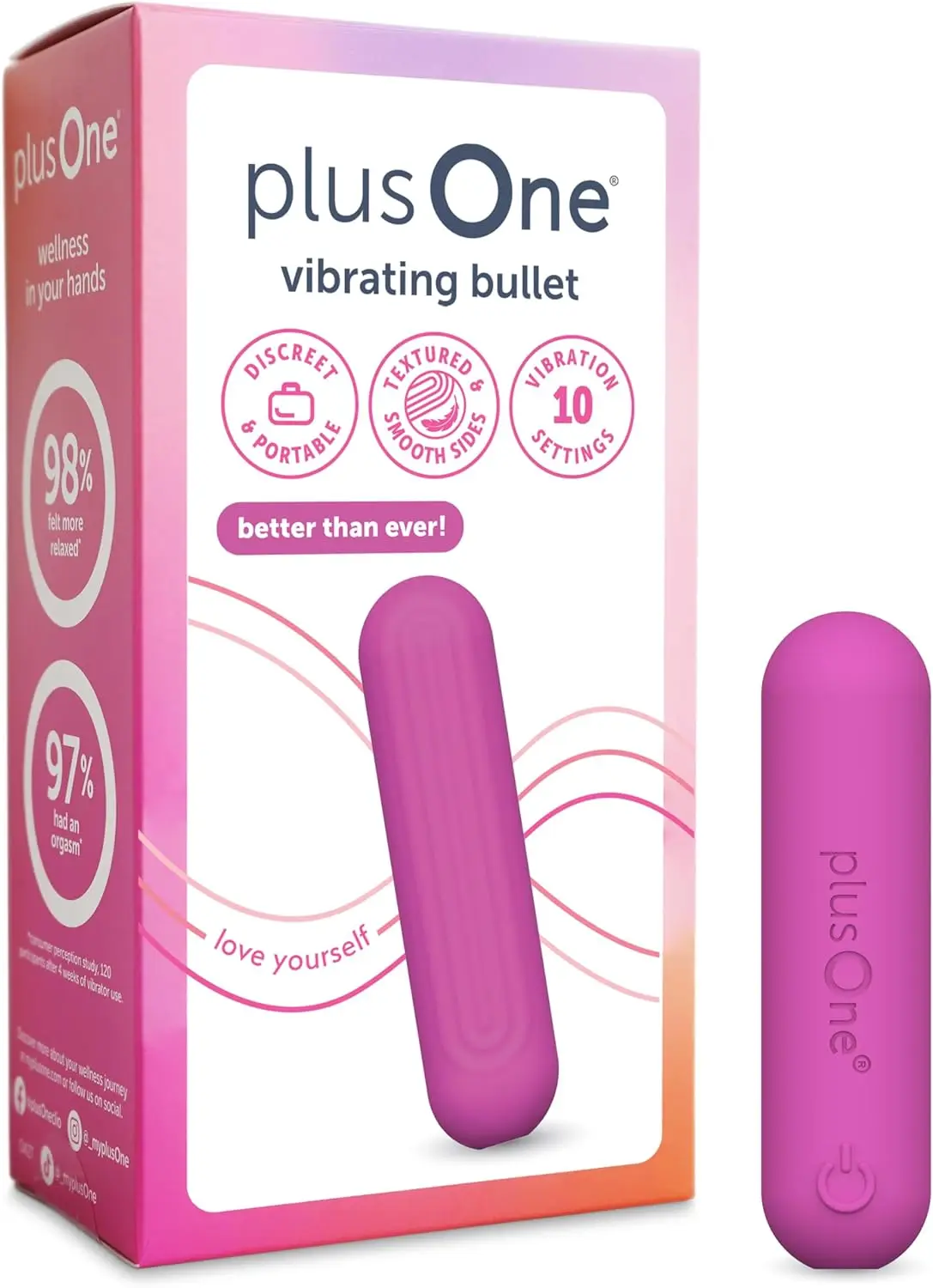 |
plusOne Bullet Vibrator for Women, Mini, Dark Pink | 4 | 8,130 | $11.27 | $6.75 | Waterproof, USB rechargeable, body-safe silicone, 10 vibration settings |
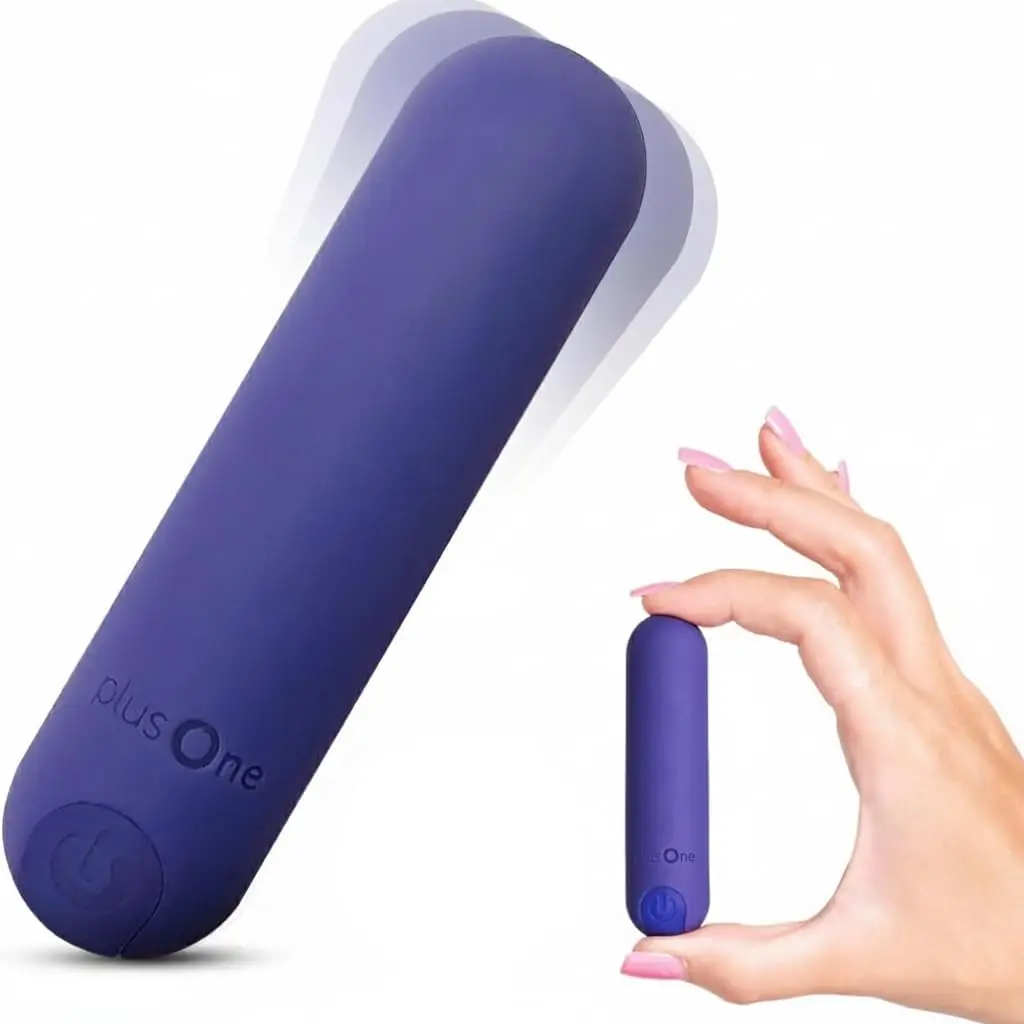 |
plusOne Bullet Vibrator for Women, Mini, Purple | 4 | 8,031 | $13.62 | $3.5 | Waterproof, silicone, USB rechargeable, 10 settings |
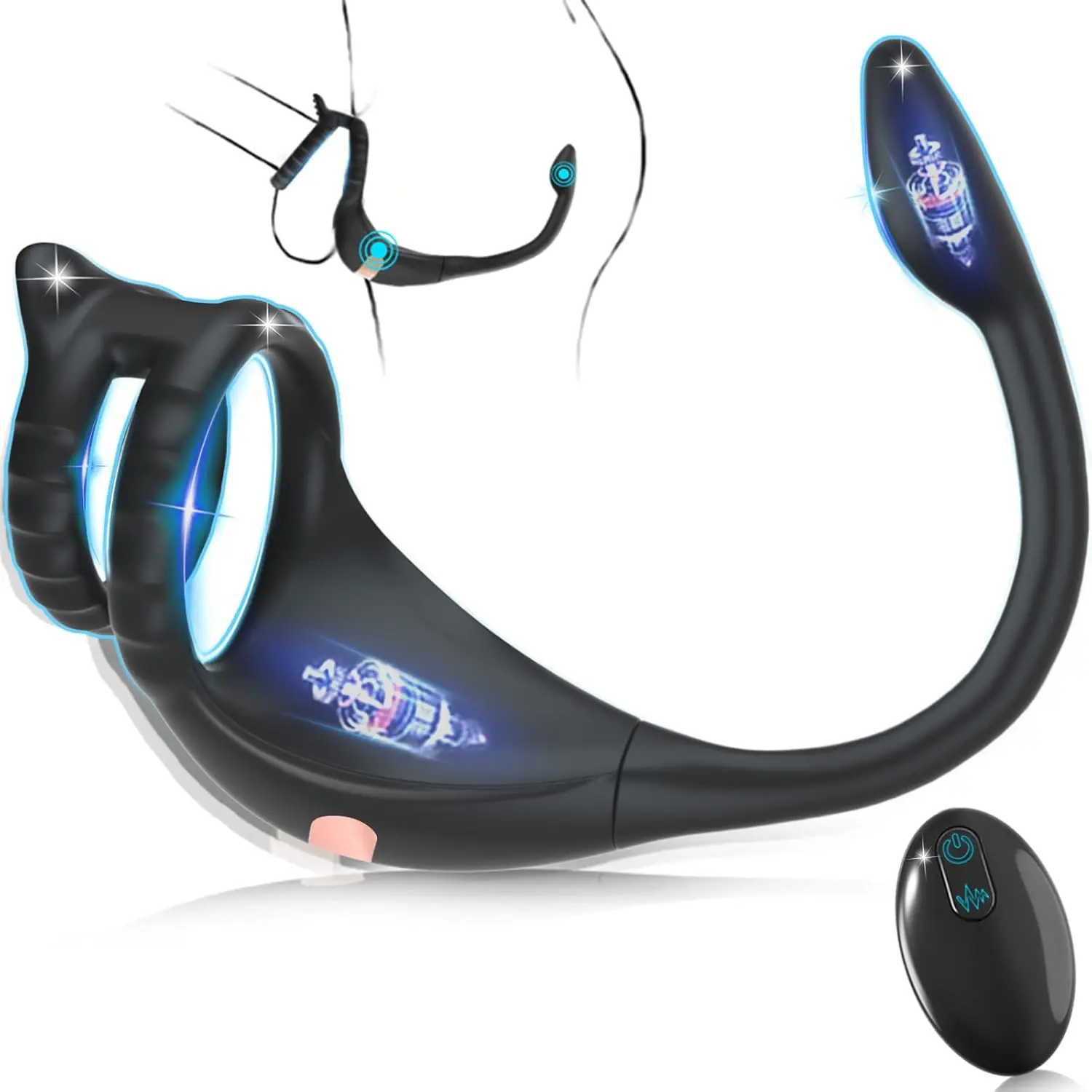 |
Vibrating Cock Ring Taint Stimulator with Mini Bullet, Remote Anal Butt Plug Prostate Massager Penis Ring Male Vibrators | 4.3 | 5,093 | $23.69 | $11.62 | Remote control, multipurpose for men & couples, mini bullet design |
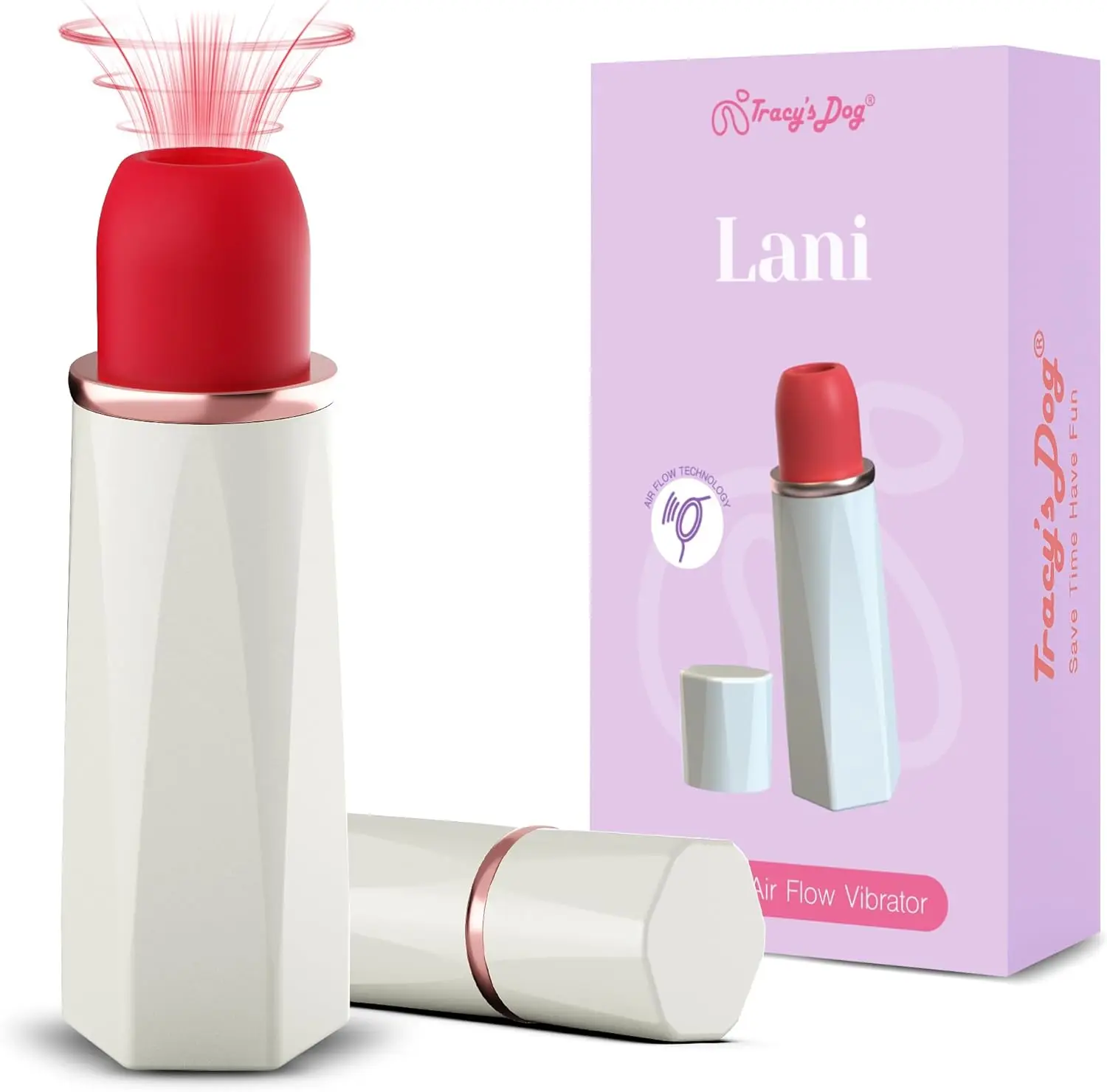 |
Tracy’s Dog Sucking Bullet Vibrator, Mini Lipstick Vibrator, White | 4.8 | 3,015 | $29.79 | $16.53 | 9 suction modes, clitoral stimulator, thumping clit sucker, lipstick shape |
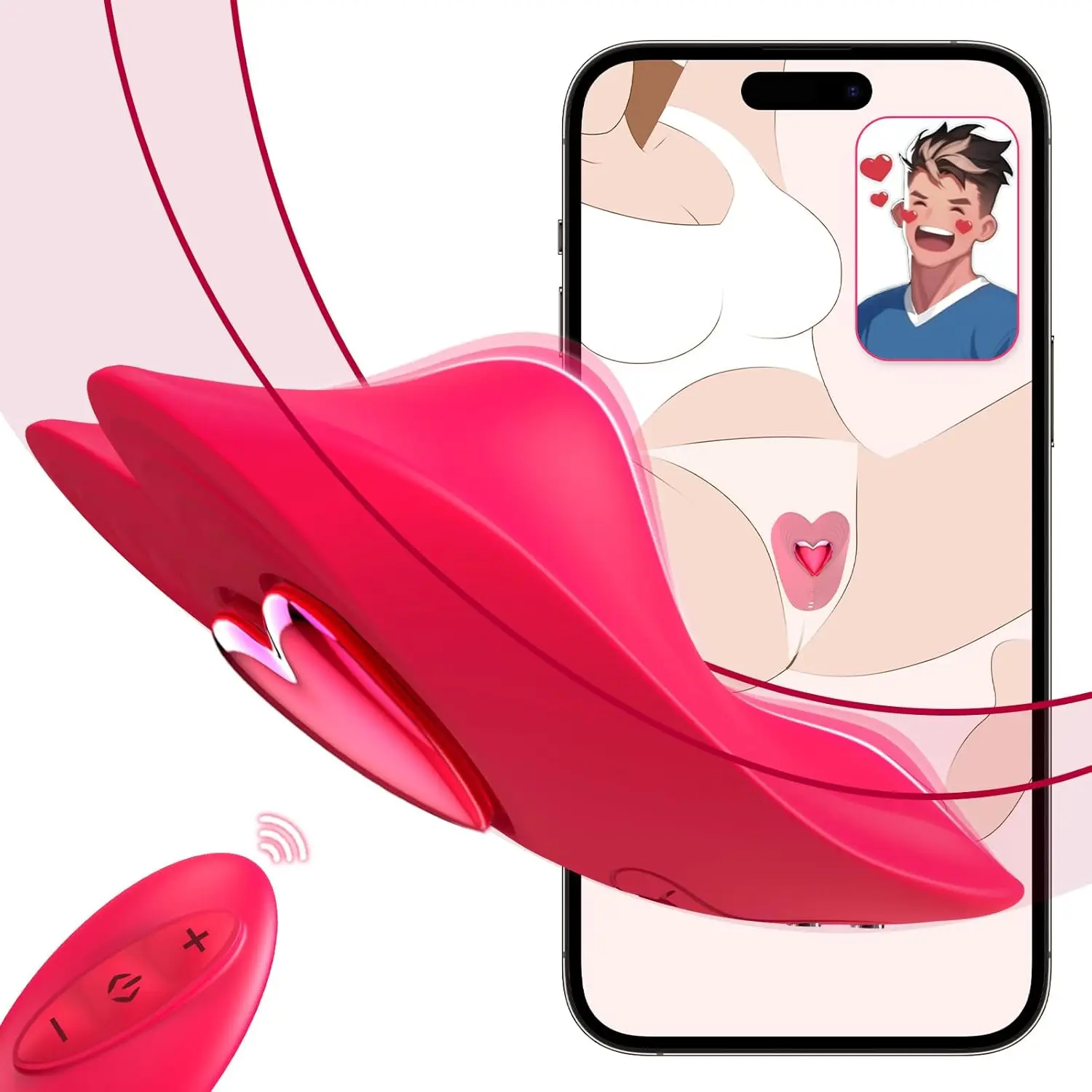 |
Remote Control Couples Vibrator, App Cellphone Wearable Panties, Red | 4 | 1,710 | $18.78 | $8.15 | Remote/app control, wearable, 10 vibrations, mini bullet |
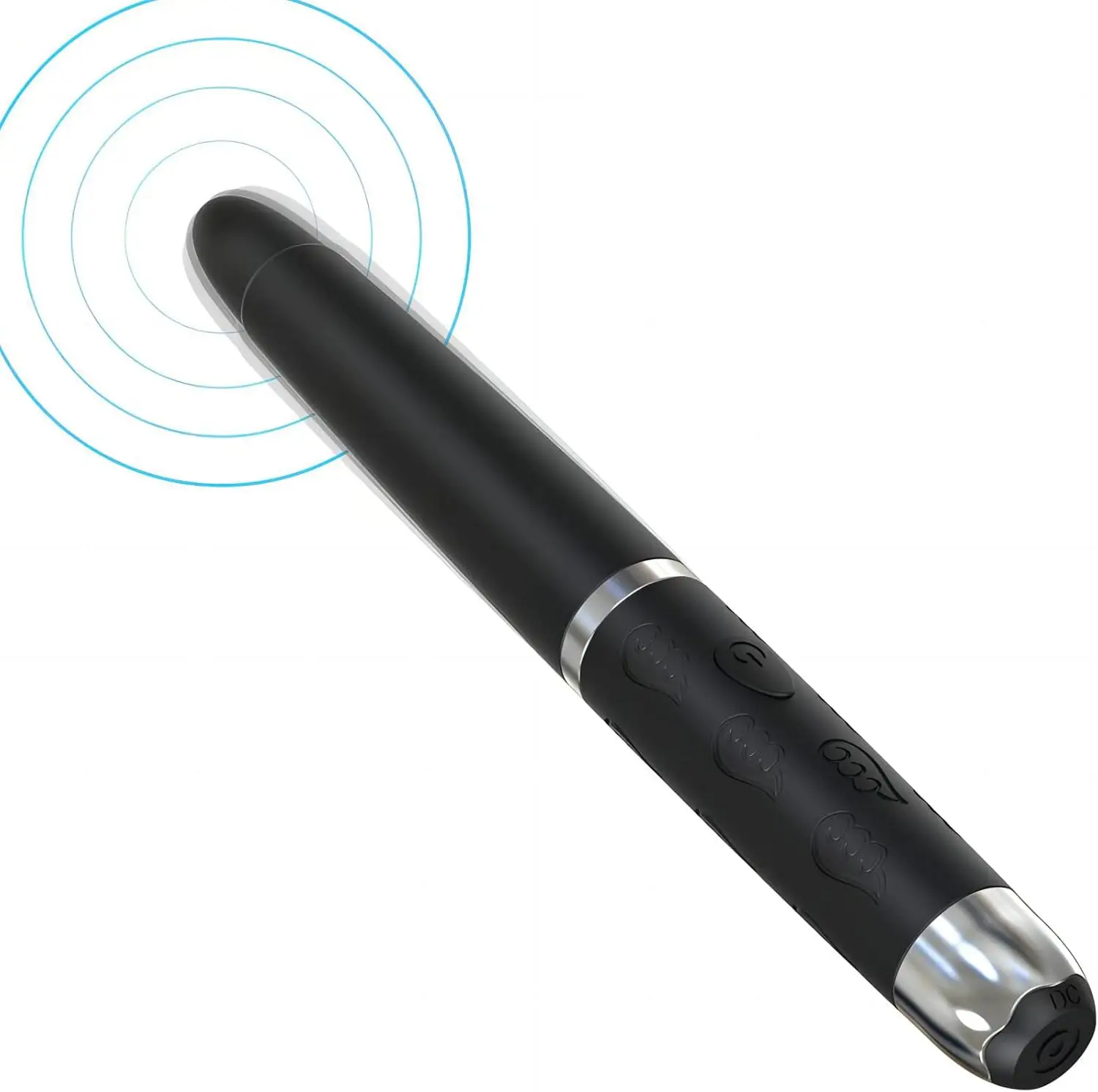 |
Female Pleasure Massage Pen, Nipple/Clitoral Stimulator Wand, Mini Dildo G-spot Bullet, Black | 4.4 | 470 | $14.99 | $6.38 | 10 frequency modes, mini wand, suitable for women & couples |
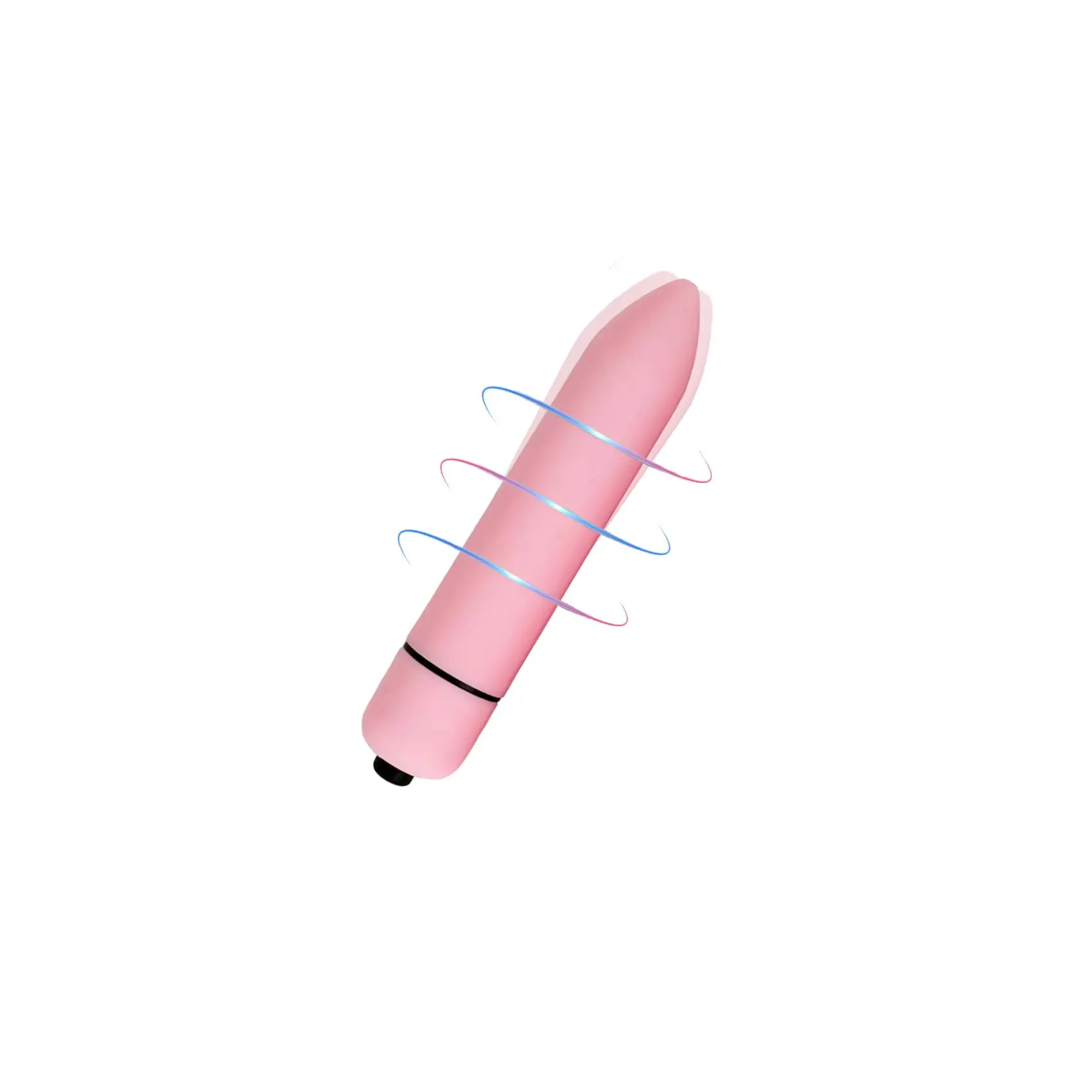 |
Mini Bullet Vibrator, Portable G Spot for Women, 10 Mode, Reusable | 2 | 115 | $4.90 | $1.32 | 10 powerful vibration modes, compact, reusable |
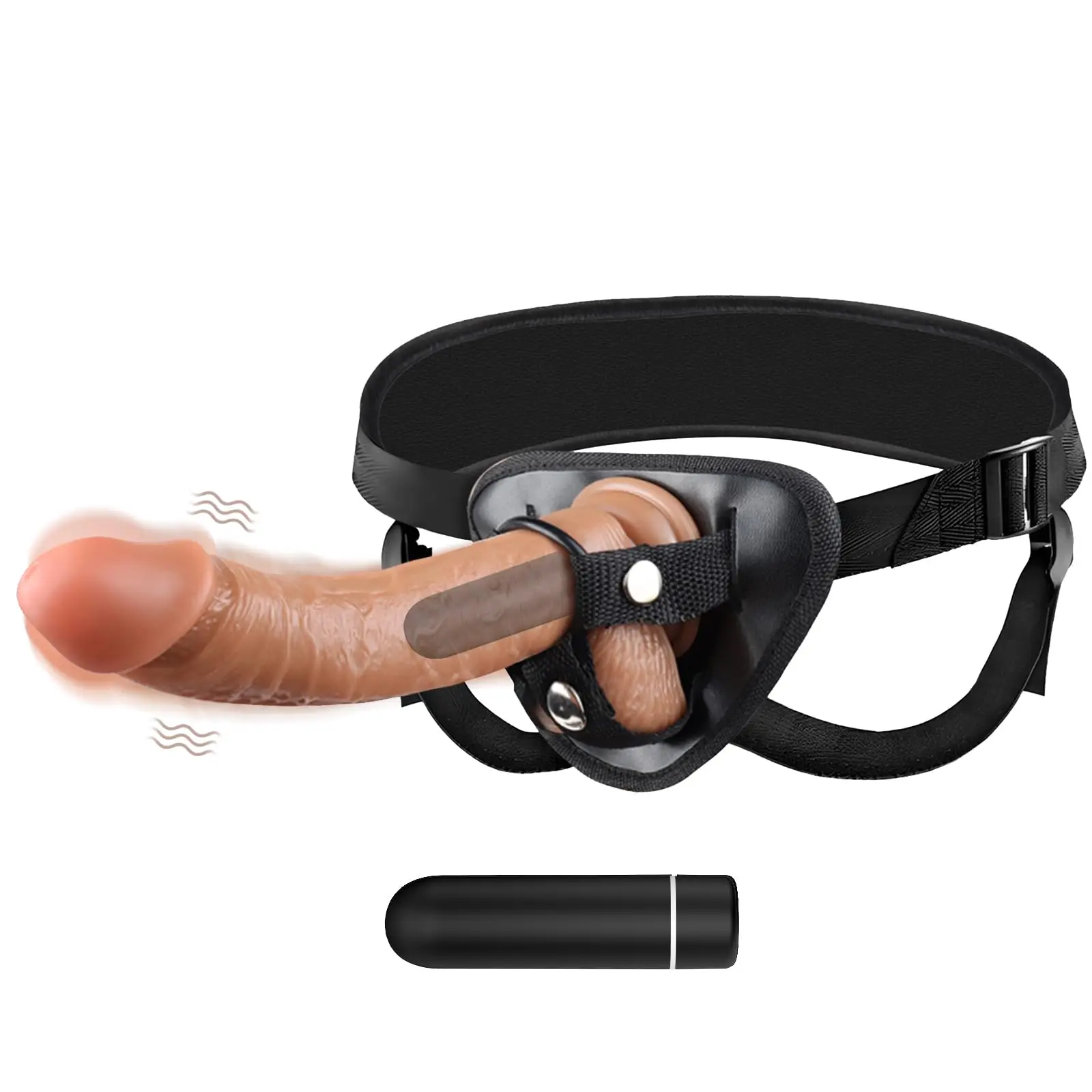 |
Strap-On Realistic Vibrating Dildo Wearable Harness with Bullet, Flesh | 4.4 | 58 | $29.64 | $12.90 | Wearable harness, G-spot stimulator, detachable bullet |
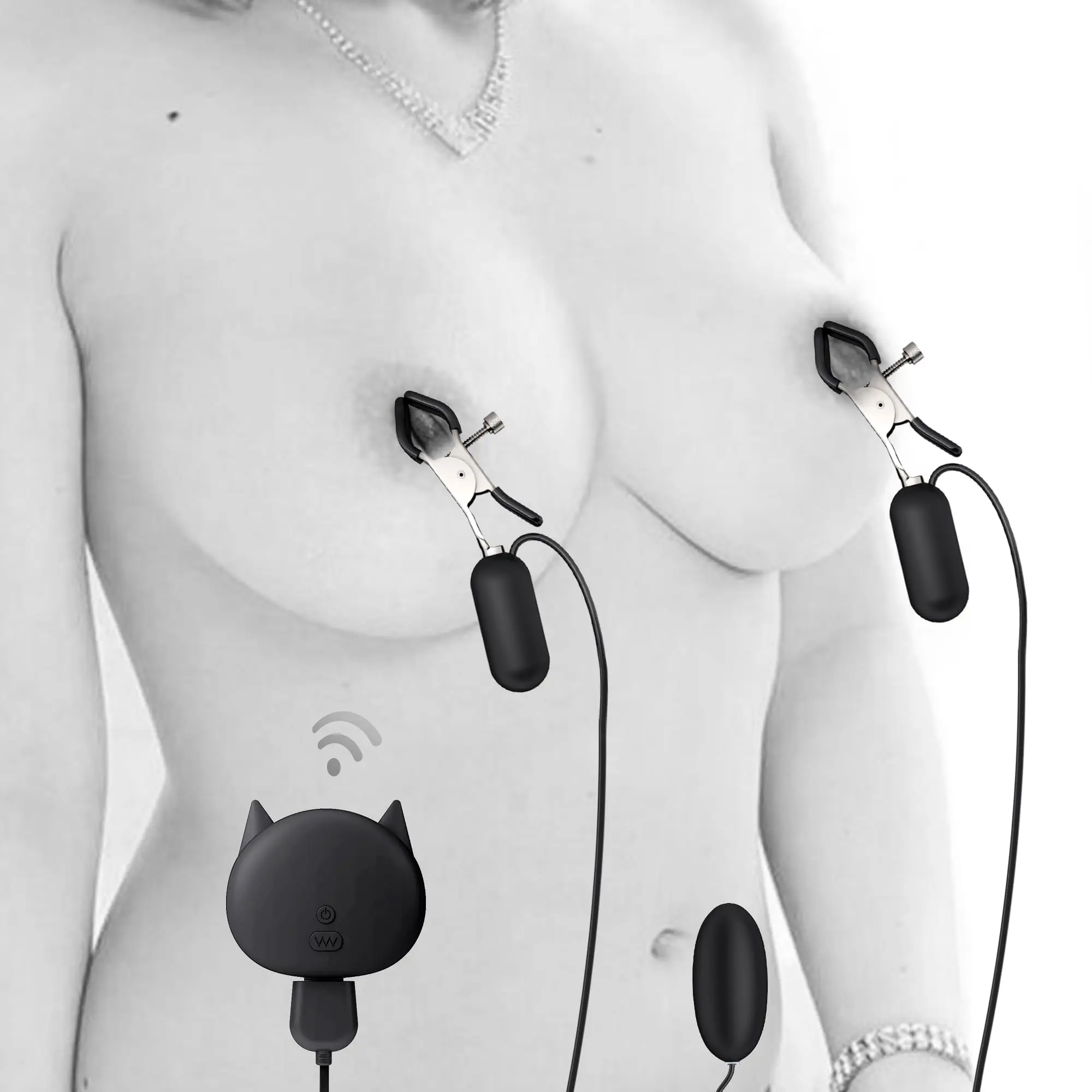 |
Nipple Toys Nipple Vibrators with Bullet, Black | 3.4 | 58 | $15.76 | $5.72 | 10 modes, nipple clamps, rechargeable, adjustable |
Table data sourced from [1]
Analysis of reviews for these products demonstrates enthusiastic feedback for vibration strength, design versatility, and discretion features. Models with suction, remote/app control, and multi-mode options are praised for elevating user experience, while trending colors and ergonomic shapes reflect both functionality and aesthetics[1]. Buyers strongly prefer body-safe silicone and waterproofing, confirming consistent market priorities.
For procurement professionals, these bestselling products offer clear benchmarks for technical specifications, packaging, and wholesale pricing, shaping export and sourcing strategies for global retailers.
Optimizing procurement in the global vibrator market demands rigorous supplier evaluation, intelligent quality controls, and vigilant risk management. Here’s how sourcing professionals can stay ahead in 2026:
Supplier Evaluation Criteria
Quality Control Points and Inspection Requirements
Logistics, Compliance, and Competitive Advantages
For first-time buyers, it’s advised to start with high-performing samples from top Amazon product lines, then incrementally expand volume as market feedback accumulates. Ongoing supplier relationships grounded in transparency, mutual innovation, and pre-emptive compliance set the foundation for sustained sourcing success in 2026[3][5][1].
The vibrator market in 2026 is characterized by unrelenting demand, innovative product development, and comprehensive mainstream acceptance. From solo wellness to couple-oriented adventure, buyers are empowered by expanding choices, accessible price tiers, and credible information sources.
Key trends highlighted in this report—from material safety and technological integration to distinctive retail favorites and intense digital discourse—underscore the category’s adaptability and sustained growth. For procurement leaders, leveraging bestseller specifications, sourcing vetted suppliers, and maintaining agile quality assurance processes will be vital to capturing market share.
Looking ahead 6–12 months, sourcing professionals should prioritize:
As the global market surges, buyers equipped with actionable intelligence and robust sourcing strategies can lead the evolution of sexual wellness, delivering products that inspire satisfaction, wellbeing, and loyalty. Take the next step confidently: benchmark your sourcing against 2026’s bestsellers, audit for excellence, and engage with suppliers who are ready to innovate for tomorrow’s trends.