
All categories
Featured selections
Trade Assurance
Buyer Central
Help Center
Get the app
Become a supplier
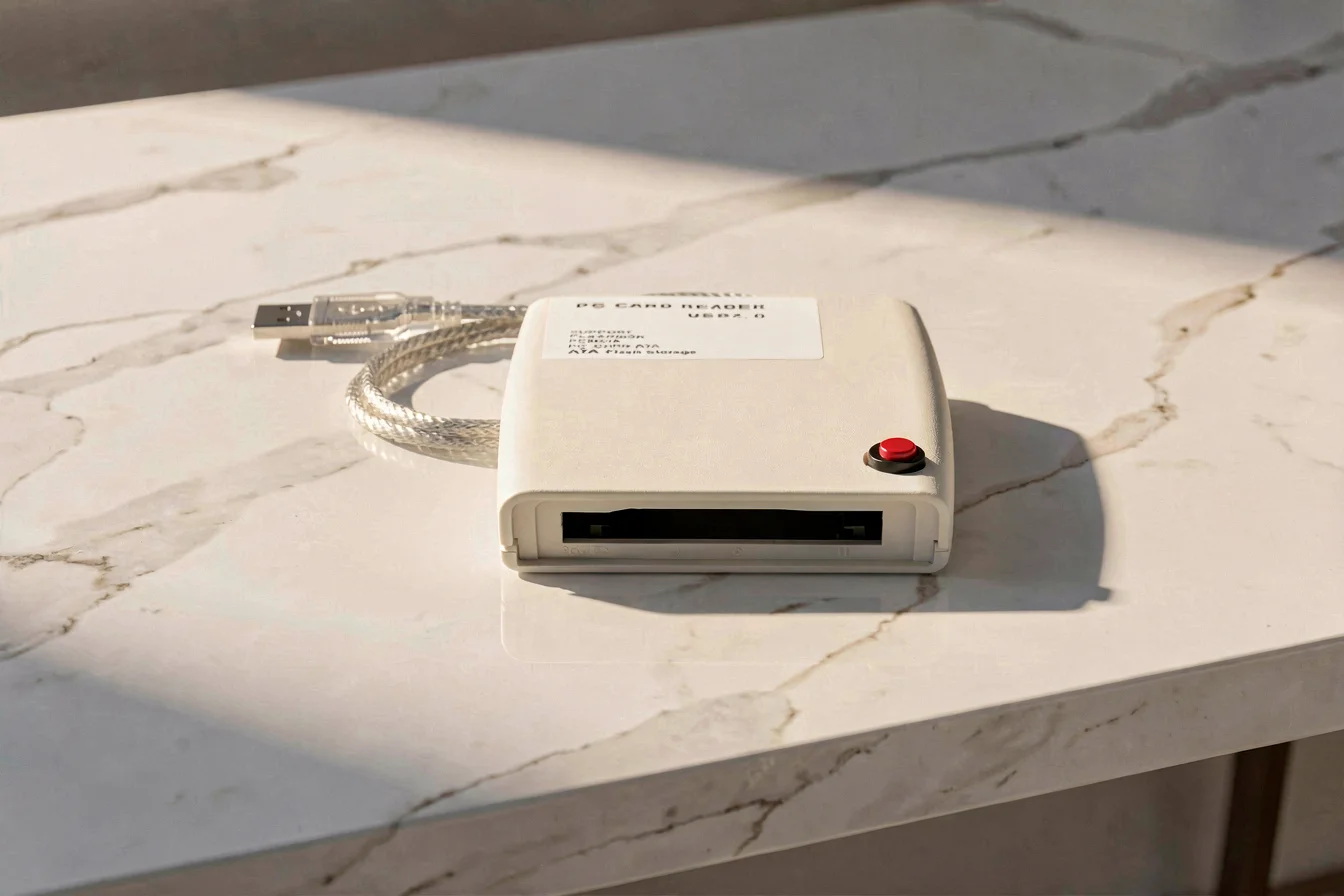
The PCMCIA card adapter market remains viable in 2026, with demand concentrated in legacy hardware, industrial equipment, and vehicle integration applications. Buyers should focus on compatibility, reliability, and OEM customization for optimal procurement outcomes. Google Trends and Amazon sales data show rising interest in USB-to-PCMCIA adapters and memory card readers, signaling a niche but persistent market need[1][2].
The PCMCIA card adapter category is trending due to a resurgence in legacy system maintenance, industrial automation upgrades, and vehicle infotainment retrofits. Buyers face challenges in compatibility, as PCMCIA slots are increasingly rare on modern devices, and must distinguish between memory card readers, network adapters, and ATA flash cards. The selection criteria for this list prioritize proven reliability, plug-and-play functionality, and compatibility with older systems, including Mercedes-Benz COMAND and industrial controls.
| Trend Factor | Current Status | Impact on Buying Decision |
|---|---|---|
| Legacy Hardware Maintenance | Rising | Critical for procurement logic |
| Industrial Automation | Stable | High OEM customization needed |
| Vehicle Infotainment | Niche | Spec-sensitive buying |
| USB-to-PCMCIA Adapters | Increasing | New market segment |
Buyers should prioritize compatibility, reliability, and OEM customization when sourcing PCMCIA card adapter products.
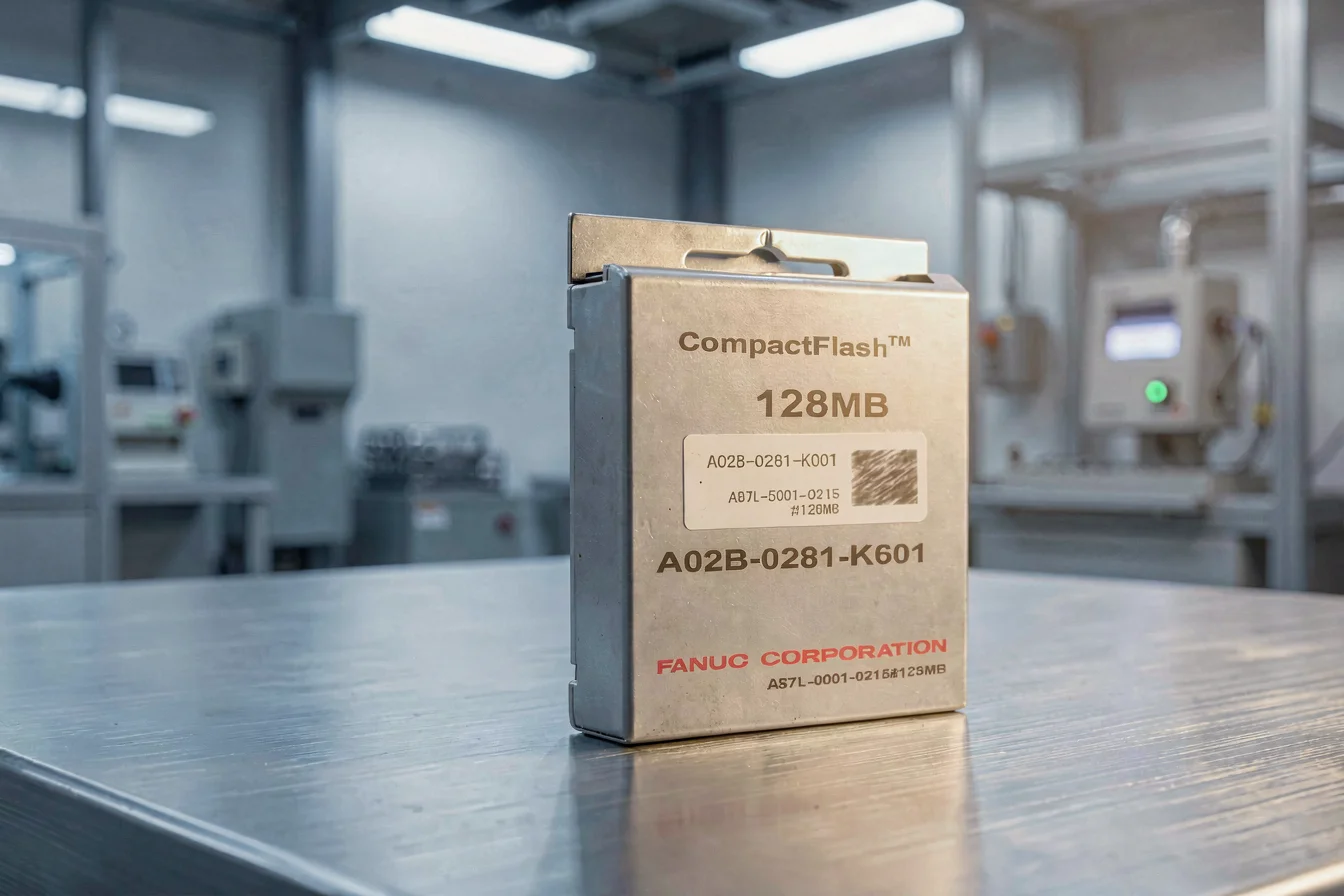
The PCMCIA card adapter market is shaped by the continued use of legacy hardware in industrial, medical, and automotive applications. Supply chain volatility is low due to steady demand, but buyers must navigate compatibility issues as PCMCIA slots disappear from modern devices. Industry drivers include the need for memory card readers, ATA flash cards, and USB-to-PCMCIA adapters for older systems. Macroeconomic risks are minimal, but buyers face challenges in sourcing reliable adapters for non-storage applications, such as network and modem cards.
| Market Dimension | Current Status | Impact Level |
|---|---|---|
| Legacy System Demand | High | Critical |
| Industrial Automation | Moderate | High |
| Vehicle Infotainment | Niche | Medium |
| USB-to-PCMCIA Adapters | Emerging | Medium |
| Network/Modem Cards | Declining | Low |
Legacy system demand and industrial automation are the primary drivers for PCMCIA card adapter procurement.
Google Trends: PCMCIA wireless card, modem card, network adapter (Mar 2025–Mar 2026)
Google Trends data shows that interest in PCMCIA card adapter products, particularly wireless and modem cards, peaked in December 2025 and January 2026. Demand for network adapters remains low, while wireless and modem cards are trending upward, signaling a niche but growing market. Buyers should time procurement for legacy system upgrades and anticipate increased demand for USB-to-PCMCIA adapters in 2026[1].
Trend data indicates rising demand for wireless/modem PCMCIA card adapter products, with procurement timing favoring Q4 and Q1.
Reddit discussions highlight pain points around compatibility, confusion between memory card readers and network adapters, and frustration with USB-to-PCMCIA bridges for industrial and legacy hardware. TikTok data unavailable. Sentiment is mixed: buyers praise reliability for memory card readers and legacy vehicle interfaces, but complain about lack of support for network cards and compatibility issues. UGC patterns show a focus on retro computing, industrial automation, and vehicle integration.
"USB-to-PCMCIA adapters for PROFIBUS adapters don't work well; PCMCIA and USB are very different technologies. If it was PCMCIA to PCIe it might be possible, but you need to find common ground for the PCIe to PCI bridge and your PCMCIA card." [8]
| Dimension | Reddit Insights | TikTok Insights |
|---|---|---|
| Compatibility | Mixed, legacy hardware needs | — |
| Resale Value | Stable for memory readers | — |
| Pain Points | Network adapters not supported | — |
| Legacy Systems | High demand for maintenance | — |
| Industrial Automation | Customization needed | — |
Reddit sentiment shows stable resale value for memory readers, but buyers face compatibility and network adapter support issues.
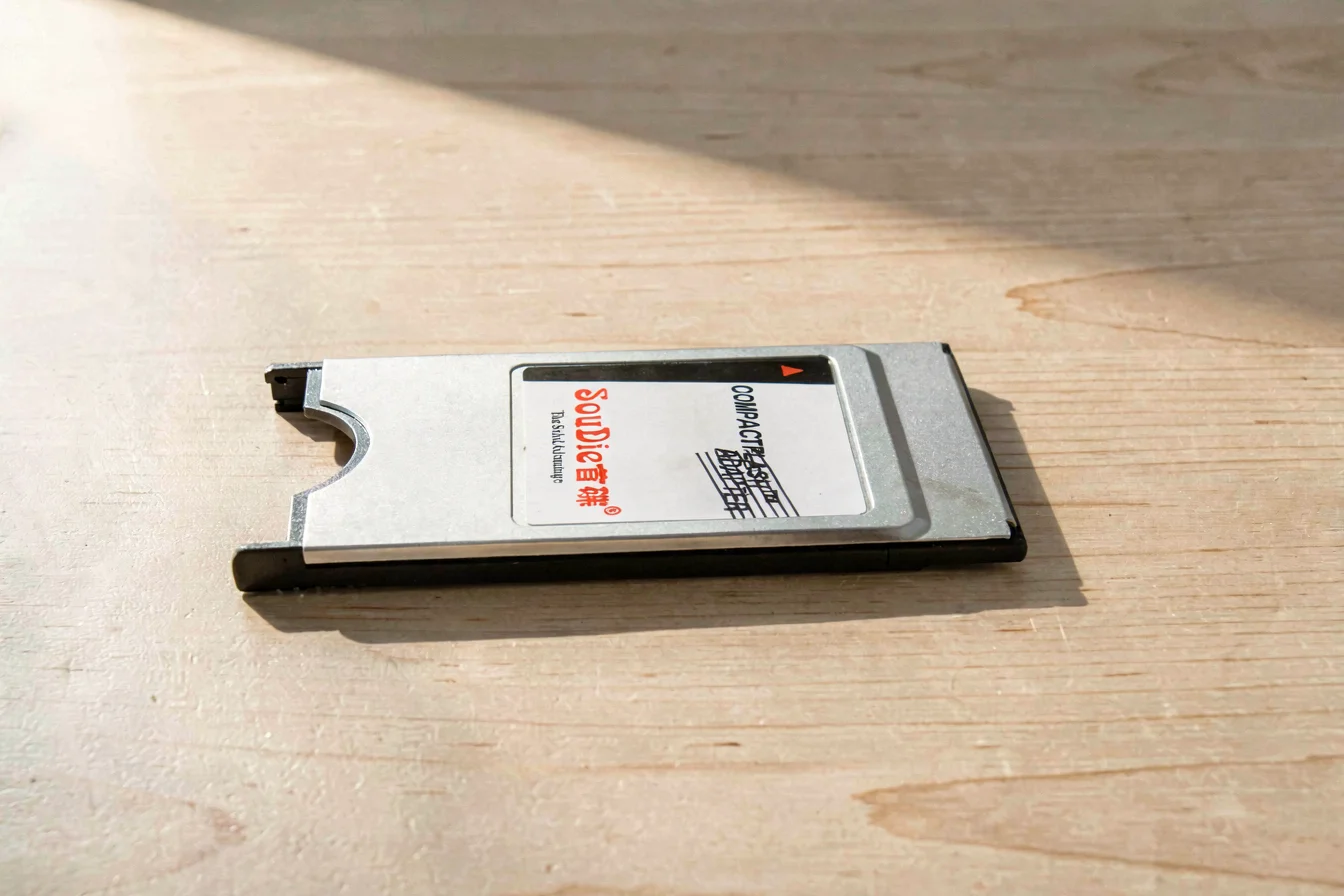
Amazon data reveals that top-selling PCMCIA card adapter products are USB 2.0 memory card readers, CompactFlash to PCMCIA adapters, and legacy vehicle interfaces. Price tiers range from $9.99 to $49.80, with ratings from 3.2 to 5.0. Features include plug-and-play, hot swap, and compatibility with older systems. Buyers should select based on application, capacity, and reliability.
| Image | Name | Price | Rating | Key Features |
|---|---|---|---|---|
 |
USB 2.0 PCMCIA Card Reader | $35.21 | 4.4 | Plug-and-play, hot swap, 20MB–20GB, anti-interference |
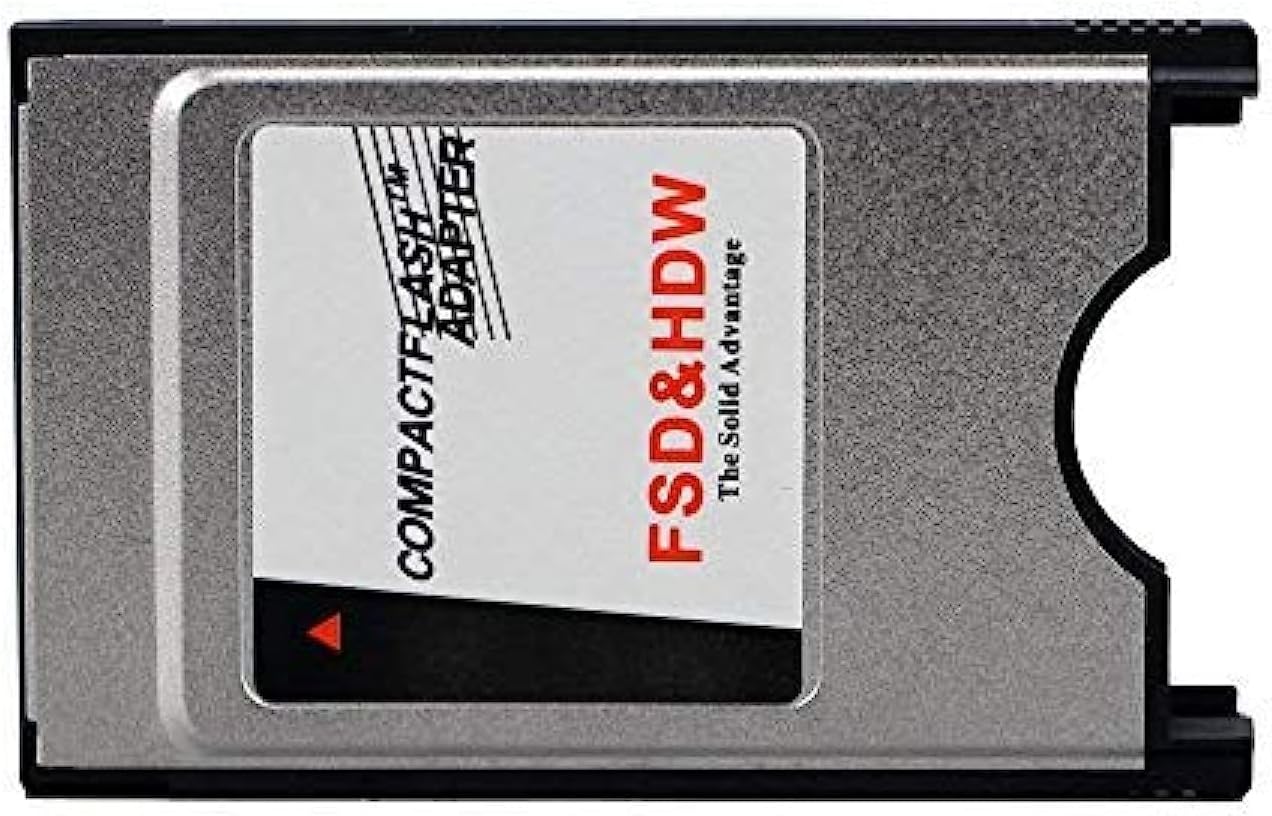 |
PCMCIA PC CF Memory Card Reader Adapter | $9.99 | 4.6 | CF to PCMCIA, 3.3V power, compatible with vehicles |
 |
Compact Flash to PCMCIA ATA Adapter | $14.99 | 4.6 | Rugged, stainless steel, fast read/write, industrial use |
 |
64MB ATA Flash PC Card | $43.35 | 3.6 | Temperature controlled, durable, gigabyte sizing |
 |
4GB CF Memory Card + PC Card Adapter | $25.9 | 4.2 | UDMA, high-speed, multiple capacities |
 |
Compact Flash to PCMCIA ATA Adapter | $17.99 | 4.6 | Rugged, stainless steel, fast read/write, industrial use |
 |
PCMCIA to SD Card Memory Card Adapter | $21.99 | 4.6 | High-speed, Mercedes-Benz COMAND, plug-and-play |
 |
CompactFlash to PCMCIA Ata Adapter | $15.9 | 4.5 | Type I, rugged, easy install |
 |
128MB PCMCIA ATA Flash Card | $49.35 | 4.7 | Non-volatile, lifetime warranty |
 |
PCMCIA to USB 2.0 CardBus Dual 2 Port 480M Card Adapter | $13.55 | 5.0 | USB 2.0, hot plug, CardBus support |
Top-performing adapters are memory card readers and legacy vehicle interfaces, with stable demand and high reliability.
Buyer reviews highlight strengths in reliability, plug-and-play functionality, and compatibility with legacy systems. Complaints focus on network adapter support, compatibility issues, and lack of driver support for older cards. Direct quotes reinforce these patterns.
"Plugged into my laptop and inserted the pcmcia drive. Worked perfectly. Solid value." [2]
"I needed this for work. It works great." [2]
| Product Name | Top Praise | Top Complaint | Overall Sentiment |
|---|---|---|---|
| USB 2.0 PCMCIA Card Reader | Works perfectly, solid value | No driver support for some cards | Positive |
| PCMCIA PC CF Memory Card Reader Adapter | Works well in older laptops | Compatibility issues with some vehicles | Positive |
| Compact Flash to PCMCIA ATA Adapter | Reliable, rugged, industrial use | No support for major brands | Positive |
| PCMCIA to SD Card Memory Card Adapter | Works with Mercedes-Benz COMAND | Slow startup for vehicle interface | Positive |
| PCMCIA to USB 2.0 CardBus Dual 2 Port 480M Card Adapter | Worked great on old IBM laptop | — | Positive |
Buyers consistently praise reliability and plug-and-play features, but complain about network adapter compatibility and driver support.
Reliability benchmarks for PCMCIA card adapter products focus on defect rates, maintenance cycles, and expected service life. Memory card readers and ATA flash cards show low defect rates and long service life, while network adapters face higher compatibility and driver issues. Strategic sourcing criteria include OEM customization, compliance verification, and negotiation levers for price optimization. Bottlenecks may occur in logistics, raw materials, and geopolitical compliance, but risks remain low due to stable demand and steady supply.
| Benchmark Dimension | Memory Card Reader | Network Adapter |
|---|---|---|
| Defect Rate | Low | Medium |
| Maintenance Cycle | Long | Short |
| Service Life | 3–5 years | 1–2 years |
| Compatibility | High | Low |
| Driver Support | Plug-and-play | Limited |
Reliability benchmarks favor memory card readers, with sourcing logic prioritizing OEM customization and compatibility checks.
Optimizing procurement for PCMCIA card adapter products involves direct factory sourcing for OEM customization, authorized distributors for legacy system support, and B2B platforms for bulk orders. Logistics trends favor steady shipping, but buyers must account for duty/tax considerations for industrial and vehicle applications. Current shipping trends show low volatility, with most adapters available for global delivery. Duty/tax considerations depend on destination and application (industrial vs. consumer).
| Procurement Channel | B2B Advantage |
|---|---|
| Direct Factory | OEM customization, volume pricing |
| Authorized Distributor | Legacy support, warranty |
| B2B Platform | Bulk orders, logistics integration |
Procurement optimization favors direct factory sourcing for OEM customization and B2B platforms for bulk orders.
The PCMCIA card adapter category is poised for steady demand in legacy system maintenance, industrial automation, and vehicle integration. Emerging trends include increased adoption of USB-to-PCMCIA adapters and memory card readers for older hardware. Buyers should prioritize compatibility, reliability, and OEM customization to ensure procurement success. As market momentum rises, especially for wireless and modem cards, buyers should time purchases for Q4 and Q1, leveraging B2B platforms and direct factory sourcing for optimal outcomes. The future is shaped by evolving legacy needs and industrial upgrades, with procurement logic favoring robust reliability and strategic sourcing partnerships.
Buyers should focus on compatibility, reliability, and OEM customization for PCMCIA card adapter sourcing, timing purchases for peak demand periods.