
All categories
Featured selections
Trade Assurance
Buyer Central
Help Center
Get the app
Become a supplier
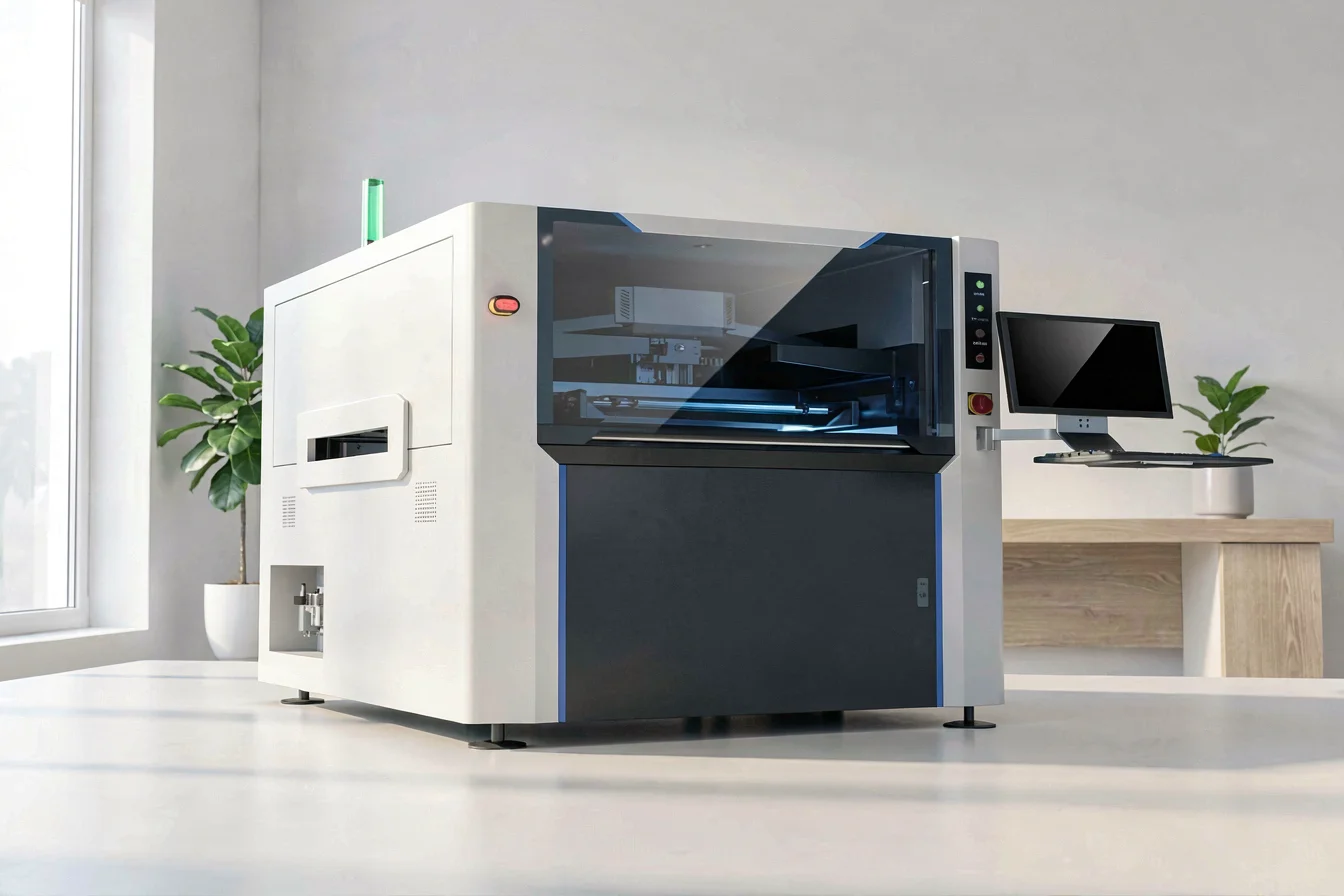
The global market for pcb printer is experiencing robust growth, fueled by demand for rapid prototyping and small-batch electronics manufacturing. Buyers seeking desktop or semi-automatic models can realize value for R&D and low-volume production, but industrial-scale needs still favor outsourcing for cost and quality reasons[1][8]. The procurement landscape is shaped by evolving technology, seasonal demand spikes, and persistent pain points in home fabrication, making strategic sourcing decisions crucial for OEMs and manufacturers.
The pcb printer category is trending due to the convergence of rapid prototyping needs, evolving DIY electronics, and the push for in-house manufacturing flexibility. Buyers should recognize that while desktop and semi-automatic pcb printer units offer fast iteration and customization, their cost-effectiveness and reliability are best suited for small batches and R&D. Industrial buyers, however, face limitations in throughput, complexity, and long-term maintenance, which often drive them back to outsourcing for high-volume or mission-critical boards[1][4][6]. Key selection criteria include printing technology (inkjet, laser, milling), precision, repeatability, and material compatibility, as well as support for solder paste and multi-layer boards.
| Trend Factor | Current Status | Impact on Buying Decision |
|---|---|---|
| Prototyping Demand | High, especially in R&D labs | Drives interest in desktop models |
| Outsourcing Costs | Stable, but recent price increases | Encourages in-house printing for basic boards |
| Technology Advancements | Rapid improvement (3D, CNC) | Expands use cases for desktop printers |
| Maintenance & Complexity | High for home units, low for industrial | Limits adoption in high-volume settings |
| Seasonality | Peaks in Q4, Q1 | Affects procurement timing and pricing |
Buyers should carefully evaluate their production needs, technological requirements, and long-term maintenance costs before investing in pcb printer solutions.
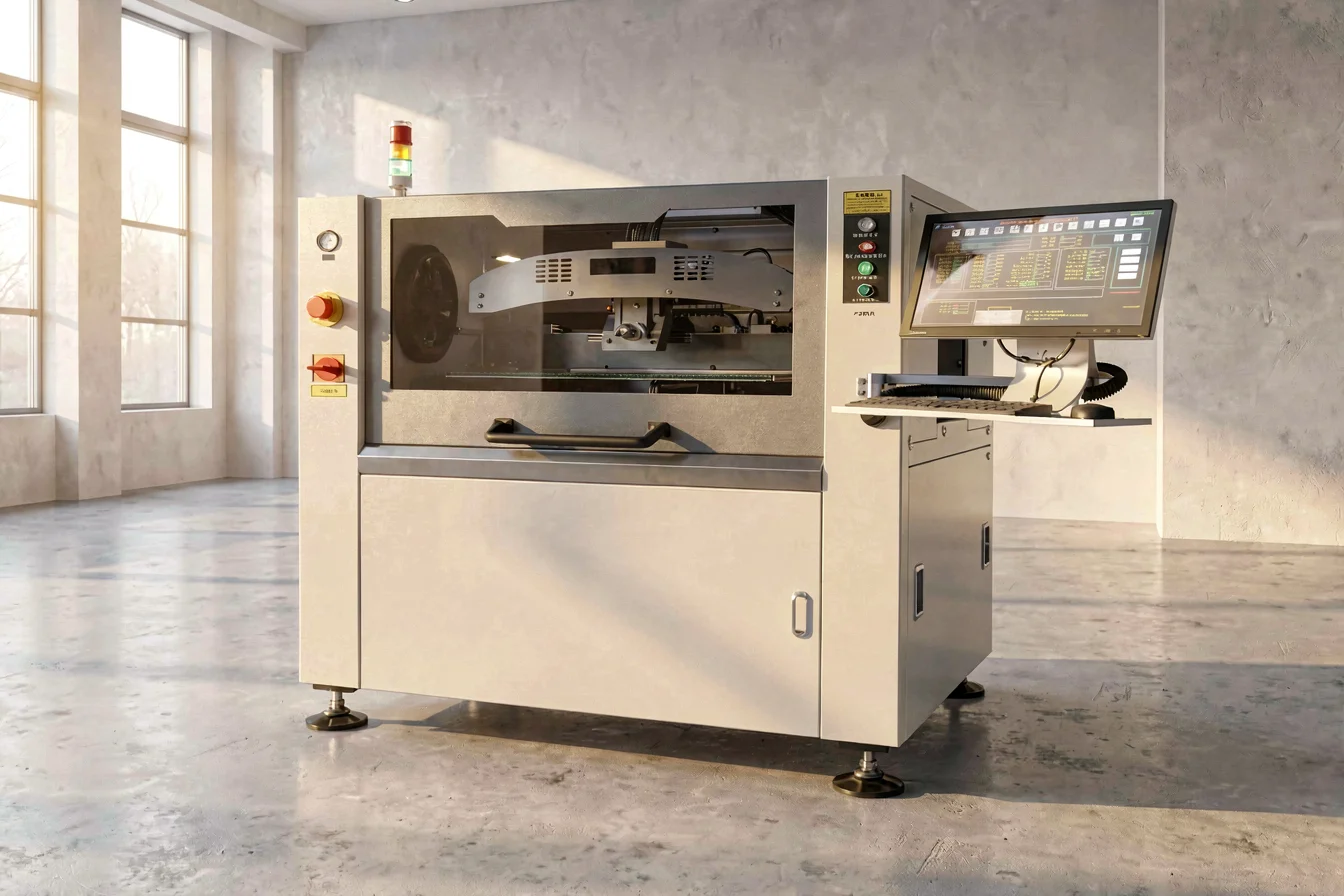
The market for pcb printer is characterized by volatility driven by supply chain disruptions, technology upgrades, and fluctuating demand for rapid prototyping. Industrial buyers are increasingly scrutinizing sourcing options, weighing the benefits of in-house printing against the established advantages of outsourcing. Macro trends include a shift toward automation, the proliferation of desktop models for small-batch production, and persistent cost pressures from raw material and logistics bottlenecks. The impact of these forces is most pronounced in the selection of solder paste and high-precision pcb printer units, where performance benchmarks and reliability are critical[1][4][6].
| Market Dimension | Current Status | Impact Level |
|---|---|---|
| Supply Chain | Stable, but with periodic disruptions | Moderate |
| Technology | Rapid innovation (3D, CNC, laser) | High |
| Demand | Strong for prototyping, steady for production | High |
| Outsourcing vs. In-House | Outsourcing dominant for industrial | High |
| Cost Structure | Rising for raw materials, stable for desktop units | Moderate |
Industrial buyers should prioritize sourcing from OEMs with proven reliability and robust quality management systems, while desktop users should focus on ease of maintenance and technology compatibility.
Global search momentum for PCB printer queries (2025–2026)
Search momentum for “PCB printer with solder paste” peaked in January 2026, indicating a surge in demand for industrial and prototyping applications[1]. “Desktop PCB printer” remains steady but less dynamic, reflecting niche interest in DIY and educational settings. These trends signal that buyers should time procurement to align with seasonal spikes, particularly for solder paste and high-precision units, to optimize pricing and availability.
Reddit and TikTok communities highlight both the excitement and frustration around pcb printer adoption. Reddit users consistently warn that home fabrication is expensive, maintenance-heavy, and limited in complexity, with most recommending outsourcing for professional boards[8][10]. Positive sentiment is strongest for rapid prototyping and educational use, while negative feedback focuses on cost, maintenance, and quality limitations. TikTok content emphasizes viral DIY builds, but lacks in-depth technical discussion, with influencers showcasing quick-turn prototypes but rarely addressing reliability or scalability. User-generated content often features direct comparisons between home printers and factory outsourcing, with recurring themes about the trade-off between speed and quality.
"PCB printers can be interesting for quick, basic prototyping, but for most people, they’re not really worth the investment. Even with the recent price increases, outsourcing still gives you higher-quality boards with features like solder masks, silkscreens, and plated vias, often at a lower cost per board." [8]
"If you can wait for a week or so, it's a no brainer to get them made from jlcpcb/pcbway. You're never going to get that kind of quality for that price at home (<20$ for 5 boards)." [10]
| Dimension | Reddit Insights | TikTok Insights |
|---|---|---|
| Prototyping Value | High for R&D, low for industrial | Viral for DIY builds |
| Quality Concerns | Outsourcing preferred for complex boards | Quick-turn, limited detail |
| Cost & Maintenance | High cost, frequent maintenance | Not discussed in detail |
| Resale Value | Low for home units, higher for industrial | Unclear, mostly novelty-driven |
| Adoption Rate | Moderate for R&D, low for production | High for viral builds, low for industrial |
User sentiment strongly favors outsourcing for professional boards, with pcb printer adoption mostly limited to rapid prototyping and educational use.
| Image | Name | Price | Rating | Key Features |
|---|---|---|---|---|
 |
ElectroCookie Snappable PCB, Strip Board | USD 9.99 | 4.7/5.0 | Gold-plated, versatile, RoHS compliant, snap-together design |
 |
174-Piece PCB Circuit Board Prototype Kit | USD 16.99 | 4.8/5.0 | Multiple sizes, header pins, FR4, durable, pre-tinned holes |
 |
Semi-Automatic Solder Paste Printer Machine | USD 4865 | — | Industrial, touch screen, high accuracy, multi-function honeycomb brush |
 |
3040 Solder Paste Stencil Printer | USD 264.06 | — | Manual, high precision, flexible positioning, steel platform |
 |
iDili Upgraded Mini CNC Solder Paste Stencil Printer | USD 87.99 | 5.0/5.0 | CNC, dual-sided, laser-etched scales, tool-free clamping |
 |
Steel Mesh Solder Paste Printing Table | USD 66.99 | — | Manual, adjustable thickness, durable steel, ±0.01mm repeatability |
 |
64 pcs Green PCB Board | USD 13.99 | 5.0/5.0 | Double-sided, 5 sizes, FR-4, mounting holes, space-efficient |
 |
Mini CNC Solder Paste Stencil Printer | USD 88.99 | — | CNC, dual-sided, laser-etched scales, tool-free clamping |
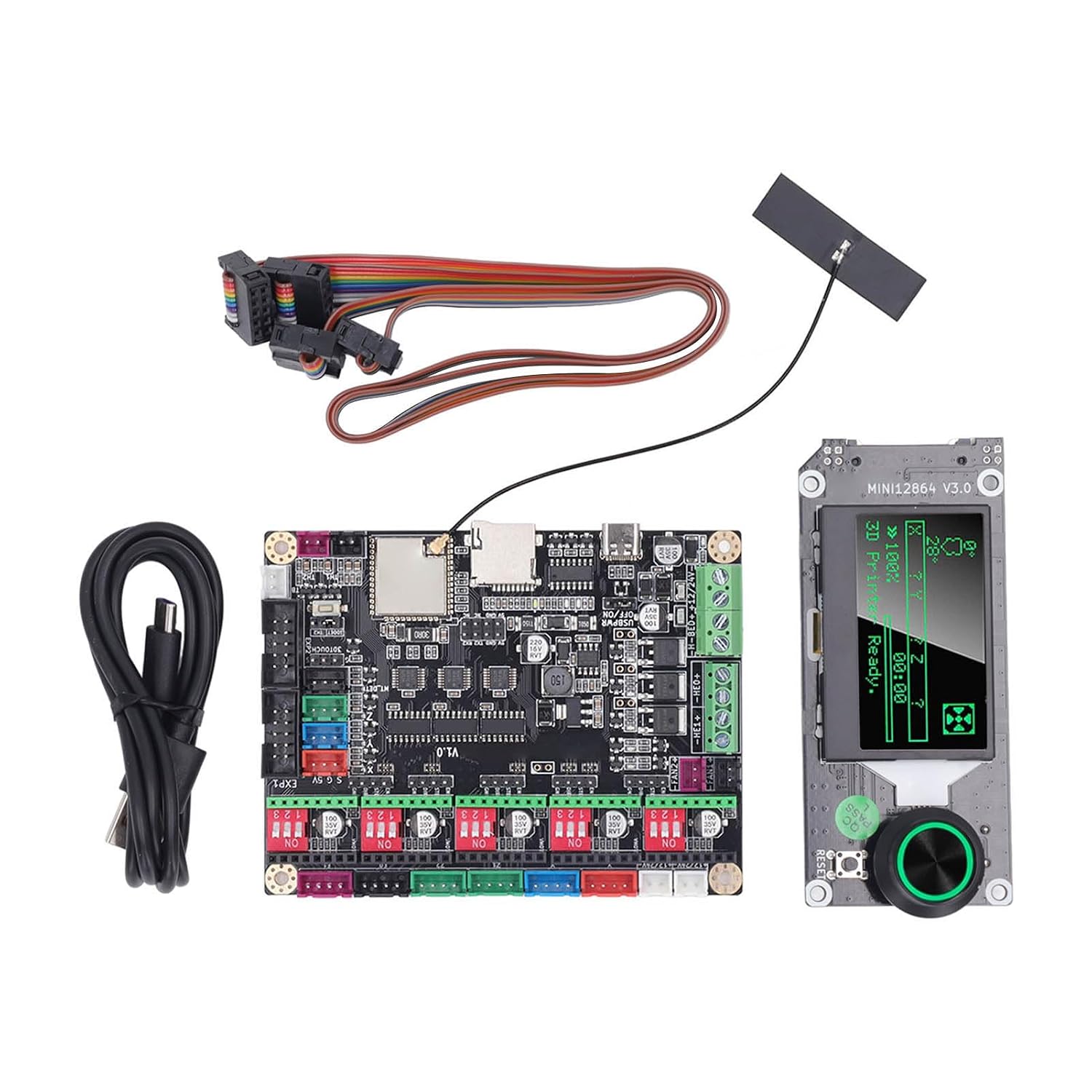 |
3D Printer Motherboard Kit | USD 47.18 | — | 3D printer control board, RGB screen, firmware support |
 |
Levtech PCB Stencil Printer | USD 387 | 5.0/5.0 | Small series, frameless stencils, easy width adjustment, secure placement |
Top-selling pcb printer products span both industrial and DIY segments, with solder paste and CNC models dominating high-precision and prototyping needs.
Buyer reviews for pcb printer products highlight consistent strengths: high-quality fabrication, versatility for prototyping, and durable materials. Complaints focus on cost, maintenance, and complexity—especially for home units, where setup and calibration are time-consuming and reliability is inconsistent. Industrial buyers praise precision and throughput but note the high upfront investment and ongoing maintenance costs. DIY kits are lauded for their value and ease of use, while solder paste printers are favored for their accuracy and flexibility. Negative feedback centers on the limitations of home fabrication, with most users recommending outsourcing for professional boards.
"Vey handy boards for simple projects. Much less expensive than custom boards when there only a few connections. Vry high quality fabrication. FRP substrate and gold plating! I haven't seen that since HP products from 30 years ago." [2]
"PCB GALORE! OH MY" [2]
| Product Name | Top Praise | Top Complaint | Overall Sentiment |
|---|---|---|---|
| ElectroCookie Snappable PCB | Quality fabrication, gold plating | Limited for complex boards | Positive |
| 174-Piece PCB Circuit Board Kit | Versatile, durable, good value | Limited to basic prototyping | Positive |
| iDili Upgraded Mini CNC Solder Paste Stencil Printer | High precision, tool-free | Cost, maintenance | Positive |
| Levtech PCB Stencil Printer | Easy adjustment, durable | Limited batch size | Positive |
| Semi-Automatic Solder Paste Printer Machine | Industrial accuracy | High price, maintenance | Mixed |
Buyers consistently praise the versatility and quality of pcb printer products, but express frustration with cost, maintenance, and reliability for home units.
Reliability benchmarks for pcb printer are established by defect rates, maintenance cycles, and expected service life. Industrial-grade units typically achieve high repeatability (±0.01mm) and durability, with defect rates below 2% for solder paste and CNC models[6]. Desktop printers have higher defect rates (5–10%) and shorter service life, often requiring frequent calibration and consumable replacement. Strategic sourcing should focus on OEMs with robust quality management systems, proven track records, and support for ISO 9001 standards. Buyers must map potential bottlenecks across logistics, raw material supply, and geopolitical compliance, and leverage negotiation levers for price optimization and volume discounts. Critical risk factors include maintenance complexity, consumable costs, and throughput limitations, which are most pronounced for home and desktop units.
| Benchmark Dimension | Semi-Automatic Solder Paste Printer | Mini CNC Stencil Printer |
|---|---|---|
| Defect Rate | <2% | 5–10% |
| Maintenance Cycle | Monthly | Weekly |
| Service Life | 5+ years | 1–2 years |
| Repeatability | ±0.01mm | ±0.02mm |
| Consumable Cost | Low | High |
Industrial buyers should prioritize reliability and maintenance support, while desktop users must account for frequent calibration and consumable costs in their procurement strategy.
The next twelve months will see continued innovation in pcb printer technology, with advancements in 3D printing, CNC milling, and laser etching expanding the capabilities of rapid prototyping and small-batch production. Pricing will remain stable for desktop units, but industrial buyers should expect periodic fluctuations due to raw material and logistics bottlenecks. Buyers are advised to align procurement timing with seasonal demand spikes, prioritize OEMs with proven reliability and quality management, and maintain a flexible sourcing strategy that balances in-house printing for prototyping with outsourcing for high-volume or mission-critical boards. Strategic investment in desktop and semi-automatic pcb printer solutions will continue to be viable for R&D and educational settings, but industrial buyers should focus on optimizing throughput, defect rates, and maintenance cycles to ensure supply chain resilience and cost efficiency.